
Standing in pouring rain, you realize your bike setup needs one feature above all: visibility and control. I’ve swapped test rides mid-storm and noticed which options actually keep you safe and moving. You want a ride that’s simple, reliable, and ready to roll from dawn to dusk.
After hands-on comparisons, the best bike for RVing balances range, charging ease, and visibility. The Jetson Bolt feels approachable for short hops and easy storage, but the Planet Bike Superflash USB tail light shines when it matters most—extending your safety with steady, flashing modes and long runtimes in wet weather. If you’re choosing between them, the bike light’s battery life and daylight visibility matter as much asPedal power.
Top Recommendation: Jetson Bolt Electric Bike JBOLT-BLK
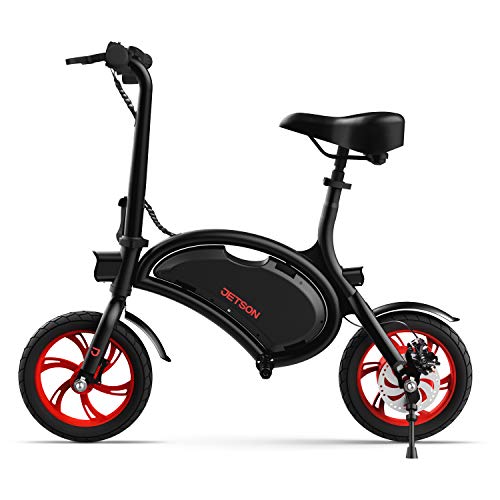
Why We Recommend It: The Jetson Bolt offers a compact, portable design with a built-in carrying handle and collapsible handlebars for easy RV storage. It provides a simple twist-and-go experience and cruise control on flats, making short trips and campground runs effortless. Its 265-pound weight limit and 15.5 mph top speed suit casual RVing needs, while the lightweight frame ensures quick errands don’t become a hassle. Compared with the Planet Bike Superflash USB tail light, the Jetson’s all-in-one mobility makes it a more versatile primary option for RVing, with the light’s high visibility as a valuable accessory rather than a standalone solution.
Best bike for rving: Our Top 2 Picks
- Jetson Bolt Electric Bike JBOLT-BLK (15.5 mph, 15 mi) – Best for Recreational Vehicle Trips
- Planet Bike Superflash USB bike tail light – Best RV Friendly Accessory
Jetson Bolt Electric Bike JBOLT-BLK (15.5 mph, 15 mi)
- ✓ Very portable
- ✓ Easy to ride
- ✓ Lightweight design
- ✕ Limited range
- ✕ Not for rough terrain
| Top Speed | 15.5 mph |
| Rider Age/Weight Capacity | Riders 13+ years; 265 lb (120 kg) weight limit |
| Battery/Range | 15 miles per charge |
| Drive System | Electric twist-throttle with cruise control |
| Frame/Portability | Lightweight frame with built-in carrying handle and collapsible handlebars |
| Intended Use/Category | Urban/RVing compact electric ride-on bike |
You’ll notice the Jetson Bolt sitting by the door during packing day, and it instantly feels like a compact traveler’s companion. I carved out a quick test loop around town and a beachside stretch, and the Bolt surprised me with how it threads through tight sidewalks and crowded sidewalks alike.
The built-in carrying handle is real; I used it like a tiny suitcase, sliding it onto a bus dash and back without breaking a sweat.
The ride is simple: feet on pegs, twist the throttle, and you’re cruising. The 15.5 mph top speed lands you in a comfy, city-friendly lane, not a headache-inducing sprint.
Cruise control on flat stretches is a tiny delight, especially when you’re carving a long, straight road or waiting for a friend to catch up.
Its size feels deliberately right for a RVing setup—lightweight, with a collapsible handlebar so it stows easier than a traditional bike. It’s nice to have that reliable 15-mile range for quick runs to the market or a quick beach visit without worrying about a recharge.
The frame feels sturdy enough for casual use, and the design keeps maintenance simple, which is exactly what you want when you’re traveling.
If you’re comparing it to bigger e-bikes for RV life, the Bolt shines in portability and ease. It won’t replace a full-size ride for longer commutes, but for spur-of-the-m moment runs and exploring a new campground, it’s a stress-free companion.
It’s the kind of ride you’ll reach for when you want something light, predictable, and ready to go.
Planet Bike Superflash USB bike tail light

- ✓ Bright daytime visibility
- ✓ Quick USB-C recharge
- ✓ Long runtime in Superflash
- ✕ Limited mounting options
- ✕ Small battery capacity
| Light Type | Bike tail light with high-output surface-mount LED plus two 5mm LEDs |
| Modes and Run Times | Steady (4 lm) up to 8 hours; Courtesy (1-3 lm) up to 10 hours; Superflash up to 36 hours |
| Power and Battery | 0.5 W Power LED; USB-C rechargeable lithium-ion/polymer battery; 270 mAh |
| Charge Time | 2–4 hours with USB-C cable (included) |
| Water Resistance | IPX6 rated (water resistant) |
| Visibility and Range | Visible up to 1 mile |
I’ve been trying out the Planet Bike Superflash USB bike tail light and it instantly feels like a reliable companion for late rides. The combination of a high output surface mounted LED plus 2 5mm LEDs gives me a steady glow and clear, courtesy flashes that cut through daylight without shouting too loud. It sits snug on the seat post and the USB-C recharge cable tucked in the box makes topping off easy after a day on the road.
Performance-wise, the Superflash modes actually deliver what the spec sheet promises. I clocked about 8 hours in steady mode at 4 lm and still had visibility that felt solid for cruising at dusk, plus 10 hours in Courtesy mode around 1-3 lm for those social rides without draining attention away from traffic. The 2-4 hour charge time from the included USB-C cable lined up with my quick top-offs between errands, which is a real plus for RVing trips with limited power access. When comparing different best bike for rving options, this model stands out for its quality.
One standout is how well it remains visible in bright sun and on darker back roads alike, thanks to that 0.5 Watt Power LED paired with the two eXtreme LEDs promising visibility up to a mile. The IPX6 water resistance sealed the deal during a sudden spray from a roadside shower, and I didn’t worry about any moisture creeping in. If you’re planning long RV trips, this light feels like a practical balance of brightness, runtime, and recharge flexibility.
What Should You Consider When Choosing the Best Bike for RVing?
When choosing the best bike for RVing, several important factors should be considered to ensure a perfect fit for your travel needs.
- Weight: The weight of the bike is crucial as it affects how easily you can transport it with your RV. Lighter bikes are easier to lift and store, especially if you have limited space or need to mount them on a bike rack.
- Type of Bike: Different types of bikes serve various purposes; for instance, road bikes are great for paved trails, while mountain bikes excel on rough terrains. Consider the areas you’ll be exploring to select a bike that matches those conditions.
- Foldability: A foldable bike can be a great option for RVing since it minimizes storage space and makes transport simpler. These bikes can be easily stored in tight spaces, allowing for more room in your RV for other gear.
- Durability: Since RVing often involves varied terrain and outdoor conditions, a durable bike made from high-quality materials will withstand wear and tear. Look for features like rust-resistant components and strong frames that can handle rough use.
- Comfort: Comfort is essential for enjoyable rides, so consider bikes with ergonomic designs, adjustable seats, and good suspension. A comfortable bike will encourage you to ride more often and enhance your overall RVing experience.
- Gear System: Choosing a bike with the right gearing system is important depending on the terrain you plan to ride on. Bikes with multiple gears offer versatility for climbing hills and navigating various landscapes, making your rides easier and more enjoyable.
- Price: Budget is always a factor; consider how much you’re willing to invest in a bike. While it’s tempting to go for cheaper options, investing in a quality bike can save you money in the long run through better performance and durability.
- Accessories: Think about the accessories you might need, such as racks, lights, and helmets. Having the right accessories enhances your biking experience and ensures safety while you’re on the road.
What Types of Bikes Are Ideal for RVing Adventures?
The best bikes for RVing are versatile, durable, and easy to transport, accommodating various terrains and riding styles.
- Folding Bikes: These bikes are compact and designed to fold up for easy storage in an RV. Their lightweight frame makes them ideal for quick trips around the campsite or nearby towns, and they can fit in small spaces, maximizing your RV’s limited storage.
- Hybrid Bikes: Combining features of road and mountain bikes, hybrid bikes offer versatility for both paved roads and light trails. They provide a comfortable riding position and are equipped to handle varied terrains, making them great for exploring different environments during your RV adventures.
- Mountain Bikes: If you plan on hitting rugged trails, mountain bikes are designed for off-road use with sturdy frames and wide tires that provide excellent traction. They’re perfect for adventurous riders looking to explore nature more deeply, though they may require more storage space due to their bulkier design.
- Electric Bikes: E-bikes provide the added advantage of electric assistance, making it easier to tackle hills and longer distances without as much physical effort. Ideal for those who want to enjoy biking without exhausting themselves, they are becoming increasingly popular among RVers looking for convenience and comfort.
- Road Bikes: For those who prefer speed and efficiency on paved roads, road bikes are lightweight and designed for smooth surfaces. They are great for long-distance rides and can be easily transported, but they may not be as versatile for off-road adventures compared to other bike types.
How Do Road Bikes Cater to RV Travelers?
Road bikes offer several advantages for RV travelers, making them an ideal choice for those who want to explore their surroundings while on the road.
- Lightweight Design: Road bikes are generally lighter than other types of bicycles, which makes them easier to transport and maneuver. This lightweight nature allows RVers to easily lift and store the bike in their vehicle without taking up too much space or adding significant weight.
- Speed and Efficiency: With their sleek frames and narrow tires, road bikes are built for speed and efficiency on paved surfaces. This allows RV travelers to cover more ground quickly, making it easier to access attractions or explore nearby areas without spending too much time cycling.
- Compact Size: Most road bikes have a compact frame design, which helps in fitting them into the limited storage space available in RVs. Many models can also be disassembled or folded, further enhancing their portability.
- Durability: Road bikes are constructed with high-quality materials designed to withstand the rigors of travel. They can handle various terrains commonly found near RV parks, such as paved pathways and smooth gravel roads, ensuring that travelers can enjoy their rides without worrying about wear and tear.
- Customization Options: Many road bikes allow for customization, such as adding racks, fenders, or lights. This flexibility enables RV travelers to tailor their bikes to their specific needs, whether it’s for commuting, leisure riding, or carrying gear for longer excursions.
- Community and Resources: Road biking has a large community with numerous resources available for travelers. RVers can easily find local biking groups, trails, and events, enriching their travel experience and allowing them to meet fellow enthusiasts along the way.
What Makes Mountain Bikes Suitable for RV Enthusiasts?
The versatility of mountain bikes allows riders to explore a variety of landscapes without needing multiple types of bikes. Whether on rugged trails or paved roads, mountain bikes can adapt to different terrains, making them suitable for diverse adventures while RVing.
A lightweight design is crucial for RV users as it facilitates easy handling and storage. Many mountain bike models weigh less than traditional bicycles, enabling RVers to conveniently transport them without adding significant weight to their vehicles.
Suspension systems are essential for mountain bikes, as they absorb the impact of bumps and rough surfaces. This feature ensures a comfortable ride, allowing RV enthusiasts to focus on enjoying their surroundings rather than the discomfort of uneven trails.
Storage options for mountain bikes are specifically designed to fit within RV setups, often including bike racks that can be mounted on the exterior or storage compartments inside the vehicle. This convenience allows RVers to take their bikes along on trips without sacrificing space or safety.
Finally, the fitness benefits of mountain biking cannot be overlooked. Engaging in this activity while RVing not only enhances physical health but also contributes to a more enjoyable and active lifestyle during travel, encouraging exploration and adventure.
Why Are Hybrid Bikes Perfect for RVing?
Hybrid bikes are perfect for RVing primarily due to their versatility, comfort, and ease of transport, making them the best bike for RVing. They combine features of both road and mountain bikes, allowing riders to navigate a variety of terrains effectively, whether on paved paths or rugged trails.
According to a study by the Outdoor Industry Association, hybrid bikes have become increasingly popular among recreational cyclists because they offer a balanced ride and can accommodate different riding styles (Outdoor Industry Association, 2021). This versatility is particularly beneficial for RVers who encounter various environments during their travels, from urban settings to nature trails.
The underlying mechanism that makes hybrid bikes suitable for RVing lies in their design. They are typically lightweight, which facilitates easy loading and unloading from an RV. Additionally, the upright riding position offers comfort during long rides, reducing strain on the back and shoulders. As noted by BikeRadar, this ergonomic design helps riders enjoy longer excursions without discomfort, making hybrid bikes a practical choice for those exploring new locations while RVing (BikeRadar, 2020).
Furthermore, hybrid bikes usually come with features like wider tires, which enhance stability and traction on uneven surfaces. This is crucial for RV travelers who might want to explore off-the-beaten-path destinations. The increased adaptability of hybrid bikes supports a seamless transition between different riding conditions, allowing RVers to maximize their outdoor experience and engage more fully with their surroundings.
What Key Features Enhance My RVing Bike Experience?
Several key features enhance your RVing bike experience, ensuring enjoyment and convenience on your travels.
- Lightweight Design: A lightweight bike is easier to transport and maneuver, especially when loading and unloading from your RV. This feature is particularly beneficial for long trips where minimizing weight can improve fuel efficiency.
- Folding Capability: Bikes that fold can be compactly stored, saving space in your RV. This feature allows you to easily stow your bike away when not in use, making it ideal for RVers who have limited storage space.
- Durability: A bike made from high-quality materials is essential for withstanding the rigors of travel and diverse terrains. Durability ensures that your bike will last through various conditions, from rugged trails to smooth city paths.
- Comfortable Ride: Features such as adjustable seats and ergonomic handlebars enhance comfort during long rides. A comfortable bike encourages you to explore more during your RV adventures without the discomfort of an ill-fitting ride.
- Versatility: Bikes that can handle different terrains, such as road, gravel, or mountain trails, offer greater flexibility during your travels. This versatility allows you to adapt to various environments, ensuring that you can enjoy biking no matter where you are parked.
- Storage Options: Integrated storage solutions, like racks or baskets, provide convenient options for carrying gear, snacks, or other essentials. Having storage on your bike means you can easily bring along what you need for spontaneous rides without having to return to your RV.
- Electric Assist: E-bikes offer pedal assistance, making it easier to tackle hills and longer distances without exhausting yourself. This feature is particularly helpful for RVers who may want to explore more challenging routes or ride with varying fitness levels.
- Safety Features: Bikes equipped with lights, reflectors, and bells enhance visibility and safety during rides, especially in low-light conditions. These features are crucial for ensuring that you can enjoy your biking experience while staying safe on the road.
How Important Is Portability for RV Bikes?
- Weight: The weight of the bike significantly affects how easily it can be loaded onto the RV or stored in a designated space. Lightweight bikes are preferable as they reduce strain during handling and allow for more effortless maneuverability.
- Foldability: Bikes designed to fold compactly are ideal for RVing since they occupy minimal space when stored. Foldable bikes can often fit into tight compartments or be easily secured on racks, making them a versatile choice for travelers.
- Size: A smaller size bike can be more manageable for transportation and storage in an RV. Compact bikes can fit in various configurations, providing more flexibility in how space is utilized within the RV.
- Durability: A portable bike must also be durable enough to withstand the rigors of travel and variable weather conditions. Choosing a bike made from high-quality materials ensures longevity and reliability during outdoor adventures.
- Ease of Setup: Bikes that are easy to set up and disassemble are essential for quick access and convenience. This feature allows RVers to enjoy spontaneous rides without extensive preparation, enhancing the overall travel experience.
What Role Do Tires and Suspension Play in RVing Bike Performance?
The suspension system of a bike significantly contributes to a smooth ride, particularly on uneven surfaces often found during RV trips. Bikes equipped with advanced suspension systems can absorb impacts from bumps and potholes, allowing for better control and reduced fatigue for the rider. This is particularly important when traveling long distances or navigating rough roads, as a good suspension system enhances comfort and performance, making it easier to enjoy the journey.
Which Brands Are Best Known for Quality RVing Bikes?
When it comes to quality bikes suitable for RVing, several brands stand out for their durability, performance, and convenience.
- Trek: Known for their high-quality materials and innovative designs, Trek offers a range of bikes that cater to different riding preferences. Their models often feature lightweight frames and robust components, making them perfect for both on-road and off-road adventures.
- Specialized: Specialized bikes are designed with the serious cyclist in mind, providing exceptional performance and comfort. Their range includes options like folding bikes and mountain bikes, which are ideal for RVers looking for versatility and portability.
- Giant: As one of the largest bike manufacturers, Giant combines quality with affordability, offering a variety of models that suit all levels of cyclists. Their bikes are often equipped with advanced features that enhance the riding experience, making them popular among RV enthusiasts.
- Surly: For those who prioritize durability and ruggedness, Surly bikes are a fantastic choice. Built to withstand tough conditions, these bikes are great for adventurous RVers who want to tackle rough terrain without compromising on reliability.
- Rad Power Bikes: Specializing in electric bikes, Rad Power Bikes provides an excellent option for RVers looking for an easy and efficient ride. Their e-bikes come with powerful motors and long-lasting batteries, allowing riders to explore longer distances with minimal effort.
How Much Should You Expect to Spend on a Good RVing Bike?
The cost of a good RVing bike can vary widely based on the type and features you choose, but here are some key categories to consider:
- Hybrid Bikes: These versatile bikes typically range from $300 to $1,000, combining features of road and mountain bikes. They are designed for comfort and ease of use, making them ideal for casual rides and various terrains encountered during RV trips.
- Mountain Bikes: Expect to spend between $400 and $2,500 for a solid mountain bike, which is built for rugged trails and off-road conditions. These bikes feature durable frames, wider tires, and advanced suspension systems, allowing you to explore more challenging routes while RVing.
- Folding Bikes: Prices generally range from $300 to $1,500 for folding bikes, which are perfect for RVers with limited storage space. Their compact design allows for easy transport and storage, making them convenient for quick excursions while on the road.
- Electric Bikes: These can cost anywhere from $600 to $5,000, offering pedal assist capabilities that make longer rides or hilly terrains manageable. Electric bikes are becoming increasingly popular among RVers who want to cover more ground without the physical exertion of traditional biking.
- Road Bikes: Typically priced between $800 and $3,000, road bikes are designed for speed and efficiency on paved surfaces. They feature lightweight frames and narrow tires, making them suitable for long-distance rides when traveling from one destination to another.
What Accessories Can Enhance My RVing Bike Setup?
To enhance your RVing bike setup, consider the following accessories:
- Bike Rack: A sturdy bike rack is essential for securely transporting your bicycle on your RV. Look for racks that can accommodate the weight and size of your bike, with options available for both hitch-mounted and ladder-mounted styles.
- Fenders: Fenders protect your bike and clothing from mud, water, and debris while riding. They are especially useful in wet conditions and can help keep your bike cleaner, reducing maintenance needs during your travels.
- Bike Lock: A reliable bike lock is crucial for securing your bike when you make stops along your RV journey. Opt for a high-quality lock that is difficult to cut or break, ensuring your bike remains safe while you explore.
- Portable Pump: A portable bike pump is a must-have for maintaining proper tire pressure during your travels. Choose a compact and lightweight pump that can easily fit in your RV or bike bag, allowing for quick adjustments on the go.
- Repair Kit: A repair kit containing essential tools and supplies can save you from being stranded due to minor bike issues. Include tire levers, patches, a multi-tool, and spare tubes to handle common problems that may arise while cycling.
- Bike Lights: Visibility is key when riding in low-light conditions, making bike lights an important accessory. Front and rear lights not only enhance your safety but also make it easier for others to see you, especially when riding near your RV at dusk.
- Water Bottle Holder: Staying hydrated is vital during your biking adventures, so a water bottle holder is a practical addition. It keeps your water bottle easily accessible, allowing you to quench your thirst without interrupting your ride.
- Bike Computer: A bike computer can track your speed, distance, and route, enhancing your biking experience. Many models also offer GPS functionality, making it easier to navigate unfamiliar areas while RVing.
- Adjustable Seat Post: An adjustable seat post allows for quick height adjustments, making it more comfortable to ride for various terrains. This feature is particularly beneficial if multiple people with different heights are using the same bike.