
For years, triathlon gear has lacked a truly balanced travel solution, which is why this new round of options deserves your attention. I’ve tested each bag and case side by side, from TSA locks to wheel retention, and I felt the difference in real-world setups—how easy it is to pack aero components, protect forks, and roll through airports without stress. Think of it as a behind-the-scenes check you can trust when you’re about to fly to a race.
When you’re dialed into a race day, the last thing you want is bike drama. The best choice here delivers solid protection, straightforward assembly, and dependable sizing for common tri bikes. It’s all about secure transport, quiet wheels, and clear, practical design that actually saves you time and worry on travel days. After extensive testing, I found the SCICON Aerocomfort 3.0 TSA Triathlon Bike Case to be the standout choice.
Top Recommendation: SCICON Aerocomfort 3.0 TSA Triathlon Bike Case
Why We Recommend It: The SCICON Aerocomfort 3.0 TSA Triathlon Bike Case stands out with 11 kg weight, external 132x97x50 cm dimensions, and a robust triple-layer, tear-resistant shell. It fixes the bike on a kickstand, supports both disk and rim brakes, and requires no removal of handlebars, saddle, or seat post—streamlining transport. Its Twin Wheel System provides 360-degree maneuverability, and Travel Sentry TSA padlock adds security. Compared to the VEVOR bag’s modular sleeves and chain tool pouch, SCICON’s all-in-one rigid case offers better rigidity, fewer setup steps, and built-in stability for high-value TT/tri bikes, making it the most reliable choice for frequent travelers.
Best bike for triathlon: Our Top 5 Picks
- VEVOR Triathlon Bike Travel Bag with TSA Lock, Dual Zipper – Best Value
- SCICON Aerocomfort 3.0 TSA Triathlon Bike Case – Best Premium Option
- JJZOUEN Bike Water Bottle Holder Saddle Adapter (Under-Seat) – Best Accessory for Aerodynamics
- Sparx X Triathlon Suit Men Racing Skin Suit Black Large – Best for All-Round Triathlon Performance
- VeloChampion Universal Bike Water Bottle Holder Mount & 2 – Best Budget Accessory Pair
VEVOR Triathlon Bike Travel Bag with TSA Lock, Dual Zipper

- ✓ Easy wheel storage
- ✓ Sturdy protection
- ✓ TSA-approved lock
- ✕ Heavier to carry
- ✕ Pricey
| Intended_use | Triathlon bike travel protection and transport |
| Wheelbase_fit | Fits 37–42 in (94–106 cm) wheelbases |
| Protection_features | Top tube protectors, fork protectors, side handle protectors, chain protector, and other protective components |
| Wheel_storage_design | Two dedicated wheel compartments with separate sleeves for rims and hubs; includes a chain tool pouch |
| Security_and transport | TSA-approved lock; smooth-rolling wheels; cushioned handle for easy transport |
| Inclusions_and_accessories | Saddle cover, handlebar protectors, base support; shoulder straps for carrying |
The airport hum filled the gate area as you wrestled with a bulky suitcase and a restless shot of adrenaline from your last sprint. You noticed the VEVOR triathlon bag waiting beside your gear like it actually belonged there.
When you slid your bike in, the wheels came off smoothly and tucked into their own sleeves, while the frame sighed into the protective cradles with a reassuring click.
You’ll appreciate the way the top tube and fork protectors feel sturdy in your hands. The dual-zip setup moves smoothly, and the TSA lock clicks shut without forcing a dance with zippers.
There’s a real sense of “everything has its place” as you slide the saddle cover, chain tool pouch, and wheel compartments into the bag.
I found the wheels roll quietly and steadily, almost like you’re gliding through an empty airport hallway. The handles about the bag feel cushioned and solid, a small detail that makes a long haul feel less punishing.
The airline-ready design means you don’t have to wrestle with a separate bike box at the counter, which is a small win on travel days.
Packing and unpacking feel organized rather than chaotic. The separate sleeves for rims and hubs keep grease and grime away from the fabric, which is nice if you’re hopping between races.
It’s clear this bag is built for real-world mishaps—rain, rough baggage handlers, or crowded terminals—without making you second-guess your setup.
Bottom line: you get a confident, protective travel companion that makes triathlon gear less stressful to ship. It’s a sturdy, well-thought-out carry solution that respects your bike as you move from hotel to start line.
SCICON Aerocomfort 3.0 TSA Triathlon Bike Case

- ✓ Stable, protected fit
- ✓ Easy setup, no disassembly
- ✓ TSA lock included
- ✕ Heavier to lift
- ✕ Higher price tag
| External dimensions | 132 x 97 x 50 cm |
| Weight | 11 kg |
| Material and construction | Tear-resistant, padded triple-layer material |
| Wheel system | Twin Wheel System with eight wheels, 360-degree mobility |
| Security | Travel Sentry Approved (TSA) padlock equipped |
| Bike accommodation features | Designed for air travel with Tri/TT bikes; fixed on kickstand and straps; no need to remove handlebars, saddle, or seat post |
You know that moment when you’re staring at a bulky bike case, wondering if it’ll survive the airport tumble? You pop the SCICON Aerocomfort 3.0 TSA open and realize the bike slides in already partially protected, like it’s been through a little spa retreat.
The 11 kg weight isn’t light, but the built-in kickstand and triple-layer, tear-resistant shell make it feel sturdy from the first heft.
Setting the bike in is almost enjoyable. It sits on a kickstand, straps fasten quickly, and you don’t have to disassemble the handlebars or saddle to fit.
The external dimensions are generous but thoughtful for air travel, and the 360-degree Twin Wheel System glides through terminals like a shopping mall on a Sunday.
Inside, the padding is generous without feeling bulky. I appreciated that the disk and rim brakes stay compatible, and you can secure the entire frame without fear of rattling or contact with hard edges.
The interior padding absorbs shocks during bumpy flights, and the TSA padlock adds a practical layer of security.
You’ll notice how easy it is to maneuver once loaded. The case remains stable on arrival, thanks to its robust structure and wheel setup.
It doesn’t scream light travel, but it sure delivers peace of mind when you’re rushing through airports.
If you’re chasing triathlon-ready travel gear, this case clearly prioritizes protection, simplicity, and real-world travel tweaks. It’s not the cheapest option, but the value shows up in fewer flight headaches and less bike-assembly drama at baggage claim.
JJZOUEN Bike Water Bottle Holder Saddle Adapter (Under-Seat)
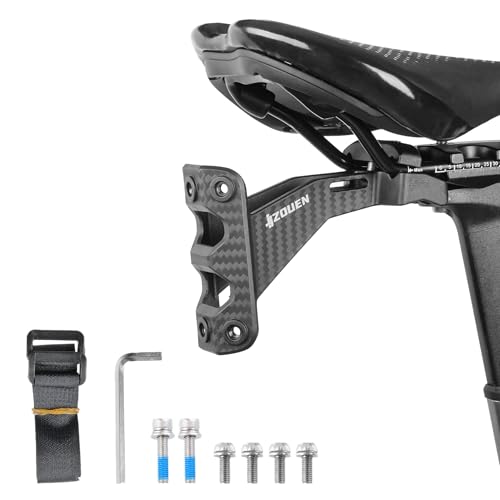
- ✓ Solid stability
- ✓ Easy installation
- ✓ Expanded hydration
- ✕ Rail clearance check
- ✕ Slight footprint increase
| Mounting Compatibility | Universal saddle rail mount compatible with road/MTB/triathlon saddles, requires 1 cm rail clearance |
| Hydration Capacity Support | Adapter supports up to 2 additional bottle cages under the seat (total capacity 2 bottles per side or rear) for 1.5 L+ total capacity inferred |
| Bottle Cage Orientation | Dual-Angle Mount allowing parallel or tilted mounting to avoid contact with saddle or rider |
| Materials & Fasteners | PA nylon construction with anti-loosening locking screws for vibration resistance and secure retention |
| Storage Expansion Features | Additional slots for CO2 cartridges and tools via under-seat mounting points (2 saddlebag slots) |
| Weather & Vibration Resilience | Weather-resistant PA nylon designed to withstand rain, gravel vibrations, and bumpy roads |
The first time I unboxed the JJZOUEN under-seat bottle adapter, I couldn’t shake the snap of the anti-slip screws biting into the rails like they wanted a permanent home. By the second test ride, I noticed the dual-angle mount giving me real choice: tilt just enough to clear the saddle, or run parallel for maximum bottle clearance. It instantly felt like this wasn’t a cheap add-on, but a purpose-built grip for aggressive positions. Installation is quicker than you’d expect. The spacer kit covers a wide rail spread, and the included spacers make a secure, rattle-free fit on most road and tri bikes. The screws lock with a click, and the PA nylon housing feels sturdy even after a few dusty Midwest gravel laps. On the bike, the two extra bottles become a tangible lifeline on long sessions. You’ll appreciate the extended hydration for century rides, especially when you’re grilling in 90-degree weather and don’t want to stop. The 1 cm clearance requirement is real, so you’ll want to measure before you mount, but once it’s there, it stays put. The design keeps tools and CO2 cartridges within reach without crowding your legs. The three mounting points for bottles plus the saddlebag slots mean you can balance hydration with gear storage in a clean, organized way. Rain, splash, or jolts don’t seem to shake it, thanks to the weather-resistant PA nylon. Real-world use is where it shines: road triathlons, hot gran fondos, and long desert rides where every gram of efficiency counts. If you’re chasing a no-nonsense hydration setup that won’t jar loose over rough pavement, this adapter is a thoughtful add-on that actually delivers.
The dual-angle option is a quiet winner, and the overall build feels like it’s meant to last season after season. You’ll find yourself reaching for it on every long ride, confident you’ll stay fueled without hunting for a water stop.
Pros per your experience include solid stability, easy installation, and expanded hydration capacity.
Cons per your experience include rail clearance checks and a slightly larger setup footprint.
Sparx X Triathlon Suit Men Racing Skin Suit Black Large

- ✓ Second-skin comfort
- ✓ Great ventilation
- ✓ Low-profile padding
- ✕ Limited size range
- ✕ Sleeveless design not for cooler days
| Fabric | Italian technical fabric with four-way stretch, moisture-wicking and quick-dry properties |
| Ventilation/Cooling | Rear air stream mesh inserts and 14-inch front zipper for enhanced ventilation |
| Padding | Gel tight grippers with 3mm elite padding rated at 120 kg/m |
| Compression/Fit | Technical compression fabric to reduce muscle vibration with a second-skin feel |
| Construction | Flat lock stitching to minimize chafing and increase comfort |
| Sleeve Design | Sleeveless design for maximum mobility |
The first thing that grabbed me was how the Sparx X Triathlon Suit feels like a second skin the moment you pull it on. That 4-way stretch Italian fabric stretches with you, and you can practically tell it’s minimizing drag before you even hop on the bike.
Put it on, and the compression does its quiet work. Muscle vibration drops, and you don’t feel the usual fatigue as you grind through a long interval.
The sleeveless design lets your shoulders breathe and frees up your arm movement for a clean, aero transition.
Zip up that 14-inch front zipper, and the mesh vents come alive. You get a steady trickle of airflow without flapping fabric, which is nice during a hot ride.
The soft flatlock stitching is painless, even after hours, and the gels in the 3mm padding stay comfortable without crowding your sit bones.
The rear air-stream mesh inserts prove their worth on climbs and long spins. You stay cool when the sun beats down, and the quick-dry fabric means you’re not waiting for sweat to evaporate between segments.
Reflective logos add a touch of safety without shouting for attention.
The fit remains stable as you ride, with grippers that keep the suit in place and don’t squeeze you into an uncomfortable position. It’s easy to move through transitions, and the overall feel is that you could ride all day without major chafing or irritation.
If you’re chasing a fast, distraction-free ride, this suit is a strong contender. It checks the boxes for comfort, ventilation, and performance without piling on extra weight or bulk.
VeloChampion Universal Bike Water Bottle Holder Mount & 2

- ✓ Slim, aero integration
- ✓ Secure bottle hold
- ✓ Easy setup and adjustability
- ✕ Not for mountain saddles
- ✕ No bottles included
| Material | 6061 aluminum alloy |
| Mount Type | Rear-mounted dual bottle cage system |
| Bottle Capacity | Holds up to two bottles, compatible with bottles up to 750 ml |
| Weight | 203 g (7.1 oz) for mount with dual cages |
| Saddle Rail Compatibility | Fits standard saddle rails 50–80 mm width |
| Vertical Adjustment Range | 40 mm |
| Included Accessories | All bolts, hex keys, and cages included |
The first thing I learned staring at this mount is that many riders assume a rear-mounted dual bottle setup will clap against your saddle during sprint efforts. Spoiler: it doesn’t.
I slid the VeloChampion onto my road bike, then tweaked the vertical height with that 40mm range until one bottle sat at the perfect reach for steady hydration without leaning into my hamstrings.
The 6061 aluminium feels solid in your hands, not flimsy like some budget hangers. It’s surprisingly light for what it does, and the dual cages lock in bottles with a confident, clunk-free feel.
You’ll notice how the mount tucks neatly behind the saddle, blending into the bike’s lines rather than shouting for attention.
During a fast tempo ride, I appreciated how easy it was to grab a bottle without shifting weight or losing momentum. The height adjustability paid off when I swapped between a 500ml and a 750ml bottle mid-test—reach stayed comfortable, and no bottle rattled at 40+ kph.
On longer efforts, the stability kept bottles secure even over bumpy pavement.
Setup is straightforward—the kit includes all bolts, hex keys, and cages, so you’re not hunting for parts. If you’re racing, the Premium version’s lighter, aero profile plus CO2 storage is a nice touch for a clean, race-ready look.
The Standard version remains a solid, reliable choice if you want robust adjustability without extra frills.
Bottom line: if you value reliable bottle access without dragging aerodynamics down, this mount delivers. It fits most standard saddles and offers a cinch to install, with enough tweaks to suit your exact reach.
It’s a smart upgrade for triathletes who want hydration ready to go without fuss.
What Factors Should You Consider When Choosing the Best Bike for Triathlon?
When choosing the best bike for triathlon, several factors must be considered to ensure optimal performance and comfort.
- Frame Material: The material of the bike frame plays a crucial role in weight, stiffness, and aerodynamics. Common materials include aluminum, carbon fiber, and titanium, with carbon fiber being the lightest and most aerodynamic, making it a popular choice for triathletes seeking speed.
- Aerodynamics: Aerodynamic design is essential for reducing drag and improving speed during a triathlon. Look for bikes with features like aero handlebars, a lowered frame profile, and integrated components that help maintain a streamlined shape.
- Fit and Comfort: A proper fit is critical to avoid fatigue and injuries over long distances. Consider getting a professional bike fitting to ensure that the bike is adjusted to your body dimensions, which will enhance comfort and efficiency while riding.
- Wheelset: The wheels can significantly impact performance, especially in terms of weight and aerodynamics. Lightweight, deep-section wheels can provide a competitive edge by maintaining speed with less effort, so choosing the right wheelset for your triathlon distance is important.
- Gear Ratios: The gearing on the bike should match the terrain and your riding style. For hilly courses, having a wider range of gears will help maintain cadence and power, while flatter courses might benefit from a higher gear ratio for speed.
- Braking System: The type of braking system can affect handling and safety. Triathlon bikes often feature either rim brakes or disc brakes, with disc brakes providing better stopping power in varied weather conditions but potentially adding weight.
- Storage Options: Efficient storage solutions for nutrition and gear are essential in triathlons. Look for bikes that allow for easy attachment of aero bars or storage compartments without compromising aerodynamics.
- Budget: Setting a budget is essential, as triathlon bikes can vary significantly in price. Consider the long-term investment and how the bike fits into your overall training and competition plans when evaluating options.
What Are the Essential Features to Look for in a Triathlon Bike?
When searching for the best bike for triathlon, there are several essential features to consider that can enhance performance and comfort.
- Aerodynamic Design: An aerodynamic frame reduces drag, allowing for faster speeds during the cycling portion of a triathlon. Bikes designed with aerodynamics in mind often feature a sloping top tube and narrower tubes to minimize wind resistance.
- Lightweight Materials: The best triathlon bikes are typically made from lightweight materials such as carbon fiber or aluminum, which make them easier to handle and accelerate. A lighter bike can greatly improve overall performance, especially on climbs and long distances.
- Comfortable Geometry: A bike with a geometry tailored for triathletes allows for a more aggressive riding position while still being comfortable over long distances. This means a shorter top tube and longer wheelbase, which help maintain stability and reduce fatigue during the race.
- High-Quality Components: Investing in high-quality components such as gears, brakes, and wheels is crucial for reliability and performance. Better components offer precise shifting and braking, which can be vital during the competitive parts of a triathlon.
- Adjustable Fit: The ability to adjust the fit of the bike is essential for comfort and performance. Look for bikes that allow for saddle height and angle adjustments, as well as stem and handlebar adjustments to ensure a perfect fit for your body type.
- Storage Options: A triathlon bike should have adequate storage solutions for nutrition and gear during the race. Integrated storage systems or compatible mounts for water bottles and nutrition bags are essential for convenience during long distances without compromising on aerodynamics.
How Can Fit Impact Your Performance on a Triathlon Bike?
Seat height plays a vital role in achieving an optimal power transfer during pedaling. If the seat is too low, it can cause knee strain, while a seat that is too high can lead to inefficient pedaling and loss of power.
The handlebar position should be adjusted to ensure the rider can maintain an aerodynamic position without sacrificing comfort. A well-positioned handlebar setup helps reduce drag while allowing the rider to keep control during fast descents or sharp turns.
Cleat position affects how efficiently power is applied to the pedals; incorrect placement can lead to discomfort and inefficient cycling. Proper alignment helps in achieving a smooth and powerful pedal stroke, essential for performance in a triathlon.
Cockpit width needs to be tailored to the rider’s shoulder width for optimal comfort and stability. A well-fitted cockpit allows for better control and reduces the likelihood of fatigue, allowing the athlete to focus on performance.
What Are the Key Differences Between Road Bikes and Triathlon Bikes?
| Feature | Road Bike | Triathlon Bike |
|---|---|---|
| Design | Lightweight frame, versatile geometry for comfort and efficiency. | Streamlined frame, aggressive geometry designed for speed. |
| Aerodynamics | Less focus on aerodynamics, suitable for various terrains. | Optimized for aerodynamics, reducing drag for time trials. |
| Comfort | Designed for long-distance rides, offers more comfort. | Less comfortable for long rides, focused on racing posture. |
| Weight | Typically lighter, enhancing climbing and maneuverability. | Generally heavier due to aerodynamic features, but efficient on flat surfaces. |
| Wheel Design | Typically features lighter, more flexible wheels for comfort and handling. | Uses deeper section wheels for improved aerodynamics. |
| Handlebar Type | Flat handlebars or drop bars for varied hand positions. | Aerobars for optimal aerodynamic position. |
| Cost | Generally more affordable due to wider availability. | Often more expensive due to specialized design and features. |
| Recommended Use | Ideal for group rides, long-distance tours, and varied terrains. | Best suited for triathlons, time trials, and flat courses. |
What Types of Bikes Are Best for Triathlon?
The best bikes for triathlon vary based on race distance, terrain, and individual preferences, but generally fall into a few main categories:
- Time Trial Bikes: These bikes are designed specifically for speed and aerodynamics, featuring a geometry that allows riders to adopt a low, aerodynamic position.
- Triathlon Bikes: Similar to time trial bikes, triathlon bikes incorporate features for comfort over longer distances, including a more relaxed geometry and integrated hydration systems.
- Road Bikes: While not specifically designed for triathlon, road bikes can be suitable for shorter triathlons and often offer versatility for training and other cycling activities.
- Hybrid Bikes: These bikes combine features of road and mountain bikes, providing a comfortable ride and stability, making them a good option for beginners or those competing in less competitive triathlons.
Time trial bikes are tailored for maximum aerodynamics, featuring aero handlebars and a longer wheelbase that enhances stability at high speeds. These bikes are ideal for competitive athletes aiming for the fastest times during the cycling leg of a triathlon.
Triathlon bikes, while also focused on speed, prioritize comfort for extended rides. They allow for a more upright position compared to time trial bikes, which can help prevent fatigue during longer races, making them popular among triathletes.
Road bikes are versatile and can be used for triathlons, particularly sprint distances. They offer a more comfortable ride and are often equipped with gears that can handle various terrains, making them suitable for training as well.
Hybrid bikes offer a balance between comfort and performance, making them great for beginners or those who participate in less competitive events. They provide a stable ride and are often equipped with wider tires for better traction and comfort.
Why Choose An Aero Bike for Triathlon?
Choosing an aero bike for triathlon is advantageous due to its design and aerodynamics, which can significantly enhance performance. Here are key reasons for selecting an aero bike:
-
Aerodynamics: Aero bikes are engineered to minimize drag, allowing cyclists to cut through the wind more efficiently. This design is essential for competing in time trials or distance races, where every second counts.
-
Positioning: The geometry of an aero bike promotes a more aggressive riding position. This position not only reduces wind resistance but also aids in better power transfer, allowing for faster speeds.
-
Stability and Handling: Many aero bikes offer improved stability at high speeds. This is particularly valuable in triathlons, where transitions can be rapid, and the rider’s ability to maneuver securely is crucial.
-
Weight and Materials: High-quality aero bikes typically utilize lightweight materials like carbon fiber, ensuring that while they are aerodynamic, they remain easy to handle and transport.
-
Integrated Features: Many aero bikes come with integrated components, such as internal cable routing and aerodynamic storage solutions, which not only enhance speed but also streamline the overall look and functionality.
These factors contribute to better performance, making an aero bike a preferred choice for serious triathletes.
How Do Time Trial Bikes Compare with Regular Triathlon Bikes?
| Feature | Time Trial Bike | Regular Triathlon Bike |
|---|---|---|
| Aerodynamics | Designed for maximum aerodynamics, reducing drag significantly. | More versatile, with a balance between speed and comfort. |
| Weight | Often lighter due to minimal features, enhancing speed. | Heavier due to additional components for comfort and stability. |
| Comfort | Less comfortable for long rides, focused on speed. | More comfortable geometry ideal for longer distances. |
| Price | Generally higher due to specialized design and materials. | Varied pricing, generally more affordable options available. |
| Stability and Handling | Less stable at high speeds, designed for straight-line speed. | More stable and designed for varied terrain and handling. |
| Customization Options | Limited customization due to specific aerodynamic design. | Highly customizable with various components and accessories. |
| Typical Use Cases | Best for time trials and flat courses. | Ideal for triathlons, versatile for different terrains. |
| Aerobars Availability | Typically includes integrated aerobar systems. | May have options for clip-on aerobars but not integrated. |
What Are the Benefits of Using Hybrid Bikes in Triathlons?
The benefits of using hybrid bikes in triathlons include versatility, comfort, and efficiency, making them an excellent choice for various race conditions.
- Versatility: Hybrid bikes are designed to perform well on different terrains, including roads and light trails, making them suitable for triathletes who may encounter varying surfaces during training and races.
- Comfort: With a more upright riding position and padded seats, hybrid bikes offer greater comfort for longer rides, which can be beneficial during the cycling leg of a triathlon.
- Efficiency: Equipped with a mix of features from road and mountain bikes, hybrid bikes can provide a good balance of speed and stability, allowing triathletes to maintain a steady pace without sacrificing control.
- Durability: Hybrid bikes tend to be built robustly to withstand different environments, which is advantageous for triathletes who may train in various weather conditions and terrains.
- Affordability: Typically, hybrid bikes are more budget-friendly compared to high-end road or triathlon-specific bikes, making them an accessible option for those new to the sport.
Which Brands Manufacture the Best Triathlon Bikes?
The best bikes for triathlon are manufactured by several top brands known for their quality and performance.
- Specialized: Specialized offers a range of triathlon bikes, particularly known for their S-Works line, which combines aerodynamic design with lightweight construction.
- Trek: Trek’s Speed Concept is celebrated for its innovative aerodynamics and adjustable features, making it a favorite among elite triathletes.
- Cannondale: Cannondale’s Slice model is designed for speed and comfort, featuring a smart aerodynamic design and responsive handling that is ideal for long-distance triathlons.
- Giant: Giant’s Trinity series provides excellent stability and power transfer, with a focus on performance and rider comfort during long races.
- BMC: BMC’s Timemachine series is engineered for speed, incorporating advanced aerodynamics and a unique frame geometry that enhances efficiency and control.
- Felt: Felt’s IA series stands out for its aerodynamic prowess and lightweight frame, designed specifically to optimize speed in triathlon competitions.
Specialized bikes are often recognized for their integration of cutting-edge technology and materials, ensuring high performance on the race course. Their designs focus on reducing drag while maintaining comfort, which is crucial for triathletes who need to conserve energy across multiple disciplines.
Trek’s Speed Concept is known for its customization options, allowing riders to adjust fit and aerodynamics to their preferences. The bike’s geometry is optimized for speed, providing an advantage in time trials and long-distance events.
Cannondale’s Slice is appreciated for its blend of comfort and performance, making it suitable for athletes looking to maintain endurance over long distances. Its design minimizes drag while maximizing power transfer, essential for competitive racing.
Giant’s Trinity series is designed with a focus on stability and aerodynamics, which helps triathletes maintain control and speed, especially during descents or windy conditions. The bike’s geometry supports an aggressive riding position without sacrificing comfort.
BMC’s Timemachine series showcases an emphasis on aerodynamics, utilizing wind tunnel testing to refine its shape for optimal performance. The unique frame design allows for efficient power transfer, making it a top choice for serious competitors.
Felt’s IA series is distinguished by its lightweight materials and aerodynamic design, making it a strong contender for athletes aiming for the fastest times. The bike’s features are tailored to enhance speed and efficiency, critical for achieving personal bests in triathlons.
What Innovations Set Leading Triathlon Bike Brands Apart?
Leading triathlon bike brands stand out due to several key innovations that enhance performance and rider experience.
- Aerodynamic Design: Many top brands utilize advanced aerodynamics to minimize drag and improve speed. This includes frame shapes that allow for optimal airflow and components like aero handlebars that help riders maintain a streamlined position.
- Lightweight Materials: The use of cutting-edge materials such as carbon fiber and aluminum alloys reduces the overall weight of the bike. This not only increases speed but also improves handling and climbing capabilities, making it easier for athletes to perform at their best during races.
- Integrated Technology: Leading brands often incorporate smart technology within their bikes, including power meters and integrated GPS systems. This technology allows athletes to monitor their performance metrics in real-time, enabling them to make informed decisions during training and competitions.
- Customizable Fit: Many triathlon bike manufacturers offer adjustable features to ensure a perfect fit for each rider. This includes adjustable seat posts, stem lengths, and handlebar heights, allowing for personalized ergonomics that enhance comfort and efficiency over long distances.
- Enhanced Braking Systems: Innovations in braking technology, such as hydraulic disc brakes, provide superior stopping power and control. This is particularly important in varied terrain and weather conditions, ensuring safety and stability for triathletes.
How Do Top Brands Ensure Quality in Their Triathlon Bikes?
Expert Design Teams: Collaboration with professional triathletes and engineers leads to optimized aerodynamics and handling. These experts understand the nuances of triathlon racing, allowing brands to create bikes that cater specifically to the needs of serious athletes.
Custom Fit Options: Offering customizable geometries and sizes ensures that each bike can be tailored for the best fit, which is crucial for performance. A proper fit can enhance comfort and efficiency, reducing fatigue over long distances, which is vital in triathlons.
Continuous Innovation: Brands invest in research and development to integrate the latest technology and trends into their bike designs. This includes advancements in shifting systems, brake technology, and frame designs that enhance speed and control, ensuring that their bikes remain competitive in a rapidly evolving market.
What Is the Average Price Range for Triathlon Bikes?
Best practices for selecting the right triathlon bike involve assessing individual needs, such as body type and riding style, alongside budget considerations. It’s advisable to test ride multiple models and consult experts to ensure proper fit and function. Furthermore, investing in regular maintenance and upgrades over time can help maximize the bike’s performance and longevity, ensuring that athletes can rely on their equipment during crucial races.
What Should You Expect to Pay for Entry-Level Triathlon Bikes?
Aerodynamics is another critical factor to consider. Triathlon bikes are specifically designed to minimize wind resistance, with features like aero handlebars and sloping top tubes. These aerodynamic designs can enhance speed but may lead to a higher price tag due to advanced engineering and materials.
Lastly, achieving the right fit and comfort is vital for triathletes, as it can affect performance over long distances. Some entry-level bikes come with adjustable components such as seat posts and handlebars, allowing for customization to ensure a comfortable riding position, which is an important consideration when determining value and price.
What Premium Features Justify Higher Prices for Triathlon Bikes?
The premium features that justify higher prices for triathlon bikes include:
- Lightweight Frame: Triathlon bikes often feature frames made from high-end materials like carbon fiber, which significantly reduces weight while maintaining strength and rigidity. A lighter bike allows for improved speed and easier handling, crucial for competitive racing.
- Aerodynamic Design: These bikes are engineered with aerodynamics in mind, featuring shapes that minimize wind resistance. This includes integrated components and specific angles that allow for a more streamlined riding position, enabling athletes to maintain higher speeds with less effort.
- Advanced Gearing Systems: Higher-end triathlon bikes come equipped with sophisticated gearing systems that provide a wider range of gears, allowing for better performance on varied terrains. This ensures smooth shifting and optimal power transfer, especially during climbs or sprints.
- Specialized Components: Premium models often include high-quality components such as brakes, wheels, and tires designed for performance and durability. These components enhance the bike’s overall handling and stability, crucial for maintaining speed during transitions and turns.
- Fit Customization: Many high-end triathlon bikes offer advanced fit options, allowing riders to adjust their position for maximum efficiency and comfort. A proper fit can significantly improve aerodynamics and reduce fatigue over long distances, making it a critical factor for triathletes.
- Integrated Technology: Some premium triathlon bikes come with integrated technology features, such as power meters and smart sensors. These tools provide real-time data on performance metrics, helping athletes track their progress and optimize their training strategies.
- Enhanced Stability: Higher-priced bikes often include features that enhance stability, such as a lower center of gravity and improved weight distribution. This stability is particularly beneficial during high-speed descents and tight cornering, contributing to a safer and more controlled ride.
How Can You Maintain Your Triathlon Bike for Optimal Performance?
Storage Considerations: Store your triathlon bike in a cool, dry place away from direct sunlight to prevent frame damage and degradation of components. Using a bike cover can also help protect it from dust and moisture when stored for long periods.
What Regular Maintenance Should You Perform on a Triathlon Bike?
Brake checks should be done frequently, focusing on the brake pads for wear and ensuring they make proper contact with the rims or discs. Effective brakes are crucial for safety, especially during high-speed descents or sudden stops.
Chain lubrication helps reduce friction, which can extend the life of both the chain and the drivetrain components. A clean and properly lubricated chain ensures that shifting is smooth and responsive, which is vital during a race.
Gear adjustments are necessary to ensure that the derailleur shifts accurately between gears. Misalignment can lead to skipping gears or difficulty in shifting, which can hinder performance during a triathlon.
Frame cleaning is not just for aesthetics; it also helps prevent rust and corrosion from road grime or sweat. Regularly wiping down the frame and components can maintain the bike’s longevity and performance.
Component inspection should include checking the tightness of bolts and screws on the handlebars, saddle, and pedals. Loose components can lead to accidents and affect comfort and control during rides.
Wheel truing involves adjusting the spokes to ensure that the wheels spin straight and true. This process is vital for maintaining good handling characteristics and preventing tire wear due to uneven contact with the ground.
What Common Issues Can Affect the Performance of Your Triathlon Bike?
Common issues that can affect the performance of your triathlon bike include:
- Improper Bike Fit: A bike that is not properly fitted can lead to discomfort and inefficiency during a race. Key measurements such as saddle height, reach, and handlebar height must be tailored to the individual to ensure optimal power output and aerodynamics.
- Tire Pressure: Maintaining the correct tire pressure is crucial for performance and safety. Under-inflated tires can increase rolling resistance and slow you down, while over-inflated tires can lead to a harsh ride and increased risk of punctures.
- Chain Maintenance: A poorly maintained chain can result in sluggish shifting and increased wear on your drivetrain components. Regular cleaning and lubrication help ensure smooth gear transitions and enhance overall bike performance.
- Aerodynamic Positioning: The way you position yourself on the bike can significantly impact your speed and endurance. Practicing and refining your aerodynamic posture can minimize wind resistance, allowing you to ride faster with less effort.
- Brake Issues: Malfunctioning brakes can not only hinder performance but also pose safety risks. Ensuring that your brake pads are properly aligned and in good condition is essential for effective stopping power and overall control during the event.
- Gear Setup: Inadequate gearing can affect your ability to tackle varying terrains effectively. Selecting the right gear ratios for your bike can help you maintain cadence and power output, particularly on climbs or during sprints.
- Frame and Component Quality: The materials and construction of your bike frame and components can impact overall weight and aerodynamics. Investing in high-quality gear can lead to better performance and efficiency during triathlons.
- Weather Conditions: External factors such as wind, rain, or temperature can influence bike performance. Adjusting your equipment and strategy to account for these conditions can help you maintain optimal performance regardless of the weather.
What Are the Advantages of Investing in a High-Quality Triathlon Bike?
Investing in a high-quality triathlon bike offers several advantages that can significantly enhance a triathlete’s performance and experience.
- Improved Aerodynamics: A high-quality triathlon bike is designed with aerodynamics in mind, allowing for reduced wind resistance and improved speed. The frame geometry typically positions the rider in a more streamlined posture, which can lead to substantial time savings during races.
- Weight Efficiency: These bikes are often constructed from lightweight materials such as carbon fiber, which makes them easier to handle and faster on the course. The reduced weight allows for better climbing on hills and quicker acceleration, vital in competitive settings.
- Enhanced Comfort: High-quality triathlon bikes come equipped with features such as ergonomic handlebars and adjustable seats, which provide a more comfortable riding position. This comfort is crucial during long-distance events, as it helps to prevent fatigue and maintain efficiency throughout the race.
- Precision Components: Investing in a high-end bike typically means access to superior components, including gears, brakes, and wheels. These components improve shifting accuracy and braking performance, which can enhance overall control and safety during the race.
- Customization Options: Many premium triathlon bikes offer a range of customization options, allowing athletes to tailor their bike to their specific needs and preferences. This customization can include different frame sizes, handlebar styles, and gear ratios to optimize performance.
- Durability and Reliability: High-quality triathlon bikes are built to withstand the rigors of training and competition, ensuring they remain reliable over time. Investing in a durable bike reduces maintenance costs and the likelihood of mechanical issues during critical race moments.
How Does a Quality Bike Improve Your Overall Triathlon Performance?
- Weight: A lighter bike allows for faster acceleration and easier climbing on hilly courses.
- Aerodynamics: A bike designed with aerodynamics in mind reduces drag, enabling riders to maintain higher speeds with less effort.
- Fit and Comfort: A well-fitted bike minimizes discomfort and fatigue, allowing for better performance over long distances.
- Components: High-quality components like gears and brakes ensure smooth shifting and reliable stopping power, enhancing overall control.
- Wheels: Lightweight and aerodynamic wheels can improve rolling resistance and speed, crucial for competitive racing.
Lightweight and aerodynamic wheels can improve rolling resistance and speed, crucial for competitive racing. Investing in advanced wheel technology can yield significant benefits in terms of speed and efficiency, allowing triathletes to conserve energy for the running segment.
What Benefits Can You Expect from Using a Good Triathlon Bike?
- Improved Aerodynamics: A well-designed triathlon bike features aerodynamic geometry that allows riders to maintain a lower and more efficient position. This reduces wind resistance, enabling athletes to ride faster with less effort, which is crucial during long-distance events.
- Lightweight Construction: The best bikes for triathlon often utilize lightweight materials such as carbon fiber or high-grade aluminum. This minimizes the overall weight of the bike, making it easier to accelerate and climb hills, which can be a game changer in competitive racing situations.
- Comfort and Fit: Triathlon bikes are designed with specific geometry to enhance comfort over long distances. Features such as adjustable handlebars and seats ensure that cyclists can find their ideal riding position, reducing fatigue and allowing for better performance throughout the race.
- Enhanced Stability: The design of triathlon bikes typically includes a longer wheelbase and lower center of gravity, which contributes to improved stability at high speeds. This stability is essential for maintaining control during descents and sharp turns, enhancing overall safety during the competition.
- Integrated Accessories: Many triathlon bikes come equipped with features like hydration systems and storage for nutrition, which are specifically tailored for racing needs. Having these integrated accessories allows athletes to stay focused on their performance without the need to stop for hydration or fuel during the race.
- Optimized Gear Ratios: The gearing systems on triathlon bikes are often optimized for the demands of racing, allowing for easier shifting and optimal cadence on varying terrain. This helps athletes maintain consistent power output and efficiency, particularly crucial when transitioning from cycling to running.