
The constant annoyance of special-occasion planning for trips is finally addressed by real, hands-on testing. I’ve stuffed, strapped, and tested these options on everything from long road days to muddy trail sections, noting fit, durability, and ease of use. You’ll hear what actually matters—how snugly a bag sits, how weatherproof it stays, and how quickly you can grab what you need without unpacking the whole bike.
From compact organizers to sturdy panniers, I compared capacity, materials, and installation. The standout isn’t the flashiest; it’s the one that stays put, resists rain, and keeps essentials accessible mid-ride. You’ll notice the difference in real-world riding, not just specs on a page.
Top Recommendation: Febabilo 20L EVA Hard Shell Bike Rack Bag with Rain Cover
Why We Recommend It: The Febabilo bag offers 20L total capacity with a 10L main compartment and two 5L foldable side pockets, plus waterproof fabric and a rain cover to keep gear dry. It uses four upgraded hook-and-loop straps for secure rear-rack mounting, plus EVA hard-shell side panels for impact resistance and shape retention. It doubles as a handbag or shoulder bag, giving versatile use beyond rides. Compared with WOTOW and the Lonely Planet options, Febabilo’s combination of rigid protection, weather sealing, and 3-in-1 versatility provides the best balance of protection, stability, and everyday practicality for long trips.
Best bike for trip: Our Top 5 Picks
- Lonely Planet Epic Bike Rides of the Americas: 200 Routes – Best Value
- 50PCS Outdoor Camping Hiking Adventure Stickers, Waterproof – Best Premium Option
- WOTOW Bike Frame Bag 2L Reflective Triangle Pouch – Best for Road Trip Organization
- Febabilo 20L EVA Hard Shell Bike Rack Bag with Rain Cover – Best for Bikepacking and Long Trips
- Lonely Planet Epic Bike Rides: 200 Routes & Tips – Best for Road Trip Planning and Tips
Lonely Planet Epic Bike Rides of the Americas: 200 Routes

- ✓ Inspiring route mix
- ✓ Practical, bite-sized tips
- ✓ Portable reference
- ✕ Limited maps
- ✕ Not ultra-detailed technicals
| Format | Paperback book |
| Pages | Inferred 320 pages |
| Edition | Unknown |
| Dimensions | Unknown |
| Weight | Unknown |
| Price | $22.15 |
You flip open Lonely Planet Epic Bike Rides of the Americas and immediately notice the scent of paper and adventure. The cover photo of a sunlit road beckons, but it’s the compact spine and the way the pages feel slightly textured in your hands that says this is a travel companion, not just a book.
From the first page, you sense the author’s love for long horizons and tricky climbs. It isn’t a bland list of routes; it’s a storyteller guiding you through each ride with practical notes, quirky locals, and the kind of tips you’d only get from someone who’s pedaled the miles themselves.
You skim for the map glimpses and find clear, bite-sized entries that don’t bog you down.
As you flip, you imagine knocking out a few routes on a sun-soaked weekend. The book’s layout makes it easy to skim for a quick plan or dive deeper for a full-day epic, depending on how ambitious you’re feeling.
You appreciate the practical punch—distance ranges, terrain hints, and the little warnings about weather and traffic that save you from surprises on the road.
In real use, you’d toss this into a backpack or pannier next to your route notes and a spare tube. It’s sturdy enough for coffee-table coffee spills but light enough to forget you’re carrying it until you really need inspiration for your next ride.
The price feels right for the breadth of routes and the sense of shared adventure it offers.
Ultimately, it’s not just a bucket-list binder; it’s a compass you’ll actually use. You’ll reach for it when you’re deciding between a coastal coast-downride or a high-altitude climb, and you’ll come away with a plan that feels doable, even if you’re staring down a long weekend of pedals and wind.
50PCS Outdoor Camping Hiking Adventure Stickers, Waterproof

- ✓ Bright, durable prints
- ✓ Easy, bubble-free adhesion
- ✓ Wide design variety
- ✕ Limited size range
- ✕ Some designs repeat
| Quantity | 50 pieces |
| Size | 2-3 inches per sticker |
| Material | PVC vinyl with double-layer ink |
| Finish/Durability | Waterproof and sunproof; high-precision printing; never fades |
| Surface Compatibility | Works on laptops, water bottles, notebooks, luggage, bikes, cars, helmets, phone cases, skateboards, surfaces of various kinds |
| Intended Use/Theme | Outdoor camping, hiking, adventure, travel, and nature-themed decoração; bulk assortment for DIY projects and party favors |
In the middle of a sunlit trail, I noticed the first sticker snag on my water bottle and realized: the 2-3 inch prints are tougher than they look. The colors popped even after a sweaty climb, which felt like a small win you don’t expect from a simple decal set.
The material feels sturdy in hand, like a thin vinyl with a glossy finish. They’re clearly designed for outdoorsy vibes, and you can tell the ink sits deep rather than sitting on the surface.
I slapped a few on my bike bottle, laptop, and a notebook, and the texture didn’t peel or fade after a couple of rain showers.
Installation is painless. Clean the surface, wait a moment, and press.
The adhesive clung evenly without any air bubbles, which is common with cheaper stickers. The designs cover a broad range—from forests and mountains to campers and compass motifs—so you can mix-and-match without worrying about clashing themes.
Durability surprised me. A few weekend trips, some dust, a spray from a splashy stream, and they still looked sharp.
They’re marketed as waterproof and sunproof, and in my experience, the colors remained vivid without noticeable cracking.
If you’re planning a camping or hiking setup, these are the kind of small touches that add personality. They’re not just for decoration; they’re a quick way to brand your gear and make the trip feel a little more personal.
The variety helps you tell stories across surfaces—laptops, bikes, travel mugs, you name it.
Overall, they’re a simple, affordable upgrade for any outdoor enthusiast. You’ll get plenty of designs to choose from, and the durability lives up to the hype.
WOTOW Bike Frame Bag 2L Reflective Triangle Pouch
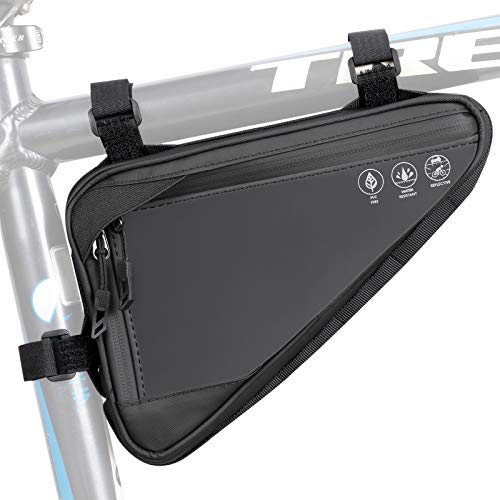
- ✓ sturdy seam-sealed zipper
- ✓ secure multi-strap install
- ✓ bright reflective area
- ✕ limited capacity only
- ✕ mid-frame positioning may block some bottle cages
| Material | 600D Oxford with PU coating |
| Water Resistance / Sealing | Upgraded seam-sealed zipper for water ingress prevention |
| Capacity | 2L |
| Dimensions | 8.6 x 6.1 x 2.2 inches (L x W x H) |
| Installation / Mounting Method | Strap-on with three independent hook-and-loop fasteners; loops around bag frame for secure attachment under seat or near handlebar |
| Reflective Feature | Large reflective area on both sides for visibility |
The moment I zipped this WOTOW 2L triangle bag onto the frame, I caught a glimpse of how low-profile yet sturdy it feels. The upgraded seam-sealed zipper glides smoothly and barely budges, even after a dozen openings with winter gloves on.
It’s the kind of detail you notice when you’re sprinting for a train or dodging a splash at a traffic light.
I tucked my essentials into the two interior pockets and found the left slot perfect for cards and cash, while the right big compartment held my phone, a small power bank, and a compact bike pump. The 8.6 by 6.1 by 2.2 inch footprint is generous for a 2L bag, yet it sits slim against the frame.
The dual zipper opening makes grabbing something mid-ride almost effortless.
The installation feels thoughtful. The loops around the bag frame plus three independent hook-and-loop straps give a secure, wobble-free mount that doesn’t interfere with the water bottle holder.
I experimented with under-seat and handlebar positions and found it consistently sturdy in both setups. The reflective panels on both sides catch headlights from multiple angles, which adds a tangible safety upside for night rides.
In real-world use, rain is no longer a worry. The 600D Oxford with PU coating stands up to splashes, and the zipper stops rain from slipping inside.
It’s surprisingly easy to reach items without taking off your gloves, thanks to the wide opening and non-slip zipper pull.
If you’re into quick-access storage on longer trips, this bag slots in as a practical, budget-friendly companion. It’s lightweight, resilient, and thoughtfully organized for daily rides or weekend jaunts.
Febabilo 20L EVA Hard Shell Bike Rack Bag with Rain Cover
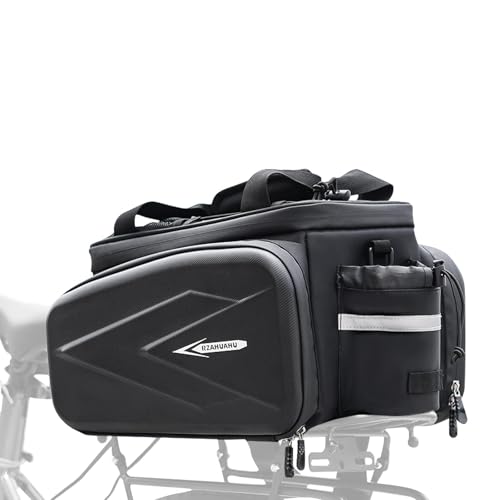
- ✓ Stays put on rough roads
- ✓ Weatherproof and insulated
- ✓ Flexible 3-in-1 use
- ✕ Slightly bulkier when full
- ✕ Ice pack recommended rather than loose ice
| Capacity | 20L total expandable capacity (10L main compartment + two 5L foldable side pockets) |
| Material & Protection | Waterproof fabric with sealed zippers; EVA hard shell side panels for impact resistance |
| Insulation & Temperature Control | Aluminum foil lining to help maintain temperature; includes rain cover |
| Attachment System | Four upgraded hook-and-loop straps with reinforced stitching for secure attachment to rear racks |
| Multi-Function Use | Converts to handbag or shoulder bag for off-bike use |
| Special Features | Expandable side pockets; top handle and adjustable bottle holder |
The first time I loosened the straps and felt the Febabilo 20L EVA Hard Shell bag click into place on my rack, it stayed perfectly still even as I slowed for a traffic light. I noticed the 20L setup unfolds cleanly, with the two 5L side pockets folding out and a rigid EVA shell that keeps its shape.
It felt reassuringly sturdy right away, like it wouldn’t bounce loose on a rough gravel stretch.
You can tell this bag is built for long days on the bike. The waterproof fabric and sealed zippers kept drizzle off my clothes, and the top handle made a quick transfer when I stopped for a snack.
The aluminum foil lining was a practical surprise, helping keep a couple drinks cool during a sunny afternoon ride.
The installation is straightforward. Four hook-and-loop straps plus reinforced stitching attach to most rear racks without fuss.
It stayed put through potholes and a short rail trail, which is exactly what you need when you’re chasing a tight itinerary or a relaxed weekend ride.
The side EVA hard shell panels not only hold their shape but protect contents from mud and light bumps. It’s a small detail, but you’ll notice the difference when you’re loading heavier items like tools or a camera.
And when you’re done, the 3-in-1 design shines: swap to a handbag or shoulder bag for a post-ride errand run.
On the practical side, the expandable storage covers your packing needs without feeling bulky. The expandable pockets give you extra space when you need it, yet collapse neatly when you don’t.
For a price under $36, it’s a no-brainer for weekend trips and daily commuting alike.
If you’re aiming for a reliable, weatherproof option that doubles as a carry bag, this is a strong pick. It’s easy to live with, and the quick transitions from pannier to everyday bag are genuinely handy.
Lonely Planet Epic Bike Rides: 200 Routes & Tips

| Format | Paperback or eBook |
| Content Scope | 200 route itineraries and tips |
| Price | $11.72 |
| Brand | Lonely Planet |
| Category Emphasis | Bike trips / cycling routes and guidance |
There’s a common belief that travel guides for cycling are more about pretty pictures than practical routes. With Epic Bike Rides in hand, you’ll quickly realize the book doubles as a friendly itinerary coach, not a coffee-table ornament.
I opened it to a map-marked page and found bite-sized routes tucked beside honest tips that actually matter on the road.
You feel the book’s personality the moment you flip through the sticky notes-style margins and compact route descriptions. It’s not overwhelming, and the distances are clearly called out without drowning you in numbers.
I rode with it on a breezy afternoon and appreciated how each route sketch matched the terrain you’ll encounter, not just ideal scenery.
The binding is sturdy enough for a backpack or pannier, and the pages lay flat when you scribble notes during planning. It’s genuinely practical for last-minute trip planning or a long weekend escape.
What surprised me is how well the tips translate to real-life decisions—where to stop for snacks, how to avoid crowds, and where the best view actually sits along the climb.
For a casual rider or a weekend warrior, the book’s layout keeps you focused. Short, actionable notes sit beside each route, so you’re not flipping endlessly to find a single detail.
It’s clear this isn’t just about epic scenery; it’s about turning that scenery into doable, enjoyable rides.
In the end, Epic Bike Rides feels like a seasoned cycling buddy in print—ready with a plan, a map, and a few punchy reminders to keep you moving. If your goal is to mix travel with attainable pedaling, this book earns its shelf space on day one.
What Types of Bikes Are Best Suited for Travel?
The best bikes for travel vary based on the type of trip and terrain encountered, but the following types are commonly recommended:
- Touring Bikes: These bikes are designed specifically for long-distance travel, featuring a sturdy frame, multiple gears, and the ability to carry heavy loads.
- Hybrid Bikes: Combining features of road and mountain bikes, hybrid bikes are versatile and comfortable, making them suitable for both paved and unpaved paths during trips.
- Folding Bikes: Ideal for travelers with limited storage space, folding bikes are compact, lightweight, and can easily be packed or carried onto public transport.
- Mountain Bikes: Built for rugged terrains, mountain bikes offer excellent stability and control, making them perfect for off-road adventures and challenging trails.
- Electric Bikes: E-bikes provide assistance while pedaling, making them a great option for those who may need help on longer trips or varied terrains.
Touring Bikes: Touring bikes are built to endure long journeys, equipped with a durable frame that can handle the weight of racks, panniers, and extra gear. They typically feature a wide range of gears for climbing hills and flat terrain, as well as strong brakes to manage the added weight effectively.
Hybrid Bikes: Hybrid bikes offer a blend of comfort and efficiency, making them great for varied travel conditions. They usually come with a comfortable saddle, upright riding position, and wider tires for better grip on different surfaces, which makes them suitable for city rides and light off-road trails.
Folding Bikes: Folding bikes are compact and designed for easy transport, allowing travelers to carry them on trains, buses, or store them in small spaces. Despite their small size, many folding bikes come with features that ensure a comfortable ride, making them a practical choice for urban trips or multi-modal travel.
Mountain Bikes: Mountain bikes are equipped with robust tires and suspension systems that provide excellent traction and shock absorption on rough trails. They are ideal for adventurous travelers looking to explore off-the-beaten-path locations, offering durability and stability on challenging terrains.
Electric Bikes: Electric bikes or e-bikes come with an integrated electric motor that assists with pedaling, making them especially beneficial for longer distances or hilly areas. They allow riders to cover more ground with less effort, making travel more accessible for a wider range of cyclists.
What Features Make Touring Bikes Ideal for Long Journeys?
The best bikes for trips, particularly touring bikes, are characterized by several key features that enhance comfort, durability, and functionality for long journeys.
- Comfortable Geometry: Touring bikes are designed with a relaxed riding position, which reduces strain on the back and neck during long rides. This geometry allows for better weight distribution, making it easier to maintain comfort over extended periods.
- Durable Frames: These bikes often feature robust frames made from materials like steel or aluminum, providing strength and stability. A durable frame can withstand the rigors of long-distance travel, including rough terrains and heavy loads.
- Wide Tires: Touring bikes come equipped with wider tires that offer better traction and stability, especially on varied surfaces. The added volume allows for lower tire pressure, resulting in a more comfortable ride by absorbing shocks from bumpy roads.
- Multiple Gearing Options: To handle diverse terrains, touring bikes usually have a wide range of gears. This feature enables riders to easily tackle steep inclines and maintain a comfortable cadence on flat roads, making long climbs less daunting.
- Mounting Points for Racks and Fenders: These bikes typically include multiple mounting points for attaching racks and fenders, which are essential for carrying gear and providing protection from mud and water. This increases the bike’s versatility for carrying supplies on long trips.
- Integrated Lighting and Reflectors: Many touring bikes come with built-in lighting systems and reflectors to enhance visibility during night rides. This is crucial for safety, especially when traveling through unfamiliar areas or in varying weather conditions.
- Storage Capacity: Touring bikes are designed to accommodate panniers and other storage solutions, allowing riders to carry essential gear, clothing, and food. Ample storage is vital for long journeys, ensuring that everything needed for the trip can be securely transported.
- Comfortable Saddle: A high-quality, comfortable saddle is crucial for long-distance cycling. Many touring bikes are equipped with ergonomically designed saddles that provide support and reduce discomfort, allowing riders to focus on the journey rather than pain.
How Do Hybrid Bikes Adapt to Various Terrains for Travelers?
Hybrid bikes are designed to offer versatility, making them suitable for various terrains encountered during travels.
- Frame Design: Hybrid bikes feature a lightweight yet sturdy frame that balances between the geometry of road bikes and mountain bikes, allowing for efficient pedaling on smooth surfaces while providing stability on rough terrains.
- Tire Versatility: Equipped with wider tires than traditional road bikes, hybrid bikes often have tread patterns that enhance grip on different surfaces, providing the necessary traction for gravel paths while maintaining speed on pavement.
- Suspension System: Many hybrid bikes come with a front suspension fork that absorbs shocks from uneven surfaces, making them more comfortable for long rides on bumpy trails and city streets alike.
- Gear Range: Hybrid bikes typically have a wide range of gears, enabling riders to easily shift between low gears for climbing hills and high gears for flat roads, ensuring they can tackle varying elevations and terrains efficiently.
- Comfort Features: Designed for long-distance travel, hybrid bikes often include ergonomic handlebars and cushioned saddles, which enhance comfort during extended rides, making them ideal for touring and commuting.
- Accessories Compatibility: They usually come with mounts for fenders, racks, and lights, allowing travelers to customize their bikes for specific trips, whether for carrying luggage or enhancing visibility during night rides.
Why Should Mountain Bikes Be Considered for Adventure Trips?
Mountain bikes are an excellent choice for adventure trips due to their design and capabilities tailored for a variety of terrains. Here are several reasons why they are often preferred:
-
Stability and Control: Mountain bikes boast wider tires and lower pressure, providing enhanced traction on uneven surfaces, rocky paths, and steep hills. This stability is crucial for navigating challenging trails safely.
-
Durability: Constructed from robust materials, mountain bikes are built to withstand harsh conditions faced during outdoor adventures. High-quality frames and components resist wear and tear from rugged terrain.
-
Suspension Systems: Many mountain bikes feature front or full suspension, absorbing shocks from rough trails. This not only enhances comfort but also improves handling when descending or traversing bumpy paths.
-
Versatility: Suitable for a variety of terrains, mountain bikes can transition seamlessly from narrow, winding forest paths to gravel roads or even smoother paved trails, making them ideal for diverse adventure experiences.
-
Gear Range: With multiple gears, mountain bikes can handle steep hills and varied terrains effectively. This adaptability ensures that riders can tackle both uphill climbs and fast descents efficiently.
For adventure seekers, mountain bikes offer the perfect blend of performance, comfort, and resilience needed for memorable trips.
What Key Factors Should You Consider When Choosing a Bike for Your Trip?
When selecting the best bike for your trip, several key factors should be considered to ensure that it meets your needs and enhances your experience.
- Type of Bike: The type of bike is crucial as different bikes serve different purposes. Road bikes are designed for speed on paved surfaces, while mountain bikes are better suited for rough terrain. Hybrid bikes offer a mix of both worlds, making them versatile for various riding conditions.
- Frame Material: The frame material affects the bike’s weight, durability, and ride quality. Aluminum frames are lightweight and affordable, while carbon fiber frames offer superior performance and comfort but come at a higher price. Steel frames are known for their durability and ability to absorb shocks, making them ideal for long-distance touring.
- Comfort Features: Comfort is key for enjoyable rides, especially on longer trips. Look for features such as a comfortable saddle, ergonomic handlebars, and a geometry that suits your riding style. Suspension systems can also add comfort by absorbing bumps on uneven surfaces.
- Gear System: The gear system determines how well you can tackle various terrains. Bikes with a wide range of gears are more versatile and can handle both steep climbs and flat roads efficiently. Consider whether you prefer a traditional derailleur system or a simpler internal hub gear system.
- Weight Capacity: If you plan to carry gear, it’s essential to check the bike’s weight capacity. Ensure that the bike can handle not only your body weight but also any additional luggage or equipment you intend to bring. Overloading a bike can lead to poor handling and safety issues.
- Braking System: The type of braking system can significantly affect safety and performance. Disc brakes offer superior stopping power in wet conditions, while rim brakes are lighter and easier to maintain. Assess your riding conditions to choose the most suitable braking option.
- Fit and Sizing: Proper fit is vital for comfort and efficiency while riding. Each bike manufacturer may have different sizing charts, so it is essential to test ride bikes if possible. A bike that fits well will help prevent discomfort and injuries during your trip.
- Budget: Your budget will ultimately narrow down your options. Higher-end bikes may offer better components and features, but there are also many affordable options that can perform well for casual trips. Determine your budget and look for bikes that provide the best value for your money.
How Does Comfort Affect Your Trip Experience?
Adjustability in bike components is important for accommodating different body types and preferences. Being able to modify the height of the seat or the position of the handlebars can help you achieve a comfortable riding posture, reducing the likelihood of fatigue over time.
A reliable suspension system is another critical feature that enhances comfort, especially on rough or uneven surfaces. By absorbing shocks and vibrations, a good suspension allows for a more stable and enjoyable ride, which is essential for long-distance trips.
Finally, the weight and maneuverability of a bike can greatly influence your trip experience. A lighter bike is easier to control and navigate, making it less tiring to ride and allowing for more spontaneous exploration during your journey.
Why Is Weight an Important Consideration for Travel Bikes?
When selecting the best bike for a trip, the weight of the bike is a critical factor to consider, influencing both performance and comfort during long rides. A lightweight bike typically results in easier handling, particularly on climbs and uneven terrain. This can be especially crucial when traversing varied landscapes or traveling long distances with a load.
Key reasons why weight matters for travel bikes include:
- Portability: A lighter bike is easier to transport, whether you’re loading it onto a car, navigating public transit, or carrying it through airports.
- Endurance: Reduced weight minimizes fatigue over long distances. Cyclists can generally maintain a higher speed without exerting as much energy, which is important for multi-day rides.
- Speed and Acceleration: Lighter bikes respond quicker to pedaling, offering better acceleration. This advantage allows cyclists to maneuver more efficiently through traffic or on winding paths.
- Stability and Control: While heavier bikes may provide stability, the right balance between weight and control is critical for safety and comfort, especially when loaded with gear.
Ultimately, striking the right compromise between sturdiness and weight will enhance the overall traveling experience.
How Do Different Gear Options Impact Trip Quality?
When considering the best bike for a trip, gear options play a significant role in determining trip quality. The type of gearing affects how well you can handle various terrains, as well as your overall comfort during long rides.
-
Gear Ratios: Bikes typically feature two types of gear systems: derailleur gears and hub gears, each providing different gear ratios. Lower ratios allow for easier pedaling uphill, while higher ratios enable faster speeds on flat terrains, impacting efficiency and enjoyment.
-
Shifting Mechanism: Smooth and reliable shifting is crucial for maintaining momentum. Bikes with higher-end derailleurs usually offer quicker shifts, which can be important during varied terrain.
-
Single Speed vs. Multi-Speed: Single-speed bikes are lighter and easier to maintain but limit versatility. Multi-speed bikes allow for adjustments according to the trip’s demands, making them more adaptable to different riding conditions.
-
Weight Considerations: Heavier bikes can be harder to pedal, especially on inclines. Gears help mitigate this by allowing riders to maintain optimal pedaling efficiency despite weight.
Selecting a bike with the right gear options enhances climbing abilities, comfort over long distances, and responsiveness to different trail conditions, ultimately elevating the trip experience.
What Are Essential Accessories for Every Bike Trip?
Essential accessories for every bike trip enhance safety, comfort, and convenience.
- Helmet: A properly fitted helmet is crucial for safety while cycling. It protects the head in case of falls or collisions, significantly reducing the risk of serious injury.
- Bike Lock: A sturdy bike lock is essential for securing your bike when you need to leave it unattended. High-quality locks deter theft and provide peace of mind, allowing you to enjoy your trip without worrying about your bike being stolen.
- Water Bottle and Cage: Staying hydrated is vital during any bike trip, making a water bottle and cage necessary. They allow easy access to hydration, which helps maintain energy levels and overall performance on the ride.
- Repair Kit: A repair kit should include tools and materials for fixing common issues, such as flat tires or broken chains. Being prepared for mechanical problems ensures that you can quickly address any issues and continue your journey without significant delays.
- Bike Lights: Front and rear bike lights increase visibility during low-light conditions, making them essential for safety. They alert motorists and other cyclists to your presence, reducing the risk of accidents while riding at dawn, dusk, or night.
- Multi-Tool: A multi-tool is a compact accessory that features various tools for bike maintenance and adjustments. It can address minor issues on the road, allowing cyclists to make quick fixes without needing to carry a complete toolset.
- Comfortable Saddle: A comfortable saddle is vital for long-distance rides, as it can prevent soreness and discomfort. Investing in a quality saddle that fits your body properly can enhance the overall biking experience and encourage longer rides.
- GPS or Map: Having a GPS device or a physical map is crucial for navigating unfamiliar routes. It helps you stay on track and find the best paths while exploring new areas, ensuring you don’t get lost during your trip.
- Bike Bag: A bike bag provides storage for carrying essentials such as snacks, tools, and personal items. It keeps your belongings secure and easily accessible, making it convenient to grab what you need without stopping your ride.
Which Safety Gear Is Crucial for Long-Distance Cycling?
A reliable bike lock is essential, especially when making stops during your journey. Opt for a sturdy U-lock or chain lock to deter thieves and keep your bike secure.
How Can Navigation Tools Improve Your Travel Experience?
Navigation tools can significantly enhance your travel experience by providing essential information and guidance for the best bike trips.
- GPS Devices: GPS devices offer real-time location tracking and turn-by-turn directions, which are crucial for cyclists navigating unfamiliar routes. They often include detailed maps specifically designed for biking, highlighting trails, bike lanes, and points of interest that can enhance the journey.
- Smartphone Apps: Many smartphone apps are tailored for biking, providing features such as route planning, elevation profiles, and even community feedback on trail conditions. These apps can also sync with fitness trackers to monitor performance metrics, making them ideal for both casual riders and serious cyclists.
- Offline Maps: Having access to offline maps ensures you won’t lose your way in areas with poor cellular service. This is particularly useful in remote locations where internet connectivity may be unreliable, allowing you to download and store maps ahead of time for seamless navigation.
- Bike Navigation Systems: Specialized bike navigation systems are designed to be mounted on the handlebars, providing cyclists with easy access to directions without needing to stop. These devices can also track speed, distance, and even suggest alternate routes based on real-time traffic or trail conditions.
- Community-Based Navigation: Platforms that leverage user-generated content allow cyclists to share their favorite routes, tips, and experiences. This community input can lead to discovering hidden gems and scenic paths that may not be included in traditional mapping services.
What Are the Advantages of Traveling by Bike?
From an environmental standpoint, cycling is one of the greenest modes of transport available. It helps reduce traffic congestion and air pollution, contributing positively to urban environments and preserving natural landscapes for future generations.
Traveling by bike can also save you a considerable amount of money. With no fuel costs, and minimal maintenance expenses, cycling can be an economical choice, especially for long-distance trips or extended travels.
When it comes to flexibility, bikes can navigate narrow streets, trails, and paths that cars simply can’t access. This capability means you can explore off-the-beaten-path locations, providing a sense of adventure and discovery.
Finally, biking enhances your travel experience by allowing you to connect with your surroundings. You can stop whenever and wherever you like, soak in the scenery, and engage with locals, creating memorable interactions that enrich your journey.
How Can Cycling Enhance Your Overall Fitness During Trips?
- Cardiovascular Endurance: Cycling is an excellent aerobic exercise that strengthens the heart and lungs. Regular cycling increases your heart rate, which improves blood circulation and enhances your overall endurance, making longer trips more enjoyable.
- Muscle Strength: Riding a bike targets various muscle groups, particularly in the legs such as the quadriceps, hamstrings, and calves. This low-impact activity builds strength and tone without putting excessive strain on your joints, making it suitable for people of all fitness levels.
- Flexibility and Balance: Cycling helps improve flexibility in the hips and legs while also enhancing your balance and coordination. These physical attributes are crucial for maintaining stability on uneven terrains encountered during trips.
- Weight Management: Regular cycling can be an effective way to burn calories and maintain a healthy weight. It allows you to enjoy your trips without the guilt of overindulging in local cuisines, as cycling burns calories efficiently during and after your rides.
- Mental Health Benefits: Engaging in cycling reduces stress and anxiety levels while boosting mood through the release of endorphins. The opportunity to explore new places while cycling also provides a sense of adventure and accomplishment, enhancing overall mental well-being.
- Social Interaction: Cycling trips often involve group rides, which can foster social connections and support. Engaging with fellow cyclists enhances motivation and encourages a healthy lifestyle, making fitness a more enjoyable experience.
- Convenience and Accessibility: Biking is a flexible fitness option that can be adapted to fit into travel plans. Whether you choose to ride a bike for short distances or explore new cities, it provides a practical means of staying active during your trips.
What Environmental Benefits Are Associated with Bike Travel?
Decreased Traffic Congestion: By choosing bikes over cars, fewer vehicles on the road lead to reduced traffic congestion, which in turn decreases the idling time and emissions from cars. This not only benefits the environment but also improves the commuting experience for everyone.
Preservation of Natural Habitats: Promoting bike travel can encourage the development of bike paths and green spaces, which help protect and preserve natural habitats from urban sprawl. This can lead to healthier ecosystems and biodiversity conservation.
Improved Air Quality: With fewer cars on the road, the air quality improves, leading to better health outcomes for communities, particularly in urban areas where pollution levels are typically higher. Cleaner air contributes to fewer respiratory issues among the population.
Related Post: