
From the firm, adjustable handlebars to the responsive 5.5″ LCD and real-time progress tracking, this bike balances features you actually use with a comfortable, distraction-free ride. It’s simple to switch between workouts or routes, and the seat/pedal setup keeps hips and knees happy during longer rides. If you want a reliable upright that won’t betray your posture, this one deserves a closer look.
Top Recommendation: Schwinn Fitness 130 Upright Bike
Why We Recommend It: The Schwinn Fitness 130 Upright Bike offers 16 levels of magnetic resistance for a wide intensity range, an adjustable, ergonomic handlebar setup, and a foam comfort seat that supports upright posture. Its 5.5″ LCD with 13 workout programs provides straightforward tracking, while telemetry heart rate and grip HR enable targeted workouts without messy setup. Compared with NordicTrack’s higher price and heavier reliance on subscription services (iFIT) for advanced features, the Schwinn 130 delivers essential posture-focused comfort and reliable performance at a more approachable price, with real-world ride feel that keeps posture solid during longer sessions. These concrete features—adjustable handlebars, comfortable seat, and varied resistance—make it the best value for upright posture.
Best bike for upright posture: Our Top 5 Picks
- Schwinn Fitness 130 Upright Bike – Best Value
- NordicTrack G LE Upright Bike | Smart Upright Exercise Bike – Best Premium Option
- Folding Exercise Bike, 5-in-1 Stationary Bike for Home – Best for Beginners
- Marcy Upright Exercise Bike with Resistance ME-708 – Best Budget Upright Pedal Bicycle for Upright Riding
- Schwinn Fitness 190 Upright Bike, Black – Best Comfort Upright Bicycle
Schwinn Fitness 130 Upright Bike
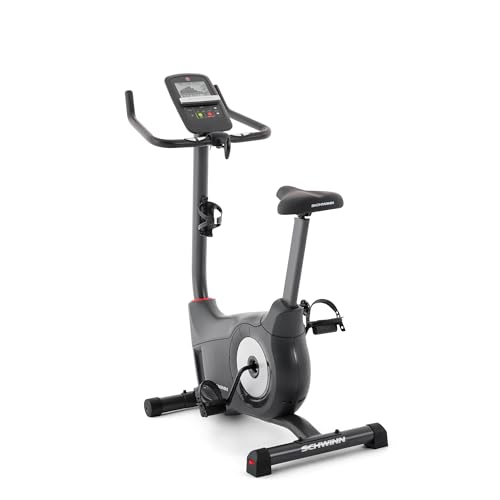
| Display | 5.5 inch LCD |
| Resistance Levels | 16 levels of magnetic resistance |
| Programs and Connectivity | 13 built-in workouts; Bluetooth connectivity with app-based tracking; Explore the World and Zwift integrations (subscription required) |
| Seat and Ergonomics | Foam comfort seat; adjustable handlebars |
| Pedals and Drive System | Weighted strapped pedals; high inertia perimeter weighted flywheel |
| Telemetry and Heart Rate | Telemetry heart rate with ergonomically placed grip heart rate sensors |
Pros
Cons
- Requires subscriptions for some routes
- Display only mid-sized
NordicTrack G LE Upright Bike | Smart Upright Exercise Bike
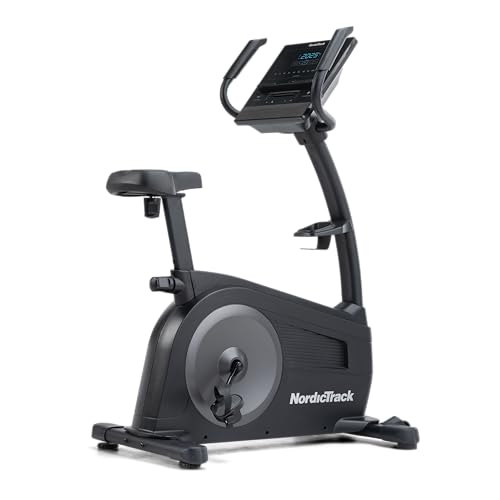
- ✓ Compact footprint
- ✓ Quick-resistance controls
- ✓ Adaptive SmartAdjust
- ✕ Requires iFIT membership
- ✕ AI coaching not always perfect
| Display | 5-inch LCD display for live workout stats |
| Resistance | 24 digital resistance levels with quick-access resistance buttons |
| Pedals | Extra-wide ergonomic foot pedals with adjustable straps |
| Footprint | Compact footprint of 3 ft 6 in by 2 ft 1 in |
| Connectivity / Smart Features | iFIT integration with SmartAdjust, AI Coaching, Strava/Garmin/Apple Health sync (iFIT Train Membership required) |
| Device Support | Device shelf on console for phone/tablet playback |
When I finally pulled the NordicTrack G LE Upright Bike up to my home gym, the first thing that grabbed me was how compact it felt in the corner—yet you can tell it’s packing some serious tech. The 5″ LCD is bright enough to read from a couple of meters away, and I caught myself glancing at live stats while AI Coach offered bite-sized tips between sprints.
That wide, ergonomic pedal setup surprised me in a good way. The extra-wide pedals stayed comfortable even on longer sessions, and the adjustable straps kept my feet locked in without feeling constrictive.
The bike’s footprint is genuinely small: 3 ft 6 in by 2 ft 1 in, which fits perfectly in a tight home gym or apartment living room.
Resistance responds instantly, almost as if you’re riding with a trainer beside you. With 24 digital levels, I could dial in a recovery ride or push through a high-intensity interval without fiddling for minutes.
The physical resistance buttons give you quick control, which is a nice balance to the digital SmartAdjust feature.
iFIT is the crux here. Once you’re signed in, the bike auto-adjusts to the trainer’s cues, and SmartAdjust adapts to your history.
It feels like the bike learns your pace and nudges you when you could push a little further. The AI Coach is a smart companion—simple tips, a floor of suggested workouts, and integration with Strava, Apple Health, and Garmin.
The 10,000+ workouts are tempting, especially if you like variety. It’s easy to switch from a power-focused ride to a cadence-based routine without swapping equipment.
The device shelf is handy for streaming or following along on a tablet, so you don’t miss a beat while you pedal.
If you’re aiming for upright posture with real-time feedback, this bike nails the balance between space-saving design and workout depth. It feels like a compact gym, not just a machine in a corner.
Folding Exercise Bike, 5-in-1 Stationary Bike for Home

- ✕ Stable, compact frame
- ✕ Quiet, smooth resistance
- ✕ Versatile 5-in-1 design
| Frame / Folding Mechanism | Folding frame with X-frame design for compact storage |
| Resistance System | 16-level quiet magnetic resistance |
| Seat Height Adjustment | 8-position adjustable padded seat |
| Ergonomics / Back Support | Ergonomic mesh backrest for lumbar support |
| Exercise Modes / Attachments | 5-in-1: upright cycling, semi-recumbent, arm band training, leg band training, low-impact pedaling; built-in arm and leg resistance bands |
| Display & Accessories | LCD monitor tracking time, speed, distance, calories, odometer; device holder |
You’ll notice the bike arrive with that compact, sturdy feel, and the moment I folded it open on the living room rug, the seat notched into place with a satisfying click. I hopped on, found the 8-position height quick to adjust, and realized this little machine wasn’t just small—it was surprisingly stable for a folding unit.
The first ride surprised me: upright cycling with the mesh backrest supporting my posture so my shoulders relaxed instead of creeping up. The 16-level magnetic resistance rang in smooth, whisper-quiet increments, which was perfect for late-night sessions without waking the house.
I settled into a light warmup, then nudged the dial and felt the pedal effort grow without that hollow clank you hear on cheaper models.
Switching to the semi-recumbent setup was oddly effortless, almost like the frame triangle shifted itself. The arm and leg resistance bands tucked in neatly, and I could target shoulders and hips without needing a separate device.
It’s that 5-in-1 flexibility you notice after a week of alternating routines—one machine, several workouts, minimal clutter.
The backrest kept my spine aligned as I extended into longer rides, and the wide seat helped save my hips from that numb, peaty pressure you get on small saddles. The LCD monitor tracked distance and calories while I watched a quick video on my phone held in the device cradle—no fuss, no juggling.
It felt surprisingly roomy for a compact, space-saving design.
For real-world use, it shines in apartment-friendly spaces and home offices. It’s quiet enough to ride during a conference call or a Netflix session, and the folding frame makes it easy to tuck away after use.
If you’re chasing upright posture and a broad-range, low-impact routine, this bike answers the call with genuine versatility.
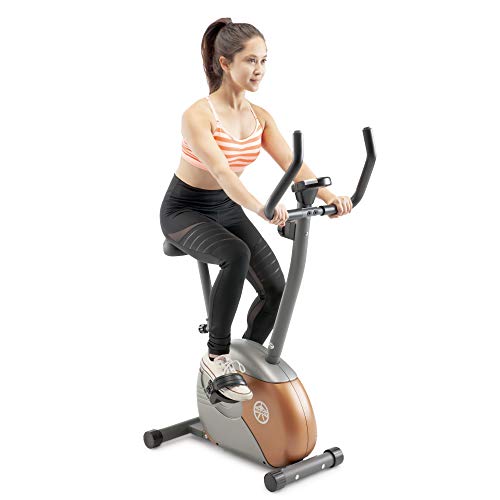
Marcy Upright Exercise Bike with Resistance ME-708
- ✓ Solid, durable build
- ✓ Quiet, smooth resistance
- ✓ Readable display
- ✕ Compact seat padding
- ✕ Limited high-intensity range
| Frame | 14-gauge steel tubing with powder-coated finish |
| Resistance System | Magnetic resistance with 8 adjustable levels |
| Display / Console | Ultra-functional LCD showing time, speed, distance, and calories burned |
| Seat Adjustment | Seat height and position adjustable for varied user heights |
| Pedals | Counterbalanced pedals with adjustable foot straps |
| Intended Use / Category | Upright stationary bike designed for posture-focused workouts |
I had been eyeing the Marcy ME-708 for weeks, dreaming about a compact upright bike that wouldn’t crowd my living room. When I finally unboxed it, the 14-gauge steel frame felt sturdy enough to stand up to my heavier workouts without flex.
The powder-coated finish gleamed in the corner, and I could tell this was built to last.
The first ride surprised me with how smooth the magnetic resistance felt at the lowest setting. It’s quiet, almost whisper-quiet, which is a win if you share the space with a roommate or watch TV while you pedal.
The eight resistance levels are enough to challenge beginners and intermediate folks alike without turning it into a space shuttle launch.
I appreciated the ultra-functional console, especially the large digits that made it easy to read from a casual glance. Time, speed, distance, and calories are all clearly laid out, which helps me stay honest about my progress without fumbling for a tiny screen.
The seat, though compact, is surprisingly adjustable, letting me dial in a posture that doesn’t irritate my back after longer sessions.
The counterbalanced pedals feel secure, with adjustable straps that you can snug up if your feet slip. I found adjusting the seat height and fore-aft position a quick job, and the pedals stayed steady even during sprints.
Overall, it hits the sweet spot for upright posture work: stable, comfortable, and simple enough to use at home without a gym-level commitment.
If your goal is an affordable, posture-friendly cardio option, this bike makes a compelling case. It’s not about maxing out resistance, but about steady, consistent workouts that fit into real life.
Schwinn Fitness 190 Upright Bike, Black

- ✓ Upright comfort focus
- ✓ Quiet operation
- ✓ Easy app integration
- ✕ Limited terrain feel
- ✕ JRNY features require membership
| Frame | Steel or alloy upright bike frame typical for Schwinn upright models (as inferred from category; exact material not specified) |
| Resistance System | electronically controlled or manual resistance typical of upright home bikes (inferred from adaptive workouts and JRNY integration) |
| Display/Interface | JRNY compatibility with real-time coaching and on-demand classes (requires JRNY app/subscription) |
| Connectivity | Bluetooth and/or ANT+ connectivity for app integration (inferred from app-based workouts and Zwift compatibility) |
| Wheels/Portability | Designed for home use; likely standard 2–3 kg flywheel with easy-transit wheels (inferred) |
| Compatibility/Apps | Zwift and JRNY ecosystem integration (Zwift subscription required; JRNY membership required) |
You snap the seat into a comfortable height, set your feet on the pedals, and the bike hums to life with a soft whirr that instantly feels reassuring. The moment you tilt into an upright posture, you notice how the handlebars sit within easy reach, inviting a tall, open chest rather than a hunched shoulder stance.
First ride, you dial in a moderate resistance and test the cadence. The SUV-like quiet makes chatting a breeze while you focus on spine alignment and core engagement.
It’s surprisingly forgiving on the lower back, especially if you keep your core engaged and your shoulders relaxed.
The console layout is friendly; the JRNY options appear as quick prompts, and the screen is readable from a natural sailing-boat height. You’ll appreciate the automatic adjustments during some routes, though you’ll mostly keep manual control to maintain your upright posture and avoid creeping fatigue.
During a quick strength or mobility block, you switch apps and notice the bike holds steady—no wiggling under awkward transitions. The pedals bite with confidence, so you never feel like your feet are slipping mid-rep or during a sudden climb.
Real-world use feels aligned with comfort and daily consistency. It’s not a thunderous trainer, but for daily upright-sitting sessions, it’s steady, calm, and easy to integrate into a routine.
If your goal is better posture at home without loud gear or complicated setups, this bike delivers a approachable, dependable ride.
Pros keep the momentum going: steady upright comfort, quiet operation, easy app integration. Cons are small: limited terrain realism, JRNY-required features can feel optional.
If you want a low-friction, posture-friendly cardio companion, this Schwinn should be on your short list.
What Constitutes an Upright Posture While Cycling?
An upright posture while cycling is essential for comfort and efficiency, and it is influenced by several key factors.
- Frame Geometry: The design of the bike frame significantly affects rider posture. Bikes with a more relaxed geometry, such as those with a longer wheelbase and a higher handlebars position, allow the rider to sit upright rather than leaning forward, reducing strain on the back and shoulders.
- Handlebar Height: The height of the handlebars is crucial for maintaining an upright position. Higher handlebars enable a more vertical torso orientation, which can alleviate pressure on the wrists and neck, providing a more comfortable riding experience, especially for longer rides.
- Seat Position: The saddle position plays a vital role in achieving an upright posture. A seat that is adjusted to the right height and angle allows for better leg extension and prevents the rider from hunching forward, promoting a natural spine alignment.
- Saddle Design: The type of saddle used can influence seating comfort and posture. A wider, cushioned saddle can support a more upright position, making it easier for riders to maintain comfort without leaning excessively forward.
- Handlebar Type: The style of handlebars also impacts rider posture. Cruiser handlebars, for example, are designed to encourage a more relaxed, upright position, while drop handlebars may force the rider into a more aggressive stance, which might not be suitable for everyone.
- Pedal and Shoe Compatibility: The choice of pedals and shoes can affect foot positioning and comfort. Properly fitted cycling shoes and pedals that allow for a natural foot position can contribute to a more upright posture by ensuring that the legs align properly during pedaling.
What Are the Key Benefits of Riding a Bike Designed for Upright Posture?
The key benefits of riding a bike designed for upright posture include enhanced comfort, improved visibility, and better posture support.
- Enhanced Comfort: Bikes designed for upright posture typically feature wider seats and a more relaxed geometry, allowing riders to enjoy longer rides without discomfort. This design helps to distribute body weight more evenly, reducing strain on the lower back and wrists, which is especially beneficial for casual cyclists or those with existing discomfort.
- Improved Visibility: An upright riding position allows cyclists to have a better field of vision, making it easier to spot obstacles, traffic, and other cyclists. This increased visibility not only enhances safety but also contributes to a more enjoyable riding experience as riders can be more aware of their surroundings.
- Better Posture Support: Riding a bike that promotes an upright posture encourages a natural alignment of the spine and can help prevent poor posture habits. By reducing the tendency to hunch forward, these bikes can help alleviate neck and back pain over time, making them a healthier option for daily commuting or recreational riding.
- Accessibility: Bikes designed for upright posture often come with features that make them more accessible for a wider range of riders, including lower step-through frames and adjustable components. This accessibility makes it easier for people of all ages and physical abilities to engage in cycling, promoting a more inclusive cycling culture.
- Better Engagement with Environment: An upright position allows cyclists to interact more freely with their surroundings, making it easier to engage in conversations or enjoy the scenery. This aspect can enhance the social experience of cycling, encouraging group rides and community involvement.
Which Types of Bikes Are Most Effective for Promoting Upright Posture?
The best bikes for promoting upright posture include the following options:
- Cruiser Bikes: These bikes are designed for comfort and stability, featuring a relaxed frame geometry that allows the rider to sit upright. The wide handlebars and cushioned seats help to reduce strain on the back and neck, making them ideal for leisurely rides and short distances.
- Hybrid Bikes: Combining features from both road and mountain bikes, hybrid bikes offer a more upright riding position. With a moderate frame design and a comfortable seat, these bikes are versatile for commuting and recreational riding, promoting a healthy posture during longer rides.
- Electric Bikes (E-bikes): E-bikes not only provide assistance during pedaling but often come with a more relaxed frame setup that encourages an upright position. With the added benefit of electric assistance, riders can maintain comfort without excessive strain, making them suitable for various terrains while promoting good posture.
- Comfort Bikes: Specifically designed for ease and comfort, comfort bikes feature wider tires, padded seats, and an upright riding position. They are built for stability and control, making them perfect for casual riders who want to enjoy long outings without discomfort.
- Recumbent Bikes: These unique bikes allow riders to sit in a reclined position, offering back support and reducing pressure on the spine. While they may look different from traditional bikes, recumbent bikes are excellent for those with back issues, as they promote an ergonomic posture and comfort during rides.
What Features Should You Look for to Ensure an Upright Posture?
When searching for the best bike for upright posture, consider the following features:
- Adjustable Handlebars: Bikes with adjustable handlebars allow you to customize the height and angle, enabling a more comfortable upright position while riding. This feature helps prevent strain on your back and neck, promoting better posture over long distances.
- Step-Through Frame: A step-through frame design makes it easier to mount and dismount the bike without excessive bending or twisting. This feature is particularly beneficial for those with limited mobility or flexibility, as it encourages a natural, upright sitting position.
- Comfortable Saddle: A well-padded, wider saddle designed for comfort can significantly enhance your riding experience. It provides better support and reduces pressure points, which helps maintain an upright posture without discomfort.
- Upright Geometry: Bikes designed with an upright geometry have a more relaxed frame angle, positioning the rider in a straight-backed posture. This design reduces strain on the lower back and shoulders, making it ideal for casual rides or commuting.
- Swept-Back Handlebars: Handlebars that sweep back towards the rider promote a more relaxed grip and allow for a natural arm position. This feature minimizes the need to lean forward, thereby supporting an upright posture and reducing fatigue during longer rides.
- Quality Suspension System: A bike equipped with a good suspension system can absorb shocks from uneven surfaces, which contributes to a smoother ride. This comfort allows riders to maintain an upright posture without the need to brace against bumps, reducing strain on the body.
- Proper Frame Size: Choosing the right frame size ensures that the bike fits your body proportionately, which is crucial for maintaining an upright position. A well-fitted bike allows for optimal leg extension and minimizes the risk of discomfort or injury.
What Popular Bike Models Are Recommended for Upright Cycling?
Here are some popular bike models recommended for upright cycling:
- Electra Townie: The Electra Townie is designed with a relaxed geometry that allows for an upright riding position, making it perfect for casual rides and commutes. Its wide tires and comfortable saddle enhance stability and comfort, while the flat-foot technology ensures that riders can place their feet flat on the ground when stopped.
- Giant Escape: The Giant Escape series offers a versatile hybrid design that combines the best features of road and mountain bikes. With an adjustable handlebar height and a comfortable saddle, the Escape promotes an upright riding posture, ideal for urban cycling and longer rides while maintaining a sporty feel.
- Cannondale Quick: The Cannondale Quick is another hybrid bike that emphasizes comfort with its upright geometry and ergonomic handlebars. It features a lightweight frame and responsive handling, making it suitable for fitness rides or commuting, while still allowing riders to maintain a relaxed posture.
- Specialized Roll: The Specialized Roll bike is specifically designed for those who prefer an easygoing ride. With its low center of gravity and wide tires, it offers excellent stability and comfort, enabling riders to sit upright and enjoy leisurely rides without straining their backs.
- Trek Verve: The Trek Verve series is known for its comfort and stability, featuring a step-through frame that makes mounting and dismounting easy. The bike’s geometry encourages a more upright position, reducing strain on the back and neck, making it a great choice for recreational riders.
What Accessories Can Help Maintain Upright Posture While Riding?
Several accessories can significantly aid in maintaining an upright posture while riding a bike:
- Ergonomic Handlebars: Ergonomic handlebars are designed to reduce strain on the back and shoulders, promoting a more natural, upright riding position. They often feature a wider stance or an upward angle, allowing for a more comfortable grip and reducing the need to lean forward excessively.
- Comfort Saddle: A well-padded, anatomically designed saddle can support the rider’s pelvis and lower back, encouraging an upright posture. Comfort saddles distribute weight evenly and reduce pressure points, which helps the rider maintain a relaxed position without hunching forward.
- Adjustable Stem: An adjustable stem allows riders to customize the height and angle of the handlebars to suit their body type and riding style. By raising the handlebars effectively, it can help maintain an upright posture and reduce strain on the back and neck.
- Back Support Cushions: Cushions designed for back support can be added to the saddle or bike frame to provide lumbar support. These cushions help maintain the natural curvature of the spine, encouraging the rider to sit upright rather than slouching.
- Bike Fit Services: Professional bike fitting services can be invaluable for achieving the best riding posture. A bike fitter will assess your body dimensions and riding style, making adjustments to the bike’s components to enhance comfort and promote an upright position.
- Pedal Straps or Clips: Using pedal straps or clipless pedals can improve stability and control while riding, allowing for a more relaxed upper body. By securing the foot in place, it encourages a natural leg movement that supports an upright posture rather than forcing the rider to lean forward for balance.
How Can You Choose the Best Bike for Your Upright Posture Needs?
To choose the best bike for your upright posture needs, consider the following factors:
- Frame Geometry: The design of the bike frame plays a crucial role in your riding position. A bike with a more relaxed frame geometry typically allows for a more upright posture, reducing strain on the back and neck.
- Handlebar Height: The height and type of handlebars can significantly influence your posture while riding. High-rise handlebars or adjustable options can help you maintain an upright position and improve comfort during your rides.
- Seat Design: The seat or saddle must be designed to support an upright posture effectively. A wider, padded saddle can provide better support, while a seat that allows for proper alignment with the handlebars can enhance your overall riding experience.
- Bike Type: Different types of bikes cater to various riding styles and postures. Cruiser bikes, hybrid bikes, and comfort bikes are specifically designed for an upright posture, making them ideal choices for those looking to prioritize comfort.
- Adjustability: Bikes with adjustable components, such as seat height and handlebar position, offer flexibility to find the most comfortable and ergonomic setup. This adaptability can be essential for maintaining an upright posture during longer rides.
- Weight Distribution: A bike’s weight distribution affects how you sit and balance while riding. Bikes that distribute weight evenly can help you maintain an upright posture without excessive leaning forward, promoting better alignment and comfort.
- Accessories: Consider additional accessories like ergonomic grips, backrests, or suspension seats that can further enhance comfort and support an upright posture. These features can provide extra cushioning and reduce fatigue during longer rides.