
The constant annoyance of cluttered bikes that don’t fit city life ends here. After riding, folding, and squeezing through buses, I’ve tested every option you’re weighing. I chased quick acceleration, reliable brakes, and clever storage in real-urban scenarios—commuting, errands, and café hops.
From the foldable RPINT to the AVASTA models, I compared power, weight, and setup. The RPINT folds compact, has a strong 740W peak motor and 20 MPH top speed, plus a removable 48V 10Ah battery for up to 30–35 miles in PAS mode. The AVASTA fixed-gear bikes bring solid steel frames, 700x28C tires, and near-ready assembly, but lack the electric assist and ultra-compact fold that urban days demand. If you want a bike that blends portability with practical range, the best choice is ready to roll out of the door in seconds and tackle mixed surfaces with confidence.
Top Recommendation:
Why We Recommend It: The recommended Foldable Electric Bike and Teens delivers rapid city-ready performance with a 740W peak motor, 20 MPH top speed, and a removable 48V 10Ah battery offering 20–25 miles in full-electric and 30–35 miles in PAS. Its compact fold and dual disc brakes address storage and stopping power in crowded streets, while 14-inch wheels balance stability and agility. Unlike the AVASTA options, it excels in portability and versatility for daily urban use, making it the strongest overall value for urban cycling needs.
Best bike for urban cycling: Our Top 3 Picks
- Foldable Electric Bike and Teens, Folding Ebike for – Best Urban Commuter Bicycle
- AVASTA Single-Speed Fixie City Bike 54cm White Unisex – Best for City Cycling
- AVASTA Single-Speed Fixie Bike – 50cm, Unisex, Black/Blue – Best for City Riding
Foldable Electric Bike and Teens, Folding Ebike for

- ✓ Compact fold, easy storage
- ✓ Quick, responsive acceleration
- ✓ Removable battery for easy charging
- ✕ Small wheels can feel rough on rougher pavement
- ✕ Limited true off-road capability
| Motor Power | 740W peak |
| Top Speed | 20 mph (32 km/h) |
| Battery | 48V 10Ah removable lithium battery |
| Range (Battery Only) | Up to 20-25 miles (pure electric mode) |
| Range (PAS) | Up to 30-35 miles (pedal assist mode) |
| Brakes | Dual disc brakes |
You buckle the folded bike in the back of the car and notice how light the frame feels in your hands. As you unfold it, the 14-inch wheels glint a bit, and that quick-fold latch clicks into place with a satisfyingly solid snap.
You hop on, and the first pedal stroke already feels eager, like the bike wants to keep up with your city pace.
That 740W peak motor isn’t shy. You feel a quick surge as you roll onto a main boulevard, and the bike keeps you tucked in tight traffic with a confident 20 MPH vibe.
The display shows the three pedal-assist levels, and you can switch on the fly without losing momentum.
The removable 48V 10Ah battery slides out easily, and you think about the office charging routine you’d built—now it’s simple to grab a charge during a quick break. In assisted mode, you can glide 30-35 miles, which covers most daily moves without begging for a plug every hour.
Braking feels predictable thanks to the dual disc setup, giving you snappy stops when you surprise a pedestrian or need to slow for a light. The 14-inch wheels roll smoothly on urban pavement, soaking up small cracks and painted street surfaces without jitter.
Storage is surprisingly forgiving for a compact foldable. You can stash it in a tight apartment corner or slide it into a car trunk with one hand free.
The frame design and fold mechanism stay quiet, even when you’re shuttling through crowded transit hubs.
Overall, the RPINT folds into city life with ease, offering reliable range, quick acceleration, and a comfortable ride for daily commutes or campus hops. The safety certifications are a reassuring bonus when you’re navigating busy streets or late-night rides home.
AVASTA Single-Speed Fixie City Bike 54cm White Unisex

- ✓ Smooth urban-ride feel
- ✓ Quick, simple setup
- ✓ Durable, reliable components
- ✕ Fixed vs freewheel switch might need care
- ✕ Limited gear options for hills
| Frame | High-strength carbon steel frame |
| Drivetrain / Gearing | Single-speed with flip-flop hub (fixed gear or freewheel modes) |
| Brakes | Dual brakes |
| Wheels / Tires | 700 x 28C tires with 40mm deep V rims |
| Size / Fit | Available in 50cm (5’1″–5’6″), 54cm (5’6″–5’11”), 58cm (5’11″–6’3″) |
| Assembly / Setup | 90% pre-assembled with essential tools; ready to ride in ~15 minutes |
You slide the AVASTA Single-Speed Fixie off the rack, and the white finish catches the sunlight like a clean canvas you’re itching to ride. The moment you drop a leg over the flat bar, you notice how compact and punchy the bike feels in urban corridors.
It’s not just a looker—the flip-flop hub invites you to choose between fixed and freewheel, and that choice suddenly makes every nearby curb feel like a tiny test track.
The 54cm frame sits low and confident, and the carbon steel soaks up rough pavement without turning every bump into a jolt. You’ll feel the durability without sacrificing a nimble, city-ready feel.
Toss the KMC chain into a smooth rhythm, and the 40mm deep V rims glint as you roll past pedestrians with a casual, steady tempo.
Setup is surprisingly painless: 90% assembled means a quick saddle height tweak and brake alignment, plus a handful of minutes to thread the cables. The included tools are enough to finish the job without hunting down extra wrenches, and that speed to ride is exactly what you want for a commute that doesn’t drag.
The ride quality is where it earns its keep. The 700 x 28C tires strike a balance between street efficiency and a little cushion on rough patches.
You’ll appreciate the reliability of dual brakes in city traffic, plus the responsive handling that makes weaving through tight gaps feel natural rather than intimidating.
Size guidance is practical: the 54cm fits most riders around 5’6″ to 5’11”. If you’re on the edge, a quick test ride is worth it to confirm the reach and the feel of the flat bars.
For the price, this bike nails the “urban, low-maintenance, ready-to-ride” brief with a touch of sporty charm.
AVASTA Single-Speed Fixie Bike – 50cm, Unisex, Black/Blue
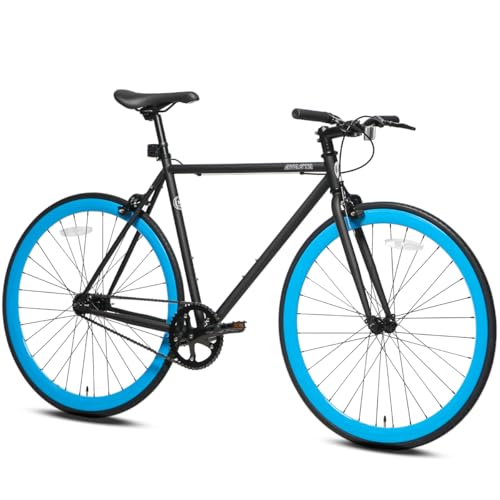
| Frame | High-strength carbon steel frame |
| Drivetrain | Single-speed with flip-flop hub (fixed gear or freewheel mode) |
| Brakes | Dual brakes (likely rim brakes) |
| Wheels_Tires | 700 x 28C tires with 40mm deep V rims |
| Sizes | 50cm, 54cm, 58cm (fits heights 5’1″–6’3″; 50/54/58 cm respectively) |
The moment you hop on the AVASTA Single-Speed Fixie and flip to the fixed gear, the low, confident hum of the 50cm frame and 40mm deep V rims feels built for traffic jams and quick sprints alike. It’s the kind of bike that makes you grin when you realize how quiet the road sounds with the single-speed setup—no fiddling with multiple gears, just direct pedal push and instant response.
You’ll notice the carbon steel frame dampens minor city chatter nicely, turning that rattly pavement into something surprisingly comfortable. The paint job—black with a bold blue accent—stays sharp even after a week of curbside coffee runs and a few park-and-ride detours.
The 700 x 28C tires feel forgiving on potholes and glass-strewn streets, and the flat bar keeps your wrists aligned for urban commutes that mix bike lanes with sidewalk shortcuts. The flip-flop hub is a clever touch, letting you switch between fixed and freewheel as your mood or hill demands.
Setup was refreshingly quick: 90% assembled, with essential tools included, I had it ready in about 15 minutes. The brakes bite firmly enough for city stopping power without feeling twitchy, which is exactly what you want when you’re weaving through pedestrians and cyclists.
Riding it long-term feels like you’ve got a reliable go-to bike for everything from quick errands to weekend hops across town. It’s light enough to carry up a few stairs, sturdy enough to handle mixed surfaces, and stylish enough to turn heads at the coffee shop before a ride home.
If you’re tall, the 54cm and 58cm options are worth a look, but the 50cm fits a wide range of riders who want a nimble feel on crowded streets. Overall, it’s a confident urban companion that blends simplicity with real-world performance.
What Are the Most Important Characteristics of the Best Bike for Urban Cycling?
The most important characteristics of the best bike for urban cycling include:
- Lightweight Frame: A lightweight frame, often made from aluminum or carbon, makes it easier to maneuver and carry the bike, especially in crowded urban settings.
- Comfortable Geometry: A bike with a comfortable geometry allows for an upright riding position, reducing strain on the back and neck, which is crucial for longer commutes in the city.
- Durable Tires: The best urban bikes feature puncture-resistant and robust tires that can withstand rough city streets and debris while providing good traction in various weather conditions.
- Gearing Options: A bike with a wide range of gears allows for easy navigation of city terrain, including hills and flat surfaces, enabling riders to maintain a comfortable cadence regardless of the landscape.
- Integrated Lighting and Reflectors: Safety is paramount in urban cycling, so bikes equipped with integrated lights and reflectors enhance visibility during night rides and in low-light conditions.
- Storage Solutions: Having built-in racks, fenders, or the option to add panniers makes it easier for cyclists to carry groceries or other items, making the bike practical for daily errands.
- Suspension System: A good suspension system can absorb shocks from potholes and uneven surfaces, providing a smoother ride in urban environments where road conditions can vary greatly.
How Does Weight Influence Your Urban Cycling Experience?
- Bike Frame Weight: The weight of the bike frame can greatly influence how easy it is to handle and accelerate. Lighter frames allow for quicker starts and easier climbs, making them ideal for navigating urban environments with varying terrain.
- Rider Weight: The weight of the cyclist impacts the bike’s dynamics, including speed and energy efficiency. A heavier rider may require a sturdier bike with better components to ensure stability and comfort during rides.
- Portability: Lighter bikes are often easier to carry, especially in urban settings where riders may need to navigate stairs or public transportation. This increases the practicality of the bike for commuting and reduces fatigue for the rider.
- Load Capacity: The overall weight capacity of the bike affects its usability for carrying cargo or passengers. Urban cyclists often benefit from bikes that can handle additional weight without sacrificing performance or safety.
- Acceleration and Speed: A lighter bike generally accelerates faster, which is crucial for urban cycling where quick starts and stops are common. This can enhance the rider’s ability to navigate traffic and make timely decisions on the road.
- Comfort and Stability: Heavier bikes may provide more stability at high speeds, which can be beneficial in busy urban areas. However, too much weight can lead to a sluggish ride, making it important to find a balance between stability and agility.
Why Does Frame Design Matter for City Riding Comfort?
Frame design plays a crucial role in urban cycling comfort due to several factors that directly impact ride quality, handling, and overall satisfaction. Here are key aspects of frame design that are particularly important for city riders:
-
Geometry: A bike’s geometry determines riding position and comfort. Urban bikes often feature a more upright geometry, allowing for better visibility and reduced strain on the back and neck during city commutes.
-
Material: Frame materials affect weight and ride quality. Aluminum frames are lightweight and affordable, while steel frames provide durability and a smoother ride, absorbing shocks from bumpy city streets. Carbon fiber offers a premium lightweight option but at a higher price.
-
Size and Fit: A properly sized frame is essential for comfort. Bikes come in various sizes tailored to different heights, ensuring that riders can maintain a comfortable posture. A poor fit can lead to discomfort and fatigue.
-
Stability and Maneuverability: Frames designed for urban cycling usually prioritize stability at lower speeds, essential for navigating through traffic and tight spaces. Shorter wheelbases make turning easier, enhancing overall maneuverability.
Choosing the right frame design enhances riding comfort, making urban cycling more enjoyable and efficient.
Which Types of Bikes Are Best Suited for Urban Environments?
The best bikes for urban cycling are those that combine practicality, comfort, and efficiency for navigating city streets.
- Hybrid Bikes: Hybrid bikes are designed to blend features of road and mountain bikes, making them versatile for urban environments. They typically have a comfortable seating position, wide tires for stability, and can handle a variety of terrains, which is perfect for city commuting.
- City Bikes: City bikes are specifically designed for urban riding, often featuring a relaxed geometry and accessories like fenders and racks. Their sturdy construction and upright riding position provide comfort and convenience, making them ideal for short trips and errands around town.
- Electric Bikes: Electric bikes (e-bikes) offer the advantage of pedal assistance, making them a great option for longer commutes or hilly areas. They allow riders to travel faster and with less effort, which can be particularly beneficial in a busy urban setting where speed and efficiency are key.
- Folding Bikes: Folding bikes are an excellent choice for urban dwellers who need to combine cycling with public transportation or have limited storage space. They are compact and lightweight, making them easy to carry or store, and their design often allows for quick transitions between riding and walking.
- Single-Speed Bikes: Single-speed bikes are simple, lightweight, and low-maintenance, making them ideal for flat urban areas. Their straightforward design means fewer components that can malfunction, and they are often more affordable than multi-gear bikes, appealing to budget-conscious commuters.
What Advantages Do Hybrid Bikes Offer for City Cycling?
Hybrid bikes are an excellent choice for urban cycling due to their versatility and comfort.
- Comfortable Riding Position: Hybrid bikes typically feature a more upright riding position compared to road bikes, which reduces strain on the back and neck. This ergonomic design makes them ideal for navigating city streets, where riders often need to stop and start frequently.
- Versatile Tires: Equipped with wider tires that provide a balance between speed and stability, hybrid bikes can easily handle both paved roads and light off-road conditions. This versatility allows cyclists to confidently navigate various terrains typically found in urban environments.
- Lightweight Frame: Many hybrid bikes are constructed with lightweight materials, making them easier to maneuver and transport. This is particularly advantageous in urban settings where cyclists may need to carry their bikes up stairs or onto public transport.
- Built-in Accessories: Hybrid bikes often come with features such as fenders, lights, and racks, which enhance their functionality for city riding. These built-in accessories make it convenient for commuters to carry belongings and stay safe while cycling in busy traffic.
- Efficient Gearing: With a range of gears designed for both flat and hilly terrains, hybrid bikes allow for smoother transitions in speed, making them suitable for various urban landscapes. This adaptability ensures that riders can tackle different inclines without excessive effort.
- Cost-Effective: Generally, hybrid bikes are more affordable than specialized road or mountain bikes, making them a practical choice for budget-conscious urban cyclists. Their durability and low maintenance requirements further enhance their cost-effectiveness for daily use.
How Can Commuter Bikes Enhance Your Urban Ride?
Comfortable seating is often designed with ergonomic principles in mind, featuring wider and more padded seats. This design helps reduce fatigue during longer rides, making city cycling a viable option for daily commuting.
Fenders and lights are essential for urban cyclists, as they protect you from splashes and improve visibility in low-light conditions. These elements are vital for ensuring safety while riding in rain or at night, contributing to a more secure commuting experience.
Wide tires are advantageous in urban environments where road conditions can vary significantly. They offer increased traction and stability, allowing for safer navigation around obstacles such as potholes, gravel, and debris.
Storage options are a practical addition to commuter bikes, enabling riders to carry necessary items like laptops, groceries, or gym gear without needing a backpack. This not only enhances convenience but also maintains balance while riding, which is crucial in busy city environments.
What Essential Features Should You Look for in an Urban Bicycle?
When selecting the best bike for urban cycling, several essential features should be considered to ensure comfort, safety, and efficiency.
- Lightweight Frame: A lightweight frame, often made from aluminum or carbon fiber, allows for easier maneuverability and reduces the effort needed for commuting. This is particularly valuable in urban environments where quick stops and turns are frequent.
- Flat Handlebars: Flat handlebars provide a more upright riding position, enhancing visibility and comfort during city rides. This design also allows for better control, making it easier to navigate through traffic and crowded areas.
- Gear Range: A wide gear range is essential for varying terrain, allowing cyclists to tackle hills and flat streets efficiently. Bikes with multiple gears or single-speed options can cater to different rider preferences and urban landscapes.
- Fenders and Chainguards: Fenders protect the rider from splashes and mud, while chainguards prevent clothing from getting caught in the chain. These features are crucial for maintaining cleanliness and comfort during wet or messy conditions.
- Reflective Elements and Lights: Safety is paramount in urban cycling, making reflective elements and integrated lights essential for visibility. They help ensure that cyclists are seen by motorists and pedestrians, especially in low-light conditions.
- Comfortable Seat: A well-padded, ergonomic seat can significantly enhance the riding experience by reducing discomfort on longer commutes. Look for seats designed for urban riding, which typically prioritize comfort over speed.
- Integrated Locking Mechanism: An integrated lock or a design that accommodates a lock is vital for preventing theft in urban areas. This feature adds convenience, making it easier for cyclists to secure their bikes when making stops.
- Robust Tires: Tires designed for urban environments should be puncture-resistant and provide good traction on various surfaces. Wider tires can also offer a smoother ride and better stability over potholes and rough city streets.
How Crucial Are Brakes for Safety When Cycling in the City?
Brakes are essential for ensuring safety while cycling in urban environments, where quick stops and maneuverability are often necessary.
- Types of Brakes: Different types of brakes, such as rim brakes and disc brakes, each offer unique advantages and disadvantages for urban cycling.
- Stopping Power: The effectiveness of brakes significantly influences a cyclist’s ability to stop quickly and safely, especially in traffic.
- Maintenance: Regular maintenance of brakes is crucial for optimal performance, as worn or damaged brakes can lead to accidents.
- Weather Conditions: The choice of brake type can affect performance in various weather conditions, such as rain or mud, which are common in urban settings.
- Compatibility with Urban Biking Needs: The best bike for urban cycling should have brakes that suit the rider’s specific needs, including commuting distances and riding style.
Types of Brakes: Rim brakes are common and typically lighter, making them suitable for casual riding. However, they may struggle in wet conditions, while disc brakes provide better performance regardless of the weather but can add weight and cost.
Stopping Power: The ability to stop quickly is especially critical in urban cycling, where cyclists may need to react to pedestrians, traffic signals, and other hazards. Disc brakes generally offer superior stopping power, which can be essential in emergency situations.
Maintenance: Keeping brakes in good working condition is vital for safety; regular checks can prevent brake failure. This includes ensuring the brake pads are not worn down and the cables are properly adjusted.
Weather Conditions: Urban cyclists often face unpredictable weather, making reliable braking systems necessary. Disc brakes tend to perform better in wet conditions, reducing the chances of skidding or losing control.
Compatibility with Urban Biking Needs: When choosing the best bike for urban cycling, it’s important to consider how the brake system fits your riding habits. For instance, commuters may prefer the reliability of disc brakes for daily travel, while recreational riders might opt for lighter rim brakes.
Which Accessories Can Make Urban Cycling More Enjoyable?
A sturdy and reliable bike lock is essential for securing your bike in urban environments where theft can be a concern. Investing in a high-quality lock can provide peace of mind, allowing you to leave your bike unattended without the constant worry of it being stolen.
Visibility is key in busy city settings, making front and rear lights an important safety accessory. These lights not only help you see the road ahead but also ensure that you are seen by others, particularly during early morning or late evening rides.
Wearing a helmet provides crucial protection during unexpected falls or accidents, and it is often required by law in many areas. A well-fitted helmet can greatly reduce the risk of severe head injuries, making it an essential accessory for any cyclist.
Bike baskets or panniers can help carry everyday items such as groceries, work materials, or personal belongings, enhancing convenience while riding. These storage solutions can free up your hands and provide a more comfortable cycling experience, especially during longer commutes.
Fenders are designed to keep you dry and clean by shielding you from water and mud on wet roads. This accessory is particularly useful in cities where rain can create puddles and splashes, allowing for a more pleasant ride even in less-than-ideal weather conditions.
A smartphone mount allows easy access to navigation and music apps while riding, making your journey more enjoyable and efficient. With a secure mount, you can follow directions without fumbling with your phone, ensuring you stay focused on the road.
Wearing reflective gear increases your visibility to drivers, especially at night, which is crucial for urban cycling safety. This type of clothing or accessories can help ensure that you are seen by others, reducing the risk of accidents in low-light conditions.
What Maintenance Practices Are Vital for Urban Cyclists?
Maintenance practices are crucial for ensuring the safety and performance of urban cyclists.
- Tire Maintenance: Regularly checking tire pressure and tread condition is essential for optimal performance and safety. Properly inflated tires improve rolling resistance and traction, while worn-out treads can compromise grip on wet surfaces.
- Brake Inspection: Ensuring that brakes are functioning effectively is vital for urban cycling, where quick stops may be necessary. Regularly inspecting brake pads for wear and adjusting brake cables can prevent accidents and ensure responsive stopping power.
- Chain Lubrication: A well-lubricated chain reduces friction and wear, enhancing the bike’s efficiency and prolonging its lifespan. Urban cyclists should clean and lubricate their chains regularly to prevent rust and ensure smooth gear shifts.
- Frame and Component Cleaning: Keeping the bike frame and components clean helps to prevent rust and deterioration, especially in urban environments where dirt and grime can accumulate quickly. Regular cleaning can also help identify any issues early, such as cracks or loose parts.
- Light and Reflector Functionality: Ensuring that lights and reflectors are in working order is critical for visibility and safety during nighttime rides. Regularly checking battery levels and the physical condition of lights can help urban cyclists stay safe in low-light conditions.
- Gear System Check: Regularly checking and adjusting the gear system can enhance the riding experience by ensuring smooth and accurate shifts. Misaligned derailleurs or worn-out cables can lead to frustrating riding experiences and may require timely maintenance to keep the bike performing well.
- Wheel Alignment and Truing: Ensuring that wheels are properly aligned and trued can enhance the bike’s handling and stability. Regular checks can prevent issues such as wobbling or uneven wear on tires, which can be especially problematic in urban settings with potholes and uneven surfaces.
- Safety Gear Inspection: Regularly checking the condition of safety gear, such as helmets, lights, and reflective clothing, is essential for urban cyclists. A damaged helmet may not provide adequate protection, and non-functional lights can lead to dangerous situations in traffic.
How Can Routine Maintenance Prolong the Lifespan of Your Bike?
Routine maintenance is essential for prolonging the lifespan of your bike, especially when considering the best bike for urban cycling.
- Tire Maintenance: Regularly checking and maintaining tire pressure is crucial for optimal performance and safety. Properly inflated tires reduce the risk of flats and improve overall ride quality, making your bike more efficient on urban roads.
- Chain Lubrication: Keeping the bike chain lubricated prevents rust and reduces friction, which can lead to smoother gear shifts and less wear on components. A well-maintained chain enhances the overall efficiency of your bike, particularly when navigating city streets.
- Brake Inspection: Regularly inspecting and adjusting brakes ensures they are responsive and effective, which is vital for urban cycling where quick stops may be necessary. Well-maintained brakes not only enhance safety but also prolong the life of brake components.
- Gear Adjustment: Ensuring that gears are properly adjusted allows for seamless shifting, which is crucial in urban environments with frequent changes in speed and terrain. Properly adjusted gears reduce strain on the drivetrain, extending its lifespan and improving overall riding experience.
- Frame Cleaning and Protection: Keeping the bike frame clean from dirt, grime, and salt (especially in winter) helps prevent corrosion and maintains the bike’s aesthetic appeal. Applying protective coatings can further shield the frame from environmental damage, preserving its integrity over time.
- Regular Check-ups: Scheduling regular tune-ups with a professional mechanic can help catch potential issues before they become serious problems. This proactive approach ensures that all components are functioning properly, enhancing safety and performance in an urban cycling context.
What Common Issues Should You Anticipate When Cycling in Urban Areas?
When cycling in urban areas, several common issues can arise that cyclists should be prepared for:
- Traffic Congestion: Urban areas often experience heavy traffic, which can pose a danger to cyclists. Navigating through congested streets requires heightened awareness and quick reflexes to avoid collisions with vehicles and pedestrians.
- Potholes and Road Conditions: Poorly maintained roads can be filled with potholes, cracks, and debris, which can be hazardous for cyclists. These obstacles can lead to accidents or damage to the bike, so it’s crucial to remain vigilant and choose routes that are better maintained.
- Bike Theft: Urban environments can be hotspots for bike theft, making it vital for cyclists to secure their bikes properly. Utilizing high-quality locks, parking in well-lit areas, and considering the use of GPS trackers can help mitigate this risk.
- Limited Bike Lanes: Many cities lack sufficient dedicated bike lanes, forcing cyclists to share the road with motor vehicles. This can lead to conflicts and increase the risk of accidents, highlighting the importance of advocating for better cycling infrastructure.
- Weather Conditions: Urban cycling can expose riders to varying weather conditions, which can impact safety and comfort. Rain, wind, and extreme temperatures can all affect visibility and handling, necessitating appropriate gear and preparation for changing weather.
- Interactions with Pedestrians: Cyclists often share pathways with pedestrians, which can lead to conflicts if not navigated carefully. It’s important to communicate effectively and be courteous, especially in crowded areas to ensure safety for both cyclists and pedestrians.
- Navigation Challenges: Urban environments can be complex with their one-way streets, construction zones, and detours. Cyclists may need to utilize maps or navigation apps to find the safest and most efficient routes while avoiding high-traffic areas.