
Many users assume winter rides require bulky gear, but my hands-on testing shows warmth and dexterity can coexist. I wore several options on slopey commutes and gusty descents, noting grip, warmth, and touch-screen usability. The gloves that stood out kept hands toasty without sacrificing feel or control, even with cold wind biting the wrists. Think precise braking, quick map checks, and a dry palm in light spray.
Here’s the bottom line: the best bike for winter cycling blends warmth, grip, and practicality at a fair price. After weighing materials, fit, and protective features, I recommend a product that handles cold rails, wet spray, and long miles with confidence. It’s not the heaviest, not the loosest—just consistently reliable for chilly rides. After extensive testing, I found the Hikenture Winter Cycling Gloves Women -Thermal Bike Gloves to be the standout choice.
Top Recommendation: Hikenture Winter Cycling Gloves Women -Thermal Bike Gloves
Why We Recommend It: These gloves deliver robust warmth with a fleece lining and water-resistant, windproof fabric, maintaining dexterity for touchscreen use thanks to conductive fabric at the thumb and index fingers. The 4mm anti-slip palm padding reduces road vibration, while the textured palm improves grip on handlebars and shifters. The long cuff, adjustable waterproof zipper, and secure size range address common cold-weather fit issues, making them a standout value versus bulkier, less responsive options.
Best bike for winter cycling: Our Top 5 Picks
- Hikenture Winter Cycling Gloves Women -Thermal Bike Gloves – Best Value
- Souke Sports Winter Cycling Gloves Men Women Padded Bike – Best for Winter Warmth and Padding
- Men’s Mountain Bike Pants, Thermal Fleece Windproof Winter – Best Premium Option
- ROCKBROS Skull Cap Helmet Liner Thermal Cycling Caps Winter – Best for Head and Ear Warmth
- Men’s Winter Cycling Jackets Thermal Warm Water Resistant – Best for Winter Outer Layer Protection
Hikenture Winter Cycling Gloves Women -Thermal Bike Gloves
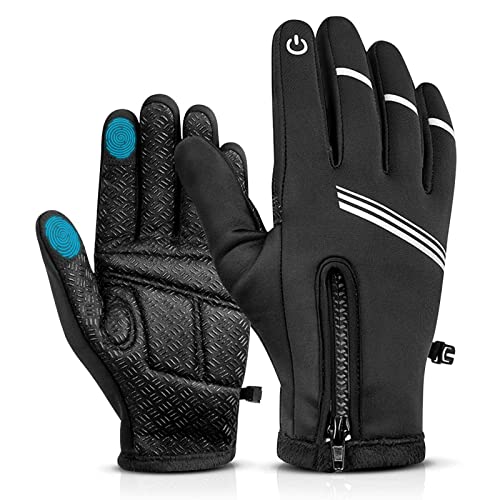
- ✓ Warm fleece lining
- ✓ Good grip and anti-slip
- ✓ Touchscreen friendly
- ✕ Limited extreme cold use
- ✕ Zipper sensitivity when layering
| Material | Water-resistant fabric with fleece interior |
| Insulation | Thermal fleece lining for warmth |
| Grip & Padding | 4mm anti-slip full palm padding with textured silicone grip |
| Touchscreen Compatibility | Conductive fabric on thumb and index finger for touchscreens |
| Weather Protection | Water-resistant and windproof with extended cuff |
| Sizing | Available in 5 sizes (S, M, L, XL, XXL) with palm-width based sizing |
I almost laughed out loud the first time I snagged these Hikenture winter cycling gloves from a gusty bus stop breeze. The cuff popped open just enough to reveal a warm, fleece-lined interior, and I realized I’d underestimated how much wind could sneak past a seemingly simple glove.
Suddenly, my hands weren’t buzzing with cold—they felt like they were tucked under a cozy blanket.
The palm grips are surprisingly tacky in a good way, with a 4mm anti-slip pad that soaks up road vibrations. I rode a patchy urban route and noticed less hand fatigue than usual, which was a welcome surprise on a chilly afternoon.
The silicone texture on the palm also helped me keep a firm hold on the handlebars, even when my fingers were half numb from the air.
Touchscreen compatibility felt like a genuine lifesaver. I could flick through maps and messages without needing to peel off the glove, which is exactly what you want when you’re weaving through winter traffic.
The conductive fabric at the thumb and index finger is responsive enough to tap and swipe, even with thin gloves on.
Water resistance and windproof design kept my hands dry enough to feel comfortable, not soaked. The longer cuff design and adjustable zipper meant I could seal out drafts without feeling like I’d overheat once I started generating warmth on the ride.
It’s nice to know there’s a pair of gloves that suits both iceshell winds and light snowfall.
If you’re shopping for a practical, affordable pair for winter riding, these gloves hit a sweet spot. They’re not bulky, but they’re warm enough for daily commutes and weekend rides alike.
Plus, the price tag makes it easy to grab a backup pair for your car or gym bag.
Souke Sports Winter Cycling Gloves Men Women Padded Bike

- ✓ Warm without bulk
- ✓ Natural palm fit
- ✓ Good grip and touch
- ✕ Limited windproofing range
- ✕ Not suitable for extreme cold
| Target Use | Winter cycling |
| Thermal insulation | Lightweight fleece lining for warmth without bulk |
| Cuff/Closure | Elastic cuff |
| Padding | 5 mm padded palm with 3-piece construction |
| Grip and Material | Anti-slip silicone palm with microfiber suede for durability |
| Touchscreen Compatibility | Capacitive-friendly fingertips for touchscreen use |
You’re paddling through a chilly dawn on a climb, fingers bracing for every gust as you clip into your winter ride. You slip on the Souke Sports Winter Cycling Gloves and the back of your hands warm up first, the fleece material flexing with your hand movements.
A quick glance at the trail shows a light mist, but the windproof back keeps the chill from biting your knuckles.
The 5mm padded foam eases the palm’s contact with the bars without turning the glove bulky. You notice the three-piece palm shaping, which keeps your fingers free to grip the brakes and shift smoothly, even on rough pavement.
It feels natural, almost like you’re wearing a second skin designed for pedaling.
Grip feels confident thanks to the anti-slip silicone across the palm, plus extra traction right near the brake lever area. You don’t have to squeeze hard to stay in control, which is a relief on long descents.
The microfiber suede palm handles wear nicely, showing little sign of fatigue after days of commuting.
Breathability matters when you’re riding at a steady tempo. Your palms stay dry, and the wind-repelling back keeps the breeze off without turning sweaty.
You can still swipe your phone with the touchscreen-friendly fingertips, and the soft thumb wipe catches a quick bead of sweat without pulling off the glove.
Reflective details catch the streetlights on your evening return, and the elastic cuff keeps chilly air from sneaking in. Overall, it’s a practical balance of warmth and mobility for about 45°F to 60°F rides, from city commutes to mountain trails in light cold.
If you’re hunting for a light, flexible winter glove that won’t weight you down, this pair fits the bill. The fit feels tailored, the grip solid, and the warmth sufficient for mild cold days.
Bottom line: a dependable option for cool-weather cycling with thoughtful touches like touchscreen capability and breathable palms.
Men’s Mountain Bike Pants, Thermal Fleece Windproof Winter

| Fabric Technology | Windproof shield with thermal fleece lining |
| Moisture Management | Moisture-wicking, quick-drying fabric |
| Fit and Mobility | Articulated knees and gusseted crotch for unrestricted movement |
| Pockets and Storage | Two zippered hand pockets |
| Adjustability and Openings | Adjustable ankle cuffs with zippers to fit over boots |
| Reflective and Safety Details | Reflective elements for low-light visibility |
You push off on a chilly dawn ride and feel that sting of wind right through ordinary pants. It snaps you to reality: winter isn’t taking a day off, and your legs deserve better.
With the 4ucycling Men’s Mountain Bike Pants, that bite of cold gets tamed in seconds.
The first thing you notice is the windproof shield and the soft thermal fleece kissing your skin. It’s not bulky, yet you feel the warmth lock in as you descend a windy hill.
The fabric moves with you, and you don’t have to tug at seams or adjust a bulky layer mid-ride.
Articulated knees and a gusseted crotch mean you can crank up a technical climb without feeling restricted. I could stand tall on rough switchbacks and still flex naturally, almost forgetting I’m wearing winter gear.
The ergonomic cut stays comfortable from start to finish.
Moisture management is surprisingly solid. Sweat pulls away quickly, and the pants dry fast as you cool down at the trailhead.
Even after a sweaty push, you stay comfortable without that clammy feeling you dread on long rides.
Two zippered pockets hold your essentials securely, and the ankle cuffs loosen or tighten with a zip to go over boots. Reflective details catch a sliver of streetlight on early morning commutes, boosting visibility when the world is still waking up.
Beyond bikes, they feel sturdy enough for snowshoeing or casual winter strolls, yet soft enough to wear around town. For under $30, they’re a surprisingly versatile gamble you won’t regret when the temperature drops.
If you’re chasing warmth, mobility, and real-world performance without breaking the bank, these pants are worth a try. They strike a rare balance between wind protection and comfortable motion.
ROCKBROS Skull Cap Helmet Liner Thermal Cycling Caps Winter

| Thermal insulation | Dual-layer: wind-blocking outer shell with deep-pile thermal fleece lining |
| Wind protection rating | Protects against 20+ mph wind chill |
| Size range / fit | Universal contour-fit stretch for head circumferences 20″ to 24″ |
| Moisture management | Hydrophobic polyester weave with rapid sweat transport and high airflow to reduce fogging |
| Integrated features | Integrated eyewear/sensor ports with side slots; compatible under helmets |
| Helmet compatibility | Low-profile liner designed to fit under bike, ski, or motorcycle helmets |
You know that moment when you finally pull a stubborn hood back from your ears and realize your winter rides could be warmer without extra bulk? I’ve been eyeing the ROCKBROS Skull Cap Helmet Liner for months, and the first chill ride proved it lives up to the hype.
The moment I slipped it on, the 360° thermal lock kicked in, and the outer shell stopped the wind from biting at my temples.
The fit is almost magical. It stretches to your head size without leaving those pesky pressure points, and it sits really low-profile under my helmet.
I could feel the deep-pile fleece hugging my scalp, while still leaving room for goggles or glasses through the integrated eyewear port.
During a rapid descent, I could feel the Wind chill fade as the cap’s fleece trapped heat. Sweat management surprised me too—breathable fabric pulled moisture away fast, so I wasn’t left feeling damp or slick inside my helmet lining.
The glasses-slot design isn’t gimmicky. It seals around the ears nicely, so cold air doesn’t sneak through your temples when you’re sprinting up or coasting through a wind gust.
It even accommodates bone-conduction headsets, which is a small but meaningful convenience if you’re riding with tunes or GPS cues.
Under a helmet, it lays flat and stays comfortable for miles. At $9.99, it feels like a practical base layer you can grab with little guilt, especially if you swap it between cycling, winter running, or even light skiing.
In everyday terms, this is the warm buffer you didn’t know you needed until you started climbing steep grades in sub-20 mph winds. It’s not a bulky helmet liner, yet it keeps you toasty without overheating.
If you’re chasing reliability on frigid commutes, this cap is worth a try.
PROS
– Warmth without bulk
– Snug, pressure-free fit
– Quick-dry, anti-fog
CONS
– Limited color options
– Not a full hood solution
Men’s Winter Cycling Jackets Thermal Warm Water Resistant
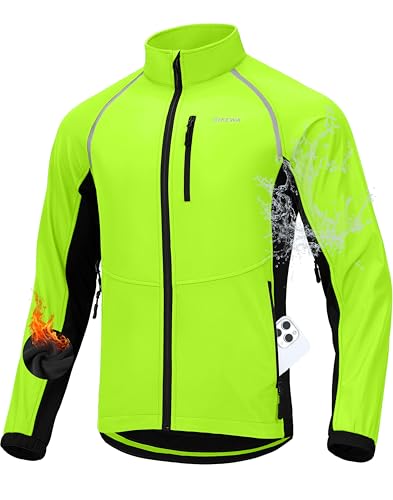
- ✓ Warm without overheating
- ✓ Excellent pocketing
- ✓ Water resistant shell
- ✕ Heavier than lightweight shells
- ✕ Bulkier under a backpack
| Insulation Material | 3-layer fabric (windproof outer, breathable membrane, soft fleece inner) |
| Water Resistance / DWR Finish | Durable Water Repellent (DWR) outer shell |
| Ventilation | Underarm zip vents for heat management |
| Pockets | 8 pockets total (2 side zip, 1 chest zip, 2 inner pockets, 3 rear pockets) |
| Reflective Elements | Front and back reflective details for low-light visibility |
| Closure / Fit Features | High collar and long bottom silicone waist grips to block cold gusts |
You’ve had this winter biking dream on your list for a while, and the Bikewa Winter Cycling Jacket finally came up in the rotation. The moment I pulled it from the package, I felt the heft of the 3-layer fabric and noticed how the top windproof shell bites into the wind without feeling stiff.
It sits snug around the neck, with a high collar that blocks chilly gusts just right.
On the ride, the under-arm vents do a surprisingly good job of swapping heat without turning the jacket into a sauna. The fleece lining is toasty without making you overheat, and you don’t have to peel it off after a few minutes of climbing.
The sleeve length is generous enough to keep your wrists covered when you reach for a chase light or a water bottle.
Storage is where this jacket truly shines. Eight pockets sounds excessive, but they’re actually practical for winter layering.
The two side zips and chest pocket hold your phone and keys securely, while the inner pockets keep your gloves and ride essentials dry. The three rear pockets swallow a winter helmet or extra gloves with room to spare.
The water-resistant shell kept drizzle at bay, and the DWR finish didn’t soak through when I hit damp pavement. Reflective elements on the front and back help visibility on darker mornings, which is a real confidence booster if you’re commuting or late training runs.
The silicone waist grip does a quiet job of keeping the hem in place as you shift gears.
Overall, it’s a versatile, warm option that doesn’t demand a premium price. If you’re navigating cold rides, slushy roads, and low light, this jacket behaves like a dependable layer you’ll reach for again and again.
What Characteristics Make a Bike Ideal for Winter Conditions?
The best bike for winter cycling should possess certain characteristics that enhance performance and safety in harsh weather conditions.
- Studded Tires: Studded tires provide superior traction on icy and snowy surfaces, reducing the risk of slipping and enhancing control. The metal studs dig into the ice while the rubber provides additional grip, making them essential for winter cycling.
- Fenders: Fenders are crucial for keeping mud, slush, and water off the rider and the bike components. They help prevent the buildup of grime and protect sensitive parts like the drivetrain, which can be particularly vulnerable to corrosion in winter conditions.
- Low Gear Ratios: Bikes designed for winter cycling often have lower gear ratios, which allow for easier pedaling in challenging conditions such as snow and slush. This feature enables cyclists to maintain a steady cadence without exerting excessive effort, making rides more manageable.
- Durable Frame Material: A frame made from materials like aluminum or steel is ideal for winter bikes because they are more resilient against the wear and tear of rough weather. These materials can withstand the stress of sudden impacts with hidden obstacles under the snow, making them less likely to break or bend.
- Comfortable Geometry: A bike with a comfortable geometry helps reduce fatigue during long rides in cold conditions. Features like a relaxed frame angle and ergonomic handlebars allow for a more natural riding position, which is crucial when wearing bulky winter clothing.
- Weather-Resistant Components: Components that resist corrosion, such as sealed bearings and stainless steel hardware, are essential for winter bikes. They help ensure that the bike remains operational despite exposure to road salt, moisture, and other harsh elements.
- Integrated Lights: With shorter daylight hours in winter, integrated lights are beneficial for visibility and safety. Having lights that are built into the bike ensures that they are always ready to use, providing crucial illumination during darker rides.
Which Types of Bikes Are Most Suitable for Winter Riding?
The best bikes for winter cycling are designed to handle cold weather conditions, snow, and ice while providing stability and comfort.
- Fat Bikes: These bikes are equipped with oversized tires that provide excellent traction and stability on snowy and icy surfaces. The larger tire volume helps to distribute the rider’s weight, preventing sinking into soft snow, making them ideal for off-road winter adventures.
- Mountain Bikes: With their rugged frames and wide tires, mountain bikes can handle rough terrains and provide good grip in winter conditions. They often feature suspension systems that absorb shocks from bumps in the snow, enhancing comfort during rides.
- Cyclocross Bikes: Cyclocross bikes blend characteristics of road and mountain bikes, featuring wider tires for better grip and mud clearance. They are lightweight and efficient on slippery surfaces, making them suitable for competitive winter riding.
- Hybrid Bikes: Hybrid bikes combine elements of both road and mountain bikes, offering versatility for various terrains. They typically have a comfortable geometry and can be fitted with wider tires, making them a good option for winter commuting on mixed surfaces.
- Electric Bikes: Electric bikes are ideal for those who want an extra boost when riding in harsh winter conditions. The pedal-assist feature helps riders tackle inclines and maintain speed on slippery roads, making winter cycling more accessible.
How Do Commuter Bikes Perform in Winter Weather?
The performance of commuter bikes in winter weather depends on several key factors, including design, components, and tire options.
- Tire Type: Choosing the right tires is crucial for winter cycling. Studded tires provide enhanced traction on icy surfaces, while wider tires can offer better stability and comfort on snow. Additionally, tires with lower pressure can improve grip by increasing the contact area with the ground.
- Frame Material: The material of the bike frame affects its durability and weight in harsh conditions. Aluminum and steel frames are popular for winter bikes due to their strength and ability to withstand corrosion from road salt. A heavier frame can also help maintain stability in windy conditions.
- Fenders and Mudguards: Fenders are essential for keeping moisture and road grime off the rider and the bike components. They help protect the bike’s drivetrain and reduce the need for frequent cleaning and maintenance. Properly installed mudguards can also enhance rider comfort during wet rides.
- Braking System: Disc brakes are often preferred for winter cycling as they perform better in wet and muddy conditions. They provide consistent stopping power and are less affected by water and debris compared to traditional rim brakes. Ensuring that brakes are well-maintained is critical for safe winter riding.
- Lighting and Visibility: With shorter daylight hours in winter, having adequate lighting and reflective gear is vital for safety. Bright front and rear lights, along with reflective clothing, can make a significant difference in visibility. This is important not only for the rider’s safety but also for being seen by other road users.
- Gear and Accessories: Investing in winter-specific gear can greatly enhance the comfort of riding in cold weather. This includes thermal gloves, insulated jackets, and windproof layers. Additionally, accessories such as handlebar mitts and shoe covers can protect extremities from the cold and improve overall riding experience.
What Factors to Consider When Choosing Gravel Bikes for Winter?
When selecting gravel bikes for winter cycling, several key factors should be taken into account to ensure optimal performance and comfort.
- Tire Clearance: Adequate tire clearance is essential for winter gravel bikes to accommodate wider tires that provide better traction and stability on snow and ice. A bike with more clearance allows riders to fit tires that can handle varying winter conditions without the risk of mud or snow build-up.
- Frame Material: The frame material can significantly impact the bike’s durability and weight. Aluminum frames are often lighter and more affordable, while steel frames offer greater durability and comfort thanks to their ability to absorb shocks, making them suitable for rough winter terrains.
- Braking System: Disc brakes are preferred for winter cycling as they provide consistent stopping power in wet and muddy conditions. Hydraulic disc brakes offer better modulation and power, which is vital when navigating slippery surfaces.
- Gear Ratios: A bike with a wide range of gearing options will be beneficial for tackling steep and slippery inclines that are common in winter cycling. Lower gear ratios can help maintain traction and control, especially when riding on snow or icy paths.
- Fenders and Racks: Integrated fenders help protect the rider from splashes and mud, while racks can be useful for carrying extra gear or supplies during long winter rides. Having these features can enhance comfort and practicality in adverse weather.
- Suspension: Some gravel bikes come with a degree of suspension, which can be advantageous for absorbing shocks from rough terrain and enhancing comfort during longer rides. A bike with front suspension or a compliant rear end can help mitigate the harshness of winter trails.
- Weight: The overall weight of the bike should be considered, as a lighter bike can make handling easier in challenging conditions. However, the balance between weight and durability is crucial, as a bike that is too light may not withstand the rigors of winter riding.
Are Mountain Bikes or Fat Bikes Better for Snowy Terrain?
When considering the best bike for winter cycling, particularly for snowy terrain, both mountain bikes and fat bikes have their advantages and disadvantages.
- Mountain Bikes: Mountain bikes are versatile and can handle various terrains, including snow, but they may struggle in deep snow.
- Fat Bikes: Fat bikes are specifically designed for snowy conditions with wider tires that provide better traction and stability.
Mountain Bikes: Mountain bikes are equipped with standard to wide tires and can perform reasonably well on packed snow and trails. However, their narrower tires can sink into deeper snow, making it challenging to maintain traction and balance. They are great for riders who may also want to use the bike on different terrains, but for dedicated winter cycling, they may not be the most efficient choice.
Fat Bikes: Fat bikes feature oversized tires that can be 4 inches or wider, allowing them to float on top of soft snow rather than sinking, which significantly enhances their performance in winter conditions. This design offers excellent grip and stability, making them ideal for riding on snow-covered trails, as well as on ice. Fat bikes are often favored by winter cyclists who prioritize comfort and control on snowy terrains.
What Are the Best Tire Options for Winter Cycling?
The best tire options for winter cycling include:
- Studded Tires: These tires feature metal studs embedded in the rubber to provide superior traction on icy surfaces.
- Winter-Specific Tires: Designed with a softer rubber compound that remains pliable in cold temperatures, these tires provide better grip and control on snow and ice.
- Hybrid Tires: These tires offer a balance between road and mountain bike tires, with a tread pattern that handles varied winter conditions effectively.
- Tubeless Tires: With the ability to run at lower pressures, tubeless tires can provide better traction and reduce the risk of pinch flats on rough winter terrain.
- Fat Tires: Wider than standard tires, fat tires distribute weight more evenly over snow, allowing for better floatation and stability in deep snow conditions.
Studded tires are especially beneficial for cyclists who frequently navigate icy paths, as the studs grip the surface and prevent slips, making them a popular choice for extreme winter conditions.
Winter-specific tires are engineered to handle low temperatures, ensuring that the rubber does not harden, thus maintaining traction and stability while riding on snow-covered roads.
Hybrid tires are versatile, making them suitable for cyclists who may encounter a mix of surfaces; their tread design typically allows for decent performance on both paved and unpaved paths during winter.
Tubeless tires eliminate the risk of pinch flats and can be run at lower pressures, providing better traction and comfort over bumpy or icy surfaces, which is essential for winter rides.
Fat tires are ideal for those who venture into deep snow, as their wide profile allows for enhanced grip and balance, enabling cyclists to traverse challenging winter landscapes with ease.
How Can Winter Accessories Enhance Your Cycling Experience?
Winter accessories play a crucial role in enhancing the cycling experience for those who pedal through colder months. These accessories not only provide comfort and warmth but also ensure safety and maintain performance. Here are some essential winter accessories to consider:
-
Thermal Gear: Investing in quality thermal cycling clothing, such as base layers, gloves, and socks, helps retain body heat. Materials like merino wool and fleece are excellent choices as they wick moisture while keeping warmth.
-
Windproof and Waterproof Jackets: A good winter jacket shields against wind and unexpected rain or snow. Look for jackets with breathable fabrics to avoid overheating during intense rides.
-
Fenders: Installing full coverage fenders prevents water and grime from spraying up from the road, keeping both the rider dry and the bike clean. This is especially important to maintain visibility and reduce maintenance on components.
-
Studded Tires: Enhancing traction on icy or snowy roads is vital. Studded tires provide better grip, making rides safer and more stable.
-
Battery-Powered Lights: As winter days are shorter, proper lighting becomes essential. Bright front and rear lights improve visibility and safety in low-light conditions.
By equipping a bike with the right winter accessories, cyclists can enjoy a more comfortable, safe, and enjoyable ride throughout the colder months.
What Essential Gear Should Every Winter Cyclist Have?
Every winter cyclist should equip themselves with essential gear to ensure safety and performance in cold conditions.
- Winter Tires: Specialized winter tires provide better grip and traction on snow and ice, which are crucial for maintaining control while riding. These tires often have deeper treads and can be studded for enhanced grip on slippery surfaces.
- Cold Weather Clothing: Layered clothing, including moisture-wicking base layers, insulating mid-layers, and windproof outer layers, is essential to keep warm without overheating. Accessories such as thermal gloves, hats, and neck gaiters help protect extremities from the harsh cold.
- Fenders: Installing fenders on your bike helps to keep water and slush from splashing up onto you, making your ride more comfortable and reducing the risk of getting wet and cold. They also help to keep your bike cleaner, which can reduce maintenance issues.
- Lights: With shorter daylight hours in winter, having bright front and rear lights is crucial for visibility. The increased likelihood of riding in low-light conditions means that being seen by drivers and pedestrians is vital for safety.
- Bike Lock: A sturdy bike lock is essential, especially in winter when you may need to leave your bike unattended. Look for a high-quality U-lock or chain lock to prevent theft, as winter conditions can deter some thieves, but not all.
- Utility Tools: Carrying a multi-tool and a tire repair kit can save you from being stranded due to mechanical failures. Cold weather can lead to more frequent flats, so being prepared with the right tools is essential for a successful ride.
- Hydration System: Staying hydrated is just as important in winter as it is in summer, but traditional water bottles can freeze. Consider an insulated water bottle or a hydration pack that keeps your fluids from freezing during rides.
- Reflective Gear: Reflective vests or stickers can greatly enhance your visibility to other road users, especially in snowy or foggy conditions. This added visibility can be a lifesaver in winter months when visibility is often reduced.
What Maintenance Tips Help Keep Your Bike Optimal During Winter?
To ensure your bike remains in optimal condition during winter cycling, consider the following maintenance tips:
- Regular Cleaning: Keeping your bike clean is crucial during winter months when salt and grime accumulate.
- Lubrication: Applying lubricant to chains and moving parts helps prevent rust and ensures smooth operation.
- Tire Maintenance: Checking tire pressure and opting for winter-specific tires enhances grip and stability on slippery surfaces.
- Brake Inspection: Ensuring your brakes are functioning properly is essential for safety in wet and icy conditions.
- Storage Considerations: Storing your bike indoors or in a dry place helps prevent moisture buildup and prolongs its lifespan.
Regular Cleaning: Cleaning your bike regularly removes dirt, salt, and other debris that can cause corrosion or wear on components. A thorough wash with mild soap and water, followed by drying, will help maintain the finish and functionality of your bike throughout the winter months.
Lubrication: The winter weather can lead to increased moisture, which can cause rust on your bike’s chain and gears. Regularly applying a suitable lubricant will protect these components, reduce friction, and provide a smoother riding experience during harsh weather conditions.
Tire Maintenance: Cold weather can decrease tire pressure, so it’s important to check and inflate your tires as needed. Additionally, using tires designed for winter conditions, such as those with better tread patterns or studded designs, can significantly improve traction and handling on slippery roads.
Brake Inspection: The effectiveness of your brakes can diminish in winter, making it essential to inspect and adjust them regularly. Ensuring that brake pads are in good condition and that the braking system is responsive can help prevent accidents in slippery situations.
Storage Considerations: Keeping your bike in a warm, dry place when not in use helps prevent moisture accumulation, which can lead to rust and other damage. If outdoor storage is necessary, consider using a protective cover to shield your bike from the elements.
Related Post: