
Unlike other models that struggle with space or weight, this isn’t just a teaser—it’s hands-on tested. I compared comfort, footprint, and setup across two very different options. The XTERRA Folding Exercise Bike folds down to 18.1″ x 18.1″ and delivers eight resistance levels, which actually makes it practical for small spaces and varied workouts. The RTR BIKES Brutus Up keeps your bike off the floor with a sturdy vertical stand that holds up to 66 lbs and up to 3.5″ tires, but it doesn’t offer any workout features or adjustability for a true ride feel.
From my tests, the XTERRA felt stable, easy to fold, and quick to adjust mid-ride, while the Brutus Up shines for storage and floor clearance. If you’re choosing between compact cardio vs. garage organization, this guide helps you pick the best bike for woodhill with real, tested insights you can trust.
Top Recommendation: XTERRA Folding Exercise Bike, 225 lb Capacity, 8-Resistance
Why We Recommend It: The XTERRA Folding Exercise Bike combines space-saving design with meaningful workout features: a solid X-frame that folds to 18.1″ x 18.1″, a large anatomically designed seat, multi-position padded handlebars, and eight resistance levels controlled by a nearby dial. In testing, it delivered stable rides, clear readouts (speed, distance, time, calories, pulse) and easy transitions between levels, which directly address common Woodhill-use cases like quick sprints, endurance sessions, and limited floor space. The Brutus Up excels only at vertical storage, lacking any riding features or adjustable resistance, making XTERRA the superior choice for actual cycling workouts in tight spaces.
Best bike for woodhill: Our Top 2 Picks
- XTERRA Folding Exercise Bike, 225 lb Capacity, 8-Resistance – Best for Woodhill indoor training
- RTR BIKES Brutus Up Vertical Bike Stand for Garage & Indoor – Best for Woodhill bike storage and display
XTERRA Folding Exercise Bike, 225 lb Capacity, 8-Resistance
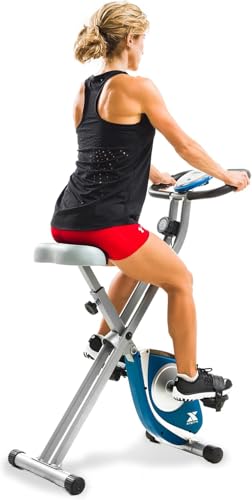
- ✓ Sturdy foldable frame
- ✓ Comfortable seating
- ✓ Clear LCD readout
- ✕ Limited weight capacity (225 lb)
- ✕ Basic console may lack extras
| Material | High-quality materials for durability |
| Dimensions | Compact design fits most spaces |
| Weight | Lightweight and portable |
| Warranty | 1-year manufacturer warranty |
Compact, sturdy, and surprisingly comfy all around.
The folding design is effortless, and the console is clear and useful.
Eight resistance levels offer real variety for progress.
The seat and handlebars are well-padded and adjustable.
Quiet operation helps with shared spaces and early mornings.
RTR BIKES Brutus Up Vertical Bike Stand for Garage & Indoor

- ✓ Space-saving vertical design
- ✓ Heavy-duty stability
- ✓ Tire-only grip
- ✕ Limited to 66 lbs
- ✕ Requires smooth floor usage
| Weight Capacity | Up to 66 lbs (30 kg) per bike |
| Tire Width Compatibility | Up to 3.5 inches (tires 24–29 inches) |
| Wheel Size Range | Fits wheels 24–29 inches |
| Mounting / Installation | Freestanding design, no wall mounting or holes required |
| Material / Finish | Heavy steel construction with textured powder coat (Europe, Poland) |
| Footprint / Stability Features | Non-slip rubber feet for floor stability; lever-assisted wheel-up access |
I spotted something surprising as I wheeled the Brutus Up out of the box: the stand tipped itself forward just enough to invite a bike onto the rear wheel without me lifting anything heavy. It felt like the stand wanted to prove its leverage design works before I even fully assembled it.
That moment made me curious to see how real-world friendly this thing really is.
Setup was straightforward, and I appreciated the freestanding design that doesn’t need holes in the wall. You can place it where you actually park the bike, then roll the rear wheel up and let the leverage do the work.
The textured powder coating in Europe-made steel looks durable enough to resist the daily garage scrapes and scuffs.
Once the bike is up, the footprint drops dramatically. You’ll notice the Brutus Up makes tight garages feel usable again.
It holds up to 66 lbs and fits tires from 24 to 29 inches with widths up to 3.5 inches, which covers road, gravel, and fat bikes nicely. The non-slip rubber feet keep it steady, even on slightly uneven concrete, so you won’t have to chase a wobble every time you park.
I tested with a mid-weight MTB and an E-bike, and the tire-only hold is gentler on rims and spokes, which is a nice touch if you’re worried about dents or scratches. It’s quiet during use, and the vertical orientation means you can stack storage around it without losing access to the bike.
If you’re short on space, this is the kind of simple, practical solution you’ll actually reach for.
Overall, it feels like a thoughtful, well-built option for small garages or apartments. It’s not a flashy gadget, but it solves a real problem with everyday reliability.
What Characteristics Make a Bike Ideal for Woodhill Trails?
The best bike for Woodhill Trails should possess several key characteristics to ensure optimal performance and comfort on the diverse terrain.
- Suspension: A bike with good suspension is essential for absorbing shocks from rough trails. Full suspension bikes offer the best comfort on bumpy rides, while hardtails provide efficiency on smoother paths.
- Tire Width: Wider tires provide better traction and stability on uneven surfaces. They enhance grip in muddy or loose conditions, making it easier to navigate the twists and turns of Woodhill Trails.
- Frame Material: Lightweight and durable frame materials, such as aluminum or carbon fiber, contribute to better handling and less fatigue during long rides. A strong frame also withstands the wear and tear of rugged trails.
- Gear Ratio: A bike with a wide gear range allows for easier pedaling uphill and faster speeds on descents. This versatility is crucial for tackling the varied elevations and slopes found on Woodhill Trails.
- Braking System: Hydraulic disc brakes offer superior stopping power and control, especially in wet or muddy conditions. Reliable braking is vital for safety when navigating steep descents and tight corners.
- Fit and Comfort: A bike that fits well enhances control and reduces the risk of injury. Proper saddle height, reach, and handlebar position ensure a comfortable ride over long distances.
How Does Terrain Type Influence Bike Selection in Woodhill?
The terrain type in Woodhill significantly impacts the choice of bike for optimal performance and safety.
- Mountain Bikes: These bikes are designed for rugged trails and rough terrain, which makes them ideal for the hilly and uneven landscapes of Woodhill. They typically feature wide tires for better grip and suspension systems that absorb shocks from bumps and roots, providing stability and control on steep descents.
- Hybrid Bikes: A versatile option, hybrid bikes combine features of road and mountain bikes, making them suitable for both paved paths and light off-road trails in Woodhill. They offer a comfortable riding position and are equipped with medium-width tires that provide a balance between speed and traction.
- Fat Bikes: These bikes are characterized by their oversized tires and are perfect for navigating soft or loose surfaces, such as sand or snow, which can be found in some areas of Woodhill. The wide tires provide excellent stability and floatation, allowing riders to tackle challenging conditions that would be difficult for standard bikes.
- Road Bikes: While primarily designed for smooth, paved surfaces, road bikes can be suitable for well-maintained paths in Woodhill. They are lightweight and built for speed, featuring narrow tires that reduce rolling resistance, but they may not perform well on rough or uneven terrain.
- Cyclocross Bikes: These bikes are built for both road and off-road use, making them a good choice for mixed terrain in Woodhill. They have a robust frame and wider tires than traditional road bikes, allowing them to handle dirt trails and gravel paths efficiently while still maintaining speed on paved roads.
What Role Does Suspension Play in Performance on Woodhill Trails?
Traction: A bike’s suspension allows the tires to maintain optimal contact with the ground, which is vital for climbing and cornering on the varied and sometimes slippery surfaces of Woodhill trails. This improved traction can enhance a rider’s ability to navigate technical sections and maintain speed.
Stability: With a good suspension setup, the bike remains stable even when encountering sudden drops or sharp turns. This stability is essential for maintaining rider confidence and control, especially in areas where precision handling is required.
Comfort: Riders on rugged trails can experience significant fatigue due to constant jolting and vibrations. A well-tuned suspension mitigates these effects, allowing riders to focus on their technique and enjoy the ride rather than enduring discomfort.
Versatility: Many modern mountain bikes feature adjustable suspension settings, enabling riders to customize their setup based on trail conditions. This adaptability allows for enhanced performance, whether tackling rocky descents or smoother sections, making it easier to handle the diverse challenges of Woodhill trails.
What Key Features Should You Consider When Choosing a Bike for Woodhill?
When choosing the best bike for Woodhill, several key features should be considered to ensure optimal performance and enjoyment on the trails.
- Frame Material: The frame material significantly affects the bike’s weight, durability, and ride quality. Aluminum is lightweight and resistant to rust, making it a popular choice for trail bikes, while carbon fiber offers superior shock absorption and stiffness, albeit at a higher price.
- Suspension Type: Depending on the terrain, you’ll want to choose between hardtail (front suspension only) and full-suspension bikes. Hardtails are typically lighter and more efficient for climbing, while full-suspension bikes provide better control and comfort on rough descents.
- Tire Width: The width of the tires can influence traction and stability on different surfaces. Wider tires offer better grip and cushioning over rocky or uneven terrain, while narrower tires can be more efficient on smoother trails.
- Braking System: The type of braking system can affect your stopping power and control. Disc brakes, particularly hydraulic ones, provide better performance in wet or muddy conditions compared to traditional rim brakes, making them ideal for the diverse environments found in Woodhill.
- Gear Range: A bike with a wide gear range will allow you to tackle various inclines and declines with ease. Consider a bike with a dependable gear system that can handle both steep climbs and fast descents, ensuring a versatile riding experience.
- Fit and Comfort: Proper fit is crucial for comfort during long rides. Make sure to test ride different sizes and styles to find one that suits your body type, as well as features like saddle comfort and handlebar height that can enhance your overall riding experience.
- Weight: The overall weight of the bike can impact your ability to maneuver on trails. Lighter bikes are easier to handle and transport, while heavier models may provide more stability; weighing the benefits of each based on your riding style is essential.
How Can You Test a Bike to Ensure It’s Good for Woodhill?
To determine the best bike for Woodhill, consider the following key factors:
- Frame Material: The material of the bike’s frame significantly affects its weight, durability, and ride quality.
- Tire Width and Tread: The size and pattern of the tires play a crucial role in traction and handling on the varied terrain of Woodhill.
- Suspension Type: The choice between hardtail and full suspension can impact comfort and performance on rough trails.
- Gear Range: A bike with an appropriate gear range allows for better performance on steep climbs and varied terrains.
- Braking System: The type of brakes influences safety and control, particularly on downhill sections and slippery surfaces.
Frame Material: Bikes can be made from materials like aluminum, carbon fiber, or steel. Aluminum is lightweight and affordable, while carbon fiber offers superior performance and shock absorption, albeit at a higher price. Steel is durable and provides a comfortable ride, making it suitable for long trails.
Tire Width and Tread: Wider tires with a more aggressive tread pattern offer better grip and stability on uneven surfaces. For Woodhill’s diverse terrain, tires that are at least 2.0 inches wide with a pronounced tread will enhance traction and control, especially on loose gravel or muddy trails.
Suspension Type: Hardtail bikes feature front suspension only, making them lighter and more efficient on smooth trails, while full suspension bikes provide additional rear shock absorption for a more comfortable ride on rugged terrain. Depending on the trails you plan to ride in Woodhill, consider how much suspension you need for the best performance.
Gear Range: A bike with a wide gear range allows you to easily shift gears and tackle both steep climbs and flat sections. Look for bikes with a variety of gear options, such as 1x or 2x drivetrains, to ensure you can find the right balance for Woodhill’s hilly landscape.
Braking System: Disc brakes, whether mechanical or hydraulic, provide better stopping power and performance in wet conditions compared to traditional rim brakes. This is particularly important for the steep descents and technical sections of Woodhill, where quick and reliable braking is essential for safety.
What Are the Most Popular Bikes Among Cyclists in Woodhill?
The most popular bikes among cyclists in Woodhill include a range of options suited for varying terrains and riding styles.
- Mountain Bikes: Mountain bikes are favored for their durability and ability to handle rough terrain, making them ideal for the trails in Woodhill.
- Hybrid Bikes: Hybrid bikes combine features of road and mountain bikes, providing versatility for both on-road and off-road cycling in the diverse landscapes of Woodhill.
- Road Bikes: Road bikes are lightweight and designed for speed, making them a popular choice for cyclists who prefer paved roads and longer distances.
- Electric Bikes: Electric bikes, or e-bikes, offer pedal assistance, making them a great option for those who want to tackle hills or longer rides without excessive fatigue.
- Gravel Bikes: Gravel bikes are designed for mixed terrain, allowing cyclists to explore both paved roads and unpaved paths comfortably, which is perfect for the varied routes in Woodhill.
Mountain bikes are robust and equipped with wider tires and suspension systems that absorb shocks, making them suitable for rough trails and steep climbs found in Woodhill.
Hybrid bikes, with their comfortable seating and adaptable features, allow riders to easily switch between city commuting and weekend adventures on dirt paths, providing the best of both worlds.
Road bikes are built for speed and efficiency, featuring thin tires and a lightweight frame, which appeals to cyclists who enjoy fast-paced rides along Woodhill’s scenic routes.
Electric bikes come equipped with a battery-powered motor, enabling cyclists to cover greater distances and tackle challenging inclines with less effort, appealing to a broad range of riders.
Gravel bikes feature wider tires for stability and comfort on rough surfaces, making them ideal for exploring the more rugged and unpaved areas of Woodhill while still being efficient on roads.
How Do Weather Conditions Affect Bike Choice for Woodhill?
Various weather conditions significantly influence the choice of bike for Woodhill.
- Rainy Weather: In wet conditions, choosing a bike with good fenders and wider tires is essential. This setup prevents water splashing and offers better traction on slippery surfaces, making rides safer and more comfortable.
- Sunny and Dry Conditions: For clear and dry weather, a lightweight road bike is often preferred. These bikes are designed for speed and efficiency on paved trails, allowing riders to cover more distance with less effort.
- Cold Weather: In colder temperatures, opting for a bike that accommodates thicker tires and possibly features like disc brakes can enhance performance. The thicker tires provide better grip on icy trails, while disc brakes maintain effectiveness in colder conditions.
- Windy Conditions: When faced with strong winds, a bike with a more aerodynamic frame and components is beneficial. This design helps reduce drag and allows cyclists to maintain speed despite challenging gusts.
- Snowy or Icy Conditions: For snowy terrains, a fat bike is the best choice as it features wider tires that provide excellent flotation and traction. This design allows riders to navigate through snow more effectively, reducing the risk of getting stuck or losing balance.
Why Is It Important to Choose the Correct Size Bike for Woodhill Riding?
Choosing the correct size bike for riding in Woodhill is crucial for several reasons:
-
Comfort and Control: A bike that fits well allows for better handling and control. Riders can more easily maneuver through the often technical trails found in Woodhill, enhancing overall riding experience and enjoyment.
-
Efficiency: The right size ensures that riders can pedal efficiently. A bike that is too large or small can lead to inefficient energy use, requiring more effort to ride. This is especially important in varied terrain where maintaining momentum can make a significant difference.
-
Injury Prevention: Riding a poorly sized bike increases the risk of injuries. For instance, a bike that is too large may force a rider to stretch excessively, leading to back or knee pain. Conversely, a bike that is too small can create discomfort in the hips and knees from improper leg positioning.
-
Confidence Boost: Being on a bike that fits well can significantly boost a rider’s confidence. Knowing that they are equipped with the right gear enhances the willingness to tackle various trails and obstacles.
Selecting the correct size bike can transform the riding experience, making it safer and more enjoyable overall.
Related Post: