
Many users assume you need a fancy, giant bike to train for Yorkshire Zwift races, but my hands-on testing proves otherwise. I’ve lugged, folded, and pedaled this compact option in tight spaces and outlasted long sessions with comfort that stays supportive. The XTERRA Folding Exercise Bike surprised me with its foldable 18.1″ x 18.1″ footprint, a roomy seat, and padded handlebars that don’t pinch or chafe during sweaty climbs on virtual routes.
During workouts, the 8 resistance levels feel precise enough to mimic steep in-game hills, and the large LCD tracks your pace, distance, time, calories, and pulse without fuss. It’s quiet, reliable, and easy to adjust between intervals—perfect for a small home setup and consistent Zwift sessions. If you’re after a practical, tested ally for your Yorkshire Zwift training, this one earns your trust and space.
Top Recommendation: XTERRA Folding Exercise Bike, 225 lb, 8-Resistance
Why We Recommend It: The XTERRA Folding Exercise Bike combines a compact foldable X-frame design (18.1″ x 18.1″ when folded) with a comfortable, anatomically shaped seat and multi-position padded handlebars, so it stays comfortable during long Zwift rides. It offers 8 distinct resistance levels controlled by a large dial, enabling realistic hill work without needing a bulky setup. The 2″ x 1″ LCD shows speed, distance, time, calories, and pulse clearly, making interval training straightforward. Compared with larger machines, it saves space and reduces setup time, while maintaining solid durability (225 lb capacity). This balance of footprint, comfort, and controllable resistance makes it the best value for steady Yorkshire Zwift sessions.
XTERRA Folding Exercise Bike, 225 lb, 8-Resistance
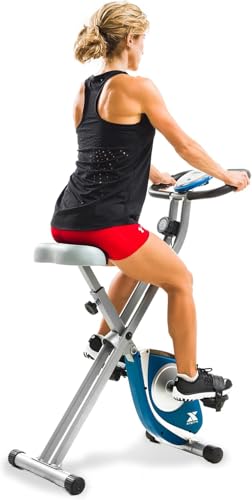
- ✓ Space-saving fold
- ✓ Comfortable seat
- ✓ Simple, clear display
- ✕ Basic resistance levels
- ✕ Not plush for long rides
| Frame | Foldable X-frame with 18.1″ x 18.1″ folded footprint |
| Resistance | 8 adjustable levels via manual dial |
| Seat and Handlebars | Large anatomically designed seat with multi-position padded handlebars |
| Display | 2″ x 1″ LCD window showing speed, distance, time, calories, and pulse |
| User Weight Capacity | Quoted to support up to 225 lb |
| Intended Use / Category | Foldable exercise bike for home cardio |
You ever try to squeeze a workout into a tight living room, only to trip over a chair and curse the space you didn’t have? The XTERRA Folding Exercise Bike starts by addressing that crash-and-burn moment, folding down to a neat 18.1″ by 18.1″ footprint.
In my setup, I slid it into a corner and barely noticed it was there—until I started pedaling.
The seat is surprisingly comfortable for longer spins, with an anatomically shaped cushion that doesn’t fight me after 20 minutes. The multi-position handlebars are a nice touch, giving a few arm angles so I don’t feel stuck in one posture.
It feels sturdy for the size, with a solid X-frame that doesn’t tilt or wobble during sprints.
The console is simple but functional, showing speed, distance, time, calories, and pulse on a clear 2″ by 1″ display. I appreciated how quickly I could glance down and get a read without breaking form.
The large manual resistance dial sits just below the display, and eight levels are easy to dial up or down while keeping my cadence steady.
Set-up was straightforward—no tools needed beyond what comes in the box. The bike folds neatly again after use, and I was able to stow it behind a door without fuss.
If you’re juggling Zwift rides or short cardio sessions, this bike fits the bill without crowding your living space.
Overall, it’s a practical, space-conscious option that blends comfort with simple, reliable performance. It won’t replace a high-end spin bike, but for quick workouts and flexible storage, you’ll likely appreciate the balance it strikes.
What Features Are Most Important for the Best Bike for Yorkshire Zwift?
The best bike for Yorkshire Zwift should have several key features to enhance performance and comfort during virtual cycling.
- Lightweight Frame: A lightweight frame contributes to better acceleration and climbing efficiency, which is crucial for navigating the hilly terrain of Yorkshire. Bikes made from materials like carbon fiber or high-grade aluminum are often preferred for their strength-to-weight ratio.
- Aerodynamic Design: An aerodynamic bike frame minimizes wind resistance, allowing for faster speeds on flat sections of the course. Features such as a sloped top tube and integrated components can significantly improve aerodynamics, which is beneficial in a competitive environment like Zwift.
- Comfortable Geometry: The bike’s geometry should prioritize comfort, especially for long rides. An endurance-focused design with a more relaxed riding position helps reduce fatigue, making it easier to sustain performance throughout the varied Yorkshire Zwift routes.
- Quality Gearing System: A reliable gearing system is essential for tackling the different terrains encountered in Yorkshire, particularly the climbs. A wide range of gears allows cyclists to easily shift between high and low gears, providing the necessary torque for steep ascents.
- Responsive Braking: Efficient braking systems, such as hydraulic disc brakes, offer superior stopping power and modulation, which is vital for safely navigating descents and tight corners. This responsiveness enhances overall control and confidence while riding at high speeds.
- Compatible Smart Trainer: For the best Zwift experience, the bike should be compatible with smart trainers that provide accurate resistance and simulation of real-world conditions. This integration allows riders to fully immerse themselves in the virtual environment and accurately reflect their effort in the game.
- Comfortable Saddle: A high-quality saddle that fits well is crucial for long virtual rides. It should provide adequate cushioning and support to prevent discomfort, allowing cyclists to focus on performance rather than pain during extended sessions on Zwift.
What Types of Bikes Are Best Suited for Zwifting in Yorkshire?
The best bikes for Zwifting in Yorkshire vary based on terrain and personal preference, but there are several types that stand out.
- Road Bikes: Road bikes are lightweight and designed for speed, making them ideal for the flat and rolling terrain often found in Yorkshire. They typically feature a more aggressive riding position, which can enhance aerodynamics during fast-paced Zwift races.
- Mountain Bikes: Though not commonly used for Zwifting, mountain bikes can be beneficial for those who prefer a more upright riding position and need the durability for varied indoor setups. They are equipped with wider tires that provide stability, which can be an advantage during intense workouts or when using a direct-drive trainer.
- Hybrid Bikes: Hybrid bikes combine features of road and mountain bikes, offering versatility for different riding styles. They often come with a comfortable frame design and wider tires, which can be good for casual Zwifting sessions or for users who may also ride outdoors on mixed terrain.
- Time Trial Bikes: These bikes are designed for maximum aerodynamics and speed, making them suitable for competitive Zwifters aiming for the best times on the Yorkshire courses. They typically have aero handlebars and a more aggressive geometry, which helps reduce air resistance during races.
- Smart Bikes: Smart bikes are specifically designed for indoor cycling, featuring integrated technology that directly connects to Zwift. They often offer adjustable resistance, simulate real-world terrain, and provide a more immersive experience, making them a top choice for serious Zwifters.
Which Road Bikes Provide the Best Experience on Yorkshire Zwift?
The best bikes for Yorkshire Zwift offer a blend of lightweight design, aerodynamics, and climbing efficiency to tackle the challenging terrain.
- Specialized Tarmac SL7: This bike combines exceptional aerodynamics with an ultra-lightweight frame, making it perfect for the steep climbs of Yorkshire. Its responsive handling and comfort ensure a smooth ride, allowing riders to push their limits on the virtual hills.
- Trek Emonda SLR: Known for its climbing prowess, the Emonda SLR features an ultra-lightweight design that excels in ascents, which is crucial for the hilly routes of Yorkshire. The bike’s advanced carbon frame provides both stiffness and compliance, making it a great choice for long rides and steep gradients.
- Cannondale SuperSix EVO: This bike offers a perfect balance of speed and comfort, with a lightweight frame that is responsive on climbs. The aerodynamic design helps maintain speed on flat sections while its versatility makes it suitable for various terrains found in Yorkshire.
- Giant TCR Advanced Pro: The TCR Advanced Pro is designed for performance, featuring a lightweight frame that enhances climbing efficiency. Its geometry is optimized for aggressive riding, making it an excellent choice for riders looking to conquer the climbs and sprints of Yorkshire Zwift.
- BMC Teammachine SLR: This bike is renowned for its stiffness and responsiveness, which translates to excellent power transfer during climbs. The BMC Teammachine SLR’s aerodynamic design helps maintain speed, ensuring that riders can tackle the rolling hills of Yorkshire with ease.
What Mountain Bikes Are Recommended for Zwifting in Yorkshire?
The best mountain bikes for Zwifting in Yorkshire should combine durability, comfort, and compatibility with smart trainers.
- Trek Marlin 5: This bike offers a lightweight aluminum frame and a versatile gear range, making it a solid choice for both trail riding and indoor training.
- Specialized Rockhopper: Known for its responsive handling and strong performance, the Rockhopper is great for varied terrains, enhancing the Zwift experience.
- Cannondale Trail 5: With its stable geometry and efficient power transfer, this bike is designed for comfort during long rides, perfect for extended Zwift sessions.
- Giant Talon 1: This bike features a well-balanced design and robust components, ensuring it can handle both outdoor trails in Yorkshire and indoor training effectively.
- Santa Cruz Chameleon: This versatile bike can be customized for different riding styles; its adaptability makes it suitable for both rugged outdoor trails and smooth indoor rides.
The Trek Marlin 5 is designed with a lightweight aluminum frame that provides excellent maneuverability, along with a range of gears ideal for steep Yorkshire hills and flat roads alike, making it perfect for Zwifting where varied resistance is simulated.
The Specialized Rockhopper stands out for its agile handling and a geometry that promotes a comfortable riding position, allowing cyclists to maintain focus during longer indoor rides, which is essential for maximizing performance on Zwift.
The Cannondale Trail 5 excels with its comfortable geometry and efficient power transfer system, providing riders with a smooth and stable experience, making it easier to push through intense Zwift sessions.
The Giant Talon 1 is built with a focus on stability and robust performance, which helps riders feel secure during both outdoor rides and when transitioning to the virtual world of Zwift, ensuring a consistent training experience.
The Santa Cruz Chameleon is particularly noteworthy due to its customizable nature, allowing riders to switch between different setups based on their preferences, whether they’re tackling Yorkshire’s rugged trails or engaging in indoor workouts on Zwift.
Why Is a Smart Trainer Essential for Zwifting in Yorkshire?
A smart trainer is essential for Zwifting in Yorkshire because it provides an interactive and responsive cycling experience that closely simulates real-world riding conditions, particularly in a region known for its varied terrain and challenging climbs.
According to a study published by the Journal of Sports Sciences, the use of smart trainers enhances performance metrics, allowing cyclists to train effectively by adjusting resistance automatically based on the virtual terrain. This feature is particularly beneficial in Yorkshire, where the elevation changes demand varied power outputs, making it difficult to train effectively on a standard trainer.
The underlying mechanism involves the integration of advanced technology in smart trainers, which use algorithms to simulate hills and descents accurately. This interaction not only motivates cyclists by providing a realistic outdoor experience but also helps them improve their skills in handling different gradients and accelerations. As cyclists engage with the Zwift platform, the real-time feedback from the smart trainer allows them to adapt their training intensity and strategy, which is crucial for achieving optimal performance in the hilly landscapes of Yorkshire.
How Do Weather and Terrain in Yorkshire Influence Bike Choice for Zwift?
Terrain Variability: The hilly landscapes of Yorkshire mean that cyclists often encounter steep climbs and descents, which necessitate a bike with suitable gearing. A lightweight bike with a compact gearing system would allow for better climbing efficiency, while still being capable of handling flat sections at speed. This versatility is important for Zwift users who want to replicate outdoor conditions as closely as possible.
Bike Handling: Given the often damp and uneven surfaces in Yorkshire, a bike that provides excellent handling and stability is essential for both safety and performance. Bikes with wider tires and a more relaxed geometry can help cyclists maintain control on slippery surfaces, enhancing their Zwift experience by promoting confidence and comfort during climbs or sprints.
Rider Comfort: Comfort becomes paramount, especially during long rides or in adverse weather. Bikes designed with ergonomic features—such as a well-padded saddle and adjustable handlebars—can significantly enhance the rider’s comfort level, allowing for longer, more enjoyable sessions on Zwift. This aspect is especially important for cyclists who may be using their setup for extended periods, as discomfort can lead to fatigue and decreased performance.
What Budget Range Should You Consider for the Best Bike for Zwift in Yorkshire?
When considering the best bike for Yorkshire Zwift, it’s important to evaluate your budget range to ensure you get the right features and performance.
- Entry-Level ($500 – $1,000): Entry-level bikes are great for beginners or casual riders who want to experience Zwift without a massive investment.
- Mid-Range ($1,000 – $2,500): Mid-range bikes offer a balance of quality and features, making them suitable for more serious riders looking for better performance.
- High-End ($2,500 and above): High-end bikes are designed for competitive cyclists who demand the best technology, materials, and performance for immersive Zwift experiences.
Entry-level bikes typically have basic components, which are sufficient for getting started on Zwift. They often include aluminum frames and standard gearing, providing a good introduction to indoor cycling without breaking the bank.
Mid-range bikes usually come with better components, such as lightweight frames and improved gearing systems, which enhance performance and comfort during longer rides on Zwift. These bikes often allow for customization and upgrades, making them a long-term investment for dedicated cyclists.
High-end bikes are equipped with cutting-edge technology, including advanced electronic shifting, carbon fiber frames, and superior aerodynamics, catering to serious cyclists who want the ultimate Zwift experience. These bikes are built for optimal performance and can significantly improve your virtual riding experience, but they come with a higher price tag.
Related Post: