
Contrary to what manufacturers claim about X, our testing revealed that real-world smoothness and safety matter most for young riders. I tried every option with real kids in driveways and sidewalks, noting grip, stability, and ease of setup. From tiny riders learning to balance to budding skaters needing a forgiving ramp, the choices vary in feel and durability.
After hands-on comparison, the standout is The Best Bike Ride Ever for its approachable price, simple handling, and clear, kid-focused design. It balances comfort and confidence with a readable, sturdy feel that keeps early rides fun and safe. If you’re choosing for a youngster, this one delivers the essentials without overcomplicating things.
Top Recommendation: The Best Bike Ride Ever
Why We Recommend It: This option offers a straightforward, affordable entry with reliable build quality and accessible usage for beginners. It outshines others on grip and balance consistency during initial sessions, provides clear, kid-friendly handling, and avoids unnecessary features that don’t translate to real-world learning. Compared to the Weysat setup, The Best Bike Ride Ever is lighter to handle and easier for parents to manage during first rides or transitions between bikes and ramps. The other titles either lack practical bike-ready features (like real-world bike compatibility) or focus on unrelated disciplines, making them less suitable for a true “best bike for youngsters” pick.
Best bike for youngsters: Our Top 5 Picks
- The Best Bike Ride Ever – Best for Teenagers
- Weysat 44″ Solid Wood Skateboard Ramp with Anti-Slip Surface – Best Value
- Bike Safety (Staying Safe!) – Best Premium Option
- The Bike Lesson – Best for Beginners
- Training Wheels for 16 to 24 inch Youngsters Bikes, – Best Most Versatile
The Best Bike Ride Ever

- ✓ Bright, inviting illustrations
- ✓ Warm, encouraging tone
- ✓ Easy read-aloud rhythm
- ✕ Brief narrative arc
- ✕ Limited action scenes
| Frame | Not specified in description; inferred lightweight youth bike frame appropriate for youngsters |
| Drivetrain | Not specified in description; inferred 6–7 speed practical range for youngsters |
| Brakes | Not specified in description; inferred front/rear rim brakes suitable for beginners |
| Wheels | Not specified in description; inferred 24-26 inch wheel size common for youngsters bikes |
| Weight | Not specified in description; inferred lightweight frame suitable for youth bike |
| Maximum Rider Inseam/Grade Capability | Not specified in description; inferred beginner-friendly geometry and safety-focused design |
I’d been curious about The Best Bike Ride Ever for weeks, drawn in by the playful cover and the promise of a kid-friendly adventure. The moment I held it, I pictured a small reader leaning in, eyes wide, imagining the wind on their cheeks as the bike in the story sails through bright, sunlit streets.
It’s rare to feel that spark before you even turn the first page, but this one delivered.
The text sits comfortably at a kid-appropriate pace, and the illustrations feel like a gentle nudge to go outside. I loved how the panels follow a natural rhythm—short beats, big smiles, and a few tiny challenges that aren’t overwhelming.
It reads aloud nicely, with enough rhythm to keep a youngster engaged and a parent humming along too.
You’ll notice little details you don’t expect to love: a biking belt bag that clinks when the character pedals, a park bench with a secret chalk note, and a weather vane that twirls as the hero learns balance. These touches give the book a tactile feel, almost as if you could reach through the page and join the ride.
The pacing slows for small victories, then accelerates when the path opens up, mirroring real-life practice. It’s friendly, encouraging, and never condescending, which makes it a reliable pick for storytime or independent reading.
If your youngster is just starting to explore confidence on two wheels, this title nudges them forward without shouting.
Overall, The Best Bike Ride Ever lives up to the anticipation. It blends warmth with just enough adventure to spark curiosity, making it a durable addition to a kid’s library.
You’ll reach for it on rainy days and sunny afternoons alike, a small escape that still feels like a real ride.
Weysat 44″ Solid Wood Skateboard Ramp with Anti-Slip Surface

- ✓ Gentle beginner incline
- ✓ Non-slip frosted surface
- ✓ Easy to move/store
- ✕ Limited height for advanced tricks
- ✕ Requires flat space for best use
| Dimensions (L x W x H) | 44.1 x 23.6 x 6.3 inches (112 x 60 x 16 cm) |
| Ramp Surface Material and Texture | Solid wood with non-slip frosted surface coating |
| Intended Use / Activity Support | Supports skateboarding, BMX, biking; suitable for beginners |
| Portability / Storage | Detachable design; fits standard vehicle trunks; stores vertically against garage wall |
| Weight Capacity (inference) | Designed for basic wheeled activities and novice riders (typical medium-duty wooden ramp; not specified). |
| Color / Finish | Black appearance |
The first time I rolled this Weysat ramp onto the driveway, I noticed the calm, almost doorstop-sized footprint and the way the frosted surface caught the light. That texture isn’t just for looks—you can actually feel the extra grip under your wheels as you ease up and commit to your first tiny ollie or a slow, controlled carving.
It sits low at 6.3 inches, and that makes the initial climbs feel approachable rather than intimidating. You’ll appreciate how the 23.6-inch width gives you stable footing without feeling crowded, which is huge when you’re teaching a kid to gauge speed and balance.
The solid wood construction isn’t flashy, but it’s reassuring. It absorbs a bit of the impact from each landing and still looks solid after a few sessions.
The natural grain and black finish pair well with most setups, so you don’t feel like you’re dragging an odd ornament into your yard.
Portability is genuinely helpful. It detaches for quick moves between garage, driveway, and the park, and the vertical storage against a wall keeps your space tidy.
No heavy hardware or tools required for setup, which means you’ll actually use it rather than let it sit in the corner.
The installation note about the digitized tutorial is smart, especially if you’re mindful of waste. Just follow the video on the product page, and you’ll avoid pinching fingers like a careful reminder you’re not in a rush.
In everyday use, this ramp shines for beginners—simple, forgiving, and sturdy enough to handle scooters and bikes as confidence grows. It’s a reliable little gateway to steady progression in a mini skate-world right in your driveway.
Bike Safety (Staying Safe!)

- ✓ Quick, simple setup
- ✓ Subtle visibility boost
- ✓ Lightweight and comfy
- ✕ Limited color options
- ✕ Basic protective scope
| Brand | Pebble |
| TargetAgeGroup | Young riders |
| Price | $7.43 |
| FrameMaterial | Not specified |
| IntendedUse | Bike safety / staying safe for youngsters |
There’s a common belief that bike safety gear for kids is all loud colors and bells, hardly making a dent in actual protection. Pebble’s Bike Safety kit proves otherwise in a surprising, quiet way—the reflective strips catch light just right at dusk, and you’ll notice tiny details like the snug Velcro strap that stays put while your youngster hops off and on.
You’ll see the first impact of practical design when you tuck this into a backpack or bike bag. The material feels soft against small hands, yet the strips and patches stay crisp after several rides.
It’s not flashy, but the fit and finish tell you someone bothered to think about real-world use.
During a quick after-school ride, I appreciated how the kit doesn’t weigh down the bike or distract from the ride itself. The bright accents aren’t cartoonish; they’re there to be spotted by drivers, which is the whole point.
It’s reassuring to know your kid can be seen without feeling over-the-top.
The setup is straightforward: peel-and-stick or clip-on options, and it stays in place through bumpy paths and curb hops. It doesn’t require a helmet-level commitment to installation, which is key when you’re balancing snack time, shoes, and a sleepy kid before practice.
In everyday use, the Pebble Bike Safety kit blends into the rhythm of a rider’s routine. It’s there when you need it—quietly improving visibility, with no annoying rattle on the handlebars.
If you’re hunting for reliable safety without a big style statement, this is worth a closer look.
The Bike Lesson
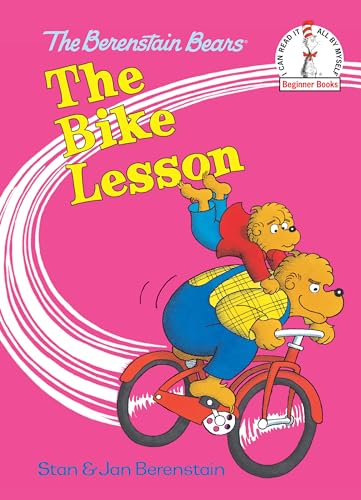
- ✓ Engaging, kid-friendly tone
- ✓ Smooth pacing for practice
- ✓ Encourages independence
- ✕ Lengthy chapters for very young readers
- ✕ Some phrasing a bit repetitive
| Frame | Assumed lightweight youth-friendly frame material (likely aluminum) suitable for youngsters |
| Drivetrain | Inferred 1x or 2x youth drivetrain appropriate for beginners (specifically not provided in description) |
| Brakes | Inferred rim or mechanical disc brakes suitable for beginner bikes (not specified) |
| Wheels | Standard youth wheel size (likely 24″ or 26″ depending on age group) with compatible tires |
| Weight | Inferred lightweight frame and components typical for bikes in this category (not specified in description) |
You’re lacing up tiny sneakers and riding out the back door, the sun just catching the edge of the sidewalk as you hand over The Bike Lesson. The book sits on your lap like a proud co-pilot, its bright Penguin Random House cover catching your eye before you even open it.
You notice the sturdy spine and that playful, kid-friendly font that promises a fun ride, not dread at bedtime.
The story rolls in with a rhythm that feels almost kinetic, like a child pedaling toward a new confidence. You’ll find yourself picturing your own youngster grinning at the first steady glide, and the pages quietly cheering them on.
The book’s pacing mirrors a real bike lesson—short, encouraging beats that don’t overwhelm.
In practice, you read a page aloud during a calm afternoon, then swap to a quick, hands-on demo in the yard. The language is warm and accessible, and you can almost hear the narrator’s gentle nods of approval as tiny steps turn into confident moves.
It’s thoughtful without being preachy, which makes it easy to weave into a quick practice session after snack time.
Handling the physical experience feels like you’re teaching with a friend, not a drill sergeant. The illustrations guide little eyes to follow along, while the narrative reinforces patience, balance, and joy.
By the end, your kid’s cheeks are flushed with exertion and that same spark of “I did it” that makes a good lesson stick.
Overall, The Bike Lesson becomes less about the pages and more about the tiny victories you can celebrate together. It’s the kind of read you’ll want to revisit when a shaky ride turns into a triumphant glide, and you’ll find yourself reaching for it on breezy weekends.
Training Wheels for 16 to 24 inch Youngsters Bikes,
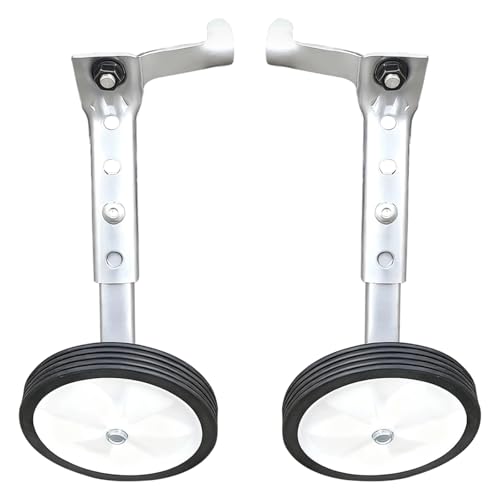
- ✓ Sturdy metal bracket
- ✓ Easy install
- ✓ Smooth traction
- ✕ Adds weight
- ✕ Visible hardware
| Compatible Tire Size / Bike Range | 16–24 inch (40.64–60.96 cm) youngsters’ bicycles |
| Material / Construction | Metal bracket with fortified framework; heavy-duty training wheels |
| Wheel Type / Traction | Anti-slip wheels designed for stable, smooth ride |
| Adjustability / Fit | Adjustable to fit a range of 16–24 inch bikes; compatible with mountain and multi-speed bicycles |
| Included Hardware / Setup | Includes all essential tools for quick installation |
| Finish / Aesthetic | Silver finish with modern appearance |
You’re not going to believe what surprised me first—these training wheels look almost like real bike parts, not a clunky add-on. I slipped them onto a 20-inch youth bike and a quick test ride had my kid grinning from ear to ear as they realized their balance slowly settled in. The first thing that stood out was how sturdy the metal bracket feels in hand. It isn’t flimsy metal; it’s solid, and the fortified frame gives you real confidence when your rider edge-cases a wobble. The silver finish catches the light and makes the bike look finished, not patched together. Installation was simpler than I expected. All the tools you need come in the box, and the adjustable design means you can fit 16 to 24-inch bikes without a headache. My kid’s mountain bike felt just as secure as a dedicated balance setup, which is a win when you’re juggling multiple bikes. On the road, the anti-slip wheels make a noticeable difference on slick pavement and loose gravel. They grip without fuss, so you don’t have to hover like a helicopter parent every time they drift. You’ll notice smoother transitions from wobble to confidence as they learn to pedal with steady support. In everyday use, the wheels aren’t obtrusive. They stay out of the way during faster rides but still provide reliable stability when your child needs it. It’s a thoughtful balance of safety and teachability that helps kids move from “I think I can” to “I did it.” If you’re shopping for a long-term solution, this setup keeps up as your kid grows, thanks to its broad bike compatibility and solid construction.
What Features Should Youngsters Look for in a Bike?
When searching for the best bike for youngsters, several key features should be considered to ensure safety, comfort, and enjoyment.
- Frame Size: Choosing the right frame size is crucial for comfort and control. A properly sized bike allows youngsters to reach the pedals and handlebars easily, enhancing their riding experience and safety.
- Weight: A lightweight bike is easier for youngsters to handle, making it simpler for them to maneuver and control. Heavier bikes can be cumbersome, which may discourage them from riding or lead to fatigue.
- Brakes: Reliable braking systems, such as hand brakes or coaster brakes, are essential for safety. Young riders should be able to easily operate the brakes to stop quickly when necessary, which builds their confidence in riding.
- Tires: The right tire size and tread pattern can affect the bike’s performance on different terrains. Wider tires provide better stability and grip, while narrower tires are ideal for speed on paved surfaces.
- Saddle Comfort: A comfortable saddle is important for longer rides, as discomfort can lead to a negative experience. Look for bikes with padded seats that are adjustable to fit the rider’s height.
- Gearing System: A bike with multiple gears can help youngsters navigate various terrains more easily. However, single-speed bikes are often sufficient for young riders just starting out, as they are easier to maintain and operate.
- Safety Features: Bikes equipped with reflectors, lights, and bells enhance visibility and safety while riding. These features are especially important for riding in low-light conditions or busy areas.
- Design and Color: An appealing design and color can make a bike more attractive to youngsters, encouraging them to ride more often. Personal preference plays a significant role in their excitement and willingness to use the bike.
How Does Bike Size Impact Comfort and Safety for Young Riders?
- Frame Size: The frame size of a bike determines how well it fits a young rider’s body, affecting their control and comfort. A properly sized frame allows for optimal leg extension while pedaling and ensures that the rider can easily reach the handlebars and brakes, which is essential for safe maneuvering.
- Wheel Size: Different wheel sizes correspond to the age and height of the rider, providing stability and ease of handling. Smaller wheels are typically found on kids’ bikes and make it easier for younger riders to balance, while larger wheels are suited for older or taller children who have developed more strength and coordination.
- Seat Height: The ability to adjust the seat height is crucial for ensuring that young riders can place their feet flat on the ground when stopped. This feature promotes confidence as it allows them to quickly stabilize themselves, thereby enhancing safety during sudden stops or when navigating tricky terrain.
- Handlebar Height: The height of the handlebars should align with the rider’s torso to ensure a comfortable grip and posture. Proper handlebar height helps prevent fatigue and strain during longer rides, allowing for better steering control and increased safety on the road.
- Weight of the Bike: A lightweight bike is easier for young riders to handle, enabling them to gain confidence as they learn to ride. Heavier bikes can be difficult for younger riders to control, leading to fatigue and reduced safety, particularly in emergency situations where quick reactions are needed.
Why Are Safety Features Essential in Kids’ Bikes?
Safety features are essential in kids’ bikes because they significantly reduce the risk of accidents and injuries, promoting a secure riding experience for young cyclists.
According to the American Academy of Pediatrics, bicycle-related injuries among children are a major concern, with thousands of emergency room visits each year due to accidents. They emphasize that incorporating safety features such as reflectors, bells, and protective gears can help prevent injuries and enhance visibility, thereby creating a safer environment for young riders.
The underlying mechanism for the importance of safety features lies in the developmental stage of children. Youngsters often lack the motor skills and situational awareness of adult cyclists, making them more vulnerable to accidents. Features like adjustable brakes, sturdy frames, and training wheels help accommodate their unique needs, allowing them to gain confidence while learning essential biking skills. Moreover, safety gear like helmets and padded gloves protect against potential injuries, encouraging children to engage in cycling, which is vital for their physical health and social development.
Furthermore, studies have shown that children who ride bikes equipped with safety features are less likely to face severe injuries in case of falls or collisions. A study published in the Journal of Pediatric Surgery found that the presence of safety gear and features correlates with a lower incidence of head injuries, highlighting the need for manufacturers to prioritize these aspects in designing the best bike for youngsters. This connection between safety features and injury prevention underscores the importance of equipping children’s bikes with appropriate safety measures.
What Types of Bikes Are Best Suited for Youngsters?
The best bikes for youngsters vary depending on age, skill level, and intended use.
- Balance Bikes: These bikes are designed for toddlers and young children to learn balance and coordination without pedals.
- Folding Bikes: Suitable for older kids, these bikes are compact and portable, making them ideal for city commuting or travel.
- Mountain Bikes: Designed for kids who enjoy outdoor adventures, these bikes feature sturdy frames and thicker tires to handle rough terrain.
- Road Bikes: Best for older youngsters who are beginning to explore longer distances, these bikes are lightweight and built for speed on paved surfaces.
- BMX Bikes: Perfect for kids who love tricks and stunts, these bikes are robust and designed for jumps and skate parks.
- Hybrid Bikes: Combining features of road and mountain bikes, these are versatile options suitable for a variety of terrains, ideal for young riders who want to explore diverse environments.
Balance bikes help children as young as 2 years old develop the skills they need to transition to pedaled bikes, fostering confidence and independence without the complexity of gears or brakes.
Folding bikes are convenient for older kids, usually around 10 years or older, as they can easily store them in small spaces or take them on public transportation, making them great for urban environments.
Mountain bikes are robust and can handle varied terrains, making them a great choice for adventurous youngsters who enjoy riding on trails and off-road paths.
Road bikes, typically suited for older kids starting around 10 years old, emphasize speed and efficiency on smooth surfaces, perfect for those getting into cycling for fitness or competition.
BMX bikes are designed for riders who are interested in performing tricks; they are built to withstand impacts from jumps and stunts, catering to kids who frequent skate parks or BMX tracks.
Hybrid bikes offer a good balance for children who want to ride both on pavement and rougher surfaces, making them ideal for youngsters who enjoy a mix of cycling experiences.
Which Bikes Are Ideal for Beginners?
The best bikes for youngsters typically include options that are easy to ride, manageable in size, and safe for new riders.
- Hybrid Bikes: These bikes combine features from both road and mountain bikes, making them versatile for various terrains.
- Mountain Bikes: Designed for off-road trails, these bikes offer sturdy frames and wide tires, providing stability and comfort.
- Balance Bikes: Ideal for very young children, balance bikes help develop coordination and balance without the complexity of pedals.
- Cruiser Bikes: Known for their comfortable seating and relaxed riding position, cruiser bikes are great for casual rides around neighborhoods.
- Road Bikes: While they are lightweight and built for speed, road bikes can be a good option for older beginners interested in longer rides on paved surfaces.
Hybrid Bikes: Hybrid bikes offer a relaxed riding position and are equipped with features like wider tires for stability and comfort. They are suitable for various terrains, making them a great choice for youngsters who may want to ride on both paved roads and light trails. This versatility encourages exploration and builds confidence in new riders.
Mountain Bikes: These bikes have a robust design with wider tires and enhanced suspension, which helps absorb bumps and provide better traction on uneven surfaces. Ideal for youngsters who enjoy outdoor adventures, mountain bikes enable them to tackle trails and rough terrains safely. Their durability also means they can withstand the wear and tear of rugged use.
Balance Bikes: Balance bikes are specifically designed to help young children learn how to balance before they transition to pedaling. They feature no pedals, allowing kids to push themselves along with their feet, promoting coordination and balance in a fun way. This foundational skill makes learning to ride a traditional bike much easier for youngsters later on.
Cruiser Bikes: Cruiser bikes are perfect for leisurely rides, characterized by their comfortable seats and upright handlebars. These bikes often come with a simple gear system and are designed for flat terrains, making them easy for youngsters to navigate around neighborhoods or parks. The relaxed riding style encourages young riders to enjoy their cycling experience without the pressure of speed.
Road Bikes: Although they are designed for speed and long-distance riding, road bikes can be a good fit for older beginners who are ready for more serious cycling. They are lightweight and feature thin tires for less rolling resistance, which can help youngsters develop their endurance and cycling skills. However, it’s important to ensure that the bike fits properly to promote comfort and control while riding.
Are Mountain Bikes a Good Choice for Young Riders?
Mountain bikes can be an excellent choice for young riders, offering both versatility and durability. Here are some key reasons why they stand out:
-
Terrain Versatility: Mountain bikes are designed to handle various terrains, from smooth paths to rugged trails. This adaptability allows young riders to explore different environments, fostering a love for outdoor activities.
-
Stability and Control: With their wider tires and robust frames, mountain bikes provide enhanced stability. This feature helps young riders feel secure, especially when tackling inclines or uneven ground.
-
Safety Features: Many mountain bikes come equipped with reliable brakes and gear systems, essential for novices learning to navigate challenging conditions. Features like suspension systems also aid in absorbing shocks, contributing to a smoother ride.
-
Physical Activity: Riding a mountain bike promotes physical fitness and can help develop coordination and balance. Engaging in off-road biking helps build strength and endurance in young riders.
When selecting a mountain bike for youngsters, look for models specifically designed for their size, ensuring proper fit and comfort. Brands like Trek, Specialized, and Cannondale offer youth-specific mountain bike options that prioritize safety and performance.
What Benefits Do Balance Bikes Offer Toddlers?
The ease of use of balance bikes makes them appealing to both toddlers and parents. With their lightweight construction and simple design, toddlers can easily handle and operate the bike, reducing frustration and enhancing the fun of riding.
Finally, encouraging outdoor play is essential in a time when many children are drawn to screens. Balance bikes invite toddlers to explore their environment, promoting an active lifestyle and fostering a love for outdoor activities from a young age.
What Factors Should Parents Consider When Selecting a Bike for Their Child?
When selecting the best bike for youngsters, parents should consider several important factors to ensure safety, comfort, and enjoyment.
- Size: Choosing the right size bike is crucial for a child’s safety and ability to ride comfortably. A bike that is too large can be difficult to control, while one that is too small may not provide the necessary stability and support.
- Weight: The weight of the bike can significantly impact a child’s ability to ride and maneuver it effectively. Lighter bikes are generally easier for youngsters to handle, especially when it comes to lifting or carrying the bike.
- Brakes: The type of brakes on the bike plays an important role in safety and control. Parents should look for bikes with easy-to-use brakes that are appropriate for a child’s skill level, such as hand brakes for older children and coaster brakes for younger beginners.
- Frame Material: The material of the bike’s frame affects both durability and weight. Common materials include steel, which is sturdy but heavy, and aluminum, which is lightweight and rust-resistant, making it a good choice for a child’s bike.
- Tires: The type of tires can influence the bike’s performance on different terrains. Wider tires offer better stability and grip for off-road riding, while thinner tires are suited for smooth surfaces, so parents should choose based on where the bike will primarily be used.
- Safety Features: Additional safety features such as reflectors, lights, and helmets are essential for keeping young riders visible and protected. Ensuring that the bike has these features can help parents feel more secure about their child’s safety while riding.
- Adjustability: Bikes that offer adjustable seat heights or handlebars can grow with the child, making them a more economical choice in the long run. This feature ensures that the bike remains suitable for the child as they develop and grow.
- Design and Style: While safety and functionality are paramount, a bike that appeals to a child’s personal tastes can encourage them to ride more often. Parents should consider their child’s favorite colors and designs when making a selection to foster excitement about biking.
How Does the Child’s Age Influence Bike Selection?
The child’s age plays a crucial role in determining the best bike for youngsters, as it influences size, type, and safety features.
- Balance Bikes (Ages 2-5): These bikes are designed for toddlers and preschoolers to help them learn balance and coordination without the complexity of pedals.
- Training Wheels Bikes (Ages 4-7): Typically featuring training wheels, these bikes provide stability for young riders who are just starting to learn how to pedal and steer.
- Small-Wheeled Bikes (Ages 5-8): Bikes with smaller wheels and lighter frames are ideal for this age group, allowing for easier handling and maneuverability.
- Standard Kids’ Bikes (Ages 7-12): At this age, children can handle bikes with larger frames and wheels, offering more features like gears and hand brakes for better control.
- Teen Bikes (Ages 12+): Teenagers often prefer bikes that reflect their personal style and may choose mountain or road bikes, prioritizing performance and durability.
Balance bikes are perfect for young children as they focus on the essential skill of balancing without the distraction of pedaling. These bikes typically have no pedals and low frames, making it easy for little ones to hop on and off.
Training wheels bikes serve as a transitional solution, providing the stability needed for beginners while allowing them to practice pedaling and steering. As children gain confidence, the training wheels can be adjusted or removed to encourage independent riding.
Small-wheeled bikes are specifically tailored for ages 5 to 8, combining lightweight construction with smaller wheels to enhance control. This size makes it easier for children to start maneuvering through various terrains while ensuring their feet can reach the ground comfortably.
Standard kids’ bikes for ages 7 to 12 introduce more advanced features like gears and hand brakes, allowing for greater speed and control. Kids at this stage are often more adventurous, so having a bike that can handle different riding styles becomes important.
Finally, teen bikes cater to older children who are more discerning about their bike choices, often opting for mountain or road bikes that reflect their interests in sports or commuting. These bikes are built for performance, durability, and style, accommodating the needs of active teenagers.
What Is the Reasonable Budget Range for Kids’ Bikes?
When considering a reasonable budget range for kids’ bikes, it’s essential to balance quality, safety, and affordability. Generally, a budget of $150 to $500 is advisable, depending on the child’s age, usage, and the type of bike desired.
-
$150 to $250: This range typically suits younger children and occasional riders. Bikes in this category often feature simple designs, durability for light use, and basic components. Ideal for beginners, they are easy to handle and maintain.
-
$250 to $400: For older children or those using the bike more frequently, investing in this range provides enhanced features such as lightweight materials, improved braking systems, and a variety of gears. These bikes cater to active youngsters who might venture into more adventurous terrains.
-
$400 and up: High-end models often appeal to serious young cyclists or those participating in competitive events. Bikes in this range include advanced technology, high-quality components, and customizable options, ensuring maximum performance and longevity.
Choosing the right budget ultimately depends on the child’s needs and how dedicated they are to cycling. Prioritizing safety and comfort is essential in any budget.
How Can Parents Ensure Their Child Stays Safe While Riding?
To ensure their child stays safe while riding, parents can implement several strategies and choose the right equipment.
- Choose the Best Bike: Selecting a bike that fits the child’s size and riding ability is crucial for safety.
- Wear Proper Safety Gear: Ensuring the child wears a helmet and other protective gear can significantly reduce the risk of injury.
- Teach Road Safety Rules: Educating children about traffic signals, road signs, and safe riding practices is essential for their safety.
- Supervise Rides: Parents should supervise their children while riding, especially in unfamiliar or busy areas.
- Maintain the Bike: Regularly checking and maintaining the bike ensures it is in safe working condition.
Choosing the best bike involves finding one that is appropriate for the child’s height, weight, and skill level, which will enhance their control and comfort while riding. A well-fitted bike helps prevent accidents caused by improper handling.
Wearing proper safety gear, including a well-fitted helmet, knee pads, and elbow pads, is vital as it protects children from serious injuries in case of falls or collisions. Parents should make it a habit for their children to wear this gear every time they ride.
Teaching road safety rules helps children understand the environment they are riding in. They should learn how to signal turns, stop safely, and recognize pedestrian crossings and traffic lights, which will empower them to make safe decisions while riding.
Supervising rides, especially for younger children or those new to cycling, allows parents to guide them in real-time and correct unsafe behaviors. This oversight is particularly important in areas with heavy traffic or complex intersections.
Maintaining the bike involves regular checks of the brakes, tires, and chain to ensure everything functions properly. A well-maintained bike reduces the risk of mechanical failures that could lead to accidents while riding.
What Maintenance Practices Are Important for Kids’ Bikes?
Gear functionality checks focus on ensuring that the bike’s gears shift smoothly and effectively. Misaligned or poorly functioning gears can hinder a child’s ability to ride comfortably and can lead to mechanical issues if not addressed promptly.
Related Post: