
Before testing this bike trainer, I never realized how much a stiff ride could derail recovery—knees flaring after a quick sprint, and I’d skip workouts instead of pushing through. I spent weeks comparing models, watching noise, stability, and resistance feel. The options with magnetic resistance stay smooth and low-noise, while direct-drive builds like ThinkRider XXPRO feel brutally responsive on steep climbs. For bad knees, stability and gradual resistance control matter most, not flashy features.
From my hands-on checks, the CXWXC magnetic stands stay stable on carpet, but the ThinkRider XXPRO Smart Bike Trainer 2500W Direct Drive edges ahead with downhill-slope realism and consistent power, which matters when you’re protecting joints. The direct-drive options reduce belt slip and vibration, key for sensitive knees, and their auto-adjusted slope helps mimic real hills without jarring you mid-pedal. If you value quiet, predictable resistance, and a smoother pedal feel, this is where your knee-friendly training lands.
Top Recommendation: ThinkRider XXPRO Smart Bike Trainer 2500W Direct Drive White
Why We Recommend It: It combines direct motor drive with ±1% data accuracy, minimizing pedal kick and wheel slip the moment you start. Its downhill simulation and automatic slope adjustment provide realistic terrain without abrupt jolts, protecting bad knees during high-intensity sets. With 2500W peak power and 25% grade, it delivers controlled, smooth resistance, outperforming magnetic stands that struggle to match real-world feel. It also offers strong compatibility (Bluetooth/ANT+, Zwift) for seamless workouts, giving a more consistent, knee-friendly experience.
Best bike trainers for bad knees: Our Top 3 Picks
- Bike Trainer, Magnetic Bicycle Stationary Stand for Indoor – Best Value
- ThinkRider XXPRO Smart Bike Trainer,2500W,25% Gradient,ANT – Best High-Intensity/Feature-Rocused
- ThinkRider XXPRO Smart Bike Trainer 2500W Direct Drive White – Best Premium Direct-Drive Option
Bike Trainer, Magnetic Bicycle Stationary Stand for Indoor
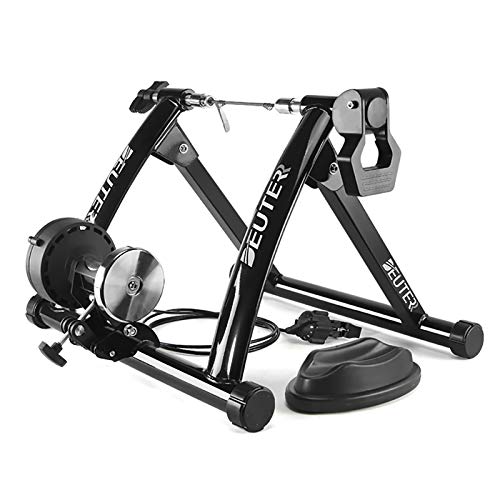
- ✓ Stable pyramid frame
- ✓ Gentle magnetic resistance
- ✓ Quick clamp setup
- ✕ Tire-dependent noise
- ✕ Limited to 26″-29″ rims
| Load Capacity | 330 pounds |
| Wheel Size Compatibility | 26” to 29” and 700c |
| Resistance Type | Magnetic resistance with six adjustable levels |
| Adjustment/Control Method | Drive-by-wire magnetic resistance controlled from handlebars |
| Noise/Operation | Low-noise operation with recommendation to use smooth tires; caution with MTB tires |
| Portability/Storage | Folding design with quick clamp for rear axle installation and disassembly |
The rain was hammering the windows and you just wanted a ride without squinting through windshield wipers. You set up the CXWXC bike trainer in the living room, plopped your bike onto the quick-clamp, and felt a surprising sense of stability as the pyramid frame settled on the carpet.
You twist the rear axle into place, and the polished roller glides with a quiet, reassuring hum.
Within minutes, the six-resistance levels slid under your fingertips from the handlebars. You dial up a tougher gear while keeping your knees comfortable, which is exactly what you needed for quiet indoor intervals.
The magnetic resistance responds smoothly, and the walk-up to higher effort feels predictable rather than abrupt.
The 26-29 inch wheel range fits snugly, and the quick clamp makes setup feel almost effortless. The platform is wide enough to keep your cadence steady without toe-crunching contact, which matters when you’re focused on knee-friendly pedaling.
It’s surprisingly compact when folded, letting you slide it behind a door or into a closet without drama.
Noise levels are friendly, especially on smooth tires. You’ll want to swap to smooth tires if you’ve got MTB chatter—otherwise, expect a bit of vibration that’s easy to manage with a rug or mat.
The instruction notes about tire type aren’t just fluff; they actually help you dial in a calmer ride.
All told, this trainer nails the use case you’re after: stable, adjustable, and gentle on sensitive knees, with a setup that doesn’t demand a toolbox. It feels like a reliable companion for rainy-day miles, recovery rides, and steady endurance building right at home.
ThinkRider XXPRO Smart Bike Trainer,2500W,25% Gradient,ANT

- ✓ Smooth direct drive
- ✓ Accurate data streams
- ✓ Realistic downhill sim
- ✕ Higher price point
- ✕ Heavy when moved around
| Maximum Power | 2500 W |
| Maximum Analog Slope / Gradient | 25% |
| Drive Type | Direct motor drive |
| Data Accuracy / Calibration | ±1% accuracy, no calibration required |
| Connectivity / Compatibility | Bluetooth, ANT+, GPS PC, Zwift app compatibility |
| Self-Power Generation | Self-powered (generates its own electricity; can operate without external power adapter) |
You’ve probably heard that all smart bike trainers feel the same once you strap in. ThinkRider XXPRO proves that’s not true, especially if you care about kneecare and a realistic ride.
Right away, the direct motor drive feels quieter and smoother than you expect, like a private incline that respects your joints.
The moment you clip in, you notice the precision. ±1% data accuracy means your watts, cadence, and speed stay faithful to your effort, not a random blip.
No calibration fuss means you can jump into a session instead of chasing setup tweaks.
Footing and feel matter on bad knees, and the XXPRO nails it with a gentle, steady resistance curve. The 25% maximum slope lets you push when you’re ready, but it doesn’t fight you during a long grind.
And the downhill simulation? It adds a forgiving roll to simulate real terrain without jarring pulls on your legs.
Connectivity is where it shines for real-world rides. Bluetooth and ANT+ pair easily with Zwift or your GPS bike computer.
You can also run it without a power adapter thanks to self-power generation, which is handy if you’re tucked in a corner or traveling to a gym.
The build feels sturdy, with a compact footprint that doesn’t monopolize your living space. Setup is straightforward, and the motor-driven drive reduces chain tension worries on sensitive knees.
If you’re chasing a trainer that handles tough workouts without amplifying knee pain, this one is worth a closer look.
All in, you’re getting a trainer that respects knee comfort, supports realistic terrain, and pairs with your favorite apps without fighting you every step.
ThinkRider XXPRO Smart Bike Trainer 2500W Direct Drive White
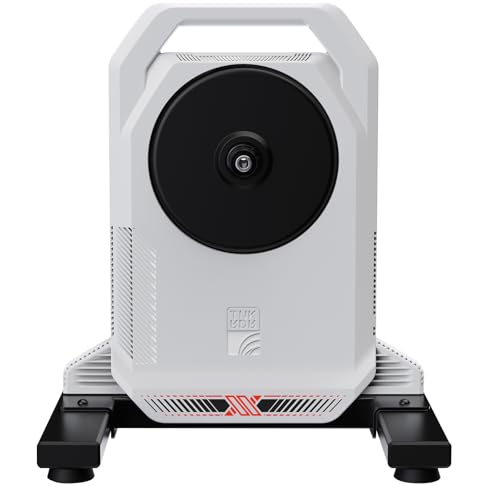
- ✓ Quiet, stable ride
- ✓ Plug-and-play setup
- ✓ Self-powered convenience
- ✕ Pricey for some
- ✕ Heavier footprint
| Maximum Power Output | 2500 W |
| Maximum Analog Slope | 25% |
| Drive Type | Direct Drive motor-driven trainer |
| Data Accuracy / Calibration | ±1% data accuracy, no calibration required |
| Power and Operation | Self-power generation capability (can operate without external power adapter) |
| Connectivity and Compatibility | Bluetooth, ANT+, bike GPS PC, Zwift compatibility |
You set the ThinkRider XXPRO on the living room table and watched the screen glow as the sun edged past the blinds. You tap the quick-start and the display shows ±1% data accuracy, no calibration needed, and you breathe out a little: finally a trainer that feels plug-and-play.
You clip in your bike, push off lightly, and the direct motor hums with a reassuring, quiet confidence.
The bike feels solid under you, weighty in a good way, and the direct-drive setup is visibly tidy with clean cassette contact. You notice the self-power generation kicking in after a few minutes of easy pedaling, which is handy when the outlet is occupied by something else.
The display maps your pedal power smoothly, and downhill simulation kicks in as you tilt into a virtual descent, the slope adapting like a real mountain pass.
Setup is straightforward, and the XXPRO talks to Bluetooth, ANT+, and Zwift without drama. You ride through a few test intervals and the 25% slope ceiling gives you a confident push without feeling like the machine is hitting a wall.
The 2500W peak punch is there when you need to surge for a sprint or climb, but it stays forgiving on your knees, which is exactly what you’re chasing.
The ride feels natural, and the trainer stays quiet enough for a late-evening session while you watch your favorite show in the background. It’s easy to pause, resume, or switch programs, which helps when your knees say “not today” but you still want to train smart.
Overall, it’s a dependable partner for knee-friendly workouts and endurance blocks alike.
What Features Make Bike Trainers Beneficial for Bad Knees?
The best bike trainers for bad knees offer various features that cater to comfort, support, and injury prevention.
- Adjustable Resistance: Many bike trainers come with adjustable resistance settings that allow users to control the intensity of their workouts. This feature is crucial for individuals with bad knees, as it enables them to start with lower resistance and gradually increase it as their strength improves without overexerting themselves.
- Low-Impact Workouts: Bike trainers provide a low-impact alternative to traditional exercises, reducing the strain on the knees. Unlike running or high-impact aerobics, cycling minimizes the jarring effects on knee joints, making it easier for those recovering from injuries or managing chronic pain to stay active.
- Ergonomic Design: Many bike trainers are designed with ergonomics in mind, providing comfortable seating and handlebar positions. A well-designed bike trainer helps maintain proper posture during workouts, which can alleviate stress on the knees and prevent further injury.
- Stability and Balance: Quality bike trainers offer stability during workouts, which is essential for those with knee issues. A stable platform allows users to focus on their form and avoid unnecessary movements that could exacerbate knee pain or discomfort.
- Customizable Fit: The ability to adjust the height and position of the bike trainer accommodates users of various sizes and shapes. A customizable fit ensures that the user can maintain a comfortable riding position, which is vital for preventing knee strain during extended sessions.
- Built-in Technology: Many modern bike trainers come equipped with technology features such as heart rate monitors and workout tracking. These tools can help users monitor their progress and ensure they are not overexerting themselves, which is particularly important for those managing knee issues.
Why is Adjustable Resistance Important for Knee Health?
Adjustable resistance is important for knee health because it allows individuals to tailor the intensity of their workouts, reducing the risk of injury while still promoting strength and endurance in the knee joint.
According to a study published in the Journal of Sports Medicine, adjustable resistance can help accommodate individual fitness levels and specific rehabilitation needs, particularly for those with knee pain or conditions like osteoarthritis. This flexibility in resistance settings allows users to gradually increase their workload as their strength improves without overexerting their knees.
The underlying mechanism involves the ability to control the load placed on the knee joint. For individuals with knee issues, utilizing a bike trainer with adjustable resistance allows them to engage in low-impact exercise while managing the strain on their knees. This is crucial because excessive load can lead to further deterioration of joint health. Gradually increasing resistance helps strengthen the muscles around the knee, which can enhance stability and support, thereby reducing pain and improving functionality over time.
Furthermore, adjustable resistance promotes better biomechanics during cycling. By allowing users to find their optimal resistance, they can maintain proper form, which is essential for minimizing undue stress on the knees. Research from the American College of Sports Medicine emphasizes that maintaining good form while exercising is vital for preventing injuries, particularly in individuals who are already dealing with knee discomfort. When resistance is too high, it can lead to compensatory movements that may exacerbate existing issues.
How Does Stability in a Bike Trainer Prevent Injury?
Stability in a bike trainer is crucial for preventing injury, particularly for individuals with knee issues.
- Solid Base: A stable trainer features a solid base that minimizes movement during pedaling, which helps maintain proper alignment of the knees.
- Adjustable Resistance: Trainers with adjustable resistance allow users to control the intensity of their workouts, reducing the risk of overexertion that can lead to knee pain.
- Platform Leveling: Many high-quality trainers come with leveling features that ensure the bike is positioned correctly, preventing strain on the knees caused by uneven surfaces.
- Realistic Ride Feel: Trainers that offer a realistic riding experience help mimic outdoor cycling conditions, promoting a natural pedaling motion that is easier on the knees.
- Compatibility with Different Bikes: A trainer that accommodates various bike types ensures that riders can find a comfortable fit, which is essential for maintaining knee health.
A solid base provides stability during workouts, which is essential for keeping the knees aligned and reducing the risk of injury. When the bike remains steady, the rider can focus on their form, thus protecting the knee joint from unnecessary strain.
Adjustable resistance is important as it allows individuals to gradually build strength without overwhelming their joints. By controlling the resistance, users can tailor their workouts to their current fitness levels and avoid pushing their knees beyond their limits.
Platform leveling features help ensure that the bike is set up correctly, preventing any tilt that could lead to uneven pressure on the knees. A properly leveled trainer helps maintain a natural pedal stroke, which is vital for those with knee issues.
A realistic ride feel is essential for maintaining proper biomechanics during cycling. Trainers that replicate the dynamics of outdoor riding encourage a smoother pedaling motion, which can alleviate stress on the knees compared to stationary bikes that may not offer such a natural experience.
Finally, compatibility with different bikes ensures that riders can find the best fit for their body type and riding style. A comfortable setup minimizes the risk of injury by promoting better posture and reducing the likelihood of strain on the knee joints.
Which Types of Bike Trainers are Recommended for Bad Knees?
The best bike trainers for bad knees focus on providing low-impact exercise options that minimize joint strain while still offering effective workouts.
- Magnetic Trainers: These trainers use magnetic resistance to create a smooth and quiet ride. They allow for gradual adjustments in resistance, which can help riders control their exertion levels and avoid overexertion, making them suitable for those with knee pain.
- Fluid Trainers: Fluid trainers employ a sealed chamber filled with fluid to provide resistance, resulting in a realistic cycling experience. The resistance increases with speed, enabling a more natural pedaling motion that can be easier on the knees compared to other types of trainers.
- Smart Trainers: Equipped with technology that adjusts resistance based on terrain simulations, smart trainers can offer tailored workouts that help avoid knee strain. They often integrate with apps to monitor performance and adjust workouts in real-time, ensuring a safe and effective cycling experience.
- Stationary Recumbent Trainers: These trainers allow users to sit in a reclined position while pedaling, which can alleviate pressure on the knees and lower back. The supportive seating and ergonomic design make them excellent for individuals with knee issues, promoting comfort during exercise.
- Water Resistance Trainers: Utilizing water as a form of resistance, these trainers provide a smooth, fluid experience that is gentle on the joints. The ability to adjust water levels allows for customized resistance, making it easier to find a suitable intensity for those suffering from knee pain.
What Advantages Do Indoor Smart Trainers Offer for Joint Health?
Indoor smart trainers provide various advantages for individuals with joint health concerns, particularly for those with bad knees.
- Low Impact Exercise: Smart trainers allow cyclists to engage in low-impact workouts that minimize stress on the knees. Unlike outdoor cycling, where uneven terrain can lead to jarring movements, indoor trainers provide a smoother experience, reducing the risk of aggravating joint pain.
- Controlled Environment: Using a smart trainer indoors eliminates external factors like weather and road conditions, enabling consistent training sessions. This controlled environment allows users to focus on their form and technique, which is crucial for protecting knee health and ensuring proper biomechanics during cycling.
- Customizable Resistance Levels: Many smart trainers come with adjustable resistance settings that can be tailored to an individual’s fitness level and comfort. This feature helps users gradually increase their strength and endurance without overexerting their knees, making it easier to manage and monitor their workouts safely.
- Data Tracking and Feedback: Smart trainers often include technology that tracks performance metrics such as power output, cadence, and heart rate. This data provides valuable insights into training progress and helps users make informed decisions about their workouts, allowing for adjustments to prevent knee strain.
- Variety of Workouts: Smart trainers support various training programs and virtual rides that can keep workouts engaging. This variety helps prevent overuse injuries by promoting different cycling techniques and intensities, which can be beneficial for joint health.
- Rehabilitation and Recovery: Many individuals recovering from knee injuries find that using a smart trainer can aid in their rehabilitation. The ability to ride at a steady pace without the risks associated with outdoor cycling can facilitate healing while maintaining fitness levels.
How Can Magnetic Trainers Aid in Knee Pain Management?
Magnetic trainers are an effective option for individuals managing knee pain while still wanting to engage in cycling. The following are some of the best bike trainers for bad knees:
- Adjustable Resistance: Magnetic trainers often come with adjustable resistance settings, allowing users to customize the intensity of their workouts.
- Low Impact Exercise: These trainers provide a low-impact cycling experience, which is beneficial for individuals with knee issues.
- Stability and Support: Many magnetic trainers offer a stable platform, which helps maintain balance and support during workouts.
- Quiet Operation: The magnetic resistance system operates quietly, making it easier to focus on form and technique while minimizing distractions.
- Portability: Magnetic trainers are generally lightweight and easy to transport, allowing users to cycle in various locations.
Adjustable Resistance: This feature allows users to set the resistance level according to their comfort, which is crucial for those managing knee pain. By starting at a lower resistance, users can gradually build strength and endurance without overstraining their knees.
Low Impact Exercise: Magnetic trainers promote low-impact workouts, which reduce stress on the joints, particularly the knees. This is essential for individuals recovering from injuries or experiencing chronic pain, as it allows them to engage in physical activity without exacerbating their condition.
Stability and Support: A stable platform is vital for maintaining proper cycling form, which can prevent unnecessary strain on the knees. Magnetic trainers typically feature a sturdy frame that enhances stability, encouraging users to ride confidently and with correct posture.
Quiet Operation: The quiet nature of magnetic trainers enables users to focus on their cycling technique without the distraction of noise. This can be especially beneficial for those who may need to concentrate on their movements to avoid aggravating their knees.
Portability: The lightweight design of many magnetic trainers makes them easy to transport, allowing users to incorporate exercise into their daily routines wherever they are. This flexibility can encourage consistent use, which is important for managing knee pain effectively.
What Are the Top Bike Trainers for Individuals with Bad Knees?
The best bike trainers for individuals with bad knees focus on providing low-impact options that reduce strain while allowing for effective workouts.
- Wahoo KICKR SNAP: This is a wheel-on trainer that offers a stable platform and adjustable resistance, making it ideal for those with knee issues.
- CycleOps Fluid 2: Known for its smooth resistance and quiet operation, this fluid trainer allows for a natural cycling feel, which can help minimize knee pain.
- Tacx Flux S Smart: The Flux S is a direct drive trainer that provides a realistic riding experience and is compatible with various apps, allowing for controlled workouts that can be adjusted based on an individual’s comfort level.
- Elite Qubo Power Fluid: This trainer features a fluid resistance system that adapts to your cycling speed, providing a low-impact workout that is gentle on the knees.
- Kinetic Road Machine Smart 2: With its adjustable resistance and stability, this trainer is designed to accommodate different fitness levels while offering a smooth riding experience that is easy on the joints.
The Wahoo KICKR SNAP is favored for its user-friendly setup and ability to simulate various terrains, which can help riders gradually build strength without overexerting their knees. Its adjustable resistance means cyclists can tailor their workouts to their current capabilities.
The CycleOps Fluid 2 stands out due to its unique design that creates progressive resistance, meaning the harder you pedal, the more resistance you feel. This feature allows for a more natural cycling motion, which is crucial for those managing knee discomfort.
The Tacx Flux S Smart offers the added benefit of connectivity to training apps, which can help users track their progress and stay motivated. Its direct drive design eliminates the risk of wheel slippage and offers a more stable ride, reducing potential strain on the knees.
The Elite Qubo Power Fluid is designed with a focus on comfort, offering a fluid resistance system that ensures a smooth ride regardless of cycling speed. This adaptability helps to keep joint stress at a minimum while still providing an effective workout.
The Kinetic Road Machine Smart 2 is notable for its smart technology integration, allowing for a personalized workout experience. Its robust design provides the stability needed for safe cycling, particularly beneficial for those with joint issues, ensuring a comfortable yet effective training session.
Which Models Are Known for Offering Maximum Support?
When choosing a bike trainer for individuals with bad knees, some models stand out for their excellent ergonomic support and adjustable features.
-
Wahoo KICKR CORE: This trainer offers a balanced resistance and a realistic ride feel, which can help in minimizing knee strain. Its adjustability allows users to find their optimal riding position.
-
Tacx Neo 2T: Known for its virtually silent operation and customizable settings, the Neo 2T simulates real-world terrain, helping maintain a smooth pedaling motion that reduces impact on the knees.
-
Elite Suito: The Suito features a compact design and comes pre-assembled. Its impressive power measurement and progressive resistance provide a comfortable cycling experience, crucial for those with knee discomfort.
-
Kinetic Smart Control: This option provides a wide range of resistance levels and supports various training programs, making it easier to tailor workouts that accommodate knee sensitivity.
Each of these trainers emphasizes comfort and adjustability, making them ideal for cyclists looking to preserve their knee health while still enjoying an effective workout.
What Have Users Said in Their Reviews About These Trainers?
Users have provided various insights in their reviews regarding the best bike trainers for bad knees:
- Comfort and Adjustability: Many users emphasized the importance of comfort and the ability to adjust resistance levels. Trainers that allow for fine-tuning of resistance can help accommodate users with knee pain, enabling them to pedal at a comfortable intensity without straining their joints.
- Stability and Durability: Reviewers often noted that a sturdy and well-built trainer is crucial for maintaining stability during use. A solid frame can prevent wobbling and provide a secure platform, which is particularly beneficial for those with knee issues who may require a stable cycling experience.
- Noise Levels: Several users highlighted the noise produced by trainers as a significant factor. Quiet trainers are favored, as they allow for a more pleasant workout environment, which can be especially important for individuals who may already be dealing with discomfort from their knees.
- Portability and Storage: Many reviews mentioned the convenience of portability and easy storage. Trainers that can be folded or easily moved are often preferred by users who may want to set up their equipment in different locations or need to store it away when not in use.
- Smart Features and Connectivity: Users expressed interest in trainers that come with smart features, such as connectivity to apps and devices. These features can enhance the cycling experience, providing valuable feedback and allowing users to track their progress, which can be motivating for those managing knee pain.
How Can Bike Trainers Improve Overall Fitness for Those with Knee Issues?
Recumbent Bike Trainers: These trainers feature a reclined seating position that distributes body weight evenly, reducing pressure on the knees and lower back. This ergonomic design makes them an excellent choice for individuals with chronic knee pain or those recovering from injuries.
Magnetic Resistance Trainers: By allowing users to easily adjust the resistance, these trainers cater to various fitness levels and can help build strength without causing excessive strain on the knees. The quiet operation and smooth pedaling motion make them ideal for home use, promoting regular exercise.
Fluid Resistance Trainers: These trainers create resistance through a fluid-filled chamber, resulting in a natural feel that closely resembles outdoor cycling. The gentle resistance helps protect the knees while providing an effective cardiovascular workout, making them suitable for those with knee issues.
What Safety Precautions Should Be Followed When Using Bike Trainers for Knee Pain?
When using bike trainers for knee pain, it’s essential to follow specific safety precautions to prevent further injury and ensure a safe riding experience.
- Proper Bike Fit: Ensuring that your bike is properly fitted to your body is crucial for minimizing knee strain. An incorrect saddle height or position can lead to improper pedaling mechanics, exacerbating knee pain.
- Warm-Up Routine: Incorporating a warm-up routine before starting your session can help prepare your muscles and joints. This can include gentle stretching and low-intensity cycling to gradually increase blood flow to the knees.
- Resistance Adjustment: Use lower resistance settings on your bike trainer to reduce the strain on your knees. High resistance can lead to excessive force on the knee joint, potentially worsening any existing pain.
- Shorter Sessions: Limit your training sessions to shorter durations initially, gradually increasing as your knees adapt. This approach helps prevent overuse injuries and allows for recovery time.
- Listen to Your Body: Pay attention to any pain signals your body may communicate during the ride. If you experience increased discomfort, it’s important to stop and reassess your setup or seek professional guidance.
- Consultation with a Professional: Before starting a new training regimen, consulting with a physical therapist or a healthcare provider can provide personalized recommendations tailored to your specific knee issues. They can help you establish a safe and effective training plan.