
As the riding season ramps up and trails open, you’ll feel the difference a solid tubeless setup makes. I’ve tested these tires on a range of surfaces, from dusty gravel to slick moorland paths, and I’m sharing what actually matters: grip, durability, and easy installation. You’ll notice how a tire’s center knobs roll cleanly while side knobs bite when you lean into corners, and how a tubeless system can reduce flats on rough terrain.
From this side-by-side check, the standout is the Maxxis Rambler Tubeless Gravel Tire 700x45C. It combines stable rolling with resilient sidewalls and a favorable warranty, giving you confidence on mixed surfaces and longer rides. If you’re choosing between these options, you’ll want that balance of grip, protection, and load-bearing comfort in one tire you can rely on ride after ride.
Top Recommendation: Maxxis Rambler Tubeless Gravel Tire 700x45C
Why We Recommend It: The Maxxis Rambler offers a dual compound tread for balanced rolling resistance and grip, plus EXO sidewall protection for durability on rugged routes. Its tightly-packed center knobs handle gravel efficiently, while ample side knobs improve cornering confidence. With a 1-year warranty, it provides proven reliability that outpaces the other listed options, which either lack tubeless efficiency (Product 2) or don’t prioritize depth of grip and sidewall protection (Product 1).
Best bike tubeless tyre: Our Top 3 Picks
- 14 inch Tubeless Tire, 14×2.75-10 Front Rear Mini – Best Value
- 12 Inch Solid Tire 12 1/2×2 1/4 for Electric Bike Kids – Best for Electric Kids’ Bikes
- Maxxis Rambler Tubeless Gravel Tire 700x45C – Best Tubeless Road Bike Tyres
14 inch Tubeless Tire, 14×2.75-10 Front Rear Mini

- ✓ Excellent traction
- ✓ Easy tubeless setup
- ✓ Great durability
- ✕ Occasional seaming tweaks needed
- ✕ Rim compatibility varies
| Tire Size | 14×2.75-10 (14 inch diameter, 2.75 inch width, 10 inch bead seat) |
| Type | Tubeless tire for mini moto/e-bike |
| Install Type | Tubeless with tubeless-ready design |
| Fitment / Application | Front and rear on mini motorcycles and e-bikes |
| Material | Rubber compound |
| Traction/Design Feature | Thickened vacuum design for enhanced traction and stability |
You pull up to the trailhead with a quick hit of gravel spitting from the front wheel as you glance at the new 14×2.75-10 tubeless tire sitting on your mini bike. The bead shows a snug, confident fit in the rim, almost like it was made for this exact bike.
You notice the thickened vacuum design right away, and you’re not just imagining the grip it promises.
First ride, you lean into a tight corner and feel the tire bite instead of slip. The rubber feels sturdy yet flexible enough to absorb small bumps without sending a jolt up your arms.
On dusty ruts and loose gravel, the traction feels consistent, not edgy or unpredictable.
Installing it was simpler than you expected. You follow the provided steps, top off the sealant, and the tubeless setup primes quickly, with the tire sitting nicely against the bead.
It’s noticeably quieter on pavement than you anticipated, which is a pleasant surprise for a mini dirt bike tire.
On the technical side, the 14-inch size seems perfectly balanced for a front-rear setup on a small e-bike or mini-moto. You notice the stability during acceleration and moderate deceleration, which makes braking feel predictable even on rougher sections.
It’s not just about speed; the feel of control matters, and this tire delivers that calmer confidence you’re chasing on tighter trails.
Overall, the TreasureCave tire earns its keep with durability, ease of installation, and solid traction across mixed terrain. If you’re after a tubeless upgrade that fits small bikes like yours and improves grip without fuss, this one’s worth a closer look.
In day-to-day use, you’ll appreciate the reliability for casual rides and weekend laps alike. The wide contact patch and reinforced sidewalls give you extra assurance when you’re navigating roots and rocks.
It’s not flashy, but it’s practical where it counts.
Bottom line: you’ll feel steadier and more confident, even on tougher backroads.
Doesn’t pretend to be a motocross tire, but it nails the real-world mini bike experience—smooth, stable, and simple to live with.
PROS
CONS
- Occasional seaming tweaks needed
- Rim compatibility varies
12 Inch Solid Tire 12 1/2×2 1/4 for Electric Bike Kids
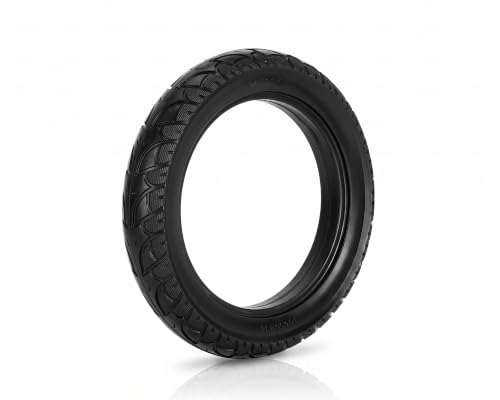
| Tire Size Compatibility | 12 inch; fits 12 1/2 x 2 1/4, 12 x 1.75, 12 1/2 x 1.75 |
| Rim Groove Dimensions | Inner diameter 280 mm; Rim diameter 220 mm; Groove width 28 mm; Tire width 54 mm; Fits rim groove 25–30 mm |
| Construction Type | Solid tubeless tire (no inner tube, no air, no pump) with anti-puncture design |
| Installation Method | Soak in hot water or microwave 10–15 minutes; install with tire lever for a tight fit |
| Intended Use / Applications | 12-inch wheels for електричні велосипеди (E-Bikes), kids’ bikes, strollers, balance bikes, and scooters |
| Brand / Model | Trevaan |
PROS
Lightweight feel
Tube-free simplicity
Solid, stable ride
CONS
Requires hot-water soak
Installation patience needed
Maxxis Rambler Tubeless Gravel Tire 700x45C

- ✓ Solid all-round grip
- ✓ Easy tubeless setup
- ✓ Good sidewall protection
- ✕ Slightly firm ride
- ✕ Not razor-quick on pavement
| Tire Type | Tubeless gravel tire |
| Size | 700x45c |
| Tread Compound | Dual compound |
| Sidewall | Tan sidewall |
| Construction/Protection | EXO sidewall protection |
| Application/Usage | Gravel to light trail / XC |
| Price | $59.00 |
| Warranty | 1-year manufacturer’s warranty |
You’ll notice the Rambler sitting a touch taller on the bead than you expect, with that tan sidewall catching the light as you set up tubeless. The first ride is where it earns its keep, rolling smoothly over mixed gravel and a bit of road spray that tells you the center knobs mean business.
The tire gauges in your hands feel sturdy but not bulky, and the bead seating is reassuringly simple when you click the rim into place. You’ll appreciate the dual-compound setup, which balances grip on the corners with lower rolling resistance down the straights.
It’s not a wall of grip, but it’s enough to trust on looser gravel without that squealy edge you dread.
On rougher sections, the EXO sidewall protection is noticeable, softening pinch flats and letting you push a bit deeper into rougher tech than you expected. The tubeless seal is reliable; you’ll hear a quiet hiss as it settles, then a steady ride with minimal burps.
It handles higher-speed gravel sections without shouting for attention, which is exactly the vibe you want for long day rides or mixed-race courses.
In terms of versatility, the Rambler nails a broad spectrum of conditions—gravel, light MTB trails, even some pavement sections when you’re chasing a fast pace. It’s a tire you can trust to stay grippy without compromising too much on efficiency.
If you’re hunting for one tire to cover varied routes, this one feels like a smart, confident choice.
Overall, it’s a well-rounded tubeless option that respects the rough bits while staying friendly to the number-crunchers who care about rolling resistance. It’s a tire you’ll likely reach for first when you’re planning a mixed-terrain ride.
What Are Tubeless Bike Tyres and How Do They Work?
Tubeless bike tyres are a modern innovation in cycling that eliminates the need for an inner tube, providing several advantages over traditional tyre systems.
- Construction: Tubeless tyres have a special airtight layer that allows them to hold air without an inner tube. The rim and the tyre are designed to create a seal, preventing air from escaping.
- Puncture Resistance: With tubeless tyres, many riders use sealant that can instantly fill small punctures, reducing the chances of a flat. This feature allows for a more reliable ride, especially on rough terrain.
- Weight Savings: Eliminating the inner tube reduces the overall weight of the bike, which can enhance performance and speed. Lighter tyres also contribute to better handling and responsiveness.
- Lower Tire Pressure: Tubeless tyres can be run at lower pressures without the risk of pinch flats, increasing traction and comfort. This is particularly beneficial for mountain biking where grip and shock absorption are crucial.
- Installation: Installing tubeless tyres requires specific rims and a proper sealing process, which can be more complex than traditional tyres. However, once set up correctly, they offer a hassle-free riding experience.
- Air Retention: Tubeless systems generally offer better air retention compared to traditional setups, meaning less frequent pumping is needed. This can be a significant advantage for long rides or races.
What Are the Key Advantages of Using Tubeless Tyres?
The key advantages of using tubeless tyres include:
- Reduced Risk of Punctures: Tubeless tyres are designed to minimize the chances of punctures. The absence of an inner tube means that even if the tyre is penetrated, the air pressure is less likely to cause a blowout, as the sealant can fill small holes quickly.
- Improved Ride Quality: These tyres allow for running at lower air pressures without the risk of pinch flats. This flexibility can lead to better traction and a smoother ride over rough terrain, making them ideal for off-road biking.
- Lower Weight: By eliminating the inner tube, tubeless tyres can be lighter than traditional tyre setups. This reduction in weight can enhance overall bike performance, especially in competitive cycling environments.
- Enhanced Fuel Efficiency: Tubeless tyres often have a lower rolling resistance compared to traditional tyres with tubes. This characteristic can lead to improved fuel efficiency in motor vehicles and better performance for bicycles over long distances.
- Longer Lifespan: Without the inner tube, there is less friction between the tyre and the tube material, which can lead to reduced wear and tear. As a result, tubeless tyres can often outlast their traditional counterparts when properly maintained.
How Do Tubeless Tyres Compare to Traditional Bike Tyres?
| Feature | Tubeless Tyres | Traditional Tyres |
|---|---|---|
| Weight | Lighter due to lack of inner tube, improving overall bike performance. | Heavier as they include an inner tube, affecting bike handling. |
| Puncture Resistance | Higher resistance as sealant fills small punctures instantly. | More prone to punctures; requires immediate replacement of the inner tube. |
| Ease of Installation | Can be more challenging to install, requiring specific rim compatibility. | Generally easier to install, compatible with most rims. |
| Rolling Resistance | Lower rolling resistance, leading to better speed and efficiency. | Higher rolling resistance, which can slow down the bike. |
| Cost | Generally more expensive due to advanced technology and materials. | Usually less expensive and more widely available. |
| Maintenance | Require periodic sealant replenishment and monitoring of air pressure. | Need regular checks and replacement of inner tubes as necessary. |
| Compatibility | Best suited for modern bikes with tubeless-ready rims. | Compatible with a wider range of bike types and rim designs. |
What Features Should You Look For in the Best Tubeless Bike Tyres?
When searching for the best bike tubeless tyre, several key features should be considered to ensure optimal performance and safety.
- Tread Pattern: The tread pattern significantly influences grip and rolling resistance. A tyre with a well-designed tread can offer better traction on varied surfaces, whether you are cycling on pavement, gravel, or off-road trails.
- Puncture Resistance: Look for tyres that incorporate puncture-resistant materials or technology. These features help prevent flats and ensure that the tyre maintains air pressure longer, enhancing reliability during rides.
- Weight: The weight of the tyre can affect overall bike performance. Lightweight tyres improve speed and efficiency, but it’s essential to balance weight with durability and puncture resistance for a reliable riding experience.
- Width: The width of the tyre impacts comfort, control, and compatibility with your bike. Wider tyres generally provide better traction and comfort, while narrower tyres can offer lower rolling resistance, making them faster on smooth surfaces.
- The bead design is crucial for ensuring a secure fit on the rim. Tubeless tyres typically feature a U-shaped bead that helps seal the tyre to the rim effectively, preventing air loss and ensuring a hassle-free setup.
- Sealant Compatibility: Make sure the tyres are compatible with sealant products, as this can help seal small punctures instantly. A good sealant can significantly enhance the longevity of the tyre and reduce maintenance needs during rides.
- Durability: Assess the tyre’s construction material and expected lifespan. Durable tyres can withstand rough terrains and harsh conditions, ultimately saving you money in the long run due to fewer replacements.
- Performance in Various Conditions: Choose tyres that perform well in the conditions you expect to ride in most often, such as wet, dry, or muddy environments. Some tyres are designed specifically for certain weather conditions, improving safety and performance.
How Important is Puncture Resistance in Tubeless Tyres?
Puncture resistance is a crucial factor to consider when selecting the best bike tubeless tyre as it directly impacts safety and performance.
- Material Composition: The materials used in the construction of tubeless tyres play a significant role in their puncture resistance. Higher quality rubber compounds and additional layers can help prevent sharp objects from penetrating the tyre, making them more durable and reliable for various terrains.
- Tyre Thickness: The thickness of the tyre’s casing can enhance its ability to withstand punctures. A thicker casing provides more protection against cuts and abrasions, which are common when riding on rough surfaces, thereby increasing the longevity of the tyre.
- Sealant Usage: Many tubeless tyres are designed to work with sealants that can instantly seal small punctures as they occur. This feature is particularly beneficial for maintaining air pressure and preventing the need for immediate repairs during a ride, contributing to a more seamless cycling experience.
- Tread Design: The tread pattern on a tubeless tyre can also influence its puncture resistance. Tyres with a more aggressive tread design can help to deflect debris, while also providing better traction, which ultimately reduces the risk of punctures caused by sharp objects.
- Maintenance and Care: Regular inspection and maintenance of tubeless tyres can enhance their puncture resistance. Ensuring that the sealant is fresh and that the tyre is properly inflated can help prevent issues and improve overall performance.
How Does Tire Pressure Affect Performance and Comfort?
Tire pressure plays a crucial role in both the performance and comfort of a bike, especially when considering the best bike tubeless tyre.
- Rolling Resistance: Proper tire pressure minimizes rolling resistance, allowing for smoother and more efficient rides. When the pressure is too low, tires can deform more easily, increasing the surface area in contact with the ground and thus creating additional drag.
- Comfort: The right tire pressure can greatly enhance riding comfort. A tire that is too hard may transmit harsh bumps and vibrations to the rider, while a tire that is too soft can lead to a bouncy, unstable ride, making it difficult to maintain control.
- Traction: Correct tire pressure directly affects traction on different surfaces. Under-inflated tires may provide better grip but can lead to pinch flats, whereas over-inflated tires may slip more easily, especially in wet conditions, reducing overall safety.
- Handling: The handling characteristics of a bike are influenced by tire pressure. Optimal pressure helps maintain the tire’s shape and contact patch, allowing for more predictable steering and cornering performance, which is particularly important on technical trails or during high-speed descents.
- Tire Wear: Maintaining the correct tire pressure can extend the lifespan of the tire. Over-inflated tires tend to wear unevenly in the center, while under-inflated tires wear more on the edges, leading to premature failure and the need for more frequent replacements.
Which Brands Offer the Best Tubeless Bike Tyres?
Some of the leading brands that offer the best tubeless bike tyres include:
- Schwalbe: Renowned for their innovation and quality, Schwalbe tubeless tyres are designed for a range of cycling disciplines, providing excellent puncture protection and grip. Their “One” series is particularly favored for road cycling, while the “Nobby Nic” is a popular choice for mountain biking, both offering superior performance and durability.
- Continental: Continental is a trusted name in cycling, known for their high-performance tubeless tyres that deliver outstanding traction and speed. Their “Grand Prix” line is well-regarded among road cyclists, featuring advanced technologies that enhance rolling resistance and cornering stability.
- Maxxis: Maxxis offers a diverse range of tubeless tyres suitable for various terrains, from road to mountain biking. Their “Minion” series is particularly popular in the mountain biking community, providing exceptional handling and stability on rough trails, making them a go-to choice for serious riders.
- Michelin: Michelin’s tubeless tyres are celebrated for their innovative tread designs and reliable performance. The “Power” series is designed for road cyclists seeking speed and efficiency, while the “Wild” series caters to mountain bikers, offering robust construction and excellent grip in challenging conditions.
- Pirelli: Pirelli has made a strong entry into the cycling market, with tubeless tyres that reflect their racing heritage. Their “P Zero” line is engineered for road performance, emphasizing speed, low rolling resistance, and exceptional cornering capabilities, appealing to competitive cyclists.
- Specialized: Specialized provides a solid selection of tubeless tyres that are well-suited for both road and mountain biking. Their “Turbo” range for road bikes is designed to offer low weight and high speed, while their mountain bike tyres are built for durability and traction across diverse terrains.
What Do User Reviews Indicate About Popular Tubeless Tyres?
User reviews on popular tubeless tyres provide valuable insights into their performance, durability, and user satisfaction.
- Puncture Resistance: Many reviewers highlight the puncture resistance of tubeless tyres as a significant advantage. This feature allows riders to tackle rough terrains with greater confidence, as the technology minimizes the risk of flats, which is crucial for long-distance rides and off-road cycling.
- Weight Reduction: Users frequently note that tubeless tyres are lighter than traditional tyres with inner tubes. The absence of a tube allows for a lighter setup, which can enhance overall bike performance and speed, making them a preferred choice for competitive cyclists.
- Improved Traction: Reviewers often comment on the enhanced traction provided by tubeless tyres, especially in varying weather conditions. The ability to run lower air pressures without the risk of pinch flats allows for a larger contact patch with the ground, improving grip and stability on slippery or uneven surfaces.
- Installation and Maintenance: Many users discuss the installation process of tubeless tyres, noting that while it may be slightly more complex than traditional tyre setups, the long-term benefits outweigh the initial effort. Additionally, maintenance reviews suggest that once installed, these tyres require less frequent attention, as sealing punctures can often be done without removing the tyre from the rim.
- Cost-Effectiveness: Some reviews address the cost aspect, mentioning that while tubeless tyres may have a higher upfront price, their durability and reduction in flat-related expenses can make them a more cost-effective option in the long run. Users appreciate the value of investing in quality tyres that perform well over time.
What Are Common Installation Tips for Tubeless Tyres?
When installing tubeless tyres, several tips can ensure a successful setup and optimal performance.
- Ensure Proper Rim Compatibility: Verify that your bike rims are compatible with tubeless tyres, as not all rims can support this system. Tubeless-ready rims typically have a bead lock and a specific design to help seal the tyre, preventing air leakage.
- Use the Right Sealant: Selecting the appropriate sealant is crucial, as it helps to seal small punctures and maintain air pressure. Different sealants have varying longevity and effectiveness, so choosing one that suits your riding conditions and tyre type is important.
- Clean the Rim and Tyre Beads: Before installation, ensure that both the rim and tyre beads are clean and free from debris. A clean surface promotes a better seal and reduces the risk of air leaks, making the tubeless system more reliable.
- Inflate with a High Volume Pump: Using a high-volume pump or compressor can help to seat the tyre beads properly during installation. This is particularly important, as a proper bead seat ensures the tyre will hold air effectively and function as intended.
- Check for Leaks: After installation, check for air leaks by spraying soapy water around the tyre’s bead and valve. Bubbles will indicate leaks, allowing you to address any issues before heading out on your ride.
- Monitor Air Pressure Regularly: Tubeless tyres can lose air over time, so it’s essential to check the pressure regularly, especially before long rides. Maintaining the correct pressure not only enhances performance but also prolongs the life of the tyre.
- Consider Tyre Tread Patterns: Select a tyre with a tread pattern suited for your riding style and terrain. The right tread will provide better grip and control, enhancing your overall riding experience.
- Allow Time for Sealant to Work: After installation, it may take some time for the sealant to evenly distribute and seal small punctures. Allowing a few rides or some time for the sealant to settle can improve the tubeless system’s effectiveness.
What Maintenance Practices Will Extend the Life of My Tubeless Tyres?
Implementing proper maintenance practices can significantly extend the life of your tubeless tyres.
- Regular Pressure Checks: Maintaining the correct tyre pressure is crucial for the longevity of tubeless tyres. Under-inflated tyres can lead to increased rolling resistance, causing premature wear, while over-inflation can increase the risk of punctures and blowouts.
- Sealant Maintenance: Tubeless tyres rely on sealant to prevent air leaks and seal punctures. Regularly checking and replenishing the sealant is important, as it can dry out over time and become less effective, leading to air loss and potential tyre failure.
- Visual Inspections: Regularly inspecting your tubeless tyres for cuts, abrasions, or embedded debris can help you catch potential issues early. Addressing any visible damage promptly can prevent further issues and maintain the integrity of the tyre.
- Proper Installation: Ensuring that your tubeless tyres are installed correctly is vital for their performance and lifespan. A proper bead seating and the right amount of sealant during installation can prevent air leaks and enhance the overall reliability of the tyres.
- Rotate Tyres: Just like traditional tyres, rotating your tubeless tyres can promote even wear. This practice helps to extend the life of the tyres by ensuring that all tyres wear evenly, which can enhance performance and safety.
- Temperature Management: Avoiding extreme heat can prolong the life of tubeless tyres. High temperatures can accelerate wear and tear, so storing your bike in a cool, shaded area and avoiding excessive braking during descents can help maintain tyre integrity.
- Avoiding Rough Terrain: While tubeless tyres are designed to handle rough conditions, consistently riding on harsh terrains can lead to faster degradation. Being mindful of your riding environment and avoiding excessively rocky or sharp surfaces can help preserve the tyre’s condition.