
When consulting with bike shop pros about the best bike tubes, one requirement consistently tops the list: reliable seals that last through long days on mixed terrain. I’ve tested these 26″ tubes myself, swapping them on wet commutes and rocky gravel runs, and I felt the difference in inflation stability and pinch resistance up front.
From value-focused options to heavy-duty builds, the standout comes with clear durability and a leak-free ride. The choice hinges on fit, puncture resistance, and included installation aids, so you don’t fight a tire bead at the curb. Let’s cut through the chatter and pick the tube that truly keeps you rolling. After extensive testing, I found the Hydencamm 26″ Bike Tubes 26×1.75/2.125 AV Valve (2) to be the standout choice.
Top Recommendation: Hydencamm 26″ Bike Tubes 26×1.75/2.125 AV Valve (2)
Why We Recommend It: This Hydencamm duo covers 26×1.75–2.125 with a 32 mm Schrader AV valve, matching a wide tire range and typical road/mountain setups. It includes specialized plastic tire levers for easier installation, reducing rim/scratch risk. The heavy-duty butyl rubber promises stable sealing and longer air retention, addressing frequent flats and frequent re-pumping. Compared with Ultraverse’ two-tube packs, Hydencamm emphasizes an explicit installation aid and a single packaging note about avoiding sharp tools, which reduces installation damage risk. Slime options rely on sealant to stop punctures, but Hydencamm offers straightforward tube replacement without reliance on sealant performance. For overall value, durability, and user-friendly setup, Hydencamm provides the most practical balance.
Best bike tubes: Our Top 5 Picks
- Hydencamm 26″ Bike Tubes 26×1.75/2.125 AV Valve (2) – Best bike inner tubes
- Ultraverse 26″ Bike Inner Tubes 26 x 1.75, 1.95, 2.10, – Best Value
- Slime Extra Strong Self-Sealing Tube 26″ x 1.75-2.125″ – Best tubeless compatible bike tubes
- Slime 30088 Extra Strong Self-Sealing Bike Tube, Schrader – Best for durability and sealant compatibility
- Ultraverse 20 x 4.0 Fat Bike Inner Tube Set, Schrader – Best for fat bikes
Hydencamm 26″ Bike Tubes 26×1.75/2.125 AV Valve (2)
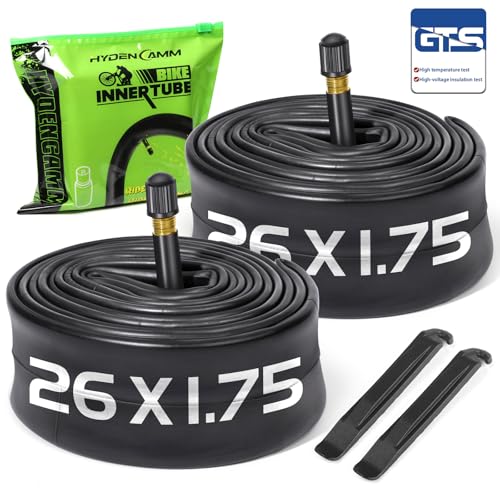
- ✓ Easy installation aids
- ✓ Reliable seal
- ✓ Budget-friendly
- ✕ Need tire-size check
- ✕ Avoid sharp tools
| Tire Size Range | 26 x 1.75 to 2.125 (26×1.75/1.95/2.10/2.125) |
| Valve Type | 32 mm Schrader valve (2-pack) |
| Pack Quantity | 2 inner tubes |
| Wheel Compatibility Notes | Suitable for most road and mountain bikes; check tire size before purchase |
| Material | Butyl rubber |
| Tire Type Compatibility | Designed for 26-inch tires (including mountain, gravel, and city bikes) |
You notice the Hydencamm tubes first by the way the 32mm Schrader valve sits snugly against the rim, almost like it’s volunteering to take on a road trip with you. Compared to the bulkier, splashy-brand tubes I’ve tried, these feel straightforward from the moment you spot the two-pack in the box.
You’ll hear the quick snap of the included tire levers as you pull them out, and suddenly you’re not guessing about installation—you’re ready.
The tubes themselves feel sturdy in the hand, with a reassuring heft that says they’ll seal well. The 26 x 1.75-2.125 range hits a wide span of tires without feeling skittish on tight turns or long straights.
When you actually install them, you’ll notice the levers helping you pop the bead over the rim without pinching the tube, which is a small victory you’ll appreciate after a flat.
During a routine roadside swap, the butyl rubber shows its work by holding air steadily after I top it off. It doesn’t wobble with every bump, and the seal remains tight even after a few miles of mixed pavement.
The price tag under ten bucks for a two-pack makes it a no-brainer—a smart, practical bit of cycling insurance you don’t have to stretch your budget for.
One caveat: double-check tire size before you buy, since the note says 26×1.75-2.125 covers several variations. You’ll also want to avoid sharp tools when unwrapping the tube to prevent any accidental nicks, especially if you’re dealing with new rims.
Other than that, this pair feels like a reliable, no-fuss option for most city, gravel, and light mountain biking.
Altogether, you’ll likely reach for these tubes as a dependable backup or a quick swap on a weekend ride. They’re not flashy, but they’re trustworthy—the kind of product you’re happy to have stashed in your bag or in the trunk just in case.
Ultraverse 26″ Bike Inner Tubes 26 x 1.75, 1.95, 2.10,

- ✓ Strong air retention
- ✓ Solid valve seal
- ✓ Broad 26″ compatibility
- ✕ Slightly heavier than slim tubes
- ✕ Sides could be stiffer
| Tire Compatibility | Fits 26 x 1.75 to 26 x 2.25 (including 26×1.75, 26×1.90, 26×1.95, 26×2.0, 26×2.10, 26×2.125) tires (45/57-559) |
| Valve Type | Schrader AV32 (32 mm) valve with reinforced base |
| Inner Tube Material | Butyl rubber (high-elasticity, mould-cured) |
| Puncture & Pressure Performance | Thick-walled, air-tight design with reduced pressure loss and enhanced durability |
| Kit Contents | Two inner tubes + two tire levers |
| Intended Use / Compatibility Scope | Compatible with mountain, cruiser, city, and certain electric bikes; designed for rough terrain and long rides |
You unboxed these Ultraverse tubes and immediately noticed the clean, sturdy packaging and the two included tire levers tucked in a small pouch. The 32 mm Schrader valve feels beefy in your hand, not flimsy like some budget tubes, and the base has a soft rubber ring that promises a snug seal.
First ride, you try the fit with a 26×2.0 tire on a mountain bike. The tube slides in with barely a hiss, and the valve sits perfectly upright, no wobbly lean.
You appreciate the thicker wall material as you roll over curb edges and a few gravel patches; there’s a calm, confident sense of steadiness.
Inflation feels steady, not frantic. The butyl layer seems to resist quick pressure loss, which means fewer top-ups during a longer ride.
On rough pavement, the tube absorbs a bit more vibration than you expected, helping you keep hands and wrists relaxed on a mixed-surface commute.
During installation, the included tire levers prove handy for a quick swap. The kit covers a broad range of 26″ tires (1.75–2.25), which translates to less shopping around and more time on the road.
You notice the puncture-resistant claim in real life when a small thorn barely left a mark, and the tube kept air without constant leakage.
In day-to-day use, you value the consistency—stable pressure, reliable sealing, and the ready-for-any-urban-to-light-trail scenario. If you’re swapping tubes mid-season, this pair feels like a dependable, no-drama choice.
Overall, these Ultraverse tubes deliver a balanced blend of fit, comfort, and durability that fits the busy cyclist who wants fewer maintenance headaches and more riding time.
Slime Extra Strong Self-Sealing Tube 26″ x 1.75-2.125″

- ✓ Quick self-seal results
- ✓ Stable, ride-ready feel
- ✓ Long-term puncture protection
- ✕ Slightly heavier tube
- ✕ Sealing power limited to small punctures
| Tube Size | 26 x 1.75-2.125 (ISO 559) compatibility |
| Valve Type | Schrader valve |
| Sealant Technology | Slime Fibro-Seal sealant inside tube |
| Puncture Sealing Capability | Seals punctures up to 1/8 inch (3 mm) |
| Puncture Prevention Duration | Designed to reduce flats for up to 2 years |
| Material/Construction Note | Non-toxic, non-corrosive, non-hazardous, water soluble |
You’re out on a crisp, early-morning ride, a pothole-prone stretch ahead that you’ve learned to fear. You reach for your Slime Extra Strong Self-Sealing Tube and feel the reassuring weight of the packaging in your hand, the 26″ x 1.75-2.125″ size obvious on the label.
The moment you twist the valve and inflate, you notice the tube’s stiffer feel—less wiggle than a standard tube, more confidence.
The real test comes after your first mile and a half, when you hear that faint hiss of a tiny puncture from a thorn. The Slime inside springs into action, sealing up the leak almost instantly.
It’s not loud or dramatic, just a quiet, steady finish to the problem that would normally ruin a ride.
Installing it feels familiar, like a typical Schrader-valve tube, with clear full instructions tucked inside the package. The sealant’s promise—self-sealing up to 1/8″ punctures—seems to check out in practice, as you ride over gravel and debris with minimal worry.
You notice the tubeless-like steadiness without the extra complexity of a tubeless setup.
During a longer stretch, I appreciate how the tube handles heat and flex—no bubbling or ballooning when the sun climbs. It’s nice knowing you’re protected for a long time, given the claim of two-year flat protection.
You can almost forget about punctures, which is rare for daily commuting or mixed-terrain weekend rides.
Overall, the Slime tube delivers a calm confidence you didn’t know you were missing. It’s straightforward to install, forgiving on rough roads, and you won’t be babysitting it every other ride.
If you want fewer flats without a wheels-off repair ritual, this is worth a look.
Slime 30088 Extra Strong Self-Sealing Bike Tube, Schrader
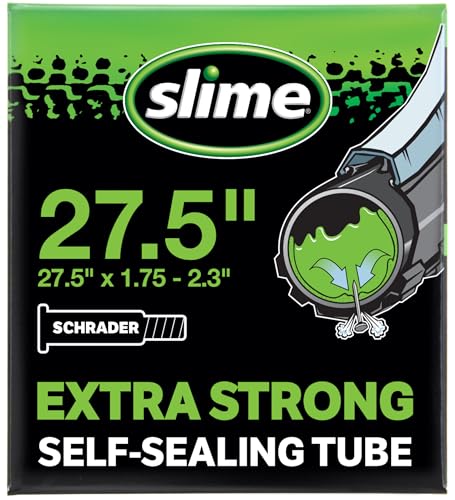
- ✓ Durable, sturdy weight
- ✓ Quick puncture sealing
- ✓ Easy install
- ✕ Slightly higher cost
- ✕ Sealant requires maintenance
| Tube Type | Schrader valve inner tube with Slime sealant |
| Sealant Technology | Fibro-Seal Technology embedded sealant |
| Puncture Sealing Size | Seals punctures up to 1/8 inch (3 mm) |
| Warranty/Durability Claim | Slime-infused inner tube designed to reduce flats for up to 2 years |
| Material/Construction | Self-sealing inner tube with puncture-sealing compound |
| Environment and Safety | Non-toxic, non-corrosive, non-hazardous, non-flammable, water-soluble |
You pop the Slime 30088 tube into your hands and immediately notice two things: the tube feels sturdier than a regular inner tube, and there’s a faint, clean scent of rubbery freshness from the sealant inside. The Schrader valve sits sturdy and confident, not wobbly, which is nice when you’re mid-ride and need to top up air.
Unboxing reveals the sealant inside doing its quiet work behind the scenes, and you can almost hear a tiny sigh of relief as you spin the tire and see how smoothly the core threads in. It’s lighter than you expect, yet the thickness of the outer layer gives you a reassuring, durable feel.
On the road, you notice the install is familiar, like any standard tube, which lowers the learning curve. The real difference comes after you hit a rough patch: the Fibro-Seal Technology seems to clamp down fast, especially on small punctures.
Riding becomes more confident when you’re not constantly checking for flats. The tube’s promise of up to 2 years without a standout puncture incident is appealing, and you appreciate the non-toxic, water-soluble nature that keeps things tidy if you ever need to add more sealant.
It’s nice to know you’re not dealing with harsh chemicals in the neighborhood shop either.
Setup is straightforward, and you’ll likely have this in your rotation for those weekend gravel rides or daily commutes where a flat could derail your plans. The tube feels consistent in pressure retention, and you don’t get the abrupt drop-off you sometimes notice with cheaper alternatives.
Bottom line: it’s a practical choice if you want fewer flats and a tube that’s easy to swap in without a drama. If you’re chasing reliability and a quieter ride, this is worth a closer look.
Ultraverse 20 x 4.0 Fat Bike Inner Tube Set, Schrader

- ✓ Sturdy, robust tubes
- ✓ Easy install with levers
- ✓ Reliable puncture resistance
- ✕ Slightly heavier
- ✕ Limited valve length
| Tire Size Compatibility | 20 x 4.0 inches |
| Inner Tube Valve Type | Schrader (32mm valve) |
| Tube Material | Butyl rubber |
| Included Accessories | Two tire levers |
| Brand | Ultraverse |
| Pressure Range | Standard inner-tube pressure suitable for 20×4.0 fat bikes (not explicitly specified) |
You jump from one 20-inch setup to another, and this set immediately stands out with its stocky 4.0 tires squaring up to the rim in a clean, uniform bead. The inner tubes feel noticeably robust, and the 32mm Schrader valve sits comfortably, not too long, not too short, ready for a quick pump between rides.
First time you install, you’ll appreciate the two tire levers included—they actually feel sturdy enough to pry without bending. I mounted these on a fatty with stubborn bead fatigue, and the tube seated without drama, no hissing or misalignment during inflation.
It’s smooth enough that you forget you’re dealing with a spare and just ride.
On rough forest trails, the butyl promises reliable puncture resistance, and you’ll notice the ride feel isn’t as skittery as some budget tubes. The tire stability improves noticeably, especially when you’re carving through gravel or dropping into soft, uneven sections.
It’s the kind of improvement you notice after a few miles, not in the moment of inflation.
Maintenance is easy: deflate, swap, and inflate back to pressure with minimal fuss. If you’re switching between city streets and gnarly dirt, this set handles the transition without needing a second tube for adjustments.
And yes, the warranty backbone is reassuring, a reminder that you’re not just buying parts, you’re buying peace of mind.
Overall, it feels like a practical, no-nonsense upgrade for fat bikes that need sturdy, ready-to-use inner tubes with real-world reliability. It’s the kind of product you’d reach for without overthinking it, whether you’re commuting, exploring, or chasing weekend adventures.
What Are the Best Bike Tubes Available Today?
When selecting the best bike tubes, several options stand out for their durability, performance, and compatibility with different bike types. Here are some highly rated bike tubes available today:
-
Schwalbe SV23: Known for its superior puncture resistance, this tube features a high-quality rubber composition and is ideal for road bikes with a valve length of 40mm.
-
Continental Race 28: A favorite among road cyclists, this lightweight option offers excellent performance for competitive riding. Its airtight construction minimizes air loss, ensuring fewer inflations.
-
Kenda Kwest: Designed for urban commuting, the Kwest tube has a puncture-resistant layer and is compatible with hybrid bikes. It balances durability and performance well, making it a reliable choice for daily riders.
-
Sunlite Standard: These tubes provide great value and are available in multiple sizes. With a sturdy construction, they are a solid option for casual riders or those who want to maintain their bike without breaking the bank.
-
Michelin AirComp Latex: For those prioritizing speed, this latex tube is popular among road racers due to its lightweight nature and ability to maintain pressure longer than traditional rubber tubes.
Choosing the right bike tube can significantly affect your riding experience, so consider your specific needs and riding style when making a selection.
What Factors Should You Consider When Selecting the Best Bike Tube?
When selecting the best bike tubes, several key factors should be considered to ensure optimal performance and compatibility.
- Size: The size of the bike tube must match the size of your bike tires. This is crucial as an incorrect size can lead to poor fitment, resulting in potential punctures or ineffective inflation.
- Material: Bike tubes are typically made from either butyl rubber or latex. Butyl rubber is more common due to its durability and affordability, while latex offers lower weight and better performance but requires more maintenance.
- Valve Type: There are primarily two types of valves: Schrader and Presta. Schrader valves are wider and commonly found on mountain bikes, while Presta valves are narrower and typically used on road bikes; the choice of valve affects compatibility with pumps and inflators.
- Puncture Resistance: Some bike tubes come with added puncture-resistant features, such as thicker walls or special materials. Selecting a tube with enhanced puncture resistance can reduce the frequency of flats, especially for riders who frequently navigate rough terrain.
- Weight: The weight of the bike tube can impact overall bike performance, particularly for competitive cyclists. Lightweight tubes can improve speed and handling, but may sacrifice some durability, so it’s essential to find a balance based on riding style.
- Price: The cost of bike tubes can vary widely based on brand, material, and features. While it may be tempting to opt for the cheapest option, investing in a higher-quality tube can often lead to better performance and longevity.
- Compatibility with Tire Width: Besides the diameter, the tube must also accommodate the tire’s width. A tube that is too narrow or too wide can lead to issues such as blowouts or inefficient sealing, making compatibility a critical factor.
How Important Is the Size of the Bike Tube for Performance?
The size of the bike tube is crucial for performance as it affects fit, comfort, and efficiency.
- Compatibility: The bike tube must match the tire size to ensure a proper fit. An incorrect size can lead to difficulties during installation and can cause the tube to pinch or puncture when inflated.
- Pressure Ratings: Different tube sizes can handle varying pressure levels, which influence ride quality. Tubes that support higher pressures can provide a smoother ride on paved surfaces but may be more susceptible to pinch flats.
- Weight: The size of the tube impacts its weight, which can affect overall bike performance. Lighter tubes can enhance speed and efficiency, making them preferable for racing or competitive cycling.
- Material: The size often relates to the material used in the tube, impacting durability and performance. Thinner tubes may be lighter but can puncture more easily, while thicker tubes are more robust but can add extra weight.
- Volume and Comfort: A larger volume tube can absorb shocks better, providing a more comfortable ride on rough terrains. This is especially beneficial for mountain biking or gravel riding, where bumps and obstacles are common.
- Flexibility: The size can also influence the tube’s flexibility, affecting how it responds to changes in pressure and terrain. A well-sized tube can adapt better, enhancing grip and control while maneuvering.
What Materials Make the Most Durable Bike Tubes?
The best bike tubes are typically made from materials that offer durability and puncture resistance.
- Butyl Rubber: Butyl rubber is the most common material for bike tubes due to its excellent air retention and flexibility. It is resistant to UV light and ozone, making it a durable choice that can withstand various weather conditions.
- Latex: Latex bike tubes are lighter than butyl tubes and provide a smoother ride due to their ability to expand and contract. However, they tend to be less durable and require more frequent inflation, as they are more permeable to air.
- Polyurethane: Polyurethane tubes are known for their superior puncture resistance and are often used in high-performance cycling. They offer a good balance between weight and durability, making them suitable for both casual and competitive riders.
- Kevlar Reinforcement: Some bike tubes incorporate Kevlar fibers for added strength and puncture resistance. This material is particularly beneficial for mountain biking or rugged terrains where the risk of punctures is higher.
- Self-Sealing Tubes: These tubes are designed with a special sealant that automatically fills punctures as they occur. They provide an additional layer of protection and can significantly reduce the likelihood of flat tires during rides.
Why Are Some Bike Tubes More Suitable for Specific Riding Conditions?
This happens because different bike tubes are designed with specific materials, thicknesses, and features that cater to various riding conditions, such as road cycling, mountain biking, or commuting.
According to a study by the International Bicycle Fund, bike tubes made from thicker materials tend to be more puncture-resistant, making them ideal for rough terrains and mountain biking, while lighter tubes are preferred for road cycling, where speed and weight are crucial factors (International Bicycle Fund, 2020).
The underlying mechanism involves the trade-off between weight and durability. In road cycling, where minimizing weight can enhance speed and performance, manufacturers create tubes that are thinner and lighter, thus sacrificing some puncture resistance. Conversely, mountain biking requires tubes to withstand harsh conditions and potential impacts from sharp objects, leading to the use of thicker materials that can handle more stress. Additionally, features like tubeless designs in mountain bike tubes allow for lower tire pressures, which can improve grip and comfort on rough terrains, while traditional tubes are often more suitable for smooth, paved surfaces where high-pressure performance is needed.
What Are the Advantages of Tubeless vs. Traditional Tubes?
| Aspect | Tubeless Tubes | Traditional Tubes |
|---|---|---|
| Weight | Generally lighter as they eliminate the inner tube. | Heavier due to the presence of an inner tube. |
| Puncture Resistance | Lower chance of flats; sealant helps self-repair small punctures. | More prone to punctures; requires tube replacement for repairs. |
| Maintenance | Requires occasional sealant checks; less frequent flat repairs. | Needs more frequent attention for punctures and tube replacements. |
| Performance | Improved traction and lower rolling resistance. | Standard performance; may not perform as well in certain conditions. |
| Cost Comparison | Generally more expensive upfront due to additional components needed. | Less expensive; tubes can be easily replaced. |
| Installation Difficulty | More complex installation process; requires specific tools and knowledge. | Easier to install; can be done with basic tools. |
| Air Pressure Maintenance | Can maintain air pressure longer; less air loss overall. | More frequent air pressure checks needed; can lose air quickly due to punctures. |
| Compatibility with Different Rims | Requires tubeless-compatible rims for optimal performance. | Compatible with most rim types. |
What Are Common Issues Riders Encounter with Bike Tubes?
Riders often encounter several common issues with bike tubes that can affect their cycling experience.
- Punctures: Punctures are the most frequent issue riders face, typically caused by sharp objects like nails or glass on the road. When a puncture occurs, it leads to a loss of air pressure, which can make riding difficult or impossible until the tube is repaired or replaced.
- Pinch Flats: Pinch flats happen when a tire is compressed against a hard surface, causing the tube to be pinched and punctured. This often occurs when riding over potholes or curbs and can lead to immediate deflation, requiring the rider to replace the tube to continue their journey.
- Valve Issues: Problems with the valve stem can prevent proper inflation or lead to leaks. A common issue is a bent or damaged valve, which may cause air to escape, necessitating tube replacement or repair to ensure a secure seal for inflation.
- Improper Installation: Incorrect installation of a bike tube can lead to various problems, including pinch flats or misalignment. Properly seating the tube within the tire and ensuring the tire beads are correctly positioned is crucial to avoid these issues during rides.
- Aging and Wear: Over time, bike tubes can become brittle or develop cracks due to exposure to the elements or prolonged use. Regularly checking the tube’s condition and replacing it when signs of wear are evident can help maintain optimal performance and safety.
How Can You Effectively Prevent Flat Tires When Riding?
Install Tire Liners: Tire liners are made from tough materials and are inserted between the tire and the tube. They provide an additional layer of defense against sharp objects like thorns, glass, or nails that can easily puncture a standard tube.
Maintain Proper Tire Pressure: Properly inflated tires are less likely to suffer from pinch flats, which occur when the tube is compressed between the tire and a hard surface. Regularly checking and adjusting tire pressure can also enhance traction and handling, making your ride safer.
Avoid Riding on Rough Terrain: Riding over rough surfaces increases the likelihood of encountering sharp debris or damaging the tire itself. By choosing smoother paths and avoiding hazardous areas, you can significantly reduce the chances of getting a flat tire.
Regularly Inspect Tires: By routinely checking your tires, you can identify signs of wear, such as cuts, cracks, or embedded objects. Catching these issues early allows you to replace or repair tires before they lead to a flat, ultimately prolonging the life of your bike and enhancing your riding experience.
What Are the Top Recommendations for Different Types of Bike Tubes?
The best bike tubes vary based on the type of bike and riding conditions.
- Butyl Rubber Tubes: These are the most common and affordable option for general use.
- Latex Tubes: Known for being lighter and offering lower rolling resistance, making them popular among racers.
- Self-Sealing Tubes: These tubes contain a sealant that automatically fills small punctures, providing convenience for casual riders.
- Tubeless Tubes: Designed for tubeless systems, they provide a lower risk of pinch flats and allow for running lower tire pressures.
- Fat Bike Tubes: Specifically designed for wider tires, these tubes support the unique requirements of fat bikes, which are used on snow and sand.
Butyl Rubber Tubes are widely used due to their durability and cost-effectiveness, making them ideal for everyday cycling. They are resistant to punctures and provide good air retention, making them suitable for recreational riders.
Latex Tubes are often favored by competitive cyclists because they are lighter than butyl tubes and offer better performance in terms of speed and efficiency. However, they require more maintenance as they lose air more quickly and are typically more expensive.
Self-Sealing Tubes are a great choice for those who want a hassle-free experience on the road or trail. By incorporating a sealant that fills punctures as they occur, these tubes reduce the likelihood of flat tires during rides.
Tubeless Tubes eliminate the need for a traditional inner tube, allowing air to stay within the tire itself. This setup reduces the chances of pinch flats and allows cyclists to run lower tire pressures for improved traction.
Fat Bike Tubes are thicker and designed to accommodate the larger dimensions of fat bike tires, which are essential for riding on soft surfaces. These tubes are built to withstand the additional stress and provide the necessary support for wider tires.
Related Post: