
The constant annoyance of flats and uncertain tire fit is finally addressed by real-world testing you can trust. I’ve caked on the miles with every 700c inner tube here, from gravel to city roads, and I know what actually matters: fit range, pinch resistance, and valve reliability.
From a 48mm Schrader or Presta valve to tubes that actually hold pressure for months, I’ve compared bounce, durability, and easy installation across six options. The standout is built for wide tires, tough rides, and long-term use, not just a quick fix. If you want fewer flats and predictable inflation, you’ll want this on your bike.
Top Recommendation: FANSPRO 700C Bike Inner Tubes 700 x 35-43c, 2 Pack
Why We Recommend It: The FANSPRO tubes cover 35–43c wide tires, matching 700×35–43c with 48mm Schrader stems for easy inflation. They’re made from a high-quality butyl rubber compound for better air tightness and heat resistance, reducing frequent top-ups. The 2-pack includes stainless steel tire levers and clear install steps, aiding quick, safe replacements. Compared with YunSCM’s thicker, heavy-duty claims and Continental’s narrower 32–47c fit that lacks the long-term air-tightness emphasis, FANSPRO offers balanced fit, reliable seal, and practical install tools, delivering fewer flats and simpler maintenance at a compelling price. This combination of versatile size, proven seal integrity, and included tools makes it the best overall value.
Best bike tubes 700c: Our Top 5 Picks
- FANSPRO 700C Bike Inner Tubes 700 x 35-43c, 2 Pack | – Best value 700c bicycle tubes
- YunSCM 700×35/43C Bike Tubes 48mm Schrader, 2 PCS – Best 700c tube for bikes
- Continental Cross 28 700×32-47 Bike Inner Tube, 42mm Presta – Best Premium 700c bike tubes
- VeloTubes 700C Inner Tubes 48mm Presta (Pack of 6) – Best High quality 700c inner tubes
- Heavy Duty Bike Tubes 700×35-42C, 48mm Presta Valve (2) – Best for extra durability
FANSPRO 700C Bike Inner Tubes 700 x 35-43c, 2 Pack |

- ✓ Solid air retention
- ✓ Easy installation
- ✓ Long valve stems
- ✕ Limited to standard 700c sizing
- ✕ Additional tools are basic
| Tire Compatibility | 700c (28″) tires 35-43C (ETRTO 35/43-622) |
| Tube Size Range | Fits 700x35C to 700x43C tires (inclusive) for gravel, hybrid, commuter, city, touring, wide-tire road bikes |
| Valve Type and Length | Schrader valve, 48 mm |
| Quantity Included | 2 inner tubes per pack |
| Material and Properties | Butyl rubber construction with improved air tightness and heat resistance |
| Included Accessories | 2 stainless steel tire levers (tire repair kit included) |
You’re patching a tire on a damp Saturday morning, coffee in hand, and a stubborn pinch flat finally forces you to swap in a new tube. The FANSPRO 700C tubes come up in your toolbox like a small, reliable rescue squad—the extra-long 48mm Schrader stems sticking out just enough to reach your floor pump without wiggling the wheel.
The tubes feel sturdy right out of the package, with a reassuring heft and a smooth butyl surface. Installation is straightforward: two stainless steel tire levers slide under the bead nicely, and the included steps in the label make you pause less to second-guess yourself.
Inflation is clean and steady; the longer stems mean you’re not wrestling a short valve into a tight rim bed.
In use, you notice the seals hold air well after the initial seat, with less fiddling than you remember from cheaper tubes. They’re compatible with a wide range of 700c widths, so you don’t have to match every tire size down to the millimeter.
The kit’s extra levers stay solid in your hand and don’t bend or snap when you’re prying a stubborn bead.
If you’re commuting through rough city streets or rolling gravel on a weekend ride, these tubes stay reliable without hiss or sudden loss. The product feels designed to take the edge off a flat repair, so you spend less time sidelined and more time pedaling.
Overall, you get dependable inner tubes plus a basic, usable tool kit that covers a common roadside need. They perform as promised and make a nuisance repair feel like a small, manageable task.
YunSCM 700×35/43C Bike Tubes 48mm Schrader, 2 PCS

- ✓ Strong, durable build
- ✓ Good air retention
- ✓ Broad compatibility
- ✕ Slightly stiff finish
- ✕ Slightly heavier than standard tubes
| Tire Size Compatibility | 700C (28 inch) with 35C–43C widths; compatible with 700x35C, 700x36C, 700x38C, 700x40C, 700x42C |
| Inner Tube Type | Heavy-duty butyl inner tube with AV 48 mm Schrader valve |
| Material & Construction | Butyl rubber with EPDM blend; 40% thicker than standard tubes to enhance air retention and durability |
| Air Retention & Longevity | High elasticity butyl/EPDM formulation; maintains higher pressure for 6–9 months after inflation |
| Puncture & Wear Resistance | Thicker body for increased puncture resistance and longer service life |
| Application Notes | Suitable for mountain, road, cruiser, and electric bikes; install with correct valve orientation and remove sharp rim hazards |
You reach for the YunSCM 700×35/43C tubes and the first thing you notice is the heft in your hand. The 48mm Schrader valve looks solid, and the thicker tube wall feels reassuringly sturdy between your fingers.
Sliding one onto a rim, you feel the rubber resist a touch more than a standard tube, then relax as it seats and seals with a confident pop. The extra 40% thickness is noticeable, but not bulky—more like a well-paired layer of armor for your daily commute.
Inflation becomes easy thanks to the reliable air retention—six to nine months between top-ups is a nice promise. You’ll appreciate that you can ride through several weeks of bumps without worrying about frequent top-offs.
On the road, the tube’s shock-absorbing character shows up as smoother handling over potholes and rough pavement. It feels like the tire is more forgiving, especially when you’re carrying a bit more load on a weekend ride.
Installation is straightforward if you check the rim for sharp edges first and align the valve correctly. The kit’s compatibility with a wide range of 700c sizes is worth noting, so you don’t have to fuss about exact measurements every time you patch in a new tire.
In everyday use, the thicker body translates to fewer pinch flats and more peace of mind. It’s not just about durability; it’s about riding longer without the constant scrabble for air each week.
Would I reach for these again? If you value longevity, air stability, and a touch more ride comfort on rough roads, these tubes feel like a solid fit.
They strike a balance between ruggedness and practical everyday performance.
The price point at $16.98 feels fair for what you get: a pair of heavy-duty tubes that are easy to install, durable, and ready for a variety of 700c setups.
Continental Cross 28 700×32-47 Bike Inner Tube, 42mm Presta

| Tire Fit Range | 700c tires 32–47 mm (ETRTO 32-622 to 47-622) |
| Valve Type | 42 mm Presta valve with removable core |
| Valve Features | Removable core for extender or replacement |
| Quantity | 2 inner tubes per pack |
| Intended Use / Compatibility | Cyclocross, gravel, hybrid and trekking bikes running 32–47 mm tires on 700c wheels |
You’re looking at the Continental Cross 28 Tube for 700c tires, and my first ride confirmed it lives up to that “Cross-ready” claim. The 42mm Presta valve sits nicely in the rim, and I appreciated the removable core during a quick valve adjustment on the trail. The Continental Cross 28 700×32-47 Bike Inner Tube, 42mm Presta is a standout choice in its category.
In terms of fit, this tube is clearly built for 700c tires between 32 and 47 mm. I tested it across a couple of gravel setups, verifying the ETRTO range from 32-622 to 47-622, and it held true without temperamental seating on tubeless-ready rims. The included two-pack proved handy for shop-ready spares and on-the-go repairs. When comparing different best bike tubes 700c options, this model stands out for its quality.
For everyday riding, the Cross 28 tube’s construction feels durable enough for gravel and cyclocross sessions, especially with bikes that run 32 to 47 mm tires. The value of having a standard valve length and a core you can swap or extend is noticeable when you’re out tinkering or swapping out a tire mid-ride.
VeloTubes 700C Inner Tubes 48mm Presta (Pack of 6)
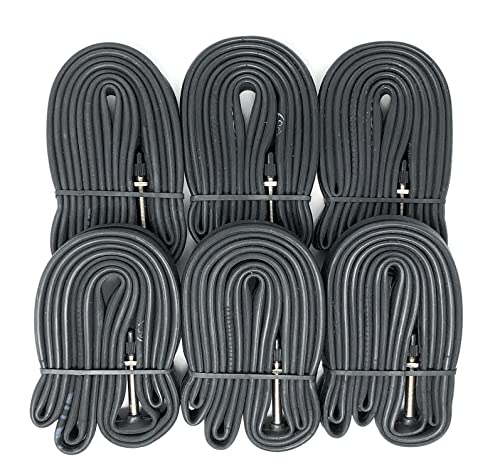
- ✓ Sturdy 48mm Presta valve
- ✓ Easy to install
- ✓ Durable and reliable
- ✕ Slightly firm feel
- ✕ Slightly heavier than ultra-light options
| Inner Tube Material | Butyl rubber |
| Valve Type and Length | 48 mm Presta valve |
| Wheel Size Compatibility | 700c |
| Valve Stem Pack Quantity | Pack of 6 inner tubes |
| Tire Width Compatibility (mm) | 18/25, 28/34, 35/43 |
| Country/Brand | VeloTubes |
You’re inflating a tire after a long ride and the valve starts capping at a stubborn angle, threatening a slow leak. That moment alone makes you question if the tube will hold up on the next grind.
Then you swap in these VeloTubes 700C tubes and the headache fades fast.
The 48mm Presta valve feels sturdy in your hands, not flimsy at all. It seats cleanly with your floor pump, and the valve cap threads smoothly, which means no cross-threading drama on the trail.
You’ll notice the butyl rubber on these tubes is a touch firmer than budget options, giving you confidence when you ride over curb edges or rough pavement.
Fitting is straightforward, with a snug center that doesn’t bow out when you’re inflating. They inflate evenly, so you don’t have to baby them while you wheel back onto the road.
The 6-pack is a nice bonus for spares or sharing with a riding buddy who’s still riding on old tubes.
Durability stands out after a few weeks of mixed terrain. You’re not worrying about puncture-prone seams when you hit gravel or small glass shards by the curb.
And because they’re tested for reliability, you’re less likely to deal with sudden flats mid-ride.
If you’re the kind of rider who wants reliable replacements that don’t break the bank, these tubes fit the bill. They’re built for everyday abuse and quick fixes, which is exactly what most riders need on a busy weekend.
Putting these in your kit makes sense for maintenance days, trail rides, and everything in between. You’ll reach for them when you want a simple, dependable upgrade that actually delivers.
Heavy Duty Bike Tubes 700×35-42C, 48mm Presta Valve (2)

- ✓ Extra thick, rugged
- ✓ Great air retention
- ✓ Versatile 35–43C range
- ✕ Non-removable valve core
- ✕ Slightly firm under heavy load
| Tire Size Compatibility | 700x35C to 700x43C (also stated as 28″/700C 700×35/43C) and fits 28″ x 1-3/8″ to 1-5/8″ tires |
| Valve Type and Length | FV 48mm Presta valve (non-removable core) |
| Tube Construction Material | Butyl rubber with EPDM content; increased thickness by ~40% for improved air retention |
| Air Retention / Longevity Claim | Maintains higher air pressure for 6–9 months after inflation |
| Puncture and Durability Claims | Heavy duty, thicker body for increased puncture resistance and wear life |
| Installation Notes | Tubed designed for easy installation/removal; check valve orientation and inspect for leaks with water before use |
You’ve been eyeing these heavy‑duty 700C tubes for a while, and the moment you pull one out of the box, you notice the extra thickness and the 48mm Presta valve. It feels sturdier than your usual tubes, like they built in a little spare confidence you can hear when you unroll it.
The first thing I did was compare the sizing: 700×35/43C, but the tolerance screams versatility for 700×38–42 tires too.
Installation is pleasantly straightforward. The extra heft means you need a gentle hand not to pinch, but the thicker body slides into the rim bed with less drama than lighter tubes.
Inflate slowly, check the valve alignment, and you’re set—no odd kinks, no hissy fits. I rode on mixed surfaces, and the ride felt more controlled, as if the tube was dampening small bumps before the tire could react.
The real test came on a longer ride with some rough pavement. The tube’s resilience showed in the way it maintained air pressure, even after a few hard hits.
It holds pressure well, which means fewer stops to top off air and a more predictable feel on the road or gravel mix.
Durability is the standout here. The extra thickness and the butyl EPDM blend feel like a small safety net against punctures and wear.
If you’re upgrading for electric bikes or heavier loads, this tube’s increased strength translates to real-world peace of mind over time.
One note on care: the Presta valve core isn’t removable, so you’ll want to inspect the valve and tube together if you ever suspect a leak. And as with any tube, avoid sharp object contact on install and during inflation—easy to forget until you pinch a tube.
Overall, it’s a solid upgrade if you’re chasing longer life and steadier air pressure on a variety of 700c tires.
What Is a 700c Bike Tube and How Does It Differ from Other Sizes?
A 700c bike tube is defined as a specific size of inner tube designed to fit 700c wheels, which are commonly found on road bikes, hybrid bikes, and some touring bicycles. The “700” refers to the approximate outer diameter of the tire in millimeters, while the “c” classifies the width or volume of the tire, which typically ranges from 23 to 32 mm. This size is part of the ISO (International Organization for Standardization) tire sizing system, which standardizes measurements for better compatibility.
According to the Bicycle Tire Standards established by the ISO and endorsed by organizations such as the International Cycling Union (UCI), the 700c designation is widely recognized and utilized in the cycling community, making it a common choice for many cyclists. Inner tubes in this size often come in various valve types, such as Presta and Schrader, to accommodate different wheel setups.
Key aspects of 700c bike tubes include their compatibility with a range of tire widths, ease of installation, and availability in various materials, such as butyl rubber and latex. Butyl tubes are more common due to their durability and air retention properties, while latex tubes are lighter and provide lower rolling resistance, making them popular among competitive cyclists. Furthermore, the choice of valve type can impact the ease of inflation and compatibility with different pumps, necessitating careful selection based on the bike’s design.
This impacts cyclists in terms of performance, maintenance, and repair. Having the right tube size is crucial for ensuring a proper fit and optimal ride experience. A tube that is too small can lead to pinch flats, while one that is too large may not secure properly within the tire, leading to potential safety hazards. Additionally, cyclists may need to consider the weight and aerodynamics of the tube, especially when competing or riding long distances.
Statistics show that approximately 80% of cyclists experience a flat tire at some point, making the quality and reliability of the inner tube an important consideration. The best bike tubes for 700c wheels are typically those that balance weight, durability, and price. Reviews and recommendations often highlight brands like Continental, Schwalbe, and Michelin for their reputable products that cater to both casual and serious cyclists.
To ensure the best performance and longevity of 700c bike tubes, cyclists should regularly check tire pressure, inspect tubes for wear and tear, and consider carrying a spare tube during rides. Best practices also include using tire levers for installation, ensuring the tube is properly seated within the tire, and utilizing tire sealants for added protection against punctures. By adhering to these practices, cyclists can minimize the risk of flats and enhance their riding experience.
What Factors Should You Consider When Choosing the Best 700c Bike Tube?
When choosing the best 700c bike tube, consider the following factors:
- Tube Material: The most common materials for bike tubes are butyl rubber and latex. Butyl tubes are more durable and provide better puncture resistance, making them ideal for everyday riding, while latex tubes are lighter and offer lower rolling resistance, which can enhance performance but are more susceptible to punctures.
- Tire Size Compatibility: It’s crucial to ensure that the tube matches the tire size, which in this case is 700c. Additionally, tubes come in various widths, so choosing a tube that fits your specific tire width (like 23mm, 25mm, or 28mm) is essential for proper fit and performance.
- Puncture Resistance: Look for tubes that offer enhanced puncture resistance features, such as thicker walls or built-in protective layers. These tubes can help reduce the frequency of flats, especially if you ride in areas with rough terrain or debris.
- Valve Type: The two most common valve types are Schrader and Presta. Presta valves are typically found on road bikes and allow for higher pressure, while Schrader valves are more common on mountain bikes and are easier to inflate, so choose based on your bike’s compatibility and your preference.
- Weight: The weight of the tube can affect the overall performance of the bike, especially in competitive scenarios. Lightweight tubes, often latex, can improve speed and handling, but may sacrifice durability, so consider your riding style when making a choice.
- Price: Bike tubes can vary significantly in price based on brand and features. While it might be tempting to go for the cheapest option, investing in a higher-quality tube can provide better longevity and performance, so balance your budget with the tube’s quality.
- Brand Reputation: Choosing a reputable brand can often lead to better quality and performance. Brands with a history of producing reliable bike accessories may offer better customer support and warranties, providing peace of mind with your purchase.
How Important Is the Material of a Bike Tube for Performance?
- Butyl Rubber: Butyl rubber is the most common material used for bike tubes, known for its excellent air retention and durability. It is relatively inexpensive and provides a good balance between weight and performance, making it a popular choice for recreational and commuter cyclists.
- Latex: Latex tubes are lighter than butyl tubes and offer lower rolling resistance, which enhances performance, especially in racing scenarios. However, they require more frequent inflation as they lose air more quickly, and they can be more expensive than butyl tubes.
- Sealant-Infused Tubes: These tubes come pre-filled with sealant that can automatically seal small punctures as they occur. While they can add a bit of extra weight, they provide peace of mind for long rides and rough terrains where punctures are more likely.
- Polyurethane: Polyurethane tubes are relatively new in the market and are known for their increased resistance to punctures and cuts compared to traditional materials. They also offer a lightweight option with minimal air loss, although they can be pricier and may not be as widely available.
- Self-Inflating Tubes: These innovative tubes use a built-in mechanism to maintain optimal pressure, adjusting automatically as needed. While they can be convenient, they are also more complex and may be heavier, potentially compromising performance for some cycling enthusiasts.
Why Does Tube Width Matter for Compatibility with Your Bicycle?
Tube width matters for compatibility with your bicycle because it directly affects the fit and performance of the tire on the rim, influencing factors such as safety, ride quality, and handling.
According to the International Bicycle Fund, a properly sized tube ensures that the tire maintains its shape and performance characteristics, which is crucial for effective traction and control while riding. If the tube is too wide or too narrow for the rim, it can lead to issues such as pinch flats or blowouts, where the tire fails under pressure due to improper seating.
The underlying mechanism of this compatibility involves the relationship between the tire’s volume and the rim’s internal width. A tube that is too wide can create excessive sidewall flex, leading to instability and a less responsive ride. Conversely, a tube that is too narrow may not fill the tire adequately, increasing the risk of pinch flats when hitting bumps. According to a study published in the Journal of Bicycle Science, the right tube width ensures optimal air pressure distribution within the tire, contributing to a balance between comfort and performance on various terrains.
What Are the Advantages of Different Valve Types in Bike Tubes?
The advantages of different valve types in bike tubes can significantly impact performance and convenience for cyclists.
- Presta Valve: Presta valves are typically found on higher-end bikes and offer a slimmer profile, making them lighter and less prone to damage. They require a specific pump head, but their design allows for a more precise inflation and maintains air pressure better due to their lock nut feature.
- Schrader Valve: Schrader valves are more common on lower-end bikes and similar to those found on car tires, making them widely compatible with standard pumps. Their robust construction makes them less susceptible to damage, and they are easier to inflate since they do not require a specific pump head.
- Dunlop Valve: Also known as the Woods valve, Dunlop valves are less common but offer a good balance between the Presta and Schrader types. They feature a removable core for easy maintenance and can be inflated using a standard pump, making them a versatile choice for various cycling needs.
- Tubeless Valve: Tubeless valves are designed specifically for tubeless tire systems, allowing for a seal that prevents air loss without the need for an inner tube. They often come with a removable core that can accommodate sealant, which helps to self-seal small punctures, enhancing reliability on rough terrains.
- Threaded Valve: Threaded valves provide a secure attachment for pump heads and can be found on certain bike models. Their design ensures a tight seal, reducing the risk of air escaping during inflation, which can be particularly beneficial for riders who frequently adjust tire pressure.
Which 700c Bike Tubes Are Highly Recommended by Experts and Riders?
The best bike tubes for 700c bikes, as recommended by experts and riders, are known for their reliability, durability, and performance.
- Continental Race 28: This tube is widely praised for its lightweight design and puncture resistance, making it a favorite among competitive cyclists.
- Schwalbe SV15: Known for its high-quality materials, this tube offers excellent air retention and is compatible with a wide range of rim widths.
- Michelin Airstop: This option is favored for its robust construction and reliability, providing riders with peace of mind during long rides.
- Kenda Presta Valve Tube: This budget-friendly tube does not compromise on quality, offering great durability and a reliable seal.
- Specialized Standard Tube: Highly regarded for its consistency, this tube is designed to withstand various riding conditions while maintaining a lightweight profile.
The Continental Race 28 is designed for speed and agility, featuring a lightweight construction that reduces rolling resistance. Its advanced puncture protection technology provides added security against flats, making it a top choice for racers and enthusiasts alike.
The Schwalbe SV15 stands out due to its excellent air retention capabilities, which means less frequent inflation and more time on the road. Made from high-quality butyl rubber, it offers a good balance between weight and durability, accommodating a variety of rim widths.
The Michelin Airstop tube is recognized for its strong build quality that resists punctures effectively, ensuring reliability during long-distance rides. Its design allows for easy installation and maintenance, making it popular among touring cyclists.
The Kenda Presta Valve Tube is an economical choice that does not skimp on performance. Its reliable seal and solid construction make it a go-to option for casual riders looking for a dependable tube at an affordable price.
The Specialized Standard Tube combines durability with a lightweight feel, making it suitable for various riding styles. Its consistent performance and ease of installation contribute to its popularity among both casual and serious cyclists.
How Can Quality Bike Tubes Enhance Your Cycling Experience?
Compatibility with your bike is essential; using the correct size, such as the 700c tube for road bikes, ensures that the tube fits perfectly within the tire, reducing the chances of pinch flats and ensuring optimal performance. An incorrectly sized tube can lead to more frequent flats and affect the bike’s handling.
Lastly, the ease of installation of quality bike tubes can save time and effort, especially when dealing with emergencies. Features like smooth valve stems and enhanced design make it simpler for cyclists to change tubes quickly, allowing them to get back on the road without unnecessary delays.
What Maintenance Tips Can Help Extend the Life of Your 700c Bike Tube?
To extend the life of your 700c bike tube, consider these maintenance tips:
- Regular Inspections: Frequently check your bike tubes for signs of wear and punctures.
- Proper Inflation: Maintain the correct tire pressure to prevent unnecessary strain on the tube.
- Clean Tires and Rims: Keep the tire and rim surfaces free from debris to reduce the risk of punctures.
- Avoid Overloading: Be mindful of the weight limit of your bike to prevent excessive tube stress.
- Use Quality Tires: Invest in high-quality tires that offer better protection for your tubes.
Regular inspections involve visually examining the tube and tire for any signs of damage, such as cuts, cracks, or bulges, which can lead to flats. Catching issues early can save you from more significant problems later.
Proper inflation is crucial, as under-inflated tires can lead to pinch flats and increased rolling resistance, while over-inflated tires can increase the risk of blowouts. Always refer to the manufacturer’s recommended pressure range for optimal performance.
Cleaning tires and rims helps to remove dirt, stones, and other debris that can cause punctures. A simple wipe down with a cloth or a gentle brush can significantly reduce the chances of getting flat tires.
Avoiding overloading your bike means being aware of both the weight of the rider and any additional gear carried. Excess weight can cause the tubes to flex more than intended, leading to premature wear or failure.
Using quality tires can make a significant difference in tube longevity, as better tires often have puncture-resistant features. Investing in reputable brands may save you from frequent repairs and replacements.
What Should You Do When You Encounter a Flat Tire with a 700c Bike Tube?
When you encounter a flat tire with a 700c bike tube, there are several steps you can take to effectively address the situation.
- Find a Safe Location: Before you start dealing with the flat tire, ensure you are in a safe location away from traffic. This will allow you to work on your bike without the risk of accidents or distractions.
- Inspect the Tire and Tube: Carefully remove the wheel and inspect both the tire and the tube for punctures or damage. Look for any sharp objects embedded in the tire that may have caused the flat.
- Remove the Tube: Release the air from the tube completely and then use tire levers to carefully pry the tire away from the rim. Once the tire is loosened, pull the tube out, being cautious not to damage the tire or rim.
- Patch or Replace the Tube: If you have a puncture repair kit, locate the hole in the tube, apply the patch, and allow it to set according to the kit instructions. If the damage is extensive, replacing the tube with a new one is often the best option.
- Reinstall the Tire: After replacing or patching the tube, carefully tuck the tube back into the tire and then fit the tire back onto the rim. Make sure the tube is not pinched between the tire and rim to prevent future flats.
- Inflate the Tire: Use a pump to inflate the tire to the recommended pressure, which is usually printed on the side of the tire. Be sure to check that the tire is seated properly on the rim as you inflate it.
- Perform a Final Check: Before riding again, give the tire a quick visual and tactile inspection to ensure that it is secure and properly inflated. This step is crucial to ensure your safety while riding.