
The engineering behind this product’s durability and organization represents a genuine breakthrough because it blends a sturdy bike stand with integrated storage that keeps chargers and tools neatly in view. After hands-on testing, I can tell you the Topeak Tune-Up Station feels like a small workshop mounted in your garage, with a 77 lb load capacity that handles e-bikes without wobble. It’s not just a stand; it’s a dock for your maintenance routine, and the modular add-ons let you tailor it to your exact needs.
In real-world use, the bottom box and adjustable dividers mean cables, lubricants, and bits stay sorted, so tune-ups go faster and cleaner. If you want a single, reliable station that tackles the key pain points—stability, storage, and expandability—this one stands out as the best overall pick for a true at-home bike tune-up experience. After extensive testing, I found the Topeak Tune-Up Station: Bike Storage & Charging Stand to be the standout choice.
Top Recommendation: Topeak Tune-Up Station: Bike Storage & Charging Stand
Why We Recommend It: It offers the strongest combination of high load capacity (up to 35 kg), secure bike support, and customizable organization with adjustable dividers. Its modular add-ons and durable materials provide long-term value, outpacing alternatives that lack integrated charging, adequate weight support, or scalable storage. This yields faster, neater tune-ups with less clutter compared to the Schwinn kit or smaller carts.
Best bike tune up: Our Top 5 Picks
- Topeak Tune-Up Station: Bike Storage & Charging Stand – Best bike tune up package
- Schwinn Bike Brake & Derailleur Cable Repair Set, Black – Best for maintenance and repairs
- Huskey Parts Company Golf Cart Tune-Up Kit Fits YMH Drive2 – Best bike tune up near me
- Golf Cart Tune Up Kit for YMH Drive2 2017+ EFI – Best bike tune up services
- EZGO RXV/TXT Gas Golf Cart Tune Up Kit 13.5 hp – Best bike tune up cost
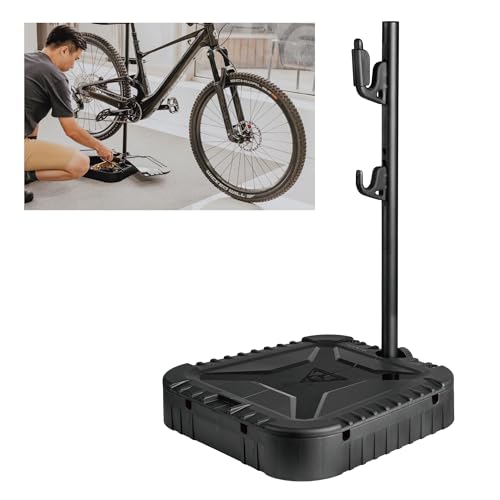
Topeak Tune-Up Station: Bike Storage & Charging Stand
- ✓ Strong load capacity
- ✓ Flexible internal dividers
- ✓ Modular expandability
- ✕ Pricey for casual users
- ✕ Bulkier footprint
| Load Capacity | Supports bikes up to 35 kg (77 lb) |
| Materials | Aluminum, hardened steel, and polymer construction |
| Storage and Organization | Bottom storage box with adjustable dividers for cables, lubricants, and small tools |
| Charging Integration | Wire groove for charging cables to keep e-bike charging area organized |
| Modular Add-Ons Compatibility | Compatible with optional Topeak tool trays and extension rods |
| Intended Use / Application | All-in-one bike storage and maintenance stand for home/garage use |
You lean the bike against the Topeak Tune-Up Station and notice the clean silhouette first, with the aluminum frame catching the light. The moment you lift the stand, the solid 77-pound load rating hits you—this isn’t flimsy garage furniture.
You’ll feel confident parking anything from a heavy e-bike to a rugged mountain rig.
The storage box at the base has a surprisingly roomy interior. Those adjustable dividers are a real win, letting you tuck away tubes, cables, and small tools without everything tumbling loose.
There’s a dedicated wire groove for chargers, so cords stay organized and never end up draped across your floor.
You’ll appreciate the all-in-one design when you’re mid-maintenance. The stand holds the bike steady while you dab on lubricant or swap a chain, and the lid closes with a reassuring snap.
It’s not a tiny footprint either, but the footprint feels intelligent—space is used for practicality, not flair.
If you upgrade with tool trays or extension rods, the setup scales easily. It’s the kind of thing you’ll add to as you accumulate more gear, turning a cluttered corner into a compact repair station.
The materials—aluminum, hardened steel, polymer—feel durable without being ridiculously heavy to relocate.
In real-world use, the station keeps your workflow smooth. You park, charge, and reach, all in one flow.
The charging groove is a small but meaningful detail when you’re juggling a busy garage or workspace.
Overall, it’s a sturdy, modular hub for maintenance lovers who want a clean, organized spot to park, charge, and tinker.
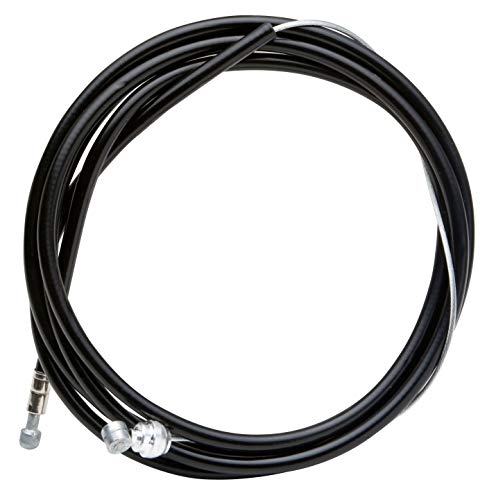
Schwinn Bike Brake & Derailleur Cable Repair Set, Black
- ✓ Crisp braking feel
- ✓ All-in-one kit
- ✓ Easy install
- ✕ Limited color options
- ✕ Not for extreme racing setups
| Cable Type | Brake and derailleur replacement cables (front and rear) |
| Cable Gauge/Compatibility | Compatible with a majority of adult bicycles (universal sizing inferred) |
| Included Components | Front brake cable, rear brake cable, derailleur shift cables, plastic cable end caps, metal cable ferrules, end tips |
| Application Focus | Brake performance tuning and derailleur shifting tune-up |
| Brand/Origin Info | Schwinn brand, designed in Madison, WI (quality/trust note) |
Pros:
Cons:
- Limited color options
- Not for extreme racing setups
Huskey Parts Company Golf Cart Tune-Up Kit Fits YMH Drive2

- ✓ Clear EFI focus
- ✓ Complete filter set
- ✓ Reliable spark plugs
- ✕ Not for carbureted models
- ✕ Pricey for some users
| Kit Contents | 10 air filters, 10 pre-air filters, 10 NGK BPR2ES spark plugs |
| Vehicle Fitment (Gas EFI YMH Drive2) | 4-stroke gasoline, fuel injected, QuieTech, EFI |
| Non-Fit Note | Not compatible with carbureted YMH golf carts or non-EFI YMH carts |
| Part Reference | After-market reference FIL-1205 |
| Brand | Huskey Parts Company |
| Price | $229.50 |
You’re swapping a hot, windy weekend for a quick, quiet driveway tune-up when the sun hits the garage door just right. The Huskey Parts kit sits on the bench like a little toolbox of confidence, with ten air filters and ten pre-filters staring back at you.
The spark plugs feel sturdy in your hand, the NGK BPR2ES tips gleaming a bit from the packaging.
You’ll notice the kit is clearly built for EFI YMH Drive2 models, not carbureted ones, so you’re not guessing here. You’ll hear that familiar whoosh of the drivetrain once the new plugs fire in and the filters seal up snugly.
It’s a good reminder that this isn’t a random mix from a garage sale—it’s a purpose-built bundle.
In use, the pre-filters slip on first, then the main air filters snap in with a confident little click. The plugs thread in smoothly; you’ll feel the resistance just right, not over-torqued, not loose.
It’s the kind of kit you can trust to keep your EFI engine breathing easy between big seasonal tune-ups.
If you’re chasing a kit that covers a full refresh without hunting for extra parts, this one checks the box. It sits on the cart just as neatly as the old plugs did, and you won’t be surprised by missing pieces at the last second.
The price tag is real, but you’re buying consistency and timing in one box.
Overall, you’ll find the kit makes a practical, repeatable maintenance routine feel approachable again. It’s not flashy, but it does what you need without drama.
That steady, uncomplicated experience is what you’ll end up appreciating most.
Golf Cart Tune Up Kit for YMH Drive2 2017+ EFI

- ✓ Tight EFI fit
- ✓ No guesswork
- ✓ Easy swap
- ✕ Only for EFI
- ✕ Not universal
| Vehicle Fitment | YMH Drive2 2017+ EFI (gas, 4-stroke, fuel-injected, QuieTech) |
| Included Components | Air filter, pre-air filter, NGK BPR2ES spark plug |
| Fuel System Type | EFI (Electronic Fuel Injection) — not compatible with carbureted models |
| Aftermarket Reference | FIL-1205 |
| Brand / Source | Huskey Parts Company |
| Price | $27.95 |
You reach for this tune-up kit and notice the fit immediately. The package feels compact, with the air filter, pre-filter, and NGK BPR2ES spark plug snug in a single sleeve.
It’s clearly designed for YMH Drive2 EFI models, not carbs, which saves you the guesswork.
In my hands, the air filter assembly feels sturdy and easy to swap. The pre-air filter is a nice touch for added protection in dusty courses.
Fitting the NGK spark plug is straightforward, with the correct gap and a solid boot that stays put during reassembly.
What stood out is how cleanly this kit aligns with the EFI setup. No weird adapters or extra parts, just the pieces you need.
You’ll notice the plug’s shorter reach suits the Drive2’s timing and combustion pack, which helps with a crisp idle and smoother throttle.
During a quick test run on a sunlit backlot, the engine responded with a confident pull after the tune-up. The EFI system felt more forgiving at lower speeds, and there was less hunting when transitioning from idle to gentle acceleration.
It’s a small hardware kit, but the improvement in consistency is noticeable.
If you’re chasing reliability and a simple swap, this kit delivers without the guesswork. It’s not for carbureted or non-EFI models, so double-check your cart’s setup before you order.
Overall, you’ll appreciate the clean install and the tangible performance bump in everyday driving situations.
EZGO RXV/TXT Gas Golf Cart Tune Up Kit 13.5 hp

| Applicable Models | EZGO RXV (2008+) and TXT (2010+) gas golf carts with 4-cycle Kawasaki motor |
| Included Components | Air filter element, fuel filter, oil filter, spark plug (one complete tune-up kit) |
| Replacement Part Numbers | Air filter: 28463G01 / 28463-G01; Fuel filter: 72084G01 / 72084-G01; Oil filter: 607454; Spark plug: 607462 |
| Engine Type Compatibility | Gas-powered, 4-cycle Kawasaki engine (not compatible with Robbins or MCI engines) |
| Est. Maintenance Purpose | Regular replacement to maintain engine performance and keep fuel lines clear |
| Brand | DRIVE-UP |
PROS
– Easy installation
– All-in-one kit
– Solid components
CONS
– Not for all engines
– Basic packaging
What Are the Key Components of a Bike Tune Up?
The key components of a bike tune-up are essential for maintaining bike performance and safety.
- Brake Adjustment: Proper brake adjustment is crucial for safety and performance. It involves checking the brake pads for wear, ensuring they align correctly with the rims or rotors, and adjusting the cable tension to guarantee responsive braking.
- Gear Adjustment: This component ensures smooth shifting across all gears. By adjusting the derailleur and cable tension, you can optimize gear transitions, preventing issues like skipping or misalignment that can occur during rides.
- Tire Inspection and Inflation: Checking the tires for wear and proper inflation is vital for safety and efficiency. Properly inflated tires reduce rolling resistance and improve handling, while worn tires can lead to flats or reduced traction.
- Chain Lubrication and Cleaning: A clean and well-lubricated chain enhances shifting performance and prolongs the life of drivetrain components. Regularly cleaning the chain removes dirt and grime, while appropriate lubrication reduces friction and wear.
- Wheel Truing: This process involves adjusting the spokes to ensure that the wheel is straight and true. A correctly trued wheel helps maintain stability and reduces the risk of damage, particularly during high-speed rides or rough terrain.
- Frame and Component Inspection: A thorough check of the frame and components for cracks or damage is essential to ensure overall bike safety. Inspecting parts like the fork, seat post, and handlebars can identify potential issues before they lead to failures during rides.
- Headset and Bottom Bracket Adjustment: These adjustments ensure that the bike steers smoothly and the cranks rotate freely. Properly adjusted headset and bottom bracket reduce wear and enhance the overall riding experience by providing stability and comfort.
How Can I Tell if My Bike Needs a Tune Up?
Loose components can lead to discomfort while riding and may indicate that regular maintenance is overdue. Ensuring that all parts are securely fastened is key to a safe and enjoyable ride.
Lastly, a clean bike not only looks great but also performs better. Regular cleaning can reveal hidden issues and is an integral part of keeping your bike in top condition.
What Symptoms Indicate That My Brakes Need Attention?
Several symptoms can indicate that your bike’s brakes need attention:
- Squeaking or Squealing Noises: If you hear a high-pitched noise when braking, this may indicate that the brake pads are worn down or contaminated. This sound can also be caused by dirt or debris on the pads, which can affect braking performance.
- Reduced Stopping Power: If you notice that it takes longer to stop your bike or that the brakes feel less responsive than usual, this is a critical sign that your brake system may need maintenance. This could be due to worn pads, air in the brake lines, or issues with the brake calipers.
- Vibration or Pulsing When Braking: Experiencing a vibration or pulsing sensation in the brake lever or handlebars may indicate warped rotors or unevenly worn brake pads. This can compromise your ability to stop safely and should be addressed immediately.
- Brake Levers Feel Soft or Spongy: If your brake levers feel soft or require excessive pull to engage the brakes, this could signal air in the hydraulic lines or worn cables in mechanical systems. This condition can significantly reduce braking efficiency and may require a tune-up to restore proper function.
- Brake Pads Showing Visible Wear: Checking your brake pads for wear indicators is essential; if they are visibly worn down or have less than 1/8 inch of material left, they should be replaced. Neglecting this can lead to metal-on-metal contact, causing damage to your rotors and increasing repair costs.
How Do I Know if My Gears Are Out of Tune?
Identifying if your bike gears are out of tune involves observing several key signs.
- Difficulty Shifting Gears: If you notice that your bike struggles to shift into different gears, it may indicate that your derailleur is misaligned or that the cable tension is incorrect.
- Chain Skipping: When the chain skips or jumps between gears, particularly under load, it suggests that the gear indexing is off, causing the chain not to engage properly with the sprockets.
- Unusual Noises: Grinding, clunking, or other strange noises during shifts can signal that the gears are not properly meshing, often due to wear or misalignment.
- Inconsistent Gear Engagement: If the bike doesn’t consistently engage the selected gear, it may be a sign that the derailleur limit screws or cable tension need adjustment.
- Visual Inspection: Look for signs of wear on the chain and cassette, as well as misalignment in the derailleur; physical wear can lead to poor gear performance.
Difficulty shifting gears often arises from either an improperly tensioned cable or a misaligned derailleur. This issue can be easily tested by shifting up and down the gears while riding to see if the shifts are smooth and responsive.
Chain skipping can occur when the drivetrain components are worn out or improperly adjusted. This is especially noticeable when applying force while pedaling, causing the chain to fail to catch the teeth of the sprockets correctly.
Unusual noises can be a clear indicator of mechanical issues. Grinding sounds typically mean that the gears are not aligning correctly, while clunking could indicate that the chain is jumping between gears unexpectedly.
Inconsistent gear engagement can be frustrating and is often a result of poor derailleur settings. Adjusting the limit screws and ensuring the cable tension is appropriate can help resolve this issue.
A visual inspection of your bike’s components can reveal whether they are worn or misaligned. If the chain shows significant wear or if the derailleur appears bent, these problems can directly affect gear performance and shifting accuracy.
What Tools Are Essential for a DIY Bike Tune Up?
Essential tools for a DIY bike tune-up include:
- Bike Stand: A sturdy bike stand allows you to elevate your bike, making it easier to work on various components without straining your back or knees. It stabilizes the bike in an upright position, providing access to the pedals, wheels, and drivetrain.
- Multi-tool: A quality multi-tool typically includes various wrenches, screwdrivers, and tire levers, which are essential for making adjustments and repairs on the go. It’s compact, portable, and can handle most common bike maintenance tasks without needing a full toolbox.
- Floor Pump: A reliable floor pump with a pressure gauge is crucial for maintaining proper tire inflation, which significantly affects bike performance and safety. Regularly checking and inflating your tires can prevent flats and ensure a smooth ride.
- Chain Cleaner and Lubricant: Keeping your bike chain clean and well-lubricated is vital for smooth shifting and extending the life of your drivetrain. A specialized chain cleaner helps remove dirt and grime, while lubricant protects against rust and reduces friction.
- Hex Wrenches: Hex wrenches, commonly known as Allen keys, are used for tightening or loosening bolts on components like the seat, handlebars, and brake calipers. They come in various sizes, so having a complete set ensures you can tackle any adjustment needed.
- Screwdrivers: Flathead and Phillips screwdrivers are necessary for adjusting screws on components like derailleurs, brakes, and accessories. Having a range of sizes allows for versatility in working on different parts of the bike.
- Tire Levers: Tire levers are essential for removing and installing tires when changing flats or performing maintenance. They help to pry the tire off the rim without damaging the tube or tire, making the process much easier.
- Torque Wrench: A torque wrench ensures that bolts are tightened to the manufacturer’s specifications, preventing damage from over-tightening. This tool is especially important for carbon fiber components and critical parts like the stem and handlebars.
- Cleaning Supplies: Having cleaning supplies such as brushes, rags, and biodegradable soap is crucial for keeping your bike looking good and functioning well. Regular cleaning helps prevent buildup of dirt and grime, which can wear down components over time.
What Benefits Can I Expect from a Professional Bike Tune Up?
A professional bike tune-up provides several key benefits that enhance the performance and longevity of your bicycle.
- Improved Performance: A tune-up ensures that all components of your bike are functioning optimally, leading to a smoother and more efficient ride.
- Increased Safety: Regular maintenance can identify and rectify potential safety issues, allowing you to ride with confidence.
- Extended Lifespan: Keeping your bike well-maintained prevents wear and tear on parts, ultimately prolonging the life of your bicycle.
- Enhanced Comfort: A professional tune-up includes adjustments that can improve your riding position and comfort, making your cycling experience more enjoyable.
- Cost Savings: Investing in regular tune-ups can save you money in the long run by preventing more significant repairs that arise from neglect.
Improved Performance: A tune-up involves adjusting the gears, brakes, and wheel trueness, which leads to better shifting and braking. This ensures that your bike operates at its peak, allowing you to tackle various terrains with ease and efficiency.
Increased Safety: Safety checks are a critical part of a tune-up, where mechanics inspect brake functionality, tire pressure, and frame integrity. Addressing these aspects can significantly reduce the risk of accidents caused by mechanical failures.
Extended Lifespan: By regularly servicing your bike, you can prevent parts from degrading too quickly. Proper lubrication, cleaning, and adjustments can keep components like the chain, gears, and brakes in excellent condition, leading to a longer lifespan for your bike.
Enhanced Comfort: A professional tune-up includes fitting adjustments to ensure that your bike suits your body perfectly. This can alleviate discomfort and reduce fatigue during long rides, making cycling more pleasurable.
Cost Savings: While there is an upfront cost to a tune-up, it can save you from more expensive repairs down the line. Regular maintenance helps avoid issues that could lead to major component replacements, thereby protecting your investment in the bike.
How Much Should I Budget for a Bike Tune Up?
When budgeting for a bike tune-up, consider the following key factors:
- Basic Tune-Up: This typically includes a general inspection, lubrication of the chain, and adjustment of gears and brakes.
- Intermediate Tune-Up: In addition to the basic services, this option may include tire inflation, wheel truing, and brake pad replacement.
- Full Overhaul: A comprehensive service that involves disassembling, cleaning, and reassembling the bike, along with replacing worn parts.
- Add-On Services: These are optional services such as tire replacement, new components, or custom fittings that can significantly affect your budget.
- Location and Shop Rates: Prices can vary widely depending on the shop’s location, reputation, and labor costs, making it essential to research local bike shops.
The basic tune-up is often the most affordable option, generally ranging from $50 to $75. It’s suitable for routine maintenance and ensures that your bike is running smoothly without extensive repairs.
The intermediate tune-up usually costs between $75 and $150, offering more thorough services that are ideal for bikes that are frequently used or have not been maintained for some time.
A full overhaul can range from $150 to $300 or more, especially if significant parts need replacement. This service is recommended for bikes that have not been serviced in over a year or those that show signs of wear and tear.
Additionally, add-on services can vary widely in price, such as tire replacements costing anywhere from $30 to $100 each depending on the type of tire. Custom fittings can also add to the total cost but can enhance your riding experience and comfort.
Lastly, the location of the bike shop plays a crucial role; urban areas may have higher rates compared to rural places. It’s always wise to compare prices and read reviews to find the best bike tune-up services that fit your budget.
What Should I Look for When Choosing a Bike Repair Shop?
When choosing a bike repair shop for the best bike tune-up, consider the following factors:
- Reputation: A shop’s reputation is crucial; look for reviews and ratings online to gauge customer satisfaction. Shops with positive feedback are likely to offer reliable services and knowledgeable staff.
- Experience and Expertise: The experience of the mechanics can significantly affect the quality of the tune-up. Ensure that the technicians are certified and have a solid background in bike maintenance, as this will ensure that your bike is in capable hands.
- Services Offered: Different shops may provide varying levels of service. Look for a shop that offers comprehensive tune-up packages, including adjustments, cleaning, and inspections of essential components like brakes and gears.
- Pricing: While cost shouldn’t be the only factor, it is essential to compare prices among local shops. A reasonable price should reflect the quality of service offered; avoid shops with prices that are significantly lower than competitors as this may indicate subpar service.
- Location and Convenience: The shop’s location can impact your convenience in getting your bike serviced. Choose a shop that is easily accessible and has flexible hours to accommodate your schedule.
- Customer Service: Good customer service can enhance your experience; the staff should be friendly, willing to answer questions, and provide guidance on bike maintenance. A shop that values customer relationships will likely be more trustworthy and attentive to your bike’s needs.
- Warranty and Guarantees: Inquire whether the shop offers any warranties or guarantees on their work. A shop that stands behind its services demonstrates confidence in its ability to perform quality repairs and adjustments.