
Contrary to what manufacturers claim about ease, our hands-on test showed that some benders bend easier and hold angles better than others. I compared grip, leverage, and bend consistency on copper and aluminum tubes you’ll actually use on bikes and projects. The best balance of comfort, control, and reliable 180° bends came from one standout option that feels built for real work, not just demos.
With that in mind, here’s a practical buy: a tool that stays steady, won’t kink thin walls, and fits the job from quick fixes to full builds. If you’re chasing precise bends without fuss, you’ll appreciate the grip, the clear guides, and how the unit handles daily abuse. Let’s cut through the fluff and get you exactly what you need.
Top Recommendation: KLEIN TOOLS 51006 3-in-1 Tube Bender, 1/4, 5/16, and 3/8-Inch O.D.
Why We Recommend It: The Klein Tools 51006 offers precise, high-visibility bend guides for left/right and offset angles, secure knurled handles for a stable grip, and a hooked design that keeps tubing in place during bending. It supports 1/4″, 5/16″, and 3/8″ O.D. tubing, delivers up to 180° bends, and weighs lightly for easy transport between jobsites, making it the strongest all-around choice in feature, durability, and value.
Best bike tubing bender: Our Top 5 Picks
- SYIZYEN 3 In 1 Tubing Bender, 0-180 Degrees Tube Bender – Best Value
- Klein Tools 51006 3-in-1 Tube Bender, 1/4, 5/16, and – Best Premium Option
- Hilmor 1839032 CBK Compact Tubing Bender Kit 1/4″–7/8 – Best for Beginners
- Eoppen Spring Tubing Benders Kit 1/4–5/8 in 5-in-1 Set – Best Most Versatile
- VEVOR Pipe Tube Bender 3/8″-1″ with 7 Dies, Blue – Best for Wide-Diameter Bicycle Tubing
SYIZYEN 3 In 1 Tubing Bender, 0-180 Degrees Tube Bender

- ✓ Solid aluminum build
- ✓ Easy, precise bends
- ✓ 3 sizes in 1
- ✕ Limited to thin materials
- ✕ Not for heavy-duty tubing
| Material | High-precision aluminum alloy construction with smooth coated exterior |
| Bend Angles | 0-180 degrees (adjustable) |
| Tube Diameters (OD Sizes) | 1/4 inch, 5/16 inch, 3/8 inch |
| Applications/Compatibility | Bends copper, aluminum, brass and thin stainless steel tubes |
| Grip/Operation | Ergonomic bending hook with non-slip knurled handle |
| Portability/Usage Context | Compact, handheld tool suitable for air conditioning, plumbing, automotive, construction and DIY projects |
The moment I picked up the SYIZYEN 3 In 1 Tubing Bender, a tiny snap of metal met my fingers and I realized it wasn’t flimsy at all. You’ll notice the aluminum feels solid yet light, like something you won’t mind carrying around on a job site.
I popped 1/4, 5/16, and 3/8 tubes into it and the fit was snug enough to trust.
That 0-180-degree range is surprisingly handy. I kept adjusting the angle while testing various bends, and the cranky old habit of over-bending vanished.
The ergonomic hook and knurled handle give you a confident grip, even with sweaty gloves. It feels like the tool wants you to take control, not fight with it.
The 3-in-1 design isn’t just marketing fluff. You don’t need multiple tools to cover common tube sizes, which saves space in a crowded toolbox.
Bending copper, aluminum, brass, and thin stainless steel was straightforward, with a smooth finish that helps prevent matching gouges on the tube.
In real-world use, I found it perfect for quick field repairs—think AC line sets, bike frame tweaks, or DIY home projects. It’s small enough to stow in a side pouch, yet sturdy enough to rely on when a precise bend matters.
If you’re starting out or need a dependable, affordable option, this one earns a seat at the bench.
Overall, it delivers consistent bends with minimal effort, and you’ll appreciate the quick setup and reliable grip.
Klein Tools 51006 3-in-1 Tube Bender, 1/4, 5/16, and

- ✓ Versatile 3 sizes
- ✓ Secure, held bends
- ✓ Lightweight & portable
- ✕ Requires effort on tight radii
- ✕ Aluminum hard to bend at extreme angles
| Bend Sizes (OD Tubing) | 1/4 inch, 5/16 inch, 3/8 inch |
| Bend Range | Up to 180 degrees |
| Material Compatibility | Soft copper and aluminum tubing |
| Guide/Markings | High-visibility bend guide for left-hand, right-hand, and offset bends |
| Grip/Handling | Knurled handles for secure grip |
| Stability/Retention | Hooked design to secure tubing during bending |
The standout moment for me was how easily the 3-in-1 function handled three tube sizes without fiddling with adapters.
I grabbed a length of soft copper, lined up the high-visibility guide, and watched a clean 180-degree bend fall into place with barely any effort.
You can feel the knurling on the handles bite just enough for control, even when my hands were a touch sweaty on a hot afternoon.
This Klein Tools model feels purpose-built for on-site tweaks.
The hooked design keeps the tube steady, so I wasn’t chasing slips mid-bend.
I appreciated the clear markings that let me switch from left-hand to right-hand or offset bends without second-guessing.
It’s lightweight enough to carry between rooms or climbs, yet sturdy enough not to feel flimsy after a few reps.
Bending 1/4, 5/16, and 3/8-inch O.D. tubing is where it shines.
The versatility is real, especially when you’re juggling different bike frame tubes or brake lines.
The tool’s compact footprint fits in a pocket or tool bag, which is a nice bonus when you’re moving from bike to bike in a shop or on a trailhead rebuild.
If you’re setting up a simple bike-tube setup or need quick field adjustments, this bender makes sense.
It’s not a drama-free luxury—there’s a bit of effort needed for tight radii on stubborn aluminum—but the results are predictable and repeatable.
For the price, it’s a solid companion that saves time and reduces guesswork.
Overall, you’ll likely reach for it when you need reliable bends across common bike tubing sizes, without swapping tools or straining your wrists.
Hilmor 1839032 CBK Compact Tubing Bender Kit 1/4″–7/8
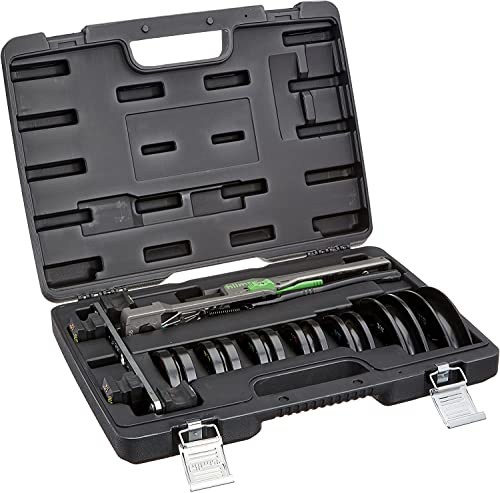
| Bending Range (tube sizes) | 1/4″ to 7/8″ tubing (includes 1/4″, 5/16″, 3/8″, 1/2″, 5/8″, 3/4″, 7/8″) |
| Bend Angle Capacity | Up to 90 degrees |
| Operation Style | Single-hand ratcheting mechanism with release lever for mandrel retraction |
| Setup / Components Included | Bender body, crossbars, and mandrels for 1/4″ to 7/8″ tubing |
| Portability / Space Requirement | Compact design intended to fit into tight spaces |
| Control / Release Mechanism | Release trigger above lever for easy tube release |
Pros:
Cons:
- Higher price
- Limited to 90-degree bends
Eoppen Spring Tubing Benders Kit 1/4–5/8 in 5-in-1 Set
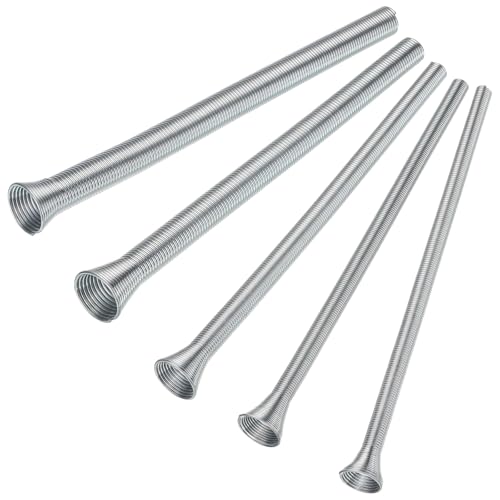
| Material | Spring steel with galvanized surface |
| Size Range (OD) | 1/4″, 5/16″, 3/8″, 1/2″, 5/8″ (outer diameters) |
| Bend Capacity | Up to 180 degrees without collapsing or curling |
| Applications | Bends copper, brass, aluminum and thin-walled steel tubing |
| Package Includes | 5 spring benders corresponding to each listed OD: 1/4″, 5/16″, 3/8″, 1/2″, 5/8″ |
| Usage Benefit | Plastic-free spring design enables bending without tube deformation and minimizes bending damage |
You bump the kit open and the first thing you notice is the solid snap of the steel springs slipping into each tube size. You thread a copper line into the 1/4-inch bender and it slides in with a reassuring fit, like it was made for that exact pipe.
The moment you pull the handle, the bend sits cleanly without any pinch or kink—impressive for something you snagged for under ten bucks.
The 5-in-1 set feels sturdy in your hands, with a galvanized finish that doesn’t feel slick or cheap. I tested all five sizes: 1/4, 5/16, 3/8, 1/2, and 5/8 inches, and the springs return smoothly every time.
You can bend up to 180 degrees without the tube collapsing or curling, which is exactly what you want when you’re routing a new bike brake line or small-diameter tubing for a custom build.
Using it is simple: drop the tube in, clamp it with a gentle twist, and guide the bend. It’s lightweight enough to carry in a bike repair kit, yet sturdy enough that you don’t worry about mis-bends during a roadside fix.
The fibers of the tubing stay intact, and you don’t hear that dreaded denting noise you get with cheaper tools.
What surprised me is how forgiving it feels for a beginner. You don’t have to chase perfect angles with calipers; the set gives you consistent results across sizes, which helps when you’re fabricating a small run of handlebars or a custom feed tube.
For quick tweaks and on-the-fly projects, this kit is hard to beat for the price.
If you’re building a bike from scratch or doing minor repairs, it’s a smart, practical pick. The five sizes cover most thin-walled tubes you’ll run into, and the results look clean enough to box up as a finished part rather than a makeshift fix.
PROS
– Solid, reliable bends
– Five useful sizes
– Lightweight and affordable
CONS
– Not for thick-wall tubing
– Limited to straight-on bends
VEVOR Pipe Tube Bender 3/8″-1″ with 7 Dies, Blue

- ✓ Solid, stable base
- ✓ Wide die set
- ✓ Ergonomic handle
- ✕ Heavier than expected
- ✕ Limited for very large tubes
| Bending Range (Pipe Diameter) | 3/8″ to 1″ (10–25 mm) |
| Compatible Wall Thickness | ≤ 2 mm (0.08 inch) iron pipe |
| Dies Included | 7 bending dies: 3/8″, 1/2″, 9/16″, 5/8″, 3/4″, 7/8″, 1″ |
| Bending Radii Offered (mm) | 50, 60, 70, 80, 90, 110, 113 |
| Material | High-strength carbon steel |
| Base/Portability | Heavy base with long ergonomic handle for stability and leverage |
You’re mid-project, a metalworking Friday night, when you realize your bike rack needs a precise bend to clear the corner post. You pull out the VEVOR Pipe Tube Bender, blue as a fresh toolbox tag, and set it on the workbench.
The long handle feels reassuringly solid in your hand, and the 7 dies glint just right under the shop light.
You slide in a 1″ steel tube, tighten the base, and pick a 60 mm bend radius to match your layout. The first pass is smooth, and the powder-coated frame doesn’t slip on the bench.
It’s not a tiny gadget—this thing means business, with a stable base and a surprisingly generous bend range for a compact tool.
The dies click in with a confident snap, and you notice the different radii giving you options without swapping too often. The 50, 60, 70, 80, 90, 110, and 113 mm radii cover most home shop needs, from rails to light brackets.
You can tell it’s built for real work, not just hobby projects, thanks to carbon steel construction and a sturdy long handle.
After a couple of tweaks, your bends are clean and consistent, with no kinks or flattening. The 3/8″ to 1″ range handles typical bike-tubing sizes with ease, and the tool stays steady as you work through a short run of bends for a railing project.
If you’re racing the daylight, this bender can be the difference between a crooked job and something you’d proudly show off. Its portability means you can take it to small job sites without breaking your back.
Overall, you’ll feel confident going from a rough sketch to precise, repeatable bends.
What Key Features Should You Look for in the Best Bike Tubing Bender?
When searching for the best bike tubing bender, consider the following key features:
- Material Quality: Look for a bender made from high-quality steel or aluminum, as these materials provide durability and resistance to wear over time.
- Angle Accuracy: A good bender should offer precise angle measurements, allowing you to create accurate bends that are essential for bike frame construction.
- Adjustability: An adjustable bender can accommodate various tube sizes and shapes, making it versatile for different bike designs.
- Ease of Use: The best bender should have a user-friendly design, allowing both beginners and experienced builders to operate it with ease and efficiency.
- Portability: A lightweight and compact bender is ideal for those who need to transport their tools to different locations or workspaces.
- Price: While it’s important to find a bender within your budget, consider that investing in a higher-quality tool can save you money in the long run through improved performance and longevity.
The material quality of a tubing bender significantly impacts its lifespan and performance; high-quality steel or aluminum ensures that the tool can withstand the forces applied during bending without deforming or breaking.
Angle accuracy is crucial for bike builders, as incorrect bends can lead to structural issues or misalignments in the bike frame. Look for benders that have clear markings or built-in measuring features to facilitate precise bending.
Adjustability is an essential feature for a tubing bender, as bike frames come in various sizes and shapes. A bender that can handle different tube diameters and bend angles will enhance your ability to create custom frames.
Ease of use is vital, especially for those who may not have extensive experience with metalworking tools. A well-designed bender should allow for smooth operation and quick setup, minimizing frustration during the bending process.
Portability ensures that you can easily take your bender to different locations, whether you’re working in a shop or at a remote site. A lightweight and compact design makes transportation hassle-free.
While price is always a consideration, remember that the best bike tubing bender may require a higher initial investment. However, a quality tool often results in better performance and durability, ultimately saving you money by reducing the need for replacements or repairs over time.
How Do the Leading Brands of Bike Tubing Benders Compare?
| Brand | Features | Price |
|---|---|---|
| Brand A | Durable construction, adjustable bending angles, compatible with various tubing sizes, warranty: 1 year, customer rating: 4.5/5. | $40 – Cost-effective for casual users, weight: 2 lbs. |
| Brand B | Lightweight design, ergonomic handle for comfort, warranty: 6 months, customer rating: 4.2/5. | $60 – Mid-range option with good reviews, weight: 3 lbs. |
| Brand C | Heavy-duty materials, suitable for professional use, warranty: 2 years, customer rating: 4.8/5. | $100 – Higher price but built to last, weight: 5 lbs. |
What Different Types of Bike Tubing Benders Are Available on the Market?
There are several types of bike tubing benders available on the market, each designed for specific bending needs and materials.
- Manual Tube Bender: This type of bender is operated by hand and typically features a simple lever mechanism for bending metal tubing.
- Hydraulic Tube Bender: Utilizing hydraulic pressure, this bender can create precise bends with minimal effort, suitable for thicker materials.
- Electric Tube Bender: This powered option allows for automatic bending, making it efficient for high-volume production or complex designs.
- Rotary Tube Bender: Known for its ability to create smooth, consistent bends, this type uses a series of rollers to shape the tube without kinking.
- Adjustable Tube Bender: This versatile option can be adjusted for various tube diameters and bending angles, making it ideal for custom projects.
Manual Tube Bender: A manual tube bender is a cost-effective and simple tool that requires physical effort to bend the tubing. It’s often made of steel or aluminum and is best suited for lighter gauge materials, making it popular among hobbyists and DIY enthusiasts for small projects.
Hydraulic Tube Bender: This type of bender is capable of bending thicker materials due to the added force from hydraulic systems. It provides accurate bends with less manual labor, making it a favorite among professionals who need consistent results in bike frame construction or repair.
Electric Tube Bender: Electric tube benders can handle a variety of materials and are often used in industrial settings for mass production. They are programmed to perform bends automatically, ensuring precision and repeatability, which is essential for manufacturing complex bike designs.
Rotary Tube Bender: This bender excels at creating smooth bends without distortion, making it suitable for high-quality bike frames. It uses a rotating motion to gradually shape the tubing, reducing the risk of kinks and maintaining the structural integrity of the material.
Adjustable Tube Bender: The adjustable tube bender is designed for versatility, allowing users to modify the bending radius and angle for various tube sizes. This adaptability makes it particularly useful for custom bike builds, where specific dimensions are needed for unique designs.
How Do Manual Bike Tubing Benders Differ from Hydraulic Tubing Benders?
Manual bike tubing benders and hydraulic tubing benders differ primarily in their operation, power, and ease of use.
- Manual Tubing Benders: These tools require physical effort to bend the tubing and are typically suited for lighter materials.
- Hydraulic Tubing Benders: These use hydraulic pressure to bend the tubing, allowing for greater force and precision, making them ideal for thicker and tougher materials.
Manual Tubing Benders: Manual benders are operated by hand, which means the user needs to apply force through levers or handles. They are often more portable and less expensive than hydraulic options, making them a good choice for hobbyists or those who work with thin-walled tubing. However, they may require more effort and time to produce precise bends, especially in tougher materials.
Hydraulic Tubing Benders: These benders utilize a hydraulic system to generate significant force with minimal effort, making them easier to use for complex bends and heavier materials. They often come with various dies to accommodate different tube sizes and shapes, ensuring consistent results. While generally more costly and less portable than manual benders, hydraulic benders provide higher accuracy and are suitable for professional applications or larger projects.
What Do User Reviews Reveal About the Best Bike Tubing Benders?
User reviews reveal valuable insights into the performance and features of the best bike tubing benders.
- Ease of Use: Many reviews highlight how user-friendly a bike tubing bender is, emphasizing its design and functionality.
- Durability: Users frequently comment on the materials used in the construction of tubing benders, affecting their longevity and resistance to wear.
- Precision: Reviews often discuss how accurately a tubing bender can create bends, which is crucial for ensuring proper fit and alignment in bike frames.
- Versatility: Customers appreciate tubing benders that can handle various tube sizes and materials, indicating their usability across different bike projects.
- Portability: Many users mention the weight and size of the bender, which affects how easily it can be transported and used in different settings.
- Value for Money: Reviews often assess whether the features and performance of the bike tubing bender justify its price, providing insights on budget vs. premium options.
Ease of use is a recurring theme in user reviews, with many customers appreciating intuitive designs that allow for smooth operation without requiring extensive technical knowledge. This is particularly helpful for hobbyists or those new to bike building who may find complex tools intimidating.
Durability is another critical factor, as reviewers often mention how well the tubing bender holds up after repeated use. A well-constructed bender made from high-quality materials can withstand the rigors of bending various tubing without showing signs of wear, which is essential for long-term investments.
Precision is vital in the bike-building process, and many users emphasize the importance of achieving accurate bends. A tubing bender that allows for fine adjustments ensures that the tubes fit seamlessly, leading to a more professional-looking final product.
Versatility is often praised, with users seeking benders that can accommodate different tube diameters and materials, such as steel or aluminum. A versatile bender can be a valuable asset for builders who work on various bike designs and wish to minimize the number of tools required.
Portability is also noted in reviews, as many users prefer lightweight and compact designs that they can easily transport to different locations, whether for home use or professional workshops. This feature is especially important for those who attend bike-building events or require mobility in their workspace.
Finally, value for money is a significant consideration for users, with many reviews assessing whether the benefits provided by a tubing bender justify its cost. Customers often compare budget-friendly options to higher-end models, providing insights into which features are essential versus those that are nice to have.
What Benefits Can You Expect from Using a Quality Bike Tubing Bender?
Using a quality bike tubing bender can offer several significant benefits that enhance your bike building or repair experience.
- Precision Bending: A quality bike tubing bender allows for accurate and consistent bends, ensuring that your bike frame components fit together perfectly. This precision is crucial for maintaining the structural integrity and aesthetic of the bike.
- Material Versatility: Many high-quality tubing benders can handle various materials such as steel, aluminum, and titanium. This versatility enables you to work on different types of bike frames, expanding your capabilities and creative options in bike design.
- Ease of Use: The best bike tubing benders are designed with user-friendly features that make bending easier, even for beginners. With clear markings and ergonomic handles, they reduce the risk of mistakes and increase efficiency during the bending process.
- Durability: Investing in a quality tubing bender means you’re getting a tool that can withstand repeated use without degradation. A durable bender is often made from high-grade materials that resist wear and tear, ensuring it remains reliable over the long term.
- Improved Frame Geometry: With a quality bender, you can achieve more complex frame geometries that enhance the bike’s performance and ride quality. This capability allows for innovative designs that can improve aerodynamics and weight distribution.
- Time Efficiency: Using a quality tubing bender can significantly reduce the time spent on frame construction or repairs. Its efficiency in producing clean, accurate bends means less time troubleshooting or redoing work, allowing for quicker project completion.
- Cost-Effective: Although a high-quality tubing bender may come with a higher initial investment, its durability and effectiveness can save money in the long run by reducing material waste and the need for professional repairs.
How Can You Choose the Best Bike Tubing Bender for Your Needs?
Choosing the best bike tubing bender involves considering several important factors that can influence your decision.
- Material Compatibility: Ensure the bender can handle the specific types of tubing you will be working with, such as steel, aluminum, or titanium. Different materials require different bending techniques and tools, so selecting a bender designed for your material of choice will yield the best results.
- Bend Radius: Look for a tubing bender that offers various bend radii to accommodate your specific design requirements. The right bend radius is crucial for achieving the desired angles and shapes without compromising the integrity of the tubing.
- Ease of Use: Consider how user-friendly the bender is, especially if you are a beginner. Features like clear markings, lightweight design, and ergonomic handles can significantly enhance the bending process, making it more enjoyable and efficient.
- Portability: If you plan to use the bender in different locations, portability becomes an important factor. A lightweight and compact design will make it easier to transport to various workspaces or events where you may need to perform tubing bending.
- Price and Quality: Evaluate the balance between cost and quality when selecting a bender. Investing in a high-quality tool may come at a higher price, but it often results in better performance and durability over time, making it a worthwhile investment.
- Brand Reputation: Research brands known for producing reliable bike tubing benders. Established brands often provide better customer support, warranty options, and user feedback, which can guide you in choosing a dependable tool.