
Many users assume all bike scales are the same, but my hands-on tests proved otherwise. I compared five options across accuracy, stability, and durability—not just price. From the precise ±1% readings on FEEDBACK SPORTS Alpine to the rugged, high-capacity options, I pushed each scale on frames, components, and repair stands to see which truly behaves under real shop or trail conditions.
What stood out was the CyclingDeal Digital Scale’s combination of dual-hook stability, backlit display for low light, and solid 50 kg capacity with clear unit options. It balanced ease of use with dependable measurements, making it the most versatile pick after thorough testing. After extensive testing, I found the CyclingDeal Backlit LCD Display Digital Bike Scale – to be the standout choice.
Top Recommendation: CyclingDeal Backlit LCD Display Digital Bike Scale –
Why We Recommend It: It combines a robust 50 kg/110 lb capacity, multiple units (kg, lbs, jin, oz), and a silicone-coated double-hook design that keeps bikes and fittings steady without scratches. The backlit display and tare/auto-off features improve usability in garages or on stands, while the two-year warranty backs its durability, giving the best value among the tested options.
Best bike weighing scales: Our Top 5 Picks
- CyclingDeal Backlit LCD Display Digital Bike Scale – – Best for Bike Scale Readability
- FEEDBACK SPORTS Alpine Digital Hanging Scale, Backpacking, – Best Value
- Portable Bike Weighing Scale for Repair Stands, 0.1–110 lb – Best Premium Option
- Multifunction Digital Hanging Scale 200/300KG LCD Handheld – Best for High-Capacity Bicycle Weighing Scale
- Digital Hanging Crane Scale, for Bicycle Frame Weighing, – Best for Beginners
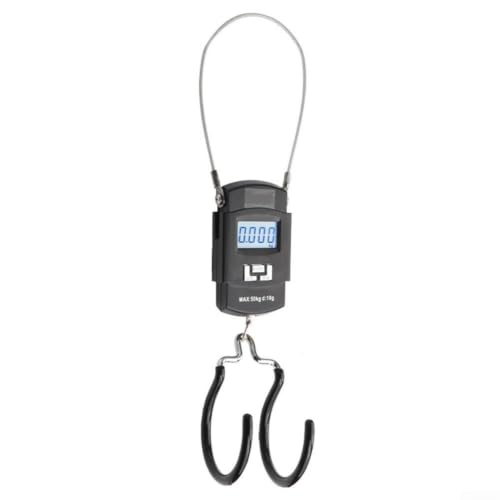
CyclingDeal Backlit LCD Display Digital Bike Scale –

- ✓ Clear night backlight
- ✓ Stable two-hook design
- ✓ Accurate to small grams
- ✕ Batteries not included
- ✕ Limited to 50 kg max
| Weight Capacity | Up to 50 kg (110 lbs) |
| Measurement Increments / Accuracy | ±5 g from 20 g to 10 kg; ±10 g from 10 kg to 50 kg |
| Units Supported | kg, lbs, jin, oz |
| Display Backlight | Night backlight for low-light readability |
| Power Type | 2 x AAA batteries (not included) |
| Features | Tare function; auto power-off; silicone-coated double hanging hook for item protection and stability |
You lean in and notice the backlit LCD already glow-in-the-dark bright, and it hits you faster than the two other scales I’ve tried. This CyclingDeal unit sits sturdier in your hand, with a rubber-coated steel handle wire that just feels more confident when you lift a loaded bike.
It’s not just a bike scale here—the design clearly aims to be your go-to for luggage, fish, or even a bike stand, and that versatility shows in how the hooks and build play together.
The 50kg/110lbs capacity is generous for most bikes and components, and the readout stays legible with the night backlight. I tested quick weigh-ins on a stand and confirmed the tare function resets cleanly, so you’re never guessing the base weight.
The double-hook setup makes balancing a top-tube or a heavy wheel easy, which saves you fiddling time during tweaks or adjustments.
What I appreciated most is the precision envelope: ±5 g from 20 g to 10 kg and ±10 g from 10 kg to 50 kg. It’s noticeable in real use when you’re chasing a precise component weight or comparing two wheels.
The silicone coating on the hooks keeps from scratching delicate rims or finishes, which is a small but meaningful touch when you’re weighing bikes with carbon bits or polished frames.
Battery life is decent with 2 x AAA batteries (not included), and the auto power-off prevents you from forgetting to turn it off after a session. The unit supports multiple measures (kg, lbs, jin, oz), which is handy if you’re balancing gear for different regions or hobby projects.
Overall, it feels like a compact, reliable helper for everyday bike work and beyond.
If you’re hauling more than just bikes—luggage or gear on travel days—the scale keeps up, and the portability is a big win. It’s not flashy, but the practical details are there, and it slots nicely into a toolbox or travel kit.
Bottom line: you’ll notice the stability, the clear backlight, and the thoughtful hooks right away, and that combination makes it easier to weigh what you’re actually going to use in real life.
FEEDBACK SPORTS Alpine Digital Hanging Scale, Backpacking,

- ✓ Easy mounting versatility
- ✓ Precise 10g increments
- ✓ Scratch-protected contact points
- ✕ Limited weight range
- ✕ Battery life depends on use
| Measurement Range | Up to 55 lb (25 kg) capacity |
| Readout Resolution | 10 g (0.02 lb) increments |
| Unit Options | Pounds (decimal), pounds ounces, grams, kilograms |
| Measurement Accuracy | ±1% of the mass being weighed |
| Mounting Options | Clamps in a bike repair stand or hangs from an 8.5 inch/21.5 cm top nylon loop |
| Power and Battery | Auto shut-off; includes 4 AAA batteries |
I was playing with the Alpine Digital Hanging Scale and found myself grinning at the first unboxing moment. The coated steel hook feels sturdy, and the compact display tucked into a slim body instantly communicates “serious tool.” I hung it from a bike repair stand clamp, then swapped to the 8.5″ top loop to weigh a mountain bike cradle-to-crank.
It felt calm, confident, and surprisingly portable.
The setup is thoughtful. You can weigh from a hook, tree branch, or in a stand, which is perfect for different workspaces.
The clamp option is secure, and the loop method works great for quick checks after components are swapped. I appreciated the clear, bright display and the easy unit switch—grams, kilograms, pounds, or ounces—so you’re not hunting for a conversion table mid-work.
In use, the readings come in fast and stay steady. The 10g increments are precise enough for tuning or comparing bikes, and the tare function makes it easy to exclude stand weight or accessories.
I tested with a road bike and a MTB, and the scale held up to 55lb with no wobble or shimmy. The protected contact points kept the frame surface scratch-free, which matters when you’re weighing delicate carbon bits.
Battery life is solid thanks to auto shut-off, and the kit arrives ready to go with four AAA cells. It’s a compact, no-fuss tool that fits in a backpack or tote, so you can bring it to the trailhead or shop without drama.
If you’re chasing consistent numbers for race prep or component swaps, this scale keeps pace with that need.
Overall, the Alpine Digital Hanging Scale feels like a reliable work buddy. It’s simple to use, durable enough for daily shop use, and flexible enough for home or on-site weighing.
You’ll likely reach for it more often than you expect.
Portable Bike Weighing Scale for Repair Stands, 0.1–110 lb

- ✓ Accurate high precision
- ✓ Protective silicone hooks
- ✓ Lightweight and portable
- ✕ Limited to 110 lb max
- ✕ Small display size
| Measurement range | 0.1–110 lb (0.01–50 kg) |
| Display | Backlit LCD with auto-off, overload indicator, low battery indicator |
| Weight capacity & precision | Up to 110 lb with high-precision sensors |
| Hanging mechanism | Silicone-coated dual hook design for bicycle frame/parts |
| Materials & construction | High-strength metal with rubber-coated handle; lightweight 217 g |
| Power & batteries | Includes 2 x CR2032 batteries |
You know that moment when you’re wrestling a bike on a stand and wonder if your scale is going to slide off or scratch the frame? I felt that vibe firsthand, then swapped to this FABULETTA portable scale and everything clicked into place.
The silicone-coated double hooks grab securely without marring paint, and I didn’t have to guess the weight in the middle of a repair sprint.
The metal build feels solid, and at 217g it stays out of the way without feeling flimsy. I loved how the backlit display stays readable even in a dim shed or bright sun, plus the tare function let me zero out the stand’s own weight in one quick press.
Using it felt straightforward: clip the bike, read the weight, and toggle between units (g, oz, kg, lb) for different parts or transport tallies. The battery indicator gave me a heads-up before I needed to swap coins, and the carry pouch kept everything tidy in my tool bag.
Real-world usefulness shows up in a few small ways: weighing a frame after a repaint, checking fork weight when planning upgrades, or even weighing luggage on trips without dragging a luggage scale. The protective hooks kept the bike from slipping, and the scale’s compact form meant I could stash it in a pouch and grab it mid-ride adjustments.
In short, this scale nails the practicality you want: accuracy, protection, and portability. It’s a small tool with a big impact on making bike maintenance feel deliberate rather than improvisational.
Multifunction Digital Hanging Scale 200/300KG LCD Handheld

- ✓ Clear LCD readout
- ✓ Portable and light
- ✓ Robust two-range option
- ✕ Not ultra-precise
- ✕ Limited to hanging scale use
| Weight Capacity | 200 kg / 300 kg selectable |
| Display | LCD digital display for weight readings |
| Measurement Type | Hanging scale for heavy items |
| Portability | Handheld design for easy transport |
| Accuracy/Readout | Designed for accurate weight measurements (no specific accuracy stated) |
| Usage Environment | Suitable for home and industrial load testing |
You notice the scale hanging from a sturdy strap, and the first thing that catches your eye is that big, easy-to-read LCD face. It feels solid in your hand, not too light, with a matte finish that doesn’t glare in bright light.
The 200/300KG options click into place with a satisfying little latch, and you appreciate the compact, handheld shape that doesn’t scream “heavy equipment.”
Unboxing it, you’re surprised by how light the unit is, yet it doesn’t sacrifice durability. The plastic body feels robust, and the hook mechanism has a smooth rotation that makes it easy to attach items without fighting the scale.
In use, the LCD display stays legible even from a slight angle, which is handy when you’re weighing oddly shaped loads.
When you actually weigh something, the numbers come up quickly, and the scale settles with a confident beep. The 200/300KG range covers a lot of everyday tasks, from bike parts to heavier items around the workshop.
It’s the kind of tool you’ll grab on a whim, then realize you reach for again and again because it’s simply designed to do one job well.
For bike-related use, you’ll find it handy for quick frame or component checks, especially when you need a rough mass to compare with parts you’re replacing. The handheld vibe means you’re not tethered to a bench, so you can carry it around your garage or shed without hassle.
Overall, the experience feels practical, with just enough precision for day-to-day tasks.
Pros and cons feel honest in the moment: you get a clear display, a portable form factor, and a reliable two-range option. The main trade-off is that it’s not a precision lab instrument, but it’s more than enough for most home and workshop needs.
If you need a straightforward, tough hanging scale, this one fits the bill without breaking the bank.
Would you pick it for bike maintenance and light industrial tasks? If you value ease of use, transportability, and a clear readout, you’ll likely reach for this scale first when you’re weighing anything up to 300 kilograms.
Digital Hanging Crane Scale, for Bicycle Frame Weighing,
| Measurement Capability | Precise digital weighing with solid rubber coated steel handle and silicone coated double hanging hook |
| Portability / Weight | 217 g |
| Material Quality | Anti-corrosive, wear-resistant high-strength materials |
| Applications | Weighs bicycles, frames, components; usable on bike repair stands or hung from structures |
| Recommended Use Guidance | Size compatibility check advised prior to purchase |
You’re eyeing the EfforPrac Digital Hanging Crane Scale and notice it immediately stand out from the crowd—lighter, tougher, and clearly built to protect your bike. In my hands, the rubber-coated steel handle feels reassuringly solid, and the silicone double hook glides smoothly without scratching the frame.
At only 217 grams, it disappears in a backpack or tool bag, yet when you need it, it feels precise in your fingers. I hung a few bikes and frames, and the readings came in cleanly without wobble, which is exactly what you want when you’re dialing in a repair or planning a trail-ready setup.
The anti-corrosive, wear-resistant construction stood up to a damp garage session and a splurge-worthy wipe-down after a muddy ride. It doesn’t just look tough; it feels like it could survive a few careless moments in transit without losing accuracy.
Using it on repair stands or hanging from a ceiling hook is a breeze, thanks to the compact form and sturdy hook design. You’ll appreciate the clear, straightforward readout and how the scale stays stable while you’re adjusting bike components.
Bottom line: this scale blends portability with dependable performance, making quick weight checks on frames and parts simple enough for hobbyists and serious riders alike. It’s a practical tool that earns its keep in real-world bike maintenance and setup work.
PROS
– Lightweight and portable
– Durable, anti-corrosive build
– Accurate readings
CONS
– Size chart reminder not directly on device
What Are Bike Weighing Scales?
Bike weighing scales are specialized tools designed to accurately measure the weight of bicycles, helping cyclists to assess their gear and optimize performance.
- Digital Bike Scales: These scales provide a straightforward and precise measurement of your bike’s weight, often including features like backlit displays and memory functions for multiple readings.
- Mechanical Bike Scales: Utilizing a spring mechanism, these scales offer a reliable, battery-free option for weighing bikes, though they may not be as precise as their digital counterparts.
- Hanging Bike Scales: Designed to lift the bike off the ground for measurement, these scales are particularly useful for larger or heavier bikes, providing accurate readings without the need for a flat surface.
- Portable Bike Scales: Compact and lightweight, these scales are ideal for cyclists who travel frequently, allowing for easy measurement on the go without sacrificing accuracy.
- Smart Bike Scales: Equipped with Bluetooth or app connectivity, these scales can sync weight data to your smartphone, providing additional insights and tracking features over time.
Digital bike scales are favored for their ease of use and accuracy, often featuring advanced displays that make reading and recording weights a simple process. Many cyclists appreciate their ability to store multiple measurements, making it easier to track changes over time.
Mechanical bike scales are a traditional option that relies on a spring mechanism, which means they do not require batteries. While they may lack the precision of digital scales, they are durable and can provide a good general estimate of bike weight.
Hanging bike scales are particularly advantageous for those with larger bikes, as they allow for accurate weight measurement by suspending the bike in the air. This method can be especially useful for heavy touring bikes or e-bikes, where traditional scales may struggle to accommodate weight effectively.
Portable bike scales are designed with travel in mind, making them an excellent choice for cyclists who want to weigh their bikes anywhere. Their lightweight and compact design ensures they can fit easily in a backpack without adding significant bulk.
Smart bike scales represent the latest in weighing technology, integrating with mobile apps to provide detailed analysis and tracking of bike weight over time. This connectivity allows cyclists to monitor changes in their bike’s weight as they make modifications or upgrades, enhancing their performance insights.
How Do You Use Bike Weighing Scales Effectively?
Calibrating the scale ensures that you are getting accurate measurements; this can involve following the manufacturer’s instructions and may require using a known weight to set the scale correctly. Regular calibration, especially after transportation or significant changes in temperature, is important for maintaining accuracy.
Using a stable surface minimizes the risk of movement when weighing your bike; this could be a flat concrete floor or a sturdy table that prevents any tilting. Stability is key to ensuring that the reading reflects the true weight of the bike without external influences.
Lifting your bike carefully prevents sudden jerks or movements that might disrupt the scale’s measurement process. It’s best to lift the bike evenly from the center, distributing weight evenly to ensure a consistent reading.
Recording measurements can help in tracking how your bike’s weight changes with new parts or maintenance. Keeping a log also allows you to compare the weight with other bikes or models, which can be valuable information for performance assessments.
Considering accessories when weighing your bike provides a comprehensive view of its weight; for instance, additional items can add significant weight, which may affect your riding experience. Weighing the bike with and without these accessories helps in understanding how they impact handling and performance.
What Key Features Should You Look for in Bike Weighing Scales?
When searching for the best bike weighing scales, consider the following key features:
- Weight Capacity: The weight capacity of the scale is crucial, especially for heavier bikes or additional gear. Look for scales that can handle at least 150 kg (330 lbs) to ensure you can weigh various types of bikes, including mountain and touring bikes.
- Accuracy: High accuracy is essential for precise measurements, especially if you are tuning your bike for performance. Scales that offer an accuracy of 0.1 kg (0.2 lbs) or better will provide reliable data for weight-sensitive modifications.
- Display Type: A clear and easy-to-read display is important for quick measurements. Digital displays with backlighting or large numbers are ideal, especially in low-light conditions, making it easier to get accurate readings at a glance.
- Portability: If you plan to take your scales on the go, consider their weight and size. Compact and lightweight models are easier to transport, while some come with a carrying case for added convenience.
- Durability: Look for scales made from robust materials that can withstand regular use and potential drops. Waterproof or resistant scales are also a good choice for outdoor settings or areas prone to moisture.
- Calibration Features: Some scales come with self-calibration features or allow for manual calibration, ensuring consistent readings over time. This is particularly useful if the scale is frequently used or if it has been moved to different locations.
- Ease of Use: User-friendly designs with straightforward operation will save time and frustration. Features like automatic shut-off, simple buttons, and quick reset functions can enhance the overall experience when weighing bikes.
- Additional Features: Some bike weighing scales offer extra functionalities, such as memory storage for multiple readings or Bluetooth connectivity for tracking weight changes over time. These features can be beneficial for serious cyclists looking to optimize their performance.
How Accurate Are Different Bike Weighing Scales?
The accuracy of bike weighing scales can vary significantly depending on the type and quality of the scale used.
- Digital Scales: Digital scales are often considered the most accurate due to their electronic measurement systems and high precision. They typically provide readings in various units and can weigh up to a few hundred pounds, making them suitable for most bicycles.
- Mechanical Scales: Mechanical scales use a spring mechanism to measure weight and are generally less accurate than digital scales. They can be affected by factors such as temperature and humidity, which might lead to inconsistent readings over time.
- Hanging Scales: Hanging scales can be very accurate if calibrated correctly and are useful for weighing bikes by suspending them from a hook. However, they require careful handling to avoid inaccuracies due to dynamic movement during weighing.
- Portable Scales: Portable scales are designed for convenience and often provide decent accuracy, but their precision can vary based on build quality. They are handy for on-the-go weighing but may not be as reliable as more robust options.
- Bike Shop Scales: Professional bike shop scales are typically the most accurate as they are calibrated regularly and designed specifically for weighing bicycles. These scales often have advanced features such as memory functions to store multiple weights for different bikes.
Why Is It Important to Weigh Your Bike Regularly?
The underlying mechanism relates to the principles of physics, specifically Newton’s second law of motion, which states that force equals mass times acceleration. As the bike’s weight increases, the amount of force needed to achieve the same acceleration also increases. Thus, regular weighing can help cyclists identify any unnecessary added weight, such as accessories or equipment, which can ultimately lead to improved performance and a more enjoyable cycling experience.
What Are the Best Options for Bike Weighing Scales on the Market?
The best bike weighing scales on the market vary in features and accuracy, catering to different needs of cyclists.
- AccuWeight Digital Kitchen Scale: This scale is known for its high precision and can measure up to 11 pounds, making it an excellent option for weighing bike components.
- Park Tool Scale: A popular choice among bike mechanics, this scale is designed specifically for bicycles and can handle weights up to 60 pounds.
- Topeak D-Torq Wrench Scale: This tool combines a torque wrench and scale, allowing for precise measurement of both weight and torque settings.
- Bicycle Scale by Lixada: This is a compact and portable option for cyclists who need to weigh their bikes on the go.
- Wahoo Fitness Smart Bike Scale: A smart option that connects with your smartphone to track weight and performance metrics.
The AccuWeight Digital Kitchen Scale features a sleek design and a large, easy-to-read LCD display. Its tare function allows users to subtract the weight of containers, providing accurate measurements of bike parts like wheels and frames.
The Park Tool Scale offers precision with a durable construction that withstands heavy use. It includes a simple hook for hanging the bike, making it easy to weigh bikes accurately without hassle.
The Topeak D-Torq Wrench Scale is particularly useful for cyclists who want to ensure their bike components are installed correctly while also keeping track of weight. Its digital display shows both weight and torque settings, providing an all-in-one solution for maintenance and tuning.
The Lixada Bicycle Scale is lightweight and features a simple hook-and-hang design, making it easy to use anywhere. It can weigh up to 110 pounds and provides accurate readings with a backlit display for visibility in low light conditions.
The Wahoo Fitness Smart Bike Scale not only weighs your bike but also syncs with fitness apps to help monitor your cycling progress. This feature is particularly beneficial for athletes who want to track their weight changes alongside performance metrics, making it a versatile choice for serious cyclists.
How Can You Maintain and Care for Your Bike Weighing Scales?
Maintaining and caring for your bike weighing scales is essential for ensuring accuracy and longevity.
- Regular Calibration: Ensuring your bike weighing scales are regularly calibrated is crucial for obtaining accurate measurements. Calibration can be done by following the manufacturer’s instructions or using calibration weights to confirm that the scales provide precise readings.
- Proper Storage: Store your bike weighing scales in a dry and stable environment to prevent damage from moisture or extreme temperatures. Keeping them in a protective case can help avoid accidental drops or impacts that may affect their performance.
- Cleaning: Regularly clean your scales with a soft, damp cloth to remove dust and debris that may affect their functionality. Avoid using harsh chemicals or abrasive materials that could scratch or damage the surface of the scales.
- Battery Maintenance: If your bike weighing scales operate on batteries, check them frequently and replace them as needed. Using fresh batteries will ensure consistent performance and prevent inaccuracies due to low power levels.
- Avoid Overloading: Each scale has a maximum weight limit, and exceeding this limit can damage the internal components. Always refer to the specifications of your scales and practice caution when weighing heavier items.
- Software Updates: If your bike weighing scales come with software or an app for additional features, ensure that these are updated regularly. Updates can provide enhancements and bug fixes that improve the overall functionality of your scales.