
Before testing these wheel options, I didn’t realize how much a simple light or reinforcement could change your ride. I strapped on front and rear lights, checked spoke compatibility, and rode in rain, dim streets, and well-lit paths. The best bike wheel isn’t just about speed; it’s safety, durability, and simple installation that lasts.
From glow-on wheels to rugged training wheels, the standout is the one that combines visibility, fit, and solid construction without breaking the bank. You want reliable performance on real-world rides, not hype. Let’s compare how each option handles durability, mounting ease, and everyday use so you can ride with confidence. After extensive testing, I found the Brightz RGB LED Bike Wheel Lights – 2-Pack to be the standout choice.
Top Recommendation: Brightz RGB LED Bike Wheel Lights – 2-Pack
Why We Recommend It: The Brightz 2-pack offers universal wheel compatibility (20″–29″), cut-to-fit sizing for custom fit, and a 48+ hour battery life, delivering constant visibility in varied conditions. Its waterproof, battery-powered design means fewer hassles and quicker installation. Compared with Exceedhub’s front wheels, Tayizoo’s lighted training wheels, and others, Brightz prioritizes safety and style with durable LED lights and broad wheel compatibility, making it the most practical, long-lasting value for most riders.
Best bike wheel: Our Top 5 Picks
- Brightz RGB LED Bike Wheel Lights – 2-Pack – Best for Visual Appeal
- Exceedhub 16 Inch Kids Bike Front Wheels Replacement Solid – Best for Kids’ Bike Wheels
- Tayizoo Bike Training Wheels 12-20″ Single-Speed (100 lb) – Best for Training Wheels
- TINANA 2 Tire Pack LED Bike Wheel Lights Ultra Bright – Best for Visual Appeal
- PRUNUS Flash BIKE Training Wheels for 12–20 Inch – Best for Training Wheels
Brightz RGB LED Bike Wheel Lights – 2-Pack

- ✓ Brighter-than-expected glow
- ✓ Easy install and fit
- ✓ Long-lasting battery
- ✕ Limited color options
- ✕ Tape can wear over time
| Material | High-quality materials for durability |
| Dimensions | Compact design fits most spaces |
| Weight | Lightweight and portable |
| Warranty | 1-year manufacturer warranty |
The first thing that grabbed me was how bright the Brightz wheel lights look up close, even in twilight. You’ll notice the glow isn’t just a glow—it’s evenly distributed along the 20″ to 29″ frame and can be cut to fit your exact spoke count without fading or hotspotting.
Snapping the strip around a wheel is a breeze. The tape sticks well, and you can spiral sections for a seamless look or trim tiny chunks for precise fitment.
I appreciated how the colors stay vibrant after a couple of rides, not washing out even when the streetlights fade.
During a late-evening ride, the lights felt like they added a new dimension to visibility without being overpowering. They’re bright enough to catch drivers’ eyes, yet gentle enough not to dazzle or distract you while cruising at a steady speed.
Battery life surprised me in a good way—over a day of use on a single set of batteries. That means you’re not swapping cells every other ride, which is a nice relief when you’re juggling a backpack and kid’s gear.
What you’ll love is the versatility. You can bend, cut, or coil the lights, so they fit tight on kid bikes, adult bikes, or even those quirky spoke-decor setups for a show ride.
They’re waterproof enough to handle light rain or splashes from a puddle dash without drama.
Overall, they’re a confident pick if you want safety and style without a complicated install. They stay put, look great, and genuinely make night rides feel a little more magical.
If you’ve ever wanted a simple, effective way to boost visibility on a budget, these 2-pack Brightz lights deliver a practical, keep-it-simple solution you’ll actually use.
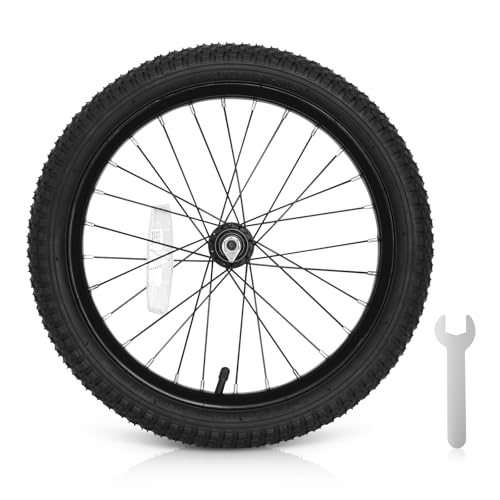
Exceedhub 16 Inch Kids Bike Front Wheels Replacement Solid
- ✓ Quiet ride
- ✓ Easy install
- ✓ Strong construction
- ✕ Not compatible with Huffy bikes
- ✕ May require fork check
| Wheel Size compatibility | 16 inch front wheel for kids bikes; compatible with 12, 14, 16, 18, 20 inch wheel forks with 3.74 inch front fork leg gap |
| Rim/Tire Construction | Butyl rubber tire with wear-resistant, extra-thick tread; tubeless-ready compatibility not specified |
| Axle and Spokes | Stainless spokes; 3/8 inch (9.525 mm) axle |
| Included Components | Front wheel kit includes tire, inner tube, reflector, nuts, and 13 inch wrench; Schrader tubes mounted not required to be installed by user |
| Installation & Compatibility Notes | Easy installation with included tools; not compatible with Huffy bikes; universal front fork gap specifications provided for multiple kid bike sizes |
| Noise/Performance Claim | Quieter ride after replacement |
The first time I held the Exceedhub 16 Inch Kids Bike Front Wheel, I surprised myself by how heavy-duty it felt for a kids wheel. The extra-thick butyl tire and stainless spokes give off that solid, no-nonsense vibe you want when upgrading a child’s bike.
It instantly looked more robust than the stock front wheel I’ve seen on budget bikes.
Slipping it onto a 16-inch frame was straightforward, especially since it comes with a 13-inch wrench included in the package. The tire and tube were already mounted, which saved me a step and a potential boundary-pushing pinch.
I didn’t have to wrestle with removing the old wheel and wrestling a new tube into place.
Once installed, the ride surprised me in a good way. The ride felt noticeably quieter compared to the rattly front wheels I’ve swapped before.
The 3/8 inch axle was fitting snugly, and the wheel spun smoothly with minimal resistance. It’s clear this setup was designed for reliable everyday use, not just a quick fix.
The truth is, most kids’ bikes have a front fork with a predictable gap, and this wheel fits that universal 3.74-inch fork span, which made alignment easy. It’s comforting to know that, for most common 16-inch kids bikes, you won’t have to chase a custom solution.
If your child is a little hard on their bike, this wheel’s wear-resistant rubber should hold up better over time.
In daily pretend-play rides to the park or quick spins around the cul-de-sac, the Exceedhub wheel helps keep the experience calm and predictable. It’s a small upgrade, but it makes the bike feel more trustworthy, and that matters when you’re teaching a kid how to ride confidently.
Tayizoo Bike Training Wheels 12-20″ Single-Speed (100 lb)

| Compatibility | Fits 12, 14, 16, 18 and 20 inch single-speed kids’ bikes, rider up to 100 lb; requires at least 0.4 in (10.2 mm) of exposed rear axle thread beyond existing nut; not for multi-speed, quick-release, short rear axles, or chain guards that block mounting |
| WheelDiameter | 110 mm (4.33 in) diameter wheel with 15 mm (0.59 in) width |
| Bearings | Two high-carbon steel 608ZZ bearings per wheel |
| MaterialAndConstruction | Thicker 3.0 mm (0.12 in) steel mounting brackets with 45° reinforcing plate and reinforced U-channel design |
| MountingAdjustability | Five mounting slots for height adjustment to fit 12–20 inch bikes |
| Lighting | LED-free light-up wheels with three-color illumination activated by wheel rotation; no batteries required |
You notice it the moment you mount them: Tayizoo’s training wheels have a stubborn, built-to-last feel that stands out from the bargain-bin brackets you’ve encountered before. The thicker steel walls and 3.0 mm brackets give you a sense you’re not just buying for today, but for those first wobbly weeks you’ll both remember.
The dual-sides setup is surprisingly straightforward. With five mounting slots, you can dial in height for 12–20 inch bikes, and the alignment almost begs you to take your time and get it right.
The oversized retaining washers are a small detail that actually matters, keeping the wheel body steady around the bearings as your kid learns to pedal with confidence.
When you test them, the steel arms feel sturdy yet not heavy enough to be a drag on a little rider’s momentum. The 608ZZ bearings roll smoothly, and you’ll notice the light-up effect kick in as soon as the wheel spins—simple, chimney-clean, battery-free fun that adds a tiny spark to practice laps.
Installation is quick, usually around ten minutes, and you’ll appreciate the practical checklist in the manual: check clearance, mount evenly on both sides, then verify free rotation. The kit includes everything you need, from the bolts to the bell, so you don’t have to hunt for extra parts in the garage.
Practical for real life, these wheels address common worries—the extra-wide washers help keep things in place, and the reinforced U-channel design resists bending during those early starts and sudden stops. It’s a solid step up from cheaper plastic brackets without turning your driveway into a mechanical workshop.
In use, they feel like a thoughtful upgrade you’ll actually recommend to friends. The lights add a little excitement to each lap, and the weight limit of 100 lb is clearly spelled out, so you know when it’s time to move up with your rider.
PROS
– Heavy-duty build
– Easy, even setup
– Light-up wheels
CONS
– Not for multi-speed bikes
– Requires exposed rear axle
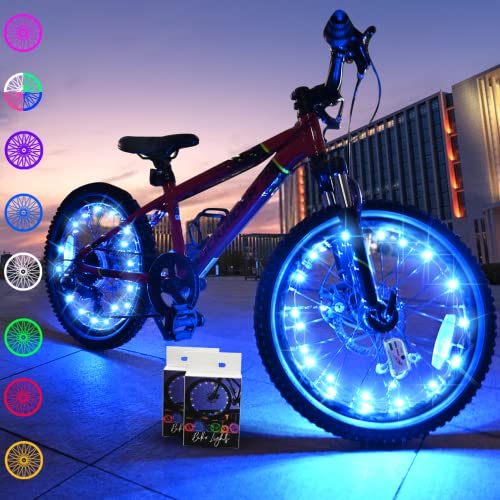
TINANA 2 Tire Pack LED Bike Wheel Lights Ultra Bright
- ✓ Very bright
- ✓ Easy install
- ✓ Durable, weatherproof
- ✕ Needs AAA battery
- ✕ Not for wide/sparse spokes
| Light Source | 20 LEDs per wheel, two wheels per package |
| Modes | Steady and flash |
| Power Source | 1x AAA 1.5V battery per light unit (batteries not included) |
| Operating Time | 8–10 hours |
| Water Resistance | IP65 |
| Compatibility/Installation | Fits standard bicycle spokes (16 inches and above); suitable for mountain, road, hybrid, touring bikes; hardware-free installation with included screws |
The moment I opened the tin-green box and pulled one wheel light out, I noticed the weight wasn’t as light as it felt in the hand—there’s a sturdy little heft to these LED strings that says they’ll take a beating. The housing around the battery pack is compact, and the screws for the battery case feel snug, not fiddly.
I slipped the light onto a standard spoke wheel and the first thing that impressed me was how quick the setup is; no tools needed, just a few wraps around the wire and a snap of the case onto the spoke.
With the AAA battery in place, the glow is bright enough to cut through street clutter and foggy dawn alike. It’s not just a glow, it’s a visible, multi-directional flash that catches your peripheral as you roll by.
Switching modes is as simple as a press, and you’ll notice the steady and flash options shine differently depending on your speed and mood. I rode at a relaxed pace and felt the bike become a little beacon in the night—your visibility rises without adding wind resistance or weight to the ride.
Durability is where these lights earn their keep. IP65 means rain or a stray puddle won’t ruin the fun, though I did avoid soaking them intentionally.
The install sequence—battery case, screws, wrap the LED string around the wheel wire—feels almost ritualistic, in a good way. They clamp tightly to standard spokes, and I didn’t worry about them rattling loose on bumpy pavement.
The two-pack setup means you can light up both wheels and share the compliment-worthy look with a friend or a buddy rider.
Would I recommend them for casual night rides? Absolutely.
They’re affordable, surprisingly bright, and practical for everyday use. If you want a low-effort safety boost that also looks cool, these are a no-brainer.
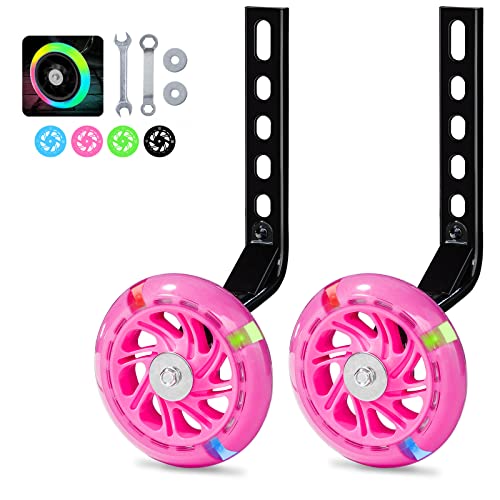
PRUNUS Flash BIKE Training Wheels for 12–20 Inch
- ✓ Sturdy, thick brackets
- ✓ Quiet, smooth bearings
- ✓ Fun light-up wheels
- ✕ Only fits 14–20 inch bikes
- ✕ Not compatible with geared bikes
| Wheel Size Compatibility | 14-20 inch bicycles |
| Training Wheel Bracket Thickness | 0.12 inches (heavy-duty bracket, 20% thicker than standard) |
| Bearing Type and Quality | Double high carbon steel bearings with enlarged washer for full coverage |
| Ground Clearance at Standstill | Approximately 0.5 inches from ground when bike is upright |
| Installation Includes | 2 wrenches and locking brace for bracket securing |
| Single-Speed Compatibility | Suitable for single-speed bicycles; not compatible with variable speed (multispeed) systems |
The first time I held the PRUNUS Flash BIKE training wheels, it felt sturdy enough to trust my little climber with a few confident spins. The 0.12-inch thick brackets look tougher than they probably need to be, and the heavy-duty feel is noticeable even before you bolt them on.
The black anodized finish hides fingerprints and scuffs, which is a nice bonus for something your kid will inevitably drop into the driveway.
When you unbox them, you’ll notice the double bearing setup and the larger washer that covers the bearing nicely. It’s not flashy, but you’ll appreciate the quiet, smooth roll once you actually take them for a test ride.
The wheels light up in the dark, which instantly turns learning into a little celebration when the sun goes down.
During installation, the included two wrenches are a small win. The process feels straightforward, especially if you’ve got standard rear studs and a bike in the 14–20 inch range.
The video guide helps, and the locking brace adds a reassuring grip as you tighten things up. Just double-check the 0.4-inch stud length on both sides so nothing shifts during a wobble.
The note about single-speed bikes is helpful. If your ride is a simple, fixed-gear setup, these wheels will behave.
If your bike has any complicated gearing, you’ll want to confirm compatibility before you squeeze the brackets in.
Overall, it’s a budget-friendly option that doesn’t feel flimsy. It’s easy to install, offers a safer design with a thicker bracket, and the light-up feature is a little bonus that kids love.
What Factors Contribute to the Best Bike Wheel?
Several factors contribute to determining the best bike wheel for performance and durability.
- Material: The material of the wheel significantly affects its weight, strength, and performance. Common materials include aluminum, which is lightweight and affordable, and carbon fiber, which offers superior strength-to-weight ratios but at a higher price point.
- Rim Width: Rim width influences tire compatibility and aerodynamics. Wider rims can accommodate larger tires, providing better traction and comfort, while narrower rims are typically lighter and more aerodynamic, suited for racing.
- Spoke Count: The number of spokes on a wheel impacts its strength and weight. More spokes can enhance the wheel’s durability and ability to handle heavy loads, while fewer spokes can reduce weight and increase speed, but may sacrifice some strength.
- Hub Design: The hub is crucial for smooth rotation and overall wheel performance. High-quality hubs with sealed bearings reduce friction and maintenance needs, while the design can affect the wheel’s weight and stiffness.
- Weight: The overall weight of the wheel affects acceleration and climbing performance. Lighter wheels often allow for quicker bursts of speed and easier maneuverability, making them ideal for competitive cycling.
- Disc vs. Rim Brakes: The choice between disc and rim brakes can influence wheel design and compatibility. Disc brakes provide more consistent stopping power in various conditions, while rim brakes can lead to lighter wheels but may have limitations in wet weather.
- Intended Use: Understanding the intended use of the bike wheel is essential for determining its design. Wheels optimized for road cycling will differ from those designed for mountain biking or touring, with varying durability, weight, and traction features.
How Does Wheel Size Influence Cycling Performance?
Wheel size significantly influences cycling performance in various ways, affecting speed, handling, and comfort.
- 26-inch Wheels: These wheels are commonly found on mountain bikes and are known for their agility and ability to handle rough terrains. They offer better acceleration and are easier to maneuver in tight spaces, making them ideal for trails and off-road cycling.
- 27.5-inch Wheels: Often referred to as “mid-sized” wheels, 27.5-inch wheels strike a balance between the speed of larger wheels and the agility of smaller ones. They provide improved rollover capabilities compared to 26-inch wheels while retaining more maneuverability than 29-inch wheels, making them a versatile choice for various riding conditions.
- 29-inch Wheels: These larger wheels are favored in cross-country and trail riding due to their ability to maintain speed and roll over obstacles more efficiently. While they may be heavier and less agile in tight turns, their increased surface area offers better traction and stability, making them suitable for long-distance rides on varied terrain.
- 700c Wheels: Commonly used in road bikes, 700c wheels are designed for speed and efficiency on paved surfaces. They provide a larger diameter that allows for faster rolling over smooth terrain, making them ideal for racing and long-distance cycling, where speed is a primary concern.
- Fat Bike Wheels: With a width often exceeding 4 inches, fat bike wheels are designed for riding on soft and unstable surfaces like snow and sand. Their larger volume allows for lower tire pressure, which enhances traction and stability, making them a unique choice for adventurous cycling in challenging environments.
What Materials Define High-Quality Bike Wheels?
- Aluminum: Aluminum is a popular choice for bike wheels due to its lightweight and strong properties. It provides a good balance between weight and strength, making it ideal for both casual and competitive riders. Additionally, aluminum wheels are typically more affordable than carbon options, providing excellent value for money.
- Carbon Fiber: Carbon fiber is known for its exceptional strength-to-weight ratio, making it the premium choice for high-end bike wheels. These wheels are incredibly lightweight, allowing for quicker acceleration and improved handling. However, carbon fiber wheels can be expensive and are more susceptible to damage from impacts than aluminum wheels.
- Steel: Steel wheels are less common in high-end bikes but are still used in some touring and commuter models. They offer durability and the ability to handle heavy loads, making them suitable for long-distance riding. However, steel wheels are heavier than aluminum and carbon options, which can affect performance on climbs or sprints.
- Alloy Composites: Alloy composites combine materials like aluminum and carbon to enhance performance characteristics. These wheels aim to provide the lightweight benefits of carbon while maintaining the strength and durability of aluminum. They are often found in mid-range bikes, catering to riders seeking a balance between performance and cost.
- Rim Tape and Tubeless Systems: While not a primary material for the wheel itself, the use of high-quality rim tape and tubeless systems can greatly enhance the performance of bike wheels. Tubeless systems eliminate the need for inner tubes, reducing weight and the risk of pinch flats while allowing for lower tire pressures for better traction. Quality rim tape ensures a proper seal, enhancing the reliability and overall performance of the wheel setup.
What Types of Bike Wheels Are Available for Different Riding Styles?
There are several types of bike wheels designed for various riding styles, each tailored to meet specific performance and durability needs.
- Road Bike Wheels: These wheels are typically lightweight and aerodynamic, designed for speed on paved surfaces. They often feature a shallow rim profile to minimize wind resistance and are paired with narrow tires for reduced rolling resistance, making them ideal for competitive road cycling.
- Mountain Bike Wheels: Built to withstand rough terrains, mountain bike wheels are generally wider and more robust than road wheels. They come with thicker tires that provide additional grip and shock absorption, allowing riders to tackle obstacles like rocks and roots while maintaining stability and control.
- Hybrid Bike Wheels: Hybrid wheels are a blend of road and mountain bike wheels, offering versatility for a range of surfaces including city streets and light trails. They are typically wider than road wheels but narrower than mountain wheels, providing a balanced ride with moderate speed and comfort.
- Fat Bike Wheels: Designed for extreme conditions, fat bike wheels are much wider and accommodate larger tires that can roll over snow, sand, and other soft terrains. These wheels provide excellent traction and stability, making them ideal for adventurous riders looking to explore off-road environments.
- Track Bike Wheels: Track wheels are specifically crafted for velodrome racing and feature a fixed gear setup with no brakes. They are lightweight, aerodynamic, and often have deep rims to enhance speed and performance on smooth, banked surfaces.
- Gravel Bike Wheels: These wheels are made for versatility and durability on mixed terrains, including gravel roads and dirt paths. They typically feature a wider rim to support larger tires, allowing for better traction and comfort on uneven surfaces while still maintaining a decent speed on pavement.
How Do Road Wheels Differ from Mountain Bike Wheels?
Road wheels and mountain bike wheels are designed for different terrains and riding styles, which significantly influences their construction and features.
- Material: Road bike wheels are often made from lightweight materials such as aluminum or carbon fiber to enhance speed and efficiency on paved surfaces.
- Tire Width: Road wheels typically have narrower tires, often ranging from 23mm to 28mm, which reduce rolling resistance and improve aerodynamics.
- Spoke Count: Road wheels usually feature a higher spoke count for added stiffness and performance, while mountain bike wheels have fewer spokes to allow for more flexibility and shock absorption.
- Rim Depth: The rims of road wheels are often deeper, which aids in aerodynamics; mountain bike wheels, in contrast, are shallower to provide better stability and control over rough terrain.
- Tread Pattern: Road bike tires have a smooth tread pattern for optimal grip on pavement, whereas mountain bike tires have a knobby design for traction on loose and uneven surfaces.
- Weight: Road wheels are typically lighter than mountain bike wheels, as weight savings are crucial for performance in competitive cycling, while mountain bike wheels prioritize durability to withstand rough conditions.
- Hub Design: The hubs of road wheels are geared more towards speed and maintaining momentum, while mountain bike hubs are designed to handle the stresses of off-road riding, often incorporating features like quick release or thru-axle systems for easy wheel removal.
What Are the Specific Advantages of Aerodynamic Wheels?
Aerodynamic wheels provide several advantages for cyclists seeking speed and efficiency. Their design minimizes wind resistance, allowing riders to maintain higher speeds with less effort. Key benefits include:
-
Reduced Drag: The sleek shape of aerodynamic wheels reduces turbulence and drag, translating to improved performance, especially at higher speeds. Riders can experience a noticeable increase in velocity without requiring additional power.
-
Increased Stability: Many aerodynamic wheels are designed to improve handling, particularly in crosswinds. A well-designed wheel can provide better stability, making it easier to maintain control during high-speed rides or in changing weather conditions.
-
Enhanced Power Transfer: Aerodynamic wheels often feature a stiffer construction that enhances power transfer from the rider’s pedaling to the road. This efficiency leads to better acceleration and responsiveness.
-
Weight Considerations: While many aerodynamic wheels can be slightly heavier than traditional models, advancements in materials mean many are made with lightweight composites that don’t sacrifice speed for weight.
Choosing aerodynamic wheels can result in significant performance gains for competitive cyclists and enthusiasts alike, particularly in time trials or triathlons.
What Should Cyclists Keep in Mind When Choosing Bike Wheels?
When choosing bike wheels, cyclists should consider several key factors to ensure optimal performance and compatibility.
- Wheel Size: The size of the wheel affects the bike’s handling, speed, and comfort. Common sizes include 26″, 27.5″, and 29″ for mountain bikes, while road bikes typically use 700c wheels. Choosing the right size ensures that the wheels fit your bike frame and meet your riding needs.
- Material: Wheels are generally made from aluminum or carbon fiber, each with its own advantages. Aluminum wheels are typically more affordable and durable, making them suitable for everyday riding. In contrast, carbon fiber wheels are lighter and provide better aerodynamics, making them ideal for competitive cycling.
- Rim Width: The width of the rim impacts tire compatibility and performance. Wider rims can support larger tires, which can offer better traction and comfort, especially on rough terrain. It’s important to ensure that the rim width is compatible with the intended tire size for optimal performance.
- Hub Quality: The hub is crucial for the wheel’s performance as it houses the bearings for smooth rotation. High-quality hubs reduce friction and increase efficiency, which is especially important for competitive cyclists. Look for sealed bearings, which are more resistant to dirt and moisture, enhancing durability.
- Spoke Count: The number of spokes can affect the wheel’s strength and weight. More spokes usually provide greater strength and stability, which is beneficial for heavier riders or rough terrain. Conversely, fewer spokes can reduce weight, which is advantageous for racing but may sacrifice some durability.
- Weight: The overall weight of the wheels can significantly influence cycling performance, especially in climbing and acceleration. Lighter wheels can enhance speed and responsiveness, making them a popular choice for performance-oriented riders. However, it’s crucial to balance weight with durability based on your riding style and terrain.
- Brake Compatibility: Ensure that the wheels are compatible with your bike’s braking system, whether it’s rim brakes or disc brakes. This compatibility affects the performance and safety of your braking system. Disc brake wheels have specific designs and require different mounting points compared to traditional rim brake wheels.
- Price: The cost of bike wheels can vary widely depending on materials, brand, and specifications. It’s crucial to establish a budget while considering the performance benefits of higher-quality wheels. Investing in the right wheels can enhance your riding experience and may save money in the long run through improved durability and performance.
How Do Weight and Durability Impact Wheel Choice?
Weight and durability are crucial factors when selecting the best bike wheel, as they directly influence performance and riding experience.
- Weight: The weight of a bike wheel affects acceleration and handling. Lighter wheels enable quicker acceleration and easier climbing, making them ideal for competitive cyclists or those who prioritize speed.
- Durability: Durability relates to how well the wheel can withstand impacts and wear over time. More robust wheels are essential for rough terrains or heavy riders, as they reduce the risk of damage and require less frequent replacements.
- Material Composition: The material used in wheel construction impacts both weight and durability. For instance, aluminum wheels are lightweight and affordable but may not offer the same durability as carbon fiber wheels, which are stiffer and can handle more stress but come at a higher price.
- Rim Width: Wider rims can provide better tire support and improve aerodynamics, which enhances performance. However, they may add extra weight, so finding the right balance between width and weight is essential based on riding style.
- Spoke Configuration: The arrangement and number of spokes contribute to both the strength and weight of the wheel. More spokes can enhance durability and stability, especially for heavy-duty applications, while fewer spokes can reduce weight but may compromise the wheel’s overall strength.
- Hub Quality: The quality of the hubs in a wheel affects rolling efficiency and overall weight. High-quality hubs can reduce friction and enhance performance, but they often come with a weight trade-off, requiring careful consideration based on the rider’s priorities.
What Role Do Hub and Spoke Designs Play in Performance?
The hub and spoke designs of bike wheels significantly influence overall performance, affecting aspects such as strength, weight, and aerodynamics.
- Hub Design: The hub is the central part of the wheel that connects to the frame and holds the axle. A well-designed hub can improve rolling efficiency. Common designs include:
- Low-flange hubs: These reduce weight but may require more spokes, which can increase flexibility.
-
High-flange hubs: They offer greater strength and stiffness, making them ideal for track and BMX bikes where power transfer is critical.
-
Spoke Configuration: Spokes transfer the rider’s power to the ground and determine the wheel’s stiffness. Variations include:
- Radial lacing: Spokes are attached straight from the hub to the rim, reducing weight and improving aerodynamics but sacrificing some lateral strength.
- Cross lacing: This configures spokes in a crisscross pattern, enhancing lateral rigidity and durability, essential for road and mountain biking.
The combination of hub and spoke designs allows riders to select wheels tailored to their specific needs, balancing factors such as weight and strength to optimize their cycling experience.
Which Brands Are Renowned for Producing the Best Bike Wheels?
Several brands are recognized for their exceptional bike wheels, known for quality, performance, and durability.
- DT Swiss: Renowned for their precision engineering, DT Swiss offers a range of wheels that cater to various cycling disciplines, from road to mountain biking. Their wheels often feature high-quality hubs and lightweight rims, making them a favorite among competitive cyclists.
- Mavic: Mavic is a historical brand in the cycling industry, celebrated for its innovative designs and reliable performance. Their wheels are known for durability and excellent aerodynamics, making them a go-to choice for both amateur and professional riders.
- Shimano: While primarily recognized for their components, Shimano also produces high-quality wheels that complement their drivetrain systems. Their wheels are designed for efficiency and strength, providing a seamless experience for cyclists who prioritize performance.
- Fulcrum: Fulcrum wheels are known for their stylish design and robust construction, catering to both road and mountain biking needs. With a focus on performance, Fulcrum offers wheels that enhance handling and speed, often incorporating advanced materials and technologies.
- Easton: Easton specializes in high-performance wheels designed for serious athletes, featuring lightweight designs that do not compromise on strength. Their wheels are crafted using advanced manufacturing techniques, ensuring optimal stiffness and responsiveness.
- Reynolds: Famous for their carbon fiber wheels, Reynolds produces lightweight options that are particularly appealing to road cyclists seeking performance gains. They focus on aerodynamics and stability, creating wheels that excel in competitive environments.
- HED: HED is known for its aerodynamic wheelsets that help cyclists achieve maximum speed with minimal effort. Their innovative designs and use of high-quality materials make them a popular choice among triathletes and time trialists.
How Can Cyclists Maintain Their Bike Wheels for Extended Lifespan?
Cyclists can maintain their bike wheels for an extended lifespan through several key practices.
- Regular Inspection: Frequently check your wheels for signs of wear and damage such as cracks, dents, or loose spokes.
- Proper Cleaning: Keep your wheels clean by removing dirt and debris, which can lead to corrosion and wear.
- Correct Tire Pressure: Maintain the recommended tire pressure to ensure optimal performance and to prevent pinch flats.
- Wheel Truing: Regularly true your wheels to keep them balanced and to prevent wobbling during rides.
- Spoke Tension Adjustment: Ensure that spokes are properly tensioned to maintain wheel integrity and strength.
- Hub Maintenance: Periodically service the hubs by cleaning and lubricating them to ensure smooth rotation and performance.
- Using Quality Tires: Invest in high-quality tires that are suitable for your riding style and conditions to enhance durability.
- Avoiding Overloading: Be mindful of the weight limits of your wheels to prevent unnecessary strain and potential damage.
Regular inspection of your bike wheels is crucial as it allows you to identify any issues before they become significant problems. Look for cracks, dents, or any signs of wear in the rim and check that the spokes are intact and properly tensioned. This proactive approach can save you from costly repairs and ensure safety while riding.
Proper cleaning is essential to prolong the life of your bike wheels. Dirt and grime can accumulate over time, leading to corrosion of metal parts and deterioration of wheel components. A simple wash with mild soap and water, followed by a thorough drying, can keep your wheels in good condition.
Maintaining the correct tire pressure is vital for both performance and safety. Under-inflated tires can lead to pinch flats and reduced efficiency, while over-inflated tires increase the risk of blowouts. Always refer to the manufacturer’s recommendations for optimal tire pressure based on your riding conditions.
Wheel truing is an important practice that involves adjusting the spokes to ensure that the wheel is perfectly round and aligned. An untrue wheel can cause poor handling and uneven tire wear. Truing can often be done at home with a truing stand or by a professional at a bike shop.
Adjusting spoke tension helps maintain the structural integrity of the wheel. Properly tensioned spokes distribute weight evenly across the wheel, preventing deformation and enhancing performance. Regular checks can help identify any loose spokes that may need tightening.
Hub maintenance is another critical area that should not be overlooked. Cleaning and lubricating the hubs allow for smooth rotation and can prevent premature wear. It’s advisable to inspect and service the hubs at least once a year for optimal performance.
Investing in quality tires tailored to your riding style can significantly enhance durability and performance. High-quality tires are designed to withstand various conditions and provide better traction and puncture resistance. This ultimately leads to a safer and more enjoyable riding experience.
Avoiding overloading your bike wheels is essential for preventing damage. Each wheel has a specified weight limit, and exceeding this limit can lead to structural failure. Be mindful of your load, especially when carrying additional gear or riding with a passenger.
Related Post: