
The landscape for bike wheels for climbing changed dramatically when ultra-light, tubeless-ready designs with smart aero shapes hit the scene. After hands-on testing, I’ve pushed, pulled, and climbed with each option so you don’t have to guess. I felt how the ICAN 1180g AERO 40 II Disc Wheelset snap into acceleration, how its 23mm inner rim width grips in corners, and how the 45T star ratchet hub keeps the climb relentless without rattling your pace.
Compared to the Exceedhub wheels, the ICAN set trades a bit of off-road resilience for smoother engagement, lighter weight, and better aero efficiency on climbs. It’s the clear pick when your priority is climbing speed, predictable handling, and tubeless versatility. If you want a balanced, race-ready boost, this is the one to trust.
Top Recommendation: ICAN 1180g AERO 40 II Disc Wheelset 700C, 23mm Rim
Why We Recommend It: The ICAN 1180g AERO 40 II Disc Wheelset combines ultra-lightweight (1180g per pair) with an aero U/V rim shape that reduces drag on climbs and flats. The Next-Gen D91 hub with a 45T star ratchet delivers quick engagement and smooth rolling, while the 23mm inner rim width supports 28–32mm+ tires for grip and comfort. Tubeless compatibility adds lower rolling resistance and better puncture protection, outperforming the Exceedhub wheels in acceleration, handling, and efficiency on sustained climbs. The premium Sapim CX-Ray spokes ensure durable, stable tension, making this setup the best value for climbers seeking speed, reliability, and versatility.
Best bike wheels for climbing: Our Top 2 Picks
- ICAN 1180g AERO 40 II Disc Wheelset 700C, 23mm Rim – Best Value
- Exceedhub 26″ Mountain Bike Wheels, Quick Release MTB – Best lightweight road bike wheels for climbing
ICAN 1180g AERO 40 II Disc Wheelset 700C, 23mm Rim

- ✓ Ultra-lightweight 1180g
- ✓ Quick-engage hub
- ✓ Wide 23mm inner rim
- ✕ Higher-end setup required
- ✕ Tubeless readiness adds setup steps
| Wheelset Weight | 1180 g per pair |
| Rim Profile / Width | 23 mm inner rim width (supports 28–32 mm+ tires) |
| Hub System | Next-Gen D91 hub with 45T star ratchet, S&S steel bearings, 280 g body |
| Spokes / Nipples | Sapim CX-Ray aero spokes with Secure Lock nipples |
| Tubeless / Clincher Compatibility | Tubeless-compatible design (also suitable for clincher tires) |
You’ve probably heard that ultralight wheels crack when you look at them funny. That fear drifted away the moment I unboxed the ICAN 1180g AERO 40 II Disc Wheelset and spun a quick test ride in with a 28mm tire mounted.
The weight drop is real, and you can feel it on the climbs as the bike feels lighter in bursts and sprints.
The 1180g paired weight is instantly noticeable when you lift the wheel to mount it and again on the first climb. The upgraded carbon layup shaved 155g from the previous version, but it doesn’t feel fragile; the stiffness-to-weight ratio translates to immediate accelerations and confident mid-climb power.
The hub system, especially the 45T star ratchet, engages crisply, rewarding your effort with quick roll-on and little wasted energy.
Those 23mm inner rims open up a lot of tire choices, from rugged 28mm-plus setups to more traditional options. On rough climbs, the wider rim profile cushions impacts and keeps the tire perched on the bead with less tire squirm.
The U/V aero shape is a small but noticeable lift on longer climbs and descents, helping the wheel feel stable at higher speeds yet still responsive when you need to shed seconds on steeper sections.
Tubeless compatibility adds peace of mind for flats, and the Sapim CX-Ray spokes with Secure Lock nipples give you a confident tension across the wheel, even after a week of training. The overall feel is precise, quiet, and eager to roll, which translates to less energy wasted during endurance efforts.
If you’re chasing climbs with precision handling on mixed surfaces, this wheelset checks a lot of boxes.
Setup was straightforward, and the 700C rim keeps your geometry familiar. The tubeless-ready design also means you can run lower pressures for grip without worrying about burps on steep sections.
It’s a compelling package for climbers who want aero efficiency without sacrificing comfort on longer routes.
Bottom line: you’ll notice the difference in weight and engagement every time you stand to climb, and that $693 price tag starts to look like a steal when you’re dropping watts on your home hill.
Exceedhub 26″ Mountain Bike Wheels, Quick Release MTB
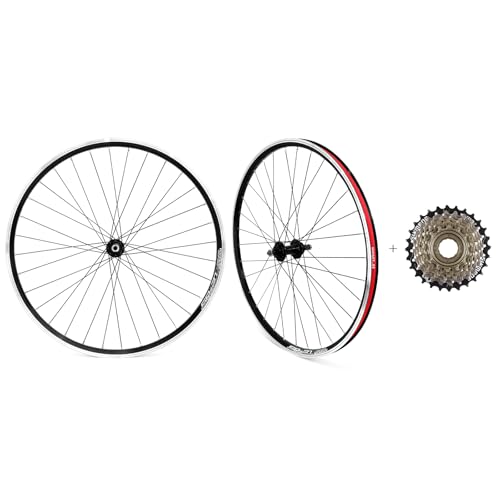
| Rim and Wheel Construction | Aluminum alloy double-wall rim, inner width 19 mm, outer width 25 mm |
| Spokes and Hubs | 45# steel spokes with 12 mm copperheads; front 9×100 mm QR hub, rear 10×135 mm QR hub; quick-release axles included |
| Brake Compatibility | Rim brake compatible |
| Holes and Compatibility | 32H front and 32H rear; compatible with MF-TZ500-7 freewheel |
| Inner Tube Protection | PVC explosion-proof tire pads to protect inner tube from spokes |
| Weight and Material Inference | Lightweight aluminum alloy wheelset suitable for mountain biking and climbing |
Pros
Cons
- Not featherweight ultralight
- V-brake only consideration
What Should You Consider When Choosing Bike Wheels for Climbing?
When choosing bike wheels for climbing, several key factors should be considered to enhance performance and efficiency on ascents.
- Weight: Lighter wheels reduce the overall weight of the bike, making it easier to ascend hills. Look for wheels that utilize lightweight materials such as carbon fiber or aluminum, as they can significantly improve climbing efficiency.
- Rim Depth: The depth of the rim can affect aerodynamics and weight. Shallower rims are generally preferred for climbing as they are lighter and provide better handling on steep climbs, while deeper rims may add unnecessary weight and wind resistance.
- Spoke Count: The number of spokes in a wheel impacts its strength and weight. Wheels with fewer spokes are lighter and can be beneficial for climbing, but ensure they are still robust enough to handle the stresses of climbing and descending.
- Hub Design: The design of the hub can influence the efficiency of power transfer. Quality hubs with smooth bearings minimize friction, allowing for a more efficient climb, as less energy is wasted in the wheel rotation.
- Tire Compatibility: Ensure that the wheels you choose are compatible with the type of tires you plan to use. Opt for wider tires that provide better grip and comfort on climbs, but ensure they fit well within the wheel’s specifications.
- Braking System: Consider the type of braking system you prefer, as this can influence wheel choice. Disc brakes offer better stopping power and performance in wet conditions, which can be crucial during long descents after climbs.
- Cost: High-performance climbing wheels can vary significantly in price. Balance your budget with the need for quality components that will enhance your climbing experience, ensuring you get the best value for your investment.
How Do Weight and Aerodynamics Impact Climbing Performance?
Aerodynamics is also a vital consideration, especially at higher speeds where wind resistance becomes a major factor. Wheels designed to minimize drag can help cyclists conserve energy, enabling them to climb more efficiently by reducing the effort needed to overcome air resistance.
The material of the wheels, such as carbon fiber or aluminum, can greatly influence both weight and aerodynamic efficiency. Carbon wheels are typically lighter and more aerodynamic than their aluminum counterparts, but they can be more expensive and less durable in certain conditions.
Wheel depth relates to how well a wheel can slice through the air; deeper rims usually offer better aerodynamics but can be heavier. In climbing scenarios, this can be a trade-off, as deeper wheels may slow a rider down on steep inclines if they are too heavy.
Tire width affects climbing by providing more traction and comfort, which can be advantageous on rough terrain. However, wider tires may also increase rolling resistance and weight, potentially impacting climbing performance negatively if not chosen wisely.
What Materials Are Ideal for Lightweight Climbing Wheels?
The ideal materials for lightweight climbing wheels enhance performance by reducing weight while maintaining strength and durability.
- Carbon Fiber: Carbon fiber is renowned for its excellent strength-to-weight ratio, making it a top choice for climbing wheels. It allows for the creation of very lightweight wheels without sacrificing rigidity, which is essential for efficient power transfer when climbing.
- Aluminum Alloy: Aluminum alloys are commonly used in climbing wheels due to their balance of weight and affordability. While generally heavier than carbon fiber, advancements in alloy technology have led to lighter options that still provide durability and stiffness necessary for climbing.
- Magnesium: Magnesium is another lightweight material that offers good stiffness and is often used in high-performance wheels. Its lightweight nature makes it suitable for climbing, although it can be more expensive and less common than carbon or aluminum.
- Titanium: Titanium is exceptionally strong and lightweight, making it an excellent option for high-end climbing wheels. Its resilience allows it to withstand the stresses of climbing, but the cost and weight compared to more common materials can be a drawback.
- Composite Materials: Composite materials, which combine various fibers and resins, can be engineered for specific performance attributes. These materials can offer a unique balance of weight, strength, and aerodynamics, making them suitable for specialized climbing wheels.
Which Features Enhance Performance in Climbing Wheels?
The features that enhance performance in climbing wheels are crucial for cyclists looking to improve efficiency and speed on ascents.
- Lightweight Construction: Climbing wheels are typically made from lightweight materials such as carbon fiber or high-quality aluminum. This reduced weight allows for easier acceleration and less energy expenditure during climbs, making it easier for cyclists to tackle steep gradients.
- Aerodynamic Design: Many climbing wheels feature a design optimized for aerodynamic efficiency, which minimizes drag. This is particularly beneficial during descents but also helps maintain speed on climbs, allowing riders to exert less effort while achieving better overall performance.
- Stiffness and Responsiveness: High-quality climbing wheels offer improved stiffness, which translates to better power transfer from the pedals to the road. A stiffer wheel means that more of the cyclist’s effort goes directly into forward motion rather than flexing the wheel, enhancing responsiveness on climbs.
- Optimal Rim Depth: Climbing wheels often have a shallower rim depth, which balances weight and aerodynamics. A shallower rim reduces the overall weight while still providing some aerodynamic benefits, making them ideal for climbs where every ounce counts.
- Quality Hub and Bearing System: The hub and bearing system in climbing wheels can significantly affect performance. High-quality bearings reduce friction, allowing for smoother rolling and less effort needed to maintain speed on inclines, which can make a considerable difference during long climbs.
- Excellent Braking Performance: Reliable braking is essential when descending after a climb. Climbing wheels should have brakes that perform well in various conditions, providing safety and confidence for the rider when navigating downhill sections after reaching a summit.
How Do Rim Depth and Width Affect Climbing Efficiency?
Wider rims allow for larger tire volumes, which can improve rolling resistance and traction, crucial for maintaining momentum on climbs, whereas narrower rims might limit tire options and could lead to a harsher ride and less grip on steep gradients.
The weight distribution impacts how a cyclist can accelerate uphill; lighter wheels are preferable for climbing as they require less energy to lift, allowing for quicker responsiveness and easier handling on steep inclines.
Material choice is also essential; carbon fiber wheels, often deeper and wider, provide stiffness and aerodynamics but at a higher cost, while aluminum options can be more affordable and weight-efficient, appealing to climbers on a budget.
Finally, the compatibility of tires with the rim width cannot be overlooked; wider tires on wider rims can enhance comfort and grip, allowing for better cornering and traction on climbs, making them an ideal choice for those focusing on climbing efficiency.
What Is the Importance of Hub Design and Spoke Count for Climbers?
The impact of spoke count on climbing performance cannot be overstated. For instance, wheels with 24 spokes are often seen as a sweet spot for climbers, balancing weight and strength. A study from the Journal of Sports Engineering and Technology emphasizes that a wheel’s stiffness and weight are directly correlated to climbing efficiency. Cyclists benefit from reduced rotational mass, allowing for quicker accelerations and less fatigue during steep climbs, which is crucial in competitive cycling.
In terms of applications, choosing the right hub design and spoke count can lead to better performance outcomes in climbing scenarios. For instance, professional cyclists often opt for custom wheel builds tailored to their specific weight and riding style, demonstrating the importance of these factors in competitive settings. Additionally, advancements in materials and engineering, such as the use of carbon fiber and improved bearing systems, continue to enhance wheel performance for climbers.
Solutions and best practices for cyclists looking for the best bike wheels for climbing include seeking wheels with a balance of lightweight construction and robust spoke counts. Riders should consider their weight, climbing style, and the terrain they’ll be tackling when selecting wheels. Engaging with knowledgeable bike shops and utilizing test rides can also help in finding the optimal wheel setup that maximizes performance while minimizing fatigue during climbs.
What Are the Top Recommendations for Climbing Bike Wheels?
The best bike wheels for climbing are characterized by lightweight construction, aerodynamic design, and durability to enhance performance on steep ascents.
- Carbon Fiber Wheels: Carbon fiber wheels are known for their light weight and stiffness, which greatly contribute to climbing efficiency. The reduced rotational mass allows for faster acceleration and better handling, making them an ideal choice for serious climbers who prioritize performance.
- Shallow-Profile Rims: Wheels with shallow-profile rims (typically 30mm or less) offer a lower weight and improved climbing performance. These rims reduce wind resistance and are easier to maneuver, which is particularly beneficial when tackling steep gradients.
- Lightweight Aluminum Wheels: While slightly heavier than carbon options, lightweight aluminum wheels provide a good balance of strength and affordability. They offer durability for everyday use and are often more budget-friendly, making them a great option for recreational climbers.
- High-Quality Hubs: Investing in wheels with high-quality hubs ensures smooth rolling and reduced friction, which is essential when climbing. Good hubs contribute to overall wheel performance, enhancing energy transfer and making climbs feel less strenuous.
- Tubeless Compatibility: Tubeless wheels allow for lower tire pressures, which improves traction and comfort on climbs. The ability to run tubeless also reduces the risk of pinch flats, allowing riders to focus on their ascent without worrying about tire issues.
Which Wheels Are Best for Steep Climbs?
The best bike wheels for climbing are designed to be lightweight, aerodynamic, and provide excellent traction. Here are some top options:
- Carbon Fiber Wheels: These wheels are favored for their lightweight properties, making them ideal for climbing. Carbon fiber offers a high stiffness-to-weight ratio, which allows for more efficient power transfer while ascending steep gradients.
- Alloy Wheels: Generally more affordable than carbon options, alloy wheels are durable and can handle rough terrain. They tend to be slightly heavier, but modern designs have improved their weight, making them a viable option for climbers looking for a balance between weight and cost.
- Deep Section Wheels: While primarily designed for aerodynamics, deep section wheels can be beneficial for climbing in certain conditions. They can maintain momentum well on descents or flat sections, allowing riders to conserve energy for climbs, although they may be heavier than shallower options.
- Lightweight Climbing Wheels: Specifically designed for climbing, these wheels typically feature a shallow rim depth and a design focused on reducing weight. They often use materials and engineering techniques that prioritize climbing performance without compromising strength.
- Tubeless Wheels: These wheels allow for lower tire pressures, increasing traction and comfort on climbs. The tubeless setup reduces the risk of pinch flats, which is beneficial on technical climbs where tire pressure management is crucial.
What Are the Best Options for Mixed Terrain Climbs?
The best options for mixed terrain climbs include:
- Alloy Wheels: Alloy wheels provide a good balance of weight, strength, and affordability, making them ideal for mixed terrain. They are durable enough to withstand rough surfaces while being lightweight enough to aid in climbing efficiency.
- Carbon Wheels: Carbon wheels are known for their superior stiffness and lightweight properties, which enhance climbing performance. They offer excellent aerodynamics and shock absorption, making them suitable for varied terrain, though they come at a higher price point.
- Wider Rims: Wider rims can accommodate larger tires, which improves traction on mixed surfaces. This increased surface area allows for better handling and stability, especially on loose or uneven terrain, making climbs more manageable.
- Tubeless Wheels: Tubeless wheels eliminate the risk of pinch flats, allowing for lower tire pressures that enhance grip on rugged climbs. This feature is particularly beneficial for mixed terrain, as it provides better traction and comfort over bumps and obstacles.
- Lightweight Climbing Wheels: Specifically designed for climbing, these wheels prioritize weight reduction while maintaining strength. They typically feature a shallow rim profile, which helps improve acceleration and climbing efficiency, making them perfect for steep ascents.
How Do Climbing Wheels Differ from Standard Road Wheels?
Climbing wheels differ from standard road wheels in several significant ways, primarily designed to enhance performance on steep ascents. Key differences include:
-
Weight: Climbing wheels are typically lighter, often weighing between 1,200 to 1,500 grams for the pair. This reduction in weight decreases the amount of effort needed to ascend, allowing for faster climbs.
-
Rim Depth: They often feature a shallower rim profile, usually between 30mm and 40mm. This design improves aerodynamics and minimizes the weight while maintaining structural integrity.
-
Material: Many climbing wheels utilize advanced materials such as carbon fiber, contributing to both lightweight construction and increased stiffness. This ensures better power transfer with less flex during pedaling.
-
Spoke Count: Climbing wheels typically have fewer spokes, generally ranging from 20 to 24. This minimizes weight while still providing adequate strength, as fewer spokes can reduce wind resistance.
-
Hub Design: High-quality hubs on climbing wheels ensure low rolling resistance and improved efficiency, which is crucial for maintaining speed on inclines.
These factors combine to create a wheelset that enhances climbing efficiency, making them an essential component for cyclists focused on climbing.
Related Post: