
The landscape for bike wheels for hill climbing changed dramatically when lightweight, ready-to-ride, quick-release setups entered the picture. After hands-on testing, I’ve compared two solid options side by side and felt the difference on steeps and chunky grades. You’ll notice smoother spin, snappier acceleration, and less snag from brake or spoke issues in real hills.
WEEROCK 26 Inch MTB Wheel Set Aluminum Alloy Double and Exceedhub 26″ Mountain Bike Wheelset both deliver, but one edges ahead in durability and weight balance for climbs. The right choice feels responsive on steep punch-ups yet reliable on sustained climbs, with easy installation and solid braking compatibility. Let’s zero in on what actually matters when the climb gets tough.
Top Recommendation: WEEROCK Bike 26 Inch MTB Wheel Set Aluminium Alloy Double
Why We Recommend It: The WEEROCK wheel set offers 6-bolt DISC brake compatibility and 7/8/9/10/11 cassette compatibility, ensuring reliable braking power and smooth gear transitions on steep grades. Front 100mm and rear 135mm hubs with two bearings provide quiet, low-maintenance rotation, reducing stutter on long climbs. Quick-release compatibility and straightforward installation make setup fast after a ride-practice session, while aluminum alloy construction keeps weight manageable for uphill efficiency. Compared to Exceedhub, WEEROCK’s clear disc brake compatibility and cassette range address common hill-climb pain points without sacrificing durability or ease of use.
Best bike wheels for hill climbing: Our Top 2 Picks
- WEEROCK Bike 26 Inch MTB Wheel Set Aluminium Alloy Double – Best lightweight mountain bike wheels for steep climbs
- Exceedhub 26″ Mountain Bike Wheelset, Quick Release Rim – Best Value
WEEROCK Bike 26 Inch MTB Wheel Set Aluminium Alloy Double

- ✓ Easy installation
- ✓ Smooth bearings
- ✓ Durable, weather-ready
- ✕ 6-bolt only
- ✕ Limited tire clearance
| Wheels | 26 inch MTB wheel set |
| Brakes Compatibility | 6-bolt disc brake |
| Cassette Compatibility | 7/8/9/10/11-speed cassette |
| Front Axle/Shim | Front 100mm hub |
| Rear Axle/Shim | Rear 135mm hub |
| Quick Release | Includes 2 quick-release skewers |
| Hub Bearings | 2 bearings per hub (front and rear) |
You unbox the WEEROCK 26 Inch MTB Wheel Set and notice the matte aluminum finish that catches the light just right. The weight feels solid but not heavy, and the quick-release hubs click with a confident ease you can feel in your hands.
The front and rear hubs spin smoothly from the moment you give them a gentle twist. No loud grinding, no gritty drag—just a quiet, steady rotation that tells you these bearings are built for longevity.
You’ll appreciate the 100mm front and 135mm rear spacing, and the 6-bolt disc compatibility is a straightforward check for your bike. The tires slide on with a satisfying press, and the overall install feels almost forgiving for a first-time wheel swap.
During setup, you notice the open design of the hubs—less maintenance, more riding. The seals look robust enough to handle dusty trail days, which is exactly what you need for hill climbs and loose dirt.
On the trail, the acceleration feels eager thanks to the lightweight alloy. Climbing grip improves with the responsive roll, and the wheelset holds a steady line when the grade steepens.
It’s reassuring to know the cassette compatibility covers most mountain setups, so you’re not stuck chasing parts.
Overall, the WEEROCK wheel set delivers a clean, reliable upgrade for hill climbing. It’s easy to mount, durable, and ready for muddy ascents and rocky switchbacks alike.
If you want a budget-friendly upgrade that doesn’t trade performance, these wheels are worth a look.
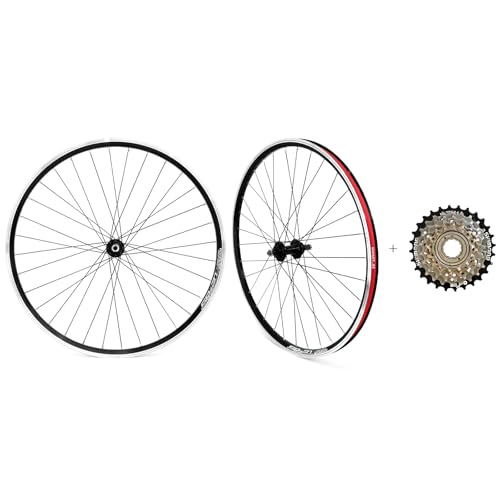
Exceedhub 26″ Mountain Bike Wheelset, Quick Release Rim
- ✓ Ultra-light feel
- ✓ Solid braking control
- ✓ Protective spoke padding
- ✕ Limited tire clearance
- ✕ Basic freewheel compatibility
| Rim Dimensions | Front 32H / Rear 32H, Inner width 19 mm, Outer width 25 mm |
| Rim Material | Aluminum alloy with double-wall rim |
| Brake Type | Rim brake compatible (V-brake road bicycle wheels) |
| Spokes | 9 x 2 front/rear 12 mm extended copperhead spokes (45# steel) |
| Axle/QR | Front 9x100mm QR, Rear 10x135mm QR; includes two quick-release axles |
| Tire and Tube Interface | PVC explosion-proof tire pads; Schrader valve inner tube compatible; spoke protection to prevent puncture |
| Hub and Bearings | Detachable aluminum alloy hub; front/rear bearing structure (2 bearings each) to reduce dust ingress and improve transmission |
I discovered something surprising right out of the box: these Exceedhub wheels feel lighter than I expected for a 26″ setup, and the double-wall rim looks sturdy enough to handle rough terrain without feeling flimsy. The moment you mount the front and rear axles, you can tell the hubs are smooth to spin, almost whisper-quiet when you give them a spin by hand.
It’s the kind of detail that makes you rethink cost-to-performance.
Riding them on a hill climb day, you notice the 19 mm internal width gives a confident tire profile with steady grip. The PVC explosion-proof tire pads are a thoughtful touch, helping protect the inner tube from spoke punctures as you push through techy climbs.
The aluminum alloy double-wall rim feels rigid, and the 12 mm extended copperheads on the 45# steel spokes add a reassuring stiffness when you stand up and push through switchbacks.
Set-up is straightforward thanks to the detachable aluminum hub and quick-release axles. The front is 9×100 mm QR and the rear 10×135 mm QR, which makes wheel swaps quick if you’re chasing a lighter build for hill sprints.
The braking feel with rim brakes is predictable, especially when you need to modulate speed on tight descents after a steep climb. Dust and debris seem to stay out of the bearings well enough, which keeps that smooth feel longer.
In real-world use, this wheelset shines on mixed terrain—light rolling hills, rooty sections, and fast forest trails. It’s not just about weight; the overall rigidity and thoughtful protective features translate to fewer surprises mid-ride.
If you’re chasing better hill-climbing performance without breaking the bank, this set is worth a closer look.
What Features Make Bike Wheels Ideal for Hill Climbing?
The best bike wheels for hill climbing are characterized by several key features that enhance performance and efficiency on inclines.
- Lightweight Design: Lightweight wheels reduce the overall weight of the bike, making it easier to ascend hills. The less mass the cyclist has to move uphill, the more energy-efficient the ride becomes.
- Stiffness: Stiff wheels provide better power transfer from the rider to the road, allowing for more effective pedaling. This stiffness helps maintain speed and momentum, which is crucial when climbing steep gradients.
- Narrow Rim Width: Narrow rims decrease aerodynamic drag and weight, which can be beneficial when climbing. A narrower profile allows for lighter tires, further contributing to the overall weight savings.
- High-Quality Materials: Wheels made from premium materials like carbon fiber or high-grade aluminum offer improved strength-to-weight ratios. This durability ensures that the wheels can withstand the stresses of climbing while remaining lightweight.
- Optimized Spoke Count: A lower spoke count can reduce weight, but the right balance is necessary to maintain strength and stability. Wheels designed for climbing typically feature an ideal spoke configuration that maximizes performance without compromising structural integrity.
- Good Traction: Tires that provide excellent grip and traction help maintain control on steep or uneven surfaces. The right tread pattern and rubber compound can enhance performance, allowing cyclists to climb more efficiently.
How Do Weight and Strength Influence Climbing Performance?
The best bike wheels for hill climbing focus on weight, aerodynamics, and strength to enhance climbing performance.
- Lightweight Wheels: Lightweight wheels are crucial for hill climbing as they reduce the overall weight of the bike, allowing for easier ascents. A lighter wheel means less weight to carry uphill, which can significantly improve climbing speed and efficiency.
- Aerodynamic Design: Aerodynamic wheels minimize drag, which is especially beneficial on descents and flat sections after climbing. While weight is a priority for climbing, a well-designed aerodynamic wheel can help maintain speed once the climb is complete, providing an overall performance boost.
- Strength and Durability: Strong wheels are essential for withstanding the forces exerted during climbs, especially when riders encounter steep grades or rough terrains. Durability ensures that the wheels can handle the stresses of climbing without compromising performance or safety.
- Rim Depth: The depth of the rim can influence both weight and aerodynamics; shallower rims are typically lighter and better for climbing. However, the right balance between rim depth and weight is necessary, as deeper rims can provide stability against crosswinds on downhill sections.
- Spoke Count and Material: Wheels with a higher spoke count can offer better strength and stability, important for maintaining performance during climbs. Additionally, the material of the spokes—often aluminum or carbon—can impact both weight and rigidity, influencing climbing efficiency.
Why is Aerodynamics Important for Hill Climbing Wheels?
Aerodynamics plays a crucial role in the performance of bike wheels, especially for hill climbing. When climbing, cyclists face significant resistance from gravity and air, making the choice of wheel design pivotal. Here’s why aerodynamics matters:
-
Reduced Drag: Aerodynamic wheels are designed to minimize wind resistance. A smoother, more streamlined shape allows air to flow over the wheel with less turbulence, contributing to improved speed and efficiency on climbs.
-
Weight Considerations: While lightweight wheels are essential for hill climbing, their design must not compromise aerodynamics. Hollow rims, for example, achieve both reduced weight and better aerodynamic properties, enhancing climbing performance.
-
Stability and Handling: Aerodynamic wheels often provide better handling characteristics at speed. This stability can be particularly important on steep descents following climbs, allowing cyclists to maintain control while navigating technical sections.
-
Material and Design: Carbon fiber wheels are commonly favored for their sturdy yet lightweight construction, which can further enhance aerodynamic efficiency. Their ability to maintain rigidity while reducing weight makes them ideal for hill climbs.
Choosing the right wheels with aerodynamics in mind can offer a significant advantage, especially on demanding ascents.
What Materials Should You Consider for Climbing Wheels?
When selecting the best bike wheels for hill climbing, it’s important to consider the materials that can enhance performance and reduce weight.
- Carbon Fiber: Carbon fiber wheels are known for their lightweight properties and stiffness, allowing for better energy transfer while climbing. They provide an aerodynamic advantage and can help maintain speed on inclines, although they may come at a higher price point.
- Aluminum: Aluminum wheels are typically more affordable and offer a good balance of weight, strength, and durability. They are heavier than carbon fiber but provide excellent value for recreational climbers and are often more resistant to damage from rough terrain.
- Alloy Composites: Alloy composite wheels combine metals like aluminum with other materials to optimize weight and performance. These wheels can offer a compromise between the lightweight nature of carbon fiber and the durability of aluminum, making them suitable for climbers who want versatility.
- Magnesium: Magnesium wheels are less common but provide a unique blend of lightweight and strength. They are known for their excellent shock absorption, which can be beneficial on uneven climbing trails, although they might not be as widely available as carbon or aluminum options.
Are Aluminum Wheels Better Than Carbon Wheels for Climbing?
When considering the best bike wheels for hill climbing, both aluminum and carbon wheels offer distinct advantages and disadvantages that can impact performance.
- Aluminum Wheels: Aluminum wheels are generally more affordable and durable, making them a popular choice for cyclists who prioritize practicality.
- Carbon Wheels: Carbon wheels are known for their lightweight characteristics and aerodynamic benefits, which can enhance climbing efficiency.
Aluminum Wheels: These wheels are often heavier than their carbon counterparts but provide excellent durability and resistance to impacts. They are less prone to damage from rough terrains, making them suitable for riders who frequently encounter varying road conditions. Additionally, their lower cost makes them accessible for a wider range of cyclists.
Carbon Wheels: The primary advantage of carbon wheels is their reduced weight, which can significantly improve climbing performance by allowing for easier acceleration and maintaining speed on inclines. They also offer superior stiffness, which translates to better power transfer during climbs. However, carbon wheels can be more expensive and may require more care to avoid damage from impacts, especially in rough areas.
What Are the Benefits of Different Rim Materials in Climbing?
The benefits of different rim materials in climbing bike wheels include weight savings, stiffness, and durability, which can significantly enhance performance on hills.
- Aluminum: Aluminum rims are popular for their balance of weight, stiffness, and affordability. They offer good durability and are less prone to denting compared to carbon rims, making them suitable for rough terrain.
- Carbon Fiber: Carbon fiber rims are known for being incredibly lightweight and stiff, which translates to improved power transfer while climbing. They can also be designed to enhance aerodynamics, although they tend to be more expensive and less durable compared to aluminum options.
- Steel: Steel rims are heavier but provide excellent durability and can withstand significant stress without bending. They are less common in high-performance climbing wheels due to their weight but are valued for their robustness in less competitive settings.
- Mixed Materials: Some rims combine materials, such as using a carbon outer layer and an aluminum inner layer. This approach capitalizes on the lightweight and aerodynamic benefits of carbon while retaining the durability of aluminum, making them versatile for various climbing conditions.
What Wheel Sizes Are Ideal for Hill Climbing?
The ideal wheel sizes for hill climbing vary based on factors such as bike type and rider preference, but certain sizes are generally favored for their performance.
- 26-inch wheels: Commonly found on mountain bikes, 26-inch wheels provide enhanced maneuverability and are lighter, making them suitable for steep inclines.
- 27.5-inch wheels: Also known as 650B, these wheels strike a balance between speed and traction, offering better rolling over obstacles while still being relatively lightweight for climbing.
- 29-inch wheels: While they are heavier, 29-inch wheels offer superior momentum and stability, which can be advantageous on less technical climbs, allowing for smoother rides over rough terrain.
- 700c wheels: Typically used on road bikes, 700c wheels are optimized for speed on paved surfaces and are great for long climbs, as they can maintain speed efficiently due to their aerodynamic design.
- 24-inch wheels: Smaller wheels like 24-inch are often found on kids’ bikes or some specialized bikes, providing a lower center of gravity and making it easier to balance while climbing steep hills.
26-inch wheels are favored in mountain biking for their lightweight nature and agility, allowing for quick adjustments and handling on steep trails. The smaller diameter can help riders accelerate faster, which is crucial when tackling steep grades.
27.5-inch wheels, or 650B wheels, combine the advantages of both 26-inch and 29-inch sizes, providing a versatile option that enhances climbing performance without sacrificing too much speed or stability. They maintain a good balance between rolling speed and grip, making them excellent for tackling varied terrain.
29-inch wheels excel in maintaining momentum, especially useful on longer climbs where consistent speed can be beneficial. Their larger size helps roll over obstacles more easily, making them suitable for cross-country rides that include both uphill and downhill sections.
700c wheels are specifically designed for road bikes, making them ideal for climbing on paved roads where aerodynamics and speed are key. Their larger circumference allows for greater efficiency on climbs, particularly on long stretches where maintaining speed is essential.
24-inch wheels are less common but serve specialized purposes, particularly for younger riders or specific types of bikes designed for lower-center-of-gravity stability. They can make climbing easier for smaller riders, allowing for better control and balance on steep inclines.
How Does Rim Diameter Affect Your Climbing Efficiency?
The rim diameter of bike wheels significantly influences climbing efficiency by affecting weight distribution, aerodynamics, and rolling resistance.
- Smaller Rim Diameter: Smaller rim diameters, such as 26 inches, are typically lighter and can provide better acceleration and maneuverability on steep climbs.
- Larger Rim Diameter: Larger rim diameters, like 29 inches, often excel in rolling over obstacles and maintaining speed over varying terrain, which can be beneficial on long climbs.
- Weight Distribution: The height of the rim affects the bike’s center of gravity; a lower center of gravity can enhance stability and control when climbing, making it easier to handle steep gradients.
- Rolling Resistance: Rim diameter influences the contact patch of the tire with the ground; larger wheels can reduce rolling resistance, allowing for a smoother ride and less effort during climbs.
- Aerodynamics: While primarily affected by wheel width, rim diameter can also play a role in aerodynamics; larger wheels can help maintain speed due to better airflow, which is advantageous in longer climbs.
Smaller rim diameters, such as 26 inches, are typically lighter and can provide better acceleration and maneuverability on steep climbs. They allow for quick changes in direction and can be more responsive, which is crucial in technical climbing scenarios.
Larger rim diameters, like 29 inches, often excel in rolling over obstacles and maintaining speed over varying terrain, which can be beneficial on long climbs. They provide better momentum and can help riders maintain a more consistent speed when navigating obstacles or rough surfaces.
The height of the rim affects the bike’s center of gravity; a lower center of gravity can enhance stability and control when climbing, making it easier to handle steep gradients. This is particularly important in technical climbs where balance and control are paramount.
Rim diameter influences the contact patch of the tire with the ground; larger wheels can reduce rolling resistance, allowing for a smoother ride and less effort during climbs. This reduced resistance translates to improved efficiency as riders expend less energy to maintain speed.
While primarily affected by wheel width, rim diameter can also play a role in aerodynamics; larger wheels can help maintain speed due to better airflow, which is advantageous in longer climbs. Improved aerodynamics can make a significant difference, especially on ascents where maintaining momentum is key.
What Tire Size is Best Suited for Climbing Wheels?
The best tire sizes for climbing wheels typically range between 25mm to 32mm, depending on the type of bike and the terrain.
- 25mm tires: These tires are commonly used on road bikes and are ideal for climbing on paved surfaces. They offer a good balance of aerodynamics and weight, allowing riders to maintain speed while climbing steep inclines.
- 28mm tires: Slightly wider than 25mm, these tires provide more comfort and better traction on uneven surfaces. They are particularly beneficial for riders who tackle mixed terrains, as they can absorb shocks better while still being lightweight.
- 30mm tires: These are suitable for endurance rides and offer improved stability and grip. Riders who frequently climb on rough roads or gravel will find that 30mm tires enhance their control and comfort during ascents.
- 32mm tires: Best for adventure and touring bikes, these tires excel on rough terrains and provide maximum comfort. They are ideal for climbers who prioritize stability over speed, especially on long, steep climbs where tire pressure can be adjusted for optimal grip.
Which Brands and Models Are Recommended for Climbing?
The best bike wheels for hill climbing are characterized by lightweight construction, aerodynamic design, and durable materials.
- Mavic Ksyrium Pro UST: These wheels are known for their low weight and exceptional stiffness, which translates into better power transfer during climbs.
- Shimano Dura-Ace C24: Featuring a lightweight design and a strong carbon and aluminum composite, these wheels provide both performance and durability, making them ideal for steep ascents.
- Zipp 303 Firecrest: With their aerodynamic profile and lightweight construction, these wheels help reduce drag, allowing for efficient climbing even in windy conditions.
- Fulcrum Racing 5: Offering a balance of performance and affordability, these wheels are robust yet lightweight, providing good acceleration and stability on climbs.
- Easton EC90 SL: Made from high-quality carbon fiber, these wheels are not only light but also have excellent stiffness-to-weight ratio, making them perfect for serious climbers.
The Mavic Ksyrium Pro UST wheels are crafted to offer a perfect blend of low weight and superior stiffness, ensuring that every pedal stroke translates into forward motion, which is crucial for tackling steep inclines.
The Shimano Dura-Ace C24 wheels are designed with a combination of carbon and aluminum, providing a lightweight yet robust option that excels in climbing scenarios, enhancing the rider’s efficiency on uphill routes.
Zipp 303 Firecrest wheels feature a unique aerodynamic shape that minimizes drag, making them an excellent choice for climbing, especially in variable wind conditions, allowing riders to maintain speed without expending extra energy.
Fulcrum Racing 5 wheels strike a great balance between performance and cost, making them accessible for a wide range of cyclists; their lightweight design helps improve acceleration while maintaining stability on climbs.
Easton EC90 SL wheels are constructed from premium carbon fiber, which not only contributes to their lightweight nature but also ensures a high stiffness-to-weight ratio, providing climbers with the responsiveness needed for steep gradients.
What Are the Top Brands Known for Lightweight Climbing Wheels?
The top brands known for lightweight climbing wheels are:
- Shimano: Shimano is renowned for its high-quality bike components, including lightweight wheels optimized for climbing. Their wheels often incorporate advanced materials and engineering, which contribute to reduced weight while maintaining strength and durability.
- DT Swiss: DT Swiss specializes in precision engineering and produces lightweight climbing wheels that are favored by competitive cyclists. Their wheels are designed with a focus on aerodynamics and stiffness, making them ideal for tackling steep inclines without sacrificing performance.
- Campagnolo: Campagnolo is a historic brand in the cycling world, known for its high-performance wheels that cater to climbers. Their lightweight options often combine innovative designs with high-quality materials, ensuring that riders can ascend hills efficiently while enjoying a responsive ride.
- Fulcrum: Fulcrum offers a range of lightweight wheels that excel in climbing scenarios, with a focus on a balance between weight and rigidity. Their wheels are engineered to provide excellent power transfer, allowing riders to ascend hills quicker and with less effort.
- HED: HED is known for its innovative wheel designs that prioritize lightweight construction and aerodynamics. Their climbing wheels are often lighter than many competitors, using advanced materials that help cyclists conquer steep terrains with greater ease.
Which Models Are Favorites Among Professional Climbers?
The best bike wheels for hill climbing are characterized by lightweight construction, aerodynamic design, and excellent stiffness.
- Carbon Fiber Wheels: These wheels are favored for their exceptional strength-to-weight ratio, making them ideal for climbing steep inclines.
- Aluminum Wheels: While slightly heavier than carbon options, aluminum wheels offer durability and are often more affordable, appealing to a wider range of cyclists.
- Deep Section Wheels: These wheels provide aerodynamic advantages on descents, but their weight may hinder performance on steep climbs.
- Lightweight Climbing Wheels: Specifically designed for hill climbing, these wheels prioritize low weight and are usually shallow in depth for reduced wind resistance.
Carbon Fiber Wheels: The construction of carbon fiber wheels allows for a significant reduction in weight without compromising strength. This makes them particularly advantageous for climbing, as less weight translates to easier ascents and improved acceleration on steep gradients.
Aluminum Wheels: Aluminum wheels are known for their robustness and reliability, which makes them suitable for various terrains. Despite being heavier than carbon alternatives, they provide excellent performance for climbers who seek a balance between weight and durability, especially on rugged trails.
Deep Section Wheels: These wheels are designed with aerodynamic profiles that excel on flat and descending terrains. However, their added weight can be a disadvantage during climbs, as the extra mass can slow down acceleration when tackling steep hills.
Lightweight Climbing Wheels: Tailored specifically for hill climbing, these wheels often have a shallow rim depth and are constructed to minimize weight while maximizing stiffness. This design helps riders maintain momentum on inclines and ensures quick responsiveness when navigating steep sections of a climb.
What Maintenance Practices Can Maximize the Life of Hill Climbing Wheels?
To maximize the life of hill climbing wheels, several maintenance practices should be followed:
- Regular Cleaning: Keeping the wheels clean from dirt and debris is essential.
- Proper Lubrication: Ensuring that the hubs and spokes are adequately lubricated will prevent wear and tear.
- Tire Pressure Maintenance: Maintaining the correct tire pressure can enhance performance and extend wheel lifespan.
- Frequent Inspection: Regularly checking for signs of damage or wear helps in addressing issues before they escalate.
- Wheel Truing: Ensuring that the wheels are properly trued prevents unnecessary strain on the components.
- Storage Practices: Properly storing the bike can protect the wheels from environmental factors.
Regular cleaning of the wheels helps remove accumulated dirt and grime that can lead to corrosion or other damage over time. Using a gentle detergent and a soft brush can help maintain the quality of the materials used in hill climbing wheels.
Proper lubrication is crucial for the longevity of the hubs and spokes, as it reduces friction and prevents premature wear. Using the right type of lubricant, such as a lightweight oil for the bearings, ensures smooth operation while climbing.
Maintaining the correct tire pressure is vital for optimal performance and handling, particularly in hilly terrains. Under-inflated tires can lead to pinch flats and increased rolling resistance, while over-inflation can cause excessive wear and reduce grip.
Frequent inspection for cracks, dents, or any signs of wear can help catch potential issues early, allowing for timely repairs or replacements. This practice is particularly important for high-stress components like rims and hubs.
Wheel truing involves adjusting the tension of the spokes to ensure that the wheel spins straight and true. Regular truing not only improves performance but also minimizes stress on the wheel structure, prolonging its life.
Proper storage of the bike, especially in a dry and cool environment, can prevent rust and other damages caused by humidity and temperature fluctuations. Keeping the bike off the ground and protected from direct sunlight can further enhance the lifespan of the wheels.
How Can You Ensure Your Climbing Wheels Remain in Top Condition?
To ensure your climbing wheels remain in top condition, consider the following maintenance tips:
- Regular Cleaning: Keeping your bike wheels clean is essential to prevent dirt and debris from causing wear and tear. Use mild soap and water to clean the rims and spokes, and ensure to dry them thoroughly to avoid rust and corrosion.
- Proper Inflation: Maintaining the correct tire pressure is crucial for optimal performance on climbs. Check your tire pressure regularly, as under-inflated tires can lead to increased rolling resistance and poor handling, while over-inflated tires can reduce grip and comfort.
- Frequent Inspections: Regularly inspect your wheels for any signs of damage, such as cracks or bent rims. Catching issues early allows for timely repairs, which can extend the lifespan of your wheels and ensure safety while riding.
- Lubrication of Hubs and Bearings: Keeping the hubs and bearings well-lubricated minimizes friction and enhances performance. Use a quality lubricant specifically designed for bike components, and apply it according to the manufacturer’s recommendations to ensure smooth operation.
- Wheel Truing: Ensuring your wheels are true (not wobbly) is vital for climbing efficiency. If you notice any wobbling, take your bike to a professional for truing, which involves adjusting the tension of the spokes to realign the wheel.
- Replacement of Worn Components: Monitor the condition of your tires, brake pads, and spokes, and replace them when they show signs of significant wear. Using quality components and replacing them as needed helps maintain performance and safety on climbs.
What Common Maintenance Issues Should Cyclists Be Aware Of?
Cyclists should be aware of various common maintenance issues to ensure their bike performs optimally, especially when tackling hill climbs.
- Poorly inflated tires: Maintaining proper tire pressure is crucial for performance and safety. Under-inflated tires can lead to increased rolling resistance and can make climbing hills significantly more difficult, while over-inflated tires can compromise traction and comfort.
- Worn brake pads: Brake pads wear down over time and can affect stopping power, especially on descents after climbing. Regularly checking the condition of the brake pads ensures that they can effectively slow you down when needed, which is vital for safe hill climbing and navigating steep terrain.
- Chain wear and lubrication: A dry or worn chain can lead to poor shifting performance and increased resistance, making climbs harder. Regularly lubricating the chain and replacing it when it becomes worn can enhance gear shifting and overall bike efficiency.
- Dirty gears and derailleurs: Accumulation of dirt and debris can hinder the smooth operation of the gears and derailleurs. Keeping these components clean allows for precise shifting, which is essential for maintaining momentum while climbing hills.
- Loose or damaged spokes: Spokes that are loose or damaged can lead to wheel misalignment, which affects stability and handling. Regularly checking the wheel trueness and replacing any damaged spokes ensures that wheels remain strong and reliable during climbs.
- Frame and component corrosion: Exposure to moisture can lead to rust and corrosion on the frame and components, compromising their integrity. Regularly inspecting for signs of corrosion and applying protective coatings can prolong the life of the bike and enhance safety during rides.