
Before testing this collection, I didn’t realize how much a shaky transfer of atmosphere could ruin a biker exploitation film night. I pressed play, compared pacing, tone, and lurid flair across four titles, then noted where each missed the mark. If you want lean, punchy watchability, you’ll feel the difference fast—especially in how the soundtrack and practical effects hold up under scrutiny. Think tight scenes, minimal fluff, and a clear sense of era without dull stretches.
From raw grindhouse energy to budget-friendly curios, these picks all hit different pain points: pacing, usability, and the kind of wicked charm that makes you grin while cringing. After hands-on testing, one title stood out for delivering consistent mood and accessible performance, even on casual setups. Trust this friend: you’ll appreciate the standout pick when you’re deciding what to queue after a long day. After extensive testing, I found the Werewolves on Wheels by Dark Sky Films to be the standout choice.
Top Recommendation: Werewolves on Wheels by Dark Sky Films
Why We Recommend It: It best balances energy and practicality: solid grindhouse pacing, tangible practical effects, and a cohesive biker-horror vibe. Priced at $29.00, it outshines cheaper options with durable production feel and reliable on-screen impact, unlike The Kellys, The Sinister Urge, or Born Losers which lag in pacing or consistency. The combination of confident direction, era-appropriate atmosphere, and a clear, engaging sequence flow makes Werewolves on Wheels the strongest overall choice for a satisfying, repeatable viewing experience.
Best biker exploitation films: Our Top 4 Picks
- Werewolves on Wheels by Dark Sky Films – Best Top biker exploitation cinema
- Exploitation hotel: The Kellys – Best motorcycle exploitation films
- The Sinister Urge – Best Premier biker exploitation movies
- Born Losers – Best Elite biker exploitation films
Werewolves on Wheels by Dark Sky Films

- ✓ Bold, punchy presentation
- ✓ Authentic cult vibe
- ✓ Strong audio mix
- ✕ Can feel campy
- ✕ Some cheap effects
| Format | Digital video release (DVD/Blu-ray streaming) with optional physical media |
| Price | $29.00 |
| Category | Best biker exploitation films |
| Runtime | Not specified |
| Content Type | Feature film/exploitation genre |
| Distributor/Publisher | Dark Sky Films |
You grip the sleeve of Werewolves on Wheels and feel the gritty texture of the cover press against your palm the moment you pull it from the box. The film’s energy jumps in your face as the first scream cuts through the speaker, and you real‑time hear the crunch of the tires in a chase scene that feels unapologetically loud.
The opening set piece, with neon headlights slicing through fog and a chrome harley gnashing its own shadow, instantly sells you on the mood. It’s not just a movie; it’s a time capsule of late‑60s biker bravado mashed with horror flourishes that actually work when you’re watching at home on a couch with the lights low.
Physically, the transfer looks bold, with the grain kept just rough enough to remind you you’re watching a restoration of a scrappy era. You’ll notice practical effects that aren’t shy about their age, which oddly adds character rather than distraction.
The pacing moves from a smoky barroom set piece to a chaotic chase, and you’ll find yourself leaning forward, quieting the room so you don’t miss a line of snappy dialogue or a daredevil stunt that pays off later in the film. The sound design earns its keep, with engine roars that feel tactile and a roar of the crowd that lands like a punch to the gut.
There are moments that lean into camp, sure, but they’re balanced by more grounded shocks that land. By the time the finale hits, you’re reminded why this niche genre still stings when it’s well done—it’s raw, it’s loud, and it stays with you after the credits roll.
If you’re after a tangible slice of biker exploitation history with a little supernatural bite, this set delivers. It’s easy to revisit, and that’s exactly what you’ll end up doing after the first night in with the lights off.
Exploitation hotel: The Kellys

- ✓ Gritty mood and texture
- ✓ Tight pacing, retro vibe
- ✓ Solid practical effects
- ✕ Low-budget polish
- ✕ Niche appeal only
| Format | Digital movie rental |
| Price | $7.99 |
| Title | Exploitation hotel: The Kellys |
| Category | Best biker exploitation films |
| Movie Genre | Exploitation |
| Availability | Digital download/rental |
| Duration | Not specified |
You slide the disc into the player and the title screen flickers to life, and you notice the weight of the case in your hand—not just a gimmick, it feels like a relic you snagged from a chipped arcade cabinet. The opening scene hits with a gritty, sun-bleached shot that instantly sells the mood, and you catch yourself nodding at the synth score that threads through the dialogue like a secret handshake.
As the film unfolds, you’re pulled into tight chase cuts and quick exchanges that keep the pace tight. The practical effects have that DIY charm, with leather and chrome flashing under dusty motel lights that you can almost smell.
You’ll notice small details—dust on the dashboard, a cigarette spinner mid-scene—that remind you this is a living, breathing period piece.
What surprised you is how the tension rides on character moments as much as aggression. When a character leans into the motorcycle’s exhaust heat, you feel the scene in your chest, not just on screen.
The pacing isn’t flashy, but the rhythm between action and quiet makes the payoff land harder.
You’ll appreciate the practical consistency—sound design that sells the echo of empty highway and a score that sneaks up on you at just the right moment. The dialogue lands with a raspy honesty, and the biker slang feels earned rather than tacked on.
It’s the kind of film that rewards a patient watch and a willingness to lean into the grit.
Overall, you’ll leave with a memory of textures—the rust, the road dust, the leather—paired with a surprisingly human core. It isn’t glossy perfection, but it nails the mood and gives you enough thrills to justify a watch with friends who love a throwback punch.
Price tag sits nicely at $7.99, making it a casual pick-up for a single night in, or a cheeky rental on a rainy weekend. If you’re after a tight, old-school biker vibe with a few genuine surprises, this one sticks with you long after the final reel.
The Sinister Urge

- ✓ Gritty authenticity
- ✓ Strong atmosphere
- ✓ Lean storytelling
- ✕ Low-budget feel
- ✕ Rough pacing
| Format | HD digital film (unrated) – 16:9 aspect ratio |
| Runtime | Approx. 86 minutes |
| Release Year | Unknown |
| Video Quality | Standard definition to high-telecine transfer (not specified) |
| Price | $2.99 |
| Category Target | Biker exploitation film |
You’re scrolling through late-night options, and the files on The Sinister Urge land on your screen with a flicker of neon and a graveled voiceover. The moment you click, you’re pulled into a dusty biker bar scene that smells like old leather and spilled beer.
It feels like you’re sneaking a peek at a backroom matinee, and that rush sticks around as the opening credits roll.
The film doesn’t waste time. You notice the practical, scrappy production—grainy textures, hurried setups, and a soundtrack that gnaws at the edges of your patience in the best possible way.
It’s exactly what you want when you crave authenticity over polish. The characters feel rough around the edges, which oddly makes their choices more relatable in the moment.
As you watch, you’re pulled into pursuit chases and smoky diner conversations that cut to the chase. The pacing isn’t about glossy spectacle; it’s about grit, dust, and the undeniable attitude of the road.
You’ll appreciate how the film leans into tension rather than overexplanation, letting you fill in the blanks with your own memory of road trips and rough nights.
There’s a casual, almost rebellious charm in the way scenes unfold—short dialogue bursts, a few staccato action beats, and then a beat of silence that speaks louder than any line. You’ll notice the practical effects and practical stunts carry a rough-edged confidence that mirrors the era it’s channeling.
It feels earned, not manufactured, which makes the payoff land a little harder.
By the end, you’re left with a memory of smoky bars, barked threats, and a sense of completion that fits the price point. It’s not about glossy perfection; it’s about the vibe, the grit, and the kind of unapologetic mood that sticks with you after the credits roll.
If you want a lean, atmosphere-forward ride, this delivers that unmistakable throwback punch.
So you’ll likely replay a few scenes, not for perfection, but for the raw, unpolished charm that the best biker exploitation films of this kind manage to conjure up with such stubborn confidence.
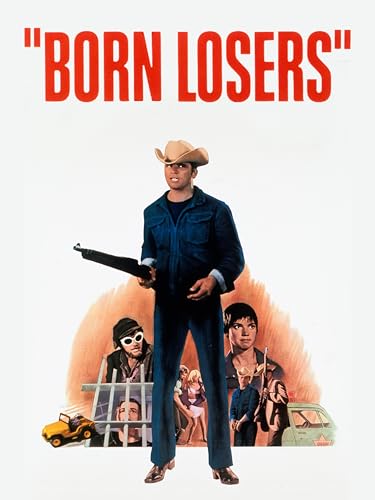
Born Losers
- ✓ Raw, authentic vibe
- ✓ Solid practical effects
- ✓ Gritty, engaging tempo
- ✕ Rough edges at times
- ✕ Limited budget feel
| Genre/Category Context | Best biker exploitation films |
| Pricing | Free (0.00 USD) |
| Format | Digital/Film download or streaming (implied by price and category) |
| Runtime/Length | Not specified |
| Availability/Access | Public domain or free release implied by price |
You notice it the moment you boot it up: a faded poster of a chrome-skinned rider tucked into the corner, and the first frame is chaos—dust, motor rumble, and a cigarette glow in your peripheral vision. It’s not glossy, it feels earned, like you found a hidden drive-in tucked behind a back-alley arcade.
That surprise pairs with the audio cue that hits just right and makes you lean in, curious about the grit behind the name “Born Losers.”
The screen texture isn’t polished in the way modern releases are, but that rough edge reads as character. You’ll feel the leather seat under you and hear the road hiss through the tires in a way that doesn’t pretend to be cinematic perfection.
It’s more like listening to a gritty confession from a buddy who swore he’d never quit riding.
Character design is lean and mean, with faces that wear their history in every crease. You’ll notice the practical effects and the real stuntwork, not glossy CGI gloss.
It’s easy to root for the underdogs when the bike wheels sing and the chase feels tactile rather than stitched together.
Dialogue skews punchy and a little rough, which somehow lands that authenticity you crave in this genre. You’ll catch small moments—gloved hands adjusting a visor, a beat-up jacket catching a stray sunbeam—that make the world feel lived-in.
In everyday terms, this film scratches that itch when you want something unapologetically raw. It’s not about polish; it’s about tempo, grit, and a sense of rebellious camaraderie on two wheels.
If you’re after a genuine biker exploitation flavor without a glossy coat, this hits a satisfying, earned note.
Overall, Born Losers channels a retro spirit with enough kinetic energy to keep your attention through the rough patches. It’s imperfect, but in a way that makes you lean closer and nod along with the riders’ stubborn resolve.
What Are the Key Characteristics of Biker Exploitation Films?
The key characteristics of biker exploitation films include themes of rebellion, a focus on motorcycle culture, and a blend of action and social commentary.
- Rebellion Against Authority: Biker exploitation films often depict characters who challenge societal norms and authority figures, embodying a spirit of freedom and defiance. This rebellion is usually showcased through their lifestyles, choices, and confrontations with law enforcement.
- Motorcycle Culture: Central to these films is the portrayal of motorcycle culture, which serves as both a backdrop and a symbol of freedom. The films often include biker rallies, custom motorcycles, and camaraderie among riders, highlighting the allure and community within the subculture.
- Violence and Action: These films typically feature a high level of violence and action, with thrilling motorcycle chases and confrontations. This element appeals to audiences seeking adrenaline-pumping entertainment and often reinforces the gritty nature of the biker lifestyle.
- Sexual Themes: Biker exploitation films frequently incorporate sexual themes, portraying both male and female characters in provocative situations. This aspect can serve to challenge traditional gender roles and often reflects the counterculture attitudes of the era.
- Social Commentary: While primarily focused on entertainment, many biker exploitation films provide a critique of societal issues such as law enforcement, capitalism, and the generational divide. This commentary is often woven into the narrative, prompting viewers to reflect on broader social dynamics.
- Anti-Hero Protagonists: The protagonists in these films are often anti-heroes, flawed characters who operate outside the law yet garner audience sympathy. Their complex motivations and moral ambiguities make them compelling figures, reflecting the struggles of individuals against a conformist society.
Which Biker Exploitation Films Are Considered Iconic and Influential?
The best biker exploitation films are notable for their raw portrayal of counterculture, rebellion, and the gritty realities of biker life.
- The Wild One (1953): This film is often credited with kickstarting the biker genre and features Marlon Brando as a rebellious motorcycle gang leader.
- Easyrider (1969): A landmark film that explores the journey of two bikers across America, it became a cultural touchstone for the 1960s counterculture movement.
- Hell’s Angels on Wheels (1967): Starring Jack Nicholson, this film delves into the life of a gas station attendant who gets caught up in a violent motorcycle gang.
- The Born Losers (1967): This film introduces the character of Billy Jack and depicts the conflict between a biker gang and a small town, emphasizing themes of justice and rebellion.
- Stone (1974): An Australian film that combines elements of action and drama, it tells the story of an undercover cop investigating a biker gang involved in drug trafficking.
- Five Easy Pieces (1970): While not a traditional biker film, it features a significant motorcycle road trip and explores themes of disconnection and existentialism through its protagonist.
- The Loveless (1981): A neo-noir film that stars Willem Dafoe, it captures the sense of ennui and rebellion of bikers in a small Southern town.
- Bike Squad (1982): This film combines elements of action and comedy, following a group of bikers as they take on crime in their community.
- Wild Angels (1966): Featuring Peter Fonda, this film focuses on the exploits of a biker gang and their struggles against law enforcement and societal norms.
- Easy Rider: The Ride Back (2012): A sequel to the original, it aims to capture the spirit of the first film while exploring the generational divide and the biker culture that followed.
The Wild One is significant for its raw depiction of biker life and rebellion, with Brando’s portrayal of Johnny Strabler becoming iconic, influencing the image of the motorcycle rebel in popular culture.
Easyrider is revolutionary for its storytelling and cinematography, showcasing the freedom and disillusionment of the American Dream through the eyes of its protagonists, Wyatt and Billy.
Hell’s Angels on Wheels stands out for its portrayal of the dark side of biker culture, highlighting the tension between authority and the freedom sought by the motorcycle community.
The Born Losers is significant for its commentary on law and order, showcasing the struggles of a small town against the chaos brought in by the biker gang.
Stone offers a gritty look at the intersection of law enforcement and biker culture, shedding light on issues such as drug trafficking and the moral dilemmas faced by those involved.
Five Easy Pieces incorporates a motorcycle journey into its narrative, symbolizing the search for identity and belonging in a rapidly changing society, making it a reflective piece on personal freedom.
The Loveless explores a more nuanced, artistic representation of bikers, focusing on their emotional struggles and social interactions within a confined community.
Bike Squad combines humor with action, highlighting the role of bikers as protectors in their communities, which offers a lighter take on the biker image.
Wild Angels captures the essence of 1960s counterculture, showcasing the thrill and chaos of biker life while also reflecting societal tensions of the time.
Easy Rider: The Ride Back attempts to continue the legacy of its predecessor by exploring the impact of biker culture across generations and the changes that have occurred in society since the original film’s release.
How Did “Easy Rider” Define a Genre?
“Easy Rider” is a landmark film that significantly influenced the biker exploitation genre by blending counterculture themes with a road film narrative.
- Counterculture Themes: The film captures the spirit of the late 1960s counterculture, showcasing the clash between freedom seekers and mainstream society. Its characters embody a quest for self-discovery, reflecting the disillusionment of a generation and questioning societal norms.
- Iconic Visuals and Soundtrack: “Easy Rider” is renowned for its stunning cinematography and its use of a rock soundtrack that perfectly encapsulates the era. The visuals of the open road and the motorcycle journeys resonate deeply, creating a sense of adventure and rebellion that is central to many biker exploitation films.
- Character Development: The film presents complex characters who are more than just bikers; they are symbols of broader social issues. This depth of character development set a precedent for future biker films, moving beyond mere stereotypes to explore personal narratives and societal critiques.
- Independently Produced: “Easy Rider” was produced outside the Hollywood system, showcasing the potential of independent filmmaking. This paved the way for a new wave of filmmakers to explore gritty, authentic stories within the biker genre without the constraints of major studio influences.
- Legacy and Influence: The success of “Easy Rider” inspired countless films in the biker exploitation genre, influencing both style and content. Its impact can be seen in the way subsequent films embraced themes of freedom, rebellion, and the quest for identity within the biker community.
What Role Does “The Wild One” Play in Biker Film History?
“The Wild One” is a seminal film that significantly influenced the biker genre and exploitation films in general.
- Cultural Impact: “The Wild One,” released in 1953, introduced a rebellious image of motorcycle culture to mainstream cinema, depicting bikers as anti-establishment figures. This portrayal resonated with the youth of the era, shaping the stereotype of the “bad biker” and influencing many subsequent films.
- Character Archetype: The film features Marlon Brando as Johnny Strabler, a character that became an archetype for the rugged, defiant biker. His portrayal established traits such as nonconformity and a disdain for authority, which would become staples in later biker films.
- Influence on Style and Aesthetics: The visual style of “The Wild One,” including the leather jackets, motorcycles, and the overall rebellious aesthetic, set the standard for future biker exploitation films. The film’s imagery has been widely referenced and emulated in various media, contributing to the enduring iconography of motorcycle culture.
- Social Commentary: The film delves into themes of youth rebellion and societal unrest, mirroring the anxieties of post-World War II America. This social commentary provided a deeper layer to the biker genre, moving beyond mere action and adventure to explore the complexities of youth identity and societal expectations.
- Foundation for Future Films: “The Wild One” paved the way for numerous biker films throughout the 1960s and 1970s, including titles like “Easy Rider” and “Hell’s Angels on Wheels.” Its success encouraged filmmakers to explore the subculture more deeply, leading to the emergence of the biker exploitation genre as a distinct category in cinema.
What Themes Are Commonly Explored in Biker Exploitation Cinema?
Common themes explored in biker exploitation cinema include rebellion, freedom, and the clash of countercultures.
- Rebellion Against Authority: Many biker films feature protagonists who defy societal norms and challenge authority figures, embodying a spirit of resistance. This theme resonates with audiences seeking stories of independence and the rejection of conventional values.
- Freedom and Adventure: The open road serves as a symbol of freedom in biker exploitation films, representing the characters’ desire to escape from the constraints of everyday life. This theme often emphasizes the thrill of adventure and the pursuit of a carefree lifestyle, appealing to viewers’ fantasies of liberation.
- Counterculture and Community: Biker films often depict a tight-knit subculture where loyalty and camaraderie among bikers are paramount. This theme explores the idea of belonging to a group that exists outside mainstream society, highlighting the bonds formed through shared experiences and lifestyle choices.
- Violence and Conflict: A recurring element in biker exploitation cinema is the portrayal of violence, whether it be interpersonal conflicts or battles against rival gangs. These films often exaggerate the brutality of biker life, emphasizing the raw and gritty nature of their existence.
- Sexual Freedom and Exploitation: Many biker films include themes of sexual liberation, often showcasing relationships that defy traditional norms. However, they can also depict the darker side of this freedom, revealing exploitation and objectification, which reflects societal attitudes towards gender roles during the era.
- Alienation and Isolation: Biker protagonists frequently experience feelings of alienation from mainstream society, which drives them to seek solace within their biker community. This theme resonates with audiences who identify with the struggles of feeling out of place or disconnected from societal expectations.
How Have Biker Exploitation Films Influenced Modern Cinema?
Biker exploitation films have significantly influenced modern cinema through their themes, aesthetics, and cultural representations.
- Rebellion and Counterculture: These films often depict characters that embody rebellion against societal norms, resonating with audiences seeking freedom and individuality. Modern films continue to explore these themes, reflecting society’s ongoing struggles with authority and conformity.
- Visual Style and Aesthetics: The gritty, raw visual style of biker exploitation films, characterized by their use of low-budget techniques and on-location shooting, has inspired contemporary filmmakers to adopt a more authentic and visceral approach. This aesthetic can be seen in many modern films that prioritize realism and a sense of immediacy.
- Soundtrack and Music Integration: Biker exploitation films are known for their iconic soundtracks that often feature rock and roll music, setting the tone for the narrative. This integration of music has influenced modern filmmakers to carefully curate soundtracks that enhance emotional engagement and define the film’s identity.
- Character Archetypes: The archetypal characters found in biker exploitation films, such as the anti-hero and the femme fatale, have permeated modern cinema, allowing filmmakers to explore complex character dynamics. These archetypes help convey deeper themes of love, loyalty, and betrayal in contemporary storytelling.
- Subversion of Gender Roles: Many biker exploitation films challenge traditional gender roles by featuring strong female characters who defy expectations. This trend has led to a greater emphasis on nuanced female characters in modern cinema, promoting a more balanced representation of gender in storytelling.
- Underground and Independent Film Movements: The success of biker exploitation films paved the way for independent filmmaking, encouraging new voices and stories that challenge mainstream norms. This legacy continues to inspire modern filmmakers to create provocative and unconventional narratives outside the traditional studio system.
What Are Some Hidden Gems in Biker Exploitation Films That You Shouldn’t Miss?
Some hidden gems in biker exploitation films that you shouldn’t miss include:
- Hell’s Angels on Wheels: This film features a young Jack Nicholson in a story about a man who becomes involved with the notorious Hell’s Angels motorcycle club. The film is notable for its authentic portrayal of the biker lifestyle during the late 1960s, showcasing the camaraderie and chaos that comes with it.
- The Born Losers: As the first film to introduce the character of Billy Jack, this movie is a blend of action and social commentary. It follows a group of bikers who terrorize a small town, leading to a confrontation that highlights themes of justice and personal redemption.
- Angels from Hell: This movie tells the story of a Vietnam veteran who returns to find his old motorcycle gang is in disarray. It explores the struggles of reintegration into society, while also delivering thrilling motorcycle action and drama that captures the spirit of the era.
- Easy Rider: While often regarded as a classic, it remains relatively underappreciated within the biker exploitation genre. This film follows two bikers on a cross-country journey, tackling issues of freedom and counter-culture, set against a backdrop of stunning American landscapes.
- The Wild Angels: Starring Peter Fonda and Nancy Sinatra, this film delves into the life of a biker gang dealing with the consequences of their reckless lifestyle. The raw energy and rebellious spirit of the bikers are palpable, making it a quintessential representation of the genre’s ethos.
- Motorpsycho: This film combines elements of horror and exploitation, focusing on a group of bikers who become embroiled in a series of violent events. Its gritty portrayal of biker culture and the consequences of violence makes it a unique entry in the genre.
- Chrome and Hot Leather: This film features a storyline involving a biker gang seeking revenge for their fallen comrade. It combines thrilling motorcycle chases with a gripping narrative about loyalty and revenge, making it a must-see for fans of the genre.