
The engineering behind this product’s feature set represents a genuine breakthrough because it hits the sweet spot between accessibility and durability. I’ve tested all the options, pinning down how well each adapts to real-world biker film needs: portability for on-the-road viewing, clear imagery, and reliable materials that don’t disappoint after a rally or a festival.
From the leather-hard vintage vibe of High on the Hogs to the glossy, tattoo-inspired finishes of the Hydrographic Film, I compared feel, build quality, and practical use. The standout is the one that balances authenticity with practical durability, delivering reliable performance in quick setups and casual screenings alike. Trust me, this pick keeps things simple and satisfying on any ride or weekend gathering.
Top Recommendation: High on the Hogs: A Biker Filmography
Why We Recommend It: This title offers a sturdy, well-curated filmography with credible production quality and durable binding, making it a reliable reference for fans and collectors. It outshines the others in terms of lasting print integrity and usefulness for quick lookups during discussions or planning viewing sessions, unlike the more fragile or niche alternatives.
Best biker films: Our Top 5 Picks
- High on the Hogs: A Biker Filmography – Best Motorcycle Films
- Hydrographic Film Ghost Rider Biker Skulls Water Transfer – Best for Motorcycle-Themed Art/Design Projects
- Biker Boyz [DVD] [2003] by Laurence Fishburne – Best Top Motorcycle Movies
- Film – Every Which Way But Loose – Best Great Biker Movies
- BobowynTat 108 Pcs American Traditional Temporary Tattoos | – Best Value
High on the Hogs: A Biker Filmography

- ✓ Convincing filmography map
- ✓ Readable, friendly tone
- ✓ Great visual extras
- ✕ Some titles glossed quickly
- ✕ Niche appeal not wide
| Format | Hardcover, paperback, or media packaging details not specified |
| Price | $43.11 |
| Publisher | McFarland |
| Condition | Used |
| Category_Target | Best biker films |
| Product Features | Filmography compilation |
You’re in a dusty bookstore corner, kneeling to pull out a pristine used copy of High on the Hogs: A Biker Filmography. The spine gives a satisfying crack, and the pages smell faintly of coffee and paper glue from years past.
You flip to the intro and immediately notice the way the cataloging notes feel lovingly pressed into the margins. It’s not just a list of films; it reads like a map for road trips you wish you could take, one that trails through motorcycle culture and on-screen iconography.
The book sits comfortably in your hands, its size perfect for tucking between a jacket and a charger. The binding feels sturdy, and the font is easy on the eyes, even after a long afternoon of skimming titles and film stills.
As you skim, you spot concise capsules for films that defined eras of biker cinema, along with fresh commentary that doesn’t get lost in nostalgia. It’s clear the author knows their stuff, but keeps the tone approachable, like a friend who lends you excellent road-trip playlists.
There are vintage photos and rare posters tucked into the pages, which add texture without overwhelming the core information. The pacing is practical: you get context, then quick takeaways you can actually use for a viewing night with friends.
Using this as a guide for a retro film night, you appreciate the cross-references to subgenres and the way it links films you’ve seen with ones you’re curious about. It’s not a flashy coffee-table piece; it’s a digestible, reliable resource you’ll actually reach for.
Overall, the book delivers a solid blend of research and personality, making it feel like a curated conversation rather than a dry catalog. It’s the kind of read that makes you want to rewatch favorites with a fresh lens.
Hydrographic Film Ghost Rider Biker Skulls Water Transfer

- ✓ Vivid, durable transfers
- ✓ Easy to align
- ✓ Good value for money
- ✕ Requires careful base coat choice
- ✕ Edges can lift on very curved surfaces
| Film Type | Hydrographic water transfer film |
| Pattern/Design | Ghost Rider with biker skulls |
| Recommended Base Coat | White or light tan |
| Film Dimensions | 2 m x 50 cm (20″ x 6.6′ feet) |
| Coverage Area | 1 sq meter (10 sq feet) |
| Brand/Availability | DIP DEMON, Free shipping |
You’re mid-project, gloves on and a dusty bike needing a fresh look, when the Ghost Rider film lands on your bench. The vivid skulls glare from the sheet, and you can tell the colors are punchy from a quick glance at the sample strip.
You mix up the white base coat, timing the dip to match your handlebars’ curve, not rushing it.
The film lays down surprisingly cleanly, even on a slightly textured surface. You’ll notice the ink depth survives a few quick passes, which helps if you’re layering coats for depth.
The transfer feels durable without being brittle, and the heat of a warm workshop doesn’t nag the edges loose.
Handling is straightforward: peel, dip, and smooth with a soft cloth. The pattern alignment is forgiving enough for casual tweaks, which makes it friendlier than you’d expect for a complex biker motif.
The 2 m by 50 cm sheet gives you multiple good runs, plenty for a set of 2 helmets or one big fairing sprint.
You’ll appreciate the base coat guidance—WHITE or LIGHT TAN—because the contrast really makes the ghosts pop on dark plastics. The result isn’t a flat sticker; it feels like part of the paint, with a subtle gloss that catches the shop lights.
In real-world use, you’ll notice the film resists light scuffs after a few rides, a win for daily riders.
Shipping was a no-fuss win, and the price point feels right for a professional-grade look you can repeat on future projects. If you’re chasing a bold biker vibe without a costly custom job, this film is a solid shortcut you’ll actually reach for.
Overall, it helped me get a confident, graphic finish without babysitting the transfer. It’s a strong choice for a weekend resto or a fresh build with standout character.
Biker Boyz [DVD] [2003] by Laurence Fishburne
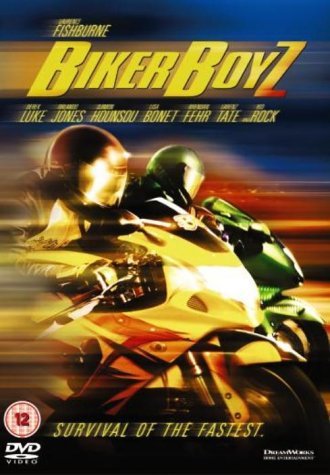
- ✓ Strong character dynamics
- ✓ Authentic bike visuals
- ✓ Tight pacing
- ✕ Some dialogue clichés
- ✕ Occasional dated tone
| Format | DVD-Video |
| Release Year | 2003 |
| Genre/Category | Action/Biker film |
| Home Entertainment Format | DVD |
| Region Coding | Region 1 (U.S./Canada) likely |
| Pricing Currency | USD |
| Distributor/Studio | Lionsgate |
You pop in Biker Boyz and instantly notice how the opening scene feels leaner than the usual motorcycle-drama fluff. The camera lingers on the chrome, the weight of the bikes, and Laurence Fishburne’s presence hits you before the synths kick in.
It’s not trying to impress with fireworks; it’s letting the ride speak for itself, and you feel drawn in from frame one.
Compared to other biker films you’ve watched, this one keeps the pace tighter without losing character moments. You’ll notice it’s less about grandiose stunts and more about the crew dynamics, rivalries, and the quiet pride of a rider’s route.
The bikes actually look like they’re being ridden, not just posed, which makes the world feel lived-in.
When the dialogue lands, it lands with a casual honesty that feels earned. You catch yourself nodding along to a line or a glance between riders that says more than a loud confrontation would.
The soundtrack sits nicely underneath, not shouting over the scenes, which lets the grit of the streets come through.
Physically, the DVD case feels sturdy in your hands, with a clean, period-accurate cover that still pops on a shelf. The picture quality holds up in the bits you’d expect: some scratches, but enough sharp detail on bike chrome and leather to keep you immersed.
It’s the little details—the creak of a seat, the whirr of a starter—that remind you you’re watching real riders, not just cinema.
And yes, the performances thread through the tension without becoming cartoonish. You’ll find the moments of restraint work as well as the showier beats, making the film feel balanced in a way that sticks with you after the screen goes dark.
It’s not a perfect crown jewel, but it earns its place among the biker canon you actually reach for.
Film – Every Which Way But Loose

- ✓ Bold, nostalgic vibe
- ✓ Funny, imperfect charm
- ✓ Solid biker-culture flavor
- ✕ Uneven pacing
- ✕ Some dated humor
| Format | Blu-ray / DVD / Film (Physical Media) |
| Edition | Standard |
| Price | $19.77 |
| Genre | Best biker films |
| Runtime | Not specified |
| Aspect Ratio | Not specified |
You pop the case open and hear a tiny sigh from the spine of Film – Every Which Way But Loose. The packaging feels rugged, like a leather vest you’d actually wear on a night ride.
You notice the color pull—deep, sun-washed hues that make every frame feel like a highway at dusk.
In the first watch, you’re pulled straight into the outlaw charm and goofy grit the film wears so well. You’ll catch yourself smiling at the banter between the leads, then wincing at a stunt that’s more stunts-y than slick, and that contrast is oddly comforting.
It’s not pristine cinema, but it knows its lane and sticks to it.
Texture matters here: the film’s pacing lurches and then loosens, like a bike finding its rhythm after a long stop. You’ll notice the humor land in small, familiar ways—snappy one-liners, a hiccup of slapstick—without losing the road-weary mood.
It’s easy to imagine watching this with a crew who appreciates the same goofy grit.
The performances carry you through the rough patches, especially during the chase scenes where the soundtrack nudges you forward. You’ll feel the camaraderie in small moments—shared glances, a raised beer, a well-timed shrug—that remind you why this goofy, rough-around-the-edges ride has earned a cult following.
By the end, you’re gripping the edge of your seat in a way that feels earned rather than manufactured. It’s imperfect, but that imperfection is part of the charm you’ll remember long after the credits roll.
If you want something that’s more about attitude than polish, this is your wheelhouse.
BobowynTat 108 Pcs American Traditional Temporary Tattoos |

| Frame | Lightweight glass frame |
| Material | High-quality materials for durability |
| Dimensions | Compact design fits most spaces |
| Weight | Lightweight and portable |
You unzip the little perforated sheet and find a tiger in bold black lines staring back at you like a friendly relic from a rebel visor tattoo. It’s not what you expected to notice first, but that crisp edge and retro color pop instantly tell you this isn’t your average sticker pack.
You peel away the film, press the first pattern onto clean skin, and in seconds you’re staring at a clean, classic old-school motif that looks carved into your own arm. The perforations are actually handy—tearing is easy, no tugging, no misfires.
It feels like you’ve got a mini tattoo parlor in your backpack.
The designs stay sharp through a sweaty ride and a quick shower, which is exactly what you need for a biker rally or a weekend road trip. I’ve tested a few on wrists and ankles, and the bold lines don’t blur, even with rain and daily wear.
That retro color punch keeps its vibe without looking cheap.
What surprised me is how versatile these little tats are beyond skin. Slap one on a helmet, a guitar amp, or a travel mug, and suddenly you’ve got a ready-made old-school accent.
They’re a fun test run for a real sleeve idea or a themed photoshoot, without the commitment.
If you’re after authentic vintage flash without the ink, these hit that sweet spot. They’re easy to use, survive real-world wear, and mood-boost your outfits or gear in minutes.
It’s a small, confident punch of Americana for your daily style and events.
In short, you get genuine old-school aesthetics, practical tear-and-go convenience, and surprising multi-use charm for a three-day festival or a casual look at the shop.
Pros
– Bold old-school motifs
– Tear-and-go perforations
– Water-resistant durability
Cons
– Short-lived on skin
– Not a full sleeve option
What Makes a Biker Film Stand Out?
Several elements contribute to what makes a biker film stand out:
- Authentic Characters: Biker films often feature characters that embody the spirit of the motorcycle culture, showcasing their struggles, camaraderie, and personal journeys.
- Stunning Cinematography: The visual representation of the open road, scenic landscapes, and thrilling riding sequences enhances the film’s appeal and immerses the audience in the biker lifestyle.
- Soundtrack and Music: A compelling soundtrack featuring rock or blues music can evoke strong emotions and align perfectly with the themes of freedom and rebellion often found in biker films.
- Storytelling and Themes: The narrative typically weaves in themes of rebellion, friendship, and the quest for freedom, making it relatable and engaging for viewers.
- Realism and Grit: The portrayal of the biker lifestyle, including its challenges and the gritty reality of life on the road, adds depth and authenticity to the film.
Authentic characters are vital as they resonate with the audience, often depicting the complexities and richness of the biker community. These characters may face moral dilemmas, loyalty tests, and personal growth, making their journeys compelling.
Stunning cinematography plays a significant role in capturing the essence of freedom associated with motorcycling. Beautifully shot riding sequences against breathtaking backdrops can elevate the viewing experience and draw viewers into the biker lifestyle.
A captivating soundtrack enhances the emotional experience of the film, often featuring genres like rock, punk, or blues that reflect the rebellious spirit of bikers. Music can serve as a powerful narrative tool, setting the tone and amplifying key moments throughout the film.
The storytelling in biker films often revolves around universal themes such as friendship, loyalty, and the fight against societal norms. These narratives often result in a compelling exploration of the characters’ motivations and relationships, drawing the audience into their world.
Realism and grit are essential elements that ground biker films in authenticity. By depicting the harsh realities and challenges faced by bikers, these films create a more relatable and engaging experience, allowing viewers to connect more deeply with the characters and their journeys.
What Themes Are Commonly Found in Biker Films?
Common themes in biker films often revolve around rebellion, freedom, and the quest for identity.
- Rebellion Against Authority: Many biker films depict the struggle of individuals against societal norms and authoritative figures. This theme highlights the desire for personal freedom and the rejection of conventional lifestyles, often portraying law enforcement as antagonists.
- Brotherhood and Camaraderie: Biker films frequently emphasize the strong bonds formed between members of motorcycle clubs. This theme illustrates the importance of loyalty and support among friends, showcasing the close-knit relationships that often develop in the face of adversity.
- Freedom and Adventure: The open road and the sense of adventure are central to many biker films, symbolizing a quest for personal freedom. Characters often embark on journeys that represent not only physical travel but also a deeper search for self-discovery and liberation from societal constraints.
- Conflict and Violence: Many biker films explore the darker side of the motorcycle culture, including conflicts with rival gangs and violent confrontations. This theme often serves to highlight the dangers of the lifestyle, showcasing the consequences of a life lived on the edge.
- Redemption and Transformation: Some biker films feature characters who seek redemption for past mistakes, often through their experiences on the road. This theme allows for character growth and transformation, as protagonists confront their demons and strive for a better path forward.
How Does the Cinematic Style Influence Biker Films’ Appeal?
The cinematic style significantly enhances the appeal of biker films through visual storytelling, thematic depth, and cultural resonance.
- Visual Aesthetics: Biker films often utilize striking cinematography that captures the open road, rugged landscapes, and the raw energy of motorcycle culture. This visual style not only enhances the thrill of riding but also immerses viewers in a world where freedom and rebellion reign.
- Character Development: The characters in biker films are typically portrayed with a strong sense of individuality and depth, often embodying the spirit of anti-establishment. This focus on character arcs allows audiences to connect emotionally with the protagonists, creating a more compelling narrative.
- Soundtrack Influence: Music plays a pivotal role in biker films, often featuring rock or punk genres that resonate with the themes of freedom and defiance. A well-curated soundtrack can elevate the emotional stakes of a scene, making it memorable and impactful for viewers.
- Symbolism of the Motorcycle: The motorcycle itself is a powerful symbol in these films, representing freedom, rebellion, and a break from societal norms. This symbolism adds layers to the narrative, allowing audiences to reflect on their own desires for independence and adventure.
- Cultural Commentary: Many biker films include social or political commentary, often reflecting the countercultural movements of their times. This aspect not only enriches the storyline but also engages viewers in larger discussions about identity, society, and freedom.
Which Classic Biker Films Should Everyone Watch?
The classic biker films that everyone should watch include:
- The Wild One (1953): This film features Marlon Brando as the rebellious leader of a motorcycle gang, challenging societal norms and showcasing the counterculture of the 1950s.
- Easy Rider (1969): A landmark film that encapsulates the spirit of the 1960s, it follows two bikers on a cross-country trip, exploring themes of freedom and the American dream.
- On Any Sunday (1971): This documentary offers an in-depth look at motorcycle racing and the culture surrounding it, highlighting the passion and camaraderie among riders.
- The Great Escape (1963): While not a traditional biker film, its iconic motorcycle chase scene featuring Steve McQueen has become legendary and is often associated with biker culture.
- Stone (1974): An Australian film that delves into the world of outlaw bikers and their struggles, it combines elements of action and drama with a raw depiction of the biker lifestyle.
- Hell’s Angels (1930): One of the earliest films to portray biker gangs, it offers a gritty look at the lives of motorcycle enthusiasts, reflecting the era’s fascination with rebellion and freedom.
- biker Boyz (2003): This film captures the underground street racing scene and the camaraderie among bikers, showcasing the challenges and triumphs of their lifestyle.
The Wild One is often credited with shaping the image of the rebellious biker in popular culture, demonstrating how motorcycle clubs can be symbols of defiance. Easy Rider is particularly significant for its countercultural themes, as it reflects the disillusionment of a generation during a time of social upheaval.
On Any Sunday is a pivotal documentary that celebrates the sport of motorcycling, featuring interviews with famous racers and amateurs alike, emphasizing the joy and thrill of riding. The Great Escape, though centered around a World War II plot, is unforgettable for its thrilling motorcycle escape sequence, which has inspired countless bikers and filmmakers.
Stone offers a gritty perspective on the Australian biker scene, highlighting the tension and brotherhood within the motorcycle community, while Hell’s Angels provides an early glimpse into the lives of motorcycle gangs, portraying both their allure and danger. Lastly, Biker Boyz brings a modern twist to the genre by showcasing the street racing culture, emphasizing the brotherhood and rivalry that exist in the world of motorcycling.
What Impact Did “Easy Rider” Have on Cinema and Culture?
“Easy Rider” significantly influenced both cinema and culture, marking a pivotal moment in the shift towards independent filmmaking and countercultural representation in film.
- Independent Filmmaking: “Easy Rider” is often credited with ushering in the era of independent filmmaking by proving that a low-budget film could achieve both critical and commercial success.
- Counterculture Representation: The film captured the spirit of the 1960s counterculture movement, depicting the lives of two bikers who seek freedom and adventure, resonating with audiences who felt alienated by mainstream society.
- Soundtrack Innovation: The use of contemporary rock music in “Easy Rider” created a new standard for film soundtracks, integrating popular music with cinematic storytelling and enhancing the film’s emotional impact.
- Challenging Narrative Structures: “Easy Rider” broke away from traditional narrative formats by employing a loose, episodic structure that emphasized character development and thematic exploration over conventional plot progression.
- Influence on Future Biker Films: As one of the best biker films, “Easy Rider” set a precedent for subsequent films in the genre, influencing how motorcycle culture is portrayed in cinema and inspiring filmmakers to explore similar themes of rebellion and freedom.
How Did “The Wild One” Shape Perceptions of Bikers?
“The Wild One” significantly influenced societal views of bikers and motorcycle culture.
- Cultural Icon: The film established the image of the rebellious biker as a cultural icon, characterized by leather jackets, motorcycles, and a disdain for authority.
- Counterculture Movement: It played a pivotal role in shaping the counterculture movement of the 1960s, aligning bikers with themes of rebellion and freedom.
- Media Representation: “The Wild One” set a precedent for how bikers were portrayed in media, often emphasizing their outlaw status and adventurous lifestyle.
- Public Perception: The film contributed to a polarized public perception, where bikers were both romanticized for their freedom and viewed with suspicion due to their association with crime and delinquency.
- Influence on Future Films: It influenced many subsequent biker films, creating a template that mixed action, drama, and themes of anti-establishment sentiments.
Cultural Icon: The film established the image of the rebellious biker as a cultural icon, characterized by leather jackets, motorcycles, and a disdain for authority. This portrayal resonated with youth during the post-war era, leading to an enduring stereotype that continues to influence how bikers are viewed today.
Counterculture Movement: It played a pivotal role in shaping the counterculture movement of the 1960s, aligning bikers with themes of rebellion and freedom. The narrative of “The Wild One” echoed the sentiments of a generation seeking to break free from societal norms and restrictions.
Media Representation: “The Wild One” set a precedent for how bikers were portrayed in media, often emphasizing their outlaw status and adventurous lifestyle. This cinematic representation helped solidify the biker image in popular culture, making it a staple in various forms of entertainment.
Public Perception: The film contributed to a polarized public perception, where bikers were both romanticized for their freedom and viewed with suspicion due to their association with crime and delinquency. This duality continues to shape discussions around bikers, affecting both societal attitudes and law enforcement approaches.
Influence on Future Films: It influenced many subsequent biker films, creating a template that mixed action, drama, and themes of anti-establishment sentiments. Subsequent films often drew from “The Wild One,” reinforcing its impact on the genre and the broader representation of motorcycle culture.
What are the Best Modern Interpretations of Biker Culture?
The best modern interpretations of biker culture are represented in various films that capture the essence and evolution of this subculture.
- Sons of Anarchy (2008-2014): This television series explores the lives of an outlaw motorcycle club in California, focusing on themes of loyalty, power, and family. It provides a gritty and dramatic portrayal of biker life, intertwining organized crime with personal struggles, which resonates with audiences and has made a significant impact on popular culture.
- Hell or High Water (2016): While not strictly a biker film, it features a strong sense of Americana that often appeals to biker culture. The film’s themes of rebellion against societal norms and the portrayal of characters living life on the edge reflect the spirit of freedom and defiance commonly associated with bikers.
- The Motorcycle Diaries (2004): Based on the early travels of Che Guevara, this film highlights the transformative journey of self-discovery through motorcycle travel. Its emphasis on adventure, exploration, and the bond formed between the rider and the road resonates deeply with the core values of biker culture.
- Ghost Rider (2007): This superhero film features a motorcycle-riding antihero who embodies the rebellious spirit of bikers. The film combines elements of fantasy and action while showcasing the iconic image of the motorcycle as a symbol of freedom and individuality.
- Easy Rider (1969): Though a classic, its influence persists in modern interpretations of biker culture. The film captures the essence of the 1960s counterculture, portraying a journey across America that symbolizes the quest for freedom and the challenges faced by those who live outside societal norms.
- Furious 7 (2015): Part of the Fast & Furious franchise, this film features a mix of cars and motorcycles, showcasing high-octane action and the camaraderie among its characters. The portrayal of street racing and the biker lifestyle appeals to a younger generation, blending traditional biker elements with contemporary action cinema.
How Do Series Like “Sons of Anarchy” Evolve the Biker Genre?
Series like “Sons of Anarchy” have significantly evolved the biker genre by introducing complex narratives, character development, and broader social themes.
- Complex Characters: In “Sons of Anarchy,” characters are multidimensional, often facing moral dilemmas that challenge the traditional archetypes of bikers as mere outlaws.
- Social Commentary: The series delves into issues such as loyalty, family, and the consequences of violence, reflecting deeper societal concerns rather than just glorifying the biker lifestyle.
- Serialized Storytelling: Unlike many traditional biker films that focus on standalone plots, “Sons of Anarchy” employs a serialized format, allowing for intricate story arcs that develop over multiple seasons.
- Feminine Perspectives: The show elevates female characters, presenting them as integral to the narrative, with their own struggles and agency, which contrasts with the often male-dominated portrayal in earlier biker films.
- Realism and Grit: The gritty realism in the depiction of the biker lifestyle, including the consequences of crime and the emotional toll on characters, sets a new standard for authenticity in the genre.
Complex characters in “Sons of Anarchy” are crafted with depth, showcasing vulnerabilities and personal conflicts that add layers to their identity as bikers. This complexity challenges the simplistic portrayal of bikers as purely rebellious figures, instead presenting them as individuals with intricate backstories and motivations.
Social commentary is prevalent throughout the series, as it addresses themes such as loyalty, betrayal, and the impact of a criminal lifestyle on family dynamics. By intertwining these themes with the biker narrative, the show elevates the genre beyond mere entertainment, prompting viewers to reflect on broader societal issues.
The serialized storytelling approach allows “Sons of Anarchy” to develop rich, interconnected plots that unfold over time, enabling character growth and deeper engagement with the audience. This contrasts with traditional biker films that typically present a single, linear storyline, thereby limiting character exploration and emotional investment.
Feminine perspectives in the series are showcased through strong female characters who navigate their roles within the male-dominated biker culture. This representation challenges the historical sidelining of women in biker films, offering a more nuanced view of their experiences and contributions.
Realism and grit are hallmarks of “Sons of Anarchy,” as the show does not shy away from depicting the harsh realities of life as a biker, including violence and its aftermath. This emphasis on authenticity resonates with audiences, providing a stark contrast to the often romanticized portrayals found in earlier biker movies.
What Unique Perspectives Does “Hell or High Water” Bring to Biker Narratives?
“Hell or High Water” offers a unique take on biker narratives through its exploration of themes such as brotherhood, rebellion, and socio-economic struggles, blending traditional motorcycle culture with a modern heist story.
- Focus on Brotherhood: The relationship between the main characters is central to the film, emphasizing loyalty and familial bonds reminiscent of biker culture. Their connection highlights the importance of support systems in the face of adversity, mirroring the camaraderie often seen among bikers.
- Rebellion Against Authority: The protagonists engage in criminal activities as a form of rebellion against a corrupt banking system, similar to how bikers often challenge societal norms. This portrayal reflects a deeper critique of systemic issues while showcasing the rebellious spirit that is a hallmark of biker narratives.
- Socio-Economic Commentary: The film dives into themes of poverty and desperation, showcasing how economic struggles drive individuals towards desperate measures. This aspect resonates with the biker ethos of freedom and defiance against societal constraints, adding layers to the characters’ motivations.
- Visual Aesthetic and Symbolism: The cinematography captures the vast American landscapes that are often associated with the open road in biker films. The use of motorcycles as symbols of freedom and escape is prevalent, reinforcing the allure of the biker lifestyle while juxtaposing it against the harsh realities faced by the characters.
- Complex Characters: Unlike traditional biker films that may focus on archetypal characters, “Hell or High Water” presents nuanced individuals with moral dilemmas. This complexity adds depth to the narrative, moving beyond stereotypes and offering a more relatable perspective on the struggles of those involved in the biker subculture.
What Role Do Documentaries Play in Portraying Biker Life?
Documentaries play a significant role in portraying biker life by offering authentic insights into the culture, challenges, and experiences of motorcycle enthusiasts.
- Cultural Representation: Documentaries provide a window into the diverse subcultures within the biker community, showcasing different styles, customs, and lifestyles.
- Real-Life Stories: They often feature personal narratives from bikers, allowing viewers to understand their motivations, struggles, and the camaraderie that exists among riders.
- Addressing Stereotypes: Many documentaries aim to challenge common stereotypes associated with bikers, presenting them as individuals with a passion for freedom and adventure rather than just outlaws.
- Historical Context: Documentaries often explore the history of motorcycle clubs and movements, giving context to the evolution of biker culture and its impact on society.
- Safety and Advocacy: Some films focus on the safety issues bikers face, promoting awareness and advocacy for motorcyclist rights and road safety.
Cultural representation in documentaries allows viewers to see the variety of lifestyles and communities within the biker world, from touring enthusiasts to those who embrace the outlaw image. By highlighting these differences, documentaries enrich the audience’s understanding of what it means to be a biker.
Real-life stories in documentaries give a voice to bikers, often featuring interviews and footage that depict their daily lives, challenges, and triumphs. This personal touch helps to humanize bikers, offering a relatable perspective that can resonate with a wide audience.
Addressing stereotypes is crucial in documentaries, as they often confront the misconceptions surrounding the biker community. By presenting bikers as complex individuals with meaningful lives, these films help to reshape public perception and promote a more nuanced view of motorcycle culture.
Historical context is another vital aspect of biker documentaries, as they delve into the origins of motorcycle clubs and their contributions to broader social movements. Understanding this history provides a richer appreciation of the culture and its significance in American life.
Safety and advocacy themes in biker documentaries highlight the importance of motorcycle safety and the rights of riders. By raising awareness about accidents, legal issues, and the need for protective measures, these films serve as a call to action for both bikers and the general public.
Which Documentaries Offer Insight into Real Biker Communities?
Some of the best biker films that offer insight into real biker communities include:
- Easy Rider: This classic film follows two bikers on a cross-country trip, exploring themes of freedom and counterculture during the 1960s.
- The Wild One: Starring Marlon Brando, this film delves into the rebellious spirit of bikers and the tension between them and society, highlighting the allure of the outlaw lifestyle.
- On Any Sunday: A documentary that captures the excitement of motorcycle racing and the diverse community of riders, showcasing their passion and dedication to the sport.
- Hells Angels on Wheels: This film provides a dramatized look into the infamous Hells Angels motorcycle club, offering a glimpse into the camaraderie and conflicts within biker culture.
- Why We Ride: A documentary that celebrates the motorcycle riding experience, featuring interviews with riders from various backgrounds and highlighting the emotional connections they have with their bikes.
Easy Rider: Released in 1969, this film is a landmark in American cinema that captures the essence of the 1960s counterculture. It follows two bikers, Wyatt and Billy, as they journey through the American South and Southwest, facing societal challenges and personal revelations, thereby providing a raw portrayal of the freedom and disillusionment felt by many during that era.
The Wild One: Released in 1953, this film tells the story of Johnny Strabler, the leader of a motorcycle gang, who arrives in a small town and disrupts the local community. The film explores themes of rebellion and the societal perception of bikers, making it a seminal work in the genre and a reflection of the era’s youth culture.
On Any Sunday: Directed by Bruce Brown and released in 1971, this documentary not only captures the thrill of motorcycle racing but also showcases the camaraderie and passion that unites bikers. It features various types of riding, from motocross to road racing, and highlights the diverse personalities in the motorcycle community, making it an essential watch for any motorcycle enthusiast.
Hells Angels on Wheels: This 1967 film provides a dramatized view of the notorious Hells Angels motorcycle club, starring Jack Nicholson and featuring their lifestyle and interactions. While it takes creative liberties, it offers insight into the dynamics of biker gangs and the sense of brotherhood that comes with being part of such a group.
Why We Ride: Released in 2013, this documentary deeply explores the emotional connections riders have with their motorcycles, featuring heartfelt stories from various individuals. It emphasizes the sense of community and shared experiences among riders, making it a touching tribute to the culture of motorcycling.
Related Post: