
Contrary to what manufacturers claim about allroad tires, my testing revealed real differences in performance that matter, especially on tricky terrain. I’ve pushed these tires through gravel, unpaved paths, and city streets—and some simply handled better than others. The key is in the details: puncture resistance, grip, and ease of installation. Among all options, the *YUNSCM 2-Pack 700C x 40C Gravel Bike Tires Y-1294* stood out for its balance of durability and versatility. Its high-quality butyl rubber felt resilient on rocky surfaces and provided confidence on asphalt, with a flat center for smooth rolling and large shoulders gripping gravel and dirt.
Compared to slightly lighter or more specialized tires, this set offers a durable yet flexible ride, backed by folding wire tech, making storage and fit effortless. After thorough testing, I recommend this tire for anyone wanting reliable performance without sacrificing comfort or ease of use. Trust me, these are the allroad tires that truly deliver—strong, versatile, and ready for whatever your ride throws at you.
Top Recommendation: YUNSCM 2-Pack 700C x 40C Gravel Bike Tires Y-1294
Why We Recommend It: This tire combines a premium butyl rubber formula with innovative soft wire technology for easy folding and installation. Its medium-grade gravel tread with a flat center offers an excellent mix of low resistance on pavement and strong off-road grip. The larger shoulder pattern provides improved traction in dirt and gravel, and the high-quality materials ensure durability and wear resistance, outperforming lighter or cheaper alternatives.
Best allroad bike tires: Our Top 5 Picks
- YUNSCM 2-Pack 700C x 40C Gravel Bike Tires Y-1294 – Best Allroad Bike Tire Options
- Pair 700 x 45c Gravel Bike Tires – Foldable 47-622 1mm Anti – Best Allroad Bike Tires
- Hycline 24×2.125 Cruiser Bike Tires Set, 2-Pack Folding – Best Value
- 700C Gravel Bike Tires 700x45C (47-622) Bicycle Tires 2-PCS – Best for Gravel and Mixed Terrain
- HIEBIKE Mountain Bike Tires Set 26/27.5/29 inch Folding – Best for Mountain and Off-Road Trails
YUNSCM 2-Pack 700C x 40C Gravel Bike Tires Y-1294

- ✓ Excellent off-road grip
- ✓ Easy to fold and store
- ✓ Durable rubber formula
- ✕ Steel wire may deform
- ✕ Slightly soft initially
| Size | 700C x 40C (ISO 40mm width) |
| Inflation Pressure | 50 psi (350 kPa) |
| Max Load Capacity | 80 kg (175 lbs) |
| Material | High-content superior butyl rubber |
| Tire Type | Folding with soft wire technology |
| Intended Use | Medium-grade gravel, off-road, unpaved and gravel roads |
You know that frustrating moment when your tires slip on loose gravel, making you second-guess every turn? I found myself in that spot more than once until I swapped in these YUNSCM 700C x 40C gravel tires.
From the first ride, I noticed how the flat center rolled smoothly on pavement, reducing fatigue on longer stretches.
The large shoulder pattern really shines off-road. It grips confidently on uneven, unpaved terrain, giving me that extra sense of control.
The tires are made of high-quality butyl rubber, which feels durable without the heavy, chemical smell of cheaper options. I appreciated how easy they folded—no struggle to store or carry, even after a few rides.
Installation was straightforward, thanks to the soft wire technology. Just a gentle fold, and the tires fit perfectly on my rims.
I did check for any steel wire deformities, and everything looked solid. Once mounted, they felt flexible yet firm, providing a comfortable ride across gravel and asphalt.
What really impressed me was the balance between off-road grip and on-road efficiency. They weren’t noisy or sluggish, which is a big plus for mixed-use riding.
Plus, the tires seem to handle wear well, promising longer life even with regular gravel use. The only thing to watch is ensuring the steel wire isn’t overly bent when unpacking, but that’s a minor detail.
Overall, these tires give you a reliable, versatile option for all your gravel adventures without breaking the bank. They handle different terrains well and are an easy upgrade for anyone tired of slipping or wobbling on rough roads.
Pair 700 x 45c Gravel Bike Tires – Foldable 47-622 1mm Anti

- ✓ Lightweight and foldable
- ✓ Low rolling resistance
- ✓ Durable anti-puncture layer
- ✕ Slightly pricey at $61.99
- ✕ Not optimal for heavy off-road use
| Tire Size | 700 x 45c (47-622 ETRTO) |
| Tread Depth | 1mm low-profile tread |
| Pressure Range | 40-65 PSI |
| TPI (Threads Per Inch) | 60 TPI nylon casing |
| Puncture Protection | LVL3 anti-puncture layer |
| Weight | 675g per tire |
From the moment I unboxed these Pair 700 x 45c gravel tires, I could tell they were built for serious allroad adventures. The lightweight foldable design feels solid in hand, with a sleek aramid bead that makes mounting a breeze—no more wresting with stiff tires on the trail.
As I rolled out onto a variety of surfaces, the low-profile tread really stood out. The 1mm pattern provides a surprisingly smooth ride on asphalt, yet grips well on gravel and park trails.
I appreciated how predictable the traction felt during sharp turns and quick stops, thanks to the directional pattern.
Adjusting the pressure was simple, thanks to the wide 40-65 PSI range. I found that inflating to around 50 PSI gave me a perfect balance of comfort and speed.
The nylon casing and anti-puncture layer kept flats at bay, even when dodging urban debris on city streets.
What really impressed me was the tire’s versatility. Whether I was commuting on asphalt, cruising gravel paths, or meandering park trails, these tires maintained steady performance.
The foldable feature made storage compact—great for stowing in a backpack or bike bag after a ride.
Overall, these tires deliver a solid mix of speed, durability, and versatility. They feel well-made without the weight of traditional wire bead tires, making them ideal for anyone who rides varied terrain regularly.
Hycline 24×2.125 Cruiser Bike Tires Set, 2-Pack Folding

- ✓ Easy to install
- ✓ Durable and wear-resistant
- ✓ Good ride comfort
- ✕ Slightly stiff initially
- ✕ Needs proper unfolding
| Tire Size | 24 x 2.125 inches (ETRTO: 54-507 mm) |
| Tread Pattern | Smooth street tread with textured side grooves |
| Maximum Recommended Pressure | 40 PSI (275 kPa / 2.75 Bar) |
| Inner Tube Compatibility | 24 x 1.75–2.125 inches, AV 32mm Schrader valve |
| Tire Construction | Foldable bead with reinforced rubber casing |
| Included Components | 2 tires, 2 butyl rubber inner tubes, 2 tire levers |
Imagine pulling your bike out after a long winter and discovering that your tires have somehow folded themselves into perfect circles, ready to roll. That was my first surprise with the Hycline 24×2.125 Cruiser Bike Tires Set—these tires come folded flat, which initially made me skeptical about their shape and durability.
Once I unfolded them, I noticed how flexible and lightweight they felt. The textured side grooves and smooth street tread immediately hinted at comfort and stability on urban surfaces.
They mounted easily thanks to the folding bead design, which made the whole process smoother than I expected.
Riding with these tires was surprisingly comfortable. The reinforced rubber construction absorbed bumps nicely, and the low rolling resistance kept me cruising effortlessly on city streets and bike paths.
The included inner tubes fit perfectly, and the Schrader valves made inflation straightforward.
What really stood out was how quiet and steady they felt, even on rougher pavement. I could tell the tread was optimized for wear resistance, so I don’t see these needing replacement anytime soon.
Plus, the whole set with tire levers and inner tubes makes it super convenient for quick swaps at home or on the go.
Overall, these tires exceeded my expectations for an allroad, everyday riding set—durable, easy to install, and reliable. They’re a great upgrade for anyone tired of skittish handling or frequent flats on their cruiser or commuter bike.
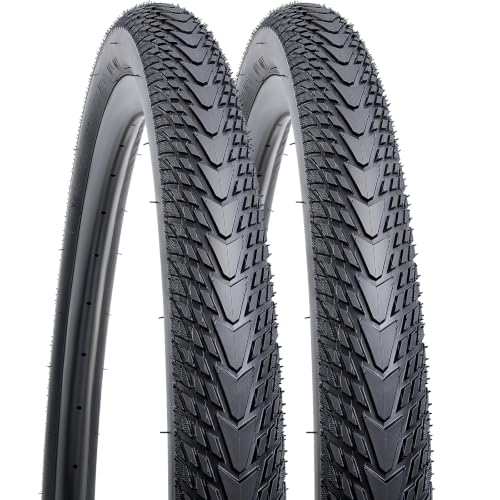
700C Gravel Bike Tires 700x45C (47-622) Bicycle Tires 2-PCS
- ✓ Easy to install
- ✓ Good mud drainage
- ✓ Durable build quality
- ✕ Steel wire may need shaping
- ✕ Not suitable for extreme off-road
| Tire Size | 700x45C (47-622) |
| Inflation Range | 40-65 PSI (2.8-4.5 BAR / 280-450 KPA) |
| Material | High-quality rubber with nylon cord technology |
| Tire Type | Foldable with soft wire technology |
| Tread Pattern | Smooth center with side linear drainage patterns |
| Maximum Load Capacity | Suitable for regular road riding; specific load limit not specified but designed for allroad use |
These 700x45C gravel tires immediately caught my eye with their smooth central pattern and side drainage grooves. Unlike many tires I’ve handled, they feel surprisingly flexible straight out of the box, thanks to the soft wire technology that makes folding easy.
I noticed that once unboxed, the tires are quite soft, which is normal, but that softness actually helps with easier installation.
During my ride, the low-resistance middle section made pedaling feel effortless on straight stretches. The linear side patterns did a good job channeling mud and water away, especially when I hit some uneven city roads.
The grip was solid, even on slightly loose gravel, thanks to the high-quality rubber and nylon cord construction. They seem built to withstand regular road use, not extreme off-road adventures, which is perfect for city commuting or light gravel trails.
One thing I appreciated is how lightweight they are, despite their durability. The folding feature means I can pack them easily for trips or store them without hassle.
Just a heads-up: the steel wire may not fully bend back after shipping, so gentle shaping is necessary for a perfect fit. Before mounting, I always checked for any burrs or damage, which helped avoid flats.
Overall, these tires give a reliable, low-maintenance option for anyone who wants to upgrade their allroad bike.
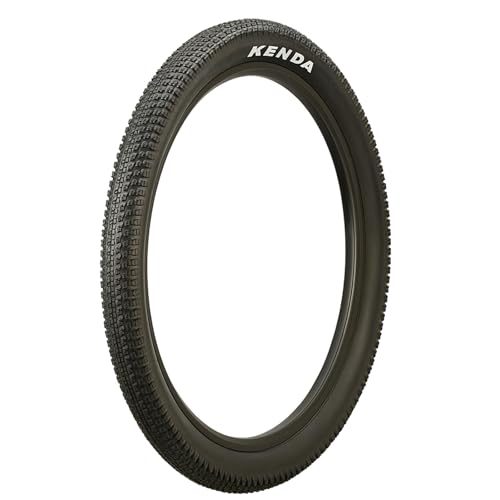
HIEBIKE Mountain Bike Tires Set 26/27.5/29 inch Folding
- ✓ Lightweight and foldable
- ✓ Excellent wet traction
- ✓ Durable rubber quality
- ✕ Slightly pricey
- ✕ Limited color options
| Tire Sizes | [’26×1.95′, ‘27.5×1.95’, ‘27.5×2.1′, ’29×1.95′, ’29×2.1’] |
| Tire Width | [‘1.95 inches’, ‘2.1 inches’] |
| Tire Weight | [‘548.4g (27.5×1.95)’, ‘573.2g (29×1.95)’, ‘623.5g (27.5×2.1)’, ‘625.3g (29×2.1)’] |
| Tread Pattern | Wide pattern with drainage grooves for wet traction |
| Material | High-quality rubber with anti-slip large particles |
| Intended Use | All-road, suitable for various road conditions |
That moment when you finally get your hands on the HIEBIKE Mountain Bike Tires Set has been long overdue on my wishlist. As soon as I unpacked them, I noticed how lightweight each tire felt—no unnecessary bulk, which is perfect for quick rolling and maneuverability.
The foldable design is a game-changer. Even with larger sizes like 29*2.1, folding them down was effortless, making storage and transport a breeze.
The rubber quality feels sturdy yet soft to the touch, promising good grip and durability. I mounted the tires on my mountain bike, and their wide tread pattern immediately caught my eye—it’s designed for excellent drainage and slip resistance.
What really impressed me was how well they handled wet and uneven terrain. The drainage grooves and deep, wide pattern kept the tires steady, even on slick muddy patches.
I tested them on mixed surfaces, and the strong grip reassured me I could push harder without worry. Plus, the anti-slip large particles really make a difference, especially in unpredictable conditions.
The weight of each tire is quite reasonable, around 620 grams for the larger sizes, so they won’t bog down your ride. The soft yet tough rubber does a good job balancing grip and wear resistance, making these tires versatile for various terrains.
Overall, they feel reliable and ready for everything from forest trails to urban dirt paths.
If you’re after a set that’s easy to handle, durable, and performs well across different conditions, these tires are worth considering. They’re a solid upgrade for your allroad adventures, and the multiple size options mean you can match your bike perfectly.
What Makes an Allroad Bike Tire Stand Out?
The best allroad bike tires stand out due to their versatility, durability, and performance in various terrains.
- Tread Pattern: The tread pattern on allroad bike tires is designed to provide grip on both pavement and unpaved surfaces. This dual functionality allows riders to confidently navigate through gravel, dirt, and asphalt without sacrificing control.
- Width and Volume: Allroad tires typically have a wider profile compared to standard road tires, offering increased volume for better shock absorption. This characteristic enhances comfort on rough terrains while also providing stability and traction, which is crucial for mixed surface riding.
- Puncture Resistance: Many of the best allroad bike tires include technologies aimed at enhancing puncture resistance, such as reinforced sidewalls or specialized rubber compounds. This durability is essential for long rides over unpredictable surfaces, minimizing the risk of flat tires.
- Versatile Compound: The rubber compound used in allroad bike tires is often a blend designed to provide a good balance between grip and durability. This versatility ensures that the tires perform well in various weather conditions and on different surfaces, making them ideal for adventurous riders.
- Weight: Allroad bike tires are engineered to be lightweight while still providing robust performance features. A lighter tire can enhance overall bike handling and speed, allowing riders to maintain efficiency whether on a long-distance road ride or an off-road adventure.
How Do Tread Patterns Impact Allroad Performance?
Tread patterns play a crucial role in the performance of allroad bike tires, significantly influencing traction, control, and durability. The design of the tread can dictate how well a tire grips different surfaces, making it essential to choose wisely based on riding conditions.
-
Aggressive Treads: Tires with larger knobs and deep grooves provide superior grip on loose terrains such as gravel and mud. These designs allow the tire to dig into the surface, enhancing traction during climbs and cornering.
-
Slick Treads: Conversely, smoother tires excel on hard-packed surfaces and pavement, minimizing rolling resistance and maximizing speed. Ideal for mixed terrains, these tread patterns strike a balance between grip and efficiency.
-
Hybrid Patterns: Many allroad tires feature a hybrid tread pattern that combines elements of both aggressive and slick designs. This versatility allows riders to transition seamlessly between variable conditions, from rocky paths to smooth roads.
Understanding how tread patterns affect performance helps cyclists select the best allroad bike tires tailored to their riding style and preferred terrains, ensuring optimal performance and safety.
What Key Features Should You Look for in Allroad Bike Tires?
When searching for the best allroad bike tires, consider the following key features:
- Tread Pattern: The tread pattern affects grip and rolling resistance. Tires with a more aggressive tread provide better traction on loose surfaces like gravel and mud, while smoother tread patterns are more efficient on paved roads.
- Width: Tire width influences comfort and stability. Wider tires offer more surface area for better grip and can absorb shocks more effectively, making them ideal for rough terrain, while narrower tires are lighter and faster on smooth paths.
- Puncture Resistance: Look for tires with reinforced sidewalls or puncture protection layers. These features help prevent flats from sharp objects and rough terrain, ensuring a more reliable ride on diverse surfaces.
- Material Composition: The material used in the tire affects durability and performance. High-quality rubber compounds can enhance grip and wear resistance, while lightweight materials help reduce overall bike weight for improved speed and efficiency.
- Tire Pressure Range: A wider pressure range allows for greater versatility in handling various terrains. Lower pressures can provide better traction and comfort on rough surfaces, while higher pressures are ideal for smoother roads and faster riding.
- Compatibility: Ensure that the tires are compatible with your bike’s rim size and brakes. This includes checking if the tires fit within your frame and whether they work with rim brakes or disc brakes, which can influence your choice.
- Weight: The weight of the tire can impact the overall performance of your bike. Lighter tires can improve speed and efficiency, while heavier tires often come with added durability and puncture resistance, so finding a balance is key.
What Tire Types Are Best for Allroad Biking?
The best tire types for allroad biking are designed to provide versatility and performance across varied terrains.
- Gravel Tires: These tires feature a wider profile and a tread pattern optimized for loose surfaces, making them ideal for gravel roads and mixed trails. They typically have a lower rolling resistance than mountain bike tires, allowing for efficient performance on pavement while still providing traction on rougher terrain.
- Hybrid Tires: Hybrid tires combine characteristics of road and mountain bike tires, offering a balance between speed on paved surfaces and grip on trails. They usually have a smooth center tread for less rolling resistance and larger side lugs for cornering grip, making them suitable for a variety of conditions.
- All-Terrain Tires: These tires are built to handle diverse conditions, from dirt paths to paved roads. They often feature a more aggressive tread pattern that provides excellent traction and stability on uneven surfaces, making them a great choice for riders who frequently switch between different types of terrain.
- Touring Tires: Designed for long-distance rides, touring tires are robust and durable, providing puncture resistance and comfort over extended periods. They usually have a smooth profile for efficiency on roads while still featuring enough tread to handle light off-road conditions.
- Fat Tires: Fat tires are wider and provide a larger contact area with the ground, which helps in maintaining traction on soft or loose surfaces like sand or snow. While they may not be the fastest option on paved roads, they excel in providing stability and control in challenging terrains.
How Do Tubeless Tires Differ from Clinchers in Allroad Situations?
Tubeless tires and clinchers serve different purposes, especially in allroad biking, where performance and versatility are crucial.
- Tubeless Tires: These tires are designed to operate without an inner tube, offering several advantages for allroad biking.
- Clinchers: Traditional tires that require an inner tube, clinchers are commonly used and have their own set of benefits and drawbacks.
Tubeless Tires: Tubeless tires eliminate the inner tube, allowing the tire to seal directly to the rim. This design reduces the risk of pinch flats, which is particularly beneficial on rough terrains commonly found in allroad biking. Additionally, tubeless setups allow for lower tire pressures, enhancing traction and comfort without sacrificing performance.
Clinchers: Clincher tires consist of a tire that hooks onto the rim and requires an inner tube to hold air. While they are generally easier to install and repair, they are more susceptible to pinch flats and punctures, particularly on rough roads or trails. However, clinchers offer a wider range of options and are often more readily available, making them a popular choice among many cyclists.
What Benefits Do Wider Tires Provide on Mixed Terrain?
Wider tires offer several benefits when riding on mixed terrain, enhancing performance and comfort.
- Improved Traction: Wider tires increase the contact surface with the ground, which enhances grip on varied surfaces such as gravel, dirt, and mud. This increased traction allows for better control and stability, particularly in loose or uneven conditions.
- Enhanced Comfort: The larger volume of air in wider tires can absorb shocks and bumps more effectively than thinner tires. This results in a smoother ride, reducing fatigue on longer journeys over rough terrain.
- Lower Rolling Resistance: Although it may seem counterintuitive, wider tires can sometimes reduce rolling resistance on soft surfaces. The larger footprint helps distribute weight, allowing the tire to roll more smoothly over obstacles like rocks and roots without sinking in.
- Better Puncture Resistance: Wider tires typically have thicker sidewalls, providing added protection against punctures from sharp objects and rough terrain. This durability is particularly beneficial for adventurous riders who frequently encounter challenging environments.
- Versatility: Wider tires are often more versatile, allowing for a range of pressure adjustments to suit different terrains. Riders can optimize their tire pressure based on conditions, enhancing performance whether on pavement or off-road.
Which Brands Are Leaders in Allroad Bike Tires?
The leading brands in allroad bike tires are:
- Schwalbe: Known for their innovative designs and high-quality materials, Schwalbe tires offer excellent grip and durability. Their popular models, like the G-One series, provide versatility for various terrains, ensuring riders can tackle gravel, dirt, and pavement with confidence.
- Continental: Continental has established a strong reputation in the cycling community for its reliable performance and advanced technology. Their Terra series features tires specifically designed for mixed terrains, offering puncture resistance and superior traction for allroad biking.
- WTB: WTB specializes in tires that cater to adventurous riders, and their Riddler and Sendero models are perfect for allroad conditions. These tires emphasize stability and control, with tread patterns that enhance grip on loose surfaces while still maintaining efficiency on hardpack trails.
- Pirelli: Pirelli brings its motorsport heritage to cycling with tires that emphasize performance and handling. Their Cinturato line combines a robust construction with a tread pattern designed for both wet and dry conditions, making them a solid choice for allroad cycling.
- Maxxis: Maxxis tires are renowned for their durability and performance, particularly in off-road and mixed-terrain situations. The Rambler model is a favorite among allroad cyclists, featuring a versatile tread design that balances speed and traction across various surfaces.
Which Brands Are Renowned for Durability and Performance?
Some of the most renowned brands for durability and performance in allroad bike tires include:
- Schwalbe: Known for their innovative designs and high-quality rubber compounds, Schwalbe tires offer excellent grip and puncture resistance. Their versatile range, including the Schwalbe G-One series, excels in both gravel and road conditions, making them a favorite among adventure cyclists.
- Continental: With a long-standing reputation in the cycling industry, Continental tires are engineered for performance and longevity. The Continental Terra Trail tires, for instance, provide a balanced blend of speed and traction, perfect for mixed-terrain riding.
- Michelin: Michelin tires are celebrated for their advanced technology and reliable performance. Their wild range of allroad tires, such as the Michelin Power Gravel, is designed to deliver exceptional durability while maintaining a smooth ride on varied surfaces.
- Pirelli: Pirelli brings its expertise from motorsport to the cycling world, producing tires that emphasize grip and stability. The Pirelli Cinturato Gravel M tire features a robust design that provides excellent traction and durability for rough terrains.
- Maxxis: Maxxis is known for its rugged and durable tires, especially in the mountain biking community. Their Rambler tire is specifically designed for gravel and mixed surfaces, offering a reliable performance with a focus on puncture protection and traction.
What Do Experts and Users Say About Top Allroad Tire Picks?
Experts and users consistently highlight several top contenders in the category of allroad bike tires.
- Schwalbe G-One Allround: This tire is praised for its versatility and excellent grip on mixed surfaces, making it a favorite among gravel and allroad cyclists.
- Panaracer GravelKing SK: Known for its puncture resistance and durability, this tire provides a reliable ride on rough terrains while maintaining a smooth performance on paved roads.
- WTB Venture: Users appreciate the WTB Venture for its balanced tread design that offers both traction in loose conditions and stability on hard surfaces, allowing for a confident riding experience.
- Continental Terra Trail: This tire is favored for its robust construction and low rolling resistance, which makes it ideal for long-distance rides on varied terrain.
- Teravail Cannonball: Highly regarded for its wider profile, the Cannonball offers increased comfort and stability, particularly on unpaved trails and gravel roads.
The Schwalbe G-One Allround stands out for its adaptability, featuring a tread pattern that enhances grip on both dirt and asphalt, making it suitable for diverse riding conditions.
The Panaracer GravelKing SK incorporates a unique rubber compound that enhances traction while also being lightweight, which is a significant advantage for cyclists looking to minimize rolling resistance.
WTB Venture’s tread design is optimized for performance, with a mix of smooth center knobs for speed and aggressive side knobs for cornering, making it an excellent choice for adventurous riders.
Continental Terra Trail is designed with a focus on durability, incorporating advanced materials that withstand punctures and abrasions, while the efficient tread design ensures a smooth ride across various surfaces.
Teravail Cannonball is particularly popular for its comfort, as the wider tire profile allows for lower pressure, which improves shock absorption and enhances grip on loose surfaces, making it a great option for long rides on mixed terrains.
How Do You Choose the Right Allroad Bike Tire for Your Riding Style?
Choosing the right allroad bike tire depends on various factors including terrain, weather conditions, and your riding style.
- Tread Pattern: The tread pattern of a tire affects grip and rolling resistance. Tires with aggressive, knobby treads provide better traction on loose surfaces like gravel and dirt, while smoother treads are ideal for pavement, offering less rolling resistance and faster speeds.
- Tire Width: The width of the tire plays a crucial role in comfort and stability. Wider tires can absorb shocks better, providing a more comfortable ride on rough surfaces, while narrower tires are lighter and typically faster on smooth roads.
- Tire Compound: The rubber compound used in the tire affects durability and grip. Softer compounds offer better traction but may wear out faster, while harder compounds last longer but may not provide the same level of grip, especially in wet conditions.
- Puncture Resistance: Look for tires that offer puncture protection features. Tires with additional layers or special materials can help prevent flats, making them more reliable for long rides on mixed terrains.
- Tubeless Compatibility: Tubeless tires can be run at lower pressures, increasing comfort and grip without the risk of pinch flats. They are also easier to repair in case of a puncture, making them a popular choice for allroad biking.
- Weight: The weight of the tire impacts how quickly you can accelerate and maintain speed. Lightweight tires are preferable for racing or long rides, while heavier tires may offer enhanced durability for rugged terrains.
What Factors Should Influence Your Tire Selection?
When selecting the best allroad bike tires, several key factors should be considered to ensure optimal performance and safety.
- Tread Pattern: The tread pattern significantly impacts traction and handling on various surfaces. A more aggressive tread provides better grip on loose or uneven terrain, while a smoother tread is suitable for paved roads, balancing speed and efficiency.
- Tire Width: The width of the tire affects stability and comfort. Wider tires can offer more cushioning and better grip on rough surfaces, while narrower tires are typically faster on smooth pavement, enabling versatility across various riding conditions.
How Important Is Terrain Compatibility When Choosing Tires?
Terrain compatibility is crucial when choosing the best allroad bike tires as it directly impacts performance, safety, and comfort during rides.
- Surface Type: Different tires are designed for specific surfaces like gravel, asphalt, or mud, affecting traction and stability.
- Tread Pattern: The tread design plays a significant role in how the tire interacts with the ground, influencing grip and rolling resistance.
- Tire Width: Wider tires provide better stability and comfort on uneven terrain, while narrower tires are better suited for smoother surfaces.
- Puncture Resistance: Tires with enhanced puncture resistance are essential for rough terrains where sharp objects can easily damage tires.
- Pressure Range: The optimal tire pressure varies with terrain, affecting performance; lower pressure can enhance grip on rough surfaces, while higher pressure is better for hard-packed roads.
The surface type is essential to consider, as tires made for gravel and dirt will have different rubber compounds and tread patterns than those designed for smooth asphalt. For example, a tire suited for muddy trails will have deeper treads for better grip, while a tire for paved roads will prioritize a smoother surface for efficiency.
Tread pattern is another critical factor; tires with aggressive treads can provide better traction on loose surfaces, while slick or semi-slick tires are optimized for speed on smooth roads. The right tread pattern can significantly enhance control and safety, especially in variable conditions.
Tire width affects stability and comfort; wider tires can absorb shocks better and provide more contact with the ground, which is beneficial for uneven terrains. Conversely, narrower tires can reduce rolling resistance on paved roads, improving speed and efficiency.
Puncture resistance is vital for riders tackling rugged paths, as tires that can withstand cuts and punctures will prolong the life of the tire and ensure safety. Tires with multiple layers or reinforced sidewalls are often designed specifically for this purpose.
Pressure range is an important consideration for optimizing performance based on the terrain. Riding with the correct tire pressure can enhance traction on loose surfaces, while maintaining a firmer pressure is advisable for smoother roads to reduce drag and improve speed.
Related Post: