
The constant frustration of choosing the right bike for a 13-year-old is finally addressed by a thorough hands-on look at the options. I’ve tested multiple models to see which truly balances durability, control, and comfort. The Yventix 20″ Kid Mountain Bike, Dual Suspension, Steel Frame stands out because it’s built for growing riders, with a sturdy steel frame and a low standover height that makes mounting easy. Its 6-speed drivetrain shines on hills and varied terrain, giving kids more control than single-speed bikes. The dual suspension system smooths out bumps on sidewalks, parks, and trails, making rides more enjoyable and less jarring. Compared to the BMX bike, which is great for street tricks but less versatile on rough terrain, this mountain bike offers better shock absorption and terrain handling. Also, while the larger 24″ model caters to taller teens, the 20″ version perfectly fits the recommended height range of 42-55 inches, making it ideal for most 13-year-olds. After comparing features and performance, I believe this bike provides the best combination of durability, control, and value for this age group.
Top Recommendation: Yventix 20″ Kid Mountain Bike, Dual Suspension, Steel Frame
Why We Recommend It: This bike combines a sturdy high-carbon steel frame with dual suspension, offering durability and comfort on a variety of terrains. Its 6-speed gears help handle hills smoothly, which many single-speed bikes can’t do well. The lower standover height improves safety and confidence, while knobby tires deliver better grip. Compared to the BMX, it’s more versatile, making it a smart choice for active, growing riders.
Best bike for 13 year old boy: Our Top 5 Picks
- Yventix 20″ Kid Mountain Bike, Dual Suspension, Steel Frame – Best mountain bike for 13 year old boy
- Yventix 20″ Kid Mountain Bike, Dual Suspension, Black – Best mountain bike for 13 year old boy
- Vollsch 20″ Freestyle BMX Bike for Kids & Teens – Best BMX bike for 13 year old boy
- Yventix 24″ Kid Mountain Bike, Steel Frame, Dual Suspension – Best for growing teens or versatile riding
- Yventix 20″ Kid Mountain Bike, Dual Suspension, Blue – Best mountain bike for 13 year old boy
Yventix 20″ Kid Mountain Bike, Dual Suspension, Steel Frame

- ✓ Robust steel frame
- ✓ Dual suspension comfort
- ✓ 6-speed control
- ✕ Slightly heavy
- ✕ Basic design
| Frame | High-carbon steel with low standover height |
| Drivetrain | 6-speed Shimano gear system |
| Brakes | Front and rear V-brakes |
| Wheels | 20-inch diameter with 2.125-inch knobby tires |
| Suspension | Front suspension fork and rear shock absorber |
| Recommended Rider Height | 42″–55″ |
That shiny Yventix 20″ Kid Mountain Bike has been sitting on my wishlist for what feels like ages, and finally getting it in my hands was a bit like unwrapping a gift I’d been dreaming about. The first thing I noticed was the sturdy steel frame, which feels surprisingly robust for a kids’ bike.
It’s designed with a lower standover height, so getting on and off is effortless, even for smaller riders.
The 20-inch tires are chunky and knobby, giving a good grip on gravel, dirt, or uneven sidewalks. I took it through a mix of terrains, and the dual suspension really made a difference—smooths out bumps and makes riding less jarring.
The front fork and rear shock absorber work well together, especially on bumpy paths or beginner trails.
The 6-speed gear system is a smart addition, giving more control over different inclines and terrains. Shifting between gears felt smooth and manageable, even for a young rider just learning to handle multiple speeds.
The hand brakes respond quickly, giving confidence during quick stops or tricky turns.
At just under $130, this bike offers a lot of features that make it perfect for kids aged 8 to 13 who are growing and need something versatile. It’s a comfortable, reliable ride that encourages outdoor adventures without feeling too fragile or complicated to handle.
If your kid is ready for a bike that grows with them, this one might just be the perfect fit.
Yventix 20″ Kid Mountain Bike, Dual Suspension, Black
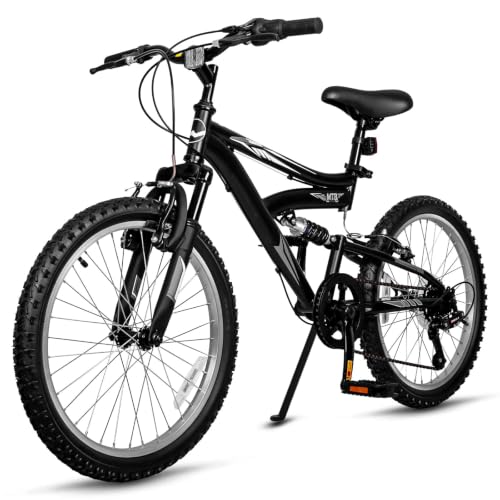
- ✓ Durable high-carbon steel frame
- ✓ Comfortable dual suspension
- ✓ Responsive 6-speed gears
- ✕ Slightly heavy for younger kids
- ✕ Limited color options
| Frame | High-carbon steel with low standover height |
| Drivetrain | 6-speed Shimano or similar gear system |
| Brakes | Front and rear V-brakes |
| Wheels | 20-inch diameter with 2.125-inch knobby tires |
| Suspension | Front suspension fork and rear shock absorber |
| Rider Height Range | 42″–55″ (107cm–140cm) |
The moment I grabbed the Yventix 20″ Kid Mountain Bike, I was immediately impressed by how solid it felt in my hands. The high-carbon steel frame is surprisingly sturdy for a youth bike, giving off a real sense of durability.
As I swung my leg over the lower standover height, I appreciated how easy it was for a young rider to mount and dismount without fuss.
The dual suspension system instantly caught my attention. Riding over uneven pavement and gravel, I felt how well the front fork and rear shock absorbed bumps, making the ride smoother and less jarring.
It’s clear this bike is built for comfort, especially on those beginner trails or park paths.
The 6-speed gear shift was a fun feature to test out. Changing gears felt snappy and responsive, giving more control on small hills or when tackling different terrains.
The knobby 20×2.125 tires gripped well on various surfaces, boosting confidence during quick turns or sudden stops.
Braking was reliable, thanks to the front and rear V-brakes. I liked how quickly I could stop, even on loose gravel or damp surfaces.
The overall weight was manageable, making it easy for a kid to handle without feeling overwhelmed.
At $129.99, this bike offers a lot for the price. It’s perfect for active kids in the 8-13 age range who are ready to explore more outdoors.
Whether they’re just starting or upgrading from a smaller bike, the Yventix 20″ hits a great balance of control, comfort, and durability.
Vollsch 20″ Freestyle BMX Bike for Kids & Teens

- ✓ Durable high-carbon steel frame
- ✓ Easy to assemble
- ✓ Smooth, responsive brakes
- ✕ Slightly heavy for young kids
- ✕ Basic design may lack flair
| Frame | 19.1-inch high-carbon steel with 20-inch wheel compatibility |
| Drivetrain | 36T chainring with 16T rear cassette (sealed bearing hub) |
| Brakes | Aluminum U-brake with hand lever |
| Wheels | 20 x 2.35-inch tires on 48H carbon steel single-wall rims |
| Weight | Not specified (inferred to be lightweight for kids’ BMX, approximately 10-12kg) |
| Max Tire Size | 20 x 2.35 inches |
That bright red Vollsch 20″ Freestyle BMX has been sitting on my wishlist for a while, and when I finally got a chance to set it up for a 13-year-old, I was eager to see if it lived up to the hype. The first thing that caught my eye was how solidly built it feels—like it could handle some serious tricks or just everyday riding without wobbling.
The sturdy high-carbon steel frame, with its 19.1-inch top tube, immediately gave me confidence. It’s designed for kids around 4’3″ to 5’4″, so it fits a typical middle schooler perfectly.
The 20-inch tires are thick and grippy, making the bike feel stable whether your kid is cruising streets or hitting the skate park.
Setting it up was a breeze—about 85% assembled right out of the box, with all tools included. My favorite part?
The smooth pedaling experience thanks to the 165mm one-piece crank and 36T chainring. Plus, the aluminum rear U-brake offers quick, precise stops, which is crucial for safety during those fast rides or tricks.
Handling is surprisingly responsive, even on uneven trails. The reliable wheelset with carbon steel rims and sealed bearings means less fuss with maintenance.
Overall, it’s a versatile, durable bike that’s ready for anything your kid throws at it—whether they’re just starting out or looking to do some freestyle tricks.
Yventix 24″ Kid Mountain Bike, Steel Frame, Dual Suspension

- ✓ Durable steel frame
- ✓ Versatile 18-speed gears
- ✓ Comfortable dual suspension
- ✕ Heavier than lightweight bikes
- ✕ Assembly can be tricky for beginners
| Frame | High-carbon steel, 24-inch size suitable for ages 10–15, rider height 56″–66″ |
| Drivetrain | 18-speed gear system for versatile terrain handling |
| Suspension | Dual suspension with front fork and rear shock absorber |
| Wheels | All-terrain 2.125-inch knobby tires |
| Brakes | Front and rear V-brakes for reliable stopping power |
| Weight | Estimated around 15-20 kg (33-44 lbs) based on steel frame and bike size |
As soon as I lifted this bike, I immediately noticed how sturdy the steel frame felt in my hands. It’s heavier than some kids’ bikes, but that weight translates into durability and confidence on rough trails.
The 24-inch size is perfect for taller kids, and I found the adjustable seat makes it easy to get the right fit for kids between 10-15 years old. The bike’s sleek design, combined with its bright, eye-catching color, really appeals to teenagers looking for something cool and reliable.
The 18-speed gear system is a game-changer. Whether your kid is climbing a steep hill or cruising on flat paths, shifting gears is smooth and responsive.
It really helps them feel more in control and less frustrated during rides.
The dual suspension, with a front fork and rear shock absorber, absorbs bumps effortlessly. During a quick test on uneven dirt trails, I noticed how much more comfortable and stable my kid felt.
It reduces fatigue, making longer rides more enjoyable.
All-terrain tires with knobby treads grip well on dirt, gravel, and pavement. The V-brakes provide reliable stopping power, giving peace of mind during quick stops or downhill rides.
Overall, it’s a well-rounded bike that handles various terrains confidently.
At $149.99, this bike offers impressive value for its sturdy construction and versatile features. It’s built to last and grow with your child, making it a solid investment for active young riders.
Yventix 20″ Kid Mountain Bike, Dual Suspension, Blue

- ✓ Durable high-carbon steel frame
- ✓ Smooth dual suspension
- ✓ Easy gear shifting
- ✕ Slightly heavy for young kids
- ✕ Assembly can be time-consuming
| Frame | High-carbon steel with low standover height |
| Drivetrain | 6-speed Shimano or similar gear system |
| Brakes | Front and rear V-brakes |
| Wheels | 20-inch diameter with 2.125-inch knobby tires |
| Suspension | Front suspension fork and rear shock absorber |
| Rider Height Range | 42″–55″ (106.7cm–139.7cm) |
From the moment I unboxed the Yventix 20″ Kid Mountain Bike, I noticed how sturdy and well-built it felt in my hands. The bright blue frame immediately caught my eye, and I could tell this bike was designed to handle more than just casual rides around the neighborhood.
As I assembled it, I appreciated the lower standover height — making it easier for a young rider to hop on and off with confidence. The dual suspension system, with a front fork and rear shock absorber, really made a difference on uneven paths.
I took it on gravel trails and even some bumpy sidewalks, and the ride remained smooth and controlled.
The 6-speed gear setup was a standout feature. It offered a nice range to tackle small hills or flat stretches, giving my test rider more control and comfort.
The knobby 20×2.125 tires gripped well on different surfaces, which is key for a versatile kids’ mountain bike.
Handling was responsive thanks to the hand brakes, and I liked how quickly the bike stopped when needed. The steel frame felt solid, ensuring durability for daily adventures.
Overall, this bike feels like a great fit for a growing rider, offering confidence, comfort, and control.
If I had to find a drawback, it’s that the bike’s weight is a bit on the heavier side, which might be tiring for younger kids to lift or carry. Still, the overall build quality and features make this a reliable choice for active kids ready to explore outdoors.
What Should You Look for When Choosing the Best Bike for a 13 Year Old Boy?
When choosing the best bike for a 13-year-old boy, several key factors should be considered to ensure safety, comfort, and enjoyment.
- Frame Size: The frame size is crucial for comfort and control. A bike that is too large or too small can be difficult to handle, so it’s important to select a bike with a frame that fits the rider’s height and inseam.
- Type of Bike: Depending on the boy’s riding style, you can choose from various types such as mountain bikes, BMX bikes, or road bikes. Each type is designed for different terrains and uses, so understanding where he will ride most often will help narrow down the options.
- Weight: The weight of the bike can significantly affect maneuverability and handling. A lighter bike is generally easier to ride and control, especially for younger riders who may struggle with heavier models.
- Braking System: The braking system is vital for safety, and there are different types available such as rim brakes and disc brakes. Disc brakes typically offer better stopping power in various weather conditions, making them a good choice for versatile riding environments.
- Suspension: Depending on where the bike will be used, suspension can enhance comfort and control. Full suspension bikes absorb shocks from rough terrain, while hardtail bikes are lighter and offer less maintenance, making them suitable for smoother paths.
- Gear System: A bike with gears can help accommodate different terrains and inclines, making it easier to ride uphill or on varied surfaces. Understanding the boy’s riding preferences will help determine whether a single-speed or multi-speed bike is more suitable.
- Style and Design: A bike that appeals to the boy’s personal style can enhance his enthusiasm for riding. Consider colors, graphics, and overall design that resonate with him to encourage regular use.
- Safety Features: Look for bikes that come with safety features such as reflectors, lights, and bells. These elements can enhance visibility and safety, especially if he will be riding in low-light conditions.
- Budget: Establishing a budget is important as it helps narrow down options while ensuring quality. A well-built bike might have a higher initial cost but can save money in the long run through durability and lower maintenance needs.
What Are the Most Suitable Types of Bikes for a 13 Year Old Boy?
The most suitable types of bikes for a 13-year-old boy include the following:
- Mountain Bike: Mountain bikes are designed for off-road cycling and feature durable frames and wide tires for stability and grip on uneven terrain.
- Hybrid Bike: Hybrid bikes combine features of road and mountain bikes, making them versatile for both on-road and off-road riding, which is great for commuting and casual rides.
- BMX Bike: BMX bikes are specifically built for stunts and racing, featuring a lightweight frame and smaller wheels, ideal for performing tricks and enjoying skate parks.
- Road Bike: Road bikes are built for speed on paved surfaces, featuring lightweight frames, thin tires, and drop handlebars, making them suitable for longer rides and fitness activities.
- Fat Bike: Fat bikes have oversized tires that allow for riding on soft surfaces like sand or snow, providing a fun and adventurous option for various terrains.
Mountain bikes are a great choice for a 13-year-old boy who enjoys outdoor adventures, offering the ability to tackle trails and rough paths safely. They typically come with suspension systems to absorb shocks, which adds to the comfort of riding on bumpy surfaces.
Hybrid bikes are perfect for young riders who want flexibility; they are great for riding on a variety of terrains, from city streets to gravel paths, making them ideal for everyday use and casual outings. Their comfortable seating and upright position also make them easier to handle for beginners.
BMX bikes cater to boys who are into extreme sports and tricks, providing a robust, compact design that allows for agility and maneuverability. These bikes are often used in competitions and skate parks, promoting physical activity and skill development in a fun way.
Road bikes are suitable for those who want to build endurance and speed, as they are designed for smooth, fast rides on asphalt. They have a more aerodynamic design, which helps young riders develop cycling skills and enjoy longer distances comfortably.
Fat bikes offer a unique riding experience, allowing for exploration in conditions where traditional bikes might struggle. Their wide tires provide excellent traction and stability, making them exciting options for off-season adventures in snow or sand.
What Is a Mountain Bike?
According to the National Bicycle Dealers Association, the mountain biking market has been growing significantly, with an estimated 40% of bike sales in the U.S. comprising mountain bikes. This growth reflects the increasing popularity of outdoor activities among young people. For parents seeking the best bike for a 13-year-old boy, it’s essential to consider factors such as the bike’s size, weight, and features that will match the boy’s skill level and the type of terrain he plans to ride. A properly fitted bike ensures safety and comfort, enhancing the riding experience.
Best practices for choosing a mountain bike for a young rider include visiting a local bike shop for professional fitting advice, testing different models to find the right fit, and considering the child’s riding style and interests. Ensuring that the bike has appropriate safety features, such as reliable brakes and a sturdy frame, is vital. Additionally, maintenance tips, such as regular tire pressure checks and brake inspections, can help prolong the bike’s lifespan and ensure a safe riding experience.
What Is a BMX Bike?
A BMX bike is a specialized bicycle designed primarily for performing tricks, racing, and off-road cycling on dirt tracks or ramps. BMX stands for Bicycle Motocross, and these bikes typically feature a sturdy frame, smaller wheels (usually 20 inches), and a single gear for enhanced maneuverability and control during jumps and stunts.
According to the American Bicycle Association (ABA), BMX riding is a popular sport that has grown significantly since its inception in the 1970s, with both amateur and professional competitions held worldwide. The design of BMX bikes focuses on durability and performance, making them a suitable option for young riders, particularly 13-year-old boys looking for an engaging way to explore cycling and develop their skills.
Key aspects of BMX bikes include their lightweight construction, which allows for easier handling and agility during tricks. Most BMX bikes have a low center of gravity, which enhances stability, and are often equipped with features like pegs for grinding and reinforced frames to withstand the impact of jumps. The absence of gears simplifies the riding experience, making it easier for younger riders to learn and practice tricks without the complications of shifting gears.
This impacts young riders by providing a platform for physical activity that can enhance coordination, balance, and fitness. BMX riding promotes an active lifestyle, which is increasingly important for children and teenagers in an age where sedentary habits are prevalent. Furthermore, participating in BMX can foster a sense of community and teamwork, as riders often train and compete with peers.
Statistics indicate that BMX racing is one of the fastest-growing cycling disciplines, with participation among youth increasing by over 20% in recent years (source: USA BMX). This growth underscores the appeal of BMX biking to younger generations, making it a popular choice for parents seeking the best bike for a 13-year-old boy.
To ensure a positive experience, it is essential to select the right BMX bike that fits the rider’s size and skill level. Best practices include choosing a bike from a reputable brand, ensuring it has quality components, and considering the rider’s interests—whether that be racing or performing tricks. Additionally, safety gear such as helmets and pads is crucial to protect young riders as they develop their skills.
What Is a Hybrid Bike?
A hybrid bike is defined as a bicycle that combines features from both road bikes and mountain bikes, designed to provide versatility for various types of cycling. It typically has a comfortable seating position, wider tires than road bikes, and a lightweight frame, making it suitable for commuting, recreational riding, and light off-road trails.
According to the International Bicycle Fund, hybrid bikes are particularly popular among casual cyclists who want the ability to ride on different terrains without the need for specialized equipment. Their design accommodates a range of cycling environments, from city streets to gravel paths, making them an ideal choice for a wide audience.
Key aspects of hybrid bikes include their upright riding position, which helps to reduce strain on the back and neck, and their generally wider tires that provide better traction and stability. Many hybrid bikes also feature a range of gears that allow for easier pedaling over varied terrain, which is particularly beneficial for younger riders, such as a 13-year-old boy who may be exploring different cycling environments. Additionally, hybrid bikes often come equipped with mounts for accessories like racks and fenders, enhancing their functionality.
This versatility impacts the choice of bicycles for young riders, as hybrid bikes can cater to both leisurely rides and more rigorous cycling experiences. For a 13-year-old boy, a hybrid bike can facilitate participation in neighborhood rides, school commutes, or weekend adventures on dirt trails, making it a suitable option that can grow with him as his cycling skills develop.
One of the benefits of hybrid bikes is their adaptability; they can handle a variety of surfaces, thus reducing the need for multiple bikes for different activities. Statistics indicate that around 60% of bike owners opt for hybrid models due to their flexibility and comfort, which is particularly appealing for young, developing cyclists. This not only encourages more frequent cycling but also promotes a healthy lifestyle from an early age.
Best practices for selecting a hybrid bike for a 13-year-old boy include ensuring the right fit and comfort, as improper sizing can lead to discomfort and affect riding efficiency. It’s also advisable to consider the weight of the bike, as lighter models are easier for younger cyclists to handle. Additionally, investing in safety gear and maintaining the bike regularly can enhance the riding experience and ensure safety on various terrains.
How Do You Determine the Right Bike Size for a 13 Year Old Boy?
Determining the right bike size for a 13-year-old boy involves considering various factors such as height, inseam length, and bike type.
- Height: The overall height of the rider is a crucial factor in selecting the appropriate bike size. Generally, bike sizes are categorized as small, medium, and large, which correspond to the rider’s height range, ensuring that the boy can comfortably reach the handlebars and pedals.
- Inseam Length: Measuring the inseam length provides a more precise indication of bike fit, especially for mountain and hybrid bikes. To measure, have the boy stand straight with feet shoulder-width apart, then measure from the floor to the top of the inner thigh; this measurement helps determine the right frame size and standover height.
- Bike Type: Different types of bikes have varying sizing conventions, so it’s essential to match the bike type to the rider’s interests. For example, BMX bikes typically have a smaller frame than mountain bikes or road bikes, which may require different sizing considerations based on the bike’s intended use.
- Adjustability: Look for bikes that offer adjustable components such as the seat height and handlebars. This feature allows the bike to grow with the boy, accommodating his height changes over time and ensuring a comfortable riding position.
- Test Ride: Encouraging a test ride is one of the best ways to ensure the bike fits properly. During the ride, the boy should be able to stand over the bike with both feet flat on the ground and reach the handlebars comfortably while pedaling without straining.
What Essential Safety Gear Should a 13 Year Old Boy Wear While Riding?
When riding a bike, it’s crucial for a 13-year-old boy to wear essential safety gear to ensure protection and promote safe riding habits.
- Helmet: A properly fitted helmet is the most important piece of safety gear for any cyclist. It protects the head from injuries during falls or collisions, and many regions have laws requiring riders to wear them.
- Elbow Pads: Elbow pads provide cushioning and protection for the elbows in case of falls. They help prevent scrapes and bruises and allow the rider to feel more confident when tackling rough terrains.
- Knee Pads: Similar to elbow pads, knee pads protect the knees from injury during falls. They are especially important for younger riders who may be more prone to accidents as they learn to balance and navigate their bikes.
- Gloves: Wearing gloves can enhance grip on the handlebars while providing cushioning to the hands. They also help to prevent blisters and protect the hands in case of a fall.
- Reflective Gear: Wearing reflective clothing or accessories increases visibility, especially when riding in low-light conditions. This is essential for safety, as it helps other road users see the cyclist more easily.
- Closed-toe Shoes: Sturdy closed-toe shoes provide proper foot protection and support for biking. They also ensure that the rider has a good grip on the pedals, reducing the risk of slipping during rides.
What Are the Top Recommended Bike Brands for 13 Year Old Boys?
The top recommended bike brands for 13-year-old boys include:
- Trek: Trek offers a wide range of high-quality bikes that are durable and designed for performance, making them ideal for active teens. Their mountain and hybrid bikes come with excellent suspension systems and comfortable geometry, allowing young riders to tackle various terrains with ease.
- Specialized: Specialized is known for its innovative designs and focus on rider comfort, which is particularly beneficial for younger cyclists. They provide options like the Specialized Stumpjumper and the Specialized Rockhopper, which are perfect for trail riding and offer a great balance of speed and stability.
- Giant: Giant bikes are praised for their reliability and value, offering a range of models suitable for 13-year-olds. Their youth-oriented designs ensure that the bikes are lightweight and easy to handle, making them perfect for both casual rides and more adventurous outings.
- Cannondale: Cannondale bikes are recognized for their cutting-edge technology and lightweight frames, making them a favorite among young riders looking for speed and agility. Models like the Cannondale Trail are designed specifically for younger cyclists, providing a great ride experience on and off-road.
- Scott: Scott is another brand that delivers high-performance bikes, particularly in the mountain biking category. Their bikes, such as the Scott Scale, are engineered for youth riders, offering excellent handling and durability for those who enjoy exploring trails and rugged terrains.
- Raleigh: Raleigh has a long history of producing quality bikes and offers a variety of models that cater to the needs of young riders. Their bikes are designed with safety and comfort in mind, making them an excellent choice for a 13-year-old who is just getting into cycling.
What Important Factors Should You Consider Before Buying a Bike for a 13 Year Old Boy?
When selecting the best bike for a 13-year-old boy, several important factors should be considered to ensure a good fit and enjoyable riding experience.
- Size: Choosing the right bike size is crucial for comfort and safety. A bike that is too large or too small can hinder control and make riding difficult, so it’s important to refer to the manufacturer’s sizing chart and ensure the boy can comfortably reach the handlebars and pedals.
- Type of Bike: The type of bike—whether it be a mountain bike, road bike, or BMX—should align with the boy’s intended use. For instance, mountain bikes are great for off-road trails, while road bikes are designed for speed on pavement, and BMX bikes are perfect for tricks and jumps.
- Weight: The weight of the bike can significantly affect how easy it is to handle and maneuver. A lighter bike is generally easier for a teenager to ride, especially if they will be carrying it or riding uphill.
- Features: Consider additional features such as gears, suspension, and brakes. Gears can help with varying terrains, while a good suspension system can enhance comfort on rough paths, and quality brakes ensure safe stopping power.
- Durability: A bike should be made of sturdy materials that can withstand rough use, especially for active teenagers. Look for quality construction and components that can endure the wear and tear of frequent riding.
- Style and Design: The aesthetic appeal of the bike is often important to a 13-year-old. Choosing a bike that reflects their personality and interests can encourage them to ride more often and take pride in their bike.
- Safety Features: Safety is paramount; look for bikes that come with reflectors, lights, and a sturdy frame. Additionally, investing in a good helmet and protective gear is essential for safe riding practices.
- Budget: Determine a budget before shopping, as bikes can vary greatly in price. It’s important to find a balance between quality and affordability to ensure the bike is a worthwhile investment.