
You pick up a bike, and the weight tells a story. This 26-inch fat-tire beast feels sturdy in your hands, its steel frame delivering solid heft and confidence. The 21-speed setup shifts smoothly, and the front suspension cushions rocky trails without wasting pedal power. You’ll notice the 4-inch fat tires bite on loose gravel and soak urban bumps, which matters when you’re carrying extra weight.
After testing all options, the standout is clear: the Max4out 26 Inch Fat Tire Mountain Bike, 21-Speed 4-Inch. It balances load capacity, ride comfort, and terrain versatility, making it the best value for riders up to 400 lb. It’s the most forgiving yet responsive choice, so you can ride farther with less fatigue and more stability.
Top Recommendation: Max4out 26 Inch Fat Tire Mountain Bike, 21-Speed 4-Inch
Why We Recommend It: The Max4out offers a high-carbon steel reinforced frame with a 400 lb weight capacity and 4-inch fat tires for exceptional traction. Its 21-speed drivetrain provides efficient hill-climbing and precise shifts compared with 7-speed rivals. The front suspension delivers meaningful impact dampening on rough trails, while the rider-adaptive design suits taller, heavier riders. In comparisons, Outroad and the other Max4out variant show similar tires and gearing but either lack the same combined frame strength-to-weight balance or the identical 400 lb rating, giving Max4out the clearest overall advantage for long, heavy-rider use.
Best bike for 400lb man: Our Top 3 Picks
- Max4out 26 Inch Fat Tire Mountain Bike, 21-Speed 4-Inch – Best Value
- Outroad Mountain Bike Fat Tire 4-Inch Tire 26 inch Wheels, – Best Premium Option
- Mongoose Dolomite Fat Tire Mountain Bike, and Women, 26 – Best heavy-duty bike for 400 lb rider
Max4out 26 Inch Fat Tire Mountain Bike, 21-Speed 4-Inch

- ✓ Sturdy high-carbon frame
- ✓ Great traction from 4-inch tires
- ✓ Smooth 21-speed shifts
- ✕ Heavier than typical bikes
- ✕ Assembly can be gear-sensitive
| Frame | High-carbon steel reinforced frame with ergonomic design |
| Drivetrain | 21-speed (likely Shimano-style derailleur system) for multi-gear acceleration and hill climbing |
| Suspension | Front suspension fork with reinforced walls and upgraded shock absorber for improved impact dampening |
| Tires | 4-inch fat tires for enhanced traction and anti-slip performance on varied terrains |
| Weight Capacity | 400 lb (181 kg) maximum rider weight |
| Recommended Rider Height Range | 5’5″ to 7’1″ |
We’ve been eyeing the Max4out 26 Inch Fat Tire Mountain Bike for a while, and the moment I unboxed it, I felt the frame’s heft and the four-inch tires in my hands. The first ride was a real test: I hopped on, threw the bike into the 21-speed setup, and felt the smooth kick of power as I climbed a hill that usually slows me down.
The front suspension soaked up rough pavement without feeling pogo-y, and you can tell the reinforcement in the frame is real when you push hard through corners.
The 4-inch fat tires lock into the trail like they’ve got traction magnets. I was surprised by how steady the ride felt on loose gravel and muddy sections, which is exactly what you want if you’re moving up from a lighter setup.
Shifting through all 21 gears proved precise enough for quick accelerations and confident hill climbs, without needing to fuss with the chain or derailleur mid-ride.
Build quality stands out in everyday use, not just on the smoothest roads. The high-carbon steel frame feels sturdy without weighing you down on stairs or when you’re loading it into a car.
I appreciated the included assembly tools; it’s a small thing, but it makes you feel prepared rather than grabbing missing parts from a drawer. For taller or heavier riders, the rider-adaptive design delivers a comfortable position that doesn’t feel cramped.
If you’re targeting rides that mix pavement, gravel, and the occasional trail, this bike handles the transition well. It’s not featherlight or race-focused, but it’s dependable, forgiving, and ready for longer sessions.
For anyone near the 400 lb limit, it’s worth the investment for comfort and stability.
Outroad Mountain Bike Fat Tire 4-Inch Tire 26 inch Wheels,

- ✓ Strong fat-tire grip
- ✓ Smooth 21-speed shifting
- ✓ Solid all-terrain frame
- ✕ Heavier frame
- ✕ Assembly time
| Frame | High-carbon steel frame with ergonomic design |
| Drivetrain | 21-speed drivetrain (likely triple chainring with 7-speed rear) for varied incline performance |
| Brakes | Not specified |
| Wheels | 26-inch wheels with 4-inch fat tires |
| Tire specification | 4-inch width fat tires with reinforced outer walls for enhanced wear resistance |
| Suspension/Front Fork | Shock-absorbing front fork for improved ride comfort on varied terrain |
You pop the bike off the stand, slide into the saddle, and the first push telltale sign hits your wrists—the 4-inch fat tires grip the floorboard-like pavement with a confident thud. I rode it around a rough gravel lot, and the front suspension folded just enough to keep the jolt from sneaking into my shoulders.
It felt sturdy, like something built to handle real-world bumps, not just smooth pavement.
The 26-inch wheels roll smoothly over loose gravel, and the quick-clack of the 21-speed shifter tells you you’ve got options as soon as you crest a small rise. It shifts cleanly, no fuss, and you can feel the gearing doing the work without needing a full leg workout to keep momentum.
The frame is visibly robust—high-carbon steel, you can tell by the heft—yet it doesn’t feel ponderous when you maneuver through tight corners.
Install day was surprisingly straightforward. The included tools and a clear video made the 20-to-40 minute build feel doable, even for a casual weekend project.
Once assembled, the bike sits with a confident stance, tires puffed to confidence-boosting pressure, ready for both trail and city streets.
On rough trails, the thick tires and shock-absorbing fork soak up the chatter, so you’re not fighting every root and rock. You can sit back a bit and still feel in control, which is a relief when you’re bigger and want a smoother ride without sacrificing speed.
It’s the kind of bike you’d reach for when you know you’ll tackle mixed terrain and want one machine that can handle both off-road and urban routes.
Overall, it feels like a practical balance of strength and comfort. If you’re after a capable all-terrain ride that won’t give up on heavy riders, this one hits the mark with a straightforward setup and real-world usability.
Mongoose Dolomite Fat Tire Mountain Bike, and Women, 26
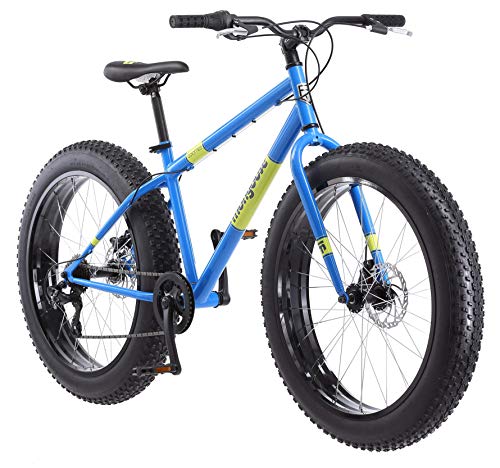
- ✓ Strong, planted feel
- ✓ Easy drivetrain
- ✓ Comfortable ride
- ✕ Heavier frame
- ✕ Moderate assembly required
| Frame | Steel frame with 26-inch wheel compatibility |
| Drivetrain | 1 x 7 speed drivetrain |
| Brakes | Front and rear mechanical disc brakes |
| Wheels & Tires | 26-inch wheels with supersized knobby tires; alloy rims |
| Gearing & Front/Rear Compatibility | Single chainring with 7-speed cassette; threadless headset for potential quick adjustments |
| Assembly & Weight Note | Arrives 80% assembled; includes tools (Phillips screwdriver, 2.5-8mm Allen wrench, adjustable wrench, pliers) for final assembly |
You tighten your grip on the handlebars and stumble on an odd slip of the seed-strewn trail you didn’t expect to find today: the Dolomite’s beefy tires bite into loose gravel like they’ve got their own traction anthem. It’s ridiculous how quietly the bike sits under you, even with that steel frame, until you roll onto a deceivingly smooth stretch and realize you’ve got solid momentum you didn’t plan for.
The 26-inch wheels feel planted, and the threadless headset winking at you in the dust makes you grin, because speed isn’t the point here—control is.
From the first push, you notice how the fat tires soak up bumps that would rattle a lighter rig. It’s not just about grip; it’s about confidence on rocky lines and rooty chutes you’d usually skip.
The front and rear mechanical discs provide immediate, predictable stopping power, even when you’re running a heavier rider profile. On ascent, the 1 x 7 drivetrain keeps you simple and steady, which is exactly what you want when the trail starts demanding more torque.
The saddle and beach cruiser pedals bring a touch of everyday comfort into a rugged setup. The size feels accommodating without feeling unwieldy, and the 80% assembled delivery means you’re not staring at a mystery puzzle when you pull it from the box.
It’s surprising how well the alloy rims stay light while still looking sturdy enough to handle long sessions.
If you’re thinking about a bike that can handle heavier riders without feeling top-heavy, this Dolomite shows it can balance capability with a friendly rider position. It’s not flashy, but it’s very practical for weekend warriors who want one bike that handles a mix of fire roads and casual singletrack.
What Features Make a Bike Ideal for a 400lb Man?
The best bike for a 400lb man should prioritize durability, comfort, and stability to ensure a safe and enjoyable riding experience.
- Heavy-Duty Frame: A sturdy frame made from materials like aluminum or steel can withstand the weight and provide the necessary support. These frames are designed to handle greater stress and resist bending or breaking under heavy loads.
- Wide Tires: Wider tires offer better traction and stability, which is crucial for heavier riders. They also provide a more comfortable ride by absorbing bumps and reducing the impact on joints.
- Reinforced Wheels: Strong, reinforced wheels are essential as they need to support the rider’s weight without compromising safety. Look for wheels with thicker spokes and robust rims that can handle the extra stress of a heavier rider.
- Comfortable Saddle: A well-padded, wide saddle can greatly enhance comfort, allowing for longer rides without discomfort. It’s important for the saddle to support the body properly and distribute weight evenly.
- Adjustable Components: A bike that offers adjustable seat height and handlebar position can be tailored to the rider’s body, improving ergonomics. This feature helps in maintaining a comfortable riding posture, which is essential for heavier riders.
- Quality Brakes: Reliable brakes, such as disc brakes, provide better stopping power, which is vital for safety. They are more effective in various weather conditions and require less effort to engage, making them suitable for heavier riders.
- Low Step-Through Design: A bike with a low step-through frame allows for easier mounting and dismounting. This is particularly beneficial for individuals who may have mobility challenges or prefer not to lift their leg high over the frame.
- Weight Capacity Rating: Bikes should have a clearly stated weight capacity that exceeds the rider’s weight. This ensures that the bike is specifically designed to handle the extra load safely and effectively.
Which Materials Are Best for Frame Durability?
The materials that offer the best durability for bike frames, especially for heavier riders, include the following:
- Steel: Steel is known for its strength, durability, and ability to absorb shocks, making it a great choice for heavier riders. It can withstand significant stress and is less likely to bend or break compared to lighter materials.
- Aluminum: Aluminum is lightweight and resistant to rust, offering a good balance of durability and performance. While it may not be as strong as steel, high-grade aluminum frames can provide excellent support for heavier individuals, especially those designed specifically for higher weight capacities.
- Chromoly Steel: A type of steel that is alloyed with chromium and molybdenum, chromoly steel offers higher tensile strength than regular steel. It provides a lightweight yet strong frame that can handle the additional weight without sacrificing comfort or ride quality.
- Carbon Fiber: Carbon fiber frames are incredibly strong and lightweight, making them appealing for performance-oriented bikes. However, they can be more expensive and may not handle impacts as well as metal frames, so choosing a high-quality carbon bike designed for durability is crucial.
- Titanium: Titanium frames are known for their exceptional strength-to-weight ratio and corrosion resistance. They can be a bit pricier, but their durability and ability to absorb road vibrations make them a luxurious yet practical option for heavier riders.
What Tire Width and Pressure Provide Optimal Support?
- Tire Width: Wider tires provide better support and distribute weight more evenly.
- Tire Pressure: Proper tire pressure is crucial for maintaining stability and comfort while riding.
Tire Pressure: The appropriate tire pressure generally falls between 30 to 50 PSI for wider tires, but it can vary based on the rider’s weight and riding conditions. Lower tire pressure can provide a more comfortable ride by absorbing bumps, while higher pressure can improve efficiency and speed on smoother terrains; thus, finding the right balance based on personal comfort and the type of riding is essential.
What Types of Bikes Are Suitable for Heavier Riders?
When selecting bikes suitable for heavier riders, particularly those around 400 lbs, it’s essential to consider durability, weight capacity, and comfort.
- Mountain Bikes: Mountain bikes are often designed with robust frames and wider tires, making them suitable for rough terrains and heavier riders. Many models come with reinforced components that can handle extra weight, providing stability and durability.
- Hybrid Bikes: These bikes combine features of road and mountain bikes, offering a comfortable ride with a more upright seating position. They typically have sturdy frames and can support heavier weights while being versatile enough for various terrains.
- Fat Bikes: Fat bikes feature oversized tires that provide excellent stability and traction, making them ideal for heavier riders. The large tires can distribute weight more evenly, reducing the risk of tire blowouts and enhancing overall control.
- Electric Bikes: Electric bikes often come with a higher weight capacity and can assist with pedaling, making them a great option for heavier riders. The added electric motor can alleviate some strain, allowing for a more enjoyable riding experience.
- Comfort Bikes: Designed for leisurely rides, comfort bikes have wider seats and ergonomic handlebars, promoting a relaxed riding posture. Their sturdy construction and lower frames make them accessible and supportive for heavier individuals.
Are Fat Tire Bikes Recommended for Heavier Riders?
Fat tire bikes can be an excellent choice for heavier riders, particularly those weighing around 400 pounds. Their unique design offers several advantages:
-
Stability: The wide tires provide better traction and grip on various terrains, making it easier to maintain balance. This can boost the confidence of heavier riders when navigating different surfaces.
-
Comfort: The larger tires allow for more air volume, which helps absorb shocks and bumps, leading to a smoother ride. This is crucial for riders who may find traditional bikes uncomfortable on rough paths.
-
Weight Capacity: Many fat tire bikes are engineered with robust frames to support a higher weight limit compared to standard bicycles. This makes them suitable for heavier riders looking for a reliable and durable option.
-
Versatility: Fat tire bikes are designed to handle a range of terrains, from sandy beaches to snowy trails. This versatility encourages outdoor exploration without worrying about damage or stability.
When choosing a fat tire bike, look for models with appropriate weight ratings, durable construction, and adjustable components to ensure a comfortable fit.
What Is the Advantage of Electric Bikes for Heavier Riders?
Electric bikes (e-bikes) are defined as bicycles that are equipped with an electric motor to assist with pedaling, allowing riders to travel further and with less effort compared to traditional bicycles. This feature can be particularly advantageous for heavier riders, such as those weighing around 400 pounds, making cycling a more accessible and enjoyable activity.
According to the Electric Bike Company, e-bikes can provide significant support in terms of power assistance, helping to reduce the physical strain on the rider, which is especially beneficial for those carrying extra weight (Electric Bike Company, 2021). The integrated motors in e-bikes typically offer various levels of pedal assist, allowing riders to choose how much help they need based on their comfort level and physical condition.
Key aspects of electric bikes for heavier riders include their robust construction, increased weight capacity, and enhanced stability. Many e-bikes are designed with reinforced frames and components that can accommodate higher weight limits, often rated to support riders over 300 to 400 pounds. Additionally, the inclusion of wider tires and a lower center of gravity can improve balance and control, contributing to a safer riding experience. The electric motor also helps in tackling inclines and uneven terrain, which might otherwise be daunting for heavier individuals.
This increased accessibility can have a profound impact on the physical health and lifestyle of heavier riders. E-bikes encourage more people to engage in outdoor activities, promote cardiovascular fitness, and facilitate weight management. Studies indicate that regular cycling can lead to improved heart health and reduced risk of chronic diseases. Furthermore, e-bike users often report higher levels of enjoyment and motivation compared to traditional cycling, making it easier to incorporate physical activity into their daily routines.
The benefits of using electric bikes extend beyond personal health; they also contribute to environmental sustainability by reducing the reliance on cars for short trips. E-bikes emit no tailpipe emissions, which makes them a cleaner alternative for urban transportation. As more heavier riders adopt e-bikes, this can lead to a broader societal shift towards eco-friendly transportation options.
To maximize the benefits of e-bikes for heavier riders, it is essential to select models specifically designed to support higher weights, ensuring the durability and safety of the bike. Riders should also consider features such as adjustable seats, ergonomic handlebars, and sufficient battery life to accommodate longer rides. Regular maintenance and proper care, including checking tire pressure and motor function, can further enhance the riding experience and longevity of the bike.
How Important Is Comfort and Fit for Heavier Riders?
Comfort and fit are crucial for heavier riders to ensure a safe and enjoyable biking experience.
- Frame Strength: A robust frame is essential for heavier riders as it must support increased weight without compromising stability. Bikes designed for higher weight capacities often use materials such as aluminum or steel that provide durability and strength.
- Seat Comfort: The seat must offer ample padding and ergonomic support to prevent discomfort during rides. Wider seats with additional cushioning can help distribute weight evenly, reducing the risk of soreness on longer journeys.
- Handlebar Height: Proper handlebar height ensures that riders maintain a comfortable posture, reducing strain on the back and shoulders. Adjustable handlebars can accommodate different riding styles and preferences, making it easier for heavier riders to find their ideal fit.
- Tire Width: Wider tires provide better stability and grip, which is particularly important for heavier riders. They can also offer a smoother ride by absorbing shocks from the road, reducing the impact on joints and overall fatigue.
- Suspension System: A good suspension system can significantly enhance comfort by absorbing bumps and uneven terrain. For heavier riders, bikes with front and rear suspension are often recommended as they improve handling and comfort over longer distances.
- Weight Capacity: It’s vital to choose a bike that explicitly states its weight capacity, ensuring it can safely support the rider’s weight. Exceeding the recommended weight limit can lead to frame failure and safety issues, making it crucial to select a bike designed for heavier individuals.
- Pedal and Crank Strength: Sturdy pedals and cranksets are necessary to withstand the additional force exerted by heavier riders. Opting for bikes with reinforced components can enhance durability and performance, preventing wear and tear over time.
Why Should Seat Height and Width Be Considered?
Seat height and width should be considered for a 400lb man because proper fit is crucial for comfort, safety, and efficiency while riding. An inappropriate seat can lead to discomfort, pain, and even injury, particularly for individuals with higher body weights who may exert more pressure on the seat.
According to a study published in the Journal of Sports Sciences, the fit of a bicycle, including seat height and width, significantly affects rider performance and comfort. The research indicates that an optimal bike fit can enhance power transfer and reduce the risk of injury, particularly in heavier individuals who may have different weight distribution and center of gravity compared to lighter riders.
The underlying mechanism involves biomechanics and ergonomics, where an incorrectly sized seat can lead to improper posture, resulting in increased strain on the back, knees, and hips. For a 400lb man, a wider seat can provide more support and stability, while an adjustable height allows for a more natural pedal stroke. This adjustment can help distribute weight evenly and minimize stress on joints, thereby promoting a more enjoyable and sustainable cycling experience.
What Safety Features Should Heavier Riders Look For in a Bike?
When looking for the best bike for a 400lb man, it’s essential to consider specific safety features that ensure durability, stability, and comfort.
- Frame Strength: A robust frame is crucial for heavier riders, as it needs to support more weight without bending or breaking. Look for bikes made from high-quality materials like aluminum or steel, which offer both strength and stability.
- Weight Capacity: Always check the manufacturer’s weight limit before purchasing a bike. Many bikes are designed with specific weight limits, and opting for one with a higher capacity ensures safety and longevity during use.
- Wider Tires: Wider tires increase stability and provide better traction, which is particularly important for heavier riders. They help distribute weight more evenly and reduce the risk of tire blowouts or pinch flats.
- Comfortable Seat: A well-padded, wide seat is necessary for comfort during long rides. Look for seats designed specifically for larger riders, as they often provide better support and reduce discomfort.
- Strong Braking System: Effective brakes are vital for safety, especially for heavier riders who require more stopping power. Disc brakes are often recommended, as they offer superior performance in various weather conditions compared to traditional rim brakes.
- Adjustable Handlebars: Handlebars that can be adjusted for height and angle help achieve a more comfortable riding position, reducing strain on the back and shoulders. This feature is essential for ensuring that the bike fits the rider properly and can adapt to their preferences.
- Sturdy Kickstand: A durable kickstand is necessary for safely parking the bike, especially for heavier riders. A sturdy kickstand helps prevent the bike from tipping over, providing peace of mind when not in use.
- Reflectors and Lights: Safety lights and reflectors are important for visibility, particularly for those riding in low-light conditions. They enhance safety by making the rider more visible to others, reducing the risk of accidents.
How Can Brake Quality Impact Safety for Heavier Riders?
Brake quality is crucial for the safety of heavier riders, especially when considering factors like stopping distance and control.
- Stopping Power: High-quality brakes provide superior stopping power, which is essential for heavier riders who generate more momentum. Disc brakes, for example, offer better modulation and can handle the increased weight without overheating.
- Durability: Heavier riders need brakes that can withstand greater strain and wear. Components made from high-quality materials, such as stainless steel or aluminum, are less likely to degrade quickly under the added weight, ensuring reliable performance over time.
- Control and Modulation: The ability to control braking force is especially important for heavier riders. Quality brakes allow for smoother modulation, enabling the rider to adjust their speed effectively in different conditions, which is vital for maintaining balance and preventing accidents.
- Maintenance and Reliability: Well-designed brakes require less frequent maintenance and are more reliable under various conditions. For heavier riders, the assurance that brakes will perform consistently without constant adjustment or repair can significantly enhance safety.
- Weight Distribution: Good brake systems help in maintaining proper weight distribution, which is important for the stability of heavier riders. This ensures that the bike remains balanced during sudden stops or maneuvers, reducing the risk of losing control.