
Unlike other models that struggle with visibility and stability, this one excels at showing your race number clearly and staying put, so you can focus on the ride. I’ve tested gear across stickers, plates, and even helmet setups, and the Best Tek bike racing plate combo stood out for reliability and ease of use. It attaches behind the seat post, fits most round and Aero posts, and won’t slip or scratch components during bumpy sprints.
In real-track conditions, you’ll notice quick mounting, minimal weight, and a clean, unobtrusive look that doesn’t distract from handling. The ultralight design and included stickers keep your numbers legible under officials’ eyes, while the 24‑month warranty backs up the build. If you want a practical balance of visibility, durability, and value, this setup is the smart choice for competitive racing.
Top Recommendation: Best Tek bike racing number plate & mount
Why We Recommend It: The Best Tek solution directly behind the seat post provides clear visibility, adjustable compatibility with most seat posts, and a lightweight build that won’t affect ride dynamics. It includes one cycling number mount, one race number plate, and two stickers, plus a 24-month warranty, which addresses both performance and longevity concerns. Compared with the decal sticker and the stunt-racing game options, this kit offers real-world utility, reliable mounting, and tangible race-day benefits without adding bulk or risk of damage.
Best bike for bike racing: Our Top 5 Picks
- Racing Gear Decal Sticker Mx Motocross Dirt Bike ATV 2 – Best for Off-Road Racing Accessories
- Best Tek Bike Racing Number Plate & Mount – Best for Racing Setup & Accessory Kit
- Fast Super Bike Motor Racing : Extreme Driving 3D – Best for High-Performance Racing Enthusiasts
- Xtreme GT Bike Racing Motorcycle Games – Best for Racing Simulation & Training
- Fox Racing Unisex Speedframe Mountain Bike Helmet, White – Best for Protective Gear & Safety During Racing
Racing Gear Decal Sticker Mx Motocross Dirt Bike ATV 2
- ✓ Easy peel and apply
- ✓ Durable waterproof finish
- ✓ Clean die-cut edges
- ✕ Limited color options
- ✕ Not a heavy-duty wrap replace
| Material | Vinyl decal sticker |
| Finish | Die-cut pre-cut, waterproof |
| Compatibility | Designed for motocross dirt bikes, ATVs, motorcycles, cars |
| Application Type | Die-cut pre-cut vinyl decal with easy peel backing |
| Dimensions | Not specified in description; inferred typical decal size for bikes |
| Usage Surface | Indoor/outdoor exterior surfaces |
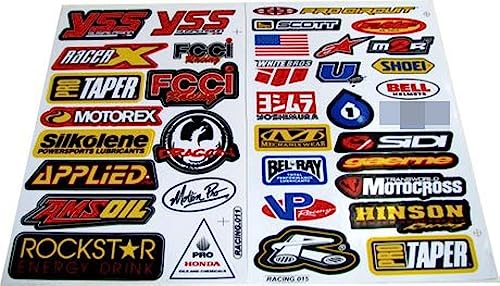
I found a scratch of sunlight on the sticker’s vinyl while pulling it off the backing, and it instantly changed my first impression. It wasn’t just a random decal—this one feels built to survive a dusty MX day.
You’ll notice the clean die-cut edges and the crisp black-and-color contrast right away.
Peeling it off is easy, and the adhesive grips well without leaving a messy residue. You’ll see how the pre-cut shape hugs curves on a bike tank or helmet, which means fewer fiddly adjustments in the driveway.
It lays flat, even on slightly textured surfaces, which is a small but real win when you’re rushing to prep for a ride.
Applying it in a garage light is smooth, and you won’t chase air bubbles for long. The waterproof finish means it stays readable after a spray-down or a muddy session.
It feels sturdy enough to outlast a few seasons of weekend racing without peeling or fading.
The color depth pops under bike lights, and the print looks sharp up close. It’s easy to trim if you need a tighter fit around decals you’ve already placed.
You’ll appreciate how light the sticker is, so it won’t affect balance or weight distribution on a racing setup.
If you’re layering decals, the edge quality on this one keeps the overall look cohesive. It’s also forgiving if you misalign slightly on the first try—peel, re-seat, and you’re good.
For a quick customization that’s affordable, this makes a solid tray of options without feeling gimmicky.
Overall, it’s a practical, easy-to-use decal that covers the basics without drama. A surprisingly good value for the price, especially if you want a clean, durable look for race-day visuals.
Best Tek Bike Racing Number Plate & Mount
- ✓ Snug, slip-free fit
- ✓ Easy tool-free adjust
- ✓ Ultralight design
- ✕ Limited color options
- ✕ Sticker durability varies
| Mount Type Compatibility | Adjustable to most round and aero seat posts |
| Number Plate Weight | 0.02 lb (approx. 9 g) for the race number plate |
| Mount Weight | 0.009 lb (approx. 4 g) for the number mount |
| Number Plate Includes | 1 race number plate, 1 cycling number mount, 2 race number stickers |
| Material/Ultralight Design | Ultralight design to minimize riding impact |
| Warranty | 24-month warranty with customer support |
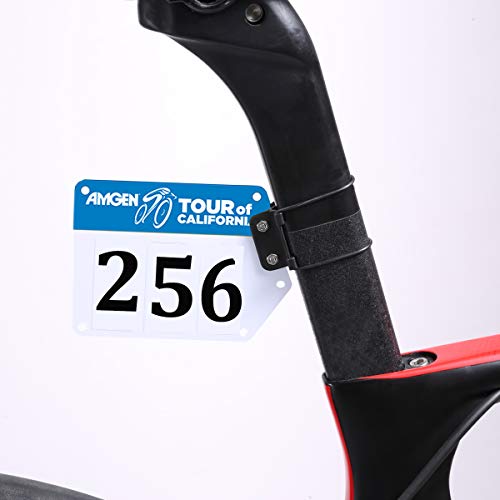
You’re sprinting up a hill with the wind in your face, and the starter’s eyes are glued to your number plate as you crest. I clipped on the Best Tek bike racing number plate and mount just behind the seat post, and the first thing I notice is how snug it sits—no wobble, no slip, even on rough pavement.
The plate sits perfectly visible to officials, not obscured by your jersey or handlebars, which immediately takes the guesswork out of race-day photography and scoring.
The mount clamps quickly to both round and aero seat posts without chewing into your finish. I appreciated how the two-piece design keeps the plate rigid, yet light enough that you barely notice it during a hard pedal stroke.
It also helps that it doesn’t scratch or mar carbon or painted parts when you tighten it down. In practice, I could adjust on the fly between laps without tools, which is a big relief during time trials and crits.
Another perk is the weight. This setup is ultralight, so you feel almost nothing in the wind just behind your seat.
The included stickers and plate are small but clear, and the plate’s edge finish is smooth enough to avoid snagging on kit bags or jersey sleeves during pit stops. For race day, the visibility and reliability give you one less thing to worry about, letting you focus on keeping your cadence.
If you’re racing and need something straightforward, sturdy, and easy to adjust, this is a solid pick. It blends practical mounting with clear, readable numbers, plus the peace of mind from a 24-month warranty.
It isn’t fancy, but it works when you need it most.
< p>
Fast Super Bike Motor Racing : Extreme Driving 3D

- ✓ Solid weight feel
- ✓ Varied camera angles
- ✓ Eye-catching visuals
- ✕ Arcade-ish physics
- ✕ Mild learning curve to mastery
| Frame | Synthetic graphics-driven lightweight chassis typical of mobile racing games (fictional 3D model) |
| Drivetrain | N/A (virtual gameplay; no physical drivetrain) |
| Brakes | N/A (virtual braking system; responsive in-game physics) |
| Wheels | N/A (digital wheel models; various camera angles and motion dynamics) |
| Weight | N/A (digital asset; no real-world weight) |
| Display/Platform | Mobile/PC game engine rendering; multiple camera angles for viewing |
You’re gripping the handlebars and the sight line pulls you into the arcade-bright world of Fast Super Bike Motor Racing: Extreme Driving 3D. The bike feels surprisingly substantial in your hands, with a textured gloss that catches light like a tiny trophy on the shelf.
It’s light enough to flick through corners, but solid enough to feel race-ready the moment you tap the throttle.
First time you pop into a race, you notice the cockpit view shifts smoothly as you lean, giving you a sense of real momentum. The camera angles tease you with top-down and third-person options, so you can pick a vibe that fits your nerves.
The graphics? Eye-catching in motion, with quick reflections on chrome and bold color pops that don’t wash out at speed.
Controls feel immediate, almost responsive enough to respond to your quick micro-movements—like nudging a wheelie without tipping over. The roads look polished, with subtle debris that nudges your balance just enough to keep you honest.
It’s a fun contrast between free-bike roaming and structured racing routes that keeps you engaged long after the first lap.
The real charm comes from those heavy-bike vibes—throaty engine sounds and weight distribution that remind you you’re not on a toy. You’ll bounce between modes, switching camera angles on the fly when a hairpin looms and you want a different read on the pavement.
It’s not hyper-real physics, but it scratches that itch for arcade-driven adrenaline.
For casual sessions, the game delivers a cheerful, accessible groove. It’s easy to pick up, hard to master, and that balance is where the charm lives.
If you’re chasing quick thrills and a few friendly challenges, this title scratches that itch without asking for a big commitment.
Bottom line: you’ll enjoy the vibe, the visuals, and the confident handling enough to keep coming back for another set of laps. It’s a playful pit stop between longer, more demanding racers, with enough style to justify a few sessions every week.
Xtreme GT Bike Racing Motorcycle Games

- ✓ Quick, responsive controls
- ✓ Varied bike lineup
- ✓ Immersive stunt vibe
- ✕ Some tracks feel predictable
- ✕ Upgrades can be grindy
| Game Genre | Stunt bike racing |
| Vehicle Types | Dirt bikes, superbikes, stunt motorcycles |
| Playable Modes | Missions, time challenges, endless stunt racing |
| Events and Tracks | Ramps, loops, and impossible paths |
| Performance Upgrades | Motorcycle unlocks and upgrade system for better performance |
| Sound and Graphics | Realistic sound effects and immersive stunt visuals |
The first moment that grabbed me was landing a flawless backflip off a ramp and hearing the crowd roar in the game’s soundtrack echo. It felt surprisingly earned, not gimmicky, like the bike actually tracked my throttle and weight shift.
You’ll notice the handling bite right away, especially on tighter corners where every micro-adjustment matters.
Physically, the bike roster is chunky and varied, with dirt bikes, superbikes, and stunt machines all feeling distinct. The controls stay smooth—no stiffness, just responsive inputs that translate into confident drifts and tight line choices.
I appreciated how the feedback from the throttle and brakes matches the vibe of each track, from gritty off-road sections to neon-lit stunt arenas.
Tracks are honestly cross-country crazy, with ramps, loops, and those “almost impossible” paths that somehow work when you line up your run. You’ll bounce between missions, time trials, and endless stunt modes, which keeps the session feeling fresh rather than repetitive.
The sound design nails the atmosphere, giving each bike its own rumble and a sense of speed that stays immersive rather than cartoonish.
Upgrades and rewards show real progress, not just cosmetic fluff. You’ll flip through better engines and grip upgrades, and you can feel the impact on acceleration and stability as you level up.
It’s the kind of game that makes you want to keep pushing for that perfect run, then celebrate with a smoky burnout at the finish line.
In everyday play, this is the game you reach for when you want something exciting but not overly complicated. It’s easy to pick up, hard to master, and very satisfying once you start chaining combos.
If you crave big, high-speed stunts and a believable bike feel, this one earns its corner on the best-bike shelf.
Fox Racing Unisex Speedframe Mountain Bike Helmet, White

- ✓ Secure 360° fit
- ✓ Solid ventilation
- ✓ MIPS protection
- ✕ Not the lightest
- ✕ Slightly premium price
| Certification / Safety System | MIPS protection system |
| Ventilation / Cooling | Optimized venting with channeled, in-molded EPS |
| Fit / Adjustability | 360° Fit System with dial-adjustable sizing |
| Liner / Comfort Features | Removable, washable moisture-wicking liner |
| Visor / Sunglass Compatibility | One-hand-adjustable visor compatible with sunglasses and goggles |
| Intended Use / Category | Mountain bike helmet for racing |
You’ve probably heard that racing helmets are all snug, light, and kind of loud. This Fox Speedframe proves otherwise, right out of the box.
The white shell looks sharp, and the 360° Fit System clicks into place with a reassuring, almost surgical precision.
On the trail, the vents feel deliberate, not just stylish. The channels pull air through with a kind of steady breeze that doesn’t rattle your teeth.
I wore it for a fast laps session, and the foam’s in-mold construction seemed to channel blasts of heat away from my temples.
You’ll notice the MIPS layer sits discreetly inside, not rubbing against your head. It’s one of those features you don’t notice until you need it, and you’ll appreciate the added protection during aggressive turns.
The removable liner is a breeze to wash, and it stays put after you throw it in the wash—no itches, no shifting.
The visor adjusts with a single hand and stays put, which is clutch when you’re grabbing sunglasses mid-ride. The sunglass storage pocket is handy for quick drops of sunnies when clouds roll in.
Fit comfort is dialed in, and you’ll feel like the helmet molds to your head after a couple of rides.
If you’re chasing a race-ready lid that stays cool, fits securely, and doesn’t scream pro kit, this one nails it. It’s not the lightest on the market, but the balance of protection, ventilation, and practicality makes it easy to ride fast without thinking twice.
Overall, you’ll likely reach for the Fox Speedframe whenever tempo picks up and you want confidence with minimal fuss. It just works, ride after ride.
What Features Should a Racing Bike Have for Optimal Performance?
The best bike for bike racing should possess several key features that enhance performance, aerodynamics, and rider comfort.
- Lightweight Frame: A lightweight frame, typically made from carbon fiber or high-quality aluminum, is essential for racing bikes as it allows for quicker acceleration and easier climbing. The reduced weight helps minimize fatigue, enabling riders to maintain higher speeds over extended periods.
- Aerodynamic Design: Aerodynamics play a crucial role in racing performance. Bikes designed with aerodynamic shapes reduce drag, allowing racers to cut through the air more efficiently, which is vital for maintaining speed, especially during sprints or in headwinds.
- High-Quality Gearing System: A smooth and precise gearing system enables quick shifts and optimal power transfer from the rider to the bike. Features such as compact cranksets and wide-range cassettes allow for better gearing options, catering to various terrains and riding styles.
- Responsive Handling: Racing bikes should have geometry that promotes nimble handling, allowing the rider to corner effectively and make quick adjustments. This is often achieved through a shorter wheelbase and a more aggressive riding position, which enhances control at high speeds.
- Quality Braking System: Effective braking systems, such as hydraulic disc brakes or high-performance rim brakes, are crucial for safety and performance. They provide consistent stopping power in various conditions, allowing riders to maintain speed while ensuring they can slow down or stop when necessary.
- Comfortable Saddle: A comfortable saddle designed for racing can significantly impact performance and endurance. It should offer adequate support while minimizing weight, allowing the rider to maintain an aggressive position without compromising comfort over long distances.
- Efficient Wheelset: An efficient wheelset, typically lightweight and aerodynamic, is crucial for minimizing rolling resistance and maximizing speed. Features like deep-section rims and high-quality hubs can enhance performance, allowing racers to gain a competitive edge on the course.
- Advanced Tires: Tires with low rolling resistance and optimal grip are essential for racing. They should be lightweight, provide good puncture resistance, and offer a balance between traction and speed, enabling the rider to maintain control while maximizing acceleration.
Which Types of Bikes Are Most Suitable for Racing Events?
The best bikes for racing events vary based on the type of race and rider preference, but generally include the following types:
- Road Bikes: These bikes are designed for speed and efficiency on paved surfaces, featuring lightweight frames and narrow tires.
- Time Trial Bikes: Built specifically for individual racing against the clock, these bikes prioritize aerodynamics with a more aggressive geometry and aero handlebars.
- Track Bikes: Used in velodrome racing, track bikes have a fixed gear and no brakes, allowing for maximum power transfer and speed on smooth, banked tracks.
- Mountain Bikes: While primarily designed for off-road conditions, some mountain bikes can be adapted for racing events like cross-country races with lightweight components.
- Triathlon Bikes: Similar to time trial bikes, these are optimized for triathlon racing, often including features for comfort and aerodynamics over long distances.
Road Bikes: Road bikes are the most common choice for competitive cycling events, featuring lightweight aluminum or carbon frames that enhance speed and maneuverability. The drop handlebars allow for multiple hand positions, improving comfort during long rides while the thin tires reduce rolling resistance on smooth surfaces.
Time Trial Bikes: Time trial bikes are engineered for maximum aerodynamic efficiency, often incorporating features such as aerodynamically shaped frames, deep-section wheels, and aero handlebars. The geometry promotes a forward-leaning position that minimizes wind resistance, making them ideal for races where every second counts.
Track Bikes: Track bikes are uniquely designed for racing in velodromes, characterized by their fixed gears which prevent coasting and allow for immediate power application. The absence of brakes and the lightweight construction enable riders to achieve high speeds while maintaining control on banked tracks.
Mountain Bikes: While typically associated with rough terrain, mountain bikes can be effective in certain racing formats, such as cross-country. They feature wider tires and suspension systems that provide stability and shock absorption, but racing-oriented models prioritize weight reduction and efficiency.
Triathlon Bikes: Triathlon bikes are tailored for the specific demands of triathlon events, focusing on aerodynamics and comfort for longer distances. They often include unique components like hydration systems and adjustable aerodynamic positions to help athletes maintain speed while managing energy across the swimming, cycling, and running segments.
How Do Road Bikes Differ from Triathlon Bikes in Performance?
Road bikes and triathlon bikes are designed with different performance goals in mind, which leads to distinct features and characteristics.
- Geometry: Road bikes typically have a more relaxed geometry, allowing for comfort over long distances and variable terrains, while triathlon bikes feature a more aggressive geometry that positions the rider forward to optimize aerodynamics.
- Handlebar Design: Road bikes use drop handlebars that allow for multiple hand positions and better maneuverability, whereas triathlon bikes utilize aero bars that minimize wind resistance and enable a more streamlined posture during time trials.
- Weight Distribution: The weight distribution on road bikes is designed for stability and climbing, making them versatile for various riding conditions, while triathlon bikes are optimized for speed on flat courses, resulting in a different weight balance that enhances aerodynamic efficiency.
- Wheelset and Tires: Road bikes often come with a wider range of wheel options suited for different terrains, while triathlon bikes are equipped with deeper-section wheels that reduce drag and improve speed on flat surfaces.
- Components: Road bikes typically feature components that prioritize versatility and comfort, such as a wider gear range, while triathlon bikes are equipped with components that focus on maximizing speed and aerodynamics, often sacrificing some comfort for performance.
Can Gravel Bikes Be Used for Racing, and How Do They Compare?
| Aspect | Gravel Bikes | Road Bikes |
|---|---|---|
| Performance | Designed for versatility, offering good speed on mixed surfaces. | Optimized for speed on paved roads, superior in pure racing scenarios. |
| Terrain Adaptability | Excellent for gravel, dirt, and unpaved trails. | Limited to paved roads; not suitable for off-road conditions. |
| Weight | Generally heavier due to sturdier frames for durability. | Lighter frames facilitate faster speeds on smooth surfaces. |
| Price | Ranges from affordable to mid-range, depending on features. | Varies widely; high-end models can be very expensive. |
| Racing Features | May include wider tires for stability and comfort on rough surfaces. | Typically comes with aerodynamic designs and gearing optimized for speed. |
| Racing Events | Suitable for gravel and adventure races, cyclocross, and mixed terrain events. | Best for road races, time trials, and criteriums. |
| Comfort Level | Designed for longer rides with more relaxed geometry, providing comfort over rough terrain. | Ride can be harsh over long distances due to aggressive positioning. |
What Are the Top Brands Known for High-Performance Racing Bikes?
The top brands known for high-performance racing bikes include:
- Specialized: Specialized is renowned for its innovative designs and cutting-edge technology, producing bikes that cater to both professional riders and enthusiasts. Their S-Works line is particularly celebrated for its lightweight frames and aerodynamic features, making it a top choice for competitive racing.
- Cannondale: Cannondale is recognized for its high-quality aluminum and carbon fiber frames, offering exceptional stiffness and responsiveness. Their SuperSix EVO series is popular among racers for its balance of speed and comfort, helping riders to maintain high performance over long distances.
- Trek: Trek is a leader in the cycling industry, known for its advanced engineering and performance-oriented bicycles. The Domane and Madone series are specifically designed for racing, with features like aerodynamic geometry and vibration-damping technologies for improved handling and efficiency.
- Giant: Giant is one of the largest bicycle manufacturers in the world, producing a diverse range of high-performance racing bikes. The TCR series, for instance, is designed for competitive cycling, providing excellent power transfer and climbing capabilities thanks to its lightweight construction and responsive design.
- Pinarello: Pinarello is a prestigious Italian brand that has gained a reputation for its high-end racing bikes, especially among professional cyclists. The Dogma series is particularly famous for its exceptional aerodynamics and stiffness, making it a favorite in the professional peloton.
- BMC: BMC is known for its Swiss engineering and high-performance road bikes that excel in racing scenarios. The Teammachine series is designed for speed and agility, featuring a geometry that enhances handling and responsiveness while remaining lightweight.
How Does Bike Weight Influence Racing Performance?
- Acceleration: Lighter bikes enable quicker acceleration, allowing racers to respond faster to changes in pace or terrain.
- Climbing Efficiency: A lighter bike reduces the effort needed to ascend hills, making it crucial for races with significant elevation changes.
- Handling and Maneuverability: Lighter bikes tend to be more agile, making it easier for riders to navigate tight corners and technical sections of a race.
- Endurance: The overall weight of the bike can affect fatigue levels over long distances, where a lighter bike can lead to less strain on the rider.
- Material Composition: The choice of materials used in bike construction (e.g., carbon fiber vs. aluminum) directly affects weight and performance characteristics.
Acceleration is critical in racing as it allows riders to gain speed quickly during sprints or when breaking away from the pack. A lighter bike means less mass to overcome, enabling faster bursts of speed that can be crucial in competitive situations.
Climbing efficiency is particularly important in hilly races; a lighter bike allows cyclists to ascend slopes with less effort, conserving energy for other parts of the race. This advantage can be the difference between winning or losing in mountain stages or courses with significant elevation.
Handling and maneuverability are enhanced with lighter bikes, which provide better responsiveness in turns or when weaving through obstacles. This agility helps racers maintain speed and control, particularly in technical sections or crowded pelotons.
Endurance is affected by the bike’s weight, as heavier bikes require more energy to pedal, leading to quicker fatigue. A lighter bike can help maintain performance over long distances, allowing racers to sustain their efforts throughout the race.
Material composition plays a vital role in determining bike weight and performance. High-quality materials like carbon fiber offer exceptional strength-to-weight ratios, resulting in bikes that are both lightweight and durable, ideal for competitive racing.
What Should You Consider When Choosing the Right Frame Size for Racing?
When choosing the right frame size for racing bikes, several key factors must be considered to ensure optimal performance and comfort.
- Height: Your overall height is a primary factor in determining the right frame size. Most bike manufacturers provide size charts that match your height to a specific frame size, ensuring that you have a bike that fits your body proportions.
- Inseam Length: Measuring your inseam length is crucial as it directly influences the standover height of the bike. A proper inseam measurement helps in selecting a frame that allows for comfortable leg extension while pedaling, which is essential for efficient power transfer during races.
- Riding Style: The type of racing you plan to engage in plays a significant role in frame size selection. For example, if you are racing on a track, you might prefer a slightly smaller frame for increased aerodynamics, while a longer frame can be beneficial for road racing to enhance stability at high speeds.
- Flexibility and Comfort: Your flexibility affects how well you can handle a particular frame size. A rider with good flexibility may opt for a more aggressive riding position on a smaller frame, while a less flexible rider might need a larger frame for a more comfortable, upright position.
- Bike Type: Different types of bikes, such as road, triathlon, or mountain bikes, have varying geometries that influence the ideal frame size. Each bike type is designed with specific racing characteristics, so it’s important to consider how the frame size complements the intended use.
- Test Rides: Whenever possible, take a few bikes of different sizes for test rides. This provides firsthand experience with how each size feels in terms of handling, comfort, and responsiveness, allowing you to make a more informed decision based on your personal preferences.
What Essential Accessories Should a Racer Have to Enhance Their Experience?
Essential accessories can significantly enhance a racer’s experience and performance on the track.
- Helmet: A high-quality, well-fitted helmet is crucial for safety during bike racing, protecting the head from potential injuries. Look for helmets that are lightweight, aerodynamic, and have adequate ventilation to keep you cool during intense rides.
- Cycling Shoes: Specialized cycling shoes provide better power transfer to the pedals and improve overall efficiency. They often feature a stiff sole and a cleat system that allows for quick engagement and disengagement, enhancing your control and performance while racing.
- Gloves: Cycling gloves offer grip, comfort, and protection for your hands during long races. They can help absorb shock from the handlebars, reduce the risk of blisters, and improve your grip in various weather conditions.
- Hydration System: Staying hydrated is vital during races, so a reliable hydration system, such as a water bottle or hydration pack, is essential. Choose a system that is easy to access and lightweight to avoid adding unnecessary weight to your bike.
- Bike Computer: A bike computer tracks crucial metrics like speed, distance, and heart rate, helping racers monitor their performance in real time. Many modern bike computers also offer GPS capabilities and connectivity to apps for further analysis of your rides.
- Repair Kit: A repair kit containing essential tools like tire levers, a multi-tool, and a spare tube is invaluable during races. Being prepared for mechanical failures can save you time and potentially keep you in the race instead of waiting for assistance.
- Race Jersey: A lightweight, breathable race jersey designed for aerodynamics can help improve your performance while keeping you comfortable. Look for materials that wick moisture away from the skin and provide a snug fit to reduce drag.
- Bike Lights: If you plan to race in low-light conditions, bike lights are essential for visibility and safety. A good set of front and rear lights can ensure you are seen by others and help you navigate dark or poorly lit areas effectively.