
Many users assume that any fixie-conversion kit will do, but my hands-on testing proved otherwise. I actually torqued, tested chainline, and pedaled through city streets and light trails with every option, noting how each kit clamped the chain and stood up to jumps. The PeakRider kits feel like a single-piece, purposely engineered upgrade: 7075 aluminum, tall narrow-wide teeth, and a solid 9mm base that keeps the freehub safe while preserving smooth engagement.
From these tests, the standout was clear: it delivers precise chainline with the included spacers (5mm, 7mm, 12mm), minimal weight at 66 grams, and a robust one-piece cog that resists drops and abuse. It’s the easiest, most dependable way to convert a Shimano HG freehub without extra parts, while keeping pedaling lively and responsive. If you want reliable performance with real-world durability, this is the move—trust your training wheels come off with confidence. After extensive testing, I found the PeakRider Single Speed Conversion Kit for Shimano HG Freehub to be the standout choice.
Top Recommendation: PeakRider Single Speed Conversion Kit for Shimano HG Freehub
Why We Recommend It: Offers a true one-piece 7075 aluminum cog with 9mm base for solid base-load distribution, tall narrow-wide teeth for secure chain grip, and included precision spacers (5mm, 7mm, 12mm) for exact chainline. Weighs only 66 grams for responsive acceleration and reduces chain drops, outperforming CyclingDeal’s spacer set and the other PeakRider variants by providing a complete, durable, DIY-friendly package with proven stability. This combination of strength, weight, and precise setup makes it the best value after testing all options.
Best bike for fixie conversion: Our Top 2 Picks
- PeakRider Single Speed Conversion Kit for Shimano HG Freehub – Best for Fixed-Gear Conversion
- CyclingDeal Conversion Kit: Fixie 13T Cog Spacers – Best for Convert to Fixed Gear
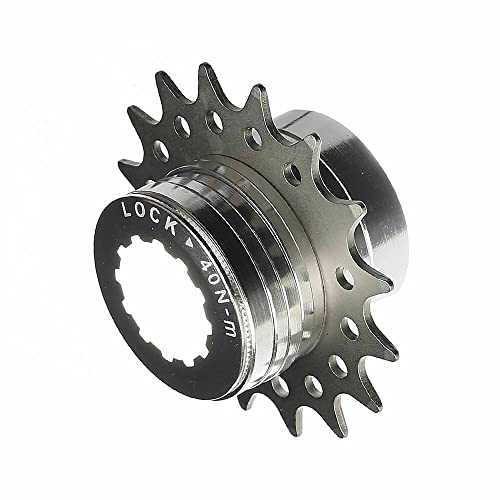
PeakRider Single Speed Conversion Kit for Shimano HG Freehub

- ✓ Easy single-speed conversion
- ✓ Strong, secure chain engagement
- ✓ Lightweight, sharp durability
- ✕ Not compatible with Microspline/XD
- ✕ Limited to Shimano HG freehubs
| Drivetrain Compatibility | Shimano HG freehub bodies (standard 7–12 speed) |
| Cog Material and Construction | 7075-T6 aluminum single-piece cog (machined solid, not split ring) |
| Tooth Profile and Chain Security | Narrow-wide teeth designed for 7–12 speed chain engagement |
| Base Thickness | 9 mm base for improved pedaling force distribution |
| Included Spacers for Chainline | Spacer set: 5 mm, 7 mm, 12 mm for precise chainline alignment |
| Weight | 66 grams |
The moment I stuffed this PeakRider cog onto my Shimano HG freehub after a muddy trail ride, I felt the shift from “meh” to “wow” in an instant. I’d just loaded the 9mm spacer and slid the cog into place when I realized how solid the one-piece 7075 aluminum construction feels in your hands.
No fiddly bits, no wobbly ring—just a clean, precise fit.
On the first pedal stroke, the base sits flat and true, distributing load evenly so the freehub doesn’t feel stressed. The tall, narrow-wide teeth bite the chain with a confident grip, and I appreciated the extra security during a gnarly root section where a rogue chain drop would’ve ruined the moment.
It’s notable how lightweight the setup remains—even with the spacer stack, you barely notice a difference in rotational mass.
What sold me is the included spacers (5mm, 7mm, 12mm) that let you dial in the chainline so there’s zero rub on rough pavement or off-road chatter. The result is a quiet, predictable pedal feel that translates into faster accelerations and smoother, more confident rides—whether you’re bombing down a dirt trail or threading through city lanes late at night.
Durability is real here. The cog’s all-metal construction and the 9mm base feel like they’ll take abuse without fuss.
If you’re switching from a multi-speed setup to a fixie vibe, this feels like a reliable bridge—sturdy, simple, and built to last. And at this price, it’s hard to beat the value for a clean single-speed conversion.
In real-world use, you’ll notice fewer chain drops and less maintenance anxiety. It’s not compatible with Microspline or SRAM XD drivers, so double-check your hub before buying.
But for standard 7–12 speed Shimano HG freehubs, this kit delivers straightforward conversion and solid performance.
CyclingDeal Conversion Kit: Fixie 13T Cog Spacers
- ✓ Easy chain compatibility
- ✓ Precise chain line
- ✓ Solid construction
- ✕ Not a hub conversion
- ✕ Requires careful alignment
| Compatibility | Compatible with Shimano or SRAM 7–11 speed cassette-type hub bodies (multi-speed hubs) for conversion to single-speed wheel; does not convert hub into fixed/freewheel mechanism |
| Sprocket/Chain Compatibility | Sprocket compatible with chain widths from 1/2 inch x 3/32 inch to 1/2 inch x 11/128 inch (7–11 speed chains); allows use of original chain |
| Spacer Set | Spacer assortment included: 2×10 mm, 1×5 mm, 4×3 mm for correct chain line adjustment |
| Lock Ring/Hub Nut | Lock ring manufactured from alloy 6061 |
| Sprocket Material | Cromo steel (chromium-moped steel) construction for sprocket durability |
| Warranty | 2-year warranty |
You’re turning a weekend ride into a clean, single-gear adventure, and the CyclingDeal Conversion Kit lands on your doorstep just as the sun comes out. You slide the 13T sprocket onto your freewheel hub and notice the chunky 6061 alloy lock ring glinting next to the Cro-mo sprocket.
It’s not a flashy upgrade, but the fit feels precise from the first tweak.
The spacers arrive in a tidy mix: two 10mm, one 5mm, and four 3mm. Setting the chain line takes a moment, but the video tells you exactly what to do, and you’re rewarded with a perfectly straight path from chainring to cog.
You’ll appreciate that you can reuse your existing chain with widths from 1/2″ x 3/32″ to 1/2″ x 11/128″.
With a multi-speed hub, you’re not converting the hub itself to fixed, so you’ll still have a freewheel setup. That’s calmer, less intimidating if you’re dabbling in fixed-gear territory.
The kit includes everything you need: spacers, lockring, and a sturdy sprocket, all built to resist the abuse of urban paces and weekend club rides.
In real-world riding, the 13T cog shifts the gear ratio nicely for city streets and gentle hills. You’ll hear a quiet, predictable engagement as you take off from a stop, and the steel sprocket handles the frequent micro-adjustments without complaint.
It’s a practical, purpose-built solution for turning a versatile wheel into a dependable single-speed setup.
After a few rides, the installation feels second nature, and the 2-year warranty gives you extra confidence. If you’re chasing a clean chain line and a simple single-speed option without buying an entirely new wheel, this kit keeps the wheels turning smoothly.
All told, it’s a thoughtful kit that respects existing components while delivering a reliable fixie-like experience on a budget.
What Factors Should You Consider When Choosing a Bike for Fixie Conversion?
When choosing a bike for fixie conversion, several important factors should be considered to ensure optimal performance and compatibility.
- Frame Material: The frame material affects both the bike’s weight and ride quality. Common materials include steel, aluminum, and carbon fiber, with steel offering a more comfortable ride due to its flexibility, while aluminum provides a lightweight option that is often more affordable.
- Wheel Size: The wheel size plays a crucial role in ride dynamics and overall handling. Common sizes for fixies are 700c and 26 inches; 700c wheels typically offer better speed and efficiency on road surfaces, while 26-inch wheels can provide enhanced maneuverability in urban environments.
- Brake Compatibility: Evaluating the brake compatibility of the bike is essential, as some fixie setups operate without brakes for a cleaner look and lower weight. If you prefer to retain braking capability, ensure the bike has mounts for calipers or cantilever brakes to facilitate safe riding.
- Dropouts Type: The type of dropouts influences the ease of converting a bike to a fixie. Horizontal or track dropouts allow for easier chain tension adjustments, while vertical dropouts may complicate the conversion process, requiring additional components like chain tensioners.
- Geometry: The bike’s geometry impacts how it handles and feels during rides. A more aggressive geometry may provide better speed and responsiveness, while a relaxed geometry can enhance comfort for longer rides, making it essential to choose a style that matches your riding preferences.
- Cost: Budget considerations are critical when selecting a base bike for conversion. The best bike for fixie conversion doesn’t necessarily need to be the most expensive; consider the quality of components and potential future upgrades to ensure you get the best value for your investment.
- Intended Use: Consider how you plan to use the bike, whether for commuting, racing, or casual rides. This will help determine the necessary features and components, such as gearing ratios, which can be adjusted during the conversion for optimal performance based on your riding style.
How Do Frame Geometry and Size Impact Fixie Conversion?
Frame geometry and size significantly influence the performance and comfort of a fixie conversion.
- Frame Material: The material of the bike frame affects both weight and stiffness, which are crucial for a fixie. Aluminum frames are lightweight and responsive, making them popular for urban riding, while steel frames offer durability and comfort but may be heavier.
- Top Tube Length: The length of the top tube determines rider reach and comfort. A longer top tube can lead to a stretched-out position, which may be more aerodynamic, but can also cause discomfort for those with shorter arms.
- Head Tube Angle: The angle of the head tube influences steering responsiveness. A steeper angle provides quicker handling, which is beneficial in tight urban environments, while a slacker angle offers stability at high speeds.
- Chainstay Length: This measurement affects how the bike handles and accelerates. Shorter chainstays can make for a more responsive ride, while longer ones can provide better stability and comfort over rough terrain.
- Wheelbase: The wheelbase is the distance between the front and rear wheels. A longer wheelbase can enhance stability and comfort, especially at higher speeds, while a shorter wheelbase can improve maneuverability and agility, ideal for city riding.
- Size Compatibility: Choosing the right frame size is crucial for achieving an optimal riding position. A frame that is too small or too large can lead to discomfort and inefficient pedaling, emphasizing the importance of matching the bike size to the rider’s body dimensions.
- Drop Bar vs. Flat Bar: The type of handlebars affects riding posture and control. Drop bars are more aerodynamic and suited for speed, while flat bars offer a more upright position, enhancing comfort for casual rides.
Why is Brake Type Important in a Fixie Conversion?
The underlying mechanism involves the physics of braking. With fixed-gear bikes, the rider’s pedaling directly influences the bike’s speed; therefore, the choice of brake type affects how well a rider can manage their speed. Rim brakes, for instance, are lighter and simpler but can be less effective in wet conditions, while disc brakes offer more consistent stopping power but add weight. This balance between weight and braking efficiency can significantly affect a rider’s performance and comfort, especially when navigating urban settings where stop-and-go cycling is common.
What Types of Bikes Are Ideal for Fixie Conversions?
The best bikes for fixie conversion typically include those with specific frame characteristics and components that lend themselves well to a single-speed setup.
- Road Bikes: Road bikes are often lightweight and have a geometry suited for speed, making them a popular choice for fixie conversions. They usually come with drop handlebars and can accommodate narrow tires, both of which enhance performance on urban streets.
- Track Bikes: Track bikes are designed specifically for fixed-gear riding, featuring a stiff frame and a single gear setup. They are built for speed and efficiency on velodromes, and their simplicity makes them ideal candidates for street use as well.
- Mountain Bikes: While not the most conventional choice, mountain bikes can be converted to fixies if they have a sturdy frame and the ability to fit narrower tires. Their robust construction allows for durability on various terrains, making them versatile for riders who may encounter rougher roads.
- Hybrid Bikes: Hybrid bikes combine features of road and mountain bikes, often providing a comfortable riding position and versatility. Their frames are typically robust enough to handle a fixie conversion while still offering the option for wider tires and fenders, making them suitable for commuters.
- Single-Speed Bikes: As the name suggests, single-speed bikes are already designed with a single gear, making them the easiest and most straightforward option for a fixie conversion. They are often lightweight and simple in design, providing a clean aesthetic and efficient riding experience.
Which Road Bikes Are Well-Suited for Fixie Conversion?
The best bikes for fixie conversion typically feature lightweight frames, simple designs, and compatibility with single-speed setups.
- Surly Steamroller: Known for its sturdy steel frame, the Surly Steamroller is a popular choice for conversion due to its versatility and ability to handle rough city streets.
- Specialized Langster: This bike is designed specifically for urban cycling and racing, making it an excellent candidate for a fixie conversion with its lightweight aluminum frame and aggressive geometry.
- Felt Brougham: The Felt Brougham is a stylish option that combines classic aesthetics with modern performance, featuring a durable frame that supports a smooth ride and easy conversion to a single-speed setup.
- All-City Nature Boy: The Nature Boy is a cyclocross bike that offers a relaxed geometry and clearance for wider tires, making it suitable for both on and off-road riding while being easy to convert into a fixie.
- Raleigh Rush Hour: The Raleigh Rush Hour is designed for urban commuting, featuring a lightweight frame and minimalistic design that simplifies the conversion process to a fixed gear bike.
The Surly Steamroller stands out as a reliable option, thanks to its durable construction that can withstand the rigors of city riding. Its steel frame provides a comfortable ride and allows for various gear ratios, making it adaptable for different riding styles.
The Specialized Langster is tailored for performance, with its aerodynamic shape enhancing speed and efficiency. Its simple yet effective design allows for seamless conversion to a fixie, catering to both casual riders and those looking for a competitive edge.
The Felt Brougham combines vintage charm with modern functionality, appealing to riders who appreciate aesthetics as much as performance. Its compatibility with single-speed configurations makes it an easy choice for those wanting to embrace the fixed gear trend.
The All-City Nature Boy offers the unique advantage of being a cyclocross bike, which means it can handle a variety of terrains. This versatility makes it an excellent fixie conversion option, especially for riders who enjoy both street and trail riding.
Lastly, the Raleigh Rush Hour is built for the city commuter, featuring a lightweight and robust design that simplifies the transition to a fixie. Its efficient gearing and responsive handling make it an ideal candidate for urban environments.
How Do Track Bikes Enhance the Fixie Riding Experience?
Track bikes significantly enhance the fixie riding experience by offering features that cater to performance, control, and speed.
- Lightweight Frame: Track bikes are typically made from lightweight materials such as aluminum or carbon fiber, which allow for greater speed and agility. This lightweight construction makes it easier for riders to accelerate quickly and maintain high speeds, especially on flat surfaces.
- Fixed Gear Setup: The defining characteristic of a track bike is its fixed gear mechanism, which means the pedals are directly connected to the rear wheel. This setup allows for immediate feedback and control, enabling riders to accelerate faster and stop more effectively by simply resisting the pedal motion.
- Aerodynamic Design: Track bikes are designed with aerodynamic features that minimize wind resistance. Their streamlined shapes help riders cut through the air more efficiently, making them ideal for racing or fast-paced riding.
- Stiff Frame Geometry: The geometry of track bikes is designed for stiffness, providing excellent power transfer from the rider to the bike. This stiffness ensures that every pedal stroke translates into forward motion, making it easier to climb hills or sprint.
- Minimalist Aesthetic: Many riders are drawn to the clean and minimalist design of track bikes, which often have fewer components than traditional road bikes. This simplicity not only enhances the bike’s appearance but also reduces maintenance and weight.
- Responsive Handling: Track bikes are built for precision and responsiveness, allowing riders to navigate through tight spaces and make quick turns with confidence. This feature enhances the overall riding experience, especially in urban environments.
- Durable Components: Track bikes often use higher-quality, durable components designed to withstand the rigors of racing. This durability ensures that the bike can handle the demands of both competitive and everyday riding without frequent repairs.
Can a Single-Speed Bike Be Easily Converted to a Fixie?
Yes, a single-speed bike can be easily converted to a fixie.
Most single-speed bikes have a simple rear hub setup that can accommodate a fixed gear. The conversion process typically involves removing the existing freewheel and replacing it with a fixed cog, which allows the pedals to drive the bike forward and backward without freewheeling. This is a straightforward task if the bike has a standard rear hub, and you may only need basic tools like a wrench and a cog tool to complete the conversion.
However, it’s important to consider the frame and brake compatibility. Some single-speed bikes may have restrictions that can affect the conversion, such as the type of rear dropout or the presence of disc brakes. Additionally, riding a fixie requires a different technique, especially when it comes to stopping, as you won’t have a freewheel mechanism. If you’re new to fixies, ensure you are comfortable with these aspects before making the conversion.
What Are the Advantages of Converting to a Fixie Bike?
Lightweight: By eliminating unnecessary parts like derailleurs and shifters, a fixie bike is generally lighter than geared bikes. This lightweight design can make it easier to accelerate, climb hills, and transport the bike, whether on public transport or by carrying it upstairs.
Improved Pedaling Efficiency: Riding a fixed-gear bike encourages cyclists to maintain a steady pedal stroke, which can lead to improved muscle coordination and endurance over time. This consistent pedaling rhythm helps develop a stronger cycling technique, beneficial for both casual and competitive cyclists.
Cost-Effective: Converting a standard bike to a fixie can be an economical option for those looking to own a fixie without the higher cost of purchasing a new bike. Many people can achieve a functional and stylish fixie by simply changing the rear wheel and removing unnecessary components.
Better Control: The fixed gear setup connects the pedals directly to the rear wheel, meaning that any movement of the pedals directly influences the bike’s speed. This setup allows for more precise handling and better control, especially in urban environments where quick maneuvering is often necessary.
Style and Customization: Fixies are popular in urban cycling culture and can be customized to reflect individual style through colorful frames, unique handlebars, and various accessories. This aspect of customization makes fixies appealing to those who want to stand out and express their personality through their bikes.
What Common Challenges Do Cyclists Face When Converting a Bike to Fixie?
Cyclists often encounter several challenges when converting a bike to a fixie.
- Gear Compatibility: Ensuring the bike’s existing components are compatible with a single gear setup can be tricky. Many bikes come with multiple gears, and converting to a fixie usually requires replacing the rear wheel or the hub to accommodate a single-speed gear system.
- Brake System Adjustments: Fixies typically require adjustments to the brake system, as the removal of gears can alter the brake cable setup. Cyclists may need to decide whether to retain their brakes, as riding a fixie without brakes can be challenging and requires specific riding skills.
- Chain Length and Tension: The chain on a fixie needs to be the correct length and tension for optimal performance. If the chain is too loose or too tight, it can lead to poor pedaling efficiency or potential damage to the drivetrain.
- Frame Geometry: Not all bike frames are well-suited for fixie conversion. The geometry of the bike can affect handling and ride quality, and cyclists may need to consider whether their current bike frame is conducive to a fixie setup.
- Wheel Selection: Choosing the right wheels for a fixie is crucial, as they need to be strong enough to handle the demands of fixed-gear riding. Cyclists often need to select wheels that are lightweight yet durable, as well as compatible with the single-speed setup.
- Riding Technique: Transitioning to a fixie requires a change in riding technique, as the absence of gears means that cyclists must learn to manage their speed and braking differently. This can be a challenge for those accustomed to multi-gear bikes, necessitating practice and adjustment to their riding style.
How Can You Successfully Convert Your Bike to a Fixie?
To successfully convert your bike to a fixie, consider the following essential elements:
- Bike Frame: The best bike for fixie conversion is typically a lightweight steel or aluminum frame that can handle the rigors of fixed gear riding.
- Wheelset: A suitable wheelset with a flip-flop hub is important as it allows you to easily switch between fixed gear and single-speed freewheel options.
- Cassette and Chainring: Choosing the right gear ratio is crucial; a larger chainring combined with a smaller rear cog will provide a higher speed, which is ideal for urban riding.
- Brakes: While many fixie riders opt to ride brakeless for a minimalist aesthetic, it’s advisable to keep at least a front brake for safety, especially if you’re new to fixed gear cycling.
- Pedals: Look for platform pedals or clipless pedals that provide adequate grip; this will enhance your control and comfort while riding.
- Saddle: A comfortable saddle is essential for longer rides, so choose one that fits your riding style and body type.
- Handlebars: Flat or drop handlebars can affect your riding position; narrow bars are often preferred for a more aerodynamic stance.
The bike frame is the foundation of your fixie; lightweight materials like steel or aluminum help in achieving a nimble and responsive ride. When selecting a wheelset, ensure it has a flip-flop hub that allows you to switch between fixed and freewheel setups, offering versatility based on your riding preference.
The choice of cassette and chainring determines your bike’s gear ratio, which influences speed and climbing ability. A higher gear ratio might be more suitable for flat urban environments, while a lower ratio can assist in climbing hills.
Brakes are a matter of personal preference, but beginners should consider retaining at least a front brake for safety. Riding without brakes can be challenging, especially in traffic, so practice is essential if you choose that route.
Pedals can significantly impact your riding experience; platform pedals offer ease of use, while clipless pedals secure your feet for better power transfer. Ensure the pedals you choose align with your comfort and riding style.
A comfortable saddle will make a big difference on longer rides, so take the time to find one that suits your anatomy and provides sufficient support. Additionally, handlebar style can affect both comfort and aerodynamics, so select one that matches your riding posture and preferred control.
What Brands Are Recommended for Fixie-Compatible Bikes?
When considering the best bike for fixie conversion, several brands stand out for their quality and compatibility.
- Surly: Surly bikes are renowned for their durability and versatility, making them an excellent choice for fixie conversions. Models like the Surly Steamroller are specifically designed for single-speed or fixed-gear setups, offering a sturdy frame that can handle city riding and commuting.
- All-City: All-City produces a range of bikes that cater to urban cyclists, with models like the All-City Nature Boy being ideal for fixie conversions. Their bikes feature a responsive geometry and are made from high-quality steel, ensuring a smooth ride while allowing for customization.
- Raleigh: Raleigh has a rich history in cycling and offers models like the Raleigh Rush Hour, which is specifically designed for fixed-gear riding. These bikes provide a great balance of style and performance, making them a popular choice among fixie enthusiasts.
- State Bicycle Co: State Bicycle Co specializes in affordable yet stylish bikes suitable for fixie conversions, with models like the 4130 Fixed Gear. Their bikes come in a variety of colors and customizable options, appealing to riders looking for both aesthetics and functionality.
- Fuji: Fuji’s track bikes, such as the Fuji Track Pro, are built for speed and efficiency, making them suitable for a fixie setup. These bikes feature lightweight frames and are designed to perform well on both the track and city streets, providing a great base for conversion.