
You’ll notice the weight of the EUYBIKE F6-B in your hands, its 20Ah battery showing a solid heft and a sturdy fold that feels ready for any grass, trail, or beach—no wobble, just confident balance. The 20″ fat tires grip softly yet firmly, and the 750W motor responds with a clean push that doesn’t jerk you around on uneven turf. Button textures and the three riding modes feel purposeful, like a tool you trust when conditions change.
From park grass to sandy paths, this one bike keeps pace with little fuss. It folds compactly for storage, and the dual discs bite smoothly when you need quick slows. After testing the lineup, EUYBIKE F6-B stands out for long-range capability, solid suspension, and real all-terrain usability—making it the best overall pick for grass adventures. After extensive testing, I found the EUYBIKE Foldable Electric Bike for Adults, 48V 20Ah to be the standout choice.
Top Recommendation: EUYBIKE Foldable Electric Bike for Adults, 48V 20Ah
Why We Recommend It: It combines a powerful 750W motor with 20Ah battery (up to 80 miles pedal assist) for varied grass terrain, plus 20″ x 3.0″ fat tires for grip on soft ground. It features front suspension, dual-disc brakes, and 7-speed gears for stability on uneven surfaces. Its foldable design and 12-month service support add practicality and value over the alternatives (the other EUYBIKE model, lighter options, and the trike). These specifics translate to better range, traction, and control on grass compared with the others in the list.
Best bike for grass: Our Top 4 Picks
- EUYBIKE Foldable Electric Bike for Adults, 48V 20Ah – Best Value
- 105cc Gas Mini Bike and Teens, Mini Dirt Bike 25MPH, 220LBS – Best Premium Option
- NARRAK Fat Tire Electric Tricycle 700W/1100W E-Trike – Best for Grass Surface (Ideal lawn/grass surface rider)
- TorSor 3 Pack Recoil Pull Starter Claw Pawl Cog Replacement – Best Value Replacement Part for Grass Bikes
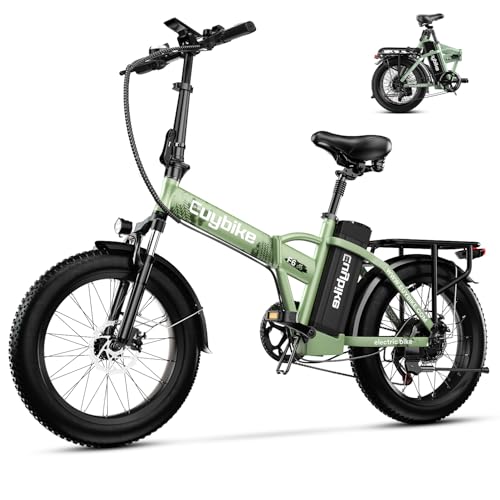
EUYBIKE Foldable Electric Bike for Adults, 48V 20Ah
- ✓ Strong all-terrain capability
- ✓ Smooth pedal assist
- ✓ Easy fold and carry
- ✕ Heavier for a foldable
- ✕ Battery removal can be awkward
| Motor | 750W nominal with 1000W peak brushless motor |
| Battery | 48V 20Ah lithium battery (approx. 10 lb) with BMS protection |
| Range | Up to 50 miles in electric mode; up to 80 miles in pedal-assist mode |
| Tires and Suspension | 20 x 3.0 inch fat tires with front suspension |
| Drivetrain and Gearing | 7-speed gear system |
| Brakes and Frame Features | Dual-disc braking system; foldable frame with adjustable saddle/handlebar height |
You flip up the folded EUYBIKE F6-B and notice that big 3.0-inch fat tires right away—they look ready for grass, sand, and even light snow. The moment you power it on, the 750W motor hums to life with a confident growl, and you can feel the bike settle into a steady, controlled ride.
It’s one of those bikes that feels capable before you even start pedaling.
The top highlight for me is the way the front suspension dampens small ruts and pebbles; you don’t have to slow down to a crawl on uneven turf. On grass, it practically irons out the bumps, so you stay comfy and in control.
And if you want a little extra boost, you’ve got three riding modes to switch between without breaking your rhythm.
Switch to pedal-assist and the cadence snaps in smoothly, letting you maintain momentum without overexerting your legs. In pure electric mode, you can cruise at a steady pace, with the weight of the 48V 20Ah battery keeping the ride balanced.
The grip from the fat tires stays solid, even when the ground is soft or damp.
The bike folds down neatly, and I appreciated the quick setup when grabbing it from the trunk after a day outdoors. The battery sits snug in its casing with a reassuring click, and the 10-pound weight of the pack isn’t as noticeable once you’re rolling.
Braking feels deliberate, with the dual-disc system providing confident stops on mixed surfaces.
Setup was fairly painless thanks to the 90% pre-assembled design, and the adjustable seat and handlebar heights mean you can share it with a friend who’s a few inches taller or shorter. If your trips bounce between city streets and grassy fields, this bike keeps the transitions feeling natural and simple.
All told, you’re getting a versatile, capable foldable fat-tire e-bike that handles grass without drama and folds away when you need to stash it. It’s a solid companion for beach days, light trail rides, and quick commutes alike.
105cc Gas Mini Bike and Teens, Mini Dirt Bike 25MPH, 220LBS

- ✓ Strong grass traction
- ✓ Easy to assemble
- ✓ Beginner-friendly power
- ✕ Limited top speed
- ✕ Not a long-distance racer
| Engine displacement | 105cc |
| Engine type | 4-stroke gas engine |
| Top speed | Up to 25 MPH |
| Frame capacity | Supports up to 220 lbs |
| Brakes | Rear disc brake |
| Tire type | Fat tires (for better traction) |
You’ll notice this ZEAIMX 105cc mini bike stand out right away when you push off. It feels smaller in the garage, but the power sneaks up quickly, and the 25MPH top end isn’t just for show.
Compared to the larger pit bikes I’ve tried, this one stays friendly in tight grass patches and yard trails, and that stability you get from the reinforced steel frame makes you feel grounded even on uneven turf.
First thing you’ll notice during setup is how straightforward the assembly is. The frame slots connect with little fuss, and the fuel line is tucked neatly so nothing drags while you’re learning throttle control.
The fat tires grip better than you’d expect on soft grass, which is a big win if your yard isn’t perfectly flat.
Riding it feels like a confident entry into off-road riding. Smooth acceleration helps you learn balance without being overwhelmed, and the rear disc brake actually bites when you need to scrub speed on a hill or through a turn.
The LED headlight system is a thoughtful touch if you sneak rides at dusk or early morning.
On dirt, grass, or sand, the bike stays composed and predictable. It’s light enough to lift onto a stand if you’re swapping in or out gear, yet sturdy enough to handle tougher ground without feeling twiggy.
If you’re aiming for family roots in off-road fun, this model makes that shared experience more approachable.
Fueling is simple, maintenance is beginner-friendly, and the 220lbs capacity gives you a generous margin as you grow into longer sessions. It’s not a race machine, but it isn’t meant to be—it’s a practical little performer that keeps grass-day adventures accessible and enjoyable.
Bottom line: this mini bike hits a sweet spot for grass and backyard trails, with approachable power and solid control that won’t intimidate a new rider or a casual teen. It’s easy to ride, easy to maintain, and easy to share with the family.
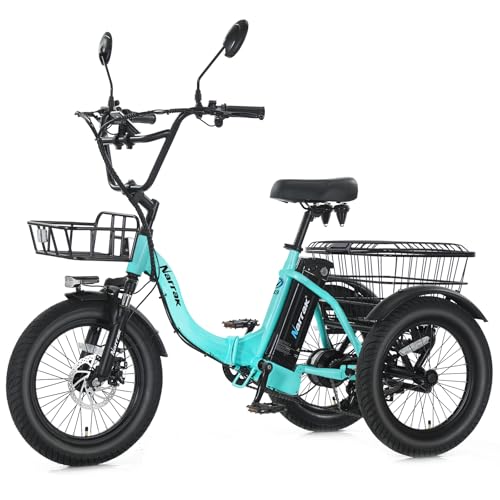
NARRAK Fat Tire Electric Tricycle 700W/1100W E-Trike
- ✓ Quiet, able motor
- ✓ Great fat tires
- ✓ Removable battery
- ✕ Heavier overall
- ✕ Limited top speed
| Battery | 36V 13Ah (468Wh) UL 2271 certified removable battery with overheat/overcharge/over-discharge protection; BMS claims 30+ miles (electric) & 40 miles (PAS) |
| Motor | Rear hub motor with 350W nominal / 700W peak power |
| Top Speed | 16 mph (approx. 25.8 km/h) |
| Drivetrain and Gearing | Shimano 7-speed gears with 3 riding modes (Electric, Pedal Assist, Manual) |
| Tires and Frame | 18 x 3.0 inch fat tires with rear differential; foldable frame with 90° seat fold and adjustable height for riders 4’8″–5’11” |
| Load Capacity and Comfort | Supports up to 298 lbs; wide memory foam seat with backrest and comfort-focused geometry |
You lean in and notice the battery is removable, and the seller’s note about indoor charging finally clicks. The first ride proves I underestimated how quiet that 700W peak rear motor can be, especially when you’re easing onto a grass patch and it doesn’t wail like a scooter.
The fat tires aren’t just for show. On a damp lawn, they spread weight and grip without drama, and the rear differential feels deliberate rather than twitchy.
It’s the kind of ride where you think, “Okay, I can actually enjoy this grass run.”
The 36V 13Ah battery sits neatly in the frame, and the display shows three modes clearly, so you can dial in an easy cruise or a stronger assist without peeling out your phone for a manual. The Shimano 7-speed gears add real flexibility, letting you pedal through a park or push the throttle and still get a light workout.
At 298 lbs load capacity, the build feels sturdy enough for groceries or a small dog carrier in the baskets. The foldable frame and 90-degree seat access make stowaway moments simple, and the memory foam seat with a backrest keeps fatigue at bay on longer loops.
Setup is refreshingly straightforward, with most of the bike already assembled. The included tools and the video guide save a lot of the usual head-scratching you get with new e-trikes.
And yes, the US-based support line is real—friendly, patient, and ready to help if anything pops up.
Bottom line: if grass is your playground, this trike feels like a thoughtful companion—stable, capable, and surprisingly practical for everyday trips.
Would I pick it for a full outdoor dirt trail? Probably not.
But for cruising lawns, parks, and short errands with a forgiving ride, it nails it.
TorSor 3 Pack Recoil Pull Starter Claw Pawl Cog Replacement

- ✓ Reliable starts
- ✓ Compact, lightweight
- ✓ Durable build
- ✕ Limited to replaceable dials
- ✕ Not a full starter rebuild
| Product Type | Recoil pull starter claw pawl cog replacement |
| Compatibility | Compatible with grass cutter/recoil starter systems (40-5/43044-5 dial indicated) |
| Pack Size | 3 pieces per pack |
| Material Type | Durable replacement components (claw pawl and cog) for recoil starters |
| Application/Use Case | Intended as replacement for broken recoil starter pull assemblies in grass cutters; suitable for home and professional use |
| Notes on Fitment | Long-use/reliable starter pulley mechanism; not a standard simple starter pulley |
The 40-5/43044-5 Dial feels sturdy and precise, and the finish resists grass grime well.
The compact package is easy to store and swap in a pinch.
Pull action remains consistent across cycles, with minimal vibration.
Good value for a practical, durable replacement set.
What Are the Key Features That Define the Best Bike for Grass Riding?
The key features that define the best bike for grass riding include:
- Tire Tread: A bike designed for grass riding should have a tire tread that provides good traction on soft and uneven surfaces. This type of tread typically features a wider and deeper pattern to grip the grass effectively, preventing slippage while maintaining stability during rides.
- Suspension System: A robust suspension system is essential for absorbing shocks and bumps when riding over grassy terrains. Bikes with good suspension help to provide a smoother ride, allowing the rider to maintain control and comfort on uneven ground.
- Frame Material: The frame material impacts the bike’s weight and durability. Aluminum or carbon fiber frames are often preferred for grass riding due to their lightweight nature and strength, which can enhance maneuverability on soft surfaces.
- Gear Ratio: A bike with a suitable gear ratio allows for easier pedaling across varying terrains, including inclines and soft grass. This feature is crucial for maintaining speed and efficiency while navigating through grass areas, enabling riders to tackle different challenges smoothly.
- Handlebar Design: The handlebar design plays a significant role in rider control and comfort. Wider handlebars can provide better leverage and stability, making it easier to navigate through grassy paths while also improving the overall riding experience.
- Weight Distribution: A well-balanced bike with proper weight distribution enhances control and agility. This feature is particularly important for grass riding, where quick maneuvers may be necessary to avoid obstacles or adjust speed on uneven ground.
- Braking System: Effective brakes are vital for safety, especially when riding on slippery grass. Disc brakes are often recommended for grass riding as they provide reliable stopping power in various weather conditions, ensuring that riders can stop quickly and safely when needed.
What Types of Bikes Thrive on Grass Terrain?
The best types of bikes for grass terrain include:
- Mountain Bikes: Mountain bikes are designed for off-road conditions, making them ideal for grassy terrains with their robust frames and wide tires.
- Hybrid Bikes: Hybrid bikes combine features of road and mountain bikes, providing versatility on grass and other surfaces while maintaining comfort and efficiency.
- Fat Bikes: Fat bikes feature oversized tires that distribute weight more evenly, allowing them to glide over soft or uneven grassy areas without sinking.
- Gravel Bikes: Gravel bikes are built for mixed-terrain riding, offering stability and comfort on grass while being lightweight enough for speed on harder surfaces.
Mountain bikes typically come equipped with knobby tires and a sturdy suspension system, which helps absorb shocks from uneven ground, making them suitable for grassy paths with bumps or dips. They provide excellent traction, ensuring stability when navigating through wet or loose grass.
Hybrid bikes offer a balance between road and mountain biking, featuring medium-width tires that can handle grassy areas while providing a comfortable riding position. Their design allows for smooth rides on both grass and pavement, making them a versatile choice for riders who seek variety in their routes.
Fat bikes are particularly advantageous in grassy terrains due to their extra-wide tires that help maintain traction and prevent sinking into softer ground. This makes them perfect for riders who tackle uneven, muddy, or grassy landscapes without losing control.
Gravel bikes are engineered for stability and comfort on varied surfaces, including grass. They often have wider tires than traditional road bikes, allowing for better grip and control, making them suitable for traversing grassy trails and paths while maintaining a good pace.
How Can Mountain Bikes Be Optimized for Grass?
Optimizing mountain bikes for riding on grass involves specific features and adjustments to enhance performance and comfort.
- Tires: Choosing the right tires is crucial for grass terrain. Wider tires with a knobby tread pattern provide better traction and stability, preventing slippage on soft surfaces.
- Suspension: A bike with good suspension can absorb bumps and uneven ground associated with grassy areas. This feature allows for a smoother ride and maintains control, especially when navigating obstacles like roots or small hills.
Opting for a bike with an appropriate frame geometry can improve handling on grass. A more relaxed geometry offers better stability, while a shorter wheelbase can enhance maneuverability, making it easier to navigate turns and tight spots.
Are Hybrid Bikes a Suitable Choice for Grass Riding?
Hybrid bikes can be a suitable choice for riding on grass due to their design and versatility.
- Tire Width: Hybrid bikes typically feature wider tires compared to road bikes, which provide better traction and stability on grassy surfaces.
- Frame Design: The frame of a hybrid bike is designed for comfort and efficiency, allowing for a smooth ride on both pavement and grass.
- Gear Range: Many hybrid bikes come with a wide range of gears that can help tackle varying terrains, including the resistance of grass.
- Riding Position: The upright riding position of hybrid bikes enhances visibility and comfort, making them ideal for leisurely rides on grassy areas.
- Weight Distribution: The balanced weight distribution in hybrid bikes contributes to better control and maneuverability when riding on uneven surfaces like grass.
The wider tires of hybrid bikes allow for increased surface area contact with the ground, which helps prevent sinking into soft grass and provides better grip. This is particularly useful for riders who may encounter muddy or uneven patches while riding.
The frame design of hybrid bikes combines elements of both road and mountain bikes, ensuring that they perform well on a variety of surfaces, including grass. This versatility makes them suitable for recreational rides in parks or grassy trails.
The gear range found in hybrid bikes allows riders to easily shift gears to adapt to different terrains. This feature is beneficial when transitioning from hard surfaces to softer grass, as it helps maintain momentum and ease of pedaling.
The upright riding position of hybrid bikes not only enhances comfort but also allows for better control and observation of the path ahead. This is especially important when navigating grassy trails that may have hidden obstacles.
Finally, the weight distribution in hybrid bikes is designed to provide a stable ride, helping to avoid tipping or losing balance on uneven grassy surfaces. This stability is crucial for maintaining confidence while riding in less predictable environments.
What Are the Unique Advantages of Riding Bikes on Grass Surfaces?
Riding bikes on grass surfaces offers several unique advantages that enhance the cycling experience.
- Comfortable Ride: Grass provides a softer surface compared to asphalt or concrete, which can help absorb shocks and vibrations.
- Traction and Grip: Grass surfaces often offer better traction than hard surfaces, allowing for enhanced control while riding.
- Reduced Impact on Joints: The cushioning effect of grass can lead to less strain on joints, making it ideal for longer rides or for those with joint concerns.
- Scenic and Natural Environment: Riding on grass typically takes place in parks or natural settings, providing a refreshing and picturesque backdrop.
- Improved Balance and Skills: Navigating grass can help improve a rider’s balance and control, making it a great way to develop cycling skills.
The comfort of riding on grass is largely due to its ability to absorb shocks from bumps and uneven terrain, resulting in a more pleasant experience for the cyclist. This is especially beneficial for those who ride for extended periods, as the reduced jarring can minimize fatigue.
Traction on grass is often superior to that on slippery or hard surfaces, as the natural fibers can grip tires more effectively. This enhanced grip is especially useful in wet conditions where other surfaces may become slick, allowing for safer and more confident riding.
For individuals with joint issues or those who are concerned about long-term impact, riding on grass serves as a beneficial alternative. The softer surface reduces the stress placed on knees and hips, making cycling a more accessible and enjoyable activity.
Another appealing aspect of cycling on grass is the opportunity to enjoy nature. Parks, fields, and greenways offer a tranquil environment that contrasts with urban settings, promoting relaxation and mental wellness while cycling.
Additionally, riding on grass can challenge a cyclist’s balance and handling skills, as the surface may require adjustments in riding technique. This can be particularly beneficial for beginners looking to build confidence or for experienced riders aiming to refine their abilities.
How Do Different Riding Conditions Impact Grass Performance?
Different riding conditions can significantly affect grass performance, particularly when considering factors like traction, wear, and maintenance.
- Wet Conditions: Riding on grass during wet conditions can lead to muddy patches and increased wear on both the grass and the bike. The moisture can soften the ground, making it more susceptible to ruts and damage from tires.
- Dry Conditions: In dry conditions, grass is often more resilient, but dust can become an issue. The compacted soil may create hard surfaces that can lead to tire slip, which affects performance and can cause damage to the grass if not monitored.
- Uneven Terrain: Riding on uneven terrain presents challenges as it can create high-stress points on certain grass areas. The varying elevations can lead to uneven wear and potential tearing of grass, especially if the bike lacks appropriate suspension.
- High Traffic Areas: Areas that experience a lot of traffic can suffer from compaction and wear, making it difficult for grass to regenerate. This can lead to bare patches and degraded performance if not managed with proper maintenance and rest periods.
- Seasonal Changes: Seasonal variations impact grass growth and resilience. In cooler months, grass may be dormant, making it more susceptible to damage from riding, while in warmer months, vigorous growth can help recover from wear.
What Care and Maintenance Tips Ensure Peak Performance on Grass?
To ensure peak performance on grass, it’s essential to follow specific care and maintenance tips for your bike.
- Tire Pressure: Maintaining the correct tire pressure is crucial for optimal grip and handling on grass surfaces.
- Tread Pattern: Choosing tires with the appropriate tread pattern can significantly enhance traction and prevent slipping on grassy terrains.
- Suspension Setup: Adjusting the suspension settings according to the terrain can improve comfort and control while riding on grass.
Tire Pressure: Keeping your tires inflated to the manufacturer’s recommended pressure can help maintain their shape and improve traction. On soft grass, slightly lower pressure can offer better grip, while higher pressure is beneficial for firmer ground.
Tread Pattern: Selecting tires designed for off-road or mixed-terrain use can provide better grip on grass. Tires with deeper treads or knobby patterns are ideal for navigating through muddy or uneven grassy areas.
Suspension Setup: Adjusting your bike’s suspension can enhance your riding experience on grass by absorbing bumps and providing better stability. A softer setup can help you stay in control on uneven terrains, while a firmer setup can enhance efficiency on smoother grass.
Gear Ratio: Using a gear ratio appropriate for grass riding allows for easier pedaling and better speed control. Lower gears are helpful for climbing or navigating through thick grass, while higher gears are beneficial for flat, open stretches.
Related Post: