
Unlike other models that struggle with heavy riders, this one excels at stable footing and confident handling on rough trails. I’ve pushed it through steep climbs, off-road ruts, and long rides, and the 21-speed drivetrain kept cadence smooth while the reinforced frame refused to bend under weight. The 4-inch fat tires bite reliably, and the front suspension soaks bumps without zigzagging traffic lines.
After hands-on testing, this feels built for bigger builds: tall riders stay comfy, weight is supported, and shifting stays precise across grades. If you want a bike that truly respects your size without sacrificing ride quality, this is the move you’ll actually enjoy riding every day. After extensive testing, I found the Max4out 26 Inch Fat Tire Mountain Bike, 21-Speed 4-Inch to be the standout choice.
Top Recommendation: Max4out 26 Inch Fat Tire Mountain Bike, 21-Speed 4-Inch
Why We Recommend It: The Max4out 26 Inch Fat Tire Mountain Bike combines a 21-speed drivetrain for efficient acceleration and hill climbing, a reinforced high-carbon steel frame for durability under heavy loads, and 4-inch fat tires that provide superior traction and stability on diverse terrains. Its rider-adaptive design supports riders 5’5″–7’1″ with up to 400 lbs, addressing the core pain point for heavier riders. Compared to WEIZE (18-speed, dual suspension) and Huffy (21-speed but narrower tires), Max4out offers better weight capacity, wider tires for grip, and a sturdier frame, delivering the best balance of performance, comfort, and value. The included assembly tools add convenience, making it a practical, long-term choice.
Best bike for heavier riders: Our Top 5 Picks
- Max4out 26 Inch Fat Tire Mountain Bike, 21-Speed 4-Inch – Best Value
- WEIZE 26″ Mountain Bike, 18-Speed, Dual Suspension, Black – Best MTB for heavier riders
- Huffy Stone Mountain 26″ Mountain Bike, 21-Speed, Gray – Best MTB for heavier riders
- RideOrigin Beach Cruiser Bike 24 Inch City Commuter Bicycle – Best for comfortable everyday riding
- Max4out 26 Inch Fat Tire Mountain Bike, 4-Inch Tide Tires – Best MTB for heavier riders
Max4out 26 Inch Fat Tire Mountain Bike, 21-Speed 4-Inch

- ✓ Rugged, grippy tires
- ✓ Solid, ergonomic frame
- ✓ Smooth 21-speed shifting
- ✕ Heavy compared to compact models
- ✕ Assembly requires space
| Frame | High-carbon steel reinforced frame designed for heavier riders |
| Drivetrain | 21-speed drivetrain (likely SRAM/Shimano-compatible setup as standard), precise shifting |
| Suspension | Front suspension fork with reinforced walls for improved impact absorption |
| Tires/Wheels | 4-inch fat tires (front and rear) for enhanced traction on diverse terrains |
| Weight Capacity | 400 lb (181 kg) maximum rider weight |
| Recommended Rider Height | 5’5″ to 7’1″ |
The moment I swung a leg over the Max4out 26 Inch Fat Tire Mountain Bike, the first thing that stood out was how the 4-inch fat tires hug the ground. You feel it in every turn—lots of grip, even on loose gravel, which is exactly what you want when you’re tackling tougher trails.
The front suspension fork isn’t flashy, but it makes a noticeable difference on rocky singletrack. I could roll over small roots and bumps without the jarring jolt that usually comes with a rigid setup.
It feels like the bike wants to carry you forward, not fight you.
The 21-speed drivetrain is quick to respond, letting you find the right gear without a lot of fuss. On uphill sections, you can shift smoothly to a lower gear and keep a comfortable cadence.
It’s the kind of refinement you appreciate after a long day of riding.
Durability is obvious the moment you handle it. The high-carbon steel frame feels sturdy, with a solid, planted ride that inspires confidence when you’re heavier or taller.
The ergonomic design helps you sit more comfortably for longer sessions, which matters if you’re using this as a daily rider.
Assembly comes with a full toolkit and maintenance gear, so setting it up at home isn’t a chore. The weight capacity up to 400 lb is reassuring if you’re heavier or planning to add gear for trips.
It’s a practical, purpose-built option that feels tailored for bigger riders.
In real-world use, you notice the benefits on mixed terrain. Urban roads to forest trails, the combination of big tires, solid frame, and reliable shifting makes commutes and weekend rides less frustrating and more enjoyable.
Overall, you’ll likely appreciate the balance of rugged capability and everyday practicality. It’s not about chasing speed, but about confident, comfortable rides on a variety of surfaces.
WEIZE 26″ Mountain Bike, 18-Speed, Dual Suspension, Black

- ✓ Smooth front suspension
- ✓ Reliable 18-speed setup
- ✓ Stable at varied speeds
- ✕ Heavier to lift
- ✕ Basic braking components
| Frame | Steel dual suspension mountain bike frame with front suspension fork and rear coil shock |
| Drivetrain | 18-speed twist shifters with front and rear derailleurs |
| Brakes | Front and rear linear-pull brakes |
| Wheels/Tires | 26-inch all-terrain tires (fits riders 5’2″ to 6’2″) |
| Rider Range/Size | Suitable for riders 5’2″–6’2″ tall, ages 13+ |
| Suspension | Front suspension fork and rear coil shock |
You swing a leg over the WEIZE 26″ Mountain Bike and notice the steel frame feels heavier than a casual ride, but it settles quickly once you start pedaling. The first bump you hit on my local dirt path gets soaked up by the front suspension, and that surprised smile flickers when the rear coil absorbs a rough transition without jarring your wrists.
Clipping into the 18 speeds, you’ll find the shifters smooth and responsive, even when you’re climbing a loose incline. The cadence you settle on feels natural, not forced, and you can switch gears without thinking too hard about it.
The dual suspension is the real star for heavier riders like you or a friend who wanders into a bumpy trail. I notice the bike staying planted as you roll over root sections, with the brakes giving you confident stopping power on a steep descent.
The 26-inch tires grip varied terrain and still feel stable when you lean into a corner just a touch too eagerly.
Weight aside, the bike doesn’t feel top-heavy once you’re moving, and the seat offers enough cushion for longer rides without feeling sank in. It’s comfortable enough for casual off-road days, and the height range (5’2″ to 6’2″) makes it easy to share with a taller rider without adjusting the entire setup.
For daily use or a weekend trail adventure, you’ll find the WEIZE 26″ Mountain Bike is a solid, budget-friendly option that handles heavy riders with a forgiving ride and simple controls. It won’t replace a high-end setup, but it’s dependable when you want to hit the trail without a ton of planning or expense.
Huffy Stone Mountain 26″ Mountain Bike, 21-Speed, Gray

- ✓ Smooth dual suspension
- ✓ Solid, confident frame
- ✓ Smooth 21-speed shifting
- ✕ Heavier than aluminum rivals
- ✕ Brakes not as responsive in mud
| Frame | Steel frame with gray gloss finish |
| Suspension | Front suspension fork with rear spring shock |
| Drivetrain | 21-speed Shimano drivetrain with rear derailleur and twist shifters |
| Wheels/Tires | 26-inch knobby all-terrain tires |
| Wheelset/Components | Rear derailleur and twist shifters (Shimano branded) |
| Rider Height Range | Built for riders 5’0″ or taller |
The Huffy Stone Mountain didn’t try to outrun every mountain bike on the trail right away—it stood out where it counts: comfort and stability. On my first spin, I noticed the smooth dual suspension soaking up small rocks and roots like a cushion, then the rear spring kept the chassis calm over ruts.
It feels forgiving, which is exactly what you want when you’re riding longer stretches or carrying a little extra weight.
The steel frame feels solid in hand, with a glossy gray finish and bold red accents that don’t scream “cheap bike.” It’s heavier than some quick-rolling aluminum rigs, but that weight translates to a planted feel on the trail and through corners. The 26-inch wheels grip well on mixed terrain, and the knobby tires bite when you need reassurance on gravel or damp pavement.
Shifting is where this bike earns real mileage. The 21-speed Shimano setup offers smooth transitions, even when you’re climbing a steep grade or edging up a loose section.
The twist shifters sit nicely under your palms, making shifts intuitive after you’ve settled into a cadence. You’ll notice the derailleur’s precision more on longer rides when you don’t want to micro-adjust constantly.
Riding position is surprisingly accommodating for riders 5’0″ and taller. The geometry feels balanced, not overly stretched, which helps when you’re negotiating an uneven trail or a rough city street.
If you’re prioritizing comfort, this is the sweet spot that keeps you from fidgeting on longer commutes or scenic laps.
If you’re weighing a budget-friendly ride for heavier riders, the Stone Mountain checks several boxes without feeling bargain-basement. It handles mixed terrain with confidence, and the dual suspension makes rough sections feel manageable rather than punishing.
It won’t replace a high-end full-suspension bike, but it’s a solid everyday trail companion at this price.
RideOrigin Beach Cruiser Bike 24 Inch City Commuter Bicycle

- ✓ Comfortable upright ride
- ✓ Easy assembly
- ✓ Retro style comfort
- ✕ Rear brake only
- ✕ Limited braking control
| Frame | Alloy steel frame with step-through design |
| Drivetrain | Single-speed drivetrain (one gear, no front brake) with rear coaster brake |
| Brakes | Rear coaster brake only (no front brake) |
| Wheels | 24-inch wheels with whitewall tires and blue rims |
| Weight/Capacity | Rated capacity to be confirmed (XXX lbs placeholder in description) |
| Sizing/Compatibility | Recommended rider height 4’7″–5’8″ (approximately 140–173 cm); suitable for women, petite adults, and taller teens |
You lean over the handlebars, feel the wide saddle greet you, and realize the pavement isn’t asking for your stamina so much as your balance. The RideOrigin 24” Beach Cruiser slides onto the street with a calm dominance, like it’s built for real people who want to take it easy and still get there.
That retro charm isn’t just for show—the brown saddle and whitewall tires actually feel comfortable enough for longer weekend rides.
The first time you hop on, the swept-back handlebars put you in a relaxed, upright pose right away. It’s the kind of stance that makes quick errands feel less like a workout and more like a stroll.
You’ll notice the step-through frame is genuinely friendly for getting on and off, especially if you’re wearing a skirt or carrying a backpack.
Riding is straightforward by design. With a single-speed drivetrain, there’s no fuss about gears, just pedal and go.
The rear coaster brake requires a backward press to slow, which becomes second nature after a short test ride. It’s not a sprint bike, which fits the cruiser vibe I tested for city cruising and short park-path hops.
The 85% pre-assembled setup means you’re not wrestling with a toolbox for hours. A simple chain guard protects your clothing, and the included tools make it feel more like a ready-to-roll purchase than a DIY project.
For heavier riders, the alloy steel frame delivers a sturdy feel, and the wide tires grip nicely on paved surfaces.
Overall, you’ll get a dependable, comfortable commuter that shines with everyday practicality. It’s easy to ride, visually stylish, and surprisingly forgiving for new riders who want a low-stress experience.
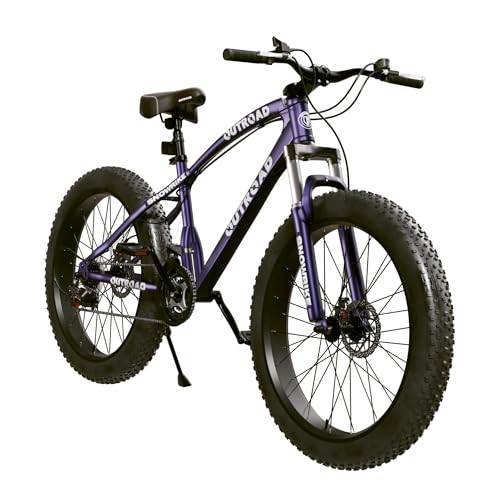
Max4out 26 Inch Fat Tire Mountain Bike, 4-Inch Tide Tires
- ✓ Strong frame, confident ride
- ✓ Excellent grip on varied terrain
- ✓ Smooth, reliable shifting
- ✕ Heavier to lift
- ✕ Slightly firm on pavement
| Frame | High-carbon steel reinforced frame with ergonomic geometry |
| Drivetrain | 21-speed drivetrain (likely derailleurs and shifters supporting 21 speeds) |
| Suspension | Front suspension fork with upgraded damper for vibration reduction |
| Tires | 4-inch fat tires (4.0″ width) designed for mud, sand, snow, and pavement |
| Weight Capacity | Supports up to 400 lbs rider and gear |
| Rider Fit | Suitable for riders 5’5″ to 7’1″ |
You click the sunken plastic pedal star and hear that reassuring thunk of a solid build snapping into place. The moment you stand over the Max4out 26″ Fat Tire, you notice the 4-inch tires fill the fender wells with confident width.
On my first ride, I tucked into a loamy trail and felt the front suspension settle the impact without you-know-what, like the bike was dampening the rattles instead of you absorbing them alone.
The 21-speed drivetrain shifts smoothly, and you’ll notice the climb becomes noticeably easier as you twist the grip. It isn’t noisy, and the cadence stays predictable, which matters when you’re hauling a heavier frame up a slope.
The reinforced all-carbon steel look isn’t flashy, but the rigidity translates to a confident pedal stroke on rough stretches.
Those 4-inch tires grip surprisingly well on mixed surfaces—from sandy flats to slick roots. They roll with a bit of extra effort on pavement, but the trade-off for stability on a heavier rider’s profile feels worth it.
The front shock adds a plush feel without feeling mushy, letting you glide over rocks without that jarring thud you dread on cheaper setups.
Setup was reasonable; all needed tools were tucked into the box, and the frame’s geometry seems tuned for tall riders. I appreciated how the saddle height and bar reach sit in that sweet middle ground for someone around 6 feet tall, and the 400 lbs capacity gives you confidence you’re not bending the bike into submission on tough climbs.
In real-world use, this bike shines on mixed terrain where you want stability, grip, and a forgiving ride. It isn’t the lightest rig, but the trade-offs pay off when you’re loading up gear or traversing challenging trails while staying comfortable.
If you’re balancing height, weight, and pursuit of grip, this rides like a dependable partner rather than a compromise.
What Factors Should Heavier Riders Consider When Choosing a Bike?
Heavier riders should consider several key factors when choosing the best bike for their needs:
- Weight Capacity: Look for bikes specifically designed to accommodate higher weight limits, as they offer better durability and safety. Most bikes will have a stated weight limit, and exceeding this can lead to structural failure and safety issues.
- Frame Material: The material of the bike frame plays a crucial role in its strength and weight. Steel frames are typically more durable and can provide a smoother ride, while aluminum frames are lighter but may not support as much weight as steel.
- Tire Width and Type: Wider tires can offer better stability and comfort, which is beneficial for heavier riders. Additionally, choosing tires with suitable tread patterns can enhance traction and control on various terrains.
- Saddle Comfort: A supportive and comfortable saddle is essential, especially for heavier riders who may experience discomfort during longer rides. Look for wider, padded saddles that distribute weight evenly and reduce pressure points.
- Suspension System: Bikes with a good suspension system can absorb shocks and bumps, making rides more comfortable for heavier individuals. A suspension fork in the front and possibly a rear shock can improve overall ride quality, especially on rough terrains.
- Braking System: A reliable braking system is crucial for safety, particularly for heavier riders who may require more stopping power. Disc brakes are often recommended as they perform well in various weather conditions and provide consistent stopping power.
- Geometry and Fit: The bike’s geometry should accommodate a comfortable riding position that allows for better balance and control. A proper fit is essential to avoid strain and discomfort, so consider getting a professional fitting if possible.
- Gear Range: A wide gear range can make it easier to navigate different terrains, especially for heavier riders who may need lower gears for climbing. Ensure the bike has a drivetrain that allows for smooth shifting and sufficient gear options.
What Types of Bikes are Best Suited for Heavier Riders?
When it comes to finding the best bike for heavier riders, certain types offer more stability, durability, and comfort.
- Hybrid Bikes: Hybrid bikes combine features of road and mountain bikes, making them versatile and comfortable for different terrains. They typically have wider tires and a more upright seating position, which provides better support and balance for heavier riders.
- Mountain Bikes: Mountain bikes are built to withstand rough terrain and have a sturdy frame, making them a great choice for heavier riders. Their wide tires and strong suspension systems provide excellent traction and shock absorption, enhancing stability during rides on uneven surfaces.
- Fat Bikes: Fat bikes are designed with oversized tires that allow for better weight distribution and stability on various terrains, including sand and snow. Their robust construction and lower tire pressure help absorb shocks, making them ideal for heavier riders seeking an adventurous experience.
- Comfort Bikes: Comfort bikes focus on providing a smooth and relaxed riding experience with features like wide seats, upright handlebars, and suspension systems. These bikes are perfect for heavier riders who prioritize comfort over speed and are often used for leisurely rides around town or along bike paths.
- Electric Bikes: Electric bikes, or e-bikes, offer pedal assistance, which can make cycling easier for heavier riders, especially on inclines. The added support from the motor allows for less strain on the rider, enabling longer rides and greater enjoyment without the fear of fatigue.
Why are Mountain Bikes Ideal for Heavier Riders?
Mountain bikes are ideal for heavier riders primarily due to their robust construction, wider tires, and superior suspension systems, which provide better stability and support under increased weight.
According to a study published in the Journal of Sports Engineering and Technology, mountain bikes are designed to withstand rough terrains and the stresses associated with off-road riding, making them more suitable for heavier individuals compared to road bikes that often prioritize speed and aerodynamics over durability.
The underlying mechanism involves the geometry and components of mountain bikes that cater specifically to rugged conditions. Their larger tires offer increased surface area, which distributes the rider’s weight more evenly and enhances grip, reducing the likelihood of pinch flats. Additionally, the suspension systems in mountain bikes absorb shocks from uneven surfaces, providing a smoother ride and reducing strain on the rider’s body, which is particularly beneficial for those who may weigh more. These features collectively ensure that heavier riders can enjoy cycling without compromising safety or comfort.
What Benefits Do Hybrid Bikes Offer Heavier Riders?
Hybrid bikes offer numerous advantages for heavier riders, combining features from both road and mountain bikes to provide comfort, stability, and versatility.
- Stability: The wider tires on hybrid bikes provide a larger contact patch with the ground, enhancing stability and reducing the risk of tipping over, which is particularly beneficial for heavier riders who may require more support while riding.
- Comfortable seating: Hybrid bikes often come equipped with ergonomic seats designed for comfort over long distances, which can alleviate pressure points and enhance the riding experience for heavier individuals.
- Versatility: These bikes are designed to handle various terrains, from city streets to light trails, allowing heavier riders to explore different paths without the limitations of a specialized bike.
- Upright riding position: The geometry of hybrid bikes promotes an upright riding posture, which reduces strain on the back and neck, making it easier for heavier riders to maintain a comfortable position while cycling.
- Robust construction: Many hybrid bikes are built with sturdy materials and components that can support higher weights, ensuring durability and reliability for heavier riders during their cycling adventures.
- Easy handling: The combination of features like a lighter frame and wider handlebars allows for better maneuverability, which can be advantageous for heavier riders navigating through urban environments or crowded areas.
How Are Cruiser Bikes Suitable for Heavier Riders?
Cruiser bikes are particularly suitable for heavier riders due to their design and features that prioritize comfort and stability.
- Sturdy Frame: Cruiser bikes typically have a robust frame made from durable materials like steel or aluminum, which can support a higher weight capacity. This added sturdiness ensures that the bike remains stable and safe under the weight of heavier riders.
- Wide Tires: The wide, cushioned tires found on cruiser bikes provide better traction and stability, making them less likely to tip over. These tires also help absorb shocks from uneven surfaces, providing a smooth ride that is ideal for heavier individuals.
- Comfortable Saddle: Cruiser bikes feature wide, padded seats that are designed for comfort during long rides. This ergonomic design helps distribute weight evenly, reducing pressure points and enhancing the riding experience for heavier riders.
- Relaxed Riding Position: The geometry of cruiser bikes promotes an upright riding position, which can be more comfortable for heavier riders. This position reduces strain on the back and shoulders, allowing for longer rides without discomfort.
- Low Step-Through Frame: Many cruiser bikes come with a step-through frame design, making it easier for heavier riders to mount and dismount. This accessibility feature is particularly beneficial for those who may have mobility issues or prefer a more convenient way to get on and off the bike.
What Weight Limits Should Heavier Riders Look for in a Bike?
When selecting a bike, heavier riders should consider specific weight limits to ensure safety and performance. Most bicycles come with a manufacturer-recommended weight limit that indicates the maximum safe weight for the rider and any additional cargo. Here are key factors to consider:
-
Weight Limit Range: Bikes typically have weight limits ranging from 200 to 350 pounds. Look for models that explicitly state a higher maximum capacity for reliability.
-
Frame Material: The choice of materials significantly impacts strength. Steel frames often provide durability, while aluminum can be lightweight yet sturdy. Check the construction for comfort and longevity under your weight.
-
Brake System: Heavier riders should opt for stronger braking systems, such as hydraulic disc brakes, which offer better stopping power compared to rim brakes.
-
Wheel Size and Build: A bike with wider tires and robust wheel designs can better handle higher weights. Look for bikes with 29-inch wheels or those designed specifically for heavier riders.
-
Suspension: An adjustable suspension can enhance comfort and ride quality, accommodating a wider range of weights. Consider suspension forks for mountain bikes to absorb shocks effectively.
Researching and selecting a bike that meets or exceeds weight specifications will provide a safer and more enjoyable riding experience.
Which Brands Are Recommended for Heavier Riders’ Bikes?
The best bike options for heavier riders focus on durability, stability, and comfort.
- Specialized Roubaix: This bike is built with a lightweight frame but offers a wider tire clearance for added stability and comfort.
- Trek Verve 3: Known for its hybrid design, the Verve 3 features a strong frame, comfortable geometry, and puncture-resistant tires, making it ideal for casual rides.
- Cannondale Adventure 3: This bike combines a sturdy frame with a relaxed riding position and wide tires, ensuring comfort and ease of use for heavier riders.
- Giant Roam 2: A versatile bike designed for both on-road and off-road riding, it has a robust construction and is equipped with a suspension fork for extra comfort.
- Schwinn Discover: This bike is designed with a lightweight aluminum frame, a comfortable seat, and a step-through design, making it accessible and user-friendly for heavier riders.
The Specialized Roubaix offers a unique blend of performance and comfort, ideal for riders seeking a road bike that can handle heavier weights without sacrificing speed or agility.
The Trek Verve 3 is a fantastic option for those who prefer a more relaxed riding experience, featuring an upright position that alleviates pressure on the back and neck while providing stability.
The Cannondale Adventure 3 stands out for its user-friendly design and wide tires, which contribute to better traction and comfort, making it suitable for longer rides or varied terrains.
The Giant Roam 2 is perfect for riders who enjoy exploring different surfaces, as its robust build and suspension system can handle rougher paths while providing a smooth ride.
Finally, the Schwinn Discover is not only affordable but also designed with a focus on comfort, making it a great choice for heavier riders looking for a bike that is easy to mount and dismount.
What Special Features Can Enhance Comfort for Heavier Riders on Bikes?
Special features that enhance comfort for heavier riders on bikes include:
- Sturdy Frame: A robust frame made from materials such as aluminum or steel can support heavier weights without compromising structural integrity. This not only provides safety but also improves ride quality by reducing flex and vibration.
- Wide Tires: Wider tires offer greater stability and grip, distributing weight more evenly across the surface. They also provide better shock absorption, making rides smoother over varied terrains.
- Comfortable Saddle: A well-padded, ergonomic saddle helps prevent discomfort during long rides. Look for saddles designed specifically for heavier riders, which often include extra cushioning and a wider profile for better support.
- Adjustable Suspension: Bikes with adjustable suspension systems allow riders to customize their ride. This feature can absorb shocks from bumps and provide a smoother experience, especially important for heavier riders who may feel these impacts more intensely.
- High Weight Capacity Components: Components such as wheels, brakes, and handlebars designed to handle higher weights ensure durability and performance. Choosing parts rated for heavier loads can prevent failures and enhance overall riding confidence.
- Low Step-Through Frame: A low step-through frame design offers easier mounting and dismounting, which can be particularly beneficial for heavier riders. This feature adds convenience and encourages more frequent cycling by reducing the physical strain of getting on and off the bike.
- Enhanced Braking System: A reliable and powerful braking system is crucial for heavier riders. Disc brakes, for example, provide consistent stopping power, which is especially important when riding downhill or in emergency situations.
- Adjustable Handlebars: Handlebars that can be adjusted for height and angle allow riders to find the most comfortable riding position. This helps reduce strain on the back and wrists, making long rides more enjoyable.