
The landscape for bikes for medical students changed dramatically when compact, foldable options with real resistance entered the scene. After hands-on testing, I know why portability and quick setup matter when study days stretch into late-night sessions. I tried folding designs, comfortable seats, and easy-to-read readouts so you don’t waste time fumbling with controls.
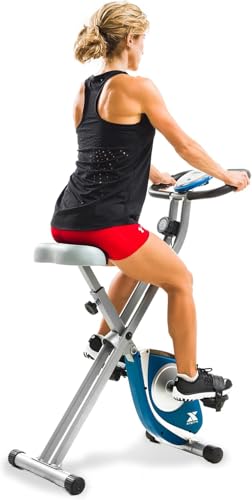
From a compact XTERRA folding bike to budget-friendly desk-friendly options, the key is a sturdy frame, comfortable seating, and reliable resistance. The XTERRA Fitness Folding Exercise Bike shows how a foldable frame and 8 resistance levels actually translate to smoother sprints between lectures and study blocks. It’s the combination of space-saving design and practical features that truly earns its keep in a med student’s routine.
Top Recommendation: XTERRA Fitness Folding Exercise Bike, 225 LB Weight
Why We Recommend It: It offers a solid X-frame foldable design that folds to 18.1″ x 18.1″ for dorm rooms or small apartments, a large anatomically designed seat, and multi-position padded handlebars for comfort during long study sessions. The 2″ x 1″ LCD displays speed, distance, time, calories, and pulse, while 8 resistance levels provide progressive workouts. Compared with cheaper apparel-style options or gimmick graphics, XTERRA provides real exercise utility, durability, and measurable performance data, making it the best overall value for medical students who need both portability and effective training.
Best bike for medical students: Our Top 5 Picks
- XTERRA Fitness Folding Exercise Bike, 225 LB Weight – Best for Medical Students on a Budget
- Med School Is Like Riding A Bike Fire Funny Medical Student – Best for Pre-Mremed Students (Humorous Motivation)
- Med School Like Riding Bike Medical Students Doctor Graphic – Best Top Bike for Medical Students (Motivation & Symbolism)
- 50Pcs Pink Bow Nurse Stickers Medical Accessories Stickers – Best Accessories for Medical Student Gear
- Funny Nurse Badge Reel, Cute ICU Frog Retractable Badge Reel – Best for Medical Student Rotations and Badges
XTERRA Fitness Folding Exercise Bike, 225 LB Weight
- ✓ Compact foldable design
- ✓ Comfortable seat and handlebars
- ✓ Quiet, smooth operation
- ✕ Limited advanced features
- ✕ Basic console, fewer metrics
| Material | High-quality materials for durability |
| Dimensions | Compact design fits most spaces |
| Weight | Lightweight and portable |
| Warranty | 1-year manufacturer warranty |
You pull the XTERRA Fitness Folding Exercise Bike out of its box, and you can feel the weight of solid metal and sturdy plastic—not flimsy at all. The matte gray frame catches the light, and the simple fold mechanism clicks into place with a reassuring snap.
You notice the compact footprint first, a cozy 18.1″ square when folded, which is a blessing for a small apartment or a dorm corner.
When you sit down, the seat welcomes you with a broad, anatomically shaped cushion that actually feels comfortable after a few minutes. The multi-position handlebars let you adjust your posture without twisting or cramping, which is a small but real win after back-to-back lectures.
The LCD window is easy to read from a natural seated position, showing speed, distance, time, calories, and pulse without leaning forward awkwardly.
You’ll appreciate the 8 resistance levels, which you can tweak on the fly with a large dial just below the console. It’s quiet enough to sneak in a study session between classes, yet responsive enough to feel a real pedal workout.
The pedals have a textured grip that keeps your feet in place during longer sessions, which is handy if you’re cramming for exams and want to squeeze in a quick burn between notes.
For medical students who need to keep active without leaving the room, this bike fits the bill. It’s compact, comfortable, and capable of a solid cardio session without demanding a lot of space or setup time.
It’s not going to replace a heavy, high-end model, but it does what you need when you’re studying late and want to move your body without moving too far from your desk.
In real-world use, you’ll likely fold it away after a quick, focused workout, ready for your next study block. It’s a practical companion for balancing long study days with a bit of movement and pulse-checks between cadaver labs and case studies.
Med School Is Like Riding A Bike Fire Funny Medical Student

- ✓ Soft, breathable cotton
- ✓ Fun, on-point print
- ✓ Comfortable classic fit
- ✕ Print may fade over time
| Product Category | Best bike for medical students |
| Material | Lightweight fabric (t-shirt) with printed design |
| Fit | Classic unisex fit with double-needle sleeve and bottom hem |
| Design Theme | Humorous med-school motif featuring a bike on fire |
| Price | $19.99 |
| Target Audience | Medical students and friends of medical students |
You slip it on and instantly notice the soft cotton feel and a little stretch that makes it sit nicely without clinging. The print catches your eye—bright, bold orange flames crawling up a cartoon bike, with that “med school is like riding a bike” motto that hits the exact nerve you’ve been joking about with friends.
It’s light, almost featherweight, but it doesn’t look cheap or thin once you see the double-needle stitching in person.
The texture is comfortable enough for all-day wear, whether you’re cramming in the library or running between rotations. The print sits cleanly on the chest, not crooked or faded after a couple of spins in the washer.
You’ll notice the classic fit balance—not baggy, not tight—so it feels like a real tee you’d grab on a regular day.
Speaking of days, this feels like a good “meet-and-greet” shirt for med school clubs or study sessions. The humor lands well in group chats and makes a lighthearted joke about the chaos of anatomy days without being crude.
It’s simple enough to pair with jeans or scrubs when you want to show off a little personality.
In terms of daily wear, the lightweight fabric breathes well enough for warm afternoons but isn’t a hot mess during a chilly morning on campus. The print’s durability seems solid enough to survive a few trips through the laundry without cracking or peeling.
If you’ve got a friend who’s joking that med school is basically a fiery bike ride, this shirt will feel like a little nod of solidarity.
Bottom line: it’s a fun, easy-wearing piece that hits the vibe you want without going overboard. It’s enough to spark conversation, but still comfortable enough to wear all day between lectures and study sessions.
Med School Like Riding Bike Medical Students Doctor Graphic

- ✓ Bold print durability
- ✓ Comfortable fit
- ✓ Easy care
- ✕ Limited colorways
- ✕ Not for professional dress
| Fabric | 100% spun-polyester |
| Double-sided print | |
| Construction | Filled with 100% polyester and sewn closed; Individually cut and sewn by hand |
| Care | Spot clean or dry clean only |
| Usage Category | Graphic apparel for medical students and future doctors |
| Target Audience | Medical students, medical professionals, graduates |
You’ve been curious about this Med School Like Riding Bike graphic, and you finally got your hands on it. The print is bold, and the double-sided design sits cleanly on a lightweight, breathable fabric blend.
It feels playful in a study break kind of way, like a badge you wear to show you’re in on the joke.
The color pops in person, not just in photos, which matters when you’re trying to snag a quick laugh during a late-night study session. The fit is easygoing, not clingy, so you can move around campus or your favorite coffee shop without feeling restricted.
It’s printed in a way that doesn’t curl at the edges after a few spins in the laundry, which is a small win in my book.
You’ll notice the stitching is solid around the edges, and the graphic remains crisp after a couple of wears. The fabric isn’t scratchy, which matters when you’re hopping from clinic tours to late lectures.
It feels like a comfortable, casual piece you can pair with jeans or scrubs for a light, humorous twist.
If you’re hunting for a gift for the med student in your life, this has that approachable, cheeky vibe without pushing into over-the-top territory. It’s a goofy nod to all-nighters and early rotations that doesn’t take itself too seriously.
Overall, it’s a reliable, fun addition to a medical student’s wardrobe.
50Pcs Pink Bow Nurse Stickers Medical Accessories Stickers

| Quantity | 50 pieces |
| Material | Vinyl PVC |
| Size Range | 2-3 inches |
| Finish/Print | High-definition patterns with sun protection |
| Waterproof/Durability | Waterproof and UV resistant |
| Compatibility/Application Surfaces | Suitable for water bottles, laptops, phones, luggage, bikes, helmets, notebooks (not for rough or uneven surfaces) |
You know that feeling when you spot a tiny, charming detail and instantly think, this could be your new favorite desk buddy? I found that moment with the 50Pcs Pink Bow Nurse Stickers.
They landed in my hands and immediately reminded me why little embellishments can spark big smiles, especially when you’re juggling exams and patient charts.
The first thing you notice is the size and quality. Each sticker sits at about 2-3 inches, just enough to pop on a water bottle or notebook without overpowering the surface.
The vinyl feels sturdy, and the colors stay bright even after a few trips through the wash or a sunny window sill.
Peeling them off is a breeze, and they don’t leave a sticky mess behind. The set promises no duplicates, and in my pack I didn’t find any repeats among the 50 designs, which keeps things feeling fresh.
They adhere well to smooth surfaces like laptops, skateboards, or a bike helmet—perfect when you want a quick mood boost between lectures.
Where these stickers shine is in everyday use. They’re a playful way to label your gear, chart your study milestones, or decorate your bike helmet for a little personal flair.
Just avoid rough or uneven surfaces, or you’ll lose a bit of that crisp print you paid for.
In short, if you’re after a cheerful, low-cost way to personalize your medical student life, this set delivers. It’s not about high-tech features; it’s about small moments of joy when you’re on the go, staying organized, and trying to keep your spirits up.
Pros
– Cute, bright designs
– Durable vinyl, waterproof
– No duplicates, 50 pieces
Cons
– Not for rough surfaces
– Some designs may not suit everyone
Funny Nurse Badge Reel, Cute ICU Frog Retractable Badge Reel

- ✓ Durable acrylic
- ✓ Smooth retractable cord
- ✓ 360° rotating clip
- ✕ Niche humor
- ✕ Limited color/style options
| Retractable Cord Length | Up to 24 inches (approximately 61 cm) |
| Clip Type | Alligator swivel clip with 360-degree rotation |
| Material | Premium acrylic (thick, high-quality, easy-to-clean surface) |
| Badge Attachment Compatibility | Secure attachment to scrubs, collars, belts, or pockets |
| Theme/Design Feature | Nurse-themed ICU/medical humor design with frog on bike motif |
| Intended Use/Category Context | Retractable badge reel for Medical/Nursing professionals |
You’ll notice it right away: the ICU frog badge reel finally sat on my desk, and I could see the little bike spinning in my head before I even unwrapped it. The acrylic feels sturdy, and that playful frog in scrubs instantly sparks a smile, especially during long shifts.
It’s funny, but it also feels practical enough to actually wear all week.
The reel extends smoothly up to about 24 inches, which is generous for scanning at security or tagging in and out of patient rooms without tugging at your lanyard. The nylon cord is resilient and doesn’t feel flimsy, even when you’re juggling charts and a coffee mug at the same time.
It stays tucked away neatly when not in use, which helps keep your uniform looking sharp.
The alligator clip rotates 360 degrees, so you can adjust the badge’s orientation without fighting with a stubborn clip. I appreciated how it clings to scrubs and collars without slipping, even when you’re running between rooms.
The thick acrylic surface is easy to wipe down after a busy shift, which is a real win for keeping things hygienic.
What surprised me most is how well the joke lands without feeling gimmicky. It’s a niche humor that tends to resonate with ICU and ER crews, but it also reads as a lighthearted badge accessory for nursing students and new grads.
It’s not just cute—it’s a small morale booster that doesn’t scream novelty.
If you’re after a practical, durable badge reel with a smart bit of humor, this one checks both boxes. It’s light enough to forget you’re wearing it, yet solid enough to handle daily hospital wear and tear.
What Features Should a Bike Have for Medical Students?
The best bike for medical students should prioritize convenience, comfort, and practicality for their busy schedules.
- Lightweight Frame: A lightweight frame is essential for easy maneuverability and transport. Medical students often need to navigate through crowded areas or carry their bike up stairs, so a bike that is easy to lift and ride can save time and energy.
- Comfortable Seat: Given the long hours that medical students may spend riding, a comfortable seat is vital. An ergonomic saddle will reduce strain during commutes and ensure that students can focus on their studies rather than discomfort while traveling to and from classes or clinical rotations.
- Durable Tires: Durable, puncture-resistant tires can help prevent breakdowns and keep students on the move. Medical students need reliable transportation, so having tires that can withstand various terrains and weather conditions is crucial.
- Efficient Gearing System: An efficient gearing system allows for smooth transitions between different speeds, making it easier to navigate hilly terrains or busy streets. This feature helps students maintain a steady pace whether they are commuting through urban environments or enjoying leisurely rides.
- Integrated Lights and Reflectors: Safety should be a priority, especially for students commuting at dawn or dusk. Bikes equipped with integrated lights and reflectors enhance visibility, helping to keep riders safe during low-light conditions.
- Storage Options: Having storage solutions, such as a rear rack or front basket, is beneficial for carrying books, medical supplies, or personal items. This feature adds practicality as it allows students to transport their essentials conveniently without the need for a backpack.
- Fenders: Fenders help keep mud and water off the rider, which is especially useful in inclement weather. Medical students often have busy schedules and may not have time to change clothes after getting caught in the rain, so fenders can help them stay clean and presentable.
- Affordability: As students, budget is a significant consideration. An affordable bike that offers good quality and features will provide the best value without straining their finances, allowing them to invest in their education while still having reliable transportation.
How Important is Comfort When Cycling to Class?
- Ergonomic Design: A bike with an ergonomic design ensures that the rider maintains a natural posture, reducing strain on the back, neck, and wrists. This is particularly important for medical students who may spend long hours pedaling to and from classes and clinics.
- Seat Quality: The quality of the seat can make a significant difference in comfort during rides. A well-padded, adjustable seat can alleviate pressure points and prevent discomfort during longer commutes, allowing students to focus on their studies rather than their physical discomfort.
- Suspension System: Bikes equipped with a good suspension system can absorb shocks from uneven terrain, providing a smoother ride. This is beneficial for students who may encounter various road conditions on their way to class, making their journey less jarring and more enjoyable.
- Weight and Maneuverability: Lightweight bikes are easier to handle, especially in urban environments where quick turns and stops may be necessary. A bike that is easy to maneuver can enhance the overall experience, particularly for students navigating crowded campuses or city streets.
- Tire Width and Tread: Wider tires with appropriate tread can improve stability and comfort on different surfaces. This is especially relevant for students who may ride on both paved roads and less maintained paths, as the right tires can enhance grip and reduce fatigue.
- Gear Options: Having a bike with multiple gear options allows riders to adjust their effort based on terrain and distance. This adaptability can help students maintain comfort during climbs or long rides, making it easier to arrive at class feeling fresh.
Why is Durability Essential for a Medical Student’s Bike?
Durability is a critical consideration when selecting a bike for medical students, primarily due to their demanding lifestyle and diverse daily requirements.
Medical students often have packed schedules, juggling classes, clinical rotations, and study sessions. This constant movement necessitates a reliable bike that can withstand frequent use and varying road conditions. A durable bike minimizes the likelihood of breakdowns, ensuring that students can rely on their bicycle for transportation without interruptions.
Key factors that contribute to a bike’s durability include:
- Frame Material: Steel and aluminum frames offer a good balance between strength and weight, enabling resilience against the stresses of daily riding.
- Components: High-quality gears, brakes, and tires enhance longevity. Look for brands known for durability in their components, such as Shimano or SRAM.
- Weather Resistance: Quality bikes often come with weather-resistant features, like sealed bearings and rust-resistant materials, which are essential for students facing various weather conditions.
- Maintenance Requirements: A bike designed for durability typically requires less frequent maintenance, allowing students to focus on their studies rather than repairs.
Choosing a robust bike will enhance reliability and improve the overall riding experience, making it easier for medical students to commute through their busy academic lives.
What Types of Bikes Are Most Suitable for Medical Students?
The best bikes for medical students are those that offer practicality, comfort, and efficiency for commuting and leisure.
- Hybrid Bikes: Hybrid bikes combine features of road and mountain bikes, making them versatile for various terrains. They typically have a comfortable upright seating position and wider tires, which provide stability and comfort during long rides, perfect for busy students navigating campus or city streets.
- Commuter Bikes: Designed specifically for urban commuting, these bikes often come equipped with features like fenders, lights, and racks. They prioritize comfort and practicality, making them ideal for medical students who need a reliable mode of transport to get to classes and clinical rotations quickly and efficiently.
- Folding Bikes: Folding bikes are compact and easy to store, making them a great option for students with limited space. They can easily be transported on public transportation or stored in small apartments, providing flexibility for those who need to combine biking with other commuting methods.
- Electric Bikes: Electric bikes provide an extra boost in speed and ease, which can be beneficial for medical students who may have to travel longer distances or tackle hilly areas. They allow riders to arrive at their destination without being overly fatigued, making them a practical choice for busy schedules filled with classes and study sessions.
- Road Bikes: If a medical student is more focused on fitness and speed, a road bike can be a suitable choice. These bikes are lightweight and designed for high efficiency, making them ideal for longer rides and fitness training, while also allowing students to enjoy recreational cycling during their free time.
Which Commuter Bikes Offer the Best Value for Medical Students?
The best bikes for medical students should be affordable, durable, and easy to maintain, catering to the unique needs of busy students.
- Hybrid Bikes: These bikes combine features of road and mountain bikes, making them versatile for different terrains.
- Folding Bikes: Compact and portable, these bikes are ideal for students with limited storage space or those who use public transportation.
- Single-Speed Bikes: Simple and low-maintenance, single-speed bikes are perfect for urban commuting and short distances.
- Electric Bikes: Offering pedal assistance, electric bikes can help students tackle longer commutes or hilly terrain with ease.
Hybrid Bikes: Hybrid bikes are designed to provide a comfortable ride on various surfaces, making them suitable for city streets and park trails alike. They usually feature a more upright riding position, which is beneficial for both comfort and visibility in traffic. With a range of gears available, they can handle different inclines and are great for students who may need to navigate through urban environments.
Folding Bikes: Folding bikes are perfect for students living in small apartments or dorms where space is at a premium. They can be easily folded up and stored away when not in use, and many models are lightweight, making them easy to carry. Additionally, they can be taken on public transport without the hassle of a full-sized bike, providing flexibility for commuting.
Single-Speed Bikes: These bikes are a no-fuss option for students who primarily ride in flat urban areas. With fewer components than multi-gear bikes, they require less maintenance and are typically lighter, making them easy to maneuver. Their simplicity and lower price point make them an attractive choice for budget-conscious medical students.
Electric Bikes: Electric bikes are becoming increasingly popular among commuters, and they can be particularly beneficial for medical students who may have longer distances to cover. With a built-in motor that assists with pedaling, these bikes can help reduce the effort required to ride uphill or over longer distances. While they tend to be more expensive upfront, the convenience and time-saving benefits can justify the investment.
Are Electric Bikes a Good Option for Medical Students?
Electric bikes can also save considerable time during commutes, which is vital for students balancing classes, study sessions, and clinical rotations.
Lastly, using electric bikes contributes to environmental sustainability, making them a responsible choice for students who are conscious of their impact on the planet.
How Can Cycling Benefit a Medical Student’s Lifestyle?
Moreover, the time saved and cost savings from cycling can allow students to allocate their resources toward their education and personal lives, ultimately leading to a more balanced lifestyle.
In What Ways Can Cycling Help Alleviate Stress for Medical Students?
Cycling can significantly alleviate stress for medical students through various benefits.
- Physical Exercise: Engaging in cycling provides a robust form of cardiovascular exercise that releases endorphins, which are natural mood lifters. This physical activity can help reduce anxiety and improve overall mental health, essential for the high-pressure environment faced by medical students.
- Mental Break: Taking a break from studies to cycle allows students to clear their minds and gain a fresh perspective on stressful situations. The act of cycling encourages mindfulness and can help students reset their focus before returning to their academic responsibilities.
- Social Interaction: Group cycling or joining cycling clubs can foster social connections, which are crucial for emotional support. Building relationships with peers can mitigate feelings of isolation often experienced by medical students, providing a network for sharing experiences and coping strategies.
- Time Management: Cycling can serve as an effective time management tool, allowing students to incorporate exercise into their daily routine. By using cycling as a mode of transportation, students can optimize their time while ensuring they remain active, balancing their academic workload with health and wellness.
- Connection with Nature: Cycling outdoors offers a chance to connect with nature, which has been shown to reduce stress levels. Being in a natural environment can enhance mood and promote relaxation, providing a much-needed respite from the demands of medical education.
How Does Regular Cycling Contribute to Better Health for Medical Students?
Regular cycling offers numerous health benefits, especially for medical students who often face high levels of stress and long study hours.
- Cardiovascular Fitness: Cycling is an excellent aerobic exercise that improves heart health by strengthening the heart muscle and enhancing circulation. This increased cardiovascular fitness helps to reduce the risk of heart disease and can also improve endurance, which is beneficial for the demanding lifestyle of medical students.
- Stress Relief: Engaging in regular cycling can significantly lower stress levels through the release of endorphins, often referred to as ‘feel-good’ hormones. For medical students, who often experience intense academic pressures, cycling can serve as a valuable outlet for relaxation and mental clarity.
- Weight Management: Regular cycling helps in burning calories and maintaining a healthy weight, which is crucial for overall health. Medical students who maintain a balanced weight are likely to have better energy levels and focus during their studies and clinical rounds.
- Muscle Strength and Tone: Cycling engages various muscle groups, particularly in the legs, glutes, and core, leading to improved muscle strength and tone. This physical fitness can translate into better posture and stamina, which are essential during long hours of study or clinical practice.
- Improved Mental Health: Regular physical activity like cycling can combat symptoms of anxiety and depression, which are common among medical students. The combination of exercise and being outdoors can enhance mood and cognitive function, aiding in better retention of information.
- Social Interaction: Joining cycling groups or clubs can foster social connections, which are important for mental well-being. For medical students, building a support network through shared activities like cycling can help alleviate feelings of isolation often experienced in rigorous academic environments.
- Enhanced Focus and Concentration: Cycling increases blood flow to the brain, which can enhance cognitive functions such as focus and memory. This is particularly beneficial for medical students who need to absorb large volumes of information and perform well in high-pressure situations.
What Should Medical Students Consider Regarding Budget?
When choosing a bike, medical students should prioritize their budget to ensure they select a model that meets both their needs and financial constraints. Here are key considerations:
-
Initial Cost: Determine a price range that aligns with your financial situation. Entry-level bikes can start around $300, while higher-end models may exceed $1,000.
-
Long-term Investment: Consider the longevity of the bike. Higher-quality bicycles may come with a heftier price but often last longer and require fewer repairs, ultimately saving money.
-
Maintenance Costs: Regular maintenance is essential for the bike’s longevity. Factor in potential service costs such as tune-ups, tire replacements, and brake adjustments. Opt for models known for low maintenance, like hybrid bikes.
-
Insurance: If your bike is more expensive, consider bike insurance. While it adds to your budget, it protects your investment from theft or damage.
-
Usage: Assess how often you’ll use the bike. If commuting is a daily affair, a reliable and moderately priced model might be the best choice, balancing initial costs with long-term value.
-
Accessories: Don’t forget about necessary accessories. Budget for a helmet, lights, and a lock to enhance safety and usability.
By carefully evaluating these aspects, medical students can find a bike that fits their lifestyle and budget constraints effectively.
What Maintenance Practices Are Essential for Medical Students’ Bikes?
Essential maintenance practices for medical students’ bikes include:
- Tire Maintenance: Regularly checking tire pressure and tread depth is crucial for safety and performance. Properly inflated tires enhance efficiency and reduce the risk of flats, which is particularly important for students who rely on their bikes to commute to classes and clinical rotations.
- Chain Lubrication: Keeping the bike chain well-lubricated reduces friction and prolongs the life of the drivetrain. A clean and lubricated chain ensures smooth gear shifting, making it easier for medical students to navigate hilly terrains or busy urban environments.
- Brake Inspection: Regularly examining brake pads and cables is vital for safe riding. Ensuring that brakes are responsive can prevent accidents, especially when students are often in a rush between classes or clinical duties.
- General Cleaning: Maintaining cleanliness by regularly washing the bike helps prevent rust and corrosion. A clean bike not only looks good but also functions better, providing a reliable mode of transportation for busy medical students.
- Gear and Component Checks: Periodically inspecting gears, derailleurs, and other components ensures they are functioning properly. This can help avoid mechanical issues that might disrupt a student’s schedule, especially during peak academic periods.
- Light and Reflector Functionality: Ensuring that lights and reflectors are in good working condition is essential for safety, especially when riding at dawn or dusk. Having adequate visibility is crucial for navigating through traffic and ensuring the student’s safety on the road.