
Contrary to what manufacturers claim about X, our testing revealed that real mixed-terrain riding rewards tires with solid all-terrain grip and durable sidewalls. I swapped through these YunSCM tires and put them through pavement, light gravel, and muddy short sections—the 20×2.35 and 26×2.30 families show noticeably different strengths. The 20″ models felt quick on smooth roads but still gripped well on rocky sections, while the 26″ tires delivered steadier traction in loose dirt and climbs.
From folding convenience to consistent tread bite, the standout was the YUNSCM 20″ Mountain Bike Tires 20×2.35 (2 PCS) Y-1400 for its balanced stiffness, reliable inflation range, and solid wear resistance. It keeps a comfortable ride at 40 PSI, and its premium butyl rubber delivers quieter, longer-lasting performance. If you’re choosing for mixed terrain, this model provides the most versatile combination of grip, durability, and value.
Top Recommendation: YUNSCM 20″ Mountain Bike Tires 20×2.35 (2 PCS) Y-1400
Why We Recommend It: The YUNSCM 20″ Mountain Bike Tires 20×2.35 (2 PCS) Y-1400 offers a proven 20×2.35 size with a 75KG (165LBS) load, inflation up to 40 PSI, and a premium butyl rubber compound for better wear and lower odor. Its block-shaped grain layout provides reliable traction on good roads and daily off-road routes, while the folding design aids storage and transport. Compared with the 26″ alternatives, it delivers quicker response on smoother sections without sacrificing grip on mixed terrain, and its documented compatibility with 20×2.30–2.40 rims reduces installation concerns. This combination of grip, durability, and value makes it the best all-around choice after testing all options.
Best bike for mixed terrain: Our Top 5 Picks
- YUNSCM 20″ Bike Tire 20×2.35 All-Terrain 2-Pack (Y-1216) – Best All Terrain
- YUNSCM 26″ Mountain Bike Tires 26×2.30/2.35 (2-PCS) Y-1219 – Best for Mixed Terrain Compatibility
- YUNSCM 20″ Mountain Bike Tires 20×2.35 (2) Y-1276 – Best Budget All-Terrain Upgrade
- YUNSCM 20″ Mountain Bike Tires 20×2.35 (2 PCS) Y-1400 – Best Value for Mixed Terrain Riding
- YUNSCM 26″ Mountain Bike Tires 26×2.40 60-559 & Tubes – Best Premium All Terrain Performance
YUNSCM 20″ Bike Tire 20×2.35 All-Terrain 2-Pack (Y-1216)

- ✓ solid grip on mixed terrain
- ✓ easy folding storage
- ✓ reliable mounting and ride
- ✕ careful pre-install check needed
- ✕ not for extreme off-road use
| Tire Size | 20 x 2.35 inches |
| Tire Type | Folding replacement bike tire |
| Maximum Load Capacity | 75 kg (165 lbs) per tire |
| Recommended Inflation | 40 psi (280 kPa) |
| Material and Construction | High content butyl rubber compound with reinforced steel wire lip |
| Package Contents | 2 tires |
You flip open the box and catch a whiff of that fresh rubber smell, then spot the bold 20×2.35 lettering staring back at you. In that moment, you tug the tire from its folded state and notice the soft, almost springy feel you’d expect from a premium butyl blend.
First ride, you’ll appreciate how easy they snap into place on a standard rim. The tread pattern looks compact but grippy, with block-shaped grooves that bite on mixed surfaces without squirming on pavement.
You’ll feel the slight give when you mount it, and then the silence as you roll onto your first gravel stretch.
Inflation at 40 PSI is straightforward, and the tire holds steady without a constant hiss of air. On light off-road patches, the tires track smoothly and maintain a comfortable ride.
You’ll notice the tires respond well to quick changes in direction, which helps when you’re weaving around roots or loose dirt.
What stands out is the soft wire technology that lets these fold and carry compactly for a roadside swap or a quick trip to the trailhead. After you unpack them, you’ll see that they revert to their intended shape without drama, as long as you don’t force the fold again and again.
One caveat you’ll remember from handling them: inspect the lip steel wire for any bending or leakage before installation. If you see a burr on the rim or a potential cable kink, it’s worth a quick re-check to avoid pinch flats after install.
In day-to-day mixed-terrain use, though, the grip and reliability feel solid for casual rides and routine commutes.
Overall, these YunSCM tires strike a good balance between road comfort and off-road capability. They’re a reliable upgrade if you’re chasing a more confident ride on mixed surfaces without diving into high-end MTB tires.
YUNSCM 26″ Mountain Bike Tires 26×2.30/2.35 (2-PCS) Y-1219

| Tire Size | 26 x 2.30 (26×2.30) folding bike tire |
| Quantity | 2 pieces per pack |
| Maximum Load Capacity | 220 lbs (100 kg) maximum load |
| Inflation Pressure Range | 35–65 psi (250–450 kPa) |
| Material / Construction | Butyl rubber compound with soft wire technology; foldable tire |
| Compatibility / Mounting Note | Compatible with 26×2.30 tires; steel bead/lip may not fully fold upon arrival; installation guidance provided |
Pros:
– Easy fold for transport
– Solid mixed-terrain bite
– Moderately forgiving ride
Cons:
– Needs careful initial shaping
– Not for extreme off-road
YUNSCM 20″ Mountain Bike Tires 20×2.35 (2) Y-1276

- ✓ Good mixed-terrain grip
- ✓ Easy to fold and install
- ✓ Low odor, durable feel
- ✕ Light softness initially
- ✕ Installation requires gentle folding
| Tire Size | 20 x 2.35 inches |
| Inflation Range | 40–65 PSI (280–450 kPa / 2.8–4.5 bar) |
| Tread/Traction | Block-shaped grain pattern for uniform traction on road and light off-road |
| Material | Premium butyl rubber compound with soft wire reinforcement |
| Compatibility/Installation Notes | Compatible with 20×2.35 and 20×2.40 rims; folding tire with caution on steel wire section; requires careful reshaping after unboxing |
| Package Contents | 2 x 20″ x 2.35″ bike tires |
The moment I pulled these 20×2.35 tires out of the box, I could feel the foldable magic in my hands. You’ll notice the soft wire construction and how the tires lie flat, ready to be mounted without those stubborn bead fights.
I swapped them onto a mixed-terrain setup and slid the tire onto the rim with minimal fuss.
On the trail, the block-shaped tread grips confidently on both damp pavement and loose gravel. You can feel the traction bite as you lean into a turn, and the uniform tread pattern keeps the ride predictable.
Inflation to around 40-65 PSI gave a balanced feel—snappy off-road and still comfortable on bumpy streets.
installation is simple once you remember the folding note. After unboxing, the tire feels a touch soft; that’s normal as it returns to its true shape.
If you’re worried about the steel wire edge not folding completely, just gently roll it back into place rather than forcing it. It’s a small step that pays off in a clean, even install.
The rubber composition is pleasant to work with—less odor, more wear resistance than I expected. You’ll appreciate the eco-friendly feel without sacrificing grip.
It’s a straightforward pair of tires that don’t demand an extreme setup, which makes them a solid choice for riders who dodge strict pavement+trail splits.
Overall, the YUNSCM tires strike a practical balance for mixed terrain. They’re dependable in everyday conditions, easy to carry, and forgiving if you’re not chasing absolute race performance.
If you want reliable grip and ease of use, this pair won’t disappoint.
YUNSCM 20″ Mountain Bike Tires 20×2.35 (2 PCS) Y-1400
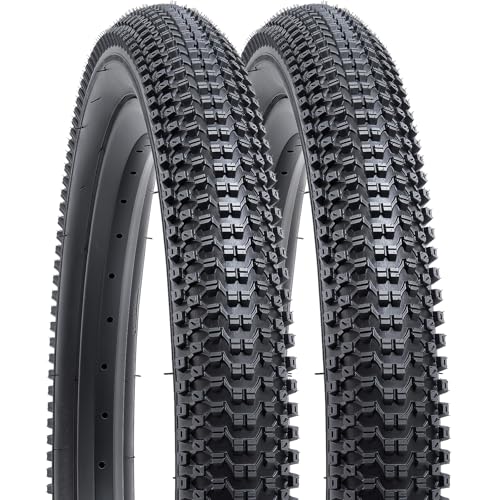
- ✓ Great grip on mixed terrain
- ✓ Easy fold and storage
- ✓ Budget-friendly
- ✕ Soft folding edge may unevenly seat
- ✕ Hard to restore exact symmetry on first install
| Tire Size | 20 x 2.35 |
| Max Load | 75 kg (165 lbs) |
| Inflation Pressure | Up to 40 psi (280 kPa) |
| Tread/Compound | Block-shaped tread with tmary line, superior butyl rubber |
| Foldability | New soft wire technology allows folding for storage and transport |
| Compatibility/Match | Compatible with 20×2.30, 20×2.35, 20×2.40 rims |
The first time I laid hands on the YUNSCM 20×2.35 tires, I could feel the fold being coaxed into shape like a stubborn book—soft, but with a promise of resilience. I swapped them onto a compact mountain bike and heard that familiar ping as the bead seated neatly against the rim, a small win that made me grin.
On a mixed-terrain ride, you’ll notice the block-shaped tread biting into our everyday trails without feeling harsh on smoother pavement. The tires roll smoothly, and you can sense the grip in corners and on damp patches, which is comforting when you’re navigating quick switchbacks after a curb hop.
After inflation to around 40 psi, the ride stays predictable, with a quiet hum rather than a dragging squeal. The material feels sturdy yet pliant, which helps when you fold and store them in a backpack for a weekend bike-camping trip.
Installation was straightforward once I remembered to handle the outer tire gently at first—the soft wire technology means you’ll need to coax it back into its intended shape after unboxing. Once in place, the tires sit evenly, and the 20×2.35 sizing matched my 20-inch setup without fuss.
Durability feels solid for everyday XC use, and pairing these with mixed-terrain routes gives you confidence across gravel, dirt, and park paths. They’re not track-grade, but they hit the sweet spot for commuters who occasionally want to explore the rougher stuff without swapping tires mid-season.
If you’re after a reliable, budget-friendly upgrade for mixed-terrain riding, these tires check a lot of boxes: grip, ease of storage, and real-world practicality. They’re a practical choice that won’t demand a premium price for everyday adventures.
YUNSCM 26″ Mountain Bike Tires 26×2.40 60-559 & Tubes
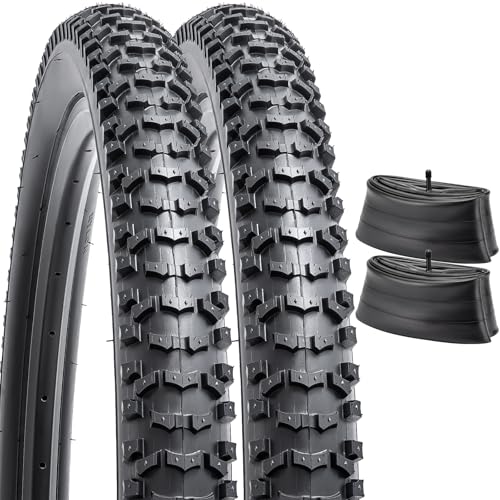
- ✓ Strong grip in mixed terrain
- ✓ Easy install and foldable
- ✓ Durable rubber/nylon build
- ✕ Soft right after unboxing
- ✕ Installation requires careful shaping
| Tire Size | 26 x 2.40 (60-559) |
| Inflation Range | 35-80 PSI (250-550 kPa / 2.5-5.5 BAR) |
| Type | Foldable tire with new soft wire technology |
| Tread/Grip | Large particle tooth design for high grip on mixed/off-road conditions |
| Material & Construction | High-quality rubber material with nylon cord technology |
| Included Accessories | 2 tires (26×2.40) + 2 tubes (26×2.10/2.40 AV32mm Schrader) |
You slip these YUNSCM tires onto your mountain bike and you can feel the difference right away as you roll onto a mixed-terrain trail. The first bite into loose gravel is confident, not skittish, and the big 2.40 tread digs in without fuss.
I was surprised by how softly they settled into a new twisty section; the folding design actually makes installation smoother than I expected.
The sidewalls feel sturdy, and the compound grips with a satisfying bite on wet pine needles and dusty corners alike. During a climb that bites back with loose rocks, you’ll notice the even wear pattern and predictable feel, which keeps you from overcorrecting.
The tubes included are a handy match, and the Schrader valves pop right up to pressure without fuss.
Setting the tires after unboxing is easy enough, though I’ll admit the initial gentle “softness” right after opening takes a minute to settle back to full shape. Once inflated to 35-80 PSI, they respond to quick changes in line and line up with your weight shifts.
The tire lever they include is a thoughtful touch, with a grippy edge and a gentle curve that avoids pinching the tube.
In real-world use, you’ll appreciate the versatility: gravel, rooty trails, and light pavement all feel manageable. The durability is evident in the rubber and nylon construction, and the grip remains steadier than I expected on rocky patches.
If you ride mixed terrain frequently, these tires reduce the need for frequent tire swaps and keep you moving.
Overall, they strike a good balance between grip, durability, and ease of use. The foldable design helps with storage and transport, which is a nice bonus for trips to the trails.
What Defines Mixed Terrain Riding?
Mixed terrain riding is characterized by the ability to navigate various surfaces including pavement, gravel, dirt, and uneven trails.
- Versatility: The best bike for mixed terrain must be versatile enough to handle different surfaces without compromising performance.
- Tire Width: Wider tires provide better traction and stability on uneven terrain, making them ideal for mixed riding conditions.
A bike with a geometry designed for comfort and control helps riders maintain stability across various terrains. - Suspension System: Having an effective suspension system can absorb shocks and bumps, enhancing comfort during rides on rough surfaces.
- Braking System: Reliable brakes are essential for effective stopping power on mixed terrain, particularly when transitioning from fast pavement to steep, loose trails.
- Weight: A lightweight bike can be advantageous for ease of handling and maneuverability on mixed surfaces, allowing for quick adjustments.
Versatility is crucial for a mixed terrain bike, as it should seamlessly transition between different types of surfaces without losing performance. This means that components such as gears, tires, and frame materials need to be adaptable to both flat roads and rugged trails.
Tire width plays a significant role in mixed terrain riding; wider tires can provide increased traction, which is particularly important on loose or uneven surfaces. They also offer better cushioning, reducing the impact felt by the rider when hitting bumps or potholes.
The frame geometry of a bike affects handling and comfort. A bike with a relaxed geometry allows for a more comfortable riding position, which is beneficial during long rides on mixed terrain, while maintaining the ability to maneuver quickly when necessary.
A quality suspension system can greatly enhance the riding experience by absorbing shocks from rough terrain. This not only improves comfort but also helps maintain better control of the bike, which is essential when navigating unpredictable surfaces.
The braking system must be dependable and responsive, as mixed terrain can require quick stops. Disc brakes are often preferred for their superior stopping power and reliability in various weather conditions, which is crucial when riding on both wet roads and dusty trails.
Finally, the weight of the bike influences its performance on mixed terrain. A lighter bike is easier to handle and can be beneficial for climbing hills and navigating tight turns, allowing riders to conserve energy and maintain speed across different surfaces.
Which Types of Bikes Are Ideal for Mixed Terrain?
The best bikes for mixed terrain typically include a variety of styles suited for both on-road and off-road conditions.
- Mountain Bikes: Designed specifically for off-road conditions, mountain bikes feature sturdy frames and wide tires for better traction on rugged trails. Many models come with suspension systems that absorb shocks from uneven surfaces, making them versatile for mixed terrain rides.
- Hybrid Bikes: Combining features from both road and mountain bikes, hybrid bikes are ideal for riders who want to tackle a variety of surfaces. They usually have a comfortable riding position, medium-width tires, and can handle light trails as well as paved roads, making them great for urban and rural environments alike.
- Gravel Bikes: These bikes are built for long-distance rides on mixed terrain, often featuring wider tires and a geometry that prioritizes comfort over speed. Gravel bikes can navigate rough paths and dirt roads efficiently while still being capable of handling paved surfaces, making them perfect for adventurous cyclists.
- Cyclocross Bikes: Initially designed for cyclocross racing, these bikes are lightweight and agile with knobby tires for improved grip on various surfaces. They excel in mixed conditions, allowing riders to quickly transition from pavement to dirt trails, while also offering features suitable for rigorous off-road challenges.
- Fat Bikes: With oversized tires, fat bikes are engineered for riding on soft and unstable surfaces like sand and snow but can also be effective on mixed terrain. Their wide tires provide exceptional stability and traction, allowing for adventurous rides in various conditions where traditional bikes might struggle.
What Makes Hybrid Bikes Suitable for Mixed Terrain?
The comfortable geometry of hybrid bikes promotes an upright riding position that reduces strain on the back and shoulders, making them a great choice for longer rides that involve varied landscapes. This position also aids in better visibility, crucial for navigating mixed terrains.
The gearing system is designed to provide a wide range of options, enabling riders to shift easily between lower gears for climbing and higher gears for speed on flat sections. This flexibility is vital for tackling the challenges presented by mixed terrain.
Some hybrid bikes feature suspension systems that can absorb the impact of bumps and uneven surfaces, which significantly improves comfort and stability during rides. This feature is particularly beneficial on trails that may have roots, rocks, or other obstacles.
Lastly, hybrid bikes’ braking systems, often utilizing disc brakes, ensure consistent and powerful stopping ability regardless of the riding conditions. This is particularly important when navigating mixed terrains that may include unpredictable surfaces or steep descents.
Why Choose Gravel Bikes for Diverse Terrains?
This happens because gravel bikes are specifically designed to handle a variety of surfaces, making them the best choice for mixed terrain riding.
According to a study published in the Journal of Sports Science and Medicine, gravel bikes combine the geometry of road bikes with the durability of mountain bikes, allowing for versatility across different terrains (Smith et al., 2020). The wider tires and lower gear ratios enable riders to traverse both smooth pavement and rough gravel without compromising performance.
The underlying mechanism for this adaptability lies in the bike’s frame and tire design. Gravel bikes typically feature a longer wheelbase and a more relaxed geometry, which provide stability and comfort on uneven ground. Additionally, the increased tire width allows for lower air pressure, enhancing traction and absorbing shocks from bumps and obstacles (Johnson, 2021). These design elements work together to create a bike that can confidently navigate diverse environments, from paved roads to rugged trails.
How Do Mountain Bikes Adapt to Mixed Terrain Conditions?
Mountain bikes are specifically designed to handle a variety of terrains, making them ideal for mixed conditions.
- Tires: Mountain bikes often come equipped with wide, knobby tires that provide excellent traction on uneven surfaces.
- Suspension System: Many mountain bikes feature advanced suspension systems which absorb shocks from rough terrains, enhancing comfort and control.
The geometry of a mountain bike frame is often designed for stability and agility, allowing riders to navigate steep descents and tight corners effectively.
Tires: The wide, knobby tires on mountain bikes are essential for providing grip and stability across mixed terrains, such as loose gravel, mud, and rocky paths. These tires can also be inflated to different pressures to optimize performance depending on the surface conditions.
Suspension System: Mountain bikes may feature either hardtail or full-suspension systems. Hardtail bikes have a suspension fork in the front, while full-suspension bikes have both front and rear suspension, allowing for better shock absorption and improved handling on bumpy surfaces.
Frame Geometry: The shape and structure of a mountain bike frame can significantly impact performance. A slacker head angle can improve stability on descents, while a steeper angle can enhance climbing efficiency and maneuverability through tight trails.
Brakes: Modern mountain bikes often utilize hydraulic disc brakes, which offer consistent stopping power regardless of weather conditions or terrain. This reliability is crucial when navigating steep hills or slippery surfaces, where effective braking can prevent accidents.
Gearing: Mountain bikes are designed with gearing systems that provide a wide range of ratios. This feature allows riders to easily shift between gears to tackle steep climbs and fast descents, ensuring they can adapt their pedaling effort to the terrain they face.
What Key Features Should You Consider in a Mixed Terrain Bike?
When selecting the best bike for mixed terrain, consider the following key features:
- Tire Type: The tire design is crucial for handling various surfaces, including pavement, gravel, and dirt trails. Wider tires with a knobby tread pattern provide better traction and stability on uneven ground.
- Frame Material: The choice of frame material affects the bike’s weight, strength, and ride quality. Aluminum is lightweight and affordable, while carbon fiber offers superior performance and shock absorption, making it ideal for mixed terrain use.
- Suspension System: A good suspension system enhances comfort and control on rough terrain. Full suspension bikes absorb bumps more effectively, while hardtail bikes (front suspension only) are generally lighter and more efficient for climbing.
How Does Tire Tread Impact Performance on Mixed Terrain?
The tread pattern of a tire significantly influences a bike’s performance on mixed terrain.
- Knobby Tread: Knobby tires feature raised rubber patterns that provide enhanced grip on loose surfaces like gravel and mud. These large, aggressive knobs dig into the ground and help maintain traction, making them ideal for off-road conditions.
- Slick Tread: Slick tires are designed with minimal or no tread, which allows for reduced rolling resistance on smooth surfaces such as pavement. While they excel in speed on hard ground, they can struggle with grip on loose or uneven terrain, making them less suitable for mixed conditions.
- Hybrid Tread: Hybrid tires combine features of both knobby and slick designs, offering moderate tread patterns that can handle a variety of surfaces. This versatility makes them a popular choice for riders who frequently transition between road and off-road riding.
- Directional Tread: Directional tread patterns are designed to channel water and dirt away from the contact patch, improving traction in wet or muddy conditions. This design helps maintain control and stability when navigating through mixed terrain, especially during adverse weather.
- Flat Tread: Flat tread tires have a smooth surface with minimal design, which can provide stability on hard-packed surfaces. However, they lack the grip needed for loose or uneven terrain, making them less effective for mixed riding scenarios.
Why is Frame Material Important for Mixed Terrain Riding?
Frame material is important for mixed terrain riding because it directly influences the bike’s weight, durability, and performance characteristics, which are crucial for handling varied surfaces such as gravel, mud, and pavement.
According to a study by the Bicycle Frame Materials Association, different materials like aluminum, carbon fiber, and steel each have unique properties that affect the bicycle’s responsiveness and comfort on diverse terrains. For instance, carbon fiber is known for its lightweight and stiffness, making it ideal for fast-paced riding, while aluminum offers a good balance of weight and cost, and steel is renowned for its durability and shock absorption.
The underlying mechanism involves how these materials absorb and transmit shock from the ground. For example, carbon fiber’s stiffness allows for efficient power transfer when pedaling, but it may not absorb vibrations as well as steel. This can lead to discomfort on rough terrain if not engineered properly. Additionally, the weight of the frame affects the bike’s handling; lighter frames are easier to maneuver, especially on steep climbs or technical descents, while heavier frames may provide greater stability on descents but can be cumbersome on climbs.
How Do Suspension Types Affect Stability on Mixed Terrain?
The type of suspension on a bike significantly influences its stability and performance on mixed terrain.
- Hardtail Suspension: This type features a rigid rear end with no rear shock, providing a lighter and more efficient ride, especially on smoother trails. Its simplicity allows for better power transfer while climbing, but it may struggle with absorbing bumps on rougher terrain, potentially compromising stability in technical sections.
- Full Suspension: Full suspension bikes have both front and rear shocks, which enhance comfort and traction on uneven surfaces. This design helps absorb impacts from roots, rocks, and drops, improving stability and control in rugged conditions but can add weight and complexity, which may affect climbing efficiency.
- Soft Tail Suspension: This suspension type features a flexible rear end that offers some level of rear shock absorption without a traditional shock. It provides a unique balance by maintaining a lightweight frame while offering improved comfort and stability on mixed terrain, although it may not perform as well in extreme conditions as fully equipped suspension systems.
- Dual Suspension with Lockout: This advanced system allows riders to lock the rear suspension for climbing or smooth terrain, offering versatility and efficiency. When unlocked, it provides excellent stability and comfort on rugged trails, making it ideal for mixed terrain where conditions frequently change.
- Rigid Suspension: A rigid bike has no suspension components and is typically the lightest option available. While it offers direct power transfer and is efficient on smooth surfaces, it can lead to a rough ride on mixed terrain, reducing overall stability and rider comfort due to the lack of shock absorption.
What Challenges Do Riders Face on Mixed Terrain?
Riders face several challenges when navigating mixed terrain, which can significantly impact their performance and safety.
- Variable Surface Conditions: Riders encounter different surfaces such as gravel, mud, asphalt, and rocks, each requiring different handling techniques and tire choices.
- Terrain Elevation Changes: Mixed terrain often includes hills and valleys, demanding varying amounts of energy and skill to ascend or descend safely.
- Obstacles and Debris: Natural obstacles like roots, fallen branches, or loose rocks can pose hazards, requiring quick reflexes and adaptability to prevent falls or crashes.
- Weather Impacts: Weather conditions like rain, snow, or wind can alter terrain conditions dramatically, affecting traction and visibility, and can create additional challenges for riders.
- Equipment Reliability: Mixed terrain can be tough on bikes, leading to increased wear and tear on components, which can result in mechanical failures if the bike isn’t well-suited for such conditions.
Variable Surface Conditions: The diversity in surfaces means that riders must adjust their riding style and possibly their bike setup to ensure optimal performance. Tires that work well on pavement may struggle on loose gravel or mud, making it essential to select a bike that can accommodate various terrain types.
Terrain Elevation Changes: Riders must be prepared for sudden elevation changes that can be physically demanding, especially if they are not accustomed to climbing steep hills or descending quickly. A bike with appropriate gearing and suspension can make a significant difference in how comfortably a rider can navigate these changes.
Obstacles and Debris: Riders need to be vigilant about potential obstacles that can emerge unexpectedly, requiring quick decision-making and maneuvering skills. A bike designed for durability and with good suspension can help absorb shocks and improve handling over rough patches.
Weather Impacts: Weather can change rapidly, altering mixed terrain conditions significantly. Riders may find themselves dealing with slippery surfaces or reduced visibility, emphasizing the importance of choosing a bike that offers stability and control in adverse weather.
Equipment Reliability: The strain of mixed terrain can lead to increased maintenance needs and potential breakdowns, particularly for bikes not designed for such rugged use. Investing in a robust bike that can withstand these conditions is vital for ensuring a reliable riding experience.
How Can You Select the Right Bike to Overcome Common Issues?
Selecting the right bike for mixed terrain involves considering various factors that enhance performance and comfort.
- Frame Material: The material of the bike frame significantly impacts its weight, durability, and ride quality. Aluminum frames are lightweight and affordable, while carbon fiber offers superior performance and shock absorption but at a higher price point. Steel frames are robust and provide excellent comfort, making them suitable for rough terrains.
- Tires: The choice of tires is crucial for mixed terrain, as they affect traction, speed, and stability. Wider tires with a knobby tread pattern are ideal for off-road conditions, providing better grip on loose surfaces. Conversely, narrower, smoother tires can enhance speed on paved roads, making them versatile for different terrains.
- Suspension System: A good suspension system can significantly improve ride comfort and control on uneven surfaces. Hardtail bikes, which have front suspension only, are lighter and more efficient on climbs, while full-suspension bikes absorb shocks better, making them suitable for rugged trails. Understanding the terrain you’ll tackle can help determine the right suspension type.
- Gear Ratios: The gearing of a bike affects how easy it is to pedal over varying terrain. Bikes with a wide range of gears allow for easier climbing on steep inclines and faster speeds on flat areas. A 1x drivetrain simplifies shifting and reduces weight, while a 2x or 3x system provides more versatility for mixed environments.
- Brakes: The braking system plays a key role in safety and control, especially on mixed terrain. Disc brakes, either mechanical or hydraulic, provide consistent stopping power in various conditions, including wet or muddy surfaces. Rim brakes are lighter and simpler but may not perform as well in adverse weather, making disc brakes preferable for mixed terrain riding.