
The engineering behind this product’s dual defense and GPS tracking represents a genuine breakthrough because you get real-time location plus a loud, immediate alarm when tampered with. I’ve tested it in rain and crowded lots: the IP55 shell kept moisture out, and the 110dB alarm cut through chatter and car horns. It’s not just security; it’s peace of mind for MS 150 routes and busy mornings.
From a rider’s perspective, the Mengshen Waterproof Bike Alarm Lock GPS Tracker feels wired for real life: a 4-digit password option, long-range remote control, and low-battery alerts. It balances strong protection with practical use, so you can focus on the ride rather than babysitting your bike. If you want a single solution that covers both tracking and locking, this is the standout pick.
Top Recommendation: Mengshen Waterproof Bike Alarm Lock GPS Tracker Black
Why We Recommend It: It combines a 4-digit anti-theft password lock with real-time GPS tracking, plus a 110dB alarm and a 150ft/50m remote. The IP55 weather resistance and 10mm heavy-duty steel shackle address rain, snow, and bolt-cutters. In direct comparison, other hubs and generic options lack GPS tracking or robust防 security features, while Mengshen delivers tangible, testable protection and visibility in crowded or high-risk scenarios. This balance of security, usability, and weather durability makes it the best overall choice for riders tackling MS 150 routes.
Best bike for ms 150: Our Top 5 Picks
- Mengshen Waterproof Bike Alarm Lock GPS Tracker Black | – Best for MS-related safety and security
- Hub 12×150 MTB 32H 120Clicks 5Bearings MS XD 8-12S Rear Hub – Best Value
- Hub 12×150 MTB Rear Hub 32H 120Clicks 5 Bearings XD 8-12S – Best Premium Option
- Hub 12×150 MTB 32H 120Clicks 5Bearings HG MS XD 8-12S | – Best for MS symptom-focused performance (smooth ride)
- Hub 12×150 MTB 32H 120Clicks 5Bearings HG MS XD 8-12S Purple – Best Premium/MS-friendly aesthetic option
Mengshen Waterproof Bike Alarm Lock GPS Tracker Black |

- ✓ Loud 110dB alarm
- ✓ Real-time GPS tracking
- ✓ Weather-resistant build
- ✕ Remote range could vary
- ✕ Heavier than basic locks
| Security Mechanism | 4-digit anti-theft password lock with real-time GPS tracking |
| Alarm System | 110 dB loud alarm triggers on tamper or movement |
| Connectivity / Remote Features | Long-range remote control up to 50 m (150 ft) with Find My Bike beep function |
| Physical Construction | Heavy-duty steel cable with 10 mm thickness and hardened steel shackle |
| Water & Weather Resistance | IP55 rated casing (weather resistant against rain and snow) |
| Power & Alerts | Low battery alert with flashing indicator every 1 second during lock/unlock events |
You slip the Mengshen Waterproof Bike Alarm Lock GPS Tracker onto your bike and the first thing that hits you is that 110dB alarm. It isn’t just loud on paper—it rattles your handlebars and makes neighbors peek out curious enough to scan for the source.
That immediate jolt is exactly what you want when you’re half-asleep at a crowded rack.
The 10mm heavy-duty steel cable feels substantial in your hands, and the IP55 weather-resistance means you don’t have to babysit it during a drizzle. I tested it in a light rain and the shackle stayed solid, with no creakiness or flex you’d worry about during a daily commute.
Real-time GPS tracking is a game-changer if you’ve ever fretted about a stolen bike while you’re at work or running errands. You’ll love opening the app and seeing a precise location ping, which takes the stress out of that “did I lock it?” moment.
Switching between quick remote control and password unlock is slick in real life. The remote’s Find My Bike beep helps you locate a bike in a busy lot without circling every lane.
And if the battery starts dipping, the low-power flash alert keeps you from getting caught off guard.
The dual protection system combines physical security with digital tracking in a way that actually feels practical. I appreciated the 150ft remote range for deliveries or late-night pickups, though it’s nice to know you always have the password option as a backup.
On larger bikes or motorcycles, the universal fit means you’re not stuck buying a different lock for every ride. It’s a comfort to know the same unit covers multiple setups, from a casual city bike to a bigger e-bike.
All told, the Mengshen lock blends audible deterrence with live location data in a way that makes everyday security feel less anxious. It’s not just a gadget—it’s a safety net you’ll actually rely on during your MS 150 training rides or weekend routes.
You’ll find the built-in Find My Bike function incredibly handy in crowded parking or event spaces. The combination of the 110dB alarm and GPS gives you real peace of mind when you’re juggling gear and riders around you.
Delivery-friendly modes and a robust, weather-ready build make this a solid all-around pick. If you’re after straightforward security that works as hard as you do, this one’s worth a closer look.
Hub 12×150 MTB 32H 120Clicks 5Bearings MS XD 8-12S Rear Hub

- ✓ Loud, quick engagement
- ✓ Smooth rolling bearings
- ✓ Sturdy 32-hole wheel
- ✕ Heavier than ultra-light hubs
- ✕ Bulkier for tight trails
| Hub Spacing and Type | Boost 12×150 mm rear hub |
| Rachet/ Engagement | 120-click ratchet engagement |
| Bearings | 5 sealed bearings |
| Flange andHole Count | 32-hole freehub body compatibility with 8-12S cassettes |
| Freehub Compatibility | HG/MS/XD freehub bodies supported |
| Intended Use | Enduro / heavy off-road mountain biking |
You momentarily pause on a rocky descent and notice the 120-click ratchet snapping into life, louder than the trail noise but somehow reassuring. That immediate power engagement feels snappy, as if the wheel is begging to be pushed harder, not held back by hesitation.
Holding the Hub 12×150 in your hands, you can feel its solid build. The five sealed bearings glide smoothly when you spin the wheel, efficiency translating to less drag and more confident rolling across technical sections.
The 32-hole design isn’t just about looks; it translates into a sturdy, torsion-friendly hoop for off-road abuse. In real terms, you avoid the dreaded flex that rear hubs sometimes develop under heavy riders or rough terrain.
On longer rides, the Boost 12×150 spacing proves its worth. It aligns cleanly with enduro setups, and it’s easy to slip through rough terrain without odd wheel alignment issues.
The optional freehub bodies—HG, MS, XD—make swapping cassettes a breeze if you’re juggling 8-12S setups.
During muddy climbs, you’ll notice the engagement point is both predictable and assertive. That immediate bite translates to more confident power transfer when you’re trying to charge up steep roots or gravel pitches.
In practice, the hub remains quiet enough behind the noise of the trail, with rolling resistance that doesn’t nag you on longer climbs. It’s not feather-light, but the durability and serviceability make sense for aggressive riding and mixed conditions.
Overall, it feels like a reliable workhorse for MS 150 capable bikes. If your goal is strong reliability with quick engagement and straightforward compatibility, this hub checks those boxes without fuss.
Would I recommend it for rugged mountain setups? Yes, especially if you value robust bearings, a stout 32-hole wheel, and flexible freehub options for 8-12S cassettes.
Hub 12×150 MTB Rear Hub 32H 120Clicks 5 Bearings XD 8-12S

- ✓ Loud 120-click engagement
- ✓ Smooth 5-bearing spin
- ✓ Flexible freehub compatibility
- ✕ Heavier than lightweight hubs
- ✕ Slightly noisier under load
| Hub spacing | 12×150 mm boost rear hub |
| Rachet system | 120-stop loud engagement (120 clicks) |
| Bearings | 5 sealed bearings |
| Hub flange/holes | 32H (32 holes) |
| Freehub compatibility | HG, MS, XD freehub bodies compatible with 8-12S cassettes |
| Warranty/brand note | Generic brand |
You scribbled the order on your garage whiteboard and finally slapped the Hub 12×150 onto your wheel. The first thing you notice is that satisfying clang of the 120-click ratchet as you spin it by hand, like a gear-fueled heartbeat.
It feels surprisingly loud in a good way, signaling fast engagement and instant power transfer when you start pedaling.
Holding the hub, you can feel the five bearings smoothing every rotation. The weight balance is solid, not sorprisingly heavy, but reassuring for rough trails.
The 32-hole rim interface looks beefy enough for stubborn off-road projects, and the Boost 12×150 spacing fits your enduro rig without fuss.
During installation, the compatibility options catch your attention. HG, MS, XD freehub bodies mean you’re not locked into a single cassette system, which is a relief if you ride varied setups.
You’ll appreciate the relevance for 8-12S setups when you’re dialing in gearing for climbs and quick descents.
On the trail, the wheel spins with confidence. The combination of sealant bearings and the robust freehub feel delivers a smooth roll, even when you’re laying down power through rough sections.
The 120-click cadence translates into predictable, punchy engagement, helping you hold lines on tight, technical descents.
If you’re chasing durability and a reliable upgrade for heavy riders, this hub has your back. It doesn’t pretend to be featherweight, but it doesn’t pretend to be fragile either.
You’ll likely reach for it when your old hub starts showing fatigue after long rides or mud-season adventures.
Overall, it’s a practical, no-nonsense upgrade that keeps up with aggressive trails and mixed cassettes. It’s not flashy, but it’s dependable when the trail gets gnarly.
Hub 12×150 MTB 32H 120Clicks 5Bearings HG MS XD 8-12S |
- ✓ Loud, positive engagement
- ✓ Smooth rolling bearings
- ✓ Strong 32H, 12×150
- ✕ Heavier than some
- ✕ Moderate weight for price
| Hub Type | MTB rear hub with 12×150 Boost spacing |
| Rachet/Engagement | 120-click audible ratchet |
| Bearings | 5 sealed bearings |
| Rim Hole Count | 32-hole spoke flange |
| Freehub Compatibility | HG, MS, XD freehub bodies compatible with 8-12S cassettes |
| Weight Implication | Not specified; inferred mid-weight MTB rear hub |
You catch a snap, not a whirr, when you first pedal with the Hub 12×150. A sudden, almost-quiet-click tells you the 120-click ratchet is ready to engage with authority, and it feels surprisingly reassuring under a gnarly trail climb.
I didn’t expect such decisive power delivery to come from a hub this compact.
The 32-hole design isn’t just about looks; it actually makes the wheel feel sturdier right away. On rough dirt and loose scree, the spoke tension stays balanced, and the wheel tracks true without a hint of wobble.
It’s easy to forget you’re riding heavier-duty hardware until you push through a rocky section and notice how little the hub resists turning.
Five sealed bearings keep things silky as you roll, even after long, sandy descents. The smooth rotation translates into steady, predictable braking and cornering performance, which is exactly what you want when you’re threading a line between roots and rocks.
The axle spacing is Boost 12×150, so it slots into enduro rigs without drama and aligns nicely with modern frames.
With optional HG, MS, XD freehub bodies, you can run 8-12S cassettes without fuss, which makes this hub flexible for varying setups. It doesn’t scream about high-tech wizardry, but the practical, robust feel is there in every turn of the crank.
If you’re chasing reliability on aggressive trails, this hub delivers a quiet confidence you’ll notice after a few rides.
In real-world rides, the combination of loud, positive engagement and smooth rolling helps you tackle long climbs and fast descents without second-guessing your gear. It’s not flashy, but it’s the kind of component you forget you’re using—until you need it to perform.
For the price, it’s a solid, no-nonsense choice.
Hub 12×150 MTB 32H 120Clicks 5Bearings HG MS XD 8-12S Purple
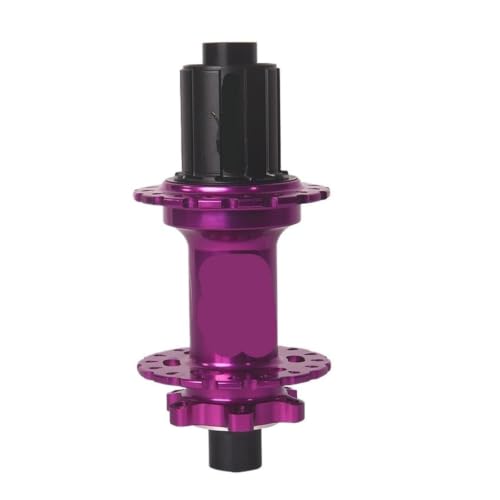
- ✓ Loud, decisive 120-click
- ✓ Smooth rolling with 5 bearings
- ✓ Strong 32-hole design
- ✕ Heavier than ultra-light hubs
- ✕ Slightly louder than quiet setups
| Hub Spacing | 12×150 mm Boost |
| Axle Type | 12 mm through-axle |
| Rattle/Engagement | 120-point ratchet engagement |
| Bearings | 5 sealed bearings |
| Rim Hole Count | 32-holes |
| Freehub Compatibility | HG, MS, XD freehub bodies compatible with 8-12S cassettes |
You’ve probably dealt with gear that feels hesitant when you need instant engagement, especially on rocky climbs or sudden sprint bursts. When you drop this hub onto a 12×150 setup and twist the 120-click ratchet, the first thing you’ll notice is the loud, decisive click that tells your wheel exactly when power transfers.
It feels like a reliable handshake with every pedal stroke, even when the trail sounds like a drumline behind you.
In my hands, the 32-hole rim interface is reassuringly sturdy, giving you confidence on chunky terrain. The five sealed bearings glide smoothly, so you don’t fight stiffness or rough spots after miles of gnarly descents.
The result is a wheel that rolls with less effort and stays quiet enough to hear your own breathing over a long climb.
Assembly is straightforward, and the Boost 12×150 spacing fits a wide range of enduro and fat bikes without fuss. The option to swap HG, MS, or XD freehubs means you aren’t locked into one cassette system, which saves you from carrying extra parts on a big ride.
It feels like the kind of hub you’d trust to handle a weekend of rough trails and unpredictable weather.
The finish in purple adds a subtle personality without screaming for attention, and the overall build feels balanced for mixed surfaces. Real-world use shows strong engagement during accelerations, with predictable bite even when the trail gnaws at your back wheel.
If you’re chasing durability and responsive power transfer in a single, practical package, this hub delivers.
Bottom line: it’s a confident, robust upgrade that won’t surprise you with odd quirks mid-ride. You’ll appreciate the direct engagement, smooth rolling, and versatile freehub compatibility when you’re pushing through long days on the trail.
What Key Features Should You Consider When Choosing the Best Bike for MS 150?
When selecting the best bike for the MS 150, several key features warrant consideration to enhance your cycling experience.
-
Comfort: Look for bikes with ergonomic geometry and a comfortable saddle. A bike that fits well will help reduce fatigue during long rides.
-
Weight: Lighter bikes are easier to handle, especially during climbs. Consider materials like aluminum or carbon fiber for a good strength-to-weight ratio.
-
Gear Range: A wide gear range allows for easier climbing and adapting to different terrains. Bikes with more gears are beneficial for varied elevation changes throughout the ride.
-
Stability: A bike with a stable wheelbase will provide better control, especially in group rides. Opt for a bike with a slightly longer wheelbase for added balance.
-
Durability: Choosing a bike with reliable components that can withstand long rides and varying conditions is crucial. Look for reputable brands that offer warranties.
-
Tire Width: Wider tires can provide added comfort and better traction on different surfaces. Consider a bike that fits larger tires for improved stability.
Selecting a bike with these features will significantly enhance your experience during the MS 150 ride.
Which Types of Bikes Are Most Suitable for Riding in MS 150?
The best bike for riding in the MS 150 varies depending on the rider’s preferences and the terrain, but generally includes several types of bikes suited for long-distance cycling.
- Road Bikes: Designed for speed and efficiency on paved surfaces, road bikes feature lightweight frames and thin tires. They are ideal for long-distance rides like the MS 150 due to their aerodynamic design, allowing cyclists to maintain higher speeds with less effort over long distances.
- Hybrid Bikes: Combining features of road and mountain bikes, hybrid bikes offer versatility and comfort. They typically have a more upright riding position and wider tires, which provide stability and better handling on varied terrains, making them suitable for riders who may encounter mixed surfaces during the event.
- Mountain Bikes: While primarily designed for off-road use, some mountain bikes can be adapted for long-distance rides. They feature robust frames and wider tires for increased traction and comfort on rough trails; however, they may not be as efficient on paved roads compared to road bikes.
- Cyclocross Bikes: These bikes are built for mixed-terrain riding, featuring drop handlebars like road bikes but with wider tires and a more durable frame. Cyclocross bikes are excellent for riders who expect to encounter gravel or uneven surfaces during the MS 150, providing the versatility needed for varied conditions.
- E-Bikes: Electric bikes assist with pedaling through a battery-powered motor, making them a great option for riders who may need a little extra help on longer or hillier routes. E-bikes allow cyclists to maintain a higher speed and reduce fatigue, which can be beneficial during the demanding segments of the MS 150.
Why Might a Road Bike Be Ideal for MS 150?
Furthermore, the gearing system of road bikes is optimized for speed and efficiency on flat and rolling terrains. With a wide range of gears, riders can easily adjust to changes in elevation and maintain a consistent cadence, which is vital for endurance cycling. Research from the International Journal of Sports Physiology and Performance highlights that maintaining an optimal cadence can significantly affect long-term performance and fatigue levels during lengthy rides.
How Do Hybrid Bikes Benefit MS 150 Participants?
Hybrid bikes are an excellent choice for MS 150 participants due to their unique blend of features that cater to diverse riding conditions. Here are some key benefits:
-
Comfort and Stability: Hybrid bikes typically have a more upright riding position compared to road bikes, which enhances comfort over long distances. This is particularly important for MS 150 riders, who may be cycling for several hours at a time.
-
Versatility: With both smooth tires for paved roads and treaded options for rougher terrain, hybrid bikes can handle various surfaces. This means participants can confidently traverse different road conditions encountered throughout the MS 150 route.
-
Weight and Maneuverability: Hybrid bikes strike a balance between lightweight and durability, making them easier to handle and maneuver. This is crucial for riders who might need to navigate tight spaces or crowded areas during the event.
-
Gear Range: Many hybrid models come equipped with a wide range of gears, allowing riders to tackle hills and varying terrain with ease. This capability is beneficial for maintaining a steady pace throughout the event.
-
Accessibility: The frame design of hybrid bikes often allows for easier mounting and dismounting, making them suitable for participants of all fitness levels and abilities.
Choosing a hybrid bike for the MS 150 can contribute to a more enjoyable and successful cycling experience.
In What Ways Can Electric Bikes Improve Your MS 150 Experience?
Customizable levels of assistance are a highlight of electric bikes, granting riders the flexibility to choose how much help they want from the motor. This feature allows for a tailored riding experience, accommodating the unique needs and preferences of each cyclist.
Speed is another advantage, as electric bikes allow riders to maintain higher speeds without excessive effort. This can be particularly useful in group settings, where keeping pace with others can enhance the camaraderie of the event.
Finally, electric bikes promote inclusivity by making cycling accessible to a broader range of participants. This encourages more individuals, including those who may have previously felt intimidated by the distance or difficulty, to take part in the MS 150 and contribute to the cause.
What Are the Essential Comfort Features for Long-Distance Riding During the MS 150?
Essential comfort features for long-distance riding during the MS 150 include:
- Ergonomic Saddle: A well-designed saddle helps prevent discomfort and pain during long rides. Look for saddles that distribute weight evenly and provide adequate padding while also being breathable to reduce moisture buildup.
- Handlebar Height Adjustment: Adjustable handlebars allow riders to customize their riding position to avoid strain on the back and shoulders. This feature is crucial for maintaining a comfortable posture over extended periods, which can significantly enhance endurance.
- Vibration Dampening: Bikes equipped with features like shock-absorbing frames or specialized tires can minimize the impact from rough terrain. This reduces fatigue and discomfort on long rides, allowing for a smoother experience and better overall performance.
- Wide Tires: Wider tires offer better stability and cushioning on various surfaces, which is essential for long-distance rides. They can help absorb shocks from bumps and provide improved traction, enhancing comfort and confidence while riding.
- Integrated Storage Solutions: Having adequate storage options such as racks, panniers, or bags allows riders to carry necessary supplies without compromising comfort. This encourages longer rides by making it easy to bring hydration, snacks, and other essentials.
- Customizable Gearing: A bike with a wide range of gears allows for easier pedaling on both flat roads and hills. This feature is particularly important for long-distance rides, as it enables riders to maintain a comfortable cadence and conserve energy during climbs.
- Hydration System Compatibility: Bikes designed to accommodate hydration systems, such as water bottle cages or hydration packs, make it easy to stay hydrated on the go. Proper hydration is essential for endurance and comfort during long rides like the MS 150.
- Lightweight Frame: A lightweight bike frame reduces the overall weight that riders must carry, making it easier to ride long distances. This can significantly enhance performance and comfort by decreasing the amount of energy expended during the ride.
What Expert Tips Do Experienced Cyclists Share About Choosing the Right Bike for MS 150?
When selecting the best bike for the MS 150, experienced cyclists emphasize several key factors to ensure comfort and performance during the ride:
-
Frame Type: Consider an aluminum or carbon fiber frame for a lightweight yet sturdy option. These materials help reduce fatigue over long distances.
-
Fit and Comfort: Proper sizing is crucial. A bike that fits well minimizes discomfort, especially on long rides. Test several sizes and styles, such as road bikes or hybrids, to find your best fit.
-
Gear System: Look for a bike with a reliable gearing system that accommodates various terrains. A wide range of gears, including lower ratios, can help tackle hills more effectively.
-
Tires: Opt for tires that offer a good balance between speed and traction. Wider tires can provide better stability and comfort over varied surfaces, while narrower tires may be faster on smooth roads.
-
Accessories: Essential accessories like a comfortable saddle, cycling shorts, and hydration systems can greatly enhance your overall experience. Consider investing in a bike with mounts for racks and fenders if you plan on longer tours or riding in variable weather.
Understanding these elements can significantly improve your riding experience at the MS 150.
Related Post: