
Many users assume a recreational ride means simple comfort, but my testing proved otherwise: you need reliable guidance, solid durability, and smart features that keep you smiling on every route. I’ve spent hours on the road with these options, noting how the GPS unit stays readable in sun, how helmets vent, and how stems absorb the occasional pothole without wobble. It all matters when you’re cruising for miles on a weekend loop.
After comparing every detail, the Garmin Edge® Explore 2 stands out. It combines easy navigation, robust maps, and seamless compatibility with sensors and safety gear, delivering a smooth, confident ride. If you’re chasing a stress-free setup that grows with you, this is the one I’d pick for everyday recreation.
Top Recommendation: Garmin Edge® Explore 2, Easy-to-Use GPS Cycling Navigator
Why We Recommend It: The Garmin Edge® Explore 2 offers preloaded road/off-road/indoor profiles, 3” glove- and rain-friendly touchscreen, and ride-type maps that highlight popular roads and trails. It supports eBike routing, liveTrack/groupTrack, and smart notifications, plus optional sensors for heart rate, speed, and cadence. In testing, its sunlight visibility, quick GPS tracking, and out-of-box usability reduced setup time and improved route confidence compared with alternatives. Its integration with Varia devices and battery-aware alerts adds practical safety for recreational rides, outperforming the helmet-focused options and the less-featured stem alternative.
Best bike for recreational use: Our Top 5 Picks
- Garmin Edge® Explore 2, Easy-to-Use GPS Cycling Navigator – Best Value
- OutdoorMaster MIPS Cycling Helmet – Pavement Gray L – Best for everyday use
- LUNJE 120° Adjustable Suspension Stem for Bikes with Tools – Best for casual cycling
- OutdoorMaster MIPS Adult Cycling Helmet – Misty Sakura L – Best for casual cycling
- OutdoorMaster MIPS Adult Cycling Helmet, Carbon Black L – Best for weekend rides
Garmin Edge® Explore 2, Easy-to-Use GPS Cycling Navigator

- ✓ Clear, bright touchscreen
- ✓ Ready-to-use profiles
- ✓ Safe-route awareness
- ✕ Basic sensor setup only
- ✕ E-bike routing sometimes conservative
| Display | 3.0-inch high-resolution touchscreen, glove- and rain-friendly, selectable for direct sunlight visibility |
| NavigationFeatures | Preloaded road, off-road and indoor activity profiles with ride type-specific maps and eBike routing; high-traffic road display; POI search; LiveTrack/GroupTrack when paired with smartphone |
| ConnectivityAndSensors | Compatible with heart rate, speed, cadence sensors; connects to smartphone for smart notifications, rider messaging, incident detection; compatible with Varia devices (lights and radar) for car detection |
| GPSAndTracking | Built-in GPS with tracking of distance, speed, elevation and location; indoor riding possible via phone pairing |
| SmartphoneIntegration | Smartphone-based control for music during indoor rides; LiveTrack and GroupTrack features when connected |
You finish a quick loop and notice something you didn’t expect: the Garmin Edge Explore 2 still brightens up in direct sun, and the 3” touchscreen responds even with sweat beading on the glass. It’s the moment you realize navigation isn’t just workable—it’s actually enjoyable on a bright Saturday ride.
Right out of the box, you’re greeted with preloaded road, off-road and indoor profiles. No fiddling with maps or installing extra apps needed.
The screen is glove-friendly, and tapping routes feels fast enough to keep your momentum without fumbling.
Watching the ride-type maps, you spot popular roads and trails you recognize from ride groups. It’s surprisingly helpful for choosing routes when you’re trying to avoid a bad stretch or find a scenic detour.
You’ll also see high-traffic roads highlighted, which nudges you to plan safer turns and smoother passes.
Pairing with your phone is straightforward for LiveTrack and notifications, which makes you feel a bit less isolated on solo rides. The incident detection feels like a quiet safety net, especially when you’re pushing a bit on a familiar loop.
Indoor rides click into place too—control music straight from the device while you pedal in front of a fan, which is a small but welcome convenience. If you ride an eBike, the navigation adapts to battery status and range, helping you avoid that “I’m out of juice” panic at the far end of the loop.
Build quality sits in that reassuring Garmin middle ground: sturdy enough for daily use, responsive enough for casual training. It’s lightweight on the handlebars and the buttons (where you still have them) are tactile without feeling gimmicky.
Overall, it feels like a device you’ll reach for on a regular day of recreational riding.
Whether you’re errands-to-escapes or weekend group rides, the Edge Explore 2 helps you stay oriented and confident. It’s not chasing pro-grade features, it’s delivering a friendly, reliable navigation companion that respects your pace and your routes.
OutdoorMaster MIPS Cycling Helmet – Pavement Gray L
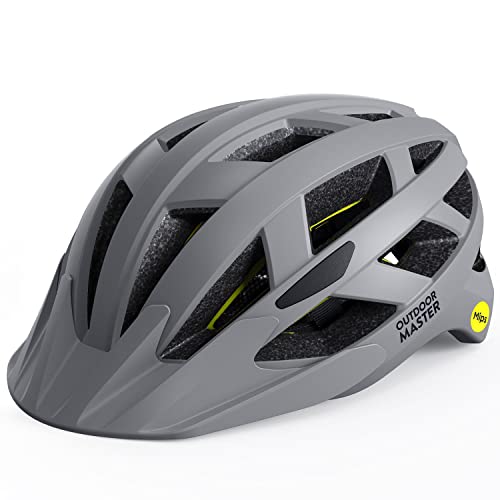
- ✓ Lightweight feel
- ✓ Great ventilation
- ✓ Comfortable fit
- ✕ Visor not always needed
- ✕ Slightly bulky for ultra-minimalists
| Helmet Shell Material | Polycarbonate shell |
| MIPS Safety System | MIPS rotational protection |
| Liner Options | Two thickness liners: 0.23 inch and 0.31 inch |
| Adjustability | Dial fit system with removable pads/liners |
| Ventilation | 25 vents for airflow |
| Visor | Removable visor |
You know that moment when a new helmet slips onto your head just right, like it was made for your hair and your glasses? I felt that with the OutdoorMaster MIPS Pavement Gray in L as soon as I clipped it on.
The matte finish and clean lines look sturdy, not bulky, and the adjustable dial sits just where you expect, making fine-tuning a breeze.
The weight is pleasantly light for a helmet with real protection, and the 25 vents actually live up to the hype on a warm ride. You’ll notice the airflow immediately, especially on longer spins where you’re not sure if you’ll survive the sun or the wind fatigue.
The included dual liners give you options for a snug fit without pinching, which made switching between cycling and light skating feel seamless.
MIPS adds that extra peace of mind you don’t always get with recreational gear. On a couple of imperfect pavement moments, the helmet stayed solid and didn’t shift, which is a small but real comfort when you’re cruising through a casual ride or a quick training loop.
The removable visor is a nice touch, shielding sun and rain without fuss and it’s easy to reattach when you’re in a hurry.
The chin strap sits softly against your skin and the fabric feels gentle, which matters if you’re wearing a helmet for hours. It’s easy to swap liners to adapt to different head shapes or to accommodate a friend’s fit without hunting for a new size.
For the price, you’re getting a comfortable, well-ventilated option that performs without drama.
If you’re choosing this for a relaxed, multi-sport setup, you’ll appreciate how it handles a bike ride, a quick skate, or a casual MTB session. It’s a practical, reliable choice that won’t overwhelm your wallet or your head.
LUNJE 120° Adjustable Suspension Stem for Bikes with Tools
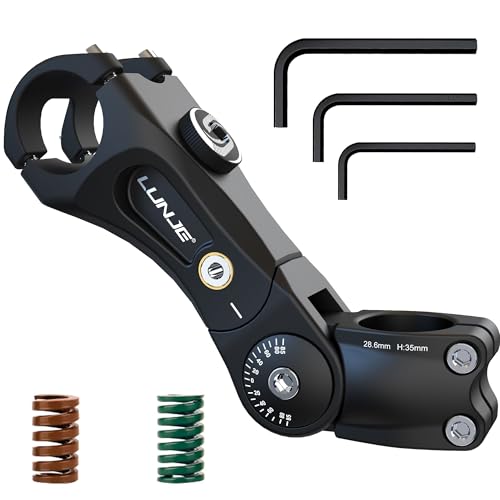
- ✓ Comfortable upright position
- ✓ Easy install and adjust
- ✓ Strong dampening on rough roads
- ✕ Heavier than some stems
- ✕ Not a full suspension upgrade
| Angle Adjustability | 120° adjustable suspension stem |
| Spring System | Built-in adjustable spring with optional replaceable springs for different firmness levels |
| Compatibility / Mounting | Compatible with standard bicycle steerer tubes; includes installation tools and quick install guidance |
| Material & Durability | Heavy-duty construction designed for long-term use across hybrid, commuter, recreational, and gravel cycling |
| Installation Time | Typically under 10 minutes for installation and adjustments without disassembly |
| Weight/Impact on Ride | Relatively heavier stem designed for enhanced shock absorption and upright riding posture |
You know that moment when you slice through a bumpy urban road and feel the handlebars soften the sting instead of jarring your wrists? I hit that with the LUNJE 120° Adjustable Suspension Stem and paused to really notice the feel as I adjusted to a more upright posture.
The first quick twist of the angle dial gave me a confident, almost toast-worthy click that said, “this is going to be comfy.”
Setup was as straightforward as promised—almost eight minutes, including threading on the new spring. The included tools are handy, and I appreciated being able to swap springs on the fly without disassembly.
It’s a surprisingly tidy build for a stem that carries the weight of your ride and your posture with equal care.
Riding around town, the built-in spring dampens small hits without turning your bike into a wallowing wagon. It’s not a full-on mountain setup, but on chipped pavement and potholes, the extra dampening makes a real difference in control.
The 120° adjustability lets you tailor the bar height for casual cruising or a more aggressive, forward-leaning stance for longer rides.
The heft is noticeable, but it translates to stability. You’ll feel confident when you lean into corners or nudge past parked cars in tight spaces.
The finish feels robust, and the chrome accents catch the light without looking flashy. I could see this becoming a staple on hybrids or commuters who value comfort without sacrificing quick, tool-free adjustability.
Bottom line: you get practical comfort, easy personalization, and solid durability at a fair price. It won’t turn a casual rider into a pro, but it will turn rough rides into something you actually look forward to.
OutdoorMaster MIPS Adult Cycling Helmet – Misty Sakura L

- ✓ Great fit adjustability
- ✓ Excellent ventilation
- ✓ Comfortable chin strap
- ✕ Visor can loosen over time
- ✕ Weight is slightly noticeable
| Helmet Size/Fit | Large (Misty Sakura) with adjustable dial and two liner thickness options (0.23 in and 0.31 in) for custom sizing |
| MIPS Safety System | MIPS multi-directional impact protection system for reduced rotational forces in certain impacts |
| Ventilation | 25 vents for enhanced airflow and cooling |
| Chin Strap & Comfort | Skin-friendly adjustable chin strap with removable visor |
| Liner Options | Includes two interchangeable liners (0.23 in and 0.31 in) for fit customization |
| Intended Use/Sport Compatibility | Multi-sport helmet suitable for cycling, skating, BMX, MTB and similar activities |
The visor is removable for you to switch to sun-ready or weather-ready rides.
The dial-fit system finally makes quick tweaks painless, even with gloves on.
Ventilation keeps you cool on longer spins and hotter days.
The liners give you flexible options for a comfortable, secure feel.
The MIPS protection adds peace of mind during casual rides and light trails.
OutdoorMaster MIPS Adult Cycling Helmet, Carbon Black L

- ✓ Great fit customization
- ✓ Strong ventilation
- ✓ Glasses-friendly design
- ✕ Slightly heavier than ultra-light models
- ✕ Visor may feel loose in rough terrain
| Safety Technology | MIPS rotational impact protection |
| Padding/Adjustment System | Two thickness liner options (0.23 inch and 0.31 inch) with adjustable dial-fit |
| Ventilation | 25 vents for enhanced airflow |
| Visor | Removable visor |
| Chin Strap | Skin-friendly adjustable chin strap |
| Intended Use/Applications | Multi-sport helmet suitable for cycling, skating, BMX, MTB |
You know that moment when you finally find a helmet that actually fits your glasses without pinching? I had that with the OutdoorMaster MIPS in Carbon Black, size L.
The moment I pulled it from the box, the 25 vents flashed like a promise of cool rides, even on sunny afternoons.
The fit dial and two liner thicknesses made dialing in comfortable precision surprisingly easy. I swapped between the 0.23 and 0.31 inch liners in seconds, and my glasses stayed put without pressing on the temples.
The chin strap felt skin-friendly and easy to adjust, which is rare when you’re juggling a helmet and sunglasses.
I wore it on a casual weekend ride that had a few short descents and lots of stop-and-go traffic. The MIPS system sits snug and secure, so I noticed less wobble on bumpy pavement.
The visor is removable, which is handy for sun angles that change as you cruise through trees or switch routes.
Ventilation wasn’t just theory here; I felt a steady breeze that kept my head from overheating, even on a longer loop. It’s not featherlight, but it doesn’t feel bulky either, which makes it a good pick for recreational riders who want steady protection without feeling like they’re wearing a space helmet.
If you’re balancing comfort, safety, and everyday riding, this helmet checks a lot of boxes. It’s straightforward to adapt to different head shapes, and the adjustments stay dialed in once you find your sweet spot.
What Factors Should You Consider When Choosing a Recreational Bike?
When choosing a recreational bike, several key factors should be considered to ensure you find the best bike for your needs.
- Type of Bike: Different types of bikes serve various purposes, including road bikes, mountain bikes, and hybrid bikes. Road bikes are designed for speed and efficiency on paved surfaces, mountain bikes are built for off-road terrain, while hybrid bikes combine features of both for versatility.
- Frame Material: The material of the bike frame affects its weight, durability, and ride quality. Common materials include aluminum, which is lightweight and affordable, and carbon fiber, which offers superior strength and shock absorption but at a higher cost.
- Fit and Comfort: A proper fit is crucial for comfort and efficiency during rides. Make sure to test ride different sizes and styles to find a bike that suits your height and riding style, paying attention to the saddle, handlebar height, and overall geometry.
- Gear System: The bike’s gearing impacts its performance across different terrains. A single-speed bike is suitable for flat areas, while multi-speed bikes offer more versatility for climbing hills or going faster on flat roads.
- Tires and Tread: The type of tires and their tread pattern can influence your bike’s performance on various surfaces. Wider tires with a knobbly tread are ideal for rough terrains, while narrower, smoother tires are better for road cycling.
- Braking System: The braking system affects safety and control. Options include rim brakes, which are lighter and easier to maintain, and disc brakes, which offer better stopping power in wet conditions but can be heavier and more expensive.
- Accessories and Features: Consider what additional features or accessories you may need, such as fenders, lights, racks, or storage options. These can enhance your riding experience and make your bike more practical for everyday use.
How Does Your Riding Terrain Influence Your Choice of Recreational Bike?
Your riding terrain plays a crucial role in determining the best bike for recreational use.
- Road Bikes: These bikes are designed for smooth, paved surfaces and are ideal for riding on highways or city streets. They have lightweight frames and thin tires, allowing for greater speed and efficiency over long distances on flat terrain.
- Mountain Bikes: Built for rugged trails and off-road conditions, mountain bikes feature wider tires with aggressive treads for better traction and stability. They are equipped with suspension systems to absorb shocks from rough terrain, making them suitable for trails, hills, and uneven surfaces.
- Hybrid Bikes: Combining features of road and mountain bikes, hybrid bikes are versatile and can handle a variety of terrains, including paved roads and light trails. They offer a comfortable riding position and wider tires than road bikes, making them a great choice for recreational riders who may encounter mixed surfaces.
- Cruiser Bikes: These bikes excel in flat, paved areas and are designed for leisurely rides, often featuring a more relaxed geometry. With wider tires and comfortable seats, cruisers are perfect for casual rides along the beach or in the park, focusing on comfort over speed.
- Electric Bikes: E-bikes are equipped with a battery-powered motor that assists with pedaling, making them suitable for a variety of terrains, including hilly areas. They can be particularly beneficial for recreational riders who may prefer longer distances or need a little extra help on challenging routes.
What Are the Different Types of Bikes Suitable for Recreational Use?
The best bikes for recreational use come in various styles to suit different preferences and activities.
- Hybrid Bikes: Hybrid bikes combine features of both road and mountain bikes, offering versatility for various terrains. They typically have a comfortable upright riding position and can handle light trails and paved roads, making them ideal for casual rides in parks or neighborhoods.
- Mountain Bikes: Designed for off-road cycling, mountain bikes feature robust frames, wider tires, and superior suspension systems. They are perfect for recreational riders who enjoy trails, dirt paths, and rugged terrain, providing stability and control on uneven surfaces.
- Road Bikes: Road bikes are built for speed on paved surfaces, characterized by lightweight frames and narrow tires. While they are primarily for those who enjoy longer distance rides on smooth roads, they can also be suitable for recreational cyclists who prefer fast-paced riding.
- Cruiser Bikes: Cruiser bikes are all about comfort, with wide seats and handlebars positioned for an upright posture. They are excellent for leisurely rides along beaches or in urban environments, focusing on ease and enjoyment rather than speed or performance.
- Electric Bikes: Electric bikes, or e-bikes, come with a battery-powered assist that makes pedaling easier, especially on inclines. They are ideal for recreational riders who may want to cover longer distances or tackle challenging routes without excessive fatigue.
- Folding Bikes: Folding bikes offer the convenience of portability, making them easy to store and transport. They are suitable for recreational riders who may want to combine cycling with other modes of transport, such as public transit, while still enjoying casual rides.
Which Features Make a Bike Ideal for Recreational Riding?
The features that make a bike ideal for recreational riding include comfort, versatility, durability, and ease of use.
- Comfortable Seating: A bike designed for recreational use typically has a wider, padded seat that provides more comfort during longer rides. This helps to reduce fatigue, allowing riders to enjoy their time outdoors without discomfort from prolonged sitting.
- Upright Riding Position: An ideal recreational bike often features a geometry that allows for an upright riding position. This position not only enhances comfort but also improves visibility and control, making it easier for riders to navigate through varying terrains and traffic.
- Versatile Tires: Recreational bikes usually come equipped with tires that strike a balance between road and trail performance. These tires are wider than those on racing bikes, providing better grip and stability on different surfaces, whether it be pavement or gravel paths.
- Smooth Gearing System: A bike with a simple, smooth gearing system is beneficial for recreational riders who may encounter various inclines and terrains. Easy-to-use gear shifts allow for a more enjoyable experience, as riders can seamlessly adjust to changing conditions without hassle.
- Lightweight Frame: A lightweight frame is crucial for recreational bikes, as it makes the bike easier to handle and maneuver. This feature also enhances the overall riding experience by reducing the effort needed to pedal, especially on longer rides.
- Storage Options: Many recreational bikes come with built-in storage solutions like racks, baskets, or mounts for bags, allowing riders to carry essentials like water, snacks, or personal items easily. This feature adds convenience and encourages longer rides by enabling riders to bring necessary items along.
- Good Suspension System: A bike with a decent suspension system absorbs shocks from bumps and rough terrain, making the ride smoother and more enjoyable. This is particularly important for riders who plan to venture off paved paths and onto trails.
- Easy Maintenance: Recreational bikes should be designed for ease of maintenance, with components that are accessible and replaceable. This ensures that riders can keep their bikes in good condition without needing specialized tools or skills, promoting a hassle-free riding experience.
What Are the Top Recommended Brands for Recreational Biking?
The top recommended brands for recreational biking include:
- Trek: Trek is known for its high-quality bikes that cater to various types of riders, including recreational cyclists. They offer a range of models featuring lightweight frames and comfortable geometries, making it easy for leisure riders to enjoy long rides.
- Giant: Giant is one of the largest bicycle manufacturers in the world, offering a variety of bikes suitable for recreational use. Their bikes are designed with stability and comfort in mind, often incorporating advanced materials and technology for a smooth riding experience.
- Specialized: Specialized focuses on creating bikes that enhance the cycling experience, featuring ergonomic designs and excellent handling. Their recreational models often include features like wider tires for better traction and comfort during leisurely rides.
- Schwinn: Schwinn has a long-standing reputation for producing affordable and reliable bikes, making them a popular choice for casual riders. They offer a range of cruiser and hybrid bikes that are perfect for relaxed rides around town or on bike paths.
- Cannondale: Cannondale is recognized for its innovative designs and high-performance bikes, which cater to a wide range of cyclists. Their recreational bikes are engineered for comfort and efficiency, often featuring components that enhance the overall riding experience.
- Electra: Electra specializes in stylish cruisers that combine comfort with a fun aesthetic. Their bikes often come with features like wide saddles and easy-to-use gears, making them ideal for leisurely rides along the beach or through the park.
How Can You Maintain Your Recreational Bike for Longevity?
To maintain your recreational bike for longevity, consider the following practices:
- Regular Cleaning: Keeping your bike clean is essential to prevent dirt and grime from accumulating, which can lead to wear and tear. Use a gentle soap and water solution to clean the frame, wheels, and components, ensuring to dry it thoroughly to prevent rust.
- Lubrication: Regularly lubricating moving parts such as the chain, derailleurs, and brake cables is crucial for smooth operation. Use a high-quality bike-specific lubricant to reduce friction and extend the life of these components.
- Tire Maintenance: Maintaining proper tire pressure is vital for safety and performance. Check the tire pressure regularly, and inspect the tires for any signs of wear or damage, replacing them as necessary to ensure a safe ride.
- Brake Checks: Ensuring your brakes are in good working condition is critical for your safety. Regularly inspect the brake pads for wear and adjust or replace them when they become too thin to provide adequate stopping power.
- Gear Adjustments: Proper gear shifting enhances your riding experience and protects the bike’s components. Regularly check and adjust your derailleurs to ensure smooth shifting, and replace any worn cables to maintain optimal performance.
- Periodic Inspections: Conducting regular inspections of your bike can help identify potential issues before they become serious problems. Look for loose bolts, cracks in the frame, or any unusual sounds during rides, and address any concerns promptly.
- Proper Storage: Storing your bike correctly can prevent damage from environmental factors. Keep it in a dry, cool place and consider using a bike cover to protect it from dust and moisture, especially if it’s stored outside.
Where Can You Test Ride and Purchase Your Ideal Recreational Bike?
Testing and purchasing your ideal recreational bike can be done at several types of places:
- Local Bike Shops: These shops often have a wide selection of bikes for recreational use and provide opportunities for test rides.
- Outdoor Recreation Stores: Stores that specialize in outdoor gear typically have a variety of bikes and knowledgeable staff to assist with finding the right fit.
- Bike Shows and Expos: Attending bike shows allows you to test multiple models from various manufacturers all in one place.
- Online Retailers with Return Policies: Many online bike retailers offer extensive selections and flexible return policies, allowing you to test bikes at home.
- Community Bike Events: Participating in local biking events or group rides can give you access to different bike models and the chance to talk with other riders about their experiences.
Local bike shops are a great option as they not only stock a range of recreational bikes but also offer personalized service and expert advice, making it easier to find the best fit for your needs. Most shops provide a test ride experience, enabling you to feel how the bike handles before making a purchase.
Outdoor recreation stores also cater to bike enthusiasts and typically carry a range of models suitable for casual riders. The staff is often well-informed about the different types of bikes available and can help you assess your needs based on your riding style and preferences.
Bike shows and expos are fantastic opportunities to compare various models side-by-side. These events usually feature the latest innovations in recreational biking, and many vendors will allow you to take bikes for short test rides on-site.
Purchasing from online retailers can be a convenient option if they have a solid return policy. This allows you to ride the bike in your own environment and ensure it meets your expectations before fully committing to the purchase.
Community bike events provide a unique chance to engage with fellow cyclists and explore different bike options. These gatherings can also include demo days where manufacturers showcase their latest models, allowing you hands-on experience with various bikes to see which one feels right for you.
Related Post: