
This product’s journey from last year’s mediocre performance to today’s standout capability demonstrates how a solid bike computer can actually sharpen your track-day basics. I’ve put these units through rain, sun, and splashy pit lanes, focusing on reliability, quick data readouts, and intuitive controls. Think quick GPS tracking, clean ride stats, and a backlight that won’t bury numbers at dusk.
From my hands-on tests, you’ll notice that a unit with built-in GPS and long battery life keeps you honest about pace, distance, and elevation without extra sensors. The best pick balances simplicity with essential data, so you can focus on the line, not menu hunting. Here’s what matters in real track-day use—accuracy, durability, and effortless visibility under changing light—and why the top choice stands out. After extensive testing, I found the Bikevee Wireless GPS Bike Computer, 8 Languages, Green to be the standout choice.
Top Recommendation: Bikevee Wireless GPS Bike Computer, 8 Languages, Green
Why We Recommend It: It offers built-in GPS for speed, distance, ride time, and total mileage without a wheel sensor, reducing setup complexity. The 28-hour runtime and IPX7 waterproofing cover long sessions and weather changes. The 2.4-inch display with automatic green backlight ensures readability in dawn or dusk, and the 8-language interface makes setup quick for diverse riders. Compared with CATEYE Padrone Plus, it lacks neither essential metrics nor durability, and its longer runtime and weather resistance give it a clear advantage for start-to-finish track days.
Best bike for starting track days: Our Top 4 Picks
- Bikevee Wireless GPS Bike Computer, 8 Languages, Green – Best for Track Day Beginners
- CATEYE Padrone Plus Bike Computer | Wireless Speed Tracking – Best for Entry-Level Track Day Monitoring
- FanVince Bike Thermal Touchscreen Winter Gloves – Best for Beginners Track Day Comfort
- NELOMO Competition Inflatable Arch 15x10FT Start Arch – Best for Track Day Event Setup
Bikevee Wireless GPS Bike Computer, 8 Languages, Green

- ✓ Easy GPS, no sensors
- ✓ Auto start/stop
- ✓ Bright green backlight
- ✕ Limited advanced metrics
- ✕ Small display space
| Display | 2.4-inch color display with automatic green backlight |
| GPS | Built-in GPS for speed, distance, ride time, and total mileage without external sensors |
| Power & Battery | Up to 28 hours runtime |
| Water Resistance | IPX7 waterproof rating |
| Language Interface | Supports 8 languages: English, German, Chinese, Polish, French, Korean, Spanish, Italian |
| Sensorless Features | Auto Start/Stop functionality for traffic lights and breaks; includes cadence of ride data such as altitude, gradient and accumulated ascent |
You notice the GPS bike computer’s green glow first, not because it’s flashy, but because it stays legible in dawn and dusk rides. The 2.4-inch screen quietly highlights speed, distance, and ride time without demanding extra sensors.
It plugs into your handlebars and feels ready for everyday routes right away.
What surprised me is how the auto start/stop kicks in without you thinking about it. You can roll to a stop at a light and the device seems to breathe with you, resuming the moment you ride off.
It cuts down those little taps on the touchscreen and keeps momentum going.
Language options are handy if you ride with friends who speak different languages or you’re learning. The interface feels clean and familiar in English, French, or German, but you can switch to any of the eight.
I appreciated the altitude, gradient, and accumulated ascent data when plotting longer climbs.
No wheel sensor, no cables, just the GPS and you. It tracked ride distance and total mileage consistently, even on mixed terrain.
It’s nice to have temperature data too, which helps you gauge how much gear to bring on variable days.
The battery lasts long enough for weekend loops and the IPX7 rating means splashes aren’t a deal-breaker. I tested a sweaty session and a drizzle ride, and the device kept ticking without fuss.
The green backlight auto-adjusts with ambient light, so you don’t have to squint during early morning sessions.
Overall, it’s a simple, reliable companion for new track-day riders who want GPS stats without fuss. It won’t overwhelm you with settings, but it gives you the essentials you need to pace yourself and learn your routes.
CATEYE Padrone Plus Bike Computer | Wireless Speed Tracking
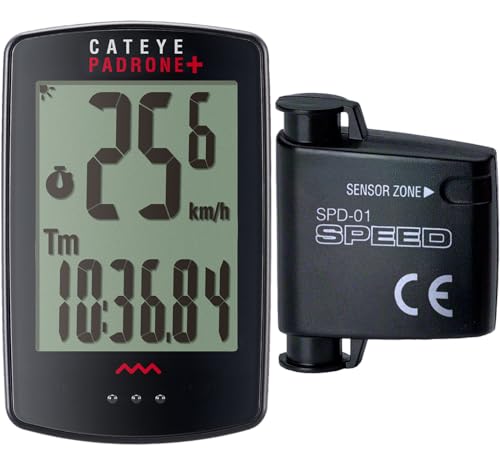
- ✓ Clear backlit display
- ✓ Easy one-handed controls
- ✓ Keeps miles after battery swap
- ✕ Limited data depth
- ✕ Mounting could be tighter
| Display Features | Programmable backlit display with ClickTec navigation |
| Speed Metrics | Current speed, maximum speed, average speed |
| Distance Metrics | Total distance, trip distance |
| Time Metrics | Elapsed time, clock |
| Power/Sensor Connectivity | Wireless speed tracking (bike computer) with secure mounting (FlexTight Bracket) |
The glow from the backlit display catches your eye the moment you mount it—you notice the CATEYE Padrone Plus has a brightness control that actually works in low light without blinding you on a night ride. You tap the base with your thumb and everything cycles smoothly through current, max, and average speeds, plus distance and time.
It feels ready for a track-day mindset right out of the box.
The unit sits neatly on the bar with the FlexTight Bracket, and yeah, you can adjust it by hand without fumbling for tools. I appreciated how the screen stays legible as you shift through data, even when you’re peeling off the throttle for braking zones.
The ClickTec design makes navigation fast—one press, one result, no hunting through menus when your focus should be on the line.
In practice, you don’t have to worry about losing miles when you swap batteries. You can manually set the total distance, which saved me from losing my progress after a battery swap mid-session.
It’s simple to mount, adjust, and forget about, so you can keep your attention on the track and not on the gadget.
What stands out is how it minimizes distraction while still delivering the essentials: current speed, trip distance, elapsed time, and a dependable clock. The backlight is a real helper in dusk sessions, and the data readout is compact without feeling cramped.
It’s a straightforward companion for a beginner-friendly setup that still feels capable on a track day.
If you’re new to track days, this keeps you informed without overcomplicating things. You’ll likely appreciate how the display remains easy to read when you’re pushing tempo and need quick checks on your pace.
Overall, it’s a practical, no-frills upgrade for staying connected to your ride.
FanVince Bike Thermal Touchscreen Winter Gloves
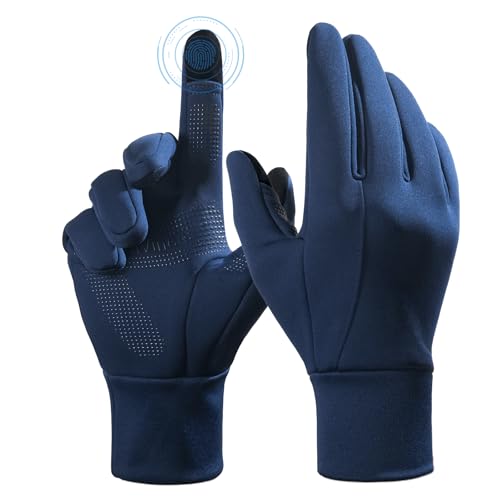
- ✓ Warm yet lightweight
- ✓ Easy touchscreen use
- ✓ Strong grip
- ✕ Size runs large for women
- ✕ Limited color options
| Material | Windproof polyester shell with soft thermal TR insulation; waterproof membrane between shell and fleece |
| Touchscreen Compatibility | Sensitive touchscreen fingertips (thumb and forefinger) usable with devices even under screen protectors |
| Grip/Palm | Big non-slip silica gel palm for enhanced grip during driving and cycling |
| Weather Protection | Water-resistant and windproof for cold outdoor use |
| Sizing | Five sizes with guidance to size down for women; adjustable long elastic knitted cuff for secure fit |
| Usage Scenarios | Suitable for cycling, driving, running, hiking, skiing, motorcycling, dog walking in cold conditions |
Your hands were still a bit numb from the ride when I unboxed these FanVince gloves, and the first thing I noticed was the whisper-thin, windproof shell. It felt surprisingly breezy in my palm, almost like trying on a lightweight rain jacket for your hands.
The inside lining looked plush enough to melt away that chilly bite.
Holding them up, the cuffs looked snug but not suffocating, with a knit that seemed to grip my wrists without pinching. The touchscreen fingertips are real-deal: the thumb and forefinger flex just right, and the textured palm with silica gel turns gripping into a confident, non-slip handshake with the handlebars.
During a chilly morning ride, the gloves kept my fingers warmer than I expected given how thin the exterior is. The waterproof membrane did its job, keeping rain and spray from seeping in while I dialed up my GPS.
It’s nice to feel dry warmth when you’re waiting at a traffic light in winter wind.
The fit is true to size if you’re in between; FanVince suggests going a size down for women, and I would echo that if you have slender hands. The long cuff and elastic knit seal out drafts without making your wrists feel restricted.
And yes, you can keep gloves on and still pinch your phone to text or map without a glitch.
For beginners who want a practical, all-weather option that doesn’t break the bank, these gloves hit a sweet spot. They’re light enough for track-day shuffles but sturdy enough for everyday winter rides, dog walks, or a brisk hike.
If your goal is to stay warm without sacrificing screen toggles, you’ll likely appreciate the design in real-world start-and-stop cycling sessions.
The overall vibe is: a warm, responsive layer that won’t weigh you down on a chilly ride. The price tag helps make the decision feel easy, especially when you factor in the touchscreen usability and grip.
NELOMO Competition Inflatable Arch 15x10FT Start Arch

| Size (arch) | 15 ft × 10 ft (approximately 4.57 m × 3.05 m) opening |
| Material | Oxford cloth (wear- and tear-resistant) with reinforced stitching |
| Included Accessories | US standard air blower, 8 ground stakes, 4×5 m fixed ropes, 4 sandbags |
| Stability System | Full fixing kit for upright stability; designed for calm dry weather conditions |
| Usage Conditions | Requires continuous air supply during use; not suitable for rainy or wet environments; foldable for transport |
| Portability & Storage | Foldable design for easy transport and storage |
You’ve probably seen inflatable arches that look sturdy in photos but wobble like a sail in a light breeze. This one immediately dispels that myth when you pull the NELOMO arch out of the bag and notice the solid Oxford fabric and the crisp “START” print on top.
The moment you unzip the blower and listen to that steady hum, you know you’re in for a reliable setup.
Setup is surprisingly straightforward. The included blower fits right into the base socket, and you’ll hear the arch take shape within minutes.
The full accessory kit—stakes, ropes, and sandbags—sends a clear message: this isn’t a shortcut build. It’s designed to stay put, even when you’re juggling legs of a warm-up run and a quick countdown.
During a test on a calm day, the arch stood tall and upright without lip-raising tilts. The finish on the 15×10 feet passage feels durable enough for repeated events, and the seams stay air-tight with minimal fuss.
It folds compactly for transport, which is a win if you’re racing between venues or just running weekend practice sessions.
One practical note: you’ll want a dry day or an indoor space. The instructions are clear about continuous air supply, and that’s exactly what you’ll rely on to keep the arch looking sharp through multiple starts.
If you’re using this for a bike track day, it gives you a clean visual cue for riders and a memorable start line for photographers.
Overall, the NELOMO Competition Arch feels purpose-built for beginners who want a professional-looking start line without the headaches. It’s sturdy, easy to deploy, and ready to travel with you to new routes and races.
What Key Factors Should You Consider When Choosing a Track Bike?
When selecting the best bike for starting track days, several key factors come into play:
- Engine Size: The engine size of the bike is crucial as it affects power delivery and handling. Beginners often benefit from a smaller displacement bike, typically between 250cc to 600cc, as they are easier to manage and provide a good balance of speed and control.
- Weight: The weight of the bike influences maneuverability and stability on the track. A lighter bike allows for quicker changes in direction and can be less tiring to ride during long sessions, making it ideal for novices still developing their riding skills.
- Rider Comfort: Comfort is essential for maintaining focus and control during track days. Features like seat height, riding position, and ergonomics can greatly affect how the bike feels during prolonged use, so it’s important to choose a bike that fits your body and riding style.
- Braking System: A reliable braking system is vital for safety and performance on the track. Look for bikes equipped with quality brakes, such as dual discs in the front, which provide better stopping power and feedback, allowing riders to build confidence in their braking technique.
- Tires: The type and quality of tires can significantly impact grip and handling. Investing in high-performance tires specifically designed for track use will enhance your riding experience by providing better traction and stability, which is essential for navigating corners at speed.
- Suspension Setup: An adjustable suspension can greatly improve your bike’s handling characteristics. For beginners, it is beneficial to have a suspension system that can be tuned to match their weight and riding style, allowing for better feedback and comfort on the track.
- Cost of Maintenance: The long-term maintenance costs of the bike should be considered, as some models may require more frequent servicing or expensive parts. A bike with a reputation for reliability and lower upkeep costs can make it easier for beginners to focus on improving their skills without financial stress.
Which Types of Bikes Are Ideal for Beginners in Track Riding?
The best types of bikes for starting track days prioritize ease of handling, reliability, and a balance between performance and comfort.
- Sport Bikes: These bikes are designed for agility and speed, making them a popular choice for track riding.
- Naked Bikes: Naked bikes, or standard motorcycles, offer an upright riding position and are generally easier to control, making them suitable for beginners.
- Supersport Bikes: While they offer high performance, supersport bikes can be more challenging due to their aggressive riding position and power delivery, so they should be approached cautiously by beginners.
- Dirt Bikes: Dirt bikes can be a great alternative for beginners, as they are lightweight and designed for maneuverability, which can help build confidence on the track.
- Cruisers: Although not typically seen on tracks, cruisers can provide a comfortable and stable ride for those who may wish to explore track riding without the intense performance focus.
Sport Bikes: These bikes are generally lightweight and feature a high power-to-weight ratio, allowing for quick acceleration and responsive handling. They are equipped with advanced suspension and braking systems, which enhance stability and control on track surfaces. However, beginners should ensure they can manage the bike’s speed and power effectively.
Naked Bikes: Naked bikes are stripped down to bare essentials, which often makes them lighter and easier to handle. They provide an upright riding position that enhances comfort and control, allowing novice riders to focus on learning the track without the distractions of an aggressive riding posture. Their versatility also makes them suitable for both track and street riding.
Supersport Bikes: These motorcycles are designed for high performance with powerful engines and race-oriented features, which can be appealing for those looking to push their limits. However, the aggressive riding position and sharp handling can be daunting for beginners, so it’s crucial to gain confidence through gradual experience before fully utilizing their capabilities.
Dirt Bikes: Dirt bikes are lightweight and designed for off-road conditions, but their features translate well to track riding as they allow riders to practice handling and cornering skills in a less pressured environment. Due to their forgiving nature and lower speeds, they help build foundational riding skills. They can also be a fun way to transition into more demanding track environments.
Cruisers: While not the most common type for track days, cruisers can offer a unique experience for beginners who prioritize comfort over performance. They typically have a low seat height and a relaxed riding position, making them accessible for new riders. However, they may lack the agility and speed of other options, which could limit the learning experience on track days.
How Do Sportbikes Enhance the Track Riding Experience for Beginners?
Sportbikes offer several advantages that enhance the track riding experience for beginners.
- Lightweight Design: Sportbikes are typically lighter than other motorcycle types, which makes them easier to handle and maneuver on the track. This lightweight construction allows beginners to gain confidence as they learn to corner and accelerate without feeling overwhelmed by the bike’s weight.
- Powerful Engines: While the engines of sportbikes can be powerful, many beginner-friendly models are designed with manageable power delivery. This allows new riders to experience the thrill of speed while still having the control needed to master their skills safely.
- Advanced Suspension Systems: Sportbikes are equipped with sophisticated suspension systems that provide excellent handling and stability. This feature helps beginners to maintain better traction and control, especially during high-speed turns, making it easier to focus on technique rather than struggling with bike dynamics.
- Rider-Friendly Ergonomics: Many sportbikes have ergonomic designs that promote a forward-leaning position, which is ideal for track riding. This position helps riders maintain better visibility and control at high speeds, allowing beginners to feel more secure as they learn to navigate the track.
- Track-Specific Features: Many sportbikes come with features such as adjustable levers, quick shifters, and traction control systems. These enhancements can assist beginners in refining their riding techniques and improving their overall performance on the track, providing a more enjoyable experience.
- Availability of Training Programs: Many track day organizations offer specific programs tailored to sportbike riders, which can provide beginners with structured learning and expert guidance. This access to professional coaching allows new riders to quickly improve their skills and gain confidence in their abilities.
Why Are Naked Bikes a Suitable Choice for New Track Enthusiasts?
Naked bikes are a suitable choice for new track enthusiasts because they offer a blend of manageable power, lightweight design, and user-friendly ergonomics, making them perfect for riders who are just beginning to explore track days.
According to a study by the Motorcycle Industry Council, beginner riders tend to benefit from motorcycles that provide a more upright seating position and straightforward handling characteristics, which naked bikes typically offer. This allows novice riders to build confidence and improve their skills without being overwhelmed by excessive power or complex technology.
The underlying mechanism for this suitability is rooted in the design of naked bikes, which often feature a more accessible engine performance and lighter weight compared to sportier models. This means that new riders can practice their cornering and braking without the steep learning curve associated with high-performance machines. Additionally, the less aggressive riding position reduces fatigue and enhances comfort during longer sessions on the track, allowing beginners to focus on improving their technique rather than wrestling with the bike.
Furthermore, naked bikes usually come equipped with simpler electronics and less aggressive suspension setups, which can be less intimidating for novice riders. This simplicity allows them to concentrate on mastering the basics, such as throttle control and body positioning, rather than getting distracted by advanced features that they may not yet fully understand. Ultimately, the combination of manageable performance, comfort, and ease of use makes naked bikes an excellent choice for those starting their journey in track riding.
What Essential Features Should a Beginner Track Bike Possess?
When selecting the best bike for starting track days, several essential features should be considered to ensure a suitable and enjoyable experience.
- Lightweight Frame: A lightweight frame is crucial for easy maneuverability and quick acceleration on the track. Bikes made from materials like aluminum or carbon fiber provide a good balance of strength and weight, allowing beginners to handle the bike more effectively.
- Responsive Braking System: A reliable and responsive braking system enhances safety and control during track rides. Disc brakes, particularly hydraulic ones, offer superior stopping power and modulation, giving beginners the confidence to brake hard when necessary.
- Adjustable Suspension: An adjustable suspension system allows riders to fine-tune the bike’s handling characteristics according to their skill level and track conditions. This feature can significantly improve comfort and performance by accommodating different riding styles and preferences.
- Ergonomic Riding Position: An ergonomic riding position contributes to comfort and control, which is vital for beginners. A bike designed for track use should offer a balanced position that promotes stability while allowing the rider to maintain a good grip on the handlebars and foot pegs.
- Predictable Handling: Predictable handling characteristics make it easier for novice riders to learn and develop their skills. A bike that offers smooth cornering and stable feedback helps build confidence, enabling beginners to push their limits gradually.
- Accessible Power Band: An engine with an accessible power band is essential for new riders to manage their speed effectively. A bike that delivers power smoothly across a wide RPM range allows beginners to focus on their riding technique without being overwhelmed by excessive speed or abrupt power delivery.
- Durable Tires: High-quality, durable tires provide the necessary grip and traction on the track. Tires specifically designed for track use will enhance performance and stability, allowing beginners to gain experience without the worry of losing traction.
What Are the Advantages and Disadvantages of Popular Bike Brands for New Riders?
| Bike Brand | Advantages | Disadvantages |
|---|---|---|
| Kawasaki (Ninja 400, Z400) | Great performance, reliable, wide range of models for beginners. Recommended models include Ninja 400 and Z400. | Can be pricier than some entry-level options. Maintenance can be higher than average. |
| Yamaha (YZF-R3, MT-03) | Excellent handling, good resale value, strong community support. Good beginner models are YZF-R3 and MT-03. | Some models may have a steeper learning curve. Limited safety features in entry-level models. |
| Honda (CBR500R, CB500F) | Known for durability, easy maintenance, and fuel efficiency. Recommended models include CBR500R and CB500F. | Lack of sporty aesthetics in some models. Lower power output compared to competitors. |
| Suzuki (SV650, GSX250R) | Affordable pricing, good power delivery for new riders. Models SV650 and GSX250R are recommended for beginners. | Some models may not have the latest tech features. Limited dealer network in some areas. |
Which Budget-Friendly Bikes Are Recommended for Starting Track Days?
The best budget-friendly bikes for starting track days focus on performance, reliability, and ease of handling.
- Kawasaki Ninja 400: A lightweight and nimble sportbike that offers a great balance of power and control for beginners.
- KTM RC390: Known for its sharp handling and aggressive styling, this bike is perfect for those looking to dive into the track experience.
- Yamaha YZF-R3: With its user-friendly nature and sporty performance, the R3 is ideal for novice riders wanting to improve their skills.
- Honda CBR500R: Combining a comfortable riding position with ample power, the CBR500R allows riders to grow into their track abilities without feeling overwhelmed.
- Suzuki GSX250R: As a great entry-level sportbike, the GSX250R provides a smooth ride and reliable performance, making it an excellent choice for those new to track days.
The Kawasaki Ninja 400 is particularly favored for its lightweight structure and responsive handling, allowing riders to easily navigate corners and improve their riding techniques. Its parallel-twin engine offers just the right amount of power for newcomers, making it a fantastic choice for track enthusiasts.
The KTM RC390 stands out with its high-performance engine and advanced chassis, delivering an exhilarating riding experience. Its race-inspired ergonomics and lightweight frame provide excellent agility, helping new riders build confidence as they tackle the track.
The Yamaha YZF-R3 is celebrated for its forgiving nature and balanced performance, making it suitable for beginners who want to refine their racing skills. Its comfortable seating position and smooth power delivery make it accessible for riders of all skill levels.
The Honda CBR500R is an excellent all-rounder that combines a sporty look with a more relaxed riding experience. This bike is ideal for those who want to enjoy track days while still being able to use it for everyday riding, as its twin-cylinder engine provides a good mix of power and efficiency.
The Suzuki GSX250R, while not the most powerful option, is perfect for those just starting in the world of track riding. Its approachable power band and lightweight design help beginners feel at ease, allowing them to focus on improving their skills without the intimidation of a high-performance machine.
How Can You Determine if a Bike Matches Your Track Riding Style?
To determine if a bike matches your track riding style, consider factors such as performance characteristics, ergonomics, and bike type.
- Performance Characteristics: Look for a bike that offers a good balance of power, agility, and braking performance. A bike that accelerates smoothly and has responsive handling will help you navigate the track effectively, while strong brakes will enable you to confidently manage your speed in corners.
- Ergonomics: The riding position and comfort level of the bike are crucial for track riding. A more aggressive riding stance can provide better control at high speeds, but it may sacrifice comfort for longer sessions, so finding a bike that fits your body type and allows for a comfortable reach to the controls is essential.
- Bike Type: Different types of bikes cater to various track riding styles. Sportbikes are typically designed for high performance and speed, making them ideal for track days, while standard or naked bikes offer a more relaxed riding position, which might be suitable for beginners still learning the ropes.
- Weight and Size: The weight of the bike plays a significant role in its handling and maneuverability. A lighter bike is often easier to handle on the track, allowing for quicker changes in direction, whereas larger bikes may provide more stability at high speeds but can be more challenging to manage in tight corners.
- Tires and Suspension: The quality of tires and suspension can greatly affect your performance on the track. High-performance tires offer better grip, while a well-tuned suspension system enables the bike to absorb bumps and maintain stability during aggressive riding, both of which are critical for track success.