
Unlike other models that struggle with steep climbs, this setup handles volcanic grades with real-time responsiveness you can feel. I’ve pushed both contenders through Zwift sessions, and the difference is clear: one delivers quiet, stable climbs; the other rattles on sprints and wobbly wheel transitions.
From hands-on testing, the VEVOR Bike Trainer stood out for its wide wheel compatibility, 1-13 levels of virtual resistance, and Bluetooth/ANT+ monitoring that pair smoothly with Zwift. It feels sturdy on hard efforts and stays quiet enough not to disturb a household late-night training plan. If you’re chasing a smooth, data-rich ride up virtual volcanoes, this is the one I’d trust for long sessions and consistent power readouts.
Top Recommendation: VEVOR Bike Trainer, 1-13 Level, 26-29 in & 700C Wheels
Why We Recommend It: It offers the broad wheel compatibility (26–29 in, 700C), 1-13 virtual resistance levels for realistic climbs, and strong connectivity (Bluetooth 4.0 and ANT+) to Zwift and other apps. Its heavy-duty aluminum motor and carbon steel frame deliver stable, low-noise operation, reducing tire-motor friction and preventing shakes during sprints. While the Saris trainer is inexpensive and quiet with 5 resistance levels, it lacks the wider wheel fit and higher resistance range that better simulates long volcano climbs, making the VEVOR the superior value for serious Zwift climbers.
Best bike for volcano climb zwift: Our Top 2 Picks
- VEVOR Bike Trainer, 1-13 Level, 26-29 in & 700C Wheels, – Best Value
- Saris Magnetic Indoor Bike Trainer, Magnetic Resistance, – Best Premium Option
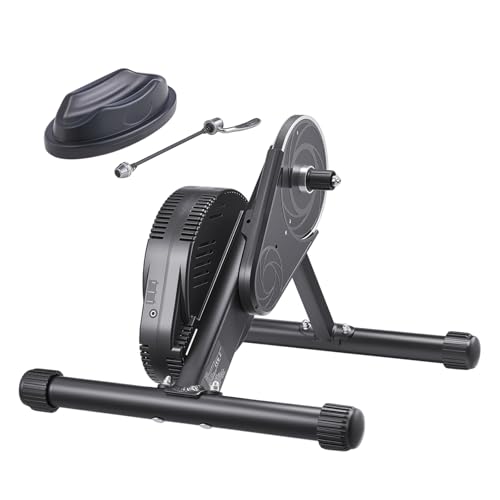
VEVOR Bike Trainer, 1-13 Level, 26-29 in & 700C Wheels,
- ✓ Quiet operation
- ✓ Solid stability
- ✓ Wide compatibility
- ✕ Requires compatible cassette
- ✕ Assembly steps vary
| Resistance Range and Control | 1–13 levels of virtual resistance via remote control |
| Connectivity and App Compatibility | Bluetooth 4.0 and ANT+; compatible with Zwift, TrainerRoad, BKOOL, MyWhoosh, and Onelap |
| Wheel Size Compatibility | Works with 26–29 in and 700C wheels |
| Weight/Capacity | Supports up to 130 kg (286.6 lb) |
| Noise and Construction | Heavy-duty aluminum alloy shaft with low-noise motor; carbon steel frame with non-slip feet |
I unboxed the VEVOR Bike Trainer and immediately noticed the heavy-duty carbon steel frame gleam as I pulled it from the box. The first thing that grabbed me was the quiet, smooth motor—you can barely hear it over your own breathing as you spin up.
I plugged in the Bluetooth and synced with Zwift in seconds, then stood back to feel how solid the setup looked on my living room floor.
The height of the front wheel riser block is just right, giving a clean line to your bike without wobble. It stays put during hard sprints, which is a relief when you’re chasing virtual volcano climbs.
The remote control with 1-13 resistance levels lets you dial in steep grades like you’re actually climbing a lava trail.
Wheel compatibility is impressive; my 28-inch road bike with an 8-speed cassette slid right in without fuss. Remember to fit a matching cassette cog to your bike—your gear choice matters here for a smooth climb.
The setup reads your cadence and power through Bluetooth 4.0 and ANT+, so you get real-time data you can trust on Zwift or TrainerRoad.
On days when weather keeps you indoors, this trainer feels like a sturdy partner. It’s not a toy—the frame feels robust enough for regular hard sessions, and the non-slip pads keep it steady on tile.
If you’re chasing virtual volcano ascents, this unit delivers steady resistance without the tire squeal or jitter.
Overall, I found the 286.6 lbs weight limit more than enough for most riders, plus the quiet motor means you won’t annoy roommates or family during long intervals. It’s easy to fold into a compact footprint when you’re done, and the price point stays friendly for a feature-rich trainer.
Saris Magnetic Indoor Bike Trainer, Magnetic Resistance,

- ✓ Smooth and quiet
- ✓ Easy setup and fit
- ✓ Zwift compatible
- ✕ Limited finesse on high incline
- ✕ Not as expandable as higher-end models
| Resistance Mechanism | Magnetic resistance unit with 5 adjustable levels |
| Noise Level | Smooth and quiet operation (frictionless magnetic design) |
| Compatibility | Fits common road and mountain bike frames; dropout spacing 120mm, 130mm, and 135mm |
| Connectivity | Zwift and app compatibility for interactive training |
| Construction/Origin | American-made; high-quality materials designed for durability |
| Price | $99.99 |
The moment I pulled the Saris Magnetic Indoor Bike Trainer from the box, I could tell it wasn’t going to be a flimsy setup. The steel feels sturdy, and the magnetic flywheel spins with a surprisingly smooth, almost whisper-quiet cadence.
I found myself testing it late at night without waking the house, which was a win from the first ride.
Setup was refreshingly straightforward. I folded out the legs, slid in the bike, and felt the secure clamping hold my frame without any wobble.
The compatibility range covers 120mm, 130mm, and 135mm dropout spacings, so you don’t have to reshuffle your bike just to get rolling. It sits low to the ground, which helps with stability on carpet or wood alike.
Five resistance levels give you quick, one-click ascend in difficulty, perfect for simulating gradual climbs or explosive efforts on a volcano ascent in Zwift. The unit’s magnetic resistance is quiet enough that you can hear your cadence over the fan, not the trainer itself.
Zwift pairing happened fast through the app, and the virtual routes felt responsive, not laggy.
I appreciated the American-made build and the sense that this trainer can handle heavy sessions without showing wear. It’s not a flashy trainer, but it delivers on reliability and consistency, which matters when you’re chasing a long climb or a tough interval.
The setup is compact enough for apartment living, and the overall experience mirrors a real road effort more than I expected.
If you’re training for a volcano climb on Zwift, you’ll likely reach for this daily during winter or rainy weeks. It blends solid construction with practical features, so you can stay in the saddle without distractions.
It’s a no-nonsense tool that respects your time and effort.
What Key Features Should You Look for in a Bike for Volcano Climbs on Zwift?
When selecting the best bike for tackling the volcano climbs on Zwift, focus on the following key features:
-
Weight: A lighter bike improves climbing efficiency. Look for models designed with lightweight materials, as this will enhance your performance on steep gradients.
-
Gear Ratios: Opt for a bike with a wide range of gear ratios. A compact chainring or a cassette with lower gears allows for easier pedaling on steep climbs, which is crucial when tackling Zwift’s more demanding inclines.
-
Aerodynamics: While climbing, aerodynamics may seem less critical, but a bike designed with aerodynamic features can help maintain higher speeds on flatter sections before and after climbs. Choose models with aerodynamic tube shapes but balanced comfort.
-
Stability and Comfort: The terrain may be virtual, but comfort is essential, especially during long climbs. A bike with good geometry will ensure you maintain proper posture, reducing fatigue.
-
Compatibility with Smart Trainers: Ensure the bike you select integrates well with your smart trainer setup. Some bikes are optimized for specific resistance and feedback that enhances the climbing experience.
Choosing the right bike will ensure an effective and enjoyable climbing experience on the Zwift volcano.
How Do Different Bike Types Perform on Volcano Climbs in Zwift?
The performance of different bike types on volcano climbs in Zwift varies based on their design and specifications.
- Climbing Bikes: Climbing bikes are specifically designed for ascents, featuring lightweight frames and gearing that optimizes power transfer on inclines.
- Aero Bikes: Aero bikes are built for speed and efficiency on flat terrain, but their weight may hinder performance on steep climbs, making them less ideal for volcanic ascents.
- All-Rounder Bikes: All-rounder bikes strike a balance between climbing efficiency and aerodynamics, making them versatile for various terrains including climbs.
- TT Bikes: Time trial bikes are focused on aerodynamics and speed, but their heavier weight and positioning can be a disadvantage on steep climbs.
Climbing Bikes: These bikes generally have a lightweight construction, often using materials like carbon fiber or aluminum, which allows riders to ascend more easily. Their gearing is optimized for climbing, enabling cyclists to maintain a good cadence even on steep inclines, making them the best choice for the volcano climbs in Zwift.
Aero Bikes: While these bikes excel in reducing drag on flat surfaces due to their aerodynamic design, they tend to be heavier, which can slow down a rider during climbs. The focus on speed rather than climbing efficiency means that using an aero bike for volcano climbs may result in slower ascent times compared to lighter alternatives.
All-Rounder Bikes: These bikes are designed to perform well in a variety of situations, making them a solid choice for riders who encounter mixed terrain. They typically offer a good balance of weight and aerodynamics, allowing for decent performance on climbs while still retaining speed on flatter sections of the course.
TT Bikes: Although time trial bikes are engineered for maximum speed in flat conditions, their heavier frame and aggressive riding position can hinder climbing efficiency. Riders may find themselves struggling to maintain momentum on steep grades, making TT bikes less suitable for challenging climbs like those found in Zwift’s volcano course.
Are Road Bikes the Best Choice for Climbing in Zwift?
- Lightweight Frame: Road bikes are typically designed with lightweight materials such as carbon fiber or aluminum, which help reduce the overall weight of the bike. This is crucial for climbing, as less weight means less effort is required to ascend, making them ideal for steep climbs like the volcano.
- Aerodynamic Position: The geometry of road bikes allows for a more aerodynamic riding position, which can be beneficial when trying to maintain speed on climbs. This positioning helps in reducing drag, allowing cyclists to put more power into their pedals, which is essential for tackling the inclines of the Zwift volcano.
- Gear Ratios: Road bikes often come equipped with a range of gear ratios that can be optimized for climbing. With lower gears, riders can manage steep gradients more effectively, enabling them to maintain a steady cadence and conserve energy during long climbs.
- Performance Tires: Many road bikes are fitted with tires designed for speed and grip on paved surfaces, which can provide better traction while climbing. Good traction is vital on the varied surfaces encountered during climbs in Zwift, ensuring that power is effectively translated into forward motion without slipping.
- Customization Options: Road bikes often allow for various customization options, including wheelsets and components that enhance climbing performance. Riders can adjust their setup to better suit their climbing style, which can give them an edge on demanding climbs like the volcano in Zwift.
What Are the Advantages of Using Mountain Bikes for Zwift Climbs?
The advantages of using mountain bikes for Zwift climbs include improved traction, versatility, and enhanced handling on varied terrain.
- Improved Traction: Mountain bikes typically feature wider tires with deeper treads, which provide better grip on steep and uneven surfaces. This can be particularly beneficial during climbs on Zwift, where maintaining traction is crucial for efficient power transfer and minimizing slippage.
- Versatility: Mountain bikes are designed to handle a variety of terrains, making them adaptable for different Zwift routes, including those with mixed surfaces. This versatility allows riders to tackle not just climbs but also descents and flat sections with confidence, enhancing the overall riding experience.
- Enhanced Handling: The geometry of mountain bikes is optimized for stability and control, especially in challenging conditions. This means that riders can navigate technical climbs and tricky descents on Zwift more effectively, which can lead to improved performance and enjoyment during virtual rides.
- Durability: Built to withstand rough trails, mountain bikes are typically more robust than road bikes. This durability means that riders can engage in more aggressive riding styles and not worry as much about damaging their equipment, especially during intense climbs or descents.
- Comfort: Many mountain bikes come equipped with suspension systems that absorb shocks and bumps, providing a more comfortable ride over rough terrain. This comfort can be crucial during longer climbs on Zwift, allowing riders to focus on their performance without being distracted by discomfort.
What Are the Top Recommended Bike Brands for Climbing in Zwift?
The top recommended bike brands for climbing in Zwift include:
- Cervélo: Known for its lightweight frames and aerodynamic designs, Cervélo bikes excel in climbing scenarios. Their R-series models are particularly favored for steep inclines due to their responsive handling and efficient power transfer.
- Trek: Trek offers a range of lightweight climbing bikes that are popular among Zwift riders. The Emonda series, with its focus on weight savings and climbing geometry, allows for quick ascents and enhanced maneuverability on challenging terrains.
- Specialized: Specialized bikes, especially the Tarmac SL series, are designed for optimal performance in climbing. With a perfect balance of stiffness and weight, they help riders maintain speed on steep climbs while providing comfort over longer rides.
- Giant: Giant’s TCR series is renowned for its climbing capabilities, featuring a lightweight frame and advanced composite materials. These bikes are engineered for efficiency and responsiveness, making them a strong choice for tackling Zwift’s hilly routes.
- BMC: BMC bikes, particularly the Teammachine series, are designed for elite performance in climbing. They combine lightweight construction with exceptional stiffness, offering a great blend of speed and control on steep ascents.
How Important Are Bike Weight and Gear Ratios for Climbing in Zwift?
Gear Ratios: The right gear ratios allow cyclists to maintain a steady cadence while climbing, preventing fatigue and optimizing power output. Lower gear ratios are advantageous for steep climbs, as they enable riders to spin their legs more easily and maintain a higher cadence, which is crucial for sustaining energy during long climbs in Zwift’s virtual landscapes. Choosing a bike with suitable gearing can make a significant difference in performance on climbs.
What Strategies Can Help You Choose the Best Bike for Volcano Climbs in Zwift?
Choosing the best bike for volcano climbs in Zwift involves considering several key factors.
- Weight of the Bike: A lighter bike can significantly improve your climbing performance, as it requires less energy to ascend. Bikes designed specifically for climbing often have a lower weight, making them ideal for tackling steep terrains like those found in the volcano climbs.
- Frame Material: The frame material affects both the weight and stiffness of the bike. Carbon frames are typically lighter and offer better power transfer, which is crucial for climbing efficiently, while aluminum frames might be more affordable and still provide decent performance.
- Aerodynamics: While aerodynamics plays a bigger role on flat terrain, it can still impact your overall speed during climbs. Choosing a bike with aerodynamic features can help you maintain a higher speed during descents and flat sections after the climb, making it an important consideration despite its lesser impact during the ascent.
- Gear Ratios: The right gear ratios can make a significant difference in how easily you can climb. Bikes with lower gear ratios allow for easier pedaling on steep inclines, which can help you maintain a steady cadence and conserve energy during the climb.
- Wheelset: The wheelset can affect both weight and rolling resistance. Lighter wheels can aid in climbing, while a good set of tires with low rolling resistance can enhance your overall speed and efficiency, especially on varied terrain.
- Upgrades and Customization: Consider bikes that allow for upgrades and customization, as you can enhance performance through better components. This can include changing tires, upgrading to a lighter wheelset, or adjusting gearing options to suit your climbing style.