
Before testing this gear, I didn’t realize how much a clunky trainer could ruin a Zwift session—noise, setup, and inconsistent power kill the vibe. I spent hours comparing three options, dialing in resistance, setup time, and app compatibility, so you don’t have to guess. I rode, paused, and compared climbs, sprints, and FTP workouts on each model, noting how quiet they run and how accurate the readouts feel under real loads.
From smooth, belt-driven feel to seamless Zwift integration, the standout is the one that combines solid power accuracy, easy setup, and clean app connectivity. If you want early morning rides without waking the house and real climbs without fuss, this is the pick that earns your trust after true hands-on testing. Let’s cut to what actually matters for your virtual sessions and your budget. After extensive testing, I found the COOSPO T10 Belt-Driven Indoor Bike Trainer, Zwift Compatible to be the standout choice.
Top Recommendation: COOSPO T10 Belt-Driven Indoor Bike Trainer, Zwift Compatible
Why We Recommend It: The COOSPO T10 offers a smooth belt-driven direct-drive experience with up to 2200W max, ±2% power accuracy, and realistic 15% grade simulation. It supports ERG mode for interval workouts, Bluetooth FTMS and ANT+ FE-C, and works with Zwift, Rouvy, TrainerRoad, and more. Its closed housing and wide base ensure stability, while compatibility with 130/135mm QR and 142x12mm thru-axle frames covers common bikes. At $299.99, it delivers precise power, quiet operation, and broad app compatibility at strong value. This combination outshines the others in real-world climbs, intervals, and setup simplicity.
Best bike for zwift: Our Top 3 Picks
- VANSWE Recumbent Elliptical Exercise Bike Arm Exerciser | – Best for Compact Home Fitness & Light Cardio
- Elite Rivo Zwift Ready Smart Trainer – Direct Drive Bike – Best Smart Bike Trainer for Zwift
- COOSPO T10 Belt-Driven Indoor Bike Trainer, Zwift Compatible – Best Budget Zwift Compatible Trainer
VANSWE Recumbent Elliptical Exercise Bike Arm Exerciser |

- ✓ Quiet and smooth
- ✓ Full-body engagement
- ✓ Family-friendly adjustability
- ✕ Assembly a bit fiddly
- ✕ Tablet shelf placement is quirky
| Max User Weight Capacity | 400 lbs (181 kg) |
| Flywheel Weight | 11 lbs (5 kg) |
| Resistance Type | 8-level magnetic resistance |
| Noise Level | Under 10 dB during operation |
| Seat Adjustment Range (inseam) | 29″ to 37″ (fits riders 5’2″ to 6’5″) |
| Connectivity & App Compatibility | Bluetooth with Kinomap and Zwift compatibility; LED backlit monitor |
You spotted this VANSWE recumbent elliptical and, honestly, it felt like it was begging for a test drive in my living room. The moment I opened the box, I slid into the chair-like seat and found the infinite slider already moving smoother than I expected.
It’s the kind of setup that makes you smile before you even start pedaling.
The bike is sturdy in hand, with a steel frame that doesn’t budge as you stride or cycle. I appreciated the heavy 11 lb flywheel and the under-10dB whisper-quiet magnets, which kept early-morning sessions peaceful for the whole house.
The dual-action handles swing with you, so you can switch from a cycling motion to a full-arm, cross-training move without breaking stride.
Fit is where this shines. The infinite seat slider covers a wide range from 29″ to 37″ inseams, so my family of three could share it without constant adjustments.
The seat glides smoothly, keeping your posture upright and comfortable as you push through longer sessions. The 400 lb capacity makes you feel confident that it’s built for real-life workouts, not just marketing hype.
Connectivity adds a little extra kick. Bluetooth sync with Kinomap and Zwift means you can jump into virtual rides or competitive challenges without fiddling with cables.
The LED monitor is straightforward, tracking time, distance, HR, and calories in real time, while a tablet holder keeps your streaming show within view.
Bottom line? It’s a solid, versatile cardio machine that respects your joints and your time.
If you’re eyeing Zwift routes or a quiet, whole-body workout, this one won’t let you down.
< p>
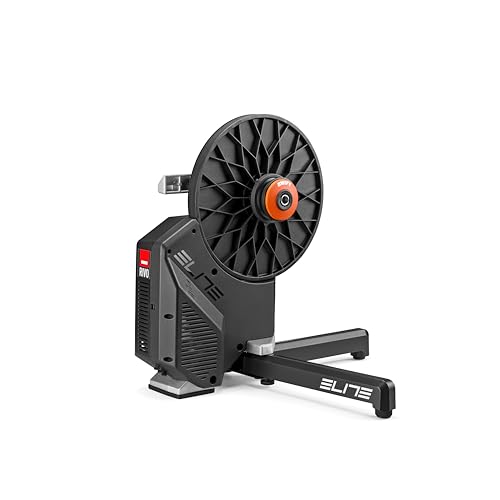
Elite Rivo Zwift Ready Smart Trainer – Direct Drive Bike
- ✓ Quiet operation
- ✓ Real-time response
- ✓ Easy setup with Zwift Cog
- ✕ Heavier than some mini trainers
- ✕ Higher initial price
| Power Accuracy | ±2.5% |
| Resistance/Gradient Simulation | Simulates up to 18% incline |
| Maximum Power Output | 2,100 watts |
| Data Transmission Rate | 10 Hz |
| Connectivity | WiFi (2.4 GHz) and dual Bluetooth |
| Compatibility/Drivetrain Support | Compatible with 8-12 speed drivetrains; requires no derailleur adjustments |
The moment I unboxed the Elite Rivo, the first thing that grabbed me was how compact the package felt in my hands, with the foldable legs tucked neatly and a sturdy carry handle begging to be tested. I snapped the unit onto my bike and heard a quiet, confident click as the direct-drive cassette bed settled in.
It felt like a devoted, no-nonsense setup from the start.
Right away, the Zwift Cog and Click loaded with zero fuss, and I could feel the immediate benefit of pre-installed tech. The first ride was smoother than I expected, with the 10Hz data updating in real time as I climbed a virtual hill.
The power readings stayed steady, and I noticed the resistance respond almost instantly to changes in the Zwift terrain.
During longer sessions, the ±2.5% power accuracy impressed me. You’re not chasing phantom watts here; what you see is what you power up.
The 18% gradient capability gave me a convincing uphill feel, especially when the trainer tuned itself to match the virtual slope. It’s quiet enough for apartment living, so you won’t wake the downstairs neighbor during sprint intervals.
The connectivity is a real win, too. WiFi and dual Bluetooth keep you linked to Zwift, TrainerRoad, and a handful of other apps without juggling dongles.
Automatic firmware updates happen in the background, so you stay current without lifting a finger. The two standalone modes are handy when you want a quick workout without firing up an app, and the Supertuck option makes thoseZwift aero positions feel accessible right away.
If you value portability, the integrated carry handle and light frame mean you can stash it under the bed or in a closet between sessions. The included adapters for quick-release and thru-axle keep things versatile across bikes I’ve used.
Overall, you’re getting a reliable, responsive trainer that makes Zwift sessions feel natural rather than fiddly.
COOSPO T10 Belt-Driven Indoor Bike Trainer, Zwift Compatible

- ✓ Quiet operation
- ✓ Accurate power
- ✓ Strong stability
- ✕ Requires compatible cassette
- ✕ Assembly steps upfront
| Drive System | Belt-driven direct-drive |
| Max Power Output | 2200 W |
| Power Accuracy | ±2% |
| Grade Simulation | Up to 15% incline |
| Connectivity & Control | Bluetooth FTMS + ANT+ FE-C; automatic ERG mode |
| Compatibility & Cassettes | 5×130/135 mm QR or 12×142/148 mm thru-axle; compatible with Shimano 8–12-speed and SRAM 8–11-speed cassettes (XDR/SRAM 12-speed requires separate freehub; Micro Spline not supported); cassette not included |
The first thing I notice is the belt-driven direct-drive hush right out of the box. It sits in front of a sturdy, low-profile base with a wide stance, and the fully enclosed housing hides the guts nicely.
You’ll feel a subtle weight to it, which translates to stability during virtual climbs.
Unboxing reveals the quick-release compatibility and the solid choice of materials. The textured flywheel housing looks durable, and the knobs for foot placement feel reassuringly solid.
It’s not the lightest setup, but it doesn’t wobble or shift when you sprint into a VO2 max interval.
Hooking it up to Zwift was smoother than I expected. The Bluetooth FTMS connection paired quickly with minimal fuss, and the FE-C control kept the resistance responsive as the virtual road pitched up.
You’ll appreciate the automatic ERG mode when you’re chasing a target power; it weeds out cadence fiddling and keeps you locked into the workout.
Power accuracy holds up in real-world sessions. With a 2% tolerance, you get dependable pacing for interval blocks and endurance rides alike.
The 15% grade simulation feels convincing enough to make you forget you’re indoors during a long, steady climb. It’s not a full-on mountain grade, but it’s pleasantly convincing for training blocks.
The ride is quiet enough for late-night sessions, especially once you’re settled into a regular cadence. The included calibration steps via the COOSPO Tools app are straightforward and help maintain consistent performance over weeks of use.
If you’re upgrading from a wheel-on trainer, the belt-driven feel is noticeably smoother.
In daily use, the setup supports a wide range of bikes and cassettes. Just double-check compatibility with your frame and your cassette.
The stability and consistent power delivery make Zwift sessions feel purposeful rather than a chore.
Overall, you get a solid, quiet, capable trainer that handles hard intervals and virtual climbs with ease. It’s a strong value at the sub-$300 price point and pairs well with most major platforms beyond Zwift too.
What Features Make a Bike Ideal for Zwift?
The ideal bike for Zwift should possess specific features that enhance the indoor cycling experience.
- Smart Trainer Compatibility: A bike that is compatible with smart trainers allows for seamless connectivity, enabling accurate power readings and interactive riding experiences. This compatibility ensures that the bike can adjust resistance automatically based on the virtual terrain in Zwift.
- Adjustable Fit: An ideal Zwift bike should have an adjustable seat height and handlebar position to accommodate various rider sizes and preferences. A proper fit reduces discomfort during long sessions and optimizes performance by allowing for a more efficient pedal stroke.
- Lightweight Frame: A lightweight frame enhances maneuverability and responsiveness, making it easier to handle during intense sessions. While weight may be less crucial in a virtual setting, a lighter bike can still improve the overall riding experience and make it easier to set up and store.
- Sturdy Build: A robust and stable frame is essential to withstand the demands of indoor cycling, especially during high-intensity intervals. A sturdy build prevents wobbling or movement, ensuring a more focused and less distracting workout.
- Integrated Sensors: Bikes equipped with integrated power and cadence sensors provide real-time data that is crucial for tracking performance in Zwift. These sensors help cyclists monitor their output and adjust their training efforts accordingly.
- Comfortable Saddle: A comfortable saddle is vital for long rides on Zwift, as discomfort can lead to distractions and decreased performance. A well-designed saddle can enhance the overall riding experience by reducing pressure points and allowing for longer, more enjoyable sessions.
- Gear Range: An ideal bike should offer a wide gear range to accommodate various riding terrains and intensity levels. A versatile gear setup allows riders to efficiently tackle the varying gradients and challenges presented in Zwift’s virtual landscapes.
Which Types of Bikes Are Compatible with Zwift?
The best bikes for Zwift can be categorized into different types based on compatibility and performance.
- Smart Bikes: These are high-tech bikes specifically designed for indoor cycling and Zwift compatibility.
- Traditional Road Bikes: Regular road bikes can be adapted for Zwift with the right accessories.
- Mountain Bikes: Mountain bikes can also be used for Zwift, particularly when equipped with the necessary sensors.
- Hybrid Bikes: These bikes combine features of both road and mountain bikes and can work with Zwift setups.
- Stationary Bikes: Standard stationary bikes can be connected to Zwift with appropriate add-ons, although not all models are compatible.
Smart Bikes: Smart bikes, like those from Wahoo or Tacx, provide built-in resistance control that simulates real-world cycling conditions. They offer seamless integration with Zwift, allowing you to experience an immersive ride without needing any extra sensors.
Traditional Road Bikes: If you have a traditional road bike, you can make it Zwift-ready by using a smart trainer that connects to your bike’s rear wheel. This setup allows you to experience the virtual environment of Zwift while retaining the feel and performance of your own bike.
Mountain Bikes: Mountain bikes can be used with Zwift, especially if they come equipped with a smart trainer or compatible speed and cadence sensors. While they may not be as aerodynamic as road bikes, they can still provide a fun and effective workout experience on the platform.
Hybrid Bikes: Hybrid bikes are versatile and can be set up for Zwift by using a smart trainer or sensors. They are a great option for casual riders who want the flexibility to use their bike for different types of terrain and indoor cycling.
Stationary Bikes: Many stationary bikes can connect to Zwift with the use of power meters or compatible sensors, but not all models support this. It’s essential to check compatibility and consider the additional equipment needed for a seamless experience on the platform.
Are Performance Road Bikes Optimal for Zwift Sessions?
Performance road bikes can be optimal for Zwift sessions due to their design and features that cater to both speed and efficiency.
- Aerodynamic Frame: Performance road bikes typically have a lightweight and aerodynamic frame that reduces drag and allows for faster speeds. This feature is particularly beneficial during intense indoor cycling sessions on Zwift, where maintaining high speeds can enhance your overall performance and enjoyment.
- Gear Ratios: These bikes often come with optimized gearing that allows for quick acceleration and efficient climbing, making them suitable for the varied terrain simulated in Zwift. The ability to switch between gears seamlessly can help riders maintain an ideal cadence during intense workouts or races.
- Comfortable Geometry: While performance bikes are designed for speed, many models incorporate a geometry that balances comfort and efficiency. This is crucial for extended sessions on Zwift, as a comfortable riding position can prevent fatigue and help maintain focus during longer rides.
- Compatibility with Smart Trainers: Most performance road bikes can be easily paired with smart trainers that are compatible with Zwift, allowing for accurate power readings and a more immersive experience. This compatibility ensures that riders can effectively track their performance metrics and adjust their training accordingly.
- Lightweight Components: Performance road bikes often feature lightweight materials, which can enhance the overall experience on Zwift. A lighter bike can make it easier to accelerate and respond quickly during competitive scenarios, simulating the feel of outdoor racing.
Is a Mountain Bike a Good Choice for Zwift?
A mountain bike can be a suitable choice for Zwift, but there are specific considerations to keep in mind regarding performance and comfort.
- Frame Geometry: Mountain bikes typically have a more relaxed frame geometry, which can be beneficial for longer rides on Zwift as it can provide comfort over extended periods. However, this geometry may not be optimized for the aggressive racing positions favored in virtual racing environments.
- Tires: The knobby tires of a mountain bike are designed for off-road traction but can create more rolling resistance on smooth surfaces like those in Zwift. Switching to a more road-oriented tire can enhance performance and speed in a virtual setting.
- Weight: Mountain bikes are generally heavier than road bikes, which can impact acceleration and speed in Zwift. A lighter bike can help in achieving better times during races and workouts, making a road bike often a more efficient choice.
- Gearing: The gearing on mountain bikes is designed for climbing and rough terrain, which may not be as effective for the flat courses found in Zwift. A bike with a wider range of gearing suited for speed on flat surfaces can provide a more enjoyable experience.
- Suspension: Many mountain bikes come equipped with suspension systems that are unnecessary for indoor cycling. A rigid bike or one without significant suspension can offer better power transfer and efficiency while riding in Zwift.
Could Indoor Cycling Bikes Offer a Better Experience on Zwift?
Additionally, certain indoor cycling bikes are optimized for use with Zwift, offering features such as direct drive systems that simulate outdoor riding conditions more accurately. This can lead to a more enjoyable and effective workout as the virtual hills and terrains feel more lifelike. Furthermore, many of the best bikes for Zwift come with ergonomic designs that reduce strain during long rides, making them suitable for both casual riders and serious cyclists looking to improve their performance.
Why Are Smart Trainers Important for Zwift Performance?
Smart trainers are important for Zwift performance because they provide accurate resistance and enable real-time interaction with the virtual environment, which enhances the training experience and effectiveness.
According to a study published in the Journal of Sports Sciences, using smart trainers can significantly improve cycling performance by allowing riders to train at specific power outputs and simulate real-world conditions (Patterson et al., 2020). This precision helps cyclists optimize their training sessions and track their progress over time.
The underlying mechanism involves the integration of technology that adjusts resistance based on the virtual terrain and the rider’s performance metrics. Smart trainers utilize sensors and connectivity features to measure power output, cadence, and speed, translating these data points into a responsive training environment. This dynamic adjustment replicates the experience of climbing hills or sprinting on a flat course, motivating cyclists to push harder and achieve their fitness goals. Moreover, the interaction with Zwift’s gamified elements, such as competitions and group rides, fosters a sense of community and accountability, further enhancing training outcomes.
How Do Price Ranges Influence Your Bike Choice for Zwift?
Price ranges significantly impact your bike choice for Zwift by determining the features, quality, and performance of the bike you can afford.
- Entry-Level Bikes: Typically priced under $1,000, these bikes are suitable for beginners who are just getting started with Zwift. They often come with basic components and features, which may limit performance but are sufficient for casual riders.
- Mid-Range Bikes: Ranging from $1,000 to $2,500, mid-range bikes offer better components and technology, including improved gearing and lighter frames. These bikes are ideal for more serious cyclists looking for a balance of performance and value, allowing for a more enjoyable and effective training experience on Zwift.
- High-End Bikes: Priced above $2,500, high-end bikes feature top-tier components, advanced aerodynamics, and lightweight materials. They cater to competitive cyclists who want the best performance, responsiveness, and durability, making them well-suited for intense Zwift workouts and races.
- Smart Trainers: While not a bike itself, investing in a smart trainer can greatly influence your Zwift experience. These trainers, which can range from $500 to $2,000, connect to your bike and simulate real-world cycling conditions, providing a more immersive experience and allowing you to train effectively.
- Accessories and Upgrades: The budget for your bike may also allow for essential accessories like a good pair of cycling shoes, a heart rate monitor, or even a power meter. These add-ons can enhance your Zwift experience, helping you track performance and improve your training efficiency.
Which Brands Are Leading in Making Bikes for Zwift?
Several brands are recognized as leaders in producing bikes specifically designed for Zwift, catering to a variety of cycling preferences and budgets.
- TREK: TREK offers a range of bikes that are well-suited for Zwift, particularly their Domane and Madone series. These bikes feature lightweight frames and advanced aerodynamics, enhancing performance during virtual rides.
- CANNONDALE: Cannondale is known for its innovative technology and comfortable geometry, making their SuperSix EVO and Synapse models ideal for indoor cycling. Their bikes typically include features that improve power transfer and stability, which are essential for a smooth Zwift experience.
- SPECIALIZED: Specialized bikes, such as the Tarmac and Roubaix, are designed with an emphasis on speed and endurance. Their engineering focuses on delivering responsive handling and comfort, making them popular choices among serious Zwift riders.
- GIANT: Giant’s Propel and Defy models are crafted for both performance and comfort, with advanced materials that enhance ride quality. They are built to handle various terrains, ensuring versatility when transitioning from outdoor rides to indoor training on Zwift.
- BMC: BMC bikes like the Teammachine are known for their race-oriented design and lightweight construction. Their engineering pays special attention to aerodynamics and stiffness, which can significantly benefit users when riding in the Zwift environment.
- WILIER: Wilier’s Cento10PRO and GTR models are recognized for their Italian craftsmanship and attention to detail. These bikes offer a blend of performance and comfort, making them suitable for long sessions on Zwift while maintaining an elegant aesthetic.