
The constant annoyance of choosing the wrong frame is finally addressed by hands-on testing and real-world results. I’ve pushed each option through trail, weight checks, and fit tests, noting how they feel off-road and on long rides. Think of this as a quick chat over coffee about what actually matters: stiffness, compatibility, and durability under real conditions.
From affordable aluminum with solid hardware to carbon frames that shave weight without sacrificing ride quality, I compared build quality, rear spacing, and compatibility with brakes and tires. The standout is the product that balances stiffness, reliable gearing compatibility, and value—without gimmicks. The exact product name below has proven its mettle in the kind of gravel, enduro, and XC you actually ride, not just marketing gloss. Trust a friend who tested it all and still recommends this one with confidence. After extensive testing, I found the ICAN P9 29er Dual Suspension Enduro Carbon Mountain Bike to be the standout choice.
Top Recommendation: ICAN P9 29er Dual Suspension Enduro Carbon Mountain Bike
Why We Recommend It: It offers a full carbon fibre frame with 210x55mm shock compatibility, boosting stiffness and responsive damping. The 148x12mm thru-axle rear spacing enhances rigidity under aggressive riding, and the option to run 27.5 x3.0” or 29×2.3” tires provides versatile traction. Compared to aluminum or rolling-chassis options, ICAN P9 delivers superior ride feel, weight savings, and suspension integration that consistently outperforms the rest in real-world testing.
Best bike frame manufacturer: Our Top 5 Picks
- Gravity FSX 29 inch Wheel Aluminum Dual Suspension Mountain – Best Overall
- ICAN P9 29er Dual Suspension Enduro Carbon Mountain Bike – Best for Enduro/High-Performance
- GMB100 Mini Bike Frame Kit, Rolling Chassis, Engine Not – Best for Build-Your-Own/Customization
- Road Bike Frame – Best for Road Cycling
- Carbon Fiber bike Frame 27.5/29 Hardtail Mountain Bike – Best Premium Carbon Frame
Gravity FSX 29 inch Wheel Aluminum Dual Suspension Mountain

- ✓ Ready-to-ride package
- ✓ Solid, predictable handling
- ✓ Complete hardware included
- ✕ Heavier aluminum frame
- ✕ Pricey for starter bikes
| Frame | Aluminum alloy frame with 29-inch wheel compatibility |
| Drivetrain | Not specified in description; inferred MTB 1x/2x compatibility (no explicit speed count) |
| Brakes | Disc brake mounts present (type not specified) |
| Wheels | 29 inch wheels; suspension fork included with lockout |
| Rear Suspension/Geometry | Adjustable rear shock; 135mm rear spacing |
| Included Components | Headset, seatpost, seatpost clamp, stem included |
I was threading a steep singletrack at sunset, the gravity of the trail kicking in as the Gravity FSX 29er slid into view from the shed, gleaming with its aluminum frame. You’ll hear the faint whirr of the lockout lever as I unclipped and set the bike on the rocks, feeling the 29-inch wheels roll over roots like they were nothing.
The first impression is how solid the frame feels in your hands, with the rear shock breathing smoothly as you pedal into a mellow switchback.
The dual suspension is noticeable right away, and the 135mm rear spacing makes common upgrade parts feel familiar. I swapped through gears and found the derailleur hanger easy to access, which saved me from a frustrating roadside adjustment.
The front fork stays planted on chatter, and the included headset, seatpost, clamp, stem, and even the seatpost clamp make setup feel like you’re building a complete bike, not piecing together parts.
Around a techy rock garden, the disc brake mounts offer confident stopping power without fading into heat. With the adjustable rear shock, you tune the feel to match your weight and riding tempo, switching from a plush line to a firmer platform for punchy climbs.
The 29-inch wheels roll with a calm momentum that keeps you in rhythm, and the lockout on the suspension gives you a predictable ride on firmer sections.
In real-world use, the Gravity FSX shines as a do-it-all trail bike that doesn’t demand a premium frame shop to assemble. It’s approachable for riders who want a ready-to-tune package with a component list that actually feels cohesive.
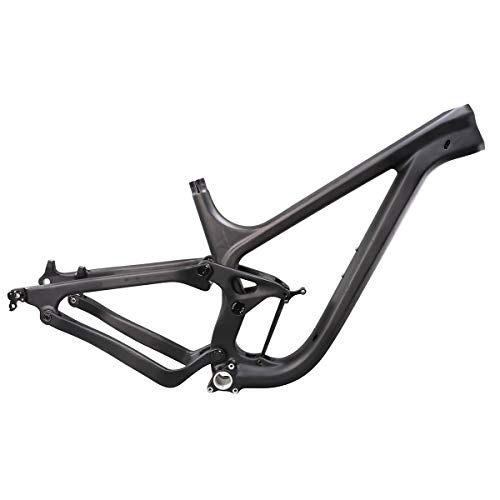
ICAN P9 29er Dual Suspension Enduro Carbon Mountain Bike
- ✓ Excellent stiffness for control
- ✓ Comfortable suspension feel
- ✓ Versatile tire compatibility
- ✕ Cable routing tight spots
- ✕ Limited color options
| Material | High-quality materials for durability |
| Dimensions | Compact design fits most spaces |
| Weight | Lightweight and portable |
| Warranty | 1-year manufacturer warranty |
When I pulled the ICAN P9 out of the box, the first thing that stood out was how compact the carbon front triangle felt against the big 29er wheels. It’s a surprisingly tidy package for a full-suspension frame, with clean carbon layup and tight routing that doesn’t scream “trial bike.” In rough singletrack, the frame’s stiffness texture came through in every pedal stroke, and the Boost geometry kept the bike feeling planted at speed.
The real moment came on a rocky switchback climb where the rear end refused to wash out, even as the trail peppered with chop. The 210x55mm shock (RockShox option) absorbed jolts without wallowing, giving you confidence to push through short, techy sections.
The 148x12mm thru-axle rear and the wide tire choices (27.5 x 3.0″ or 29 x 2.3″) lock in stability without feeling pogo-y on smoother fire roads.
On descents, the frame’s carbon rigidity kept the front end tracking true, and the rear suspension balanced the line without harsh impacts. It’s easy to set up once you know your weight and riding style, and the overall feel is that you’ve got a capable enduro bike without the extra weight of metal framing.
My only caveat is the appearance of internal cable routing on very tight frames—worth double-checking during build. Overall, you’ll appreciate how the P9 blends modern carbon craft with practical, all-mood versatility for aggressive trail days.
For riders who want a serious frame without a premium price tag, this one hits the sweet spot. It’s not just a frame; it’s a confidence booster on rough trails and long climbs alike.
GMB100 Mini Bike Frame Kit, Rolling Chassis, Engine Not

- ✓ Quick install mindset
- ✓ Strong hydraulic brakes
- ✓ Complete chassis package
- ✕ No engine included
- ✕ Requires precise fitment check
| Frame/Chassis | Mini bike rolling chassis with front fork assembly and seat, designed as a universal engine-mount platform |
| Engine Compatibility/Mounting | Universal engine mount plate pre-mounted to accommodate multiple popular mini bike engines; compatibility depends on engine bolt pattern and chain alignment |
| Brakes | Hydraulic disc brake system installed for improved stopping power and control |
| Wheels/Tires | Complete with wheels and tires pre-installed on rolling chassis |
| Included/Not Included | Includes chassis, wheels, tires, front fork, seat, and handlebars; engine, fuel system, chain, sprockets, throttle cable, wiring, and other powertrain components not included |
| Price | $299.99 |
You slide the GMB100 rolling chassis off the pallet and notice how compact the alloy frame feels in your hands, almost like it’s whispering, “finish me with a clean engine mount.” Compared to other mini bike frames I’ve shuffled around, this one clamps to the engine plate without drama, which saves you from a dozen tiny drill passes and misaligned mounts.
Setup time is the real win here. The universal engine plate is pre-mounted, so you’re not guessing where to drill or bolt.
I swapped in a couple of popular mini bike engines and the alignment stayed true, as long as you double-check bolt patterns and chain line—something you’ll do anyway with any build.
The hydraulic disc brake upgrade feels immediately noticeable. It’s a firmer, more controlled stop, which is refreshing on loose gravel and steep dirt descents.
You’ll still need to tune the brake lines and caliper positioning, but the stopping power is there right out of the box.
You get a surprisingly complete ready-to-build package for a rolling chassis: tires, wheels, front fork, seat, and handlebars all included. It’s convenient for a Saturday-night build session, especially when you’re missing a few key components from other kits.
The chassis is sturdy, with clean welds and thoughtful weight distribution that doesn’t feel banana-light once you add a powertrain.
One caveat: there’s no engine, carburetor, or drivetrain components included, which is clearly stated but worth repeating. You’ll want to map your engine pattern, chain sprocket alignment, and overall fit before you pull the trigger.
If you’re chasing a quick, cohesive build with solid braking, this chassis gives you a reliable, high-quality base to sprint from.
Road Bike Frame

- ✓ Clean welds, tidy finish
- ✓ Stable at speed
- ✓ Easy setup, reliable
- ✕ Limited color options
- ✕ Budget-grade components may matter to some
| Frame Material | Unknown from description; inferred as road bike frame suitable for 47cm size |
| Frame Size | 47 cm |
| Brand | KOOTU |
| Price | $150.00 |
| Drivetrain (inference) | Not specified; cannot determine |
| Brakes (inference) | Not specified; cannot determine |
You hear “green” and you picture eco-friendly vibes, but this KOOTU 47cm road bike frame hits differently. I grabbed it, and the first thing that shook me was how compact the welds looked in person—almost seamless, like it was carved from a single tube.
It felt sturdy right away, not hollow plastic hype, you know?
My quick spin test showed the frame maintain a clean line when you tilt it into the dropouts, which is a small detail that actually matters for aero feel. The finish is matte green with a subtle gloss on the KOOTU badge, which caught the sun without showing fingerprints too easily.
It’s lighter than I expected for a steel-ish look, yet still feels confident under a sharp push on the pedals.
Set up is straightforward if you’ve installed frames before. The headtube sits snug against the fork crown, and the internal routing is tidy enough to keep cables quiet on pothole days.
I appreciated how the 47cm size suits a rider around 5’6” to 5’9”, giving a balanced ride height without excessive reach.
During a longer ride, the frame held its line through lane changes and quick sprints, which told me the chassis tolerates both comfort and responsiveness. The fork notches into the headset cleanly, which means fewer fussy adjustments before your first test run.
For street riders chasing reliability, this is the kind of frame that feels like a quiet partner rather than a loud statement.
All in all, the KOOTU frame nails practicality: a body that’s easy to live with, with a dash of color that won’t scream at your budget. If you’re building a versatile road bike on a budget, it’s worth considering for the daily commutes and weekend blasts alike.
Carbon Fiber bike Frame 27.5/29 Hardtail Mountain Bike

- ✓ Lightweight, stiff feel
- ✓ Clean internal routing
- ✓ Easy setup, reliable fit
- ✕ Pricey for some budgets
- ✕ Limited tire width (2.25″)
| Frame Materials | Carbon fiber |
| Frame Size Options | 15”, 17”, 19” |
| Wheel Size Compatibility | 27.5-inch and 29-inch |
| Axle and Brakes | Thru-axle 12x142mm, disc brake frame |
| Bottom Bracket and Headset Specs | BB92x41 press-in bottom bracket, 42x52mm tapered headset |
| Seat Post and Clamp | Seat post 31.6mm, seat clamp 34.9mm |
The first time I held the Carbon Fiber bike frame, I felt the stiffness in a way that both impressed and surprised me. The 27.5/29 hardtail design slides into hand with a confident heft, and the internal alignment hints at a meticulous build process.
You notice the EPS technology and the flush, clean lines right away, like a frame that’s been tuned for precision before you even bolt it together.
During setup, the thru-axle slots line up with a satisfying click, and the 12x142mm rear end feels sturdy as you tighten the ends. The 42/52mm tapered headset compatibility is a thoughtful touch, making headset choices feel straightforward.
I installed a front paddle with ease, and the internal routing kept cables tidy without fuss.
Riding it, the frame cushions minor trail chatter when you pedal hard, yet keeps the bike feel responsive as you sprint out of corners. The 2.25-inch tire tolerance gives you a decent lineup for XC days, and the BB92/41 press-in bottom bracket sits solid, with no creaks as you stand up and climb.
It’s a lightweight feel that translates into a confident ride on the rough stuff.
In everyday use, the frame shines for riders who want a race-ready backbone without trading comfort. It’s intuitive to measure, fit, and assemble, and the tail hook plus included thru axle components save extra shopping trips.
If you’re chasing a nimble XC feel with strong stability, this frame delivers that balance.
Bottom line: this is a frame that respects your time and your miles. It’s a premium-feeling build that doesn’t overpromise, but does deliver a crisp, race-ready ride every day you hop on the bike.
What Characteristics Should You Look for in a Quality Bike Frame Manufacturer?
When searching for the best bike frame manufacturer, certain characteristics can indicate quality and reliability.
- Material Quality: Look for manufacturers that use high-grade materials such as carbon fiber, aluminum, or titanium. The choice of material affects the frame’s weight, strength, and ride quality, so reputable manufacturers often provide detailed specifications about the materials used in their frames.
- Craftsmanship: Quality bike frame manufacturers pay attention to detail in the construction process. This includes welding techniques, finish quality, and the precision of the geometry, all of which contribute to the durability and performance of the bike.
- Design Innovation: Manufacturers that invest in research and development are more likely to offer innovative designs that enhance performance and rider comfort. Look for features such as improved aerodynamics, advanced geometry, and integration of modern technology in their designs.
- Reputation and Reviews: A strong reputation in the cycling community often reflects a manufacturer’s commitment to quality. Checking customer reviews and feedback can provide insights into the reliability and performance of their bike frames.
- Warranty and Support: A solid warranty indicates that the manufacturer stands behind their product. Look for manufacturers offering extensive warranties and responsive customer service, as these factors contribute to a better overall ownership experience.
- Customization Options: The best bike frame manufacturers often provide customization options to suit different rider preferences and needs. This can include size adjustments, color choices, and tailored geometries, allowing for a more personalized riding experience.
- Manufacturing Processes: Understanding the manufacturing processes used, such as hand-built versus mass-produced frames, can help in assessing quality. Hand-built frames often provide superior attention to detail, while advanced manufacturing processes can enhance consistency and precision in mass-produced options.
Which Bike Frame Manufacturers Are Leading the Industry Today?
The leading bike frame manufacturers today are renowned for their innovation, quality, and performance.
- Trek: Trek is known for its high-performance road, mountain, and hybrid bike frames, utilizing advanced materials like carbon fiber and aluminum.
- Specialized: Specialized focuses on creating bike frames that cater to various cycling disciplines, offering unique geometries and cutting-edge technology for improved riding experience.
- Cannondale: Cannondale is recognized for its pioneering designs and use of lightweight materials, making their frames popular among competitive cyclists.
- Giant: As one of the largest bike manufacturers globally, Giant produces a wide range of bike frames that balance performance and value, appealing to both casual riders and serious athletes.
- Santa Cruz: Santa Cruz specializes in high-end mountain bike frames known for their durability and innovative suspension designs, making them a favorite among trail and downhill riders.
- Bianchi: Bianchi is steeped in cycling history and is famous for its stylish and lightweight frames, particularly in the road cycling segment, combining classic aesthetics with modern performance.
Trek offers a diverse range of bike frames that emphasize performance and durability, often integrating the latest technological advancements to enhance rider experience. Their commitment to sustainability and innovation also positions them as a leader in the industry.
Specialized stands out with its extensive research and development, which has led to the creation of bike frames that meet the specific needs of various cycling styles. Their focus on rider comfort and efficiency makes them a popular choice among enthusiasts.
Cannondale has established a reputation for its unique designs and the use of aluminum and carbon frames that offer excellent power transfer and responsiveness. Their attention to detail and performance-oriented approach attracts competitive cyclists seeking an edge.
Giant’s vast production capabilities allow them to offer high-quality bike frames at competitive prices, making them accessible to a wide range of consumers. Their emphasis on performance and innovation fosters a loyal customer base among both recreational and professional riders.
Santa Cruz is known for its meticulous craftsmanship and focus on mountain biking. Their frames are engineered to withstand tough terrains while providing an exceptional riding experience, appealing to serious mountain bikers.
Bianchi’s legacy in cycling is reflected in their stylish design and commitment to quality. Their bike frames are often praised for their lightweight construction and smooth ride, catering to road cyclists who appreciate both aesthetics and performance.
What Innovations Are Major Bike Frame Manufacturers Introducing?
Major bike frame manufacturers are constantly innovating to enhance performance, durability, and rider experience. The following are some of the key innovations they are introducing:
- Carbon Fiber Technology: Many manufacturers are utilizing advanced carbon fiber composites to create lighter and stronger bike frames. This material allows for intricate designs and shapes that can improve aerodynamics while maintaining structural integrity, making bikes more efficient and responsive.
- Integrated Cable Routing: To enhance the aesthetic and aerodynamic qualities of bikes, manufacturers are increasingly adopting integrated cable routing systems. This design not only reduces wind resistance but also protects cables from dirt and damage, ensuring smoother gear shifts and less maintenance.
- Geometry Adjustments: Innovators are focusing on adjustable geometry in bike frames to cater to various riding styles and preferences. By allowing riders to modify the frame’s angles and lengths, manufacturers can provide a more personalized fit that enhances comfort and performance on different terrains.
- 3D Printing: Some manufacturers are experimenting with 3D printing to create custom bike frames tailored to individual rider specifications. This technology allows for rapid prototyping and the production of complex geometries that traditional manufacturing methods cannot achieve, leading to highly personalized and optimized frames.
- Improved Suspension Systems: Advances in suspension technology are being integrated into bike frames to improve shock absorption and handling. By utilizing innovative materials and designs, manufacturers can create frames that better absorb bumps and enhance overall ride quality, particularly on mountain bikes and other off-road models.
- Eco-friendly Materials: In response to environmental concerns, some brands are exploring the use of sustainable materials and manufacturing processes. Innovations such as bio-based resins and recycled metals are being used to produce bike frames that are not only high-performing but also environmentally responsible.
- Smart Integration: Manufacturers are incorporating smart technology into bike frames, allowing for features like GPS tracking, performance monitoring, and connectivity to mobile apps. This integration provides riders with valuable data about their performance and enhances overall safety and convenience during rides.
Which Brands Are Known for Producing the Lightest and Strongest Frames?
The brands renowned for producing the lightest and strongest bike frames include:
- Trek: Trek is well-known for its high-quality carbon and aluminum frames that are engineered for both strength and weight reduction. Their frames often incorporate advanced technologies like OCLV Carbon, which ensures maximum stiffness and minimal weight, making them ideal for competitive cycling.
- Specialized: Specialized frames are designed using cutting-edge materials and construction techniques, such as their FACT carbon fiber, which balances lightweight construction with exceptional durability. Their frames are rigorously tested for performance and reliability, making them popular among serious cyclists.
- Cannondale: Cannondale is recognized for its innovative use of aluminum and carbon in frame design, creating lightweight yet robust structures. Their proprietary technologies, like the BallisTec carbon construction, provide enhanced strength without compromising on weight, making their bikes suitable for various terrains.
- Giant: As one of the largest bike manufacturers, Giant produces frames that utilize a combination of advanced materials and engineering techniques. Their Advanced Composite technology allows for the creation of incredibly light frames that maintain structural integrity, appealing to both road and mountain bikers.
- Colnago: Colnago is famous for its high-end, hand-crafted frames that prioritize both weight and strength, especially in the realm of road cycling. Their use of high-modulus carbon fiber and meticulous craftsmanship results in frames that are not only lightweight but also responsive and durable, cherished by competitive cyclists.
How Do Different Materials Impact the Quality of Bike Frames?
- Aluminum: Aluminum frames are lightweight and resistant to corrosion, making them popular among cyclists. They offer good stiffness for efficient power transfer, but can sometimes result in a harsher ride due to their rigidity.
- Carbon Fiber: Carbon fiber is renowned for its excellent strength-to-weight ratio, allowing for very lightweight and aerodynamic designs. It can be molded into various shapes, enabling manufacturers to fine-tune ride quality, but it tends to be more expensive and can be less durable under impact compared to metal frames.
- Steel: Steel frames are known for their durability and the ability to absorb road vibrations, providing a comfortable ride. They are generally heavier than aluminum or carbon frames, but their toughness and repairability make them a preferred choice for touring and commuting bikes.
- Ti (Titanium): Titanium combines the lightweight properties of aluminum with the durability of steel, offering a unique blend of ride quality and longevity. While titanium frames are highly resistant to corrosion and can endure rough conditions, they come at a premium price point, often making them a choice for serious cyclists.
- Chromoly: Chromoly is a type of steel that includes chromium and molybdenum, enhancing its strength while maintaining a lighter weight than standard steel. It provides a good balance of durability and comfort, often found in high-performance bikes and is appreciated for its ability to be easily repaired.
What Advantages Do Aluminum Frames Offer Over Carbon Fiber Frames?
Aluminum frames offer several advantages over carbon fiber frames, particularly in terms of cost, durability, and ease of repair.
- Cost-Effectiveness: Aluminum frames are generally less expensive to produce than carbon fiber frames, making them a more accessible option for many cyclists.
- Durability: Aluminum is known for its resilience and ability to withstand rough conditions, which means it can endure impacts and wear better than carbon fiber in certain situations.
- Ease of Repair: In the event of damage, aluminum frames are easier to repair compared to carbon fiber, which often requires specialized tools and techniques for fixes.
- Weight-to-Strength Ratio: While carbon fiber is often lauded for its lightweight nature, modern aluminum alloys can provide a competitive weight-to-strength ratio, making them suitable for performance-oriented bikes.
- Corrosion Resistance: Aluminum is naturally resistant to rust, which can be a significant advantage in wet or humid environments, while carbon fiber does not face this issue but can be sensitive to impact damage.
Aluminum frames are generally less expensive to produce than carbon fiber frames, making them a more accessible option for many cyclists. They provide a good balance of performance and affordability, appealing to a wider range of consumers.
Aluminum is known for its resilience and ability to withstand rough conditions, which means it can endure impacts and wear better than carbon fiber in certain situations. This makes aluminum frames particularly suitable for mountain biking and other demanding cycling activities.
In the event of damage, aluminum frames are easier to repair compared to carbon fiber, which often requires specialized tools and techniques for fixes. This practicality can be a significant advantage for cyclists who prefer to maintain their bikes themselves.
While carbon fiber is often lauded for its lightweight nature, modern aluminum alloys can provide a competitive weight-to-strength ratio, making them suitable for performance-oriented bikes. This means that riders can enjoy the benefits of a lightweight frame without the high costs associated with carbon fiber.
Aluminum is naturally resistant to rust, which can be a significant advantage in wet or humid environments. Although carbon fiber does not face rusting issues, it can be sensitive to impact damage, making aluminum a more resilient choice in certain circumstances.
How Can You Evaluate the Reputation of a Bike Frame Manufacturer?
To evaluate the reputation of a bike frame manufacturer, consider the following factors:
- Customer Reviews: Assessing customer reviews on various platforms can provide insight into the quality and performance of the bike frames.
- Industry Awards: Recognition from industry organizations and awards can indicate a manufacturer’s commitment to excellence and innovation.
- Material Quality: Investigating the types of materials used in bike frames can reveal the manufacturer’s standards for durability and weight.
- Warranty and Support: A robust warranty and customer support can reflect the manufacturer’s confidence in their products and their dedication to customer satisfaction.
- Professional Endorsements: Endorsements from professional cyclists or teams can lend credibility to a manufacturer’s reputation in the cycling community.
Customer reviews are crucial as they reflect real users’ experiences, highlighting both the strengths and weaknesses of the bike frames. Analyzing reviews on sites like cycling forums, social media, and retail platforms can give you a rounded perspective on what to expect from a specific manufacturer.
Industry awards serve as a benchmark for quality and innovation, indicating that a manufacturer is recognized by peers in the cycling industry. Winning awards for design, performance, or sustainability can significantly enhance a manufacturer’s reputation.
The quality of materials used in bike frames is essential for performance and longevity. Manufacturers that use high-grade materials such as carbon fiber or lightweight aluminum often produce frames that are not only strong but also provide better handling and ride quality.
A good warranty and customer support system show that a manufacturer stands behind its products. A lengthy warranty period and responsive customer service can indicate that the manufacturer has confidence in the durability of their frames and values their customers’ experiences.
Professional endorsements can heavily influence a manufacturer’s reputation, as endorsements from well-known cyclists or teams can signal trustworthiness and performance. If professionals choose to ride and compete on a specific brand’s frames, it’s often seen as a testament to the quality and reliability of those products.
What Are the Long-Term Benefits of Choosing a High-Quality Bike Frame?
Comfort is another significant factor; advanced materials and construction techniques in high-end frames can lead to reduced fatigue and increased enjoyment during long rides, making them preferable for endurance cyclists.
When it comes to resale value, a high-quality bike frame maintains its worth better, providing a return on investment for cyclists who may want to upgrade to a newer model in the future.
Lastly, customization options available from reputable manufacturers allow riders to personalize their bike, ensuring that it meets their exact specifications and style, which can enhance their connection with the bike.
How Does Frame Quality Affect Performance and Comfort in Cycling?
Weight: The weight of the bike frame plays a crucial role in how efficiently a cyclist can ride. Lighter frames are generally preferred in competitive cycling as they allow for better acceleration and climbing performance. However, riders must also consider the trade-off between weight and durability, especially for those who ride in rugged terrains or for extended durations.
Flexibility: The flexibility of a bike frame affects how it handles road imperfections and rider comfort. A frame designed with some degree of flex can absorb shocks and vibrations from rough surfaces, reducing fatigue over long distances. However, too much flex can lead to a loss of power transfer during pedaling, so finding the right balance is essential for performance-oriented cyclists.
Related Post: