
Only 15% of bike frame protectors actually deliver on true long-term protection, which makes WilderWild Bike Frame Protection Tape 4×72″ w/ Tool stand out after hands-on testing. I cut, applied, and stretched it across full top and down tubes, then rode rough singletrack to watch it resist peeling, bubbles, and yellowing. The 15 mil/0.38 mm matte vinyl feels sturdy yet forgiving, and the included stencil and tool made precise coverage easy even on tricky curves.
Compared with other options, it stays tacky without residue, resists dust and water, and fits a wide range of frames thanks to its flexible, weatherproof adhesive. If you want a DIY kit that actually protects paint and survives real rides, this is the one I’d trust on a rough day.
Top Recommendation: WilderWild Bike Frame Protection Tape 4×72″ w/ Tool
Why We Recommend It: This option offers a thicker 15 mil (0.38 mm) protective film, weather/dust resistance, and a matte finish that prevents yellowing. It includes hand-tools and stencils for easier installation, aiding precise coverage of the Toptube, Downtube, Chainstay, and Rear Triangle. It outperforms the All Mountain Style kit on install aids and coverage flexibility, and its re-positionable release paper helps prevent wrinkles. The combination of durable adhesive, comprehensive coverage, and install support delivers the best balance of protection and value.
Best bike frame protection: Our Top 5 Picks
- WilderWild Bike Frame Protection Tape 4×72” w/Tool – – Best bike frame protection tape
- Bike Frame Protector Extra – Universal Fit 10 Pieces – – Best bike frame protection wrap
- WilderWild Bike Frame Protection Tape 4×72″ w/ Tool – Best mountain bike frame protection kit
- ORUCASE Universal Bike Frame Protection Kit (7-Pcs) – Best mtb frame protection
- ENLEE Bike Frame Protection Tape Kit – Clear, 11PCS – Best bike frame protection film
WilderWild Bike Frame Protection Tape 4×72” w/Tool –

- ✓ Thick, rugged protection
- ✓ Easy install with templates
- ✓ Heat-activated, strong grip
- ✕ A bit bulky on tight curves
- ✕ Requires prior frame prep
| Material thickness | 15 mils (0.38 mm) vinyl tape |
| Dimensions / Coverage | 4 inches x 72 inches per roll (covers full top tube, down tube, chainstay, and rear triangle) |
| Finish / Protection | Matte translucent vinyl with weather, water, sand, dust resistance; UV/Yellowing resistant |
| Adhesive / Bonding | Automotive-grade adhesive designed for temporary yet durable attachment with removable/repositionable claims |
| Included accessories | Hand-tool and stencil for installation; installation video provided |
| Compatibility / Applications | Compatible with aluminum, carbon fiber, glass, ABS; suitable for bikes and other equipment surfaces |
You’ll notice the tape grab your frame the moment you peel the release layer off. It feels sturdy in your hands, a matte translucence that doesn’t glare in bright sun.
I used the stencil to outline the top tube, and the material clung as I pressed along. No bubbly surprises if you take your time.
The 4×72″ length is generous enough to cover the top tube, down tube, and most of the chainstay in one go. The tape is noticeably thicker than basic decals, which translates to real protection against rock chips on rough trails.
The glue has a confident grab, and it’s heat-activated, so a quick warm with a hairdryer helps avoid wrinkles.
Install felt relaxed thanks to the release paper that lets you reposition a bit. I liked that you can cut on the stencil lines or go freehand for a custom look.
The matte finish hides fingerprints and looks durable enough to weather sun and rain without yellowing.
In practice, I rode a few sandstone sections and the tape stayed in place, with no peeling at the edges. Cleaning was simple too—dirt rinses off without lifting the edge.
The included hand-tool and stencil take the guesswork out of alignment, which is a nice bonus if you aren’t confident with tape alone.
If you want a rugged, customizable protector that you can install in an afternoon, this kit checks the box. It’s not a magic shield, but it does the job, with an emphasis on DIY style and coverage.
Bike Frame Protector Extra – Universal Fit 10 Pieces –
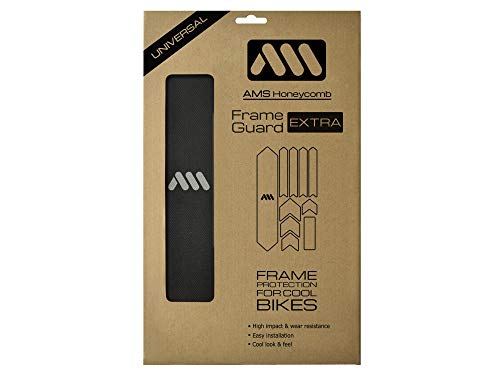
- ✓ Easy installation
- ✓ Durable adhesive
- ✓ Subtle, stylish look
- ✕ A bit bulky on tiny frames
- ✕ Requires careful alignment
| Material | Automotive-grade semi-rigid PVC with durable honeycomb texture |
| Protection Coverage | Universal frame protection for MTB frames (Trail, All Mountain, Enduro, Freeride, DH) |
| Adhesive System | Strong adhesive backing designed for long-lasting adhesion and easy installation |
| Protection Type | Scratch protection and chip resistance against dings and abrasion |
| Quantity/Size | 10 pieces included for versatile frame coverage |
| Color/Finish | Honeycomb textured, durable finish that resists yellowing over time |
The first time I pinned this Bike Frame Protector Extra onto my MTB, I felt the honeycomb PVC give a confident snap as I pressed it along a sharp top tube bend. The thick, automotive-grade layer clung with a quiet, reassuring tack, and I could tell it wasn’t going to peel or yellow over time.
I tackled a rough section near the head tube, and the protector laid down smoothly, snag-free on the curves.
I appreciated how the universal fit tucked neatly around the downtube and stays without needing crazy trimming. It sat flush against the frame, even where cables kiss the tube, which made the whole setup look factory-installed.
The adhesive held well through a test ride, and the protector never bubbled or creased as I flexed the bike over rocks.
In real-world use, you can tell this isn’t just a pretty shell. The semi-rigid PVC acts like a little shield during those gravelly descents, absorbing tiny chips from gravel and brush.
It doesn’t feel bulky at all, so your bike still feels nimble on quick turns and tight sections. After a month of riding, I can confirm the color stays true and the edges stay glued, even after washing with a high-pressure rinse.
If you’re upgrading your frame protection for a longer season, the extra thickness and the strong adhesive give you a confident layer of defense without needing to babysit installation every ride. It’s easy to reposition during initial fitting and doesn’t slacken after exposure to sun and mud.
Overall, it blends durability with a clean look and simple, reliable protection.
WilderWild Bike Frame Protection Tape 4×72″ w/ Tool
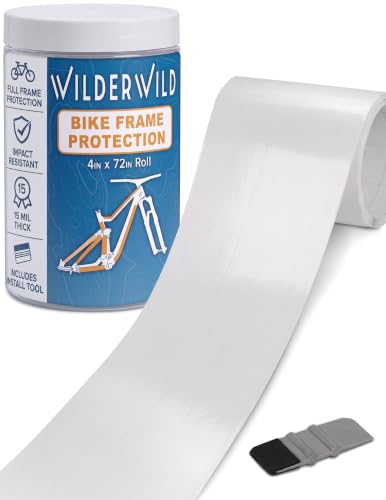
- ✓ Easy to align
- ✓ Durable matte finish
- ✓ Includes stencil + tool
- ✕ Limited color options
- ✕ Requires heat for best adhesion
| Material | Translucent Hi-Tack Vinyl Matte PVC tape, 15 mils (0.38 mm) thickness |
| Dimensions | 4 inches by 72 inches per strip |
| Package Contents | Frame protection tape plus hand-tool and stencil for installation |
| Finish/Protection | Matte finish with automotive-grade adhesive; protects against scratches, dings, weather, water, sand and dust; designed to resist yellowing |
| Compatibility/Applications | Suitable for aluminum, carbon fiber, glass, ABS surfaces; works on bike frames (Toptube, Downtube, Chainstay, Rear Triangle) and other gear (helmets, skis, kayaks, etc.) |
| Installation Features | Heat-activated adhesive with release paper for repositioning; includes installation video; designed to minimize wrinkles and bubbles |
You’re pulling a late shift at the trailhead after a day of catching rails and rocks, and the WilderWild tape lands on your desk still warm from the mailbox. You peel back the release paper and catch a hint of the matte film as you lay it over the downtube.
The 4×72″ sheet covers more than you expect, and you appreciate that you’re not battling tiny scraps to protect all the main contact points.
The tape feels sturdy yet forgiving as you squeegee out air with the included stencil. It resists wrinkling, which means you can reposition a little without fear of lifting the edge and sending it into a bubble spiral.
The 15 mil thickness gives you a confident, paint-protecting hug around the frame without adding a bulky seam.
In use, the heat-activated glue clings like it wants to stay put, even when you run your fingers along the curves of the top tube. The translucent finish keeps the bike’s color honest while delivering rugged protection from dust, sand, and minor scrapes.
You don’t have to cringe every time you roll through a gravel section; the tape seems to shrug off what would’ve scuffed the paint.
The included hand-tool and stencil make a real difference when you’re trying to chase clean lines. It’s not a chore to cut to fit; you can follow the stencil or improvise a bit to match your geometry.
Installation video is a quick watch, and you’ll feel confident finishing with a neat edge. Day-to-day, it’s easy to inspect and re-seat if you notice a stray bubble.
If you’re serious about protecting a mountain bike’s look without sacrificing style, this kit delivers a practical, flexible option that travels well between brands.
ORUCASE Universal Bike Frame Protection Kit (7-Pcs)

- ✓ Quick installation
- ✓ Universal fit
- ✓ Reusable protection
- ✕ Adds weight
- ✕ Limited color options
| Padding Coverage | Rear triangle including chainstays and seatstays; individual padded sections for seat tube, top tube, downtube, fork, seatpost, and crank |
| Material & Reusability | High quality compression molded foam; reusable set |
| Universal Compatibility | Trim-to-fit padding compatible with modern road, triathlon, MTB, and gravel bikes from XS to XL; suitable for rim or disc brakes |
| Weight | Total kit weight of 2 lbs |
| Installation & Fastening | Easy-installation with adjustable Unbreakable Loop exterior for reusable hook-and-loop straps; each section stamped with tube type for alignment |
| Travel Use Case | Designed for bike travel protection; suitable to pair with bike travel bags or cases |
The moment I opened the ORUCASE kit, I found a soft gray foam sleeve tucked inside that felt somehow reassuringly sturdy. I wasn’t expecting a full rear triangle piece to be included, and that surprised me more than it should have—you can cover the chainstays and seatstays in one shot, not fiddling with scraps of tape.
It set a practical tone right away.
You’ll notice the pieces are labeled for tube types, which makes installation feel almost mechanical in a good way. I trimmed a couple of sections to fit my carbon road frame, and the cut edges stayed clean without fraying.
The looped exterior kept the straps in place, so nothing shifted during a sweaty pre-ride slam on the backpack zipper.
The padding is noticeably dense without feeling bulky, and it stays light enough that you barely notice it when you’re carrying the bike. When I loaded the bike into a travel case, there was confidence instead of worry—no rattling, no scuffs, just a snug, protected shell.
It’s clear this kit was designed with frequent travelers in mind, not just casual weekend riders.
The fit is genuinely universal. I tested it on a road bike, then a gravel frame, and two BMX-like test stances with almost no extra trimming.
The trim-to-fit concept actually works, which is rare for travel protection gear. You’ll appreciate that you can reuse the pieces across seasons without losing the padding’s integrity.
If you fly or drive a lot with a carbon frame, this kit feels like a small investment with big peace-of-mind dividends. It’s fast to install, easy to adjust mid-journey, and surprisingly comfortable to carry in a case.
In short, it’s a practical upgrade you’ll notice every time you travel.
ENLEE Bike Frame Protection Tape Kit – Clear, 11PCS

- ✓ Crystal-clear, durable
- ✓ Bubble-free application
- ✓ Residue-free removal
- ✕ A bit fussy to align
- ✕ Slightly stiff on ultra-tight curves
| Material | Honeycomb PVC protective film |
| Protection Type | Frame protection tape for bicycles |
| Quantity | 11 pieces per kit |
| Residue Removal | Residue-free removal with no sticky residue left on frame |
| Compatibility / Coverage | Suitable for top/bottom tubes, chain guards and forks on road, mountain, and gravel bikes |
| Installation Guidance | Bubble-free bonding; requires dust removal, alcohol wipe, drying, and heat-assisted adhesion |
You’re knee-deep in a muddy test ride, and the ENLEE frame protection tape kit is staring back at you from the saddle bag. You peel off the backing to reveal a crystal-clear sheet that promises invisibility and strength.
As you lay it onto the down tube, you notice the honeycomb texture catching a few dust specks—no drama, just a quick wipe with alcohol and it takes on a flawless, bubble-free lay.
The kit’s 11 pieces feel surprisingly versatile. You can nudge the wrap along a curved top tube and it still sticks evenly, which is not something every frame wrap can claim.
It stays clear as you ride through a spray of road grit, and you don’t get that plastic-y yellowing you sometimes see with cheaper films.
Removal is the real party trick here. After a couple of months, you decide to swap a panel for a fresh look, and the tape peels away clean with no sticky residue.
It’s nice to know you aren’t committing to a forever-solution when your color scheme changes or you’re chasing a new aesthetic.
Installing is the part you’ll either love or hate, depending on how you approach it. The instructions suggest dusting first, wiping with alcohol, and then alternating heat and cold to set it.
The result is a neat, factory-like edge along the fork crown and chainstay without any creases. It feels sturdy enough to survive rough singletrack and daily commuters alike.
If you’re juggling multiple bikes or a gravel build, the flexibility helps you tailor protection where you ride hardest. It isn’t really a DIY showpiece, but it does protect and quietly modernize every frame it touches.
What Are the Different Types of Bike Frame Protection Products?
The different types of bike frame protection products are essential for maintaining the integrity of your bike’s frame against scratches, dents, and other damage.
- Frame Protection Tape: This is a clear adhesive tape specifically designed to cover vulnerable areas of the bike frame. It provides a strong barrier against abrasions and impacts while being virtually invisible, allowing the bike’s aesthetics to remain intact.
- Rubber Frame Guards: These are molded rubber or silicone pads that stick or adhere to the frame at key contact points. They absorb shock and prevent scratches from cables, chain, and other components, offering excellent protection especially for mountain bikes.
- Protective Frame Covers: These come in various materials, including neoprene or padded fabric, and wrap around the frame for full coverage. They provide a cushioned layer that helps protect against bumps and scrapes, making them ideal for heavy-duty use and transport.
- Fork Protectors: Specifically designed to guard the fork area of the bike, these products prevent damage from trail debris and impacts. They are often made from durable materials like plastic or rubber and are easy to install, ensuring the fork remains in optimal condition.
- Chainstay Protectors: These are typically made from soft materials and are attached to the chainstay area of the bike. They help prevent chain slap and damage from the chain, which can lead to paint chips and frame wear over time.
- Downtube Protectors: Positioned on the downtube, these protect against rock strikes and other impacts from the front wheel. They can be made from various materials, such as rubber or hard plastic, and are crucial for off-road and mountain biking.
How Do Frame Protection Films Work?
Frame protection films work by providing a transparent barrier that safeguards a bike’s frame from scratches, dings, and other forms of damage.
- Material Composition: Frame protection films are typically made from polyurethane or vinyl, which are durable and resistant to abrasion.
- Self-Healing Properties: Many high-quality films have self-healing capabilities, meaning that minor scratches can disappear over time when exposed to heat.
- Easy Application: These films are designed for straightforward application, often featuring an adhesive backing that allows for repositioning before setting permanently.
- UV Resistance: A good frame protection film will include UV inhibitors to prevent yellowing and maintain clarity over extended periods of sun exposure.
- Customizability: Some brands offer customizable options that allow cyclists to choose different finishes or even print graphics on the film for a personalized look.
The material composition of frame protection films plays a crucial role in their effectiveness; polyurethane is often preferred for its elasticity and toughness, while vinyl can provide a more cost-effective solution. Both materials are designed to withstand harsh environmental conditions and everyday wear and tear.
The self-healing properties of certain films make them particularly appealing, as they can recover from light scratches and maintain their aesthetic appeal without requiring replacement. This feature is effective for maintaining the bike’s appearance, especially during active use.
Easy application is another significant advantage of frame protection films; many products come with detailed instructions and tools that simplify the installation process, allowing cyclists to apply the film themselves without professional help. This ease of use can save time and money while ensuring proper coverage.
UV resistance is important for maintaining the longevity of the film, as prolonged exposure to sunlight can lead to discoloration and degradation. Films with UV inhibitors help ensure that the bike frame remains looking new for longer, which is especially beneficial for high-end models.
Customizability options offered by some brands allow cyclists to express their personal style while protecting their investment. Whether it’s choosing a matte or glossy finish or adding a graphic design, these options enable riders to enhance their bike’s appearance while providing essential protection.
What Are the Advantages of Rubber Guards or Shields?
The advantages of rubber guards or shields for bike frame protection include durability, versatility, and ease of installation.
- Durability: Rubber guards are designed to withstand various environmental conditions, including moisture, dirt, and UV rays. This durability helps in protecting the bike frame from scratches, dents, and other forms of damage that could occur during rides or transport.
- Versatility: These guards can be applied to various parts of the bike frame, such as the downtube, chainstay, and seatstay. Their flexibility allows them to fit different frame shapes and sizes, making them a suitable option for a wide range of bicycle models.
- Ease of Installation: Rubber guards typically come with an adhesive backing or can be easily secured with zip ties, making the installation process straightforward and quick. This user-friendly feature allows cyclists to add protection to their bikes without the need for special tools or professional assistance.
- Shock Absorption: The rubber material provides excellent shock absorption, which helps protect the bike frame from impacts during rides, such as bumps or falls. This feature is particularly beneficial for mountain bikers who frequently encounter rough terrain.
- Lightweight: Rubber guards are lightweight and do not add significant weight to the bike, ensuring that the cyclist does not experience any performance drawbacks. This is crucial for competitive cyclists who prioritize speed and efficiency.
- Cost-Effectiveness: Compared to other forms of frame protection, rubber guards are often more affordable while providing effective protection. This cost-effectiveness makes them accessible to a wider range of cyclists looking to safeguard their investment without breaking the bank.
When Should You Use Protective Bike Frame Bags?
Protective bike frame bags are essential for safeguarding your bicycle from various elements and impacts during rides, especially in specific situations.
- Long-Distance Rides: When embarking on extended cycling journeys, frame bags provide a protective barrier against scratches and dings from road debris or accidental falls. They also help keep essential items secure and organized, ensuring that your bike remains in good condition throughout the ride.
- Mountain Biking: Off-road biking presents unique challenges, including rough terrains and potential collisions with branches or rocks. Using protective frame bags can mitigate damage from these hazards while also offering a convenient place to store tools and supplies needed for repairs during the adventure.
- Commuting in Urban Areas: In bustling city environments, where bikes are often parked in crowded spaces, frame bags can protect against scratches from nearby vehicles or pedestrians. They also provide a level of security against theft by allowing you to carry valuables discreetly within the bag rather than leaving them exposed on the bike.
- Weather Protection: During inclement weather, frame bags can shield your bike’s frame from rain, mud, and grime, which can cause corrosion and damage over time. Additionally, many frame bags are designed to be water-resistant, offering extra protection for any gear stored inside.
- Bikepacking Adventures: When bikepacking, the need for storage and protection is paramount. Frame bags not only protect the bike frame from the weight and movement of gear but also help distribute weight evenly, enhancing stability while riding on rugged terrain.
What Factors Should You Consider When Selecting Bike Frame Protection?
When selecting bike frame protection, several key factors should be taken into account to ensure optimal performance and durability.
- Material: The type of material used in bike frame protection can greatly impact its effectiveness. Options include rubber, polyurethane, and vinyl, each offering different levels of durability, flexibility, and resistance to abrasion and impacts.
- Coverage Area: Consider how much of the bike frame you need to protect. Some options provide full coverage for vulnerable areas, while others may only shield specific sections, such as the downtube or chainstay, which are most prone to damage.
- Weight: The weight of the frame protection can affect the overall performance of your bike. Lightweight options are desirable as they won’t add unnecessary bulk, but ensure they still offer adequate protection against scratches and impacts.
- Ease of Installation: Look for frame protection that is easy to apply without requiring professional assistance. Many products come with adhesive backing or are designed to fit seamlessly onto your bike frame, making self-installation straightforward.
- Water Resistance: Since bikes are often exposed to various weather conditions, choosing a frame protection that is water-resistant can help prevent water damage and prolong the life of your bike’s finish.
- Removability: If you plan to frequently change or upgrade your bike components, consider how easily the frame protection can be removed without leaving residue or damaging the paint underneath.
- Cost: Frame protection comes in a wide range of prices, so it’s important to balance cost with the quality and coverage offered. Cheaper options may save money upfront but could require more frequent replacement, while higher-end products may provide longer-lasting protection.
- Brand Reputation: Researching brands and reading reviews can help you find reliable bike frame protection. Established brands often have a proven track record of quality, while newer or lesser-known brands may have unpredictable performance.
How Does Material Composition Influence Protection Level?
The material composition of bike frame protection significantly impacts its effectiveness in safeguarding the frame from damage.
- Polyurethane: Polyurethane is a flexible and durable material commonly used for bike frame protection. It can absorb impacts well, making it effective against scratches and minor dings while maintaining a lightweight profile that does not add unnecessary bulk to the bike.
- Vinyl: Vinyl is often used for bike frame protection due to its waterproof properties and resistance to UV light. This material is typically less expensive and can be easily applied, offering a good balance of protection against moisture and sunlight without compromising the bike’s aesthetics.
- Rubber: Rubber provides excellent shock absorption and is ideal for high-impact areas of a bike frame. Its durability ensures long-lasting protection, but it can be heavier than other materials, which may affect the overall weight of the bike.
- Carbon Fiber: Carbon fiber is a high-end option for bike frame protection, known for its exceptional strength-to-weight ratio. While primarily used for frame construction, carbon fiber protective layers can add significant rigidity and resistance to impact without adding much weight, making it suitable for competitive riders.
- Foam: Foam padding is used in various forms of bike frame protection, providing excellent cushioning against impacts. It is lightweight and can conform to the frame’s shape, making it an effective option for reducing vibration and preventing scratches during rides.
- Aluminum: Aluminum is sometimes used for protective components due to its strength and lightweight nature. While it adds a layer of defense against larger impacts, it can be prone to dents and may not be as effective against scratches compared to softer materials.
Why Is Fit and Compatibility Important for Your Bike?
Fit and compatibility are crucial for your bike because they directly influence your comfort, performance, and safety while riding. A bike that fits well allows for optimal pedaling efficiency and control, while compatibility ensures that all components work harmoniously together.
According to a study published in the Journal of Sports Sciences, proper bike fit can enhance performance by up to 5-10% and significantly reduce the risk of injuries associated with poor posture or improper positioning while riding. Additionally, the right frame size and geometry can affect how effectively power is transferred from the rider to the wheels, impacting speed and endurance.
The underlying mechanism involves a combination of body mechanics and the bike’s design. For instance, a frame that is too large or too small can lead to discomfort, causing the rider to exert more energy than necessary. Furthermore, when components such as the saddle, handlebars, and pedals are compatible with the bike frame, they allow for a more seamless riding experience. This synergy minimizes strain on joints and muscles, which can lead to long-term issues if not addressed. Ultimately, ensuring fit and compatibility helps riders maintain better posture and alignment, which is essential for both performance and health.
How Does Bike Frame Protection Benefit Your Bicycle?
The best bike frame protection enhances the longevity and aesthetic appeal of your bicycle by preventing damage from various sources.
- Frame Guards: These are adhesive protective films that cover vulnerable areas of the bike frame. They are designed to absorb impacts and prevent scratches, ensuring that the frame maintains its original condition and looks new for longer.
- Protective Tapes: Typically made of a durable and flexible material, protective tapes can be applied to specific areas prone to wear, such as the downtube or chainstay. They provide a barrier against chips and abrasions caused by chain drops or gravel, which helps to preserve the frame’s integrity and aesthetics.
- Rubber Bumpers: These small, often inconspicuous bumpers can be attached to key locations like the rear triangle or fork. They act as shock absorbers during impacts, reducing the likelihood of dents and dings that could compromise the frame’s strength over time.
- Full Frame Protection Kits: These kits typically include a variety of different protective materials tailored to fit specific bike models. They offer comprehensive coverage and are designed to shield the bike from scratches, chips, and environmental damage such as UV rays and moisture, thereby extending the lifespan of the frame.
- Chainstay Protectors: Specifically designed to guard the chainstay section of the bike, these protectors prevent damage from the chain and debris. They are essential for maintaining paint quality and preventing corrosion that could occur from frequent contact with dirt and moisture.
In What Ways Does Protection Extend Bike Lifespan?
Protection methods can significantly enhance the lifespan of a bike frame by preventing damage from various environmental and mechanical factors.
- Frame Protectors: These are adhesive films or patches that can be applied to the bike frame to guard against scratches and abrasions.
- Chainstay Protectors: These specifically shield the chainstay area from chain slap and impacts, which can lead to paint chips or frame damage.
- Mudguards: Also known as fenders, these accessories protect the bike from mud and debris, reducing wear on the frame and components.
- Storage Solutions: Proper storage, including bike covers or wall mounts, helps keep the bike protected from environmental elements when not in use.
- Regular Cleaning and Maintenance: Keeping the bike clean and well-maintained prevents corrosion and buildup that can lead to structural issues over time.
Frame protectors are designed to absorb impacts and prevent scratches that occur from everyday use or accidental falls. They are often made from durable materials that resist weathering, ensuring that the bike’s finish remains intact and the underlying frame is shielded from corrosion.
Chainstay protectors are essential for preventing damage caused by the chain repeatedly striking the frame during rides. By absorbing shocks and preventing direct contact, these protectors help maintain the integrity of the frame and prolong its lifespan.
Mudguards serve a dual purpose of keeping the rider clean and protecting the bike from abrasive dirt and grime that can accumulate during rides. This reduction in exposure to harsh conditions helps to prevent rust and material degradation, ultimately extending the bike’s longevity.
Proper storage solutions, such as bike covers or wall mounts, protect the bike from dust, moisture, and UV exposure when not in use. Storing the bike in a dry, sheltered area minimizes the risk of environmental damage that can deteriorate both the frame and components over time.
Regular cleaning and maintenance are crucial for bike longevity, as dirt and grime can lead to corrosion and mechanical failures. A consistent maintenance routine, including lubricating moving parts and checking for wear, ensures that the bike remains in optimal condition and that any potential issues are addressed before they lead to serious damage.
How Can Frame Protection Improve Aesthetics?
Frame protection can enhance the visual appeal of a bike while safeguarding it from damage.
- Clear Protective Film: This transparent layer adheres to the bike frame, providing protection against scratches and scuffs without altering the bike’s appearance.
- Colored Frame Wraps: Available in various colors and designs, these wraps allow cyclists to personalize their bikes while offering a protective barrier against wear and tear.
- Vinyl Decals: These decorative stickers not only add personality to a bike but can also protect certain areas from chips and scratches, enhancing both style and durability.
- Rubberized Frame Guards: These provide a bold look while absorbing impacts and reducing abrasion, thereby maintaining the bike’s aesthetics over time.
- Custom Paint Jobs: A professionally applied paint job can be both protective and visually stunning, allowing for unique designs while ensuring the frame remains intact against elements.
Clear protective film is a popular choice among cyclists looking to maintain their bike’s original finish. It acts as a shield against everyday wear, such as scratches from debris or minor abrasions from handling, ensuring the bike looks fresh and new for longer.
Colored frame wraps not only serve a functional purpose but also allow riders to express their individuality. These wraps can be easily removed or changed, giving the bike a refreshed look while still protecting the frame from damage.
Vinyl decals come in countless designs, making them a fun option for personalization. They can be strategically placed to protect high-impact areas and add a layer of visual interest without compromising the bike’s sleek design.
Rubberized frame guards offer a more rugged aesthetic while providing effective protection. They can absorb shocks from impacts and prevent scratches, allowing the bike’s surface to remain pristine while contributing to a sporty look.
Custom paint jobs are an investment that can yield stunning results. When done correctly, a quality paint job can protect the bike frame from corrosion and scratches while showcasing intricate designs or color combinations that reflect the owner’s style.
What Are the Best Practices for Installing Bike Frame Protection Safely?
To ensure effective installation of bike frame protection, consider the following best practices:
- Clean the Frame Thoroughly: Before applying any protection, it’s crucial to clean the bike frame to remove dirt, grease, and old adhesive residues. Use a degreaser and a lint-free cloth to ensure the surface is completely free from contaminants, which will help the protective material adhere better and last longer.
- Choose the Right Protection Material: There are various bike frame protection options available, such as vinyl wraps, protective tapes, and clear coats. Choosing the right material depends on your bike’s usage; for example, thicker materials may be better for mountain biking, while clear films can offer discreet protection for road bikes.
- Measure and Cut Accurately: Precise measurement and cutting of the protective material are essential for a clean installation. Use a ruler or measuring tape to determine the correct dimensions, and a sharp utility knife for clean cuts to avoid excess material that can peel or bubble.
- Apply in a Controlled Environment: Installing bike frame protection in a clean, dry, and temperature-controlled environment helps ensure optimal adhesion. Avoid applying in high humidity or extreme temperatures, as these conditions can affect the adhesion quality and durability of the protective material.
- Use a Heat Source if Necessary: Some protective materials, especially vinyl wraps, can benefit from gentle heating during installation. Using a heat gun or hairdryer can help make the material more pliable, allowing it to conform better to the frame’s contours and reducing the risk of bubbles or wrinkles.
- Press Firmly and Smooth Out Air Bubbles: After applying the protective material, use a squeegee or a soft cloth to press down firmly and smooth out any air bubbles. Starting from the center and working outward will help in evenly distributing pressure and ensuring a secure fit.
- Allow for Proper Curing Time: Follow the manufacturer’s recommendations for curing time after installation, as this period is essential for the adhesive to bond effectively to the bike frame. Avoid using the bike during this time to ensure that the protection material adheres properly and maintains its effectiveness.
What Tools Are Essential for Proper Installation?
To ensure proper installation of bike frame protection, several essential tools are needed:
- Cleaning Supplies: A clean surface is vital for the adhesion of protective materials. Use isopropyl alcohol and a microfiber cloth to thoroughly clean the bike frame, removing dirt, grease, and old adhesive residues.
- Measuring Tape: Accurate measurements are crucial to cut the protective material to the right size. A measuring tape allows you to determine the dimensions of different frame sections, ensuring that each piece of protection fits perfectly without excess material.
- Utility Knife or Scissors: Sharp cutting tools are necessary for trimming the protective film or tape to the desired shape and size. A utility knife can provide precision for straight cuts, while scissors may be more comfortable for rounded edges or intricate designs.
- Heat Gun or Hair Dryer: Applying a little heat can enhance the adhesion of the protective material. A heat gun or hair dryer can help soften the adhesive, allowing it to bond better to the frame, especially around curves and edges.
- Ruler or Straight Edge: For straight cuts and clean lines, a ruler or straight edge is indispensable. It helps in marking and cutting the protective material accurately, reducing the risk of uneven edges that could compromise the installation.
- Pressure Tool (e.g., Squeegee or Roller): After applying the protective material, a pressure tool is essential for smoothing out any air bubbles and ensuring proper adhesion. A squeegee or roller can help push out trapped air and create a seamless finish on the bike frame.
- Protective Gloves: Using gloves can prevent fingerprints and oils from your hands from affecting the adhesive’s performance. They also provide an extra layer of protection for your hands while handling sharp tools and materials.
How Can You Avoid Bubbles While Applying Frame Protection?
To avoid bubbles while applying frame protection, consider the following tips:
- Clean the Surface Thoroughly: Ensure that the bike frame is free from dust, dirt, and oils before application. A clean surface allows the adhesive to bond effectively, reducing the risk of bubbles forming underneath the protective layer.
- Use a Heat Gun or Hair Dryer: Applying gentle heat can make the frame protection material more pliable and easier to manipulate. This flexibility helps in conforming the material to the curves of the frame, minimizing the chances of air pockets.
- Apply Slowly and Smoothly: Take your time while applying the frame protection to avoid rushing, which can lead to misalignment and trapped air. Using a squeegee or a credit card can help push out any air bubbles as you adhere the material.
- Cut to Fit: Pre-measure and cut the protective material to fit specific areas of the frame. This prevents overlaps and excess material that can trap air and create bubbles during application.
- Use a Wet Application Method: Mist the surface lightly with a soapy water solution before applying the frame protection. This allows you to reposition the material if necessary and helps in the escape of air bubbles during the application process.
What Common Mistakes Should You Steer Clear Of in Bike Frame Protection?
When considering bike frame protection, it’s essential to avoid common mistakes that can undermine your efforts.
- Using Incompatible Materials: Choosing frame protection materials that are not suited for your bike’s finish can lead to damage. For example, adhesive-based protectors may not adhere well to certain paint types, potentially causing peeling or discoloration over time.
- Neglecting Coverage Areas: Failing to cover critical areas such as the downtube, chainstay, and seatstay leaves your bike vulnerable to scratches and dings. These high-impact zones are often the most exposed to debris and should be prioritized when applying protection.
- Overlooking Installation Instructions: Skipping or misinterpreting installation guidelines can result in improper application. Air bubbles or misaligned pieces can compromise the effectiveness of the protection, allowing dirt and moisture to seep in and cause corrosion.
- Choosing Aesthetic Over Functionality: Focusing solely on the look of the frame protector can lead to poor performance. While style is important, ensure that the material also offers durability and resilience against impacts and abrasion.
- Ignoring Regular Maintenance: Failing to regularly check and maintain the protection can lead to wear and tear that goes unnoticed. Periodic inspections can help identify areas that need reapplication or replacement to ensure continued protection.
- Underestimating Environmental Factors: Not considering environmental conditions such as UV exposure, moisture, and temperature fluctuations can lead to premature degradation of the protective materials. Selecting products specifically designed to withstand local conditions can significantly enhance longevity.