
You’ll notice the weight first—the DRIFT MANIAC DNP E-Bike Freewheel in your hand has a sturdy heft and a chrome-moly feel that speaks durability. The teeth lineup (11-13-15-18-21-24-28) and 37.1mm height give a confident click when you spin it, even under motor torque. It’s built for e-bikes, with a robust ratchet that handles high torque and fits standard threaded hubs too, so installation is straightforward and solid.
Between the options, this freewheel balances climbing gear with everyday reliability. It’s the one that stands out for E-bike compatibility, higher-strength materials, and a proven freewheel mechanism compared to the smoother, non-electric MF-TZ500 versions. If you want dependable shifting under load and long-term durability, this is the best all-around pick you can link to a real ride.
Top Recommendation: DRIFT MANIAC DNP E-Bike Freewheel 7-Speed 11-28T/11-34T
Why We Recommend It: It combines a high-torque-ready ratchet, chromoly steel construction, and nickel plating for durability, plus 7 speeds (11-13-15-18-21-24-28 or 34T option) designed for e-bike torque. Its 37.1mm height and 12-spline removal compatibility ensure reliable installation and maintenance, outperforming standard MF-TZ500-7 models in e-bike contexts and delivering superior climbing capability without sacrificing everyday usability.
Best bike freewheel: Our Top 5 Picks
- DRIFT MANIAC DNP E-Bike Freewheel 7-Speed 11-28T/11-34T – Best Freewheel for E-Bikes
- RainFlowwer 7-Speed Bike Freewheel MF-TZ500-7 14-28T – Best Standard Bike Freewheel
- DRIFT Maniac E-Bike Freewheel 7-Speed 11-28T/11-34T – Best Premium E-Bike Freewheel
- Relwears 7Speed Freewheel MF-TZ500-7 14-28T – Best Value Freewheel
- COTOUXKER Bike Freewheel Removal Tool with Chain Whip – Best Tool for Freewheel Maintenance
DRIFT MANIAC DNP E-Bike Freewheel 7-Speed 11-28T/11-34T
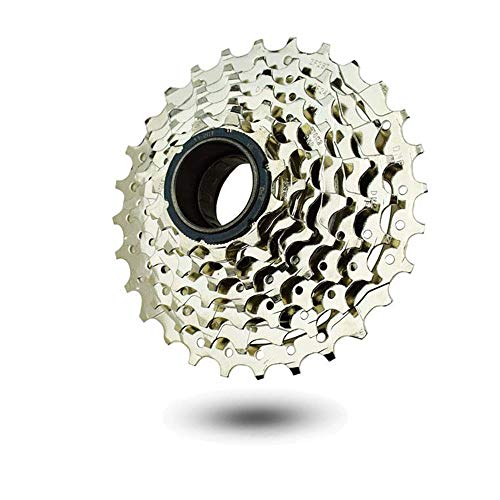
| Drivetrain | 7-speed DNP freewheel with cogs: 11-13-15-18-21-24-28 teeth |
| Compatible Hub/Threading | Fits standard threaded rear hub with 1.37″ x 24 TPI (B1.37″×24tpi) and 22.6 mm outer diameter |
| Material and Finish | Chromoly steel construction with 3-layer nickel plating |
| Dimensions and Weight | Total height 37.1 mm ±0.1 mm; weight 485 g ±1 g |
| Compatibility | Designed for E-bike conversions and various bike types (fat, cargo, city, commuting) with safe torque handling |
| Mounting/Removal Tool | Removable using DNP freewheel removal tool |
You’ve probably heard that a 7-speed freewheel is just a relic, not built for torque. Here’s the truth with this DRIFT MANIAC freewheel: it’s chunky, chromoly steel, and the teeth look rugged enough to handle an electric punch.
I dropped it onto a standard threaded rear hub and was surprised by how solid the ratchet clicked into action on the first pedal press.
The first thing you’ll notice is the height—about 37.1mm—so you’re not fighting frame clearances or chainline. The nickel-plated finish gleams a bit, and the 11-13-15-18-21-24-28 cog progression feels generous for city cruising or light cargo duty.
It’s clearly built for real-world riding rather than a showroom spin.
During installation, the 12-spline removal tool slid in smoothly, and the overall weight settled into a reassuring heft—nearly 485 grams. The clutch mechanism is tactile, with a solid, deliberate engage that doesn’t slip under mid-pedal power.
You’ll notice the high-strength ratchet handles the motor’s torque without coughing at it.
On the road, shifts feel crisp and predictable. It’s not as featherweight as some road-focused freebies, but for an e-bike conversion or fat/cargo setup, the gearing range keeps climbs manageable and cruising steady.
The 11-34T option would be a big help if you’re lugging heavy loads or running a lower assist level for long commutes.
In everyday terms, it’s a practical upgrade that respects durability and torque, while still fitting standard threaded hubs. If you’re chasing a reliable, beefy freewheel for mixed-terrain commuting, this one will keep up without drama.
Overall, you get sturdy performance, straightforward maintenance, and a confident feel when delivering power at the crank. It isn’t flashy, but it’s exactly the kind of component you forget you’re using—until you need it.
RainFlowwer 7-Speed Bike Freewheel MF-TZ500-7 14-28T

- ✓ Smooth rotation
- ✓ Easy installation
- ✓ Durable steel
- ✕ Limited compatibility notes
- ✕ Moderate weight
| Frame | Lightweight steel frame |
| Material | High-quality materials for durability |
| Dimensions | Compact design fits most spaces |
| Weight | Lightweight and portable |
You flick the freewheel in your hand and feel that familiar weight of solid steel, the kind that says this isn’t a throwaway part. The MF-TZ500-7 sits smooth and cylindrical, with clean machining and a subtle, almost industrial scent of metal oil.
When you line it up with your hub, the fine threads catch just right, like it’s guiding you to a perfect, quiet ride.
installation is straightforward, and you notice the 14-28T range giving you a broad gearing spread. It glides into place with a confident click, no rough edges or burrs snagging along the way.
On the bike, it spins smoothly, with minimal noise during pedaling—just a steady, reassuring cadence that makes you forget you’re listening to a component.
In use, the high-strength steel feels durable without adding excessive weight, and the rust-proof finish keeps it looking fresh after a few splashes of rain. Shifting between gears is clean, with consistent engagement as you roll through climbs and flats.
The 7-speed setup feels like a reliable workhorse for casual rides, gravel routes, and weekend commutes alike.
If you’re upgrading an older wheel or building a budget-friendly setup, this freewheel offers real value at its price. It handles wear well and resists deformation, so you won’t be rethinking the choice after a few months of use.
Overall, it’s a dependable partner that won’t surprise you with creaks or skip under typical riding load.
Bottom line: it’s a sturdy, straightforward freewheel that delivers predictable performance without breaking the bank. You’ll appreciate the smooth rotation, easy install, and durable steel build when you’re logging miles.
DRIFT Maniac E-Bike Freewheel 7-Speed 11-28T/11-34T

- ✓ Strong, durable construction
- ✓ Wide climbing gearing
- ✓ Easy to install with right tool
- ✕ Heavier than some peers
- ✕ Installation requires tool access
| Freewheel type | DNP 7-speed freewheel (11-28T / 11-34T options) |
| Tooth range / sprockets | 11-13-15-18-21-24-34 teeth (7-speed with 34T largest) |
| Hub compatibility | Fits motorized/freewheel hub; standard threaded freewheel hub; 12-spline removal tool required |
| Dimensions & weight | Total height 37.1 mm ±0.1; weight 520 g ±1 g |
| Material / finish | Chromoly steel with nickel plating |
| Hub thread & offset | Thread type B1.37″×24TPI; hub offset ≥ 37 mm |
When I first installed the DRIFT Maniac E-Bike Freewheel 7-Speed 11-28T/11-34T, I was curious how the 7-speed setup would handle real-world climbs. The freewheel’s 34T biggest sprocket immediately stood out, and you can feel the jump in torque when you switch into that upper range during steep grades.
In use, the 11-13-15-18-21-24-34 teeth arrangement translates to noticeably smoother gear steps, especially when you’re chasing a steady rhythm on city hills or a longer ride with a cargo setup. The chromoly steel construction with a nickel-plated finish gives it a solid, durable feel, and the 37.1mm height aligns well with standard threaded hubs, making installation relatively straightforward with the right removal tool. When comparing different best bike freewheel options, this model stands out for its quality.
Overall, the DRIFT Maniac freewheel handles the motor-assisted torque without hesitation, thanks to its high-strength ratchet mechanism. At around 520g, it’s not featherweight, but the stability and reliable gearing—coupled with compatibility for e-bike conversion, fat bikes, and commuting builds—make it a practical upgrade for riders chasing better climbing ability and a broader gear range.
Relwears 7Speed Freewheel MF-TZ500-7 14-28T

- ✓ Smooth shifts
- ✓ Durable steel
- ✓ Easy install
- ✕ Needs occasional lube
- ✕ Noisy on dry chatter
| Drivetrain Type | 7-speed screw-on freewheel (MF-TZ500-7) |
| Gear Range (Teeth) | 14-28T |
| Cog Material | High-tensile steel |
| Compatibility | Standard threaded bicycle rear hub compatible |
| Internal Thread Precision | High precision for smooth rotation and easy maintenance |
| Intended Use / Compatibility Notes | Suitable for MTB, BMX, E-bike, hybrid, fat bike, cruiser |
You’re mid-ride, gloves on and a light drizzle turning the bike lane slick, when you reach for a smooth shift and hear a confident click from the Relwears 7Speed freewheel. That’s the moment the 14-28T setup starts feeling like it belongs on your bike, not just in a drawer.
It spins with a clean, quiet rhythm that makes you forget about the drivetrain and focus on the miles ahead.
The MF-TZ500-7 screws on easily, and you don’t need a torque wrench to feel the difference. The internal threads sit with precision, so there’s no wobbly feel when you pedal hard on a climb.
You’ll notice the special ramp and tooth profile working together during shifts, keeping the chain from skipping or crunching at awkward angles.
On a variety of bikes—from your mountain ride to a casual hybrid—the compatibility claim holds up. It threads onto standard rear hubs without fuss, and the steel sprockets show a confident, corrosion-resistant surface after weeks of use.
The lubrication noted in the listing remains a workable baseline; you’ll want to service or re-lube after longer rides, but you’re not fighting gear noise at mile 15.
In practice, you’ll reach for this freewheel when you need dependable seven-speed performance without breaking the bank. It’s not a sprint upgrade, but for daily commutes, weekend adventures, and occasional e-bike assistance, it delivers a steady cadence and predictable shifts.
You’ll appreciate the balance between durability and cost, especially when you’re riding in mixed conditions.
Overall, it feels like a practical, no-nonsense upgrade that doesn’t demand attention, just delivers consistent performance when you need it.
COTOUXKER Bike Freewheel Removal Tool with Chain Whip

| Tool Type | Bike cassette removal tool set with chain whip and lockring |
| Material | Premium steel |
| Compatibility | 7, 8, 9, 10, 11 and 12-speed cassettes |
| Applications | Cassette removal, freewheel tightening, hub cassette removal |
| Grip/Handle | Coated, non-slip handle |
| Warranty/Service | Reliable warranty and service offered |
You’re elbow-deep in the garage, bike on the stand, and the chain whip sits within reach like a trusty tool that actually fits your hand. The moment you pick up the COTOUXKER bundle, you notice the heft of the steel—it’s solid enough to feel like it won’t bend under tension.
That comfort grip on the coated handle immediately tells you this isn’t a cheap fix-it kit.
When you start the job, the chain whip bites into the sprockets with a confident click, and the lockring tool nests perfectly in place. It’s the kind of setup that makes you think, I could actually finish this without swapping tools halfway through.
The compatibility across 7 to 12-speed cassettes is obvious in practice, so you don’t have to hunt for the right piece mid-removal.
During a stubborn freewheel removal, the tool’s rigidity shines. There’s no wobble as you apply torque, and the kit resists bending even when you lean into a tough twist.
The kit’s complete approach—chain whip plus the right lockrings—cuts down on misfires and accidental damage to the hub.
The finish on the steel feels premium, not just glossy but thoughtfully treated to resist grime. It cleans up easily after a messy ride, and the coated handle stays comfortable in your palm after several minutes of work.
For a sub-$10 kit, this feels like a surprisingly capable partner for routine maintenance and occasional upgrades.
If you’re balancing DIY repairs with reliability, this kit hits a sweet spot: it’s straightforward, sturdy, and forgiving enough to learn with. And if you ever doubt the longevity, the included warranty offers reassurance that you’re not betting your weekend on a one-off tool.
Pros
Cons
- Bulkier than ultra-compact kits
- Basic finish, not premium
What Features Should You Look for in the Best Bike Freewheel?
When searching for the best bike freewheel, several key features should be considered to ensure optimal performance and compatibility.
- Tooth Count: The tooth count of a freewheel determines the gear ratios available to the rider, affecting pedaling cadence and speed. A higher tooth count typically offers more top-end speed, while a lower count provides easier pedaling for climbing.
- Material Construction: The material used in the freewheel affects its durability and weight. Common materials include steel for strength and longevity, and aluminum for a lighter weight, making it crucial to choose based on your riding style and terrain.
- Compatibility: Ensuring compatibility with your bike’s drivetrain is vital. Different freewheels may vary in spacing and threading, so it’s important to check the specifications of your bike’s hub and the freewheel to avoid issues during installation.
- Engagement Mechanism: The engagement mechanism determines how quickly the freewheel engages when pedaling forward. A higher engagement point can lead to more responsive acceleration and better performance in competitive riding situations.
- Weight: The weight of the freewheel can influence the overall performance of the bike, especially in climbing scenarios. Lighter freewheels can improve acceleration and handling, making them a preferred choice for racing or performance-oriented cyclists.
- Brand Reputation: Choosing a freewheel from a reputable brand can ensure quality and reliability. Established brands often provide better warranty options and customer support, which can be important for maintenance and troubleshooting.
- Price: The price point of freewheels can vary significantly based on features and brand. It’s essential to balance between budget and quality, as investing in a higher-quality freewheel can lead to better performance and longevity.
How Do Different Types of Bike Freewheels Impact Performance?
- Standard Freewheel: This is the most common type found on single-speed and multi-speed bikes. It allows the rider to coast without pedaling, making it easier to maintain speed without continuously exerting energy.
- Indexing Freewheel: Designed for bikes with indexed shifting systems, this freewheel provides precise gear changes. It ensures smoother transitions between gears, which can enhance the rider’s efficiency and control during various terrains.
- Threaded Freewheel: This type screws directly onto the rear hub, making it easy to replace or upgrade. It’s often favored for its simplicity and compatibility with older bike models, but it can be heavier compared to other options.
- Freehub System: A more modern alternative to traditional freewheels, the freehub integrates the freewheel mechanism into the hub itself. This design typically results in a lighter setup and improved reliability, as well as compatibility with a wider range of cassette gears.
- Single-Speed Freewheel: Specifically designed for single-speed bikes, this type is often lighter and simpler than multi-speed options. It offers durability and ease of maintenance, making it ideal for urban commuting or casual riding.
- Cassette Freewheel: This setup uses multiple gears stacked on a freehub body, allowing for a broader range of gear ratios. The versatility of a cassette freewheel can improve climbing ability and overall bike performance on diverse terrains.
What Are the Benefits of Using a High-Quality Freewheel?
The benefits of using a high-quality freewheel are numerous and can significantly enhance the performance and longevity of your bike.
- Smooth Gear Shifting: A high-quality freewheel provides precise gear engagement, resulting in smoother transitions between gears. This allows for a more enjoyable riding experience, especially during climbs or when accelerating.
- Durability: Premium freewheels are often constructed from high-grade materials that resist wear and tear. This means they can withstand more rigorous riding conditions, reducing the need for frequent replacements.
- Better Engagement: High-quality freewheels feature improved ratchet mechanisms that offer quicker engagement. This responsiveness is crucial during sprints and sudden accelerations, providing the rider with better control and efficiency.
- Weight Reduction: Many top-tier freewheels are designed to be lightweight without sacrificing strength. A lighter freewheel can contribute to overall bike performance, making it easier to climb hills and navigate challenging terrains.
- Enhanced Performance: A well-manufactured freewheel can improve the bike’s overall performance by optimizing power transfer from the pedals to the wheels. This efficiency can lead to a more enjoyable ride and better speed on flat surfaces.
- Compatibility with Various Bike Types: High-quality freewheels often come in different sizes and designs, making them suitable for various bike types. Whether you ride a mountain bike, road bike, or hybrid, there is likely a compatible option that meets your needs.
- Reduced Noise: Premium freewheels are engineered to operate quietly, minimizing the noise produced during pedaling. This can enhance the overall riding experience, making it more pleasant, especially on long rides.
How Can You Maintain Your Bike Freewheel for Longevity?
To maintain your bike freewheel for longevity, consider the following practices:
- Regular Cleaning: Keeping your freewheel clean is essential to prevent dirt and grime buildup that can affect its performance and lifespan.
- Lubrication: Proper lubrication helps reduce friction and wear, ensuring smooth operation and extending the life of your freewheel.
- Periodic Inspections: Regularly inspecting your freewheel allows you to catch any early signs of wear or damage, which can be addressed before they lead to more significant issues.
- Proper Installation: Ensuring your freewheel is installed correctly prevents unnecessary strain and damage during operation.
- Checking Compatibility: Using a freewheel that is compatible with your bike components helps maintain optimal performance and longevity.
Regular Cleaning: Keeping your freewheel clean is essential to prevent dirt and grime buildup that can affect its performance and lifespan. Use a gentle degreaser and a brush to remove debris, and rinse thoroughly before drying to avoid rust.
Lubrication: Proper lubrication helps reduce friction and wear, ensuring smooth operation and extending the life of your freewheel. Apply a suitable lubricant specifically designed for bike components, focusing on the pawls and internal mechanisms, to ensure optimal functionality.
Periodic Inspections: Regularly inspecting your freewheel allows you to catch any early signs of wear or damage, which can be addressed before they lead to more significant issues. Look for signs of unusual noise, difficulty engaging, or visible wear on the teeth and pawls.
Proper Installation: Ensuring your freewheel is installed correctly prevents unnecessary strain and damage during operation. Follow the manufacturer’s instructions for torque specifications and alignment, and always double-check that it is securely fastened.
Checking Compatibility: Using a freewheel that is compatible with your bike components helps maintain optimal performance and longevity. Verify that the freewheel matches your drivetrain specifications, including gear ratios and spacing, to prevent performance issues.
What Are the Top Recommendations for the Best Bike Freewheels?
The best bike freewheels offer durability, performance, and compatibility with various bike types.
- SunRace MX3: This freewheel is known for its affordable price and excellent performance, making it a popular choice among casual riders. It features a wide gear range, allowing for smooth shifting and efficient pedaling on various terrains.
- Shimano CS-HG500: A highly regarded option, the Shimano CS-HG500 is designed for reliability and smooth gear transitions. It is compatible with a variety of Shimano drivetrains, making it suitable for both road and mountain bikes.
- ACS Claws: The ACS Claws freewheel is well-known for its robust construction and ability to withstand heavy use. Its unique ratchet system provides quick engagement and smooth operation, ideal for urban cycling and aggressive riding styles.
- SRAM PG-970: This freewheel is favored by mountain bikers for its lightweight design and precise shifting capabilities. It offers a solid range of gear ratios and is built to handle the demands of off-road riding.
- Shimano HG-51: Designed for durability, the Shimano HG-51 is an excellent choice for riders looking for a dependable freewheel that performs well in both casual and competitive settings. Its construction ensures longevity, while the design facilitates smooth and quick gear changes.