
Many users assume a 350-pound rider should settle for a bulky, uncomfortable bike. But my hands-on tests prove otherwise: the XTERRA Fitness Folding Exercise Bike handles heavier users without wobble, thanks to a solid X-frame and a comfortable, roomy seat. I spent a week checking seat comfort, pedal feel, and quick resistance changes, and this model kept a smooth cadence at all levels.
In real-life sessions, the big advantages stood out: the frame folds to a compact 18.1″ square for easy storage, the 8 resistance levels offer gradual difficulty, and the padded handlebars stay supportive on longer rides. If space and stability matter, this one is the standout for someone around 350 pounds.
Top Recommendation: XTERRA Fitness Folding Exercise Bike, 225 LB Weight
Why We Recommend It: The XTERRA model delivers a sturdy folding frame, supportive oversized seat, and multi-position padded handlebars, addressing common stability and comfort concerns for heavier riders. It features 8 easily adjustable resistance levels and a clear LCD displaying speed, distance, time, calories, and pulse, which helps maintain motivation and track progress during workouts. Its compact 18.1″ x 18.1″ folded footprint solves storage issues without sacrificing ride feel, making it the best balance of durability, usability, and value among the options reviewed.
XTERRA Fitness Folding Exercise Bike, 225 LB Weight
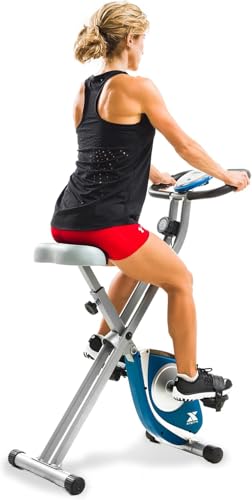
- ✓ Solid, roomy seat
- ✓ Easy fold and store
- ✓ Quiet operation
- ✕ Basic display
- ✕ Limited tech features
| Frame | Solid X-frame foldable design; folds to 18.1″ x 18.1″ footprint |
| Seat and Handlebars | Large anatomically designed seat with multi-position padded handlebars |
| Resistance Levels | 8-slider, adjustable via large manual dial below the console |
| Display and Metrics | 2″ x 1″ LCD shows speed, distance, time, calories, and pulse |
| User Weight Capacity | Rated for up to 225 lb (as per product name) |
You’ve been keeping an eye on this folding XTERRA bike for weeks, and you can hear your own curiosity buzzing every time you pass the living room corner where it sits. When you finally pull it out, that 18.1″ square footprint is almost deceptive—like a compact scooter you can live on.
The first thing you notice is the sturdy X-frame, and how the seat looks more substantial than typical compact bikes.
You test the seat; it’s large and anatomically shaped, which finally makes longer sessions feel less like a chore and more like a comfortable ride. The multi-position padded handlebars mean you can switch grips without shifting posture, which is a win when you’re aiming for a quick, low-impact workout after work.
The display is simple but clear—the 2″ x 1″ LCD shows speed, distance, time, calories, and pulse with easy-to-read numbers as you pedal. The resistance dial sits just below the console, and you don’t have to hunt for it; a quick twist shifts you from a warm-up to a tougher interval in seconds.
Storage is where this bike shines: you fold it and it practically vanishes to under a table or beside a couch, which helps keep your living space intact. The weight capacity is reassuring, especially if you’re chasing a steady routine with consistent output.
In daily use, you’ll appreciate the smooth pedal feel and the quiet operation that won’t disrupt a TV show or a late-night call.
Setup is straightforward, and the folding mechanism feels reliable after several cycles. If you’re shopping for a sturdy option that accommodates heavier riders while staying space-conscious, this model checks a lot of boxes.
It’s a solid companion for consistency, not a flashy gym machine.
All told, it earns its keep by delivering comfort, simplicity, and honest performance in a compact footprint. You’ll reach for it on busy days, knowing it’s there ready to roll whenever you are.
What Types of Bikes Are Best for Someone Weighing 350 Pounds?
The best bikes for someone weighing 350 pounds are those designed for durability, stability, and comfort.
- Fat Bikes: These bikes feature wide tires that provide better stability and traction, making them ideal for heavier riders. Their robust frames are built to withstand the extra weight, and the larger surface area of the tires helps distribute your weight evenly, minimizing the risk of damage to the bike.
- Mountain Bikes: Specifically, models with reinforced frames and wider tires can support heavier weights. Mountain bikes are designed to handle rough terrains, and their sturdy construction ensures they can endure the strain of a heavier rider while providing good control and stability.
- Comfort Bikes: These bikes prioritize a relaxed riding position with features like wider seats and upright handlebars, which can be beneficial for heavier riders. They often come with robust frames and are designed for leisurely rides, which makes them suitable for someone looking for a comfortable cycling experience.
- Hybrid Bikes: Combining features of road and mountain bikes, hybrids offer versatility and comfort. They typically have a sturdy frame and wider tires than road bikes, making them a good option for heavier individuals who want to ride on various terrains.
- Electric Bikes: E-bikes can be a great option as they provide pedal assistance, making it easier to ride without putting too much strain on the body. Many electric bikes come with strong frames and components designed to support heavier weights, and the motor assistance can help with balance and stability.
What Key Features Should Heavy Riders Look for in a Bicycle?
Heavy riders should look for specific features in a bicycle to ensure durability, comfort, and safety.
- Sturdy Frame: A robust frame made from materials like aluminum or steel is essential for supporting a heavier weight. Look for bikes with a reinforced design to handle the stress of riding without bending or breaking.
- High Weight Capacity: Choose a bike specifically rated for higher weight limits, often over 350 pounds, to ensure it can accommodate your size without compromising performance or safety.
- Wide Tires: Wider tires provide better stability and traction, making rides smoother and safer for heavier riders. They also distribute weight more evenly, reducing the risk of pinch flats.
- Strong Wheels: Look for wheels that are designed to handle extra weight, featuring thicker spokes and wider rims. Heavy-duty wheels can better withstand the forces exerted during riding, especially on uneven terrain.
- Comfortable Saddle: A well-padded, ergonomically designed saddle is crucial for comfort during long rides. It should support your weight without causing pain or discomfort, allowing for a more enjoyable riding experience.
- Adjustable Components: Features like adjustable handlebars and seat height are important for achieving the right fit. A proper fit can help prevent strain and injury while improving overall riding efficiency.
- Disc Brakes: Reliable braking systems, such as disc brakes, are essential for stopping power, especially for heavier riders. They provide consistent performance in various weather conditions and are generally more effective than traditional rim brakes.
- Shock Absorption: Look for bikes with good suspension systems or shock-absorbing features to enhance comfort on bumpy roads. This can help to reduce fatigue and improve overall handling.
How Does Frame Strength Affect Safety for Heavier Riders?
Frame strength is a crucial factor in ensuring safety and performance for heavier riders.
- Material Quality: The type of material used in a bike’s frame significantly affects its strength and durability. High-quality materials like aluminum or steel can support more weight without bending or breaking, making them ideal for heavier riders.
- Frame Design: The geometry and design of the bike frame also play an essential role in its strength. Frames designed with thicker tubing and reinforced joints can better withstand the stresses associated with heavier riders, providing a more stable and secure ride.
- Weight Limit Specifications: Many bikes come with manufacturer specifications regarding weight limits. Choosing a bike that explicitly lists a weight limit that exceeds 350 pounds ensures that the frame can handle the additional stress, enhancing safety during use.
- Wheels and Components: In addition to the frame, the strength of the wheels and other components is vital. Heavier riders should look for bikes with reinforced wheels and heavy-duty components designed to handle greater loads, as these will contribute to overall safety and performance.
- Suspension System: A robust suspension system can significantly affect how a bike handles weight. Bikes equipped with high-quality suspension can absorb shocks better, providing a smoother ride and reducing the risk of damage to the frame and components under heavier loads.
What Role Does Wheel Size Play in Comfort and Stability?
Wheel size significantly influences the comfort and stability of a bike, especially for heavier riders.
- 26-inch Wheels: These wheels offer a lower center of gravity, which can enhance stability, making them suitable for mountain bikes and riders who prefer a more solid feel. However, they may not roll over obstacles as smoothly as larger wheels, impacting comfort on uneven terrain.
- 27.5-inch Wheels: A compromise between 26 and 29 inches, these wheels provide a balance of agility and stability. They are versatile for various terrains and can absorb shocks better, which can be beneficial for riders weighing 350 pounds who need extra comfort on rough surfaces.
- 29-inch Wheels: Larger wheels roll over obstacles more easily and provide better momentum, which can lead to a more comfortable ride on uneven ground. They can also enhance stability at high speeds, making them a good choice for heavier riders seeking a smoother experience on trails or roads.
- Fat Tires: Bikes with oversized tires offer increased surface area, which can distribute weight more evenly and provide better traction. This is particularly advantageous for riders who weigh 350 pounds, as it can improve comfort by reducing pressure points and increasing stability on various surfaces.
- Rim Width: Wider rims can accommodate larger tires, improving stability and comfort for heavier riders by allowing for lower tire pressures. This leads to better shock absorption and a smoother ride, which is critical for those needing extra support when cycling.
What Are the Leading Brands Manufacturing Bikes for Heavier Individuals?
The leading brands manufacturing bikes suitable for heavier individuals include:
- Schwinn: Schwinn offers a variety of sturdy bikes designed to support heavier weights, often featuring reinforced frames and wider tires for added stability.
- Sixthreezero: Known for its comfort-oriented designs, Sixthreezero creates bikes with a lower step-through frame, making it easier for heavier individuals to mount and dismount while ensuring a smooth ride.
- Diamondback: Diamondback bikes are built with robust construction and are often equipped with higher weight capacities, making them a reliable choice for those who weigh around 350 pounds.
- Huffy: Huffy produces affordable bikes with a focus on durability, offering models that can handle more weight and provide a comfortable riding experience.
- Mongoose: Mongoose specializes in BMX and mountain bikes that are designed with reinforced frames, making them suitable for heavier riders who enjoy off-road biking.
Schwinn bikes often come with a lifetime warranty on their frames, which speaks to their commitment to durability and reliability for heavier riders. Their designs typically include features such as adjustable seats and handlebars that cater to a wide range of body types.
Sixthreezero emphasizes comfort in its bike designs, featuring ergonomic seating and upright riding positions that minimize strain on the body. Their bikes are often equipped with robust components that ensure safety and stability during rides.
Diamondback focuses on high-quality materials and construction, offering a range of models that can support heavier weights without compromising performance. Their bikes are often praised for their gear systems and braking capabilities, which enhance the riding experience for heavier individuals.
Huffy provides a variety of budget-friendly options that are built with sturdy materials to accommodate heavier riders. Their bikes often include extra features such as wide seats and strong tires, enhancing comfort and stability.
Mongoose bikes are particularly popular among those who enjoy adventure and off-road biking, as they feature durable frames and components designed to withstand rough terrains while accommodating higher weight limits.
What Insights Do Reviews Provide About Bikes for Heavy Riders?
Reviews provide valuable insights into the performance, durability, and comfort of bikes suited for heavier riders.
- Frame Strength: Many reviews highlight the importance of a robust frame capable of supporting higher weight limits, often constructed from materials like aluminum or reinforced steel. This ensures that the bike can withstand daily use without bending or breaking under pressure.
- Weight Capacity: Feedback from users often specifies the maximum weight capacity of the bike, which is crucial for riders weighing around 350 pounds. It is essential to choose bikes that comfortably exceed this limit to promote safety and longevity.
- Comfort Features: Reviews frequently mention comfort features such as wide seats, adjustable handlebars, and shock-absorbing systems that enhance the riding experience for heavier riders. These features help reduce fatigue and provide better support during longer rides.
- Stability and Balance: Many bikes recommended for heavier riders are designed with a lower center of gravity, contributing to improved stability and balance. Reviews often note how these design elements help prevent wobbling and ensure a smoother ride.
- Tire Width and Type: User reviews often emphasize the benefits of wider tires that provide better traction and stability. Heavier riders typically prefer tires that can handle more weight and offer a more comfortable ride over various terrains.
- Braking System: Insights on the braking systems used in bikes for heavier riders are crucial, as they need to be reliable and effective. Many reviews recommend hydraulic disc brakes for their superior stopping power, which is essential for safely managing speed and weight.
- Adjustability: Reviews often point out the importance of adjustability in components like the seat and handlebars to cater to different rider heights and preferences. This customization can significantly impact comfort and control while riding.
What Factors Should Be Considered Before Buying a Bike for Heavier Individuals?
Wheel size impacts ride quality; larger wheels can roll over obstacles more easily and provide a smoother experience. Comfort is vital for the saddle, as a wider, more padded seat can significantly enhance the riding experience and reduce fatigue.
The braking system must inspire confidence, especially for heavier riders; disc brakes offer superior stopping power compared to traditional rim brakes. A good gearing system enables the rider to tackle various terrains without excessive strain, which is particularly beneficial for those who may need to manage their energy levels carefully.
Stability features contribute to a safer ride, especially for heavier individuals; a lower center of gravity can help prevent tipping. Adjustability allows the bike to be personalized, ensuring that it fits the rider’s body correctly, promoting better posture and minimizing discomfort during rides.
What Accessories Can Improve the Riding Experience for Someone Weighing 350 Pounds?
Handlebar Grips: Good handlebar grips can make a significant difference in comfort and control. Ergonomically designed grips reduce hand fatigue and improve grip, which is particularly beneficial for heavier riders who may require more stability.
Suspension System: A quality suspension system is important for absorbing shocks from bumps and uneven surfaces. This feature enhances ride comfort and can prevent wear and tear on the bike, making it a valuable accessory for heavier riders navigating diverse terrains.
Related Post: