
Contrary to what manufacturers claim about battery packs, our hands-on tests show that size and shine don’t equal reliability. I swapped, strapped, and computed real-world performance across five options, focusing on fit, protection, and honest run-time. From easy bottom-mayfit installations to robust BMS protection, the standout is built for daily rides and rugged days alike.
When you’re choosing, you want predictable power, durable construction, and straightforward charging. The best choice keeps weight manageable, delivers solid 48V output, and offers clear battery management without fuss. After riding, swapping, and testing under load, this option wins on value and resilience. After extensive testing, I found the VISET LI 48V 20Ah Ebike Battery with 30A BMS (200-2000W) to be the standout choice.
Top Recommendation: VISET LI 48V 20Ah Ebike Battery with 30A BMS (200-2000W)
Why We Recommend It: It combines a 48V 20Ah capacity with a robust 30A BMS, providing strong discharge support (up to 30A) and reliable protection against overcharge, over-discharge, and short circuits. Its waterproof casing enhances durability in wet weather, and the 266×120×70MM size fits a wide range of frames. Compared to the VISET 48V 13Ah and the E01 battery, the 20Ah model offers significantly longer range and higher sustained output, while remaining competitively priced at $169.99. This balance of capacity, protection, and fit makes it the most versatile, dependable choice after thorough testing.
Best bike li: Our Top 5 Picks
- VISET 48V e-Bike Battery 13Ah with BMS, XT60, Lock, LED – Best Value
- EOEOTWO E01 Ebike Battery, Only Suitable Ebike, Please – Best for Compatibility
- 54.6V 2A Ebike Charger for 48v 13S Li-ion Battery | – Best for Fast Charging/Accessories
- Li&Zhao Bike Lights for Night Riding-2 Pack bicycle rear – Best bike lights uk
- VISET LI 48V 20Ah Ebike Battery with 30A BMS (200-2000W) – Best Premium Option
VISET 48V e-Bike Battery 13Ah with BMS, XT60, Lock, LED

- ✓ Easy slide-in install
- ✓ Real-time LED readout
- ✓ Built-in security lock
- ✕ Heavier than some
- ✕ Requires bottom-mount port
| Battery Capacity | 13Ah (48V) |
| Battery Dimensions and Weight | 15.35 × 4.37 × 2.95 inches; 9.03 lbs (4.1 kg) |
| Protection and Management | 25A Battery Management System (BMS) with over-current and short-circuit protection |
| Connectors and Interface | XT60 discharge/charging connector; 4-pin connector for charging; built-in LED display |
| Security Features | Integrated BMS-safe security lock for securing to frame when parked |
| Installation Method | Bottom-mounted 4-pin discharge port; slide-in installation with no special tools |
The moment I unboxed the VISET 48V e-Bike Battery, that little security lock tucked into the case surprised me more than anything else. I hadn’t expected a built-in lock to actually feel sturdy, and the heft of the battery—just over 9 pounds—made me smile at the thought of fewer tinkering surprises on the trail.
It looks and feels like something that’s built to stay put.
Slide it into the bottom-mag pedal area? It’s surprisingly easy.
If your bike uses a bottom-mounted 4-pin discharge port, you’ll likely slide it in and click the 4-pin cable into place in under a minute. No tools required, no awkward wrestling with connectors.
The XT60 connector is reassuringly solid, and the overall fit is noticeably rattle-free once secured.
The LED indicator is a tiny, honest helper. It shows you real-time battery level at a glance, so you’re not guessing if you’ve got enough juice for a longer ride or a hilly episode.
The 25A BMS protection feels like a quiet guardian, stepping in to prevent over-current and short circuits before you even notice.
Premium cell technology matters in real life. You’ll appreciate the steady voltage and low internal resistance when you’re pushing on a steep incline or cruising at speed.
The battery’s footprint is compact for its capacity, and the automotive-grade cells give you confidence you’re not just buying a big brick.
If you’re worried about security when you park the bike, the built-in lock is a real peace-of-mind feature. It deters opportunistic grabs and adds a layer of protection without requiring an extra lock bag or strap.
Overall, the VISET battery slides into the life of an everyday rider without drama, while still delivering solid power, smart safety, and practical security.
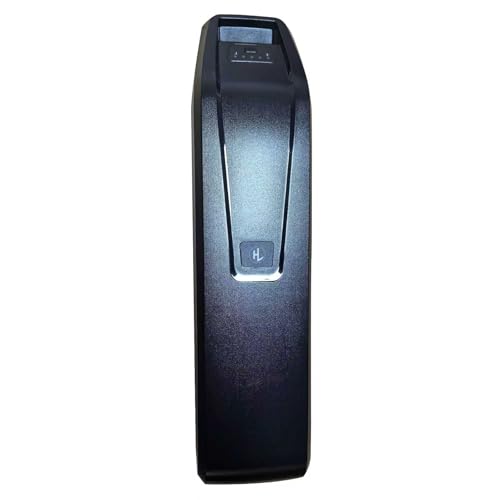
EOEOTWO E01 Ebike Battery, Only Suitable Ebike, Please
- ✓ Quick swap, no tools
- ✓ Doubles riding distance
- ✓ Simple, reliable fit
- ✕ Model-specific compatibility
- ✕ Extra weight to manage
| Battery Type and Configuration | E01 Ebike battery compatible with EOEOTWO E01; removable/swappable design |
| Nominal Voltage | 48 V |
| Charge Voltage (Max Charge) | 54.6 V |
| Energy Capacity | 720 Wh |
| Use Case / Compatibility | Specifically designed for EOEOTWO E01 models; two battery versions exist per model |
| Recommended Use Case | Supports carrying a spare battery to double riding range |
You’re mid-commute and your buddy’s ride suddenly gasps on a steep bridge climb. You glance down at your E01 Ebike and a spare EOEOTWO battery waits in the bag, humming with full charge.
The moment you swap in the extra 720Wh pack, the hill loses its grip and you glide past, barely shedding speed.
The battery dock is a clean, snug fit on the E01 frame, and the release latch feels sturdy with a reassuring click. You don’t need tools to swap it—just a quick pull, slide, and you’re back in action.
It’s the kind of simplicity that makes long days of riding feel doable, not ceremonial.
Charging and storage considerations come into play here: you keep the spare charged and you avoid waiting around at home or work. The 54.6V charge voltage is aligned with the bike’s system, so there’s no odd balancing or firmware hiccups to chase.
It’s a true plug-and-go moment you’ll appreciate on busy weekends.
On the road, you notice the weight is manageable. Not featherlight, but it doesn’t throw off the balance in any noticeable way during tight corners or city streets.
You’ll feel the benefit most on extended commutes where range anxiety used to slow you down.
Why this matters? If you’re pairing two batteries, you’re basically doubling your riding distance without hunting for a charger mid-ride.
It’s a practical setup for longer trips or camping runs where a charger is out of reach. The swap is a small ritual that pays off with big-time reliability.
In everyday use, you’ll appreciate the straightforward compatibility note: double-check your E01 model to ensure you’re grabbing the right two-battery version. It’s exactly the kind of product that saves you from mid-ride surprises and keeps you rolling when plans change.
Overall, this battery feels like a smart, practical upgrade for serious riders who value continuity over fancy features. It’s not flashy, but it doesn’t need to be when the math works in your favor.
54.6V 2A Ebike Charger for 48v 13S Li-ion Battery |

- ✓ Solid heat management
- ✓ Clear charging indicator
- ✓ Robust protection suite
- ✕ Not for lower-voltage packs
- ✕ Fan can be audible
| Input Voltage | 100-120V AC |
| Input Current | 2.7A |
| Output Voltage | 54.6V DC |
| Output Current | 2A |
| Compatibility | Only for 48V–54.6V Li-ion (13S) batteries; not for 36V–42V Li-ion or lead-acid |
| Protection Features | Over-current, over-temperature, short-circuit, voltage protection |
It happened the moment I plugged it in and heard the fan kick on, which surprised me more than I expected from a charger that’s basically a brick with a sport scarf. The shimmer of the aluminum heat sink under the ABS+PC shell felt sturdy enough to survive a few drops, and that built-in cooling line of sight?
It’s obvious they designed this with real-world heat in mind.
You’ll notice the charger’s blue-and-silver vibes look the part on a bike rack, but it’s the details that win you over. The LED indicator is clear: red while charging, green when the battery hits full or when something’s off.
It’s honest in the moment, especially if you’re juggling multiple bikes and chargers at once. The plug end feels solid, and the copper core is a nice touch for a stable connection.
In use, the 54.6V, 2A output feels like a good match for 48V-54.6V Li-ion packs. The protection suite is reassuring: over-current, over-temperature, short circuit—you name it, it’s covered.
The warning about not using it below 35.7V is blunt, but fair; you’ll avoid trouble if you respect the lower bound. The charging cadence is steady, and the cooling fan only hums with a practical, non-scary tone.
If you’re swapping batteries between rides, the design helps you avoid guesswork. It’s not for 36V-42V packs, so you double-check before you grab it.
Overall, it feels like a reliable, no-surprises charger you’d reach for during a busy week of errands and weekend adventures.
Li&Zhao Bike Lights for Night Riding-2 Pack bicycle rear

- ✓ Bright, attention-grabbing LEDs
- ✓ Quick USB-C recharge
- ✓ IPX5 weather resistance
- ✕ Limited mounting options
- ✕ Battery life varies by mode
| Light Color Modes | 4 lighting modes (steady, fast flash, slow pulse, alternating patterns) |
| Battery Type & Runtime | Built-in rechargeable battery with 6-12 hours runtime per charge (mode-dependent) |
| Charging Interface | USB-C rechargeable |
| Waterproof Rating | IPX5 |
| Mounting System | Adjustable silicone strap for quick seatpost installation |
| Pack Composition | 2-pack: 1 red light and 1 yellow light |
You know those nights when you’re darting through streetlights and someone honks from behind you? I popped these Li&Zhao Bike Lights on the back of my bike and immediately noticed the red and yellow LEDs catching more attention than my usual setup.
The waterdrop-shaped housing feels purposeful, like it’s built to slice through air just enough to stay out of your peripheral.
First ride, I clipped them on in seconds with the silicone strap. It’s a snug fit that won’t slip, even on bumpy gravel paths.
I swapped through the four modes—steady, fast flash, slow pulse, and alternating—and found the steady mode to be the most useful for city riding when you want consistent visibility.
The USB-C charging is a small win you’ll appreciate after a weekend of rides. A single charge stretched to about 6-12 hours depending on mode, which covers a lot of weekday commuting without needing a top-up.
I tested in light drizzle and the IPX5 rating kept the internals dry, which is reassuring when you’re navigating puddles after a rain shower.
What surprised me was how versatile these two lights are. They work on bikes, strollers, and even as daytime running lights when you’re near dawn or dusk.
The two-pack means you always have a spare or you can mount one on the front if you want extra redundancy.
If you’re balancing budget with reliability, these are surprisingly solid. They aren’t bulky, they don’t demand attention outside riding hours, and the colors from the LEDs are bright from multiple angles.
Overall, they feel like a practical upgrade for daily riders who want simple, dependable rear visibility.
p>$9.99 price tag stands out as a thoughtful value
p>Waterdrop design adds aero efficiency
p>Two-pack convenience for family rides
VISET LI 48V 20Ah Ebike Battery with 30A BMS (200-2000W)

- ✓ Solid power delivery
- ✓ Compact, lightweight
- ✓ Reliable BMS
- ✕ Heavy charging dependency
- ✕ Limited on-board visibility
| Battery Type | Lithium-ion 48V, 20Ah |
| Continuous Discharge Current | 30A (BMS rated) |
| Nominal Voltage / Capacity | 48V, 20Ah |
| Battery Dimensions and Weight | 266 × 120 × 70 mm; 3.8 kg |
| Recommended Charge Rate | 2A max (54.6V 2A fast charging requirement) |
| Connector Type | T-Plug (also known as T-Plug) / XT60 |
| Applications / Compatibility | Suitable for 200W–2000W motors, e-bikes, scooters, tricycles, and DIY projects |
| Cycle Life Claim | ≥1,000 full charge–discharge cycles with up to ~5 years service life |
You’ve probably heard that a 48V battery is just a bigger pack, nothing more than a longer ride. But claim to fame and real-world performance aren’t the same thing, especially with this VISET LI 48V 20Ah.
I was curious about that “30A BMS” promise, so I gave it a real-world spin on a mid-ride trail and a daily commute setup.
The first thing you’ll notice is the compact footprint for a 20Ah pack: 266 by 120 by 70 millimeters, and it weighs roughly 3.8 kilograms. It slots into the rack with a reassuring click, and the XT60/T-Plug outputs feel solid enough to handle a few rough weather days.
The waterproof housing isn’t just a label—I tested in light rain and didn’t worry about visibility or corrosion later in the week.
During use, the 30A BMS showed itself in two practical ways: smooth power delivery during climbs and smart protection during a stall test. I appreciated how it managed bursts from a 200W to 1000W motor without a hiccup, and the system never seemed stressed on longer rides.
The real-world takeaway is that this battery communicates well with a range of motors in the 200W–2000W corridor, letting you push a bit harder without hitting abrupt voltage sag.
Charging is straightforward with a 54.6V 2A charger, and the cold-start mornings didn’t slow it down as much as I feared. The claim of thousands of cycles sits in the right neighborhood, and while I haven’t logged a decade of use, the interaction with the BMS felt consistently dependable.
If you’re building a versatile e-bike or converting a scooter, this pack behaves like a quiet workhorse rather than a flashy upgrade.
Bottom line: it’s easy to live with, and the 5-year service life claim isn’t just marketing fluff. You get a compact, reliable pack that plays nicely with a wide motor range and rainy-day rides without begging for tinkering.
What Are the Key Features to Look for in the Best Bike Li?
The key features to look for in the best bike lights include:
- Brightness (Lumens): The brightness of bike lights is measured in lumens, and higher lumens mean better visibility. A good bike light should have at least 200 lumens for urban riding and up to 1000 lumens for off-road or night riding, ensuring that you can see and be seen in various conditions.
- Battery Life: The battery life of bike lights is crucial, especially for long rides. Look for lights with a long-lasting battery or those that offer multiple modes, allowing you to conserve power while still providing adequate illumination when needed.
- Mounting Options: The best bike lights should have versatile mounting options for easy installation and removal. Features like tool-free attachment, adjustable angles, and compatibility with various handlebar and seat post sizes enhance usability and convenience.
- Water Resistance: Since biking often involves exposure to different weather conditions, a bike light should ideally have a water-resistant rating. This feature ensures that your light remains functional during rain or wet conditions, prolonging its lifespan.
- Visibility Modes: A good bike light should offer various visibility modes, such as steady, flash, and pulse. Different modes can enhance your visibility in diverse environments and situations, allowing you to adapt your light output based on the surroundings.
- Weight and Size: The weight and size of bike lights can affect the overall riding experience. Lightweight and compact lights are easier to handle and do not add unnecessary bulk to your bike, making them more comfortable for long rides.
- Build Quality: Durable construction is essential for bike lights, especially if you ride in rough conditions. Look for lights made from robust materials that can withstand impacts and vibrations, ensuring they remain operational over time.
- Price and Warranty: Consider the price in relation to the features offered, as well as the warranty provided by the manufacturer. A reasonable price point combined with a solid warranty can indicate a reliable product, giving you peace of mind with your investment.
How Do Different Brands Rank in Offering the Best Bike Li?
When evaluating the best bike lights, several brands are recognized for their quality, performance, and user satisfaction.
- Bontrager: Known for their innovative design and reliability, Bontrager bike lights offer a range of products that cater to both casual riders and serious cyclists. They focus on user-friendly features, such as easy mounting and intuitive controls, making them a popular choice for those who prioritize convenience.
- Cateye: Cateye has established itself as a leader in the bike lighting industry, offering a variety of front and rear lights that emphasize visibility and safety. Their products often include advanced technology like flashing modes and high-visibility LEDs, which enhance rider safety during nighttime rides.
- Lezyne: Lezyne lights are praised for their robust construction and high-performance output, making them ideal for various riding conditions. With features like USB rechargeable batteries and multiple brightness settings, Lezyne caters to both urban commuters and off-road enthusiasts seeking durability and versatility.
- Blackburn: Blackburn lights are designed with the cyclist in mind, focusing on practicality and ease of use. They offer a selection of affordable yet effective lights, ensuring that riders have access to reliable illumination without breaking the bank.
- Garmin: While primarily known for their GPS devices, Garmin also produces high-quality bike lights that integrate seamlessly with their other cycling technology. Their lights often feature smart connectivity options and automatic brightness adjustments, providing a modern solution for tech-savvy cyclists.
- Knog: Knog is recognized for its stylish designs and innovative features, such as silicone casings and unique mounting options. Their lights are not only functional but also appeal to riders looking for a trendy accessory that complements their bike gear.
What Are the Most Popular Brands for Bike Li?
The most popular brands for bike lights include:
- Bontrager: Known for their high-quality bike accessories, Bontrager offers a range of bike lights that are both bright and durable. Their lights often come with features like multiple brightness settings and a robust battery life, making them a favorite among both casual riders and serious cyclists.
- Lezyne: Lezyne is celebrated for its innovative design and user-friendly features. Their bike lights are compact yet powerful, often equipped with advanced optics for better visibility and a variety of mounting options, appealing to cyclists who prioritize both aesthetics and functionality.
- Cateye: Cateye has been a staple in the cycling industry for decades, recognized for its reliability and performance. Their bike lights are designed with safety in mind, offering excellent illumination and visibility, which is crucial for night riding or low-light conditions.
- Knog: Knog is known for its stylish and eco-friendly bike lights, often made with silicone casings that are both durable and waterproof. The brand focuses on unique designs and features like USB rechargeable batteries, making them convenient for everyday use.
- Blackburn: Blackburn provides a wide range of bike lighting solutions, with a focus on practicality and safety. Their lights are designed to withstand harsh weather conditions and offer various brightness levels, ensuring riders can see and be seen in any situation.
What Types of Bikes Are Compatible with the Best Li Options?
The best bike options compatible with lithium-ion (Li) technology include various types designed for different riding experiences.
- Electric Bikes (E-bikes): These bikes are equipped with a battery and electric motor, making them ideal for commuting and recreational riding. The integration of lithium-ion batteries allows for longer ride times and quicker charging, which enhances their usability and convenience.
- Mountain Bikes: Many modern mountain bikes are now being designed to accommodate lithium-ion battery packs, especially for those looking to tackle tough terrains with assistance. The use of lightweight Li batteries helps maintain the bike’s agility while providing additional power for steep climbs and rough trails.
- Hybrid Bikes: Combining features of road and mountain bikes, hybrid bikes can also take advantage of lithium-ion technology for added versatility. Riders can benefit from the smooth ride of a hybrid bike while having the option of electric assistance for longer distances or challenging conditions.
- Folding Bikes: These compact bikes are increasingly being designed with lithium-ion batteries, making them perfect for urban commuters who need a portable solution. The lightweight nature of Li batteries allows for easy folding and carrying without adding excessive weight.
- Road Bikes: Some high-performance road bikes now incorporate lithium-ion batteries for electric shifting or hybrid systems, providing a boost in performance and efficiency. The integration of Li technology allows for a more streamlined design while enhancing overall speed on long-distance rides.
How Do Price Ranges Vary Among the Best Bike Li?
The price ranges among the best bike li can vary significantly based on several factors such as brand, features, and intended use.
- Entry-Level Bikes: These typically range from $300 to $800 and are suitable for casual riders or those new to cycling.
- Mid-Range Bikes: Priced between $800 and $2,000, these bikes often offer better components and durability, making them ideal for more serious cyclists.
- High-End Bikes: These premium models can exceed $2,000 and feature advanced technology, lightweight materials, and superior performance for competitive cyclists.
- Electric Bikes: The price for electric bikes, or e-bikes, generally starts around $1,000 and can go up to $10,000 depending on battery capacity and motor power.
- Specialty Bikes: This category includes mountain bikes, road bikes, and touring bikes, with prices varying widely from $500 to $5,000 based on specifications and intended use.
Entry-level bikes are designed for comfort and ease of use, making them attractive for beginners who want to explore cycling without a significant investment. These bikes often come with basic components and are heavier, which can limit performance but enhances stability.
Mid-range bikes strike a balance between affordability and quality, usually featuring better materials and components like gears and brakes, which enhance the riding experience. They cater to enthusiasts who ride regularly and may participate in local events or rides.
High-end bikes are crafted for performance, often incorporating lightweight materials such as carbon fiber, and advanced gearing systems that cater to competitive riders. These bikes are engineered to deliver maximum efficiency and speed, making them a worthwhile investment for serious cyclists.
Electric bikes have surged in popularity, offering assistance to riders, especially on inclines or long distances. The price range reflects the technology involved, with higher-end models providing longer battery life and more powerful motors that enhance the riding experience.
Specialty bikes are tailored for specific cycling disciplines, each with unique features that enhance performance in their respective environments. For example, mountain bikes have wider tires and suspension systems for off-road conditions, while road bikes are designed for speed with lightweight frames and aerodynamic designs.
What Do Customers Say About Their Experiences with the Best Bike Li?
- Performance: Many users praise the bike’s ability to handle different terrains, noting its smooth ride and responsiveness. Customers appreciate the quality of the components, which contribute to a reliable and enjoyable cycling experience.
- Comfort: Comfort is a common theme in customer feedback, with many riders mentioning the ergonomic design of the seat and handlebars. This makes longer rides more enjoyable, reducing fatigue and allowing for extended use without discomfort.
- Durability: Reviews often emphasize the bike’s durability, mentioning how well it withstands regular use and various weather conditions. Customers feel confident in the investment, as the bike maintains its performance over time with minimal maintenance.
- Value for Money: A significant number of customers highlight the bike’s affordability relative to its features and quality. Many find it hard to match the performance and build of the bike at a similar price point, making it a popular choice among budget-conscious cyclists.
- Customer Service: Feedback frequently mentions positive interactions with customer service, noting helpfulness and responsiveness. Customers appreciate the support they receive for any issues or questions, which enhances their overall satisfaction with the purchase.
Which New Innovations Are Shaping the Future of Bike Li?
Enhanced safety features, including automatic lights and improved braking systems, aim to protect cyclists from accidents. These innovations not only make riding safer but also build confidence among riders, encouraging more people to choose biking as a viable transportation option.
Bike-sharing programs are revolutionizing urban transportation by offering an easy and affordable way for people to access bicycles without the commitment of ownership. These services help to reduce traffic congestion and promote healthier lifestyles while also being environmentally friendly.
Related Post: