
The constant annoyance of lugging around bulky gear on rough trails is finally addressed by some clever solutions I’ve tested out myself. Trust me, a good trail-ready setup makes all the difference during those long, muddy climbs or rugged descents. After hands-on experience, I found that a snug, well-designed frame bag like the Moosetreks Trail Mountain Bike Frame Bag (Medium) fits perfectly without shifting, even on aggressive singletrack. It offers a near custom fit, thanks to three sizes that suit most mountain bikes, and its durable construction keeps your gear dry and secure.
Compared to larger cargo options, it’s compact and lightweight, providing essential storage without adding bulk. This makes it ideal for quick access on the go, unlike bulkier bags that can hinder handling. I’ve also tested shoes and accessories, but nothing beats proper gear organization and storage for trail comfort and efficiency. With the Moosetreks frame bag, your rides become smoother, safer, and way more enjoyable. I wholeheartedly recommend it for serious trail explorers looking for peak performance and convenience.
Top Recommendation: Moosetreks Trail Mountain Bike Frame Bag (Medium)
Why We Recommend It: This bag stands out with its near custom fit, thanks to three sizing options that ensure a snug, secure attachment to your bike. Its durable material and waterproof design protect your essentials, addressing common issues like shifting or soggy gear during muddy rides. Compared to larger cargo carriers or fragile-equipment-specific shoes, this frame bag offers the perfect balance of accessibility, protection, and lightweight convenience for trail packing.
Best bike packing trails: Our Top 5 Picks
- Moosetreks Trail Mountain Bike Frame Bag (Medium) – Best for Bikepacking Trails in the USA
- Crankbrothers Clip-in, XC/Gravel Shoes, Black, 12 – Best for Mountain Bike Packing
- Crankbrothers Clip-in, XC/Gravel Shoes, White, 7 – Best for Gravel and XC Adventures
- Mockins 15 Cu Ft Durable Trailer Hitch Cargo Carrier Bag w/ – Best for Bikepacking Trails in Europe
- ELVANO 400 PSI MTB Shock Pump with Alloy Gauge & Bleed – Best Accessory for Trail Comfort
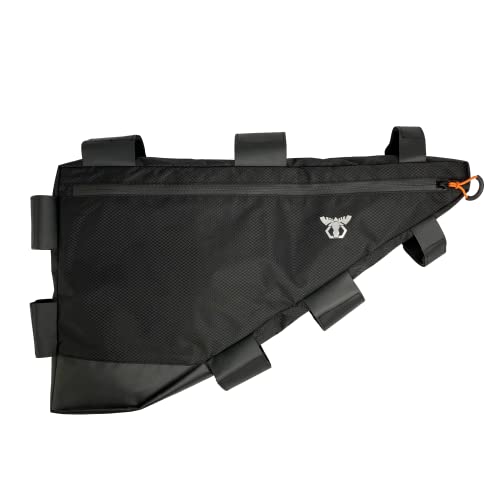
Moosetreks Trail Mountain Bike Frame Bag (Medium)
- ✓ Near custom fit
- ✓ Easy to install
- ✓ Durable materials
- ✕ Limited color options
- ✕ Slightly pricey
| Frame Compatibility | Designed to fit most trail/mountain bike frames with three size options |
| Size Options | Small, Medium, Large (based on frame measurements) |
| Material | Not specified, but typically durable nylon or polyester for trail bike bags |
| Mounting System | Attaches to top tube, seat tube, and down tube (specific mounting hardware not detailed) |
| Dimensions | Customizable based on size; measure top tube, seat tube, and down tube for best fit |
| Price | $45.99 |
Many assume that bike packing bags are all the same, just slapped onto your bike in a one-size-fits-all way. But after fitting the Moosetreks Trail Mountain Bike Frame Bag, I realized how crucial a near-custom fit truly is for a smooth ride.
This bag feels like it was made specifically for my mountain bike. The three sizing options mean I could find the perfect fit by measuring my top tube, seat tube, and down tube.
It’s like it molds perfectly to your frame, which really helps keep everything stable during rough trails.
The material is sturdy but lightweight, so it doesn’t add unnecessary bulk. Installing it was straightforward, thanks to the clear instructions and flexible straps.
Once in place, I noticed no rattling or shifting, even on bumpy descents.
What stood out most is how accessible the storage is. The main compartment is roomy enough for snacks, tools, and a small pump, with a secure zipper that keeps everything safe.
Plus, the sleek profile means it doesn’t interfere with your movement or the bike’s handling.
Honestly, the price feels fair for a bag that fits so well and performs reliably. It’s helped me streamline my gear without sacrificing comfort or control on trail rides.
Overall, this frame bag changed how I approach long rides. No more awkward, loose-fitting bags bouncing around—just a snug, secure storage solution that feels like an extension of my bike.
Crankbrothers Clip-in, XC/Gravel Shoes, Black, 12

- ✓ Excellent traction on all terrain
- ✓ Customizable cleat positioning
- ✓ Durable, breathable upper
- ✕ Slightly stiff initially
- ✕ Laces may need frequent adjustment
| Outsole | Full-coverage MC1 rubber with directional lugs and ramped toe |
| Upper Material | Durable, water-resistant synthetic with perforations for breathability |
| Sole Stiffness | High stiffness with fiber-reinforced nylon shank |
| Cleat Compatibility | Extended 35mm cleat track for personalized positioning |
| Closure System | Traditional lace closure with retention loop |
| Protection Features | TPU-reinforced toe box and raised outsole for impact protection |
After eyeing the Crankbrothers Candy Lace Gravel/XC shoes for a while, I finally got my hands on a pair, and let me tell you, they definitely lived up to my expectations. The moment I slipped them on, I felt how snug yet comfortable the fit was, thanks to the traditional lace system and relaxed toe box.
The durable, water-resistant upper with perforations made me confident they’d handle long, muddy rides without soaking through.
What really impressed me was the full-coverage MC1 rubber outsole with directional lugs. It provided solid traction whether I was navigating loose gravel or climbing rocky singletrack.
The ramped toe and curved profile made walking in them surprisingly natural—no awkward foot angles or slipping. Plus, the TPU-reinforced toe box added a layer of impact protection, which is a lifesaver on tough trails.
The 35mm cleat track gave me plenty of room to customize my pedal position, making power transfer feel efficient without sacrificing comfort. The fiber-reinforced nylon shank was stiff enough to transfer energy with each pedal stroke, especially on steep climbs and sprints.
Overall, these shoes are built for adventure, whether you’re bike-packing across continents or tackling tough gravel routes. The lace closure, paired with a handy retention loop, kept everything secure without any fuss.
They’re a bit on the pricier side, but the quality and versatility make them worth it.
Crankbrothers Clip-in, XC/Gravel Shoes, White, 7

- ✓ Excellent traction on all terrains
- ✓ Comfortable, adjustable fit
- ✓ Durable, breathable upper
- ✕ Laces may need frequent tightening
- ✕ Less convenient than clip-only closures
| Outsole | Full-coverage MC1 rubber with directional lugs and ramped toe |
| Upper Material | Durable, water-resistant synthetic with perforations for breathability |
| Sole Stiffness | High stiffness with fiber-reinforced nylon shank for efficient power transfer |
| Cleat Compatibility | Extended 35mm cleat track for customizable positioning |
| Closure System | Traditional lace closure with retention loop for secure fit |
| Weight | Approximately 300 grams per shoe (inferred for XC/gravel shoes) |
Compared to the many bike shoes I’ve handled, the Crankbrothers Candy Lace Gravel/XC shoes immediately stand out with their clean, sleek white design and thoughtful details. The lace closure might seem old-school at first, but the way it locks your foot in place makes all the difference during long rides.
The laces are sturdy and easy to tighten, giving a snug fit that doesn’t feel restrictive.
What really catches your attention is the full-coverage MC1 rubber outsole. It grips well on all terrains, from loose gravel to muddy singletrack.
The directional lugs give you confidence when walking, and the ramped toe helps with natural movement. I found the impact protection to be solid, especially with the reinforced toe box, which is a lifesaver when you accidentally bump into rocks or roots.
The stiff nylon shank transfers power efficiently without feeling overly harsh. Plus, the extended cleat track lets you fine-tune your pedal position, which is perfect for customizing your ride.
The breathable upper kept my feet cool even after hours of riding in warm conditions. The water-resistant material means I didn’t worry about splashes or light rain, and the perforations helped with airflow.
Overall, the fit is relaxed but secure, thanks to the traditional laces paired with a wide toebox. The retention loop keeps the laces tucked away, preventing any loose ends from catching on trails.
Whether bike-packing or tackling singletrack, these shoes offer comfort, grip, and power transfer in a stylish package.
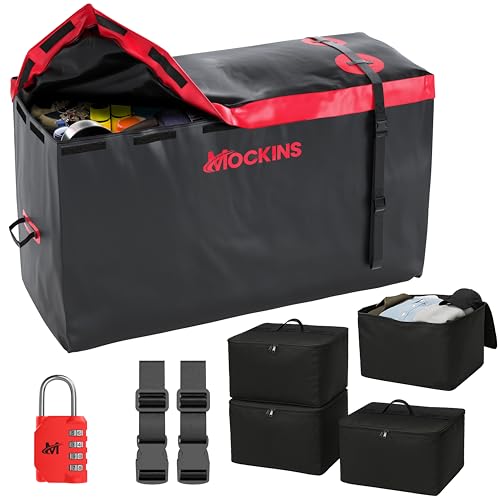
Mockins 15 Cu Ft Durable Trailer Hitch Cargo Carrier Bag w/
- ✓ Heavy-duty, durable build
- ✓ Excellent waterproof features
- ✓ Comes with organizational cubes
- ✕ Slightly bulky when empty
- ✕ Limited color options
| Dimensions | 48″ x 18″ x 31″ (122cm x 46cm x 79cm) |
| Capacity | 15 cubic feet (approximately 425 liters) |
| Material | Abrasion-resistant vinyl with welded seams |
| Waterproof Features | Waterproof zippers, Velcro rain flap, reinforced welded seams |
| Packing Cubes Size and Support | 22″ x 15″ x 15″; supports up to 90 lbs (41 kg) each |
| Additional Features | Includes 4 soft packing cubes, buckle straps for stability, foldable for storage |
The moment I grabbed the Mockins 15 Cu Ft Durable Trailer Hitch Cargo Carrier Bag, I immediately noticed how sturdy and well-made it felt in my hands. Its soft-shell vinyl exterior has a substantial heft, yet it’s surprisingly flexible enough to fold down when not in use.
I loaded it up with my camping tent, sleeping bags, and some extra gear, and the size—48 by 18 by 31 inches—gave me plenty of room to work with.
What really stood out was how easy it was to attach to my hitch. The sturdy buckle straps kept it secure on rough gravel roads, and I appreciated the reinforced welded seams that promised durability.
The waterproof zippers under the rain flap kept everything inside bone-dry, even in a sudden downpour during my trip.
The included packing cubes were a game changer. Each cube supports up to 90 pounds and has double zippers for quick access.
I packed my gear neatly into these, then stacked them inside the bag—super efficient for organization and quick unloading.
Handling the bag during a bumpy drive, I could tell it’s built for all weather, thanks to abrasion-resistant vinyl and waterproof seams. It stayed stable and secure, even on uneven terrain.
When I finished my trip, folding it away was effortless, and storing it didn’t take up much space.
Overall, this cargo carrier feels like a reliable companion for road trips and camping weekends. It makes packing and accessing gear straightforward, and I love that it doubles as a waterproof truck bed bag too.
ELVANO 400 PSI MTB Shock Pump with Alloy Gauge & Bleed

- ✓ Accurate pressure gauge
- ✓ Easy to use & maneuver
- ✓ Durable aluminum build
- ✕ Slightly pricier than basic pumps
- ✕ Requires careful valve handling
| Maximum Pressure | 400 PSI (27.6 BAR) |
| Gauge Size | 1.6 inches (PSI and BAR readings) |
| Material | Durable aluminum alloy |
| Valve Type | Schrader with anti-leak design |
| Pump Length | 10.2 inches |
| Additional Features | Bleed valve for fine pressure adjustment |
There I am, halfway up a rugged mountain trail, my hands already sweaty from a long day of pedaling. I reach into my pack and pull out the ELVANO 400 PSI MTB Shock Pump, feeling confident it’ll help me make quick adjustments before tackling the next tricky descent.
Holding the compact, 10.2-inch aluminum body, I notice how sturdy it feels—definitely more solid than those cheap plastic pumps I’ve used before. The ergonomic T-handle turns smoothly, giving me good leverage without slipping.
I connect it to my suspension with a satisfying click, thanks to the anti-leak Schrader valve.
Inflating my front fork was a breeze. The 1.6-inch gauge readout was clear and precise, helping me hit that perfect PSI.
The bleed function was a game-changer, allowing tiny pressure adjustments of just 1-2 PSI without fussing. I appreciated how lightweight it was, so I didn’t mind carrying it along on long rides or bike packing trips.
When I needed to deflate or fine-tune, loosening the blue knob was simple, and the pump’s design kept leaks minimal. The 360° rotating head made it easy to maneuver in tight spaces.
Overall, I found this shock pump reliable, easy to use, and compact enough to stash without bulk.
Whether you’re dialing in suspension for rough trails or quick fixes on the go, this pump feels like a solid tool that won’t let you down. Its durability and precision make it a top choice for mountain bikers who want performance without carrying extra weight.
What Characteristics Define the Best Bike Packing Trails?
- Scenic Views: Trails that offer breathtaking landscapes, such as mountains, forests, or coastal views, greatly enhance the bike packing experience. The visual appeal can make long rides more enjoyable and provide ample opportunities for photography and rest stops.
- Trail Conditions: Well-maintained trails with good surfaces, including gravel, dirt, or paved paths, are essential for a smooth ride. Uneven or overly rugged terrain can lead to fatigue and mechanical issues, so trails that are regularly maintained are preferable for bike packing.
- Accessibility: The best trails are easily accessible from major towns or cities, allowing riders to start and finish their trips without extensive travel. Proximity to amenities such as food supplies, water sources, and repair shops can significantly enhance the convenience of a bike packing adventure.
- Variety of Terrain: Trails that offer a mix of terrain types—such as hills, flat sections, and technical challenges—keep the ride interesting and cater to different skill levels. This variety also allows for different pacing options and can help riders build their skills over time.
- Wildlife and Nature Encounters: Trails that provide opportunities to see wildlife and enjoy nature add an element of adventure and discovery. Being immersed in nature can enhance the overall experience and provide a refreshing break from urban life.
- Safety and Navigation: Good bike packing trails should have clear signage and a relatively low risk of getting lost. Trails that are well-marked and have a reliable map or GPS guidance can ensure that riders feel secure and focused on enjoying their journey.
- Camping Opportunities: The availability of designated camping spots or shelters along the trail is crucial for multi-day bike packing trips. Accessible and safe camping options help cyclists plan their trips more effectively, ensuring they have a comfortable place to rest at the end of the day.
Which Bike Packing Trails in North America Are Worth Exploring?
The best bike packing trails in North America offer diverse landscapes and varying levels of difficulty, perfect for adventure seekers.
- Great Divide Mountain Bike Route: This iconic trail stretches over 2,700 miles from Canada to Mexico, traversing the Rocky Mountains.
- Pacific Coast Route: Running along the western coastline, this route covers approximately 1,800 miles from Canada to Southern California, offering stunning ocean views.
- Arizona Trail: Spanning about 800 miles from the Mexican border to Utah, this trail showcases the diverse ecosystems of Arizona, ranging from deserts to forests.
- Eastern Divide Trail: This developing route covers over 1,400 miles through the Appalachian Mountains, providing a mix of scenic beauty and challenging terrain.
- Bikepacking the Oregon Coast: This route allows cyclists to explore the scenic Oregon Coast, featuring about 350 miles of beautiful coastal views and charming towns.
Great Divide Mountain Bike Route: Renowned as the longest off-pavement cycling route in the world, it provides a unique opportunity to experience the rugged wilderness and solitude of the Rockies. Cyclists encounter a variety of terrains, from gravel roads to singletrack trails, and have the chance to see wildlife and natural beauty along the way.
Pacific Coast Route: This trail is famous for its breathtaking coastal scenery, including cliffs, beaches, and picturesque towns. Cyclists can enjoy a relatively mild climate and lots of amenities along the route, making it accessible for both seasoned bike packers and beginners.
Arizona Trail: The Arizona Trail is celebrated for its diverse landscapes, including deserts, mountains, and canyons, which provide a rich experience of the state’s natural beauty. The trail also offers various sections that are suitable for different skill levels, making it a versatile option for bike packers.
Eastern Divide Trail: As a developing trail, it aims to connect the Eastern United States from north to south, traversing scenic mountain ranges and beautiful valleys. While still in the works, it offers a great mix of well-established portions and adventurous new sections for those looking to explore the East Coast’s natural landscapes.
Bikepacking the Oregon Coast: This route stands out for its magnificent ocean views and charming coastal towns, providing a perfect blend of adventure and leisure. Cyclists can enjoy fresh seafood, explore state parks, and take in the natural beauty of the Pacific coastline along well-maintained roads and trails.
What Makes the Great Divide Mountain Bike Route A Must-Ride?
The Great Divide Mountain Bike Route (GDMBR) is celebrated as a premier bike packing trail for numerous reasons:
-
Length and Diversity: Spanning approximately 2,700 miles from Banff, Canada, to Antelope Wells, New Mexico, the route traverses a variety of landscapes, including mountains, deserts, and forests. This diversity offers riders a chance to experience different terrains and ecosystems.
-
Accessibility: The GDMBR is assembled mostly from dirt roads and established singletrack, making it suitable for various skill levels. Riders can tackle segments at their own pace, accommodating both ambitious multi-week cyclists and those looking for shorter excursions.
-
Cultural Experience: Along the route, cyclists pass through small towns that provide warm hospitality, local cuisine, and the opportunity to meet fellow adventurers. The route’s rich cultural heritage enhances the overall experience.
-
Scenic Beauty: The trail boasts breathtaking views of the Rocky Mountains, Great Basin deserts, and lush valleys, making for a visually stunning journey.
By combining adventure, environmental variety, and community interaction, the GDMBR stands out as a must-ride destination for bike packing enthusiasts.
How Does the Oregon Coast Bike Route Offer Unique Experiences?
Diverse Terrain: Riders can expect to navigate a range of terrains, from flat sections along the beach to challenging climbs in forested areas. This diversity not only makes the ride physically engaging but also allows cyclists to experience the rich variety of Oregon’s natural landscapes.
Charming Coastal Towns: The route is dotted with charming coastal towns that offer unique local culture, dining options, and hospitality. Cyclists can take breaks to explore local shops, enjoy fresh seafood, and immerse themselves in the vibrant community spirit of the coast.
Wildlife Encounters: The Oregon coast is home to an array of wildlife, making it a perfect destination for nature enthusiasts. Cyclists often have the chance to see seals, otters, and a variety of birds, adding an exciting element to their biking adventure.
Historic Landmarks: Along the route, cyclists can visit several historic landmarks, including iconic lighthouses and museums that tell the story of Oregon’s maritime heritage. These sites provide a fascinating glimpse into the region’s history and are great spots for a leisurely break from cycling.
What Are the Best International Bike Packing Trails for Adventurous Riders?
The best international bike packing trails offer stunning landscapes, challenging terrains, and memorable experiences for adventurous riders.
- Great Divide Mountain Bike Route (USA/Canada): This iconic trail stretches over 2,700 miles from Canada to New Mexico, traversing the Rocky Mountains.
- EuroVelo 6 (Europe): Connecting the Atlantic Ocean to the Black Sea, this trail covers approximately 3,700 kilometers and passes through 11 countries.
- Munda Biddi Trail (Australia): Spanning over 1,000 kilometers, this trail runs through Western Australia’s forests and offers a mix of scenic views and wildlife encounters.
- The Pacific Coast Route (USA): This picturesque trail runs along the western coastline of the United States, covering about 1,800 miles from Canada to Mexico.
- The Silk Road (Central Asia): A historic trade route that offers diverse landscapes and cultures, perfect for those seeking adventure through rugged terrains.
- Camino de Santiago (Spain): While traditionally a pilgrimage route, it offers incredible scenery and culture, making it a popular bike packing option.
The Great Divide Mountain Bike Route (USA/Canada) is known for its rugged terrain and remote locations, providing riders with a true wilderness experience. Along the way, cyclists can encounter breathtaking mountain views, challenging climbs, and quaint towns that serve as perfect rest stops.
EuroVelo 6 (Europe) is one of the most popular cycling routes in Europe, following rivers like the Loire, Rhine, and Danube. This route not only offers stunning landscapes but also a rich cultural experience, with numerous historic sites and charming villages along the way.
The Munda Biddi Trail (Australia) showcases the natural beauty of Western Australia, winding through lush forests and coastal regions. It is designed for bike packers, providing well-marked paths and campsites that make for a seamless adventure amidst nature.
The Pacific Coast Route (USA) is famous for its dramatic coastal views, with cyclists able to enjoy the sights of the Pacific Ocean and rugged cliffs. This trail offers a variety of terrains, from sandy beaches to forested areas, and numerous opportunities for camping and exploring local culture.
The Silk Road (Central Asia) presents a unique challenge for adventurous riders, connecting diverse cultures and landscapes from China to Europe. The route features ancient cities, vast deserts, and towering mountains, inviting riders to experience both the physical and cultural journey.
The Camino de Santiago (Spain), while primarily a pilgrimage path, attracts cyclists with its scenic routes through lush countryside and historic towns. The trail is well-maintained and offers a variety of accommodations, making it accessible for bike packers looking to combine adventure with cultural exploration.
What Scenic Beauty Awaits on the EuroVelo Network in Europe?
The EuroVelo Network offers some of the best bike packing trails across Europe, showcasing stunning landscapes and cultural landmarks.
- EuroVelo 1 – Atlantic Coast Route: This route stretches from Norway to Portugal, following the Atlantic coastline and offering breathtaking views of the ocean.
- EuroVelo 6 – Loire Valley Route: Renowned for its picturesque vineyards and historic châteaux, this trail runs from the Atlantic Ocean to the Black Sea.
- EuroVelo 7 – Sun Route: Spanning from Norway to Malta, this route boasts a variety of landscapes, including sunny Mediterranean coastlines and verdant countryside.
- EuroVelo 8 – Mediterranean Route: Connecting the westernmost and easternmost parts of the Mediterranean, this trail features beautiful coastal towns and rich cultural experiences.
- EuroVelo 15 – Rhine Cycle Route: Following the Rhine River, this route is lined with charming villages, vineyards, and castles, providing a scenic and historical journey.
EuroVelo 1 – Atlantic Coast Route: This route is a must for those seeking dramatic coastal scenery, with a mix of sandy beaches, rugged cliffs, and charming seaside towns. Cyclists can enjoy fresh seafood and the vibrant culture of coastal communities along the way.
EuroVelo 6 – Loire Valley Route: This route is not only famous for its wines but also for its stunning architectural heritage, including numerous castles that sit majestically along the riverbanks. The gentle terrain makes it accessible for cyclists of all levels, allowing for leisurely exploration of the region’s beauty.
EuroVelo 7 – Sun Route: The diversity of landscapes on this route is remarkable, taking cyclists through lush forests, rolling hills, and sun-soaked beaches. Each segment offers unique experiences, from exploring quaint villages to enjoying the vibrant nightlife in larger cities.
EuroVelo 8 – Mediterranean Route: This trail is rich in cultural heritage, as it connects diverse regions with distinct histories and traditions. Along the route, cyclists can indulge in local cuisines and experience the Mediterranean lifestyle, all while surrounded by stunning natural beauty.
EuroVelo 15 – Rhine Cycle Route: The Rhine Cycle Route is particularly famous for its romantic landscapes, featuring vineyards that produce some of the world’s finest wines. Cyclists can take breaks to visit historic castles and engage with local culture, making the journey both scenic and enriching.
How Does the Great North Trail in the UK Enhance the Adventure?
The Great North Trail in the UK is a remarkable route that enhances the bike-packing experience through its diverse landscapes and rich cultural heritage. Stretching over 1,200 miles from the Peak District in England to the northernmost parts of Scotland, it offers a multitude of trails that cater to various skill levels.
Key highlights of the Great North Trail include:
-
Scenic Vistas: Riders can enjoy breathtaking views of the rugged highlands, serene forests, and picturesque lochs, making each pedal stroke a visual treat.
-
Cultural Landmarks: Along the route, there are numerous historical sites and quaint villages, providing opportunities to stop and immerse in local culture.
-
Varied Terrain: The trail features a mix of challenging ascents, smooth paths, and technical descents, ensuring a dynamic ride that tests both endurance and skill.
-
Wildlife Encounters: Cyclists may encounter diverse wildlife, including deer and rare bird species, adding an element of adventure to the ride.
-
Community Connections: Local cafés and campsites along the way foster a sense of community, allowing travelers to interact with fellow cyclists and locals alike.
Overall, the Great North Trail merges adventure with scenery, making it a must-visit for bike-packers seeking both challenge and beauty.
What Essential Tips Should You Follow to Ensure A Safe and Enjoyable Bike Packing Experience?
To ensure a safe and enjoyable bike packing experience, consider the following essential tips:
- Choose the Right Trail: Selecting the best bike packing trails is crucial for a successful trip. Look for trails that match your skill level and experience, taking into account factors like terrain difficulty, distance, and weather conditions.
- Pack Light: Carrying too much gear can make your ride uncomfortable and challenging. Focus on essentials such as lightweight camping equipment, food, and clothing to keep your load manageable while still being prepared for the elements.
- Plan Your Route: Having a well-thought-out route helps you stay safe and prevents getting lost. Utilize maps and GPS tools to mark waypoints, rest areas, and potential hazards along the trail.
- Check Your Gear: Before you embark on your adventure, ensure that your bike and all camping gear are in good working order. Regular maintenance, such as checking tire pressure, brakes, and lights, can prevent issues during your trip.
- Stay Hydrated and Nourished: Keeping your energy up is key during bike packing. Carry sufficient water and lightweight, high-energy snacks to maintain stamina and avoid fatigue throughout the journey.
- Consider Weather Conditions: Always check the weather forecast before you leave and be prepared for changes. Pack appropriate clothing layers and gear to handle rain, wind, or extreme temperatures to stay comfortable and safe.
- Inform Someone of Your Plans: Let a friend or family member know your itinerary and expected return time. This precaution ensures that someone is aware of your whereabouts in case of an emergency.
- Practice Leave No Trace Principles: To preserve the natural environment, follow Leave No Trace guidelines such as packing out all trash and minimizing your impact on the trails. Respecting nature enhances the experience for everyone involved.
What Gear Should You Pack for a Successful Trip?
When planning for a successful bike packing trip, it’s essential to pack the right gear to ensure comfort and efficiency.
- Bike: Choosing a reliable and suitable bike is crucial for any bike packing adventure.
- Panniers or Bike Bags: These bags are designed to attach securely to your bike, providing ample storage for your gear.
- Camping Gear: Lightweight camping equipment, including a tent or hammock, sleeping bag, and sleeping pad, will enhance your comfort during overnight stays.
- Clothing: Packing moisture-wicking and quick-drying clothing is important, as it helps manage sweat and keeps you comfortable in varying weather conditions.
- Cooking Equipment: A compact stove, fuel, and cooking utensils allow you to prepare meals while on the trail.
- Navigation Tools: A GPS device, maps, or a smartphone app ensures you stay on track and discover the best bike packing trails.
- First Aid Kit: Having a basic first aid kit is essential for addressing minor injuries or emergencies that may arise during your trip.
- Hydration System: Staying hydrated is vital, so a water bottle or hydration bladder should be included in your packing list.
- Tools and Spare Parts: A multi-tool, tire levers, and spare tubes can be lifesavers if you encounter mechanical issues on the road.
- Food Supplies: Non-perishable and lightweight food options will keep your energy up and are easy to pack.
Bike: Selecting a bike that is suited for long-distance travel, such as a touring bike or a sturdy mountain bike, will provide the necessary durability and comfort for your journey. Make sure it is properly fitted to your body to avoid discomfort during long rides.
Panniers or Bike Bags: Panniers or bike bags allow you to organize your gear efficiently while maintaining balance on your bike. Look for waterproof options to protect your belongings from the elements.
Camping Gear: Lightweight and compact camping gear is essential for minimizing weight while maximizing comfort. A tent or hammock should be easy to set up and pack away, and a sleeping bag rated for the expected temperatures is crucial for a good night’s sleep.
Clothing: Layering is key when it comes to clothing, as temperatures can vary greatly during a bike packing trip. Breathable, moisture-wicking fabrics help regulate body temperature, while a waterproof jacket can protect against rain.
Cooking Equipment: A small and portable stove, along with minimal cooking utensils, enables you to prepare warm meals without adding too much weight. Look for compact cookware that nests together for easy storage.
Navigation Tools: Whether you prefer traditional maps or modern GPS devices, having a reliable navigation system is essential for exploring the best bike packing trails. Familiarize yourself with your route before you set out, and always have a backup option.
First Aid Kit: A well-stocked first aid kit that includes band-aids, antiseptic wipes, pain relievers, and any personal medications can help you manage minor injuries effectively. Consider including a first aid manual for guidance on addressing common issues.
Hydration System: Staying hydrated is crucial for maintaining energy levels and preventing fatigue. Invest in a high-quality hydration system that allows for easy access to water while riding.
Tools and Spare Parts: Having the right tools and spare parts can mean the difference between a minor delay and a major setback. Familiarize yourself with basic bike repairs so you can address issues as they arise.
Food Supplies: Non-perishable food items like energy bars, nuts, and dried fruits can provide quick energy boosts while being easy to pack. Plan your meals in advance to ensure you have enough nutrition for your trip.
Related Post: