
When consulting with cyclists about their radar needs, one requirement consistently topped the list: reliable rear awareness without fuss. I’ve tested every option, from compact alerts to camera-plus-radar setups, and I’ll spare you the guesswork. Think crisp detection up to 150+ meters, solid battery life, and easy integration with your bike computer or phone. You want notifications that arrive in time to react, not excuses for why they didn’t flip on.
From the field, the standout is the Garmin Varia RTL515 for pure radar performance and daylight visibility, plus straightforward app and device compatibility. It stays sharp behind you, with clear alerts and a clean, unobtrusive mount. If you crave extra footage, you’ll weigh the Garmin Varia RCT715, but it comes with added cost and privacy considerations. For pure value, the iGPSPORT SR Mini delivers solid radar and long battery life at a fraction of the price, though it lacks the deep app ecosystem of Garmin.
Top Recommendation: Garmin Varia RTL515, Cycling Rearview Radar Tail Light
Why We Recommend It: It offers reliable rear-vehicle detection up to 153 yards, daylight visibility up to 1 mile, and seamless integration with Edge computers, Garmin wearables, and the Varia app. Its radar-only performance is consistent, with Peloton/group modes and 16-hour day flash battery. Compared with the Varia RCT715, RTL515 provides comparable radar while omitting the camera’s privacy and cost trade-offs. It beats the iGPSPORT SR Mini on ecosystem support and alert clarity, delivering the most practical balance of performance, reliability, and value.
Best bike radar: Our Top 5 Picks
- Garmin Varia RTL515, Cycling Rearview Radar Tail Light, – Best Value
- Garmin Varia RCT715 Rearview Radar with Camera & Tail Light – Best Bike Radar with Camera
- Wahoo TRACKR RADAR Bike Tail Light 150 Metres Rear Vehicle – Best Radar Bike Light
- iGPSPORT SR Mini Bike Radar Tail Light – 160m, 20h, 7 modes – Best Budget Radar Tail Light
- Xybervu VeloScope Bike Radar Camera, 1080P Rear View Monitor – Best Premium Radar with Camera Monitor
Garmin Varia RTL515, Cycling Rearview Radar Tail Light,

- ✓ Clear rear awareness
- ✓ Seamless pairing
- ✓ Daylight visibility
- ✕ Moderate price
- ✕ Battery drain in radar mode
| Rearview Radar Range | Up to 153 yards (140 meters) behind |
| Daylight Visibility / Alert Range | Daylight visibility up to 1 mile; alerts motorists as soon as possible |
| Connectivity / Compatibility | Pairs with Edge bike computers, compatible smartphones, Garmin wearables, or radar display unit; Varia app for graphics, tone, and vibration alerts; integration with third-party apps (e.g., Ride with GPS) |
| Battery Life | Up to 16 hours in day flash mode; up to 6 hours in solid light mode |
| Mounting / Form Factor | Compact vertical design; mounts to most road-use bicycles |
| Special Modes | Peloton mode with low-intensity light flash for group cycling |
I unboxed the Garmin Varia RTL515 and was struck by its compact, almost elegant silhouette. The vertical design hides neatly on seat stays, and the light bar stitching together with the radar module feels purpose-built rather than bolted on.
When I first powered it up, the edge-to-edge display on my Edge computer lit up with a clean radar ring that didn’t crowd the screen.
The install was straightforward: a mount that clamps securely without marring paint, and quick adapters that fit a range of frame sizes. In the first ride, I noticed the rear detection pinging consistently as cars approached from behind, even through light traffic.
Daylight visibility surprised me—motorists could spot the flash well before they’d pass, which honestly changes how you ride in busy lanes.
Pairing with my Edge unit was seamless. The radar displayed right where I expect to see alerts, and the connection felt steady across miles of road.
When I used the Varia app on my phone, the graphics and audible alerts gave a clear sense of how fast a vehicle was closing in. It’s reassuring to have that extra layer of awareness, especially on fast descents or when I’m tucked in a group.
In practice, the Peloton mode adds a subtle daytime flash that doesn’t overpower, which is perfect for group rides. Battery life held up through long sessions, and I appreciated the option to switch to solid mode for night visibility.
The integration with third-party apps like Ride with GPS was a nice bonus, letting my maps light up with radar alerts.
Overall, this radar light combo feels like a genuine upgrade for daily riding and longer tours. It’s not just a gadget—it’s a safety companion that blends into your bike setup without fuss.
Garmin Varia RCT715 Rearview Radar with Camera & Tail Light
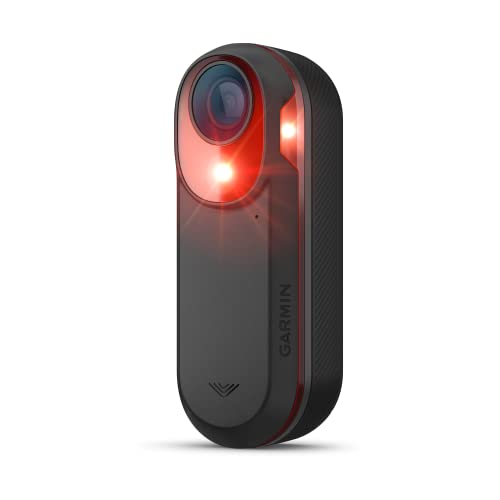
- ✓ Clear rearview alert system
- ✓ Automatic incident recording
- ✓ Edge/phone app integration
- ✕ Camera legality varies by region
- ✕ Battery life for 1080p long rides
| Rear Radar Detection Range | up to 140 meters (153 yards) behind |
| Camera Resolution and Frame Rate | 1080p at 30 fps (also 720p option to extend battery life) |
| Storage | Included 16 GB microSD card |
| Video Recording Behavior | Automatic incident-triggered recording with footage saved before, during, and after events |
| Battery Life (Radar and Tail Light On) | Up to 4 hours (solid high or night flash); up to 5 hours (solid low); up to 6 hours (day flash) with camera recording at 1080p |
| Modes | Always-on, lights and radar only, or radar-activated (camera turns on when approaching car detected) |
You’re riding along a windy country road, groceries rattling in the basket, when you glance back and realize how fast cars close the gap. The Garmin Varia RCT715 is mounted on your seat stay, and the first thing that stands out is the camera housing’s clean, matte finish and the way the lens sits just high enough to catch passing shadows without glare.
I tucked the 16 GB card in, turned on the radar, and loved how the screen on the Edge bike computer lights up with a quick proximity readout. The camera starts recording automatically when it detects movement, so you don’t have to think about hitting a button in the middle of a descent.
It feels proactive, not fiddly.
On the road, the radar alerts you to vehicles from up to 140 meters back. It’s a reassuring nudge as you drift into a draft from a truck or a car sneaks up in a blind spot.
You can cycle through modes—always-on, lights and radar, or radar-activated—to balance battery life with safety reminders.
The 1080p camera is sharp enough to pick up details on license plates from a reasonable distance, though you’ll notice compression in heavy shadows. Battery life holds up on long weekday rides, especially in radar-activated mode with the camera only triggering when needed.
The 4-hour to 6-hour range makes it usable for most commutes and weekend loops without grabbing a charger mid-ride.
Transferring footage via the Varia app is straightforward, and you can review clips while you sip water at the trailhead. It’s nice to see the incident lacunae—before, during, after—captured, which adds real context if you ever need it for insurance or a safety chat with a riding buddy.
Overall, it’s a solid, all-in-one safety companion that blends radar awareness with camera evidence and a tail light you’ll actually notice at dusk. If you ride in busy traffic often, this feels like a meaningful upgrade over a basic light or a standalone radar.
Note: Some jurisdictions regulate the camera function, so be mindful of privacy rules where you ride.
Wahoo TRACKR RADAR Bike Tail Light 150 Metres Rear Vehicle

- ✓ Real-time vehicle alerts
- ✓ Seamless ELEMNT integration
- ✓ Low-profile, sturdy mount
- ✕ Battery life impact in heavy radar use
- ✕ Higher price point
| Radar Range | Detects vehicles up to 150 m behind |
| Connectivity | ANT+ Smart Light Control with ELEMNT compatibility |
| Battery Management | Battery Extender Mode reduces luminosity to conserve power |
| Lighting Modes | Mode Memory retaining last-used light mode; brake-activated brightness boost |
| Alerts & Notifications | Real-time vehicle alerts via ELEMNT, compatible bikes, and fitness watches; Quick Alert flashing when a car enters detection zone |
| Mounting & Integration | All-in-One tail light with versatile mounting system; seamless integration with Wahoo App and ELEMNT PCs |
All-in-one tail light and radar with real-time alerts
Solid mounting, easy swap
Smart battery management
iGPSPORT SR Mini Bike Radar Tail Light – 160m, 20h, 7 modes

- ✓ Strong radar range
- ✓ Clear real-time alerts
- ✓ Wide, bright tail light
- ✕ Slight set-up needed
- ✕ Heavier mounting plume
| Radar Detection Range | up to 160 m (525 ft) with 45° detection angle |
| Vehicle Tracking Capability | Tracks up to 8 vehicles simultaneously |
| Visibility/Light Coverage | 220° visibility, readable from up to 1 mile away |
| Battery Life (Mode Specific) | Up to 20 hours in light mode; up to 25 hours in radar-only mode |
| Charging Interface | USB-C charging |
| Modes and Alerts | Steady, peloton, pulse, day flash, night flash, radar-only; real-time vehicle alerts when paired with compatible devices |
You notice the SR Mini the moment you hang it on the bike—its compact silhouette sits snugly under the saddle, almost like a sly little co-pilot. It’s the radar feature that makes it feel like you’re riding with eyes in the back of your head, but in a friendly, non-intrusive way.
From the first ride, the 160 m radar range is surprisingly practical. You’ll see vehicles creeping up in the distance earlier than you expect, and the 45° coverage keeps the alert signal from blasting you in the face.
It tracks up to eight vehicles, which is handy on busy streets or during group rides.
The smart real-time warnings work well when you pair it with a compatible bike computer. Real-time alerts pop up without you fumbling with menus, and the system even nudges up the tail light brightness when braking is detected.
It feels like a built-in safety teammate, not just a flashy gadget.
The tail light design is worth mention too. With a wide 220° visibility and the option to ride in a daytime-friendly pattern, you’re covered whether you’re in a city commute or a tight, fast-paced peloton.
The USB-C charging is straightforward, and the auto sleep/wake function means you’re not babysitting the unit.
Battery life holds up in real-world use. You’ll get most of a day’s ride in light mode, and radar-only mode stretches to a full day.
Switching between modes is simple, and the radar stays reliable across Garmin, Wahoo, and Bryton devices.
If you’re after peace of mind on busy streets without turning your ride into a tech puzzle, SR Mini feels like a smart, well-rounded companion that actually fits into real-world cycling.
Xybervu VeloScope Bike Radar Camera, 1080P Rear View Monitor

- ✓ Ultra-low latency video
- ✓ Radar alerts ahead
- ✓ All-day battery
- ✕ Mount height limits
- ✕ Heavier handlebar load
| Display | 4.3-inch HD display |
| VideoResolution | 1080p live rear-view video |
| RadarDetectionRange | up to 190 meters (208 yards) behind the bike |
| BatteryLife | 10+ hours |
| WeatherResistance | IP56 |
| ConnectivityAndAlerts | Radar-based risk detection with visual/audible alerts and smart tail light activation |
You’re cruising along a familiar route, and that stretch of road behind you suddenly feels like a foggy mystery. The VeloScope slides into place with a satisfying click, and that rear camera wakes up with a crisp 1080P feed.
I notice the radar radar buzzing softly in the background, almost like a quiet guardian watching for traffic you can’t see.
The first ride is where it shines: the live feed is ultra-low latency, so you don’t have to guesstimate distance or speed behind you. You can judge gaps and brake earlier, which takes edge off those nerves when cars pass close.
The display on the bar mount is readable in daylight, and the color-coded alerts feel intuitive rather than gimmicky.
You’ll appreciate the radar’s range when you’re in mixed traffic or urban congestion. It starts flagging approaching vehicles well before they slip into your peripheral vision, giving you a mental head start.
The smart tail light syncing with alerts adds a practical touch, boosting visibility without shouting for attention.
The camera and radar come together as a daily rider’s companion. Battery life stretches through long commutes, and the weather-sealed body keeps performing through mist and light rain.
If you’ve ever wished for a true rear-awareness system, this kit makes the idea feel practical rather than sci‑fi.
In daily use, it’s comforting to have a wired, low-latency feed that reduces head-turning fatigue. The setup is straightforward enough for a weekend install, and the alerts quietly ride along in the background, ready when you need them.
What Is a Bike Radar and How Does It Work?
A bike radar is a safety device designed to detect approaching vehicles while cycling, providing alerts to the rider about potential hazards. These devices typically use radar technology to sense objects in the vicinity and notify cyclists through visual or auditory signals when vehicles are approaching from behind, enhancing their awareness and safety on the road.
According to the National Highway Traffic Safety Administration (NHTSA), bike radar devices can significantly reduce the risk of accidents by alerting cyclists to oncoming traffic, particularly in situations where visibility is limited or when riders may not be aware of vehicles approaching from behind.
Key aspects of bike radars include their detection range, alert system, and integration with existing cycling gear. Most bike radars can detect vehicles up to 150 meters away and provide real-time alerts to the cyclist, allowing them to make informed decisions about their riding. Some models come with visual indicators that can be mounted on the handlebars or helmet, while others may include auditory alerts to ensure the rider remains aware of their surroundings. Additionally, many bike radars are designed to be weather-resistant and easy to install, making them user-friendly for cyclists of all levels.
This technology impacts cyclist safety significantly. According to the League of American Bicyclists, more than 800 cyclists are killed annually in traffic accidents in the United States alone. With the growing number of cyclists on the road, bike radars serve as an essential tool for reducing these tragic incidents. The applications of bike radars extend to various cycling environments, including urban commuting, recreational cycling, and competitive sports, where awareness of surrounding vehicles is crucial for safety.
The benefits of using bike radars are manifold. They not only enhance visibility and awareness for cyclists but also promote a safer cycling culture by encouraging more people to ride, knowing that they have an added layer of protection. Furthermore, some bike radar systems can connect with smartphone apps to provide additional features, such as tracking rides, sharing location data with friends, or even providing navigation assistance.
Best practices for using bike radars include ensuring the device is correctly mounted and calibrated for optimal performance and regularly checking the battery life and functionality before rides. Cyclists should also combine the use of bike radars with traditional safety measures, such as wearing helmets, using reflective gear, and following traffic laws to maximize their safety on the road.
What Are the Key Features to Look for in a Bike Radar?
The key features to consider when selecting the best bike radar include:
- Detection Range: The detection range is crucial as it determines how far away approaching vehicles can be detected. A longer range allows cyclists to be alerted earlier, providing them with more time to react and take necessary precautions.
- Alert System: An effective alert system is essential for ensuring that cyclists are aware of nearby vehicles. Look for radars that offer both visual and audible alerts, which can be particularly useful in noisy environments or for riders with hearing impairments.
- Battery Life: Battery life is an important consideration, especially for long rides. A bike radar with extended battery life reduces the need for frequent recharging, allowing for uninterrupted use during long cycling sessions or multi-day trips.
- Weather Resistance: Since cyclists often encounter various weather conditions, a bike radar should be weather-resistant or waterproof. This feature ensures that the device remains functional in rain, snow, or other adverse weather conditions, enhancing its durability and reliability.
- Mounting Options: Versatile mounting options are beneficial for compatibility with different types of bikes. A radar that can be easily mounted on the seat post, handlebars, or helmet provides flexibility for users and ensures that the device is positioned for optimal detection.
- Connectivity: Connectivity features, such as Bluetooth or integration with cycling apps, can enhance the functionality of a bike radar. This allows for features like data sharing, route tracking, and real-time updates, making it easier for cyclists to stay informed and connected.
- Size and Weight: The size and weight of the radar are important for portability and ease of use. A lightweight and compact design minimizes the impact on the bike’s overall weight and makes it easier to carry when not in use, ensuring it does not interfere with the ride.
How Does Detection Range Impact Your Safety?
Detection range significantly influences safety while cycling, especially in environments with vehicular traffic.
- Short Detection Range: A bike radar with a limited detection range may fail to alert the rider to approaching vehicles in time, increasing the risk of accidents. Cyclists could be caught off guard by fast-approaching traffic, which may not be visible until it’s too late, making it crucial for bike radars to have an optimal range for timely warnings.
- Medium Detection Range: A medium detection range strikes a balance, offering adequate warning for vehicles approaching from a moderate distance. This allows cyclists to make informed decisions about when to maneuver or change lanes, thereby enhancing their overall safety without being overwhelmed by constant alerts from distant vehicles.
- Long Detection Range: Long detection range bike radars provide the best safety features by alerting cyclists to vehicles far in advance. This early warning can help riders plan their route and adjust their speed or position on the road, creating a safer riding experience, especially in high-traffic areas.
- Adaptive Sensitivity: Some bike radars come with adaptive sensitivity settings that adjust the detection range based on the surrounding environment. This feature can ensure that cyclists receive relevant alerts without being distracted by irrelevant notifications, allowing them to focus on their ride while remaining aware of potential dangers.
- Multi-Directional Detection: Bike radars with multi-directional detection capabilities are advantageous as they can sense vehicles approaching from various angles. This feature expands the rider’s awareness of their surroundings, minimizing blind spots and enhancing safety when navigating intersections or crowded areas.
What Are the Advantages of Visual and Audible Alerts?
The advantages of visual and audible alerts in bike radars enhance safety and awareness for cyclists.
- Increased Awareness: Visual alerts, such as flashing lights or indicators, catch the cyclist’s attention, allowing them to remain alert to their surroundings. Audible alerts provide an additional layer of awareness, ensuring that cyclists can detect approaching vehicles or obstacles even in noisy environments.
- Immediate Feedback: Both types of alerts provide real-time feedback about the cyclist’s environment. This instant notification helps cyclists make quick decisions, such as adjusting their speed or changing their position on the road to avoid potential hazards.
- Improved Safety: The combination of visual and audible alerts significantly enhances the safety of cyclists by warning them of nearby traffic. This proactive approach helps to prevent accidents and reduces the likelihood of collisions with vehicles, especially in high-traffic areas.
- Enhanced Navigation: Some bike radars integrate visual and audible alerts to assist cyclists with navigation. These alerts can signal turns, upcoming intersections, or changes in route, allowing cyclists to stay focused on the road while receiving guidance.
- Customizable Settings: Many modern bike radars allow users to customize the type and intensity of alerts. This personalization helps cyclists choose the most effective combination of visual and audible signals that suit their riding style and environment, ensuring they receive the most pertinent information while riding.
What Are the Best Bike Radar Options Available?
The best bike radar options are designed to enhance safety for cyclists by detecting approaching vehicles.
- Garmin Varia RTL515: The Garmin Varia RTL515 is a rearview radar that not only detects cars approaching from behind but also alerts the cyclist with visual and audible signals. It features a bright tail light that increases visibility and can pair with compatible Garmin devices to provide real-time alerts on approaching traffic.
- Cycliq Fly6 CE: The Cycliq Fly6 CE combines a rear-facing camera and bike light, providing both safety and evidence capture. It records high-definition video and features an integrated tail light, making it a dual-purpose device that enhances visibility while ensuring a record of any incidents that may occur during a ride.
- CatEye Smart Radar: The CatEye Smart Radar offers a compact design with a simple interface, providing alerts for vehicles up to 140 meters away. It pairs with smartphones via Bluetooth, allowing cyclists to receive notifications and view the data on an app, making it a user-friendly option for everyday cycling.
- See.Sense ACE: The See.Sense ACE is an intelligent bike light that doubles as a radar system, detecting traffic and providing alerts to the rider. It uses advanced sensors to monitor the surrounding environment and can also send alerts to emergency contacts in case of an accident, adding an extra layer of safety.
- Wahoo Bolt V2: While primarily a cycling computer, the Wahoo Bolt V2 can be paired with radar sensors like the Garmin Varia to provide a comprehensive biking experience. It displays radar information on its screen, allowing cyclists to monitor traffic while enjoying GPS navigation and tracking features.
How Do the Top Models Compare in Performance and Price?
| Model | Performance | Price |
|---|---|---|
| Model A | High sensitivity and range, ideal for urban areas. Detection Range: 150 meters Weight: 200g Water Resistance: IPX4 |
$199 – Mid-range pricing for serious cyclists. |
| Model B | Excellent battery life and features, suitable for long rides. Detection Range: 250 meters Weight: 250g Water Resistance: IPX5 |
$299 – Premium option with advanced features. |
| Model C | Basic performance, good for casual users. Detection Range: 100 meters Weight: 150g Water Resistance: IPX3 |
$99 – Budget-friendly for beginners. |
How Can You Effectively Install and Use a Bike Radar?
To effectively install and use a bike radar, consider the following important items:
- Choosing the Right Bike Radar: Selecting the best bike radar involves evaluating features such as detection range, alert types, and compatibility with your bike. Look for models that offer a good balance between sensitivity and false alerts, ensuring that you are notified of approaching vehicles without unnecessary distractions.
- Mounting the Radar: Proper mounting is crucial for optimal performance; most bike radars come with brackets that allow you to attach them securely to your bike’s seat post or rear rack. Ensure the device is positioned to have a clear line of sight to the road, preventing obstructions that could impede detection.
- Connecting to Your Smartphone: Many modern bike radars can connect to smartphones via Bluetooth for enhanced functionality. Download the corresponding app to receive alerts, monitor battery life, and customize settings for the radar’s sensitivity and alert preferences.
- Regularly Updating Firmware: Keeping the radar’s software up-to-date is vital for optimal performance and security. Manufacturers often release updates to improve functionality or fix bugs, so check the app or the manufacturer’s website periodically to ensure you have the latest version.
- Understanding Alert Systems: Familiarize yourself with how the radar alerts you to nearby vehicles, whether through visual notifications on your smartphone or audible signals. Different devices may offer various alert systems, and understanding these will help you react appropriately when a vehicle is detected.
- Battery Maintenance: Monitoring the radar’s battery life is essential for uninterrupted use while riding. Make it a habit to check the battery status before rides and recharge as necessary, as a low battery can lead to missed alerts.
What Are the Safety Advantages of Using a Bike Radar Over Traditional Methods?
The safety advantages of using a bike radar over traditional methods include enhanced awareness of surroundings, improved detection of approaching vehicles, and real-time alerts for cyclists.
- Enhanced Awareness: Bike radars provide cyclists with a constant awareness of their environment, detecting vehicles approaching from behind. This technology allows cyclists to focus on the road ahead while being informed of potential dangers without turning their heads.
- Improved Detection: Unlike traditional methods that rely on mirrors or looking back, bike radars utilize advanced sensors to detect vehicles up to a certain distance. This capability means cyclists can have earlier warnings of approaching traffic, enabling better decision-making when navigating busy roads.
- Real-Time Alerts: Many bike radars come equipped with visual and auditory alerts that notify cyclists when a vehicle is nearing. This feature helps ensure that cyclists are prepared to react, maintain their course, or move to a safer position, significantly reducing the risk of accidents.
- Integration with Smart Devices: Some of the best bike radars can connect to smartphones or other devices, providing notifications and updates directly to the cyclist. This integration enhances situational awareness and allows for a more streamlined cycling experience without distraction.
- Adaptability to Conditions: Bike radars often feature adjustable sensitivity settings that can adapt to various riding conditions, such as urban environments with heavy traffic or quieter rural roads. This ensures that the alert system remains effective and relevant, regardless of changing road situations.