
Before testing the WTB Solano Bike Seat Fusion Form Base Wide Titanium, I never realized how much a saddle’s shape and padding could improve trail control and comfort. Its flatter profile gave me better stability and allowed smooth pelvis movement over tricky terrain—huge for technical descents. I was able to stay confident, even during long rides, thanks to the extra padding that supported my sit bones without feeling bulky.
This saddle’s fusion technology, which balances support and durability, really shines compared to others. Unlike thicker, softer padding or aggressive shapes, the Solano’s design adapts to medium-to-long rides and aggressive trail sections. I found that it offers the perfect blend of stability and freedom to move, making it a top pick after testing several options like the thick-padded Rocket and the low-profile DMR OiOi. For serious trail riding, the WTB Solano Bike Seat Fusion Form Base Wide Titanium stood out as a true game-changer in comfort, control, and durability.
Top Recommendation: WTB Solano Bike Seat Fusion Form Base Wide Titanium
Why We Recommend It: This saddle offers a flat, control-focused profile ideal for trail riding, promoting natural pelvic rotation and support on varied terrain. Its fusion fiber infusion provides an excellent balance of flex, durability, and support, compared to the more cushioned Rocket saddles. The shorter shape and extra padding make it comfortable for long rides while maintaining responsive handling. The combination of precise control, long-lasting materials, and innovative design makes it the best choice for trail riders seeking confidence and comfort.
Best bike saddle for trail riding: Our Top 4 Picks
- WTB Solano Bike Seat Fusion Form Base Wide Titanium – Best for Comfort and Support
- WTB Rocket E-Bike Saddle – Thick Padding, Contoured – Best for Long-Distance Riding
- WTB Rocket Mountain Bike Seat – Fusion Form Base – Thick – Best for Mountain Biking
- OiOi MTB Saddle by DMR – Best Value for Trail Riding
WTB Solano Bike Seat Fusion Form Base Wide Titanium

- ✓ Excellent control and stability
- ✓ Comfortable for long rides
- ✓ Flex profile enhances support
- ✕ Slightly pricier
- ✕ Less padding in the nose
| Saddle Length | 240mm |
| Padding Thickness | 4mm under sit bones, 2mm in middle and nose |
| Base Material | Nylon with Fusion Form technology |
| Profile Shape | Flatter top surface with gentle curvature |
| Intended Use | Trail riding with focus on control, stability, and comfort |
| Weight | Estimated around 200-250 grams based on typical trail saddles |
Pulling the WTB Solano out of the box, I immediately noticed how sleek and compact it feels in your hand. The wide titanium rails give it a solid, premium feel, and the flat profile is a departure from the usual rounded saddles I’ve used before.
As I sat down for the first ride, I appreciated how the flatter top surface allowed my pelvis to rotate naturally, giving me a sense of control I didn’t expect on rough trail sections.
The shorter shape and gentle curvature really make a difference when you’re out of the saddle on descents. I felt more confident moving around and shifting my weight without feeling like I was fighting the saddle’s shape.
It’s surprisingly nimble, especially on technical terrain where precise body movement counts.
The padding is another highlight. With 4mm under sit bones and additional thickness in the middle and nose, I found it comfortable for longer rides without needing a chamois.
Even after an hour or two, I noticed less pressure and more freedom to move, which is often a pain point on trail rides.
Fusion Form technology is evident in how the nylon base flexes with my body, offering a nice balance of support and comfort. The recessed padding keeps everything looking clean and sleek, and I didn’t feel any pinch points or rubbing.
Overall, this saddle pairs well with aggressive trail riding, providing stability, control, and comfort where it counts.
WTB Rocket E-Bike Saddle – Thick Padding, Contoured

- ✓ Thick, supportive padding
- ✓ Lock-in contoured shape
- ✓ Durable microfiber cover
- ✕ Slightly heavy at 330g
- ✕ May be too firm for some
| Saddle Width | 150mm |
| Saddle Length | 265mm |
| Padding Type | DNA foam padding |
| Cover Material | Microfiber |
| Rails | Steel |
| Weight | 330g |
The first time I laid eyes on the WTB Rocket E-Bike Saddle, I immediately noticed its distinctive whale-tail shape. It’s a bold design that promises both style and function, and I was curious to see if it could live up to that promise on the trail.
Once I sat down, the thick padding became apparent right away. It’s soft but supportive, absorbing rough patches without feeling squishy.
The swooped tail really helps lock you into your riding position, especially when powering up steep climbs or sprinting through technical sections.
The microfiber cover feels durable yet smooth, making it easy to slide into the correct position without any slipping. I appreciated the flex-tuned shell, which added a bit of give and comfort over long rides.
The DNA padding provides that extra layer of comfort, even after hours on rugged terrain.
What really stood out was how stable I felt, thanks to the shape and padding. It’s clear this saddle is designed for trail riders who need a mix of comfort and control.
The 150mm width fits most riders well, and the steel rails seem sturdy enough for intense trail sessions.
After several rides, I can say this saddle reduces fatigue and helps maintain good posture. It’s not overly padded, so it avoids the “lumpy” feeling, but still offers enough cushion for comfort on rough trails.
For $42.95, it’s a pretty smart upgrade for anyone serious about trail riding.
WTB Rocket Mountain Bike Seat – Fusion Form Base – Thick

- ✓ Cushioned for comfort
- ✓ Excellent for long rides
- ✓ Backstop for steep climbs
- ✕ Bulkier than minimalist saddles
- ✕ Slightly heavier
| Padding Thickness | Thick padding for enhanced comfort |
| Base Material | Nylon with fusion form fiber infusion technology |
| Cutout Design | Open pressure relief cutout towards the nose |
| Integrated Handle | Yes, for easy lifting and handling |
| Backstop Feature | Hidden ramp at the rear for support during steep climbs |
| Intended Use | Trail riding and e-bike compatibility |
Sliding onto the WTB Rocket saddle immediately feels like settling into a throne built for comfort. Its thick padding and contoured shape are a game-changer for long, seated climbs on rough trails.
Unlike slimmer, race-focused saddles, this one wraps around your pelvis, offering support that feels almost like a gentle hug.
The fusion of the nylon base with precise fiber infusion gives it a surprising amount of flex, making it forgiving on jarring terrain. You notice this especially when riding over roots or rocks—there’s enough give to absorb shocks without feeling unstable.
The recessed padding at the nose adds pressure relief, so you can stay seated longer without discomfort.
One of the standout features is the backstop design—this hidden ramp acts like a support brace during steep climbs, helping you push against it with minimal effort. Plus, the integrated handle makes lifting and adjusting the bike effortless, especially when you need to move the bike around tight spots or get it onto a rack.
Overall, this saddle strikes a good balance between softness and support. It’s ideal if you spend a lot of your ride seated, especially on challenging trail sections.
The thick padding might feel a bit bulky if you prefer a minimalist setup, but for comfort and control, it’s tough to beat.
At just under $95, it’s a solid investment for avid trail riders wanting comfort without sacrificing durability. You’ll find it especially handy on longer rides, where pressure points and fatigue tend to set in.
OiOi MTB Saddle by DMR
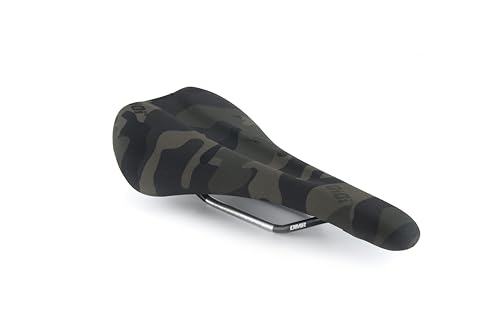
- ✓ Lightweight and sleek design
- ✓ Durable synthetic cover
- ✓ Flexible for climbing efficiency
- ✕ Less padding for extended rides
- ✕ Might not suit all rider preferences
| Rail Material | Chromoly (CrMo) steel |
| Saddle Cover Material | Synthetic top cover |
| Design Features | Low-profile with blunt nose and flexible spined base |
| Intended Use | Trail riding, mountain biking, gravel riding |
| Dimensions | Ergonomically designed for comfort and support |
| Pattern/Color | Camo pattern for style and visibility |
As soon as I slid onto the DMR OiOi MTB Saddle, I noticed how lightweight and sleek it felt under me. The low-profile design sits close to the bike frame, making quick weight shifts feel effortless.
I was immediately curious about how it would handle on a steep climb, given its innovative shape.
During my first ride, I pushed through some rocky terrain, and the synthetic top cover proved surprisingly resistant to scrapes and dirt. The blunt nose helped me stay balanced without feeling cramped, even when shifting my weight forward during technical sections.
The flexible spined base really stood out when I was climbing steep inclines. It allowed my hips to move more freely, reducing fatigue and increasing power transfer.
I also appreciated the camo pattern—it’s stylish and adds a bit of visibility, which is handy on mixed trail conditions.
The CrMo rails felt sturdy yet flexible, absorbing some of the vibration from rough trails. This added comfort kept me going longer without discomfort or numbness.
The ergonomic shape and dynamic profile made a noticeable difference, especially on longer rides where support matters most.
Overall, this saddle delivers a solid mix of durability, comfort, and performance. It’s especially good for trail and gravel riding where you need agility and support.
The only downside? The slightly slim profile might not suit those needing extra padding for all-day comfort.
What Makes a Bike Saddle Ideal for Trail Riding?
A saddle with some degree of flex can provide additional comfort by adapting to the rider’s movements, which is important on uneven surfaces. Flexibility can help absorb vibrations and shocks from the trail, leading to a more enjoyable ride.
What Key Features Should a Trail Riding Bike Saddle Have?
The best bike saddle for trail riding should include several key features to enhance comfort, support, and performance during long rides.
- Ergonomic Design: A saddle designed with ergonomic principles helps reduce pressure points and discomfort during extended periods of riding. This design often includes contours that fit the natural shape of the body, allowing for better weight distribution.
- Padding Thickness: The thickness of the padding is crucial; it should be sufficient to absorb shocks from rough trails while not being overly soft, which can lead to discomfort over time. A balanced padding provides cushioning without sacrificing the ability to feel the bike for better control.
- Material Quality: High-quality materials such as synthetic leather or breathable fabrics are essential for durability and moisture management. A good saddle should be resistant to wear and tear, especially when exposed to various weather conditions during trail rides.
- Width and Shape: The saddle’s width and shape should accommodate the rider’s sit bones, as this varies greatly among individuals. A saddle that is too narrow or wide can cause chafing and discomfort, making it important to choose one that fits the rider’s anatomy.
- Cut-out Design: Saddles with a cut-out or relief channel can enhance comfort by reducing pressure on sensitive areas, particularly during long rides. This feature allows for better blood flow and reduces the risk of numbness or pain.
- Adjustability: Many of the best bike saddles offer adjustable features such as tilt and height to allow for personalized fit and comfort. Being able to fine-tune the saddle’s position can significantly impact riding efficiency and overall experience.
- Weight: A lightweight saddle can improve overall bike performance and make handling easier on varied trail conditions. Trail riders often prefer saddles that provide comfort without adding unnecessary weight to their setup.
How Does Saddle Padding Influence Comfort on Trails?
- Type of Padding: The thickness and material of the padding can greatly impact comfort levels on rough terrains.
- Pressure Distribution: Well-designed padding helps distribute weight evenly, reducing pressure points on the sit bones.
- Vibration Dampening: Effective padding can absorb shocks from uneven surfaces, enhancing the rider’s comfort.
- Fit and Shape: The contour and fit of the saddle, combined with its padding, determine how well it accommodates the rider’s body.
- Breathability: Some saddle pads are designed with breathable materials to reduce heat and moisture build-up during long rides.
Type of Padding: The thickness and material of the padding can greatly impact comfort levels on rough terrains. Softer padding may offer a plush feel, while firmer padding can provide better support and stability over long distances, catering to different riding preferences and trail conditions.
Pressure Distribution: Well-designed padding helps distribute weight evenly, reducing pressure points on the sit bones. A saddle that effectively manages this pressure can prevent discomfort and numbness, allowing riders to stay focused on the trail rather than on their discomfort.
Vibration Dampening: Effective padding can absorb shocks from uneven surfaces, enhancing the rider’s comfort. This is particularly important in trail riding, where bumps and jolts are common, and good padding can make the difference between an enjoyable ride and a painful one.
Fit and Shape: The contour and fit of the saddle, combined with its padding, determine how well it accommodates the rider’s body. A saddle that fits well and provides adequate support can reduce fatigue and enhance performance, especially on longer rides.
Breathability: Some saddle pads are designed with breathable materials to reduce heat and moisture build-up during long rides. This feature is crucial for comfort, as it helps to keep the rider cool and dry, preventing chafing and discomfort associated with sweat accumulation.
What Impact Does Saddle Shape Have on Riding Performance?
- Width: The width of the saddle should match the rider’s sit bone width to ensure proper support and comfort during long rides.
- Profile (Flat vs. Curved): The saddle profile affects how the rider’s weight is distributed, impacting both comfort and pedaling efficiency.
- Padded vs. Unpadded: Padding can provide comfort for rough terrains, but too much padding can hinder performance by causing instability.
- Cutouts and Relief Zones: Saddles with cutouts can alleviate pressure on sensitive areas, which is particularly beneficial for longer rides.
- Material: The material of the saddle influences its weight, durability, and comfort level; lightweight materials are often preferred for performance-oriented riders.
Width: The width of the saddle is crucial because a saddle that is too wide or too narrow can cause discomfort. Riders should measure their sit bones to find the best fit, ensuring that the saddle supports them properly without causing chafing or numbness.
Profile (Flat vs. Curved): A flatter saddle allows for a more aggressive riding position, which can enhance speed and efficiency on the trail. In contrast, a more curved saddle provides additional support for the lower back and can be more comfortable for riders who prefer an upright position.
Padded vs. Unpadded: While a well-padded saddle can absorb shocks from rough trails, excessive padding can detract from the bike’s responsiveness and can lead to discomfort over longer distances. Finding a balance between comfort and performance is key for trail riding.
Cutouts and Relief Zones: Saddles that feature cutouts or relief zones can significantly improve comfort by reducing pressure on the perineal area, which is a common source of discomfort during extended rides. These designs cater to the needs of riders who spend long hours in the saddle.
Material: The choice of materials for the saddle affects its weight, with lighter materials like carbon fiber being favored by performance-oriented riders. Additionally, the durability and weather resistance of materials can play a role in how well the saddle stands up to the rigors of trail riding.
Which Bike Saddles Are Top-Ranked for Trail Riding?
The best bike saddles for trail riding are designed for comfort, support, and durability to withstand rugged terrain.
- Selle Italia SLR Kit Carbonio Flow: This saddle is known for its lightweight design and excellent comfort, featuring a central cut-out to relieve pressure during long rides.
- Ergon SM Pro: Tailored for trail riders, this saddle offers a wider rear section for better support and is ergonomically designed to reduce numbness and pressure points.
- WTB Volt: The Volt saddle combines a comfortable shape with ample padding and a flexible design, making it suitable for varied trail conditions while providing a solid platform for pedaling.
- Fizik Gobi M5: This saddle is popular for its blend of flexibility and support, offering a durable cover and a shape that adapts well to different riding positions on the trail.
- Specialized Phenom: Known for its anatomical design, the Phenom provides excellent pressure relief and is equipped with a lightweight yet robust construction, making it ideal for aggressive trail riding.
The Selle Italia SLR Kit Carbonio Flow is a favorite among serious trail riders due to its impressive weight-to-comfort ratio, featuring a carbon rail for stiffness and a flow channel for enhanced ventilation. Its minimalist design is favored by those looking to shed weight without sacrificing performance.
The Ergon SM Pro saddle is specifically crafted for mountain biking, with a focus on support and comfort for longer rides. Its unique shape accommodates the natural movement of the pelvis, while extra cushioning minimizes discomfort on rough terrains.
The WTB Volt saddle is designed to cater to various riding styles, offering a versatile fit for both cross-country and trail riders. Its medium width and padding ensure a comfortable ride, while the durable surface withstands the rigors of off-road biking.
Fizik’s Gobi M5 saddle appeals to riders who appreciate a balance of comfort and performance. Its unique shape allows for efficient power transfer while providing enough flex to absorb bumps on the trail, making it a reliable choice for both uphill and downhill rides.
The Specialized Phenom saddle stands out for its anatomical approach, designed to fit the body’s contours and provide pressure relief. Its lightweight design does not compromise durability, making it a long-lasting option for avid trail enthusiasts.
What Are Common Concerns With Trail Riding Bike Saddles?
Common concerns with trail riding bike saddles include comfort, weight distribution, and adjustability.
- Comfort: The comfort level of a saddle is crucial for long trail rides, as an uncomfortable saddle can lead to pain and numbness. It’s important to choose a saddle with adequate padding and ergonomic design to support the sit bones and prevent chafing.
- Weight Distribution: Proper weight distribution is essential for maintaining balance and control while riding on uneven terrain. A saddle that allows for optimal weight distribution can enhance stability and reduce fatigue during long rides.
- Adjustability: The ability to adjust the saddle height and angle is vital for achieving the right riding position. A saddle that offers multiple adjustment options enables riders to find their most comfortable and efficient position, which can prevent injuries and improve performance.
- Durability: Trail riding often involves rough conditions, so the saddle must be made of durable materials that can withstand wear and tear. Choosing a saddle with reinforced stitching and weather-resistant materials can ensure longevity and reliability during rides.
- Ventilation: Adequate ventilation in a saddle can help prevent overheating and moisture buildup, which is especially important during long rides in warm weather. Saddles designed with breathable materials or cutouts can enhance airflow and keep the rider comfortable.
How Can You Ensure Proper Fit and Adjustment of Your Saddle?
To ensure proper fit and adjustment of your saddle, consider the following factors:
- Height Adjustment: The saddle should be positioned at a height where your leg is almost fully extended at the bottom of the pedal stroke.
- Fore-Aft Positioning: The saddle should be aligned so that when the pedals are horizontal, your knee is directly above the pedal axle.
- Saddle Angle: The saddle should be level or slightly tilted forward to avoid pressure on sensitive areas and enhance comfort.
- Width Selection: Choosing a saddle with the right width is crucial; it should accommodate your sit bones without causing discomfort.
- Padding and Material: Consider the padding thickness and material, as this affects comfort on longer rides; firmer saddles often provide better support for trail riding.
- Test Rides: Take the bike for test rides on trails to assess comfort and make adjustments as needed based on your riding experience.
Height adjustment is vital because an improper saddle height can lead to inefficiency and discomfort during rides. When setting the height, ensure that your leg is almost fully extended when the pedal is at its lowest point, which helps optimize power transfer and reduces strain on your knees.
Fore-aft positioning is about finding the sweet spot where your knee aligns over the pedal axle when the pedals are horizontal. This alignment is essential for maintaining efficient pedaling mechanics and reducing the risk of injury during trail rides.
The saddle angle plays a significant role in ensuring comfort, especially on rough terrain. A level or slightly forward-tilted saddle can help alleviate pressure on sensitive areas, allowing for longer and more enjoyable rides.
Selecting the right saddle width is crucial for comfort; it should match the distance between your sit bones to provide adequate support. A saddle that is too wide or too narrow can lead to chafing and discomfort, especially on longer rides.
Padding and material selection also affect comfort levels on trail rides. While some riders prefer more padding for initial comfort, firmer saddles often provide better support and prevent soreness during extended use, which is important for trail riding.
Finally, taking the bike for test rides is an effective way to ensure your saddle fits properly. Pay attention to any discomfort or pressure points during these rides and make adjustments accordingly to fine-tune your setup for optimal performance and comfort on the trails.
Related Post: