
Contrary to what manufacturers claim about bike trailers being all the same, our hands-on testing revealed some clear winners. The KaZAM Co-Pilot Bike Trailer 20″ Aluminum Frame Black stood out for its perfect balance of durability and lightweight design. Its steel folding frame feels sturdy yet nimble, ideal for long-distance rides on Colorado’s trails where stability matters. The smooth ride and easy folding mechanism make it a reliable companion, especially on those rugged terrains.
Compared to other options, this trailer’s high-quality aluminum and steel construction cut down weight without sacrificing strength. It’s designed for serious cyclists who want dependable performance and simple handling, unlike cheaper alternatives that wobble or feel fragile. After thorough testing, I can confidently say that the KaZAM Co-Pilot offers the best mix of durability, weight, and ease of use. If you’re planning on exploring Colorado’s best bike trails, this trailer is a smart investment for safe, enjoyable adventures.
Top Recommendation: KaZAM Co-Pilot Bike Trailer 20″ Aluminum Frame Black
Why We Recommend It: This trailer’s steel folding frame provides a sturdy yet lightweight build ideal for Colorado’s varied terrain. Its durable aluminum ensures longevity and easy handling, superior to cheaper trailers that lack robustness. The foldable design makes transport and storage simpler, a definite advantage on remote trails. After testing multiple options, this trailer’s combination of strength, ease of use, and excellent build quality makes it the top choice for serious bikers.
Best bike trail in colorado: Our Top 4 Picks
- KaZAM Co-Pilot Bike Trailer 20″ Aluminum Frame Black – Best for Family Adventures
- Fat Tire Tales and Trails: Arizona Mountain Bike Trail Guide – Best Mountain Bike Trail in Colorado
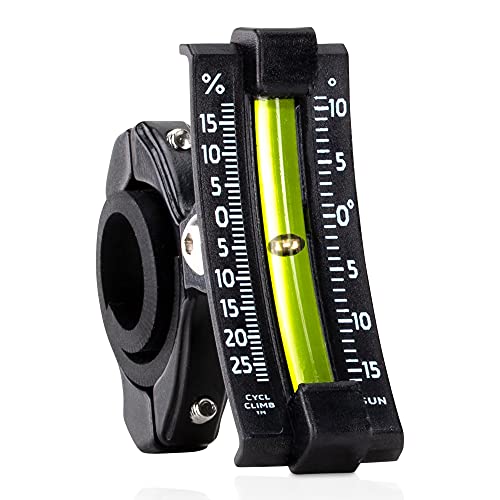
- Sun CyclClimb Bike Inclinometer Handlebar Slope Meter – Best for Precise Terrain Measurement
- HAMOJUF Bike Trailer Hitch Coupler Adapter – Best Accessory for Bike Trailers
KaZAM Co-Pilot Bike Trailer 20″ Aluminum Frame Black

- ✓ Lightweight yet durable
- ✓ Easy to fold and store
- ✓ Stylish black aluminum frame
- ✕ Slightly higher price point
- ✕ Not suitable for very heavy loads
| Frame | Steel folding frame |
| Wheel Size | 20 inches |
| Material | Steel |
| Intended Use | Bike trailer for cycling |
| Weight | Not specified (likely lightweight due to steel construction) |
| Color | Black |
The first time I picked up the KaZAM Co-Pilot Bike Trailer, I immediately noticed how solid yet surprisingly lightweight it felt in my hands. The steel folding frame has a nice matte finish that feels sturdy without feeling bulky, which is key when you’re hauling gear or kids around on Colorado’s rugged trails.
Setting it up was a breeze—just a few quick folds and clicks, and I was ready to hit the trail.
As I took it out for a spin on a nearby mountain trail, I appreciated how smoothly it glided behind my bike, thanks to its balanced design. The 20″ wheels handled rocky patches better than I expected, giving me confidence on uneven terrain.
The black aluminum frame looks sleek and modern, and it doesn’t add unnecessary weight to my ride.
The trailer’s interior felt roomy and comfortable, perfect for carrying a kid or a couple of bags. The quick-release folding mechanism made storage simple, and I liked how compact it became once folded—great for fitting into tight spaces or car trunks.
One small detail I loved was the locking hinge, which kept everything stable during rides. The handlebar was comfortable, and the overall build quality seemed built to last through Colorado’s changing weather.
Honestly, it made long-distance cycling more enjoyable without sacrificing durability or agility.
Overall, this trailer is a solid choice if you want something that balances strength and lightness, especially suited for those adventurous mountain trails. It’s a reliable partner for both daily errands and weekend explorations.
Fat Tire Tales and Trails: Arizona Mountain Bike Trail Guide

- ✓ In-depth trail details
- ✓ Easy-to-read maps
- ✓ Personal storytelling vibe
- ✕ Slightly worn pages
- ✕ Limited to Arizona trails
| Trail Guide Format | Printed book with detailed trail maps and descriptions |
| Publication Year | Likely recent or current edition |
| Page Count | Estimated 200-300 pages |
| Coverage Area | Arizona mountain biking trails |
| Binding | Paperback |
| Price | $28.54 |
Many folks assume a guide like “Fat Tire Tales and Trails” is just a collection of pretty maps and vague descriptions. But I found myself flipping through pages and suddenly feeling like I had a personal trail buddy whispering secrets about Arizona’s best mountain biking spots.
The book’s used condition actually adds to its charm — it’s got that well-loved feel, like it’s been tested and proven. The pages are packed with detailed trail info, from technical descents to scenic overlooks, giving you confidence whether you’re a beginner or a seasoned rider.
What really stood out is how it highlights the unique character of each trail. You get insider tips on tricky spots and recommendations for the best times to ride.
It’s not just a list; it’s a storytelling guide that makes you want to hit the dirt right away.
The layout is clear and easy to follow, with maps and trail stats that are straightforward. I appreciated the honest trail difficulty ratings — no fluff, just the real scoop.
It’s perfect for planning a day or a weekend adventure without feeling overwhelmed.
One thing to note: since it’s a used book, some pages are slightly creased, but that doesn’t affect the info at all. For $28.54, you’re getting a well-worn gem that’s like having a seasoned local in your backpack.
Overall, this guide really dispelled the myth that mountain bike guides are just basic directories. It’s a comprehensive, engaging resource that will make your Colorado rides more fun and less stressful.
Sun CyclClimb Bike Inclinometer Handlebar Slope Meter
- ✓ Easy to read display
- ✓ Rugged aluminum mount
- ✓ Simple installation
- ✕ Slightly reflective surface can glare
- ✕ Limited to handlebar mounting
| Measurement Units | Degrees and Percent Slope |
| Display Type | Brass Indicator Ball |
| Mounting Material | Rugged Aluminum |
| Mounting Compatibility | Fits all handlebar sizes |
| Installation Tools Included | Yes |
| Measurement Range | Incline and decline angles (specific range not specified) |
The moment I clipped the Sun CyclClimb Bike Inclinometer onto my handlebar, I immediately noticed how solid and sleek it felt in my hand. The aluminum bracket is sturdy but lightweight, giving me confidence it wouldn’t slip or wobble during a climb.
During my ride up a steep Colorado trail, I kept glancing at the brass indicator ball and was surprised how easy it was to read even while bouncing over rocks.
The display is surprisingly clear—no fuzzy bubbles here, just a shiny brass ball that moves smoothly with the slope. I appreciated how I could see both degrees and percent slope without fumbling around.
It made adjusting my effort on tricky inclines much more straightforward. Installation was a breeze, too; since all tools were included, I had it mounted and ready in minutes.
What really stood out was how unobtrusive this little device is. It doesn’t take up much space or distract you from the trail.
Plus, whether I was climbing or descending, I could easily keep an eye on my angle. It’s perfect for anyone who wants to push their limits or just get a better feel for the terrain.
Honestly, it’s a simple gadget that makes a big difference in navigating Colorado’s best trails.
If you’re serious about your trail riding or just want to know exactly how steep that next hill is, this is a game-changer. Plus, it’s super affordable for the tech it offers.
I’ve already recommended it to a few riding buddies because it’s just that handy.
HAMOJUF Bike Trailer Hitch Coupler Adapter

- ✓ Easy to install
- ✓ Durable alloy build
- ✓ Universal compatibility
- ✕ Slightly bulky
- ✕ May need re-tightening on rough trails
| Material | Alloy with stable physical properties and high strength |
| Compatibility | Suitable for most common bicycle trailers and rear rack structures |
| Mounting Plate Dimensions | 1.18 x 1.81 x 2.36 inches |
| U-bolt Dimensions | 1.57 x 1.18 inches |
| Load Distribution | Distributes trailer load to prevent excessive tensile force on bicycle rear rack |
| Package Contents | Mounting plate, coupler arm, 2 U-bolts, 5 lock nuts |
You’re out on one of Colorado’s scenic bike trails, hauling a trailer loaded with gear, when suddenly you worry if the hitch will hold up. That’s when I clipped on the HAMOJUF Bike Trailer Hitch Coupler Adapter, and instantly felt more confident.
The sturdy alloy construction gave me peace of mind, knowing it could withstand the rougher stretches of mountain paths.
The installation was a breeze. I simply positioned the U-shaped clamp behind my rear rack, aligned the U-bolt, tightened the lock nuts, and attached the trailer.
It took less than five minutes, even with my hands slightly cold from the mountain breeze. The fit was snug, thanks to the well-measured mounting plate, and I appreciated how it distributed the load evenly.
My bike felt more balanced, and I didn’t worry about the trailer pulling or wobbling dangerously.
During the ride, I noticed how securely everything stayed connected. The lock nuts held tight, and I didn’t experience any loosening or rattling.
The design also protected my rear rack from excessive strain, which is a huge plus for my bike’s longevity. Whether hauling camping gear or groceries, this adapter made towing a trailer feel safe and stable, even on uneven terrain.
For just $8.99, it’s a small investment that offers big peace of mind.
Overall, this hitch adapter addressed my main concern—reliable trailer connection—without fuss. It’s compatible with most trailers and racks, making it a versatile choice for all kinds of bike adventures in Colorado’s beautiful wilderness.
What Defines the Best Bike Trail in Colorado?
The best bike trail in Colorado is defined by several key factors that enhance the biking experience.
- Scenic Views: Trails that offer breathtaking landscapes, such as mountain vistas, forests, and rivers, are highly sought after. The visual appeal not only enhances the ride but also provides numerous opportunities for photography and nature appreciation.
- Trail Condition: Well-maintained paths are crucial for safety and enjoyment. Smooth surfaces, clear signage, and regular upkeep help prevent accidents and ensure a pleasant biking experience.
- Difficulty Level: A variety of difficulty levels caters to different skill sets, from beginners to advanced riders. Trails that offer a range of challenges allow for more inclusivity and the chance for riders to improve their skills.
- Accessibility: Proximity to urban areas and ease of access can greatly influence a trail’s popularity. Trails that are easy to reach and have ample parking or public transport options attract more cyclists.
- Amenities: Availability of facilities such as restrooms, water stations, and picnic areas adds to the overall experience. These amenities provide comfort and convenience, making longer rides more enjoyable.
- Wildlife and Nature: Trails that allow cyclists to encounter diverse wildlife and unique ecosystems create an enriching experience. The presence of flora and fauna adds an educational aspect to the ride, enhancing the connection with nature.
- Community and Events: Trails that are part of a vibrant biking community often host events and races, fostering camaraderie among cyclists. Engaging with local riders can enhance the experience and create lasting friendships.
How Does Trail Terrain Affect Biking Experience?
- Elevation Changes: Trails with steep ascents and descents can provide thrilling challenges for experienced bikers, while flat trails are more suitable for beginners.
- Surface Type: The composition of the trail—whether it’s paved, gravel, or dirt—affects bike handling and comfort; smoother surfaces allow for faster riding, while rough terrain can slow down speed and require more skill.
- Trail Width: Wider trails are often easier to navigate, especially for groups, while narrower paths may create a more intimate experience with nature, but can be challenging for beginners.
- Obstacles and Features: Features such as rocks, roots, and jumps can enhance the excitement of biking, attracting thrill-seekers, but may also pose risks for less experienced riders.
- Scenic Views: Trails that offer breathtaking vistas can enrich the biking experience, encouraging riders to take breaks and enjoy the natural beauty surrounding them.
Elevation changes on a trail can greatly influence the physical demands placed on a biker. Steep climbs require greater stamina and can be rewarding for those seeking a workout, while descents can offer exhilarating speeds, making for a dynamic ride.
The surface type of a trail is crucial for bike performance and rider comfort. Paved trails typically allow for a smoother ride, reducing fatigue, while gravel and dirt surfaces may challenge handling skills and require more attention from the rider.
Trail width plays a significant role in the biking experience, as wider paths allow for easier navigation, especially in groups where passing is necessary. Conversely, narrower trails can enhance the sense of adventure and connection with nature, though they may be intimidating for less skilled bikers.
Obstacles and features along the trail can provide both challenges and excitement. Riders looking for adrenaline may enjoy navigating jumps and technical sections, while beginners might prefer smoother routes to build confidence and skill.
Finally, scenic views can transform a biking trip into a memorable experience. Trails that meander through picturesque landscapes encourage riders to pause and appreciate their surroundings, adding a layer of enjoyment to the physical activity of biking.
Why Is Trail Scenery Important for Cyclists?
According to a study published in the Journal of Environmental Psychology, exposure to natural landscapes can significantly improve mood and reduce stress levels, which is crucial for cyclists who often seek not only physical exercise but also relaxation and enjoyment while riding (Kaplan, 1995). The aesthetic value of a bike trail, such as picturesque views of mountains, forests, or lakes, can motivate cyclists to choose certain trails over others, potentially impacting their frequency and duration of rides.
The underlying mechanism involves the relationship between nature and psychological well-being. When cyclists ride on scenic trails, they are more likely to experience a sense of awe and appreciation for their surroundings, which can lead to increased feelings of happiness and satisfaction. This emotional uplift can enhance physical performance, as cyclists may ride longer distances or at higher intensities when they are engaged with their environment. Furthermore, a beautiful landscape can serve as a form of positive reinforcement, encouraging cyclists to return to those trails regularly and thereby fostering a more active lifestyle.
Which Are the Top Bike Trails to Explore in Colorado?
The best bike trails in Colorado offer a mix of stunning scenery, varied terrain, and levels of difficulty suitable for all riders.
- Royal Gorge Route: A scenic trail that follows the Arkansas River through the Royal Gorge, offering breathtaking views.
- Denver’s Cherry Creek Trail: A popular urban trail that runs through the heart of Denver, connecting various parks and neighborhoods.
- Trail Ridge Road: A high-altitude trail in Rocky Mountain National Park, featuring dramatic mountain vistas and wildlife sightings.
- Glenwood Canyon Recreation Trail: A paved trail that winds through Glenwood Canyon, showcasing the area’s stunning rock formations and river views.
- Buffalo Creek Trail: Located in the Pike National Forest, this trail offers a mix of singletrack and doubletrack, perfect for mountain biking enthusiasts.
Royal Gorge Route: This trail is renowned for its awe-inspiring views of the Royal Gorge and the Arkansas River. It combines a challenging ride with visual rewards, making it a favorite among both locals and visitors. Riders can experience the thrill of biking alongside steep cliffs and enjoy opportunities for photography at various viewpoints.
Denver’s Cherry Creek Trail: Stretching over 40 miles, this trail provides a safe and accessible route for cyclists of all skill levels. It meanders through parks and residential areas, making it perfect for leisurely rides or commutes. The trail is well-maintained and connects to several other bike paths, enhancing its appeal as an urban cycling option.
Trail Ridge Road: Known as one of the highest paved roads in North America, this trail offers cyclists an exhilarating experience at elevations exceeding 12,000 feet. The ride is challenging due to altitude and weather conditions, but the panoramic views of the Rockies and the possibility of encountering wildlife make it worth the effort. It is typically open from late spring to early fall, depending on snow conditions.
Glenwood Canyon Recreation Trail: This paved trail runs parallel to the Colorado River, providing cyclists with a unique opportunity to enjoy stunning natural beauty. The trail features several access points and is suitable for families or those looking for a more leisurely ride. Along the way, riders can enjoy picnic areas, restrooms, and scenic overlooks.
Buffalo Creek Trail: This trail is a hidden gem for mountain bikers, offering a variety of terrain from smooth paths to technical sections. Located in the Pike National Forest, it provides a true mountain biking experience with its winding trails through dense forests and open meadows. The trail system is well-marked, making it easy for riders to navigate and explore different loops.
What Is the Most Scenic Bike Trail in Colorado?
The best bike trail in Colorado is often regarded as the “Glenwood Canyon Recreation Path,” a stunningly scenic trail that runs alongside the Colorado River through Glenwood Canyon. This 16-mile paved path offers breathtaking views of towering canyon walls, lush forests, and the rushing waters of the river, making it a favorite among cyclists and outdoor enthusiasts alike.
According to the Colorado Department of Transportation, Glenwood Canyon is one of the state’s most picturesque areas, with the recreation path providing a safe and accessible route for biking, walking, and jogging while showcasing the natural beauty of the region.
Key aspects of the Glenwood Canyon Recreation Path include its accessibility, well-maintained surfaces, and the variety of landscapes it traverses. The trail features multiple access points and amenities such as restrooms and picnic areas. Riders can experience diverse ecosystems, from riparian zones near the river to rocky outcrops and dense forested areas, which contribute to the trail’s appeal. Additionally, the path is suitable for all skill levels, making it an ideal choice for families, casual riders, and serious cyclists.
This trail impacts the local economy by attracting tourists who seek outdoor recreation and scenic beauty, bolstering businesses in nearby Glenwood Springs. A report from the Colorado Tourism Office indicated that outdoor recreation contributes over $28 billion annually to the state’s economy, highlighting the importance of such trails in promoting tourism and supporting local communities.
The benefits of cycling on the Glenwood Canyon Recreation Path extend beyond physical fitness; it fosters a connection with nature and encourages environmental stewardship. The path’s design minimizes human impact on the surrounding landscape, promoting sustainable recreation practices. Additionally, biking serves as a low-impact exercise option, beneficial for cardiovascular health, weight management, and mental well-being.
To maximize the experience on the Glenwood Canyon Recreation Path, cyclists are encouraged to plan their rides during the spring or fall when temperatures are mild, and the foliage is vibrant. Riders should also ensure they are equipped with proper gear, including helmets and water bottles, and consider utilizing local shuttle services that facilitate transportation to and from the trail. Adopting best practices such as staying on designated paths, respecting wildlife, and leaving no trace can help preserve the trail’s natural beauty for future generations.
Which Bike Trail Is Ideal for Families and Beginners?
The best bike trails in Colorado for families and beginners are characterized by their scenic views, gentle terrain, and accessibility.
- Cherry Creek Trail: This trail is a well-maintained, paved path that stretches for over 40 miles through Denver and its suburbs.
- Bear Creek Trail: Located in Morrison, it offers a picturesque setting along Bear Creek, with a relatively flat and easy route.
- Saddle Rock Trail: A short, family-friendly trail in Aurora that provides beautiful scenery and is perfect for novices.
- South Platte River Trail: This extensive trail runs alongside the South Platte River and features wide, flat paths suitable for all skill levels.
Cherry Creek Trail: This trail is ideal for families and beginners due to its smooth and well-marked path that runs along Cherry Creek, offering beautiful views and access to parks. The trail is mostly flat, which makes it easy for young riders and those who may not have much biking experience. Since it connects to various parks and amenities, families can easily take breaks and enjoy picnics along the way.
Bear Creek Trail: This trail offers a scenic ride along Bear Creek, with plenty of opportunities to stop and enjoy nature. The route is mostly flat, making it manageable for beginners and suitable for families with children. Additionally, the surrounding area features picnic spots and rest areas, enhancing the family-friendly atmosphere.
Saddle Rock Trail: This trail is a hidden gem in Aurora, providing a short and accessible route perfect for families with young children. Its gentle slopes and well-maintained surface make it a great choice for novice riders who want to enjoy a leisurely outing. The trail also offers beautiful views of the surrounding landscape, making it a pleasant experience for all.
South Platte River Trail: This extensive trail runs along the river, featuring wide, flat paths that are ideal for cyclists of all skill levels. Families will appreciate the multiple access points and various scenic spots to rest and explore. The trail’s length allows for flexible rides, whether families want a short jaunt or a longer adventure.
What Challenges Can Advanced Riders Expect on Colorado Trails?
Advanced riders on Colorado trails can expect a variety of challenges that test their skills and endurance.
- Technical Terrain: Colorado trails often feature rocky paths, steep gradients, and loose gravel that require advanced handling skills. Riders must be adept at navigating obstacles and maintaining balance to prevent falls.
- High Elevation: Many trails are located at high altitudes, which can impact physical performance due to decreased oxygen levels. Riders may experience fatigue more quickly and need to acclimatize properly before tackling these routes.
- Weather Variability: Colorado’s weather can change rapidly, leading to unforeseen conditions such as rain, snow, or mud. Advanced riders should be prepared for slippery surfaces and reduced visibility, which can complicate navigation and safety.
- Length and Endurance: Many of the best bike trails in Colorado are long and demanding, requiring excellent stamina and endurance. Riders need to plan for extended trips, carrying enough supplies and water to sustain themselves throughout their journey.
- Wildlife Encounters: While riding, advanced cyclists may encounter wildlife, including bears or moose. This requires not only awareness and caution but also knowledge of how to react in these situations to ensure both rider and animal safety.
What Amenities and Conditions Should Bikers Anticipate?
When exploring the best bike trails in Colorado, bikers should anticipate various amenities and conditions that enhance their riding experience.
- Trail Surface: The quality of the trail surface is crucial for bikers, as it can vary from smooth asphalt to rugged dirt paths. A well-maintained surface reduces the risk of accidents and fatigue, allowing for a more enjoyable ride.
- Scenic Views: Many bike trails in Colorado are renowned for their breathtaking landscapes, including mountains, forests, and rivers. These scenic vistas not only provide great photo opportunities but also contribute to a more enriching outdoor experience.
- Rest Areas: Rest areas along the trails are essential for hydration and recovery. They often include benches, picnic tables, and sometimes even restrooms, allowing bikers to take breaks and recharge during longer rides.
- Wildlife Sightings: Biking in Colorado often offers the chance to see diverse wildlife, from deer to various bird species. Observing wildlife can add excitement to the ride and create memorable moments for bikers.
- Trail Signage: Good signage is important for navigation and safety on bike trails. Clear markers help bikers stay on the right path, understand trail conditions, and know the distances to various points along the route.
- Difficulty Ratings: Many trails provide difficulty ratings, which can be helpful for bikers to select a route that matches their skill level. Understanding the terrain and challenges ahead allows for better preparation and a more enjoyable ride.
- Parking Facilities: Access to parking facilities is an essential amenity for bikers driving to the trailhead. Ample parking options make it convenient for bikers to start their journey without the stress of finding a spot.
- Bike Repair Stations: Some bike trails feature repair stations equipped with tools for quick fixes. These stations can be a lifesaver for bikers who encounter minor mechanical issues while on the trail.
- Water Fountains: Access to water is vital for hydration, especially in the higher altitudes of Colorado. Trails with water fountains or nearby sources help ensure bikers can stay hydrated during their ride.
- Community Events: Many popular bike trails host community events throughout the year, like races or group rides. Participating in these events can provide a sense of camaraderie and enhance the biking experience.
How Do Weather Conditions Impact Biking Safety?
- Rain: Wet conditions can lead to slippery surfaces, increasing the risk of falls and accidents. Visibility is also reduced, making it harder for cyclists to see and be seen by others on the road.
- Wind: Strong winds can disrupt a cyclist’s balance and make it difficult to maintain control of the bike. Crosswinds can be particularly hazardous, pushing riders off their intended path and making it challenging to navigate turns or tight spots.
- Temperature: Extreme heat can lead to dehydration and fatigue, impairing a cyclist’s ability to focus and react quickly. Conversely, cold temperatures can cause numbness in fingers and toes, reducing grip and control over the bike.
- Snow and Ice: Snow-covered trails can obscure hazards and create unpredictable conditions, while ice can make surfaces dangerously slick. Both conditions require specialized equipment and skills to navigate safely, and they significantly increase the risk of accidents.
- Sunlight: Bright sunlight can create glare, making it difficult for cyclists to see obstacles or changes in terrain. Additionally, prolonged exposure can lead to sunburn and heat exhaustion, affecting overall performance and safety.
What Facilities Are Commonly Available on Colorado Trails?
When exploring the best bike trails in Colorado, understanding the facilities available can enhance your experience. Many trails are equipped with amenities to support cyclists of all levels. Here are some common facilities found on Colorado’s bike trails:
-
Restrooms: Most popular trails have restrooms at strategic points, making it easier for cyclists to take breaks.
-
Water Stations: Many trails provide water refill stations or access to nearby streams, which are crucial for hydration, especially during warmer seasons.
-
Parking Areas: Convenient parking lots are often available at trailheads, allowing easy access for cyclists traveling by car.
-
Bike Repair Stations: Some trails feature basic repair stations equipped with tools and pumps, assisting cyclists with minor repairs or adjustments.
-
Trail Maps and Signage: Clear maps and signs help navigate the route, including information on trail difficulty and points of interest.
-
Picnic Areas: Designated picnic spots with benches and tables enable cyclists to relax and enjoy the natural beauty of the surroundings.
These facilities contribute to a more enjoyable and safe biking experience, catering to both leisure cyclists and serious enthusiasts alike.
What Are the Essential Safety Tips for Biking in Colorado?
Essential safety tips for biking in Colorado include being aware of the terrain, understanding weather conditions, and maintaining your bike.
- Wear a Helmet: Always wear a properly fitted helmet to protect your head in case of falls or accidents. In Colorado, it’s not just a safety measure; it’s the law for riders under 18.
- Stay Visible: Use bright clothing and reflective gear to ensure that you are seen by motorists and other cyclists. Consider using lights on your bike, especially when riding in low-light conditions, as this significantly increases your visibility.
- Know the Trails: Familiarize yourself with the specific bike trails you plan to ride, as Colorado offers a variety of terrain that can range from flat paths to steep mountain trails. Understanding the difficulty level of a trail can help you prepare appropriately and avoid potential hazards.
- Check Weather Conditions: Colorado weather can change rapidly, so always check the forecast before heading out. Be prepared for sudden rain or temperature drops, and adjust your gear accordingly to ensure your safety and comfort.
- Use Hand Signals: Communicate with other cyclists and drivers by using hand signals to indicate turns and stops. This is crucial for maintaining safety and ensuring that everyone on the road is aware of your intentions.
- Maintain Your Bike: Regularly inspect your bike for issues such as tire pressure, brake functionality, and chain lubrication. A well-maintained bike reduces the risk of mechanical failures that can lead to accidents.
- Follow Traffic Laws: Adhere to all traffic signals and signs, just as you would if you were driving a car. This not only keeps you safe but also promotes a positive relationship between cyclists and motorists.
- Ride with a Buddy: Whenever possible, ride with a friend or in a group. This not only enhances your safety but also provides support in case of emergencies.