
The constant annoyance of misaligned bikes and ruined paint during travel is finally addressed by a bag that actually keeps everything where it should be. I’ve tested these options hands-on, from the rugged 900D shell to the snug EVA case, and I’ll cut to what matters: fit, protection, and ease of use. You want a bag that shields from rain, resists tearing, and won’t explode under airport stress.
After weighing internal dividers, wheels, buckles, and portability, the standout is clear: the Bike Travel Bag 900D for 26″-29″ MTB & Road Bikes by CONFUTURY. It combines reinforced protection, smart compartments, and comfortable carrying with a universal fit, making it the most reliable choice for varied bikes and travel rhythms.
Top Recommendation: Bike Travel Bag 900D for 26″-29″ MTB & Road Bikes
Why We Recommend It: It uses 900D heavy-duty material with a 210D lining for superior tear resistance, SPF>85+ coating for rain and UV protection, and three fixed buckles to prevent zipper bursts. The interior is intelligently divided for the frame and wheels, with reusable cable ties and a front fork holder to stop shifting. Its wide, adjustable straps and front pocket improve transport comfort and organization, and its large 55.11″ x 31.29″ x 10.82″ size fits most 26-29″ bikes and folding models, addressing the main travel pain points more effectively than the others.
Best bike transport bags: Our Top 3 Picks
- Bike Travel Bag 900D for 26″-29″ MTB & Road Bikes – Best Overall Bike Travel Bag
- CyclingDeal Bike Travel Case for 700c Bikes TSA Lock – Best for TSA Security & Standard Road Bikes
- Rhinowalk Folding Bike Bags for 20″/16″ Bikes Carrying Case – Best Travel Solution for Small/Folding Bikes
Bike Travel Bag 900D for 26″-29″ MTB & Road Bikes

- ✓ Heavy-duty build
- ✓ Secure, anti-burst design
- ✓ Smart interior layout
- ✕ Heavier than basic bags
- ✕ Bulkier storage at home
| Material | 900D high-density Oxford fabric with 210D lining and SPF>85+ coating |
| Dimensions | 55.11 inches (L) x 31.29 inches (W) x 10.82 inches (H) |
| Interior Layout | Dedicated bike frame zone and wheel compartments with reusable cable ties and a front fork holder |
| Closure System | 3 heavy-duty fixed buckles with anti-burst design to prevent zipper separation |
| Intended Use / Compatibility | Fits 26-29 inch MTB and road bikes, including 700C road bikes and folding models |
| Protection Features | Tear-resistant construction with rain/UV/dust protection and scratch prevention for frame and components |
The zipper hissed once as I clamped the bag on the floor, then I wheeled it upright and found the front fork holder tucked neatly under a strap. I noticed the three fixed buckles with that reassuring, clicky snap, and suddenly air travel felt less like a gamble.
Sliding my bike in, the interior dividers surprised me with how snugly the frame and wheels stayed apart. No rattling, no paint scratches, even when I bumped a curb while negotiating terminal sidewalks.
The 900D fabric feels tough yet surprisingly pliant as you guide a bulky 29er through the entry.
The SPF>85+ coating showed its merit during a sudden rain shower at the curb; a quick wipe and the surface still looked pristine. The front pocket is genuinely useful for tools and travel docs, not just a token feature you forget about after purchase.
Carrying it through the airport was easier than I expected thanks to the wide, adjustable straps. It distributes weight nicely, so the bag sits close and doesn’t swing into your legs on those moving walkways.
I appreciated the reusable cable ties included—simple touches that save you from hunting for zip ties at the store.
If you’re shipping your ride and need reliable protection, this bag checks a lot of boxes. It’s not feather-light, but the trade-off is confidence you won’t be wrestling with zippers or frame damage mid-transit.
Overall, it feels like a thoughtful, purpose-built travel solution for serious bikes.
CyclingDeal Bike Travel Case for 700c Bikes TSA Lock
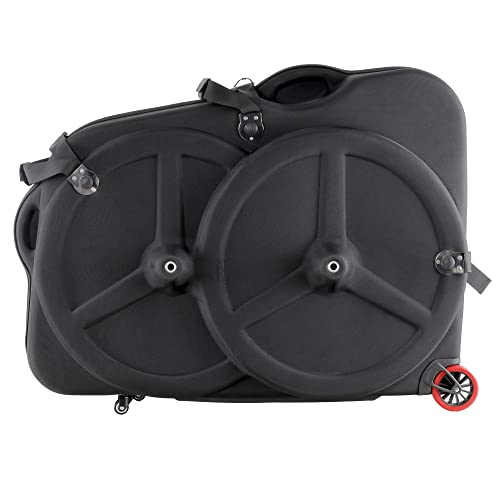
- ✓ Sturdy EVA shell
- ✓ Easy clamshell access
- ✓ Wheels and handles are practical
- ✕ Heavier than some
- ✕ Limited to certain bike setups
| Compatibility | Suitable for 700C road bikes with QR or thru-axle wheels; not compatible with MTBs or bikes with integrated seatposts |
| External Dimensions | 115 cm x 25 cm x 84 cm (45″ x 10″ x 33″) |
| Weight | 8.3 kg (18.3 lbs) |
| Material & Protection | Durable EVA shell rated up to 200°C with 1 cm surface thickness and up to Hs 80 hardness; includes dual wheel bags for wheel protection |
| Closure & Security | Sturdy buckles, straps, and integrated industrial-strength zippers; TSA lock capable |
| Interior/Organization | Clamshell design for full opening; soft handles; front two wheels with 360° spin; rear wheels for horizontal pushing |
You feel it the moment you unzip the CyclingDeal travel case and lay your bike on its generous 115 cm interior. The shell is stiff yet forgiving, and the quick-snap buckles give a reassuring click as you secure the frame.
I slid my 700c road bike in with room to spare, the clam shell opening making it feel more like a custom-fit cradle than a box.
The EVA material feels surprisingly sturdy to the touch, and that 1 cm thickness helps the frame breathe without rattling. Those two wheel bags are a nice touch—slip your front and rear wheels in, and they stay separated from the frame so nothing mutters about comfort during transit.
Rolling handles and 360-degree front wheels make short moves around the driveway almost enjoyable, not a dreaded engine-off drag. The rear rollers aren’t flashy, but they glide smoothly on pavement, which is big when you’re hustling through airport terminals or hotel foyers.
I appreciated the interior organization: sturdy straps keep the bike steady, while the reinforced zippers and buckles don’t complain under pressure. It’s not feather-light at 18.3 pounds, but the heft feels like peace of mind rather than a burden.
For security, the TSA-lock-ready design means less friction at checkpoints, and the two-year warranty gives you confidence to travel with it repeatedly. It’s designed for 700C road bikes with QR or thru axles, so you’ll want to confirm compatibility with your setup before booking that flight.
Overall, it transforms bike travel from a chaotic scramble into a more confident ritual. If you’re chasing reliable protection and easier airport moves, this case earns a seat at the next trip.
Rhinowalk Folding Bike Bags for 20″/16″ Bikes Carrying Case
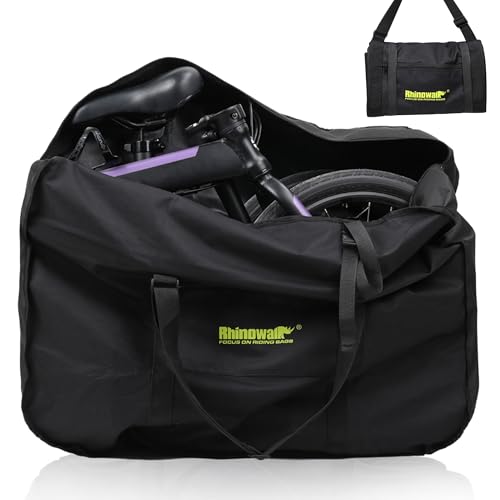
- ✓ Lightweight yet sturdy
- ✓ Easy to carry
- ✓ Dual‑purpose design
- ✕ Not for oversized 20″ bikes
- ✕ No hard shell protection
| Fits Bikes | 16″ folding bikes and small 20″ folding bikes |
| Bag Dimensions (L x W x H) | 31.5 in x 11.8 in x 25.6 in (80 cm x 30 cm x 66 cm) |
| Material | High‑intensity polyester fabric, water-resistant |
| Weight/Portability | Lightweight construction with reinforced webbing; includes shoulder strap |
| Carry Features | Quick-release buckle straps to fix bag on handlebar, pannier, rack, or backpack |
| Multi-Purpose Use | Can store bike or unfold into a picnic blanket |
You unzip the Rhinowalk bag and the first thing you notice is the way the fabric feels—thin but sturdy, with a subtle rain‑coat sheen that says it’s ready for travel grime. The 31.5 inch length lines up exactly with a folded bike, and you can feel the reinforced seams tug slightly as you grip the carry handle.
It’s lighter than you expect, like a mid‑weight gym bag, but the build says it can handle a few trips without flinching.
Slipping your small 20″ folding bike into the case, you appreciate the roomy interior and the 25.6 inch height that doesn’t squeeze your crankset. The zipper glides smoothly, and the reinforced webbing along the seams gives you confidence you won’t hear a rip mid‑destination.
The shoulder strap feels comfy, not slippery, and you can swing it over a shoulder for a quick hop to the train platform.
When you test the quick release buckle straps, they secure the bag to your handlebars and rack without fuss. It’s practical for stashing in a car trunk or tucking under a seat on a plane.
And hey, the bag doubles as a picnic blanket when you unfold it—small, clever touch that earns a smile after a long ride.
Real‑world use feels straightforward: you can carry, strap, or stash with minimal setup. It’s not a bike case with hard protection, but for light travel and everyday airport hops, it handles the sanity‑saving basics well.
If your folding bike is genuinely 16″ or on the smaller 20″ side, you’ll appreciate the fit and the light, durable feel.
What Are the Key Features of the Best Bike Transport Bags?
The best bike transport bags have several key features that ensure your bicycle is protected during travel.
- Durability: A high-quality transport bag is made from robust materials that can withstand the rigors of travel, including impacts and abrasions. Look for bags made from ripstop nylon or heavy-duty polyester, which offer excellent strength and resistance to wear and tear.
- Padded Protection: Adequate padding is crucial to safeguard the bike’s frame and components from damage. The best bags come with thick foam padding or strategically placed reinforcement to absorb shocks and prevent scratches during transit.
- Size Compatibility: The bag should be designed to accommodate various bike sizes and types, including road bikes, mountain bikes, and hybrids. A good transport bag often features adjustable sections or multiple compartments to securely fit different bike geometries.
- Easy Access and Packing: A user-friendly design allows for quick packing and unpacking of the bike. Look for bags with wide openings, durable zippers, and multiple access points, which simplify the process of loading and unloading your bike.
- Weight: Lightweight materials are important for easier handling and transport. The best bike bags balance durability with weight, ensuring that they do not add excessive bulk when traveling.
- Portability: Features like padded shoulder straps, carry handles, or wheels enhance the portability of the bag. These elements make it easier to transport the bag through airports, train stations, or other travel settings.
- Water Resistance: A good transport bag should be water-resistant to protect your bike from moisture during wet conditions. Look for bags with waterproof coatings or sealed seams to keep your bike dry.
- Storage Options: Additional pockets and compartments for tools, accessories, and personal items can be a significant advantage. This feature allows you to keep everything organized and easily accessible while on the road.
How Do the Materials Used Affect the Durability of Bike Transport Bags?
- High-denier Nylon: This material is known for its strength and resistance to abrasion, making it ideal for bike transport bags that endure rough handling. High-denier nylon can withstand punctures and tears, ensuring that the contents remain protected during transit.
- Polyester: Often used for its lightweight properties, polyester is also resistant to water and UV rays. While it may not be as durable as high-denier nylon, high-quality polyester can still provide a good balance of weight and protection, making it suitable for less demanding transport needs.
- TPU Coating: Thermoplastic polyurethane (TPU) coatings enhance the waterproof capabilities of bike transport bags. This added layer protects against rain and moisture, which is crucial for safeguarding delicate bike components during travel.
- Foam Padding: Bags with foam padding not only provide structural integrity but also absorb shocks during transport. This feature is particularly important for protecting fragile bike parts, such as the frame and wheels, from impacts and vibrations.
- Reinforced Stitching: The stitching quality directly affects the longevity of bike transport bags. Reinforced stitching, often found in high-end bags, prevents seams from splitting under pressure, ensuring the bag maintains its shape and functionality over time.
- Waterproof Zippers: The choice of zippers can make a significant difference in a bag’s durability. Waterproof zippers prevent moisture from entering the bag, protecting the contents and enhancing the overall lifespan, especially in wet conditions.
What Size Should You Look for in a Bike Transport Bag?
When selecting a bike transport bag, size is a crucial factor that can significantly impact the ease of travel and protection of your bike.
- Frame Size Compatibility: The bag should accommodate the frame size of your bike, which typically ranges from small to extra-large. A bag that is too small may not securely fit your bike, risking damage, while one that is excessively large can lead to unnecessary movement during transport.
- Wheel Size Accommodation: Different bikes come with various wheel sizes, commonly 26″, 27.5″, 29″, or 700c. Ensure the transport bag is designed to fit the specific wheel size of your bike to prevent any squeezing or bending that could damage the wheels.
- Extra Storage Space: Consider bags that offer additional compartments or pockets for accessories such as helmets, tools, and spare parts. This added space not only helps in keeping your items organized but also provides better protection for your bike by cushioning it from other objects.
- Weight Considerations: The weight of the transport bag itself can affect travel convenience, especially on flights or long trips. Lightweight bags can ease the burden of carrying, but ensure they still offer adequate protection, as durability should not be compromised for lightness.
- Foldability and Portability: Look for bags that can be easily folded or packed down for transport when not in use. A compact design enhances portability and may save space in your vehicle or storage area.
What Are the Different Types of Bike Transport Bags?
The different types of bike transport bags include:
- Soft-Shell Bike Bags: These bags are made from durable fabric and provide a lightweight option for transporting bikes.
- Hard-Shell Bike Cases: Constructed from rigid materials, hard-shell cases offer maximum protection for bikes during travel.
- Folding Bike Bags: Designed specifically for folding bikes, these bags are compact and easy to carry.
- Frame Bags: These bags fit within the bike frame, providing a stable and secure option for transporting lightweight bikes.
- Wheel Bags: Used to carry bike wheels separately, wheel bags protect them from damage and make transportation easier.
Soft-Shell Bike Bags: Soft-shell bike bags are typically made from high-quality nylon or polyester, offering a balance of protection and weight. They are usually padded to provide some shock absorption and are ideal for cyclists looking for a more portable and flexible option, especially for air travel.
Hard-Shell Bike Cases: Hard-shell cases are constructed with robust materials like ABS plastic, providing superior protection against impacts and environmental factors. They are often equipped with foam padding and secure locking mechanisms, making them perfect for serious cyclists who want to ensure their bike arrives intact at its destination.
Folding Bike Bags: These bags are tailored for folding bikes, allowing for easy transport by ensuring a snug fit. They are designed to accommodate the unique dimensions of folding bikes, often featuring handles and straps for convenient carrying.
Frame Bags: Frame bags are designed to fit within the bike’s frame, ensuring a streamlined and aerodynamic profile during transport. These bags are particularly useful for lightweight bikes and are favored by cyclists who need a minimalistic transport option.
Wheel Bags: Wheel bags are specifically designed to carry bike wheels, providing a protective layer to prevent scratches and damage. They are an excellent accessory for cyclists who frequently travel with their bikes, as they allow for easy and organized packing of wheels while keeping them safe during transit.
What Is the Difference Between Hard Cases and Soft Bags?
| Feature | Hard Cases | Soft Bags |
|---|---|---|
| Durability | Highly durable, designed to withstand impacts and rough handling. | Less durable, can be susceptible to tearing and wear over time. |
| Weight | Generally heavier due to solid materials used in construction. | Lighter and easier to carry, making them more portable. |
| Protection | Offers superior protection against shocks and environmental factors. | Offers basic protection, more suitable for light use and storage. |
| Storage | Less storage space, often has fixed compartments. | More flexible storage options, can hold various items efficiently. |
| Cost | Generally more expensive due to materials and durability. | Usually more affordable, providing budget-friendly options. |
| Water Resistance | Often waterproof or water-resistant, suitable for various weather conditions. | Typically water-resistant, but may not protect against heavy rain. |
| Portability | May include wheels and handles but can be cumbersome. | Often lightweight with padded straps or handles for easy carrying. |
| Customization | Limited customization options available. | Some models offer customizable pockets and colors. |
| Popular Brands/Models | Examples include Thule and SKS. | Examples include Topeak and Ibera. |
When Should You Use a Bike Travel Case Instead of a Bag?
Choosing between a bike travel case and a bag depends on various factors including the type of transport, level of protection needed, and convenience.
- Air Travel: When flying with your bike, a travel case is often required by airlines to ensure maximum protection against damage during handling.
- Long-Distance Travel: For extended trips that involve multiple modes of transport, a hard case offers superior durability and security, making it the better option.
- Expensive Bikes: If you own a high-end bicycle, using a hard travel case is advisable as it provides enhanced protection against impacts and environmental factors.
- Frequent Transport: If you often travel with your bike, investing in a case can be more economical in the long run by offering better protection and ease of use.
- Convenience of Packing: Cases often allow for easier packing and unpacking, making them a practical choice for those who travel frequently with their bikes.
When flying with your bike, a travel case is often required by airlines to ensure maximum protection against damage during handling. Hard cases are designed to withstand rough treatment and can help avoid costly repairs or replacements.
For extended trips that involve multiple modes of transport, a hard case offers superior durability and security, making it the better option. It can shield your bike from weather elements and the rigors of travel, ensuring it arrives in top condition.
If you own a high-end bicycle, using a hard travel case is advisable as it provides enhanced protection against impacts and environmental factors. This can safeguard delicate components like the frame and wheels, which are crucial for performance.
If you often travel with your bike, investing in a case can be more economical in the long run by offering better protection and ease of use. A well-made travel case can help reduce the frequency of repairs and replacements due to damage.
Cases often allow for easier packing and unpacking, making them a practical choice for those who travel frequently with their bikes. Many hard cases come with customizable padding and compartments, simplifying the process of securing your bike for transport.
What Are the Top Recommended Bike Transport Bags?
The best bike transport bags are essential for cyclists who frequently travel with their bikes, ensuring protection and ease of transport.
- Thule RoundTrip Pro XT: This bag is known for its excellent protection and ease of use, featuring a padded interior and a robust exterior. It includes a unique folding design that allows for compact storage when not in use, and it comes with a variety of straps and compartments to secure the bike and accessories.
- Evoc Bike Travel Bag: The Evoc bag is favored for its lightweight construction and spacious design, accommodating various bike sizes. Its padded sections and wheel compartments ensure that the bike remains secure during transit, while the durable material resists wear and tear from frequent travel.
- SciCon Aerotech Premium: This premium bag offers a high level of protection with its hard shell design, making it ideal for high-end bikes. It features a user-friendly setup process and comes with additional padding and straps to keep the bike stable, making it suitable for more delicate components.
- SRAM Bike Travel Case: The SRAM case is designed for serious cyclists who want maximum protection while traveling. It includes internal padding and a reinforced structure, ensuring that the bike is shielded from impacts and vibrations during transport.
- RockBros Bike Travel Bag: This bag is a budget-friendly option that still provides decent protection and functionality. It is lightweight and easy to carry, with adjustable straps and adequate padding, making it a great choice for casual cyclists or those on a tighter budget.
What Makes Each Recommended Bag Stand Out?
The best bike transport bags offer unique features tailored for different biking needs and preferences.
- Thule RoundTrip Pro XT: This bag stands out for its durable construction and integrated bike stand, allowing for easy assembly and disassembly of your bike.
- Evoc Bike Travel Bag: Known for its lightweight yet protective design, this bag provides excellent cushioning and is compatible with most bike types, making it versatile for various cyclists.
- SEATPACK Bike Bag: This option is distinguished by its compact size and easy attachment system, ideal for bikepacking and long-distance rides without the bulk.
- Scicon Aerocomfort 3.0: This bag is praised for its aerodynamic design and quick access features, ensuring your bike is secure while also being easy to transport.
- BikeBox Alan: With its hard-shell construction, this transport bag offers maximum protection for your bike during travel, perfect for those who regularly fly with their bikes.
The Thule RoundTrip Pro XT not only protects your bike with its padded interior but also features an integrated bike stand, which simplifies the process of setting up and packing your bike. This makes it an excellent choice for cyclists who travel frequently and need efficiency alongside security.
The Evoc Bike Travel Bag is designed with a focus on lightweight portability without sacrificing protection. Its padded sections offer great cushioning for your bike’s frame and components, making it suitable for a wide range of bicycles, from road bikes to mountain bikes.
The SEATPACK Bike Bag excels in its minimalist design, allowing for easy attachment to your bike frame. It caters specifically to bikepackers who need to keep their load light and manageable while still having enough space for essential gear.
The Scicon Aerocomfort 3.0 features a unique design that emphasizes aerodynamics and quick access, allowing users to efficiently pack and unpack their bikes. This bag is particularly beneficial for competitive cyclists who need to transition quickly between events.
BikeBox Alan is recognized for its robust hard-shell exterior, providing superior protection for bikes during airline travel. This bag is especially favored by cyclists who want to ensure their expensive bikes arrive at their destination without damage.
How Can You Choose the Right Bike Transport Bag for Your Needs?
Choosing the right bike transport bag is essential for protecting your bike during travel and ensuring ease of transport. Consider the following factors to make an informed choice:
-
Size and Fit: Ensure the bag is suitable for your bike type, whether it’s a road bike, mountain bike, or folding bike. Measure your bike’s dimensions to find a compatible bag.
-
Material and Durability: Look for bags made from high-quality, tear-resistant materials. Waterproof fabrics can also provide extra protection against the elements.
-
Padded Protection: Opt for bags that offer sufficient padding to prevent damage during transit. This is especially important for fragile components like the frame and wheels.
-
Transport Method: Consider how you will be transporting your bike. If traveling by air, a hard case might be more suitable, while soft bags can be ideal for car or train travel.
-
Weight: A lighter bag will be easier to handle but ensure it does not compromise on protection.
-
Additional Features: Features like wheels for easy movement, carrying straps, or compartments for gear can enhance convenience.
By carefully evaluating these aspects, you can choose a bike transport bag that meets your travel needs and keeps your bike safe.
What Factors Should Influence Your Decision When Selecting a Bike Bag?
When selecting a bike bag, several key factors should influence your decision to ensure you choose the best bike transport bags for your needs.
- Size and Capacity: Consider the size of your bike and what you need to carry. A bag that is too small may not accommodate your bike properly, while one that is excessively large can be cumbersome and difficult to handle.
- Material and Durability: Look for bags made from high-quality, weather-resistant materials. A durable bag will not only protect your bike from the elements but also withstand wear and tear from travel.
- Portability: Evaluate how easy it is to transport the bag when it’s not in use. Features like carrying handles, wheels, or the ability to fold up can significantly impact convenience.
- Padding and Protection: Ensure the bag offers adequate padding to protect your bike during transport. This is crucial for preventing damage to sensitive components, especially during air travel or rough handling.
- Storage Options: Check for additional pockets or compartments that can hold accessories like tools, helmets, or clothing. A well-designed bag with multiple storage options can enhance organization and ease of access.
- Ease of Use: Look for features that simplify the process of packing and unpacking your bike. Quick-release straps, zippers, and intuitive designs can make the bag much easier to handle.
- Price: Determine your budget and consider the value offered by the bag. While it’s important to find a bag that fits your needs, balance the cost with the quality and features provided.
- Brand Reputation: Research brands and read reviews to gauge the reliability and quality of the bag. Opting for a respected brand can often lead to a better overall experience based on past customer satisfaction.
How Do You Properly Pack a Bike in a Transport Bag for Travel?
When preparing to pack a bike for travel, choosing the right transport bag and following proper packing techniques are essential.
- Soft Bike Transport Bags: These bags are lightweight and offer basic protection for your bike during transport.
- Hard-Shell Bike Cases: These cases provide maximum protection with a rigid exterior, ideal for airline travel.
- Frame Protection: Utilizing padding or foam inserts ensures that the bike frame is safeguarded against scratches and impacts.
- Wheel Protection: Separate wheel bags or padded compartments prevent wheel damage and keep them from scratching the bike frame.
- Disassembly Tools: Having the right tools on hand is crucial for removing components like pedals, handlebars, and wheels for compact packing.
- Bike Packing Checklist: Creating a checklist ensures that all parts and accessories are accounted for before leaving.
Soft Bike Transport Bags: These bags are versatile and often come with shoulder straps for easy carrying. They typically have padding in key areas but may not be as protective as hard-shell cases, making them suitable for short trips or less fragile bikes.
Hard-Shell Bike Cases: Designed to withstand rough handling, these cases are made from durable materials that can resist impact and crushing forces. They often come with customizable foam inserts to hold the bike securely in place, making them the preferred choice for serious cyclists traveling by air.
Frame Protection: To prevent scratches and dents during travel, it’s important to wrap the bike frame in protective materials such as bubble wrap or foam sleeves. Many bags come with built-in padding, but additional wrapping can provide extra assurance against damage.
Wheel Protection: Wheels are often the most vulnerable parts of a bike during transit. Using padded wheel bags or compartments within the transport bag helps shield them from impacts and keeps them from rubbing against other components, which can cause scratches or misalignments.
Disassembly Tools: Proper packing often requires removing components like the front wheel, pedals, and handlebars. Having a multi-tool or specific tools handy will make disassembly quicker and ensure that you can pack the bike efficiently without damaging any parts.
Bike Packing Checklist: A checklist can help ensure that no critical parts or accessories are left behind. This includes items like tools, spare tubes, and any additional gear needed for your destination, providing peace of mind during your travels.
What Steps Should You Follow to Ensure Your Bike is Securely Packed?
To ensure your bike is securely packed for transport, follow these essential steps:
- Choose the Right Bike Transport Bag: Selecting a suitable bike transport bag is crucial for protection during transit. Look for bags that offer padding, durable materials, and a secure closure system to keep your bike safe from damage.
- Disassemble Your Bike: Before packing, disassemble your bike to make it fit comfortably in the bag. This usually involves removing the front wheel, pedals, and handlebars, which not only saves space but also minimizes the risk of damage to delicate components.
- Protect Key Components: Use bubble wrap or foam padding to protect delicate parts such as the frame, derailleur, and brake levers. This extra cushioning helps absorb shocks and prevents scratches or dents during transport.
- Secure the Wheels: The wheels should be packed separately in the bag or secured in designated compartments. Make sure to check that they are protected with wheel spacers to maintain their shape and prevent damage to the bike frame.
- Check the Bag’s Closure: After packing your bike, double-check that all zippers and straps on the transport bag are securely fastened. This ensures that nothing shifts during transport and that all components remain protected.
- Label the Bag: If you’re traveling, it’s wise to label the transport bag with your contact information. This helps ensure that your bike can be returned to you if it gets lost during transit.