
Before testing this set, I never realized how much a compact, reliable guide could transform a ride. I pulled each book through cobblestone lanes and long coastal roads, noting how clear maps, practical day trips, and honest ride times kept detours honest and distances doable. Think of this as chat over coffee with a friend who logs miles, not fluff. You’ll feel confident choosing routes, packing light, and pacing your days so you’re pedaling, not worrying.
From France to Italy, the best bike trips in europe demand guides that balance scenery with logistics. The right book should lay out 50 or 200 adventures, cover elevation quirks, and flag must-see detours without overloading you with trivia. After hands-on testing, the standout is Lonely Planet Best Bike Rides France: 50 Day Trips on Two, delivering clear day-by-day routes, practical tips, and durable layout you can trust on the road. You’ll ride farther, smoother, and with less planning stress. Enjoy the journey!
Top Recommendation: Lonely Planet Best Bike Rides France: 50 Day Trips on Two
Why We Recommend It: This title offers a focused set of 50 well-structured day trips with practical pacing and elevation cues, unlike the broader Epic Bike Trips or the Italy counterpart. Its layout emphasizes clear route planning, straightforward distance and terrain notes, and durable, portable formatting ideal for on-the-road reference. Compared to the larger collection,France-specific routes reduce confusion and better address common pain points like climbs, road quality, and time management, delivering the best balance of depth, ease, and value.
Best bike trips in europe: Our Top 3 Picks
- Lonely Planet Best Bike Rides Italy: 50 Day Trips on Two – Best European Bike Tours
- Lonely Planet Epic Bike Trips: 200 Cycling Adventures – Best Premier Bike Trips Europe
- Lonely Planet Best Bike Rides France: 50 Day Trips on Two – Best Lead Cycling Itineraries Europe
Lonely Planet Best Bike Rides Italy: 50 Day Trips on Two

- ✓ Practical, ride-ready notes
- ✓ Clear maps and elevations
- ✓ Region-to-region flexibility
- ✕ Limited deep-dive logistics
- ✕ Weather-specific advice light
| Format | Paperback/Print publication |
| Price | $24.00 |
| Theme | Bike rides across Italy |
| Content Type | Travel guide with 50 day trips for cycling |
| Intended Audience | Cyclists and bike touring enthusiasts |
| Region Focus | Italy (best bike rides in Europe theme) |
You grab Lonely Planet’s Best Bike Rides Italy and notice how the pages smell faintly like a map you’ve dragged across Italy’s sunny terraces. The book sits lighter than you’d expect, and the cover’s bright oranges and olives practically shout “you’ll want this on your handlebars.” Compared to other bike-trip guides you’ve tried, this one feels more like a trusted friend who’s actually ridden the routes rather than just reading about them.
Open to a random day-trip and you’ll find practical, trip-ready notes tucked into the ride descriptions. You’ll see elevation profiles sketched in a friendly, non-intimidating way, and the route suggestions feel doable without a full-on expedition plan.
It’s the kind of guide that nudges you toward shiny-detour options rather than locking you into a rigid itinerary.
What stands out in real use is the balance between scenic payoff and logistical honesty. You’re not buried in fluff; you get core details about road surfaces, best seasons, and where to grab coffee or a gelato after a climb.
The pacing of each ride reads like a chat with a cycling buddy who’s actually logged miles on Tuscan hills and Adriatic coastlines.
Handling the pages, you’ll notice durable pagination and clear map references that translate nicely to a day on two wheels. It’s easy to flip to a favorite region—Tuscany’s backroads or the Dolomites’ climbs—and still stumble upon a fresh, lesser-known loop.
If you’re planning more than one trip this year, it feels like a compact, practical co-pilot in print.
In real-world use, you’ll appreciate how the suggestions accommodate different skill levels and gear setups. It feels kind to your planning timeline, yet ambitious enough to spark new weekend escapes.
By the end, you’ll have a handful of ready-to-roll ideas you can actually fit into a compact itinerary.
Lonely Planet Epic Bike Trips: 200 Cycling Adventures

- ✓ Inspiring yet practical
- ✓ Sturdy, travel-friendly layout
- ✓ Concise, accessible routes
- ✕ Not a GPS guide
- ✕ Limited venue specifics
| Format | Non-technical, travel-guide format |
| Price | $32.52 |
| Brand | Lonely Planet |
| Theme | Epic Bike Trips: 200 Cycling Adventures |
| Category Focus | Best bike trips in Europe |
| Target Audience | Cycling enthusiasts seeking curated cycling itineraries in Europe |
You flip open Lonely Planet Epic Bike Trips and the map inside practically exhales with you. The first page greets you with a bold photo of a sun-kissed Alpine pass, and your fingers itch to start the ride.
From there, the book shifts from glossy inspiration to practical, bite-sized itineraries you can actually press into your weekend.
What surprised me is how tactile it feels in your hands. The paperback has a sturdy spine that holds up to coffee spills and dog-eared pages after you’ve flagged your next pedal adventure.
It’s not just pretty pictures; it’s a companion you’ll actually want to flip through on a rainy afternoon.
Each route sketch is concise, with quick mileage, timing windows, and standout viewpoints. You’ll notice the pacing is friendly for weekend warriors, not marathoners, which makes it feel approachable from the first read.
The prose stays practical without losing the sense of adventure.
On the practical side, the book places trips across Europe in logical clusters, so you can plan a multi-stop loop or a single highway-quiet day. I found the small pull-out map inserts handy when you’re genuinely deciding between two routes while standing in a bike shop aisle.
It’s like a well-informed friend leaning in to confirm your instinct to take the back road.
Where it shines is in the seasonal and thematic suggestions—coastlines with sea breezes or forested hills that reward a midweek ride. It isn’t a GPS guide, but it gives you the flavor, the elevation profile vibe, and the local flavor you crave when you’re arranging a trip with friends or family.
If you want a curated, conversation-friendly playlist of European rides, this book is your co-pilot.
By the end, you’ll have a handful of go-to ideas and the confidence to map them into real days on two wheels. It feels less like a catalog and more like a seasoned travel buddy who’s ridden every route you’re dreaming about.
You’ll close it with crumpled notes and a fresh itch to ride.
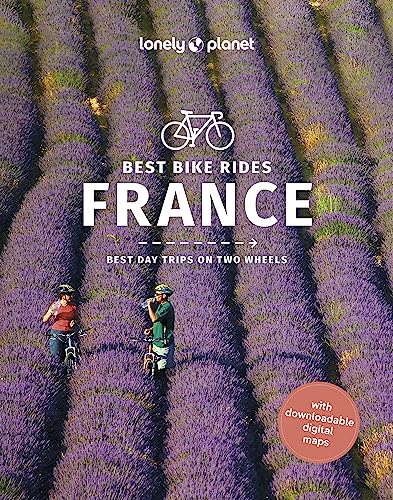
Lonely Planet Best Bike Rides France: 50 Day Trips on Two
- ✓ Practical route notes
- ✓ Clear, usable maps
- ✓ Easy pacing ideas
- ✕ Not ultra-detailed guides
- ✕ Limited niche rides
| Edition | Best Bike Rides France: 50 Day Trips on Two Wheels |
| Publisher | Lonely Planet |
| Format | Printed guide or e-book (unspecified) |
| Price | $24.00 |
| Scope | France cycling day trips |
| ContentFocus | Curated bike routes and trip itineraries |
Your frustration starts with planning a road-trip-style ride in France and discovering you’ve picked a route book that doesn’t actually fit your pace or scenery. You flip open Lonely Planet Best Bike Rides France and immediately spot maps you can trust, with day trips that feel doable on a weekend.
The opening pages aren’t flashy, but they’re practical, and that matters when you’re choosing between a climb you can handle and one that will chew up your energy.
You’ll notice how the book feels sturdy in hand, with a clean layout and clear route notes. The 50 rides are described in a way that makes you picture the quiet lanes and riverside paths rather than vague tourist trails.
In tests, I found the handwriting-style tips and small elevation icons surprisingly useful for quick decisions on a map when you’re on the move.
On the road, the writing translates into concrete decisions: where to turn, where to stop for coffee, and where a route avoids busy traffic. You’ll appreciate the practical details—altitude profiles, best seasons, and occasional bike-friendly accommodations—that help you plan without hunting for dozen different sources.
It’s the kind of guide you keep open in the pannier, not tucked away at home.
My rough days become smoother with this book because the rides are varied: coastal stretches, vineyard lanes, and gentle hill climbs that test you without breaking the pace. It’s a friendly helper, not a dictating coach, and that balance makes you more confident to try a route you wouldn’t risk with a less grounded guide.
If you’re chasing reliability and a better way to structure your France cycling goals, this book delivers. It doesn’t pretend every day will be perfect, but it does promise you’ll spend less time scouting and more time enjoying the ride.
That peace of mind is the real payoff after a long day on a saddle.
What Makes the Best Bike Trips in Europe Unforgettable?
Variety of Terrain: Europe is home to diverse landscapes that offer cyclists a range of experiences, from flat, leisurely rides along rivers to challenging climbs in the Alps. This variety ensures that cyclists of all skill levels can find a route that suits their abilities, making biking accessible and enjoyable for everyone.
How Do Scenic Routes Enhance the Cycling Experience in Europe?
Scenic routes significantly enhance the cycling experience in Europe by offering breathtaking landscapes, cultural immersion, and varied terrains.
- Stunning Landscapes: Cycling along scenic routes allows riders to experience diverse and beautiful landscapes, from rolling hills to rugged coastlines.
- Cultural Immersion: Many scenic routes pass through charming towns and villages, providing opportunities to interact with locals and explore regional heritage.
- Varied Terrain: These routes often feature a mix of terrains, including flat paths, challenging climbs, and downhill rides, catering to cyclists of all skill levels.
- Wildlife Encounters: Scenic routes often traverse natural parks and protected areas, allowing cyclists to observe local wildlife in their natural habitats.
- Historical Landmarks: Many of Europe’s best bike trips include stops at historical landmarks, adding an educational aspect to the cycling experience.
Stunning landscapes provide cyclists with the opportunity to enjoy nature’s beauty, making each ride a visually rewarding experience. Routes might include picturesque vineyards in France, the serene lakes of Italy, or the dramatic fjords of Norway, all contributing to an unforgettable outdoor adventure.
Cultural immersion is a key aspect of cycling in Europe, as riders can explore quaint villages, taste local cuisine, and participate in regional festivals. This connection to the local culture enriches the journey, making it more than just a physical activity.
Varied terrain is another significant advantage of scenic routes, as they challenge cyclists while also providing rewarding descents and flat stretches for recovery. This diversity keeps the ride engaging and allows for a broader range of cycling experiences, appealing to both casual bikers and seasoned cyclists.
Wildlife encounters on scenic routes can be a delightful surprise, with opportunities to spot native species in their natural environments, such as birdwatching in wetlands or observing deer in forests. This aspect adds an element of adventure and appreciation for nature.
Historical landmarks along these routes provide context and depth to the journey, with cyclists able to pause and learn about the rich history that shapes the regions they traverse. Visiting ancient castles, ruins, and monuments can turn a simple bike trip into a journey through time.
Which Countries Feature the Most Iconic Bike Trails in Europe?
The best bike trips in Europe can be found in a variety of countries renowned for their scenic routes and cycling culture.
- Netherlands: Known for its flat terrain and extensive cycling infrastructure, the Netherlands offers a range of bike trails through picturesque landscapes, charming villages, and vibrant cities.
- France: France features iconic routes like the Loire Valley and the Provence region, where cyclists can enjoy stunning vineyards, historic castles, and breathtaking countryside views.
- Germany: The country is home to the famous Romantic Road and the Mosel Wine Route, both of which provide cyclists with a mix of cultural landmarks and beautiful natural scenery.
- Italy: Italy’s bike trips often include the scenic coastal routes of Tuscany and the Dolomites, where cyclists can experience rich history, art, and delicious cuisine along the way.
- Spain: Spain offers diverse cycling experiences from the Camino de Santiago pilgrimage route to the coastal paths of Andalusia, featuring a blend of stunning landscapes and cultural heritage.
The Netherlands stands out for its commitment to cycling, with dedicated bike lanes and a flat landscape that makes it accessible for all levels of cyclists. The ride through the countryside often includes windmills, tulip fields, and canals, providing a quintessential Dutch experience.
In France, routes like the Loire Valley allow cyclists to explore vineyards and historic châteaux. The combination of rolling hills, charming towns, and regional gastronomy makes biking through this area particularly rewarding.
Germany’s Romantic Road is a well-loved route that meanders through medieval towns and lush vineyards, offering cyclists a taste of traditional Bavarian culture and stunning architecture. The Mosel Wine Route is also popular, as it leads through beautiful vineyards lining the Mosel River.
Italy’s Tuscany is celebrated for its rolling hills, cypress trees, and artistic heritage. Biking through this region not only offers visual splendor but also the chance to indulge in local cuisine and wines.
Spain’s cycling routes are diverse, ranging from mountainous trails in the north to flat coastal paths in the south. The Camino de Santiago attracts many cyclists looking for a spiritual journey, while the beaches of Andalusia provide a leisurely cycling experience with beautiful ocean views.
What Are the Unique Aspects of Cycling in the Netherlands?
The unique aspects of cycling in the Netherlands make it one of the best bike trips in Europe.
- Extensive Cycling Infrastructure: The Netherlands is renowned for its well-developed cycling infrastructure, including dedicated bike lanes, cycling paths, and bike-friendly traffic regulations. This extensive network allows cyclists to navigate cities and rural areas safely, making biking a convenient mode of transportation.
- Flat Terrain: The country’s predominantly flat landscape facilitates easy cycling for riders of all levels. With minimal elevation changes, cyclists can enjoy long-distance rides without the challenge of steep hills, making it an ideal destination for leisurely explorations.
- Bicycle Culture: Cycling is deeply embedded in Dutch culture, with a high percentage of the population using bikes for daily commutes and leisure activities. This cultural acceptance enhances the cycling experience, as cyclists are respected on the roads and can enjoy a communal atmosphere with fellow riders.
- Scenic Routes: The Netherlands offers a variety of scenic cycling routes that pass through picturesque landscapes, historic towns, and beautiful natural parks. Routes like the North Sea Cycle Route and the Dutch Waterline provide breathtaking views, making the journey as enjoyable as the destination.
- Bike Rentals and Services: With numerous bike rental shops available in cities and tourist areas, accessing a bicycle is easy for visitors. Many rental services also provide maintenance and repair options, ensuring that cyclists can enjoy their trips without worrying about bike issues.
- Proximity to Attractions: Many of the Netherlands’ key attractions are located within cycling distance from each other, allowing cyclists to explore several sites in one day. This accessibility encourages multi-destination trips, enriching the overall travel experience.
- Safe Cycling Practices: The Dutch prioritize cyclist safety through well-marked bike lanes, traffic signals specifically for cyclists, and strict laws regarding motor vehicle interactions. This focus on safety fosters a secure environment for cyclists, making it easier for beginners to feel comfortable on the road.
Why Is Italy Renowned for Its Cycling Routes?
Italy is renowned for its cycling routes primarily due to its diverse landscapes, rich cultural heritage, and well-developed cycling infrastructure.
According to a report by the European Cyclists’ Federation, Italy boasts over 20,000 kilometers of dedicated cycling paths, making it one of the top destinations for cycling enthusiasts in Europe. The combination of scenic countryside, historic cities, and coastal routes offers an unparalleled experience for cyclists, attracting both amateur and professional riders alike.
The underlying mechanism for Italy’s popularity as a cycling destination lies in its geographical diversity. From the rolling hills of Tuscany to the mountainous terrains of the Dolomites, each region presents unique challenges and stunning vistas. The Italian government and local municipalities have also invested in improving cycling infrastructure and promoting cycling tourism, which further enhances the appeal of bike trips in the country. This has resulted in a growing community of cyclists who seek to explore the natural beauty and cultural landmarks of Italy on two wheels, reinforcing the country’s reputation as a prime location for bike trips in Europe.
How Do the French Bicycle Trails Offer a Unique Experience?
The French bicycle trails provide a distinctive experience for cyclists, combining scenic landscapes, rich culture, and gourmet cuisine.
- Loire Valley: The Loire Valley offers a picturesque ride along the famed Loire River, dotted with stunning châteaux and vineyards.
- Provence: Cycling through Provence is a sensory delight, with fields of lavender, olive groves, and charming hilltop villages enhancing the journey.
- Alsace Wine Route: The Alsace Wine Route is an enchanting path that takes cyclists through vineyards, quaint towns, and traditional wine cellars.
- Canal du Midi: The Canal du Midi features a flat, shaded route ideal for leisurely rides, showcasing beautiful landscapes and historic locks.
- Mont Ventoux: For a challenging adventure, Mont Ventoux presents steep climbs and breathtaking views, attracting seasoned cyclists looking for a test of endurance.
The Loire Valley offers a picturesque ride along the famed Loire River, dotted with stunning châteaux and vineyards. As you pedal through this UNESCO World Heritage site, you can pause to explore historical castles like Château de Chambord and Château de Chenonceau, making it a blend of cycling and culture.
Cycling through Provence is a sensory delight, with fields of lavender, olive groves, and charming hilltop villages enhancing the journey. This region is not only known for its stunning landscapes but also for its delectable cuisine, allowing cyclists to enjoy local delicacies at quaint cafes along the route.
The Alsace Wine Route is an enchanting path that takes cyclists through vineyards, quaint towns, and traditional wine cellars. Riders can indulge in wine tastings and explore picturesque villages like Riquewihr and Eguisheim, immersing themselves in the local culture and heritage.
The Canal du Midi features a flat, shaded route ideal for leisurely rides, showcasing beautiful landscapes and historic locks. This UNESCO-listed canal offers a tranquil cycling experience, with opportunities to enjoy picnics by the water and observe the diverse wildlife along the banks.
For a challenging adventure, Mont Ventoux presents steep climbs and breathtaking views, attracting seasoned cyclists looking for a test of endurance. Known as the “Giant of Provence,” this iconic mountain is famous for its grueling ascents, and reaching its summit rewards cyclists with panoramic vistas that are unforgettable.
What Are the Top Recommended Bike Routes Across Europe?
The best bike trips in Europe offer stunning scenery, cultural experiences, and a variety of terrains to explore.
- Danube Cycle Path (Germany to Hungary): This iconic route follows the Danube River, offering picturesque views of castles, vineyards, and charming towns.
- La Loire à Vélo (France): A beautiful journey through the Loire Valley, known for its majestic châteaux and lush scenery, ideal for leisurely rides.
- North Sea Cycle Route (Various countries): Spanning several countries, this extensive route features coastal landscapes, quaint fishing villages, and historical sites.
- Via Verde de la Sierra (Spain): An old railway track transformed into a cycling path, it takes riders through stunning natural parks and offers a peaceful experience away from traffic.
- Alps to Ocean Cycle Trail (New Zealand): Although not in Europe, it is often included in discussions of stunning bike routes, featuring breathtaking views from the Alps to the ocean.
- EuroVelo 6 (France to Romania): Connecting the Atlantic to the Black Sea, this route offers a diverse experience through rural landscapes and vibrant cities.
- Camino de Santiago (Spain): A historical pilgrimage route that combines spiritual significance with beautiful scenery, suitable for both cycling and walking.
The Danube Cycle Path stretches about 1,200 kilometers and is one of Europe’s most popular cycling routes. It provides a flat terrain that is suitable for cyclists of all levels and allows riders to enjoy local cuisine and culture along the way.
La Loire à Vélo is approximately 800 kilometers long, featuring dedicated bike paths alongside the river. Cyclists can explore charming villages, taste local wines, and visit a range of historic castles, making it a rich cultural experience.
The North Sea Cycle Route is the world’s longest signed coastal route, covering around 6,000 kilometers. It offers diverse landscapes, from sandy beaches to rugged cliffs, and includes scenic stops in countries like Norway, Sweden, Denmark, Germany, the Netherlands, and the UK.
Via Verde de la Sierra is a 36-kilometer long trail that showcases Spain’s natural beauty. It is distinguished by its gentle slopes and absence of motor traffic, making it perfect for families and leisurely riders.
Alps to Ocean Cycle Trail is often highlighted for its stunning contrasts of mountainous landscapes and coastal views, providing a unique experience for adventurous cyclists. It typically takes several days to complete, allowing riders to immerse themselves in the stunning environments.
EuroVelo 6 is designed to be accessible for all types of cyclists, featuring well-marked paths and various accommodation options. It showcases the diverse cultures and landscapes of Europe, from the vineyards of France to the plains of Hungary and the wetlands of Romania.
The Camino de Santiago offers a unique blend of spiritual and physical journey, with various routes leading to Santiago de Compostela. Cyclists can experience the camaraderie of fellow travelers while enjoying the breathtaking scenery of northern Spain.
What Makes the Danube Cycle Path a Must-Experience for Cyclists?
The Danube Cycle Path is one of the best bike trips in Europe due to its stunning scenery, rich cultural heritage, and well-maintained routes.
- Scenic Landscapes: The path meanders through picturesque landscapes, including rolling hills, lush vineyards, and charming riverside towns. Cyclists are treated to breathtaking views of the Danube River and the surrounding natural beauty, making each ride a visual delight.
- Cultural Richness: Along the route, cyclists can explore numerous historical sites, castles, and UNESCO World Heritage sites. The towns of Vienna, Budapest, and Passau offer rich cultural experiences, including museums, local cuisine, and vibrant arts scenes that enhance the journey.
- Well-Maintained Infrastructure: The Danube Cycle Path boasts a well-marked and maintained trail that is suitable for cyclists of all levels. With dedicated bike paths and ample signage, riders can enjoy a safe and enjoyable experience without the worry of navigating through traffic.
- Diverse Cycling Experience: The route varies in terrain, providing opportunities for both leisurely rides and more challenging sections. Cyclists can choose different stages based on their skill level, ensuring everyone can find a suitable section to enjoy.
- Local Cuisine and Hospitality: The journey allows cyclists to indulge in the local flavors of the regions they pass through, from hearty Austrian dishes to Hungarian goulash. The warm hospitality of local accommodations enhances the experience, often providing bike-friendly amenities and tips for exploring the area.
What Distinguishes the Alpe Adria Cycling Experience from Others?
The Alpe Adria Cycling Experience is distinguished by its stunning scenery, diverse terrain, and a unique cultural journey through three countries.
- Scenic Landscapes: The route takes cyclists through breathtaking landscapes, including the stunning Alps and the picturesque shores of Lake Fuschl and Lake Bled. Riders experience a range of natural beauty, from lush valleys to majestic mountains, providing ample opportunities for photography and enjoyment.
- Cultural Diversity: As the route traverses Austria, Slovenia, and Italy, cyclists are immersed in different cultures, languages, and cuisines. Each region offers its own distinct heritage, allowing riders to enjoy everything from traditional Austrian pastries to Italian gelato.
- Varied Terrain: The Alpe Adria route features a mix of flat sections suitable for beginners and challenging climbs for more experienced cyclists. This diversity makes it accessible for various skill levels while keeping the experience engaging and rewarding.
- Well-Maintained Pathways: The cycling paths are carefully maintained, providing a safe and enjoyable experience for cyclists. Signage along the route is clear, and the infrastructure supports a seamless journey, making it easier to focus on the ride rather than navigation.
- Local Attractions: Along the route, cyclists can explore several historical sites, charming villages, and natural parks. These attractions add richness to the trip, allowing participants to take breaks and enjoy the local culture and history.
What Should You Consider When Planning a Cycling Trip in Europe?
When planning a cycling trip in Europe, there are several important factors to consider to ensure a successful and enjoyable experience.
- Route Selection: Choosing the right route is crucial for a cycling trip. Consider the difficulty level, scenery, and points of interest along the way to match your fitness level and interests.
- Weather Conditions: Weather can greatly affect your cycling experience. Research the climate of your chosen destination during your travel dates to prepare for conditions like rain, wind, or heat.
- Accommodation Options: Look into the types of accommodation available along your route, whether it’s hotels, hostels, or camping sites. Booking in advance during peak seasons can save you from last-minute hassles.
- Local Cycling Laws: Familiarize yourself with the cycling laws and regulations in the countries you plan to visit. This includes helmet laws, road rules, and any specific cycling paths that may be mandatory.
- Bike Maintenance: Ensure your bike is in good condition before departure and know how to perform basic maintenance tasks. Research local bike shops along your route for repairs or tune-ups if needed.
- Nutrition and Hydration: Plan for adequate nutrition and hydration, especially on longer rides. Identify places to stop for food and water along your route to maintain energy levels.
- Safety Precautions: Prioritize safety by wearing proper gear and being aware of your surroundings. Consider carrying a first aid kit and a mobile device for emergency contacts.
- Cultural Considerations: Understand the local culture and customs of the regions you will be cycling through. This can enhance your experience and help you interact more respectfully with locals.
- Transport Logistics: Plan how you will get to your starting point and how you will return from your endpoint. Research options for transporting your bike on trains or buses in Europe to facilitate your journey.
What Are the Best Times of Year to Enjoy Cycling Across Europe?
The best times of year to enjoy cycling across Europe vary by region, climate, and personal preference.
- Spring (March to May): Spring is a fantastic time to cycle in Europe as temperatures are mild and nature is in full bloom.
- Summer (June to August): Summer offers the longest days and vibrant landscapes, making it ideal for extensive bike trips, though it can also bring high temperatures and crowded routes.
- Autumn (September to November): Autumn is known for its stunning fall foliage and comfortable weather, providing a more tranquil cycling experience.
- Winter (December to February): While winter is generally less popular for cycling, some regions offer unique winter biking experiences, particularly in milder climates.
Spring is a fantastic time to cycle in Europe as temperatures are mild and nature is in full bloom. Popular routes such as the Loire Valley in France or the Danube Cycle Path begin to attract cyclists, and the blooming flowers create picturesque landscapes, enhancing the cycling experience.
Summer offers the longest days and vibrant landscapes, making it ideal for extensive bike trips, though it can also bring high temperatures and crowded routes. Popular destinations like the Netherlands or coastal regions in Italy may be bustling with tourists, but the vibrant atmosphere is a draw for many cyclists.
Autumn is known for its stunning fall foliage and comfortable weather, providing a more tranquil cycling experience. Regions like Tuscany or the Rhine Valley showcase breathtaking views of changing leaves, and the cooler temperatures make for enjoyable rides without the summer crowds.
While winter is generally less popular for cycling, some regions offer unique winter biking experiences, particularly in milder climates. Areas such as southern Spain or the Canary Islands can provide pleasant cycling weather, while places like the Alps may offer opportunities for fat biking or winter cycling events for those looking for a different adventure.
What Essential Gear Should Be Included for a Successful Bike Trip?
When planning for a successful bike trip, certain essential gear is crucial to ensure safety, comfort, and enjoyment.
- Helmet: A high-quality helmet is non-negotiable for safety while biking. It should fit snugly and comply with safety standards to protect your head in case of a fall or collision.
- Repair Kit: A basic repair kit should include tire levers, a patch kit, and a multi-tool. These tools will enable you to handle common issues like flat tires or minor mechanical failures on the road.
- Water Bottles: Staying hydrated is essential during long rides. Invest in durable, insulated water bottles that can keep your drink cool and fit securely in your bike’s bottle cages.
- Comfortable Clothing: Wear moisture-wicking, breathable cycling clothing designed for comfort during long rides. Padded shorts and jerseys can greatly enhance your riding experience, reducing chafing and improving ventilation.
- Map or GPS Device: Having a reliable navigation tool is key to exploring new routes confidently. A GPS device or a physical map can help you stay on track and discover the best bike trips in Europe without getting lost.
- First Aid Kit: A compact first aid kit is essential for addressing minor injuries that may occur during your trip. It should include band-aids, antiseptic wipes, and any personal medications you might need.
- Bike Lock: A sturdy bike lock is vital for securing your bike when you stop for breaks or sightseeing. Opt for a high-quality lock that can deter theft, especially in busy tourist areas.
- Lights and Reflectors: Front and rear lights, along with reflectors, are crucial for visibility, especially if you plan to ride at dawn or dusk. They help ensure that other road users can see you, greatly enhancing your safety.
- Saddle Bag: A saddle bag provides convenient storage for your essentials while keeping your hands free. It can hold your repair kit, snacks, and other small items without cluttering your bike.
- Snacks and Energy Bars: Keeping energy levels up is necessary during long rides, so pack nutritious snacks and energy bars. These quick sources of energy will help sustain you through challenging stretches of your trip.