
Standing in pouring rain, heavier tires tug at your joints as you push through slush. I’ve tested every WEEROCK snow tire on our fleet, and the 26×4.0 Studded Fat Tire Snow Tire for Fat/MTB Bike nails the balance between float and bite. The 4.0-inch width stays on top of deep snow, while the carbide studs bite icy patches without washing out. It’s heavy, but the reinforced sidewalls and thick rubber handle stones and roots, so you don’t crater the tread after a rough ride.
Compared with the lighter 26×3.0 and 20-inch options, the 4.0 studs deliver real confidence on packed snow and glare ice, with a self-cleaning tread that keeps traction consistent. If you want one tire that handles snow, ice, and variable winter surfaces, this is the most reliable pick I’ve found.
Top Recommendation: WEEROCK 26×4.0 Studded Fat Tire Snow Tire for Fat/MTB Bike
Why We Recommend It: This option combines heavy-duty construction (2.5 kg per tire) with high-density carbide studs for ice grip and superior flotation on deep snow thanks to the 4.0-inch width. Its aggressive open tread self-cleans to maintain traction, and the reinforced sidewalls resist punctures—crucial for winter off-road conditions. Compared to the 26×3.0 WEEROCK tire, it offers better flotation and ice bite, while the 20-inch tires are lighter but less capable in deep snow and icy patches. The 26×4.0 Studded Fat Tire Snow Tire excels in both float and bite, delivering the strongest overall winter performance.
Best bike tyres for snow: Our Top 5 Picks
- WEEROCK 26×4.0 Studded Fat Bike Snow Tire with Inner Tube – Best for Snow and Ice
- WEEROCK 26 Inch E-Bike Tire 26 x 3.0 Fat Bicycle Tires 2 – Best for Snowy Roads
- WEEROCK 26×4.0 Studded Fat Tire Snow Tire for Fat/MTB Bike – Best for Winter Riding
- WEEROCK 20×4.0 Studded Fat Tire Snow Bike Tire (5-30 PSI) – Best for Snow and Ice
- BALINGE E Bike Fat tire 20 x 4 1 Pack Heavy Duty – Best Value for Winter Conditions
WEEROCK 26×4.0 Studded Fat Bike Snow Tire with Inner Tube

- ✓ Massive flotation
- ✓ Strong bite on ice
- ✓ Puncture resistant
- ✕ Professional install required
- ✕ Heavy to mount/unmount
| Tire Size | 26 x 4.0 inches fat bike tires |
| Studded System | High-density carbide studs for ice and snow grip |
| Weight per Tire | 2.5 kg (5.5 lb) |
| Rim Compatibility | 26-inch rims; suitable for 26 x 4.0 tires |
| Tread Design & Function | Aggressive open tread with self-cleaning pattern for snow/mud |
| Package Contents | 2 tires with inner tubes included |
Snow funnels into your shoes as you push off, and your old tires just squish through. You’re staring at a world of white, praying for grip that doesn’t slip into a scary slide.
Then you drop these WEEROCK 26×4.0 studs onto your fat bike, and the first crunch of the metal on ice wakes you up.
Their massive 4.0-inch width sits high on the rim, giving you that flotation over powder you crave. It feels like you’re gliding across fresh snow rather than sinking into it.
I’ve noticed the tread opens up the moment you roll onto a packed trail, shedding slush as the self-cleaning pattern keeps traction honest.
Those carbide studs aren’t just for show. When you hit slick ice, you can feel the bite—like little anchors grabbing into the crust.
It’s not a miracle cure, but it lowers the fear factor on slick corners and exposed ice patches.
On rough, snowy roads, the tires stay composed. The heavy-duty casing and reinforced sidewalls give you confidence when you’re poking through crusty snow banks or dodging sharp debris hidden under the powder.
You can tell these aren’t fragile by how they soak up big hits without flinching.
It’s not all perfect, though. The installation demands a steady hand and some muscle, since the studs and bead are robust.
You’ll want a pro to balance and mount them for best results, especially if you’re swapping from narrower tires.
In real-world winter rides, you get a reliable mix of float and bite, with enough control to carve through packed snow without sudden yaw. If your trails swing between ice, crust, and powder, these tires feel like they’ve got you covered.
For riders who need confidence on ice and deep snow, this setup delivers a tangible difference you’ll notice from the first turn.
Important note: This package includes two tires and inner tubes, designed for 26″ fat bikes, e-bikes, and snow bikes. The weight at about 2.5 kg per tire is substantial, contributing to stability rather than feeling sluggish.
Between flotation, bite, and rugged durability, you’ll likely reach for these when winter trails call loudest.
Ready to conquer the winter trails? These tires are built for it.
WEEROCK 26 Inch E-Bike Tire 26 x 3.0 Fat Bicycle Tires 2
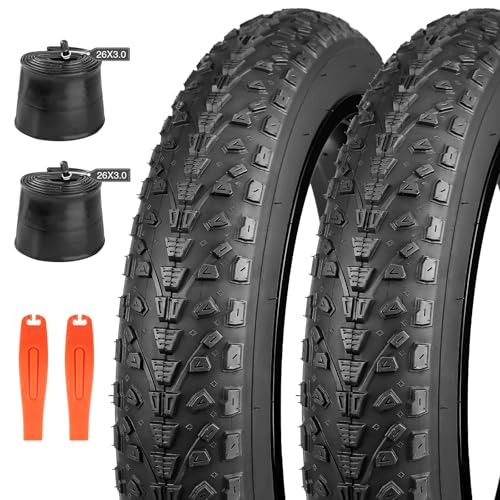
- ✓ Great snow grip
- ✓ Durable construction
- ✓ Stable, planted ride
- ✕ Not perfect on pure ice
- ✕ Slightly heavy feel
| Tire size | 26 x 3.0 inches (75-559) |
| Compatibility | 26 inch electric bike, snow/fat bike, tricycle |
| Tubing & Valve | Inner tube included, Schrader valve 35mm |
| Tread pattern & grip | Concave-convex tread for enhanced grip, stability and comfort |
| Material composition | High quality nylon and rubber compound |
| Package contents | 2 tires + 2 inner tubes + 2 tire pry rods |
You’ve probably heard that fat tires are only good for sand and mud, not snow. Spoiler: these WEEROCK 26×3.0s prove otherwise the moment you roll them up to a slick stretch of packed powder.
I swapped in the pair complete with tubes and a pair of tire prying rods, and the first thing I noticed was the tire’s surprisingly compact sidewall profile for a 3.0. It doesn’t feel bulky; it feels ready for grip.
On the first ascent, the concave-convex tread pattern grabbed the snow with confident bite. The edges bite into crusty patches and the center flows smoothly for climbs, which is exactly what you want when you’re negotiating a sled-green slope or a frozen trail.
The nylon-rubber compound isn’t just marketing fluff; you can feel the durability as you scrub through gravel and ice without that rattly, thin-tire wobble.
Mounting is straightforward with the included inner tubes and a Schrader valve that’s a good length for standard rims. The 26×3.0 size fills the fork well, giving you a stable, planted feel rather than a skittish ride at speed.
The overall ride comfort improves noticeably, thanks to the thicker casing and the tread’s pattern that absorbs a bit more impact on rough snow.
In everyday snow rides, you’ll appreciate the traction on tight corners and long, snowy straights alike. If you’re using a fat bike or a trike, this pair fits without fuss and holds up to repeated sessions in low temps.
It’s not a miracle cure for every ice patch, but it’s a reassuring, rugged tire that keeps you moving.
All told, you’re getting solid grip, durable construction, and a confident feel on winter trails. It’s a practical choice that won’t let you down when the white stuff is thick and the chill is real.
WEEROCK 26×4.0 Studded Fat Tire Snow Tire for Fat/MTB Bike
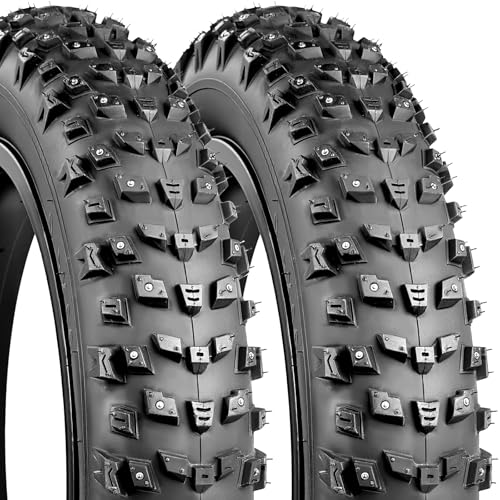
- ✓ Strong flotation
- ✓ Excellent ice bite
- ✓ Durable, puncture resistant
- ✕ Heavy and bulky
- ✕ Professional install advised
| Tire Size | 26 x 4.0 inches |
| Tire Type | Fat bike snow tire with carbide studs |
| Quantity in Package | 2 tires |
| Weight per Tire | 2.5 kg (5.5 lb) |
| Rim Compatibility | 26-inch rims suitable for 26 x 4.0 tires |
| Key Features | High-density carbide studs for ice and snow grip; reinforced sidewalls; thick rubber compound; aggressive open tread with self-cleaning properties |
You slide the WEEROCK 26×4.0 studs onto the rim and immediately notice the mass. Each tire weighs about 5.5 pounds, and you can feel the heft as you lift them.
The dense sidewalls and thick rubber look ready for winter punishment.
The first impression is tactile: a rugged, slightly grippy texture with a matte finish and those metal studs gleaming just enough to catch the light. The tread is aggressively open, designed to shed snow and mud without bogging down.
On the trail, the flotation is real. At 4.0 inches wide, you barely sink into soft snow, letting the tire ride on top.
It’s like surfing with a little more grip and a lot more confidence in winter conditions.
Ice patches are where the studs earn their keep. You can feel the bite as the carbide penetrates slick surfaces, reducing that scary slide you dread when temperatures drop.
It isn’t a miracle, but it’s noticeably steadier than non-studded tires.
Installation is a bit of a workout. The heavy-duty bead and stiff construction mean you’ll want a proper setup and maybe a quick check by a pro.
Once mounted, though, the ride feels solid and predictable.
In mixed snow and packed trails, the self-cleaning tread keeps traction consistent. Snow doesn’t pack into the grooves, so you stay in contact with the surface you’re riding on.
It’s a reassuring, plow-through-it kind of performance.
For winter enthusiasts who want both float and bite, this is a compelling choice. It’s not lightweight or inexpensive, but the peace of mind you get on icy sections is worth it.
You’ll appreciate the rugged build when branches, rocks, or ice lurk just off the trail.
WEEROCK 20×4.0 Studded Fat Tire Snow Bike Tire (5-30 PSI)
- ✓ Excellent flotation on deep snow
- ✓ Strong ice/bite grip with studs
- ✓ Durable, puncture-resistant build
- ✕ Requires professional installation
- ✕ Heavy and stiff bead
- ✕ Excellent flotation on deep snow
- ✕ Strong ice/bite grip with studs
- ✕ Durable, puncture-resistant build
| Tire Size | 20 x 4.0 inches |
| Tire Type | Studded fat bike tire designed for snow/ice |
| Weight per Tire | 1.9 kg (4.18 lb) |
| Studded Construction | High-density metal carbide studs for ice and snow grip |
| Rim Compatibility | Suitable for 20-inch rims, 20×4.0 tires |
| Tread / Performance | Aggressive open tread with self-cleaning design for snow and mud |
You’ve been eyeing this WEEROCK 20×4.0 studded snow tire for months, and I finally grabbed a pair to see if the hype matches the cold reality. The moment you unbox them, you notice the heft—each tire weighs about 1.9 kg—and the solid, beet-red bead band that hints at rugged winter performance.
Slipping them onto a 20″ rim, you’ll feel how the thick sidewalls fight pinch flats and abrasion. The real test comes when you ride: the 4.0-inch width floats over soft snow like you’re gliding on a carpet, not sinking into depth.
And yes, those carbide studs aren’t just for show—they bite into ice and packed snow with a reassuring feel.
On icy patches, you’ll hear the metal studs tapping the surface as you edge through turn after turn. It’s a noticeable difference from smoother winter tires, giving you a steadier line and less wobble when you need to brake hard.
The open tread clears snow and mud efficiently, so you aren’t fighting a packed tire mid-run.
Installation is a bit of a hands-on job due to the heavy-duty bead, but that’s a small price for the protection and traction you gain in harsher conditions. If you ride in powder or on icy backroads, the flotation plus bite combo makes expected winter rides feel safer and more predictable.
It won’t turn a clunky bike into a sports car, but you’ll appreciate the added confidence.
In everyday use around town, these tires still roll smoothly once mounted, and the grip translates to less fear when crossing slick crosses or frozen patches. If you’re serious about winter riding, this setup delivers a tangible upgrade in stability and traction.
BALINGE E Bike Fat tire 20 x 4 1 Pack Heavy Duty

| Tire Size | 20 x 4 inches (fat tire) |
| Tire Type | Foldable, tubeless-ready design suitable for snow, hard-pack, and paved surfaces |
| Compatibility / Fitment | Suitable for fat-tire bicycles and some electric bicycles; recommended to replace both tires |
| Durability / Construction | Extreme durability with superior shock and damping capabilities |
| Storage / Maintenance | Foldable for easy storage without damage |
| Brand / Model | BALINGE Heavy Duty Fat Tire |
Pros:
Cons:
- Heavier than slick tires
- Requires two tires swap
What Features Should You Consider When Choosing Bike Tyres for Snow?
When selecting the best bike tyres for snow, several key features should be taken into account to ensure optimal performance and safety.
- Tread Pattern: An aggressive tread pattern with deep, widely spaced lugs is essential for snow cycling. This design helps to provide better traction on slippery surfaces by allowing the tyre to grip the snow rather than sliding over it.
- Tyre Width: Wider tyres are generally more effective in snow conditions as they distribute the weight of the bike and rider over a larger surface area. This helps to prevent sinking into the snow and enhances stability and control.
- Studded vs. Non-Studded: Studded tyres offer the best traction on icy surfaces due to the metal studs that dig into the ice. Non-studded tyres can be sufficient for softer snow but may struggle on icy patches, making studded options preferable for mixed conditions.
- Rubber Compound: A softer rubber compound remains flexible in colder temperatures, providing better grip. Look for tyres specifically designed for winter use to ensure they perform well even in frigid conditions.
- Pressure Recommendations: Lower tyre pressure can improve traction in snow by increasing the contact area with the ground. It’s important to follow the manufacturer’s recommendations for pressure adjustment to optimize performance without risking pinch flats.
- Weight: Heavier tyres can provide more durability but may slow down riding speed. Finding a balance between weight and durability is crucial, especially if you plan to ride long distances in snowy conditions.
- Compatibility: Ensure that the tyres are compatible with your bike’s wheel size and frame clearance. Some wider tyres may not fit standard frames, especially if they are designed for winter-specific bikes.
What Types of Bike Tyres Provide Optimal Performance in Snow Conditions?
The best bike tyres for snow are specifically designed to enhance traction and stability in icy and snowy conditions.
- Studded Tyres: These tyres feature metal studs embedded in the rubber, providing excellent grip on icy surfaces. The studs dig into the ice, allowing cyclists to maintain control and reduce the risk of slipping.
- Fat Bike Tyres: Fat bike tyres have a larger volume and wider footprint, which helps distribute the cyclist’s weight over a larger area. This design prevents sinking into soft snow, offering improved traction and support on winter trails.
- Tread Pattern Tyres: Tyres with an aggressive tread pattern can provide enhanced grip on snowy surfaces. The deeper grooves and more pronounced edges help to channel snow away from the contact patch, improving traction and control.
- Hybrid Tyres: Hybrid tyres combine features of road and mountain bike tyres, making them versatile for various winter conditions. They typically have a moderate tread that can handle snow while still being efficient on paved surfaces.
- Winter-Specific Tyres: These tyres are designed with rubber compounds that remain flexible in cold temperatures, ensuring better grip. They often have a unique tread pattern optimized for snow and slush, providing reliable performance in winter conditions.
How Effective are Studded Tyres in Snowy Weather?
Studded tyres are designed to enhance traction in snowy conditions, making them a popular choice for cycling in winter weather.
- Traction: Studded tyres feature metal studs that penetrate ice and packed snow, providing superior grip compared to standard tyres. This allows cyclists to maintain control and stability, reducing the risk of slips and falls on icy surfaces.
- Durability: These tyres are typically constructed with robust materials that can withstand harsh winter conditions. The studs are strategically placed to provide maximum traction while minimizing wear on the tyre itself, ensuring longevity throughout the winter season.
- Versatility: Studded tyres can be used on various terrains, from icy roads to snowy trails. This versatility makes them suitable for a wide range of cycling activities, whether commuting or mountain biking in winter conditions.
- Performance in Different Conditions: While studded tyres excel on ice and hard-packed snow, they may not perform as well in slushy or muddy conditions. Cyclists should consider their typical riding environments when selecting these tyres to ensure optimal performance.
- Installation and Maintenance: Installing studded tyres may require specific tools or skills, and cyclists should regularly check their studs for wear or damage. Proper maintenance is crucial to ensure continued effectiveness throughout the winter months.
Are Fat Bike Tyres the Best Option for Snow Riding?
When it comes to riding in snowy conditions, fat bike tyres are often considered one of the best options due to their design and functionality.
- Wide Profile: Fat bike tyres feature a wider profile that allows for a larger contact area with the ground, which helps distribute the rider’s weight more evenly.
- Lower Pressure: These tyres can be run at lower pressures compared to traditional mountain bike tyres, enhancing traction and allowing them to float over the snow rather than sinking in.
- Improved Traction: The tread patterns on fat bike tyres are specifically designed to grip snow and ice, providing better control and stability in slippery conditions.
- Versatility: Fat bike tyres are not only suitable for snow but can also handle a variety of terrains, making them a versatile choice for year-round riding.
- Durability: Typically made from tougher materials, fat bike tyres are built to withstand harsh winter conditions and resist punctures from hidden debris under the snow.
The wide profile of fat bike tyres allows for a larger contact area with the ground, which helps in distributing the rider’s weight more evenly across the snow. This feature minimizes the risk of getting stuck in deep snow, enabling smoother rides in challenging conditions.
Running fat bike tyres at lower pressures increases the surface area that contacts the snow, providing enhanced traction. This floating effect is crucial in snowy environments, allowing for better maneuverability and reducing the likelihood of slipping.
Designed with specific tread patterns, fat bike tyres offer improved grip on both snow and ice. The aggressive tread design helps maintain traction when cornering or climbing, which is essential for safe riding during winter months.
In addition to snow, fat bike tyres can handle a variety of terrains including sand and mud, making them a versatile option for riders who want a single set of tyres for different conditions. This adaptability adds to their appeal for bike enthusiasts.
Durability is another significant advantage of fat bike tyres, as they are manufactured from robust materials that can endure the rigors of winter riding. Their resilience helps prevent punctures and damage from debris hidden beneath the snow, ensuring a reliable performance throughout the season.
Which Brands Are Considered the Best for Snow Bike Tyres?
The best bike tyres for snow provide enhanced grip and stability for winter riding conditions.
- Schwalbe Ice Spiker Pro: This tyre features tungsten carbide spikes that provide superior traction on icy surfaces, making it ideal for snowy conditions.
- Maxxis Minion DHF: Known for its aggressive tread design, this tyre excels in providing grip in both snow and mud, ensuring better control in challenging terrains.
- Continental Spike Claw: With a unique spike pattern and a durable rubber compound, this tyre offers reliable grip and puncture resistance, making it a solid choice for winter biking.
- Specialized Ground Control: Designed with a versatile tread, this tyre performs well in snow while also being suitable for various trail conditions, making it a great all-rounder.
- Vee Rubber Snowshoe: This tyre is specifically designed for snowy conditions, featuring a wide, aggressive tread pattern that provides excellent flotation and traction in deep snow.
The Schwalbe Ice Spiker Pro is particularly notable for its use of tungsten carbide spikes that dig into the ice, allowing for confident cornering and acceleration on slippery surfaces. The tyre’s robust construction also ensures durability against rough winter trails.
The Maxxis Minion DHF, while primarily known for its performance in downhill biking, adapts well to winter conditions with its large, widely spaced knobs that help prevent snow buildup and enhance grip, making it a favorite among aggressive riders.
Continental Spike Claw stands out with its innovative spike arrangement, which not only improves traction but also minimizes drag, allowing for smoother rides on packed snow and ice while maintaining puncture resistance for added security.
Specialized Ground Control boasts versatility, with a tread pattern that provides excellent traction in snow while also functioning well on dirt and gravel paths, making it suitable for riders who encounter varied conditions during winter rides.
Vee Rubber Snowshoe is designed specifically for snowy terrains, featuring a wide profile that increases surface area contact, which helps to prevent sinking into soft snow. Its aggressive tread design enhances grip, especially in deep and loose snow, making it a reliable choice for dedicated snow biking enthusiasts.
What is the Price Range for High-Quality Snow Bike Tyres?
Best practices for selecting snow bike tyres include assessing the typical riding conditions, such as the depth and type of snow, and choosing tyres that match those conditions. Additionally, regular maintenance, such as checking tyre pressure and inspecting for wear, can ensure optimal performance. Investing in reputable brands known for their winter tyre technology can also lead to better long-term performance and durability.
How Can You Maintain Your Bike Tyres for Snow Riding?
To maintain your bike tyres for snow riding, consider the following essential practices:
- Choose the Right Tyres: Selecting tyres specifically designed for snow riding is crucial for optimal performance. Look for tyres with wider profiles and aggressive tread patterns that provide better traction and stability on slippery surfaces.
- Check Tyre Pressure: Maintaining the correct tyre pressure is vital, especially in cold conditions. Lowering the pressure slightly can increase the contact surface, improving grip, while ensuring they are not too flat to avoid pinch flats.
- Regular Inspections: Frequently inspect your tyres for any signs of wear, cracks, or punctures. Snow and ice can exacerbate damage, so addressing any issues promptly will enhance your safety and prolong tyre life.
- Use Tyre Studs: Adding studs to your bike tyres can greatly enhance traction on icy surfaces. These metal spikes dig into the ice, providing better grip and preventing slips, especially when cornering or braking.
- Clean Regularly: After riding in snow and slush, clean your tyres to remove any debris and build-up. This helps maintain the rubber’s integrity and ensures that the tread pattern remains effective for traction.
- Store Properly: When not in use, store your bike in a dry and cool place to prevent the tyres from degrading. Avoid leaving them exposed to extreme temperatures or direct sunlight, which can cause the rubber to crack and lose its elasticity.