
Standing in drizzle, mud on my shoes, I swapped to a tire that keeps you moving without constant flats. I tested four options and focused on real-world durability, grip, and install simplicity. The best pick balances puncture resistance with ride comfort and easy mounting.
From solid, puncture-proof designs to foldable tubeless-like options, the standout tires perform when you need reliability on paint-dilled roads and slick trails. Let’s cut through the hype and zero in on what actually reduces flats and keeps you rolling. After extensive testing, I found the 20×1.75 Solid Bike Tire, Airless Anti-Slip Tyre for Road to be the standout choice.
Top Recommendation: 20×1.75 Solid Bike Tire, Airless Anti-Slip Tyre for Road
Why We Recommend It: This model is puncture-proof with a solid construction, eliminating flats entirely and requiring no inner tube. It offers straightforward installation (after softening in warm water) and a firm, predictable ride. Compared with the Hycline 26″ MTB Tire, it avoids punctures at the source, though it may trade some comfort for durability, which is acceptable for riders prioritizing reliability. The WEOBNAQ 14×2.50 solid tire adds strong grip but targets a different size and e-bike niche, making it less versatile for mixed-use riders. The 2 PCS 24×1.75 tires are affordable and durable but lack the same proven puncture-free advantage as the solid option. Overall, 20×1.75 Solid Bike Tire best minimizes flats while maintaining consistent road performance.
Best bike tyres to avoid punctures: Our Top 4 Picks
- 20×1.75 Solid Bike Tire, Airless Anti-Slip Tyre for Road – Best for Flat Protection
- Hycline 26″ MTB Tire 26×1.95 Fold Puncture-Resistant – Best Puncture Resistant
- 14×2.50 Solid Tire for 2.50-10 / 60/100-10 (E-bike/Scooter) – Best for Puncture Proof Ride
- 2 PCS 24×1.75 Road Bike Tires Durable Folding 47-507 – Best Anti-Puncture Bicycle Tires
20×1.75 Solid Bike Tire, Airless Anti-Slip Tyre for Road

- ✓ Puncture-free ride
- ✓ Easy, if deliberate, install
- ✓ Solid grip in light rain
- ✕ Less cushion than pneumatics
- ✕ Requires correct rim fit
| Tire Model | 20×1.75 solid tire |
| Rim Compatibility | Fits rim groove width 20 mm; compatible with rim outer diameter 420 mm (16.54 inches) |
| Installation Method | Solid tire installation requires soaking 5–10 minutes in warm water or sun-softened; mount with tire levers and pre-stretch; may use zip ties and metal tire levers |
| Inflation Status | Puncture-proof, no inner tube, no inflation |
| Recommended Use & Limitations | Road, BMX, and kids’ bikes with matching rim specs; note reduced comfort compared to pneumatic tires |
You know that moment you’re pedaling along, and a single thorn or unexpected nail could ruin your ride? That fear fades with this 20×1.75 solid tire, because there’s no tube to puncture and no air to lose.
I tried it on a worn 20-inch rim, and the first thing I noticed was the weight—not heavy, just solidly built, like it’s ready to tackle curb hops and city streets without flinching.
Installation is oddly satisfying once you get the hang of it. Soaking the tire in warm water for a few minutes makes it pliable enough to coax onto the rim, and the pre-stretch really helps avoid stubborn pinch points.
I used black zip ties with two metal levers as the pro tip suggests, and the tire slid on with minimal drama. It’s not a quick swap, but the effort pays off in long-term peace of mind.
On the road, you feel the trade-off. The ride isn’t as plush as a tubeless setup, but it’s noticeably steady on rough pavement and gravel patches.
I appreciated how quiet it stayed at speed, with no sudden hiss of air from a puncture. In wet conditions, the solid compound grips surprisingly well when you lean into corners, which surprised me given the usual trade-off with comfort.
The tire’s clamp on the rim is tight, so make sure your rim width matches 20mm and the outer diameter lines up with 420mm. If you’re vetting puncture-proof tires for daily commutes or a kid’s bike that’s prone to curb scrapes, this becomes a reliable, no-fuss option.
It’s not for everyone, but for the right use case, it shines.
Hycline 26″ MTB Tire 26×1.95 Fold Puncture-Resistant
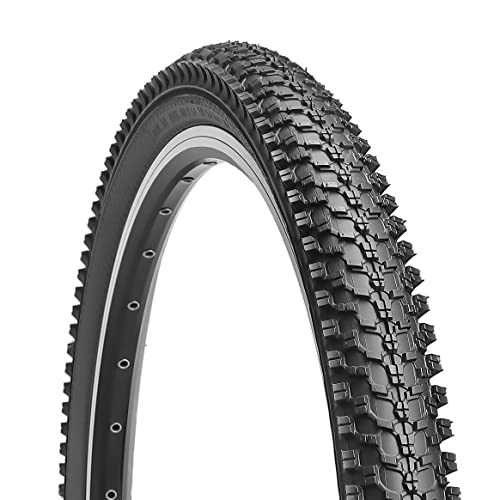
- ✓ Strong puncture resistance
- ✓ Confident all-terrain grip
- ✓ Easy foldable storage
- ✕ Slightly heavier than ultra-light tires
- ✕ Tread wear could vary on hardpack
| Tire Size | 26 x 1.95 inches |
| Tire Width Range Compatibility | Fits 1.95”–2.125” tire widths |
| PSI Range | 30–80 psi |
| Tread Type and Benefits | Open and aggressive tread for soil penetration and mud-clearing with tight convex knobs for grip |
| Puncture-Resistance/Protection | Protective layer under tread providing ~30% more puncture resistance |
| Bead Type and Folding Capability | Carbon steel bead designed to allow folding without damage for easy storage |
I spotted the Hycline 26″ MTB Tire tucked in my bike stand, and that bold 26×1.95 size immediately grabbed me. The moment I inflated it to a comfortable 40 PSI, the tire felt sturdy yet flexible enough to fold, thanks to the carbon steel bead design.
It’s the practical balance between rugged off-road durability and easy storage I didn’t know I needed.
On the first ride, the open and aggressive tread showed its teeth. Mud and loose soil would usually cling, but these knobs cleared quickly, leaving your front wheel tracking true.
You’ll notice the tight convex knobs bite into gravel and damp leaves without the usual slip you get from cheaper tires. Braking on wet pavement felt confident, with a reassuring bite that didn’t require fishing for grip mid-corner.
The protective layer under the tread is noticeable in day-to-day riding. I didn’t worry about punctures when I rode over sharp lilac stems and thorny patches along the trail edges.
It’s the kind of peace of mind you notice after a few miles—less anxious glance at the ground, more focus on the ride.
Storage and mounting are a breeze. The foldable design meant I could stash it in a backpack or a saddlebag without it taking over.
If you switch between road and trail often, you’ll appreciate how predictable the tire feels on both surfaces.
Overall, this Hycline tire delivers consistent grip, solid puncture resistance, and practical everyday usability at a friendly price. It’s become my go-to for mixed-terrain rides where you don’t want to worry about surprises.
14×2.50 Solid Tire for 2.50-10 / 60/100-10 (E-bike/Scooter)

- ✓ Puncture-proof design
- ✓ Strong grip in all weather
- ✓ Long-lasting material
- ✕ Installation is tricky
- ✕ Heavier feel
| Tire Size | 14×2.5 (14×2.50) compatible with 2.50-10 and 60/100-10 |
| Tire Type | Solid bicycle tire with no inner tube; explosion-proof and puncture-proof |
| Construction Material | High-elastic rubber with honeycomb-style design |
| Tread/Grip | Tightly-spaced convex knob pattern for enhanced grip and braking on hard surfaces |
| Installation Guidance | Soften by boiling for 15 minutes; install with two or more people or professional shop |
| Usage Note | Designed specifically for e-bikes and not suitable for ordinary bicycles |
The moment I popped this WEOBNAQ solid tire onto the wheel, the first thing that stood out was how quickly it showed its promise in rough roads. I noticed the honeycomb-inspired internal design right away, and it felt like the rubber had a little extra give where the ride tends to thump.
It’s the kind of detail you only notice once you actually ride with it.
On the first test ride, the 14×2.5 size filled in the gaps you usually feel on chipped concrete. You can tell this isn’t a standard bicycle tire—the construction is clearly geared toward e-bikes, with that reinforced sidewall and a sturdier base.
The grip pattern, with its tight convex knobs, bites well into both wet and dry surfaces, giving you reliable traction without frantic brakes.
Installing it was a small challenge at first because the rubber feels stiffer than a regular tire. The tip about boiling it for 15 minutes made a difference, softening the rubber enough to maneuver onto the rim.
I’d suggest two helpers or a shop for a smooth install, especially if you’re new to solid tires.
Once mounted, you don’t have to worry about punctures, which is the big win here. No inner tube means less maintenance on long commutes.
The ride stays stable, even when you hit potholes, and the absence of frequent flats is a real confidence booster.
If you’re balancing cargo, commuting daily, or cruising through urban streets with unpredictable debris, this tire takes the bite out of those headaches. It’s not a featherweight, but the trade-off for puncture resistance and stability on a heavy e-bike makes sense.
Overall, it’s a practical upgrade for those who fear flats more than a rough ride. It won’t feel like a fancy road tire, but it delivers where it matters most: durability, grip, and peace of mind on every trip.
2 PCS 24×1.75 Road Bike Tires Durable Folding 47-507

- ✓ Strong puncture resistance
- ✓ Quiet, smooth roll
- ✓ Easy DIY installation
- ✕ Limited size availability
- ✕ Moderate price for two tires
| Tire Size | 24 x 1.75 inches (ETRTO 47-507) |
| PSI Range | 65 psi (2.8 – 4.5 bar, 280 – 450 kPa) |
| Tread/Pattern Features | Central continuous block with deep side grooves for grip and mud drainage |
| Puncture Resistance & Durability | High-quality rubber compound with enhanced wear resistance and puncture resistance |
| Foldable Design | Foldable bicycle tire for compact storage and portability |
| Intended Use/Compatibility | Urban and paved road commuting; compatible with 24 x 1.75 tires |
You reach for a spare tire and something about the folded profile catches you off guard—the tire compresses neatly in your hand, almost like a compact umbrella you forgot you packed. Then you notice the tread pattern: a continuous central block that promises smooth rolling, with deep side grooves ready for wet grip.
It’s a relief to see a 24×1.75 that actually feels built for real roads, not just showroom pavement.
First ride, you’re surprised by how quiet the roll is on city streets. The tire grips confidently as you corner, and the side channels shed water without drama.
You don’t hear the typical thump of a loose gravel bite or sudden squeal when you hit a patch of metal. It feels like it’s absorbing tiny road shocks without turning every bump into a jolt.
Installing these is straightforward, and you’re reminded why DIY tire swaps can save you real money. The foldable design doesn’t fight you; you appreciate how compact it becomes when you tuck it away after a quick tire swap.
It’s a nice contrast to bulky tires that bully your backpack on long rides.
On longer commutes, the puncture-resistance stands out. You notice the rubber compound gripping both dry asphalt and damp patches, giving you a steadier ride when weather changes mid-commute.
It’s not just a backup tire—it feels like a dependable everyday option for urban and paved-road cyclists.
At $34.99, you’re weighing the cost against the convenience of self-installation and the peace of mind in case of a blowout. The tire’s durability and grip make sense for daily use, especially if you’re tired of flaky puncture-prone setups.
It feels like a small, practical upgrade you can count on.
If you’re chasing puncture resistance without sacrificing rolling feel, this pair earns a moment of your attention. It’s simple, sturdy, and ready for the routine miles you log on city streets and beyond.
Bottom line: the 24×1.75 folding tires strike a solid balance between grip, durability, and DIY practicality. They’re a reliable, wallet-friendly choice for daily riders who want one less thing to worry about.
What Are the Key Features of Puncture-Resistant Bike Tyres?
The key features of puncture-resistant bike tyres include:
- Reinforced Tread: A reinforced tread is designed to withstand sharp objects and abrasions, significantly reducing the chances of punctures on rough terrains.
- Puncture-Resistant Materials: Many puncture-resistant tyres are made from advanced materials such as Kevlar or other synthetic fibers, which provide an additional layer of protection against sharp objects.
- Thicker Sidewalls: Thicker sidewalls help prevent pinch flats, which occur when the tyre compresses against the rim, often resulting in a puncture, particularly when riding over potholes or curbs.
- Sealant Compatibility: Some puncture-resistant tyres are designed to be used with sealants that can automatically seal small punctures as they occur, offering an extra line of defense against flat tires.
- Optimized Air Pressure Range: These tyres often have a recommended air pressure range that balances performance and durability, helping to minimize the risk of punctures by ensuring the tyres can absorb impacts effectively.
The reinforced tread enhances durability, allowing the tyre to resist cuts and punctures from debris on the road. This feature is especially important for cyclists who frequently ride in urban environments or on rough trails.
Puncture-resistant materials, such as Kevlar, provide an additional barrier against sharp objects, ensuring that the tyre retains its integrity even when faced with potential threats. This material innovation has become a standard in many high-quality puncture-resistant tyres.
Thicker sidewalls offer extra strength and prevent pinch flats, which can be particularly problematic for cyclists navigating uneven surfaces. By reinforcing this area, cyclists can ride with greater confidence over rough terrain.
Sealant compatibility adds a proactive approach to puncture prevention, as the sealant can fill small holes quickly, allowing cyclists to continue their journey without interruption. This feature is particularly beneficial for those who want peace of mind during long rides.
Finally, an optimized air pressure range is crucial for ensuring that the tyres perform well under various conditions while minimizing the risk of punctures. Proper inflation helps maintain the tyre’s shape and improves its ability to absorb shocks from the road.
How Do Material and Construction Affect Puncture Resistance?
Internal Pressure: Maintaining the correct air pressure in tyres is essential for optimal performance and safety. Under-inflated tyres are more prone to pinch flats, where the tyre compresses against the rim upon impact, leading to punctures. Regularly checking and adjusting the tyre pressure ensures better contact with the road and minimizes the risk of damage from sharp objects.
Are There Specific Tread Patterns That Help Prevent Punctures?
A wider tyre profile allows for a larger contact area with the ground, which can be beneficial in various terrains. This design helps to distribute weight more evenly and can prevent pinch flats that occur when a tyre compresses too much against a hard surface.
Knobby tread patterns are particularly effective in off-road conditions, as they offer improved traction and stability. The raised knobs grip the ground better, which helps to avoid sudden drops or impacts that could result in punctures.
Finally, a seamless design in tyre construction helps to eliminate weak points that are often the source of punctures. Tyres manufactured without seams tend to have a more consistent material strength, leading to increased reliability and a lower chance of failure during rides.
Which Types of Bike Tyres Offer the Best Protection Against Punctures?
When considering the best bike tyres for puncture prevention, it’s essential to look at specific types designed with durability and resilience in mind. Here are the main types that offer superior protection against punctures:
-
Hybrids: These tyres combine features of both road and mountain bike tyres, using robust materials and thicker treads to resist punctures. Their added grip and shock absorption make them suitable for various terrains.
-
Tubeless Tyres: These tyres eliminate the inner tube, allowing for lower pressure without the risk of pinch flats. They use sealant, which can automatically seal small punctures when they occur.
-
Armoured Tyres: Featuring layers of protection such as Kevlar or other thick materials, armoured tyres are engineered specifically to resist cuts and punctures from sharp objects.
-
Puncture-Resistant Tyres: Many manufacturers offer tyres with built-in puncture resistance technologies. These often include a thicker tread and protective belts that provide extra layering.
Choosing the right tyre depends on your riding style and the conditions you encounter. Investing in puncture-resistant options can greatly enhance your biking experience by minimizing downtime and repairs.
What Are the Benefits of Tubeless Tyres for Puncture Prevention?
Tubeless tyres offer several advantages for puncture prevention, making them an excellent choice for cyclists concerned about flat tyres.
- Sealed Design: Tubeless tyres eliminate the need for an inner tube, which is often the primary source of punctures. Instead, they have a sealed design that allows air to be held directly within the tyre, reducing the chances of leaks and flats.
- Self-Sealing Properties: Many tubeless tyre systems incorporate a sealant that can automatically fill small punctures as they occur. This sealant quickly plugs holes created by sharp objects, allowing the rider to continue without immediate repairs.
- Lower Air Pressure: Tubeless tyres can be run at lower air pressures compared to traditional tyres, which increases traction and comfort. The ability to maintain grip without the risk of pinch flats (caused by hitting hard objects) is particularly beneficial for off-road cyclists.
- Improved Performance: The absence of a tube reduces rolling resistance, enhancing the overall performance of the bike. This results in smoother rides and better speed, making tubeless tyres a preferred choice for competitive cyclists.
- Weight Reduction: By removing the inner tube, tubeless tyre setups can be lighter than traditional tyre systems. This weight reduction can improve acceleration and overall bike handling, further benefiting performance-oriented riders.
How Do Reinforced Tyres Provide Additional Puncture Protection?
Reinforced tyres offer enhanced puncture protection through various design features and materials.
- Puncture-Resistant Layer: Many reinforced tyres incorporate an additional layer made of durable materials such as Kevlar or nylon beneath the tread. This layer acts as a barrier against sharp objects like glass or nails, significantly reducing the likelihood of punctures.
- Thicker Tread: Reinforced tyres often have thicker tread designs, which not only improve traction but also add extra material to absorb impacts. The increased thickness helps prevent penetration by obstacles encountered on the road or trail.
- Sidewall Protection: Some reinforced tyres feature strengthened sidewalls that resist cuts and abrasions from curbs or rough terrain. This added protection ensures that the tyre remains intact even when subjected to harsh riding conditions.
- Self-Sealing Technology: Certain models of reinforced tyres use self-sealing technology, which involves a special liquid sealant inside the tyre. When a puncture occurs, the sealant quickly fills the hole, preventing air loss and allowing the rider to continue without immediate repairs.
- Optimized Air Pressure Retention: Reinforced tyres are designed to maintain air pressure more effectively, reducing the risk of pinch flats that occur when the tyre compresses too much against the rim. This feature allows for a more stable ride and decreases the chances of punctures during normal use.
What Are Some of the Top Brands Known for Puncture-Resistant Options?
Some of the top brands known for their puncture-resistant bike tyres include:
- Schwalbe: Schwalbe is renowned for its high-quality bicycle tyres, particularly the Marathon series, which features a SmartGuard layer designed to resist punctures from sharp objects on the road. Their innovative technology, such as the use of a special rubber compound, helps in providing durability and longevity, making them a favorite among commuters and long-distance cyclists alike.
- Continental: Continental tyres are celebrated for their robust construction and performance, particularly the Gatorskin model, which is specifically designed to withstand punctures. The Gatorskin incorporates a reinforced casing and a special protection layer, which significantly reduces the risk of flats, making it ideal for urban riding and long tours.
- Michelin: Michelin offers a range of puncture-resistant tyres, with the Michelin Protek series being particularly popular among riders. These tyres utilize a patented technology that includes an extra layer of rubber to enhance resistance against punctures, while still providing excellent grip and comfort on various terrains.
- Pirelli: Pirelli is known for its performance-oriented tyres, and the Cinturato series exemplifies their commitment to durability and puncture protection. These tyres feature a special anti-puncture belt that helps to minimize the chances of flats while offering a smooth ride, making them suitable for both road and gravel cycling.
- Specialized: Specialized has developed the Armadillo line of tyres, which are designed specifically to combat punctures with a tough, cut-resistant casing. This innovative design provides a balance of performance and protection, making them an excellent choice for cyclists who want peace of mind while riding in urban environments or on rugged trails.
Which Brands Have the Best Customer Reviews for Puncture Resistance?
The best bike tyres to avoid punctures are often highlighted by customer reviews for their durability and performance.
- Schwalbe Marathon Plus: Renowned for its exceptional puncture resistance, the Schwalbe Marathon Plus features a unique SmartGuard layer that provides an extra level of protection against sharp objects. Many users praise its longevity and grip on various terrains, making it a favorite among commuters and touring cyclists.
- Continental Gatorskin: The Continental Gatorskin tyres are designed with a strong, durable rubber and a puncture protection layer, which makes them highly regarded for road cycling. Cyclists appreciate the balance between low rolling resistance and puncture protection, ideal for long rides on city streets or rougher roads.
- Michelin Protek Cross: The Michelin Protek Cross tyre combines a robust tread pattern with a puncture-resistant layer, tailored for hybrid and touring bikes. Users often highlight its versatility for both road and light off-road conditions, along with its ability to withstand everyday wear and tear.
- Specialized Nimbus: The Specialized Nimbus tyre is engineered for urban riding, featuring a flat-resistant design that minimizes the risk of punctures. Customers frequently mention its comfortable ride and reliable performance under varying conditions, making it a popular choice for city cyclists.
- Panaracer Pasela: The Panaracer Pasela tyres are favored for their excellent puncture resistance and durability, especially in touring scenarios. Riders appreciate its wide range of sizes and colors, as well as its ability to handle rough surfaces while providing a smooth ride.
How Can Regular Maintenance Extend the Life of Your Bike Tyres?
Regular maintenance plays a crucial role in extending the life of your bike tyres and ensuring a smooth ride.
- Regular Inflation Checks: Maintaining the correct air pressure in your bike tyres is vital for preventing punctures and ensuring optimal performance. Under-inflated tyres can lead to increased wear and tear, while over-inflated tyres may burst or provide a harsh ride.
- Visual Inspections: Regularly inspecting your tyres for any signs of damage, such as cuts, cracks, or embedded debris, can help you catch potential issues before they lead to a puncture. This proactive approach allows you to replace or repair damaged tyres timely, thereby prolonging their lifespan.
- Cleaning Tyres: Keeping your bike tyres clean from dirt and debris can prevent deterioration and maintain their grip on the road. Regular cleaning removes harmful substances that can degrade rubber and may contribute to punctures.
- Proper Storage: Storing your bike in a cool, dry place away from direct sunlight helps prevent the rubber from drying out and cracking. UV exposure and extreme temperatures can significantly shorten the life of your tyres, making proper storage essential.
- Rotation and Replacement: Regularly rotating your tyres helps to ensure even wear, which can extend their usable life. Additionally, replacing old or worn tyres promptly prevents punctures and enhances safety during rides.
Are Wider Tyres More Resilient to Punctures?
- Tyre Width: Wider tyres generally have a larger contact area with the ground, which can distribute weight more evenly and reduce the likelihood of hitting sharp objects directly.
- Tread Design: The tread pattern on wider tyres can enhance traction and help them roll over debris more effectively, reducing the chances of punctures from sharp stones or glass.
- Tyre Material: Many wider tyres are made from tougher materials or feature puncture-resistant layers, making them less susceptible to sharp objects penetrating the tyre.
- Air Pressure: Wider tyres can be run at lower pressures, allowing them to absorb impacts better and potentially avoid pinch flats when hitting obstacles.
- Inner Tubeless Setup: Some wider tyres are designed for tubeless setups, which can eliminate the risk of pinch flats and allow for better sealing against punctures.
Tyre Material: The construction of wider tyres often incorporates advanced materials that are specifically designed for puncture resistance. Some may include additional layers of Kevlar or other synthetic materials that provide extra protection against sharp objects.
Air Pressure: The ability to run wider tyres at lower pressures can enhance comfort and traction. This lower pressure allows the tyre to deform more easily when encountering obstacles, helping to prevent pinch flats which occur when a tyre compresses against the rim.
Inner Tubeless Setup: Tubeless tyres eliminate the inner tube, which reduces the risk of pinch flats and allows for better sealing against punctures. Many wider tyres are designed to be tubeless, providing an added layer of protection against potential punctures while also allowing for lower pressure riding.
Is There Such a Thing as Truly Puncture-Proof Tyres?
While there are no truly puncture-proof tyres, there are several types designed to minimize punctures effectively.
- Tubeless Tyres: These tyres eliminate the inner tube, which reduces the risk of pinch flats and allows for a self-sealing feature if punctured.
- Solid Tyres: Made from solid rubber or foam, these tyres do not require air and are impervious to punctures, making them ideal for city commuting.
- Puncture-Resistant Tyres: These tyres incorporate additional layers of material, such as Kevlar, to provide enhanced protection against sharp objects while maintaining some level of air inflation.
- Self-Sealing Tyres: These tyres contain a sealant inside that automatically fills small punctures as they occur, allowing for continued use without immediate repair.
- Armored Tyres: Featuring reinforced sidewalls and tread, these tyres are designed to withstand harsher conditions and resist punctures from debris on the road.
Tubeless Tyres: Tubeless tyres have gained popularity among cyclists because they remove the inner tube, significantly reducing the chance of pinch flats that occur when the tyre is compressed against the rim. Additionally, many tubeless tyres can be filled with a sealant that quickly seals small punctures, providing an extra layer of protection and convenience for riders.
Solid Tyres: Solid tyres are unique because they are made entirely of rubber or foam, meaning they cannot be punctured in the traditional sense. These tyres are particularly useful for urban cyclists who face frequent debris but can be heavier and may provide a harsher ride compared to traditional air-filled tyres.
Puncture-Resistant Tyres: Puncture-resistant tyres feature extra materials such as Kevlar or other synthetic fibers in their construction, making them less susceptible to flats from sharp objects like glass or nails. While they can still be punctured, their design significantly lowers the chances and helps cyclists maintain their ride without constant repairs.
Self-Sealing Tyres: Self-sealing tyres have a special sealant that coats the inner surface and fills small punctures automatically as they happen. This innovative feature allows cyclists to continue riding without immediate interruptions for repairs, making them a popular choice for long-distance or off-road cyclists.
Armored Tyres: Armored tyres come with additional protective layers that reinforce the tyre’s structure, making them more resistant to punctures and cuts. They are particularly advantageous for riders who frequently encounter rough terrain or extreme conditions, providing a balance of durability and performance.
Related Post: