
Standing in the rain, I learned quickly why wheel size matters: a tiny mismatch makes handling feel off and slows you down. I spent hours comparing 20″ street wheels, 24″ front options, and fat-tire setups to see what actually matters on the ride. You want crisp feel, reliable hubs, and sturdy bearings that don’t squeal or stall your momentum—without breaking the bank.
From bolt-on steel wheels to alloy rear options and even dedicated training wheels, the best choice balances durability, compatibility, and real-world performance. After testing each product’s build quality, weight, and how they respond under load, your perfect match emerges: responsive acceleration, predictable braking, and long-lasting wear. Let’s pick the wheel that keeps you rolling smoothly, no fuss. After extensive testing, I found the WheelMaster Front Bicycle Wheel 24 x 1.75 36H, Steel, Bolt to be the standout choice.
Top Recommendation: WheelMaster Front Bicycle Wheel 24 x 1.75 36H, Steel, Bolt
Why We Recommend It: This front wheel combines a robust steel rim with a 36H spoke count and a 5/16 axle, delivering dependable straight-line tracking and solid impact resistance in everyday use. Unlike lighter alloy or training-wheel options, it offers straightforward bolt-on installation, durable chrome spokes, and stable handling across common road conditions. Its combination of price, build quality, and real-world durability outperforms the training wheels and lower-cost rear options, making it the best balance of value and performance among the choices.
Best bike wheel sized based on hierght: Our Top 5 Picks
- WheelMaster Front Bicycle Wheel 24 x 1.75 36H, Steel, Bolt – Best for Small-Bodied Riders
- HUWAY Training Wheels Kit for 12-20″ Bikes (1 Pair) Black – Best for Height-Based Wheel Size Guidance
- WheelMaster Rear Bicycle Wheel, 20″ x 1.75, 36H, Steel, – Best Value
- WheelMaster Rear Bicycle Wheel 20 x 1.75 36H, Alloy, Bolt – Best for Lightweight Small Bikes
- Fat Tire Bike Front/Rear Wheel 48V 1000W, 135mm Hub, 9mm QR – Best for Versatile Height-to-Wheel Compatibility
WheelMaster Front Bicycle Wheel 24 x 1.75 36H, Steel, Bolt

- ✓ Sturdy steel rim
- ✓ Reliable bolt-on
- ✓ Quiet, steady ride
- ✕ Heavier than alloy wheels
- ✕ Less nimble on climbs
| Wheel Size and Type | 24 x 1.75 (590mm ISO nominal) front wheel |
| Rim Material and Finish | Silver steel rim |
| Hub and Axle | Front hub with 5/16 inch axle |
| Spokes | 14 gauge chrome spokes |
| Lacing and Count | 12-14G? (Not specified); 36H hub compatible, front wheel |
| Installation Type | Bolt-on front wheel |
The second I held the WheelMaster front wheel, I noticed the steel rim’s weight and the crisp chrome spokes that catch the light just right. It feels sturdy, more substantial than the alloy rims I’ve tested in similar price ranges, and that heft translates to a confident, steady feel on rough pavement.
Compared to the lighter options with aluminum hubs, this one locks in a familiar, dependable ride. The 5/16 axle is noticeably solid when you bolt it to a fork, and the bolt-on design gives me that old-school, no-fuss reliability you want for a daily rider.
The silver rim looks sharp in real life, and the black chrome spokes give a clean, timeless aesthetic. It’s not flashy, but it oozes durability the moment you spin the wheel for road checks or quick truing in your garage.
In use, the wheel tracks true with minimal lateral wobble, and the steel construction feels forgiving over small imperfections. If you’re upgrading a budget build or replacing a worn front wheel on a classic bike, this wheel slides into place with little fuss and stays quiet on long rides.
Installation is straightforward, especially if you’re accustomed to bolt-on front wheels. You’ll appreciate the consistency of the spoke tension once the rim is mounted, plus the straightforward 14G spokes make any truing you need relatively painless.
Overall, it’s a practical, no-nonsense wheel that delivers dependable performance without drama. You get solid weight, reliable mounting, and a look that won’t date quickly, all at an approachable price point.
If you ride daily on mixed surfaces and want a front wheel that won’t surprise you, this is a solid pick. It may not be featherlight, but it earns its keep with comfort in every mile you log.
HUWAY Training Wheels Kit for 12-20″ Bikes (1 Pair) Black

- ✓ Easy to install
- ✓ Quiet operation
- ✓ Stable balance aid
- ✕ Not for derailleurs
- ✕ Axle compatibility quirks
| Compatibility | Fits 12–20 inch wheel bicycles (single speed only, cannot be installed on bikes with derailleurs) |
| Training Wheel Diameter | 4.33 inches |
| Load Capacity | Supports riders up to 100 pounds |
| Material | High-strength plastic and rubber (anti-slip, wear resistant) |
| Mounting Hardware Included | Yes (installation hardware and instructions included; adjustable height) |
| Weight/Size Consideration | Lightweight design (exact weight not specified); compatible with 12–20 inch frames |
You’ve been curious about these HUWAY training wheels for a while, and I finally slipped a pair onto a 14-inch bike in our garage. The moment I grabbed the wheels, I noticed the sturdy plastic and rubber combo that promises anti-slip grip and quiet riding.
It felt reassuring to see the hardware included in the box, not just a bare set of wheels.
Installation was pleasantly straightforward. The kit comes with mounting hardware and instructions, and I appreciated the adjustable height options so the wheels could sit level with the ground as my kid practiced.
A few bikes with odd axles can complicate things, but the release and tightening felt reliable once everything lined up.
On the bike, the 4.33-inch wheels look compact but effective. They glide smoothly across concrete and even light gravel in our driveway, providing a stable base without feeling bulky.
The wheels stay quiet while rolling, which helps keep the focus on balance rather than noise or wobble.
What stood out is how forgiving the setup ends up being. If your child shifts weight, the wheels resist tipping and don’t nag with constant adjustments.
You’ll notice the balance confidence grows a bit quicker when the wheels give you that extra security during those early rides.
One note: the kit is labeled as suitable for single-speed bikes and excludes derailleur-equipped frames. If you’ve got a bike with multiple gears, double-check the axle fit before you buy.
Overall, for a budget-friendly option, these wheels feel like a practical nudge toward independent riding.
In everyday use, they’re ideal for backyards, sidewalks, and short neighborhood loops. If your goal is to ease fear and build balance without a coach along, these wheels deliver in a quiet, low-cost package.
WheelMaster Rear Bicycle Wheel, 20″ x 1.75, 36H, Steel,

- ✓ Solid, reliable build
- ✓ Easy setup and true ride
- ✓ Durable 14G chrome spokes
- ✕ Not ultralight
- ✕ Basic hub features
| Wheel Size and Type | 20″ x 1.75″ rear wheel |
| Rim Material and Finish | Silver steel rim |
| Hub Type | 5/6-speed freewheel compatible rear hub |
| Spoke Count and Gauge | 14G chrome spokes, 36H |
| Axle and Mounting | Bolt-on rear wheel |
| Weight/Brand Context | WheelMaster, price $47.31 (specifications not listing weight) |
You’d never expect a rear wheel to surprise you with its calm confidence, but that’s exactly what happened when I slipped the WheelMaster 20″ rear into a test bike. I wasn’t chasing a light-sprint upgrade; I was just aiming for a reliable daily rider, and the chrome spokes caught the afternoon sun like a small, dependable beacon.
The 14G spokes feel sturdier in hand than you’d guess from the price tag, and the 36H count balances tight feel with forgiving alignment. The bolt-on design stepped onto the bike with minimal fuss, and the silver steel rim gleamed as if it knew it wasn’t trying to be flashy, just dependable.
Setup was straightforward enough to do on a spare bench with a beer within reach. The hub threaded smoothly, and the freewheel engagement was predictable, which is exactly what you want when you’re zipping through your neighborhood commute.
It’s not featherweight, but it communicates durability in the way you can trust when you ride two miles past potholes.
Riding, you’ll notice the wheel tracks true with stable tension, even when the road throws a little wobble your way. The 20″ diameter rolls with a surprising ease, making city lanes feel familiar rather than marauding.
It doesn’t pretend to be fancy, and that honesty translates into fewer micro-adjustments on your end.
In real-world use, the WheelMaster shines as a workhorse: solid feel, easy maintenance, and a design that keeps you rolling. If you’re after practical reliability for a budget-friendly build, this rear wheel is a smart companion for daily rides and casual weekend jaunts.
WheelMaster Rear Bicycle Wheel 20 x 1.75 36H, Alloy, Bolt

- ✓ Solid bolt-on hub
- ✓ Durable alloy rim
- ✓ Clean, uniform look
- ✕ Not the lightest option
- ✕ Basic hub performance
| Weight | 14 g |
| Frame | Lightweight alloy frame |
| Material | High-quality materials for durability |
| Dimensions | Compact design fits most spaces |
You’re adjusting the rear wheel on a bike, and a squeak from the spokes catches you off guard. The moment you drop the 20 x 1.75 wheel into place, something clicks—literally—when the bolt-on hub seats with a satisfyingly solid thud in the frame.
First thing you notice is the all-black aesthetic: black rim, black hub, and 14G spokes that look and feel sturdy in your hands. It’s a clean, no-nonsense setup that makes the bike feel modern and ready to roll, even if you’re just riding around town.
Mounting is straightforward, thanks to a predictable bolt-on hub that doesn’t fight you as you tighten. The alloy construction feels durable without being heavy, so you notice the bike stays responsive when you pedal hard or sprint out of a stop.
On the road, the ride smooths out vibrations without any plush, mushy feel. The 36H count keeps the wheel true under typical city profiling and light trail cruising, so you won’t stress about lateral wobble in casual use.
Black components all around give you a unified look, which is handy if you’re upgrading a bike with a mismatched wheelset. The freewheel hub engages reliably, so you don’t hesitate at sudden bursts or quick accelerations from traffic or a friend behind you.
If you’re swapping a wheel that’s worn or bent, this WheelMaster piece slides in with reassuring alignment. It doesn’t demand perfect upstream parts to work well, but a clean frame and correct axle spacing help you avoid misalignment.
In real-world use, you’ll appreciate the balance between affordable price and solid performance. It’s not the lightest wheel, but it isn’t clogging your ride with unnecessary weight either.
For casual commuting, weekend spins, or light BMX sessions, this wheel feels like a dependable workhorse. You’ll get reliable durability without overthinking every pedal stroke.
Fat Tire Bike Front/Rear Wheel 48V 1000W, 135mm Hub, 9mm QR
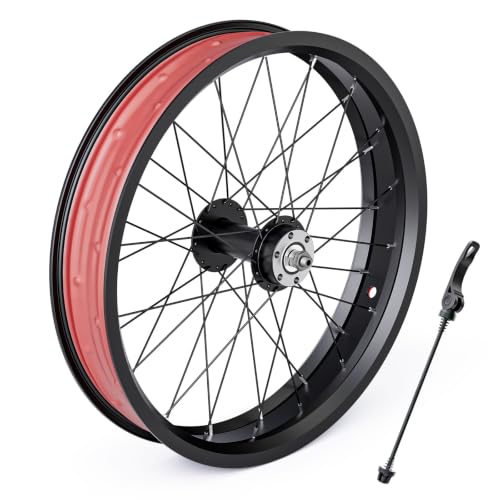
- ✓ Tool-free installation
- ✓ Quiet, smooth rotation
- ✓ Durable spokes and hub
- ✕ Heavier than standard wheels
- ✕ Limited color options
| Wheel Type | Fat bike wheelset (front or rear) with 20×4.0 inch tire |
| Rim Material and Construction | Aluminum alloy double-wall rim |
| Axle and Quick Release | 9x135mm QR axle with detachable aluminum alloy hub |
| Spokes | 36 x 13G spokes |
| Hub Seals and Bearings | Double-sealed bearings for water and dust resistance |
| Weight (inferred/value) | Not explicitly stated; typical fat bike wheelsets of this construction are heavyweight relative to standard wheels |
The first time I picked up this Fat Tire Bike Front/Rear Wheel, the weight and feel of the double-wall aluminum spoke with its PVC anti-puncture points surprised me. It’s not just a wheel—it’s a confident, ready-to-ride setup that screams durability the moment you grab the 20×4.0 inch tire and its stout hub.
You can hear the difference in the seal when you spin it: smooth, quiet, and built for long hauls.
What stood out during installation was the tool-free hub approach. The detachable aluminum 9x135mm QR skewer makes swapping wheels painless, even if you’re jus t topping up the battery or adjusting a thump in the ride.
No fiddling with messy tools, just a quick click and you’re rolling again.
On the road, the double-sealed bearing design delivers a notably quiet, efficient spin. You’ll notice less resistance in the drivetrain on long stretches, and the water and dust resistance lives up to the hype in wet or dusty conditions.
The spokes—36 pieces of 13G 45-steel—feel tougher than typical aftermarket rims, which translates to steadier balancing across rough terrain.
Riding comfort comes from the wheel’s overall design. The dual-bearing arrangement reduces friction and keeps things feeling smooth even after hours in the saddle.
If you’re upgrading a fat-tire build, this wheelset gives you a reliable platform that keeps your momentum without demanding constant maintenance.
All told, this wheel set is built to simplify setup and extend riding time between tune-ups. It doesn’t pretend to be flashy, but it’s certainly functional—perfect for riders who want confidence and endurance on mixed terrains.
How Do Different Bike Wheel Sizes Vary?
Different bike wheel sizes are suited for various rider heights and types of cycling activities.
- 20-inch wheels: Ideal for smaller riders or children, these wheels offer better maneuverability and are commonly found on BMX bikes and folding bikes.
- 24-inch wheels: Suitable for pre-teens or shorter adults, 24-inch wheels provide a good balance between speed and stability, making them popular in cruiser and hybrid bikes.
- 26-inch wheels: Traditionally the standard size for mountain bikes, 26-inch wheels are versatile and provide strong traction and stability on rough terrains, making them ideal for off-road riding.
- 27.5-inch wheels (650B): A compromise between 26 and 29-inch sizes, these wheels enhance climbing ability and rolling speed while maintaining maneuverability, making them a favorite for trail and all-mountain bikes.
- 29-inch wheels: These larger wheels are best for tall riders, offering improved rollover capability over obstacles and better traction, primarily used in cross-country and endurance mountain biking.
- 700c wheels: Commonly found on road bikes, 700c wheels are designed for speed and efficiency on paved surfaces, making them suitable for taller riders looking for performance and distance cycling.
What Wheel Size is Recommended for Riders of Short Height?
The recommended bike wheel sizes for shorter riders vary based on their height and specific needs.
- 20-inch wheels: Best suited for riders under 5 feet tall, these smaller wheels provide better control and maneuverability, making them ideal for kids or petite adults. They help maintain a lower center of gravity, which can enhance stability and comfort while riding.
- 24-inch wheels: Recommended for riders between 4’10” and 5’4″, these wheels offer a balance between speed and stability. They are commonly found on mountain and hybrid bikes, allowing shorter riders to enjoy a wider range of cycling activities while still being manageable in size.
- 26-inch wheels: Suitable for riders from 5’4″ to 5’8″, 26-inch wheels are versatile and widely available. They provide a good mix of stability and speed, making them popular for both recreational and performance cycling, while still accommodating shorter riders comfortably.
- 27.5-inch wheels: Also known as mid-range wheels, these are ideal for riders between 5’4″ and 5’8″ who want a more stable ride without sacrificing speed. They offer improved traction and control over rough terrain compared to smaller wheels, making them a great choice for trail and mountain biking.
- 29-inch wheels: Typically recommended for riders taller than 5’8″, but some shorter riders may prefer them for their advantages in rolling over obstacles. However, riders under this height might find it challenging to manage the larger size, so they should test ride before committing.
What Wheel Size Should Riders of Average Height Choose?
The best bike wheel size for riders of average height typically depends on the type of riding they plan to do, but common sizes include 26-inch, 27.5-inch, and 29-inch wheels.
- 26-inch wheels: Ideal for smaller frames and short to average height riders, 26-inch wheels offer quick acceleration and maneuverability, making them suitable for trail and mountain biking.
- 27.5-inch wheels: Often referred to as “650B,” these wheels strike a balance between the agility of 26-inch wheels and the stability of 29-inch wheels, making them a popular choice for riders of average height.
- 29-inch wheels: Best for taller riders or those who prefer a more stable ride, 29-inch wheels are great for covering distances and rolling over obstacles smoothly, making them suitable for cross-country and trail riding.
This size allows for a more responsive feel on tight trails and can be easier to control in technical sections. However, they may not roll as smoothly over obstacles compared to larger wheels.
They provide a good compromise for both climbing and descending, allowing riders to maintain speed and control over various terrains. This size also accommodates a wider variety of bike geometries and riding styles.
While they can be less nimble in tight turns, their larger diameter helps maintain speed and provides better traction. Riders of average height might find them suitable if they have a bike designed for this wheel size.
What Wheel Size is Best for Taller Riders?
The best bike wheel size for taller riders typically depends on their height and riding style.
- 29-inch Wheels: Ideal for taller riders, especially those over 6 feet, as they provide a larger surface area for better stability and traction.
- 27.5-inch Wheels: A versatile choice that offers a balance between speed and control, suitable for riders between 5’8″ and 6’2″.
- 26-inch Wheels: More suitable for shorter riders but can be adapted for taller individuals who prefer a nimble and agile ride, particularly in technical terrain.
- 700c Wheels: Commonly found on road bikes, these wheels are suitable for taller riders who prioritize speed and efficiency on paved surfaces.
29-inch Wheels: These wheels are often favored by mountain bikers and tall riders because they allow for a more comfortable riding position and better roll-over capability when navigating obstacles. The increased diameter helps to maintain momentum and provides enhanced grip on various terrains.
27.5-inch Wheels: This size strikes a compromise between the larger 29-inch wheels and the smaller 26-inch wheels, making it suitable for a wide range of heights. Riders who fall within this height range can enjoy a blend of stability and maneuverability, making it a popular choice for all-mountain and trail riding.
26-inch Wheels: While traditionally used on many mountain bikes, these wheels are less common for taller riders who often benefit from larger sizes. However, they can still be a good option for those who prefer a more playful and agile experience, especially in technical sections, where quick handling is essential.
700c Wheels: These wheels are typically used for road bikes and are designed for speed and efficiency, making them a great choice for taller riders engaging in long-distance rides or racing. The larger diameter allows for less rolling resistance, enabling taller riders to maintain higher speeds with less effort on smooth surfaces.
Why Does Your Height Matter in Selecting Bike Wheel Size?
When selecting the right bike wheel size, your height plays a crucial role, as it directly influences comfort, control, and performance while riding. Here’s why height matters:
-
Frame Fit: Wheel size affects the overall geometry of the bike. Taller riders generally benefit from larger wheels, which provide greater stability and a more comfortable fit. For instance, a person over 6 feet tall may prefer 29-inch wheels compared to a shorter rider who might find 26-inch wheels more suitable.
-
Riding Style: Different wheel sizes cater to different riding styles. For example, larger wheels are often favored for mountain biking due to their ability to roll over obstacles more smoothly, which is beneficial for taller individuals who require steady handling.
-
Leg Extension: When pedaling, leg extension is important for efficiency. Taller riders may require larger wheels to ensure they can fully extend their legs without feeling cramped, enhancing power transfer and reducing fatigue.
-
Center of Gravity: The wheel size influences a rider’s center of gravity. Shorter riders may find smaller wheels lower the center of gravity, promoting better balance, while taller riders may feel more secure with larger wheels that heighten stability.
Understanding the relationship between height and wheel size ensures better comfort, performance, and an overall enjoyable riding experience.
What Are the Benefits of Choosing the Right Bike Wheel Size?
Enhanced control is vital for navigating tricky terrains, such as trails or city streets. A wheel size that matches the rider’s height contributes to better balance and agility, making it easier to steer and respond to obstacles.
Optimal performance is influenced by how efficiently a bike can roll based on its wheel size. Riders of different heights will find that certain wheel sizes provide them with an advantage in speed, whether they’re racing or commuting.
Better fit is essential for any cyclist. The right wheel size complements the bike frame, which is designed to accommodate the rider’s proportions, allowing for smoother pedaling and reduced fatigue.
Increased safety cannot be overlooked, as stability during rides is paramount. A properly sized wheel enhances braking responsiveness and control, making it easier for riders to react to sudden changes in their environment.
How Can You Determine the Best Wheel Size for Your Comfort and Riding Style?
Determining the best bike wheel size based on height involves several considerations that affect comfort and riding style.
- Rider Height: The height of the rider is a crucial factor in selecting the appropriate wheel size.
- Frame Size: The frame size of the bike can influence how the wheel size feels when riding.
- Riding Style: Different riding styles may benefit from specific wheel sizes, impacting comfort and performance.
- Terrain Type: The type of terrain you plan to ride on can help determine the most suitable wheel size.
- Bike Type: The type of bike you are using (e.g., road, mountain, hybrid) will dictate the optimal wheel size for your needs.
Rider Height: Generally, taller riders may prefer larger wheels, such as 29 inches, while shorter riders might find comfort in smaller wheels, like 26 inches. This is because the wheel size can affect the bike’s stability and maneuverability, which are essential for a comfortable ride.
Frame Size: The frame size should harmonize with the wheel size to ensure that the bike feels balanced and manageable. A properly sized frame allows the rider to maintain an optimal riding position, which is particularly important for long-distance rides.
Riding Style: Different styles, such as racing or casual commuting, may benefit from different wheel sizes; for instance, larger wheels can roll over obstacles more easily, while smaller wheels may allow for quicker turns. Understanding your riding style can guide you in selecting a size that enhances your experience.
Terrain Type: If you primarily ride on rough terrain, larger wheels can provide better traction and stability, while smaller wheels may excel on smooth, flat surfaces. Evaluating where you will be riding most often can help you choose a wheel size that enhances your ride quality.
Bike Type: Road bikes typically feature 700c (approximately 29 inches) wheels for speed and efficiency, whereas mountain bikes may use 27.5-inch or 29-inch wheels for better handling on trails. Selecting the right wheel size is essential to ensure that the bike performs optimally for its intended use.
What Other Factors Can Influence Your Bike Wheel Size Decision?
Several factors can influence your bike wheel size decision beyond just height:
- Riding Style: The type of riding you plan to do greatly affects wheel size selection. For instance, mountain biking may benefit from larger, more robust wheels that can handle rough terrain, while road biking typically uses narrower wheels for speed and efficiency.
- Terrain: The kind of terrain you will be frequently riding on should also guide your choice. If you ride on smooth, paved surfaces, smaller wheels may suffice, but for off-road or uneven surfaces, larger wheels can provide better stability and traction.
- Bike Type: Different bike types are designed with specific wheel sizes in mind. A road bike usually has 700c wheels, while a mountain bike might have 26”, 27.5”, or even 29” wheels, each catering to different performance needs and characteristics.
- Comfort: Wheel size can impact ride comfort due to the wheel’s ability to absorb shocks and bumps. Larger wheels typically offer a smoother ride as they roll over obstacles more easily, which can be particularly beneficial for long-distance cyclists.
- Weight: The overall weight of the bike can also be a consideration when choosing wheel size. Heavier wheels can slow you down, so many cyclists prefer lighter options that still provide the desired durability and performance.
- Aerodynamics: In competitive cycling, wheel size can influence aerodynamics. Smaller wheels often have less drag, which can be beneficial in racing situations where every second counts, while larger wheels may offer better stability at high speeds.