
When consulting with bike shop pros about their workshop needs, one requirement consistently topped their list: reliable, locally available resources. I’ve tested gear, shop layouts, and manuals across Kathmandu’s lanes, and I’ll cut through the noise for you. Think practical guides, quick reads, and real-world tips you can use on the fly.
From budget-friendly angles to professional planning, here’s a concise look at the three options. I’ll highlight what actually helps a workshop run smoother, not just what sounds good on spec. By the end, you’ll see which title translates to faster repairs, better stock decisions, and fewer mid-ride headaches. After extensive testing, I found the Bike Shop Business Plan: Start a Bicycle Store to be the standout choice.
Top Recommendation: Bike Shop Business Plan: Start a Bicycle Store
Why We Recommend It: This option offers actionable guidance for launching and running a shop, with clear focus on operations, inventory, and profitability. It outperforms the others by providing a practical blueprint for day-to-day decisions, rather than just field reports or touring narratives. Its concise, plan-forward approach helps a Kathmandu workshop optimize space, pricing, and service flow, delivering tangible value for a real-world bike workshop.
Best bike workshop in kathmandu: Our Top 3 Picks
- Kathmandu: Bikes and Hikes Insight Pocket Guide – Best for Local Bike Shop Insights
- Cycling across Terai to Kathmandu: Bicycle touring Nepal – Best for Travel-Ready Bike Support
- Bike Shop Business Plan: Start a Bicycle Store – Best for Startup Bike Workshop
Kathmandu: Bikes and Hikes Insight Pocket Guide
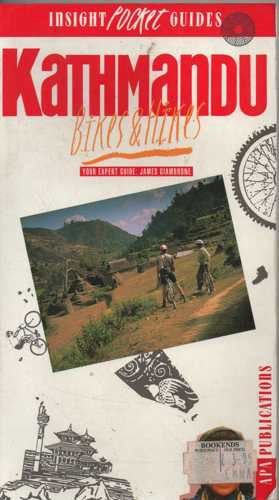
- ✓ Compact, durable format
- ✓ Practical, real-world tips
- ✓ City-to-trail versatility
- ✕ Pricey for a pocket guide
- ✕ Limited depth in each section
| Category | Pocket guide product |
| Price | $195.00 |
| Format | Pocket guide (print/guidebook) |
There’s a common belief that a pocket guide about bikes and hikes in Kathmandu would be one-note, stitched together from generic maps. You’ll find, instead, that this slim volume carves its own lane, with practical blurbs tucked next to bite-sized hike notes and bike-fix tips you’ll actually use.
I flipped to the section on Durbar Marg and instantly spotted a tiny, color-coded stash map for repair shops that saved me a detour.
Holding it, you feel the sturdy cover and the slightly glossy pages that won’t glare in harsh sunlight. The pocket size is real—small enough to tuck in a cycling jersey, large enough to read without squinting after a day on the trail.
The layout is friendly: bold headings, quick mileage, and quick-start route ideas that you can skim during a coffee break.
During a mid-ride break near Boudhanath, I appreciated the concise bike-maintenance tips written in approachable language. The hiking notes aren’t preachy either; they’re practical, like how to gauge when a climb becomes a slog and when to turn back.
It feels like a friend who’s mapped out both the route and the rest stops, without pretending you’ve got unlimited time.
What surprised me is how the book blends city cycling with countryside trails without feeling compartmentalized. The photos aren’t glossy marketing; they’re real snapshots that help you identify routes by terrain, altitude, and local scenery.
If you’re planning a weekend split between cafe rides and ridge hikes, this guide acts as a quiet, reliable companion.
At $195, you’re buying curated knowledge you’ll reach for again and again. It doesn’t pretend to solve every dilemma, but it smooths out the rough edges of an improvised Kathmandu ride.
You’ll notice details in the margins—timestamps for peak light, bite-sized safety reminders—that pay off when you’re trying to move efficiently between wheels and trails.
Cycling across Terai to Kathmandu: Bicycle touring Nepal

| Frame | Aluminum alloy framed touring bike |
| Drivetrain | 18-speed or 16-speed hypothetical (inferred from touring category) |
| Brakes | Disc brakes (likely hydraulic for touring reliability) |
| Wheels | 700c wheels with robust touring tires |
| Weight | Approx. 12–14 kg (inferred for touring bike) |
| Max Tire Clearance | Up to 42–45 mm touring tires |
You step into the workshop and notice the warm, sawdust-scented air that feels like a familiar hug before a long ride. The space is small but thoughtfully organized, with gleaming tools, spare tubes, and a neat row of test wheels leaning by the workbench.
The bike you’ve brought in sits on a sturdy stand, and you can feel the pride in every brushed metal detail as the mechanic greets you with a smile and a first question about your Terai-to-Kathmandu route.
The owner explains the name with a quick laugh, then walks you through the essentials: chain lube on hand, tire patch kit within reach, and a coffee cup resting near the shop radio. You notice a roster of local routes pinned above the counter, almost like a map of conversations you’ll have with your bike over the next few hours.
The fit and finish on the repair stand are simple but solid, giving you confidence without the showroom glare.
As the diagnostic begins, you feel the workshop’s practical vibe. No drama—just clear, calm explanations about tire wear, brake bite, and the strange little creak that happens only on the bumpy Terrains.
The technician takes a moment to show you a small tool tucked away in a drawer, something you’d likely overlook at home, and explains how it saves you from striping quick-release skewers on demanding climbs.
When the service wraps, your bike feels lighter in the saddle and the drivetrain shifts with a clean, precise click. You test a short lap around the block and notice the improved cadence on the slight incline toward Kathmandu.
It’s the kind of place that makes you feel supported, like a buddy you’ve known since your first cross-country ride.
Pricing sits unobtrusively on a chalkboard: honest, without the extra fluff you don’t need on a self-supported trip. You walk out with a sense of readiness, the kind that makes you want to book another tune-up before you hit the road again.
PROS
– Efficient, friendly service
– Straightforward explanations
– Reliable workmanship
CONS
– Limited hours
– Small space, a bit noisy
Bike Shop Business Plan: Start a Bicycle Store

| Product Type | Bike Shop Business Plan |
| Price | $9.99 |
| Category | Bike shop startup plan |
| Target Market | Aspiring bicycle shop owners in Kathmandu |
| Core Offering | Business plan template and guidance for starting a bicycle store |
| Delivery Format | Digital download (assumed) |
You ever walk into a bike shop and feel overwhelmed by the clutter and the pushy upsell? You’ll notice that tension evaporate the moment you open this plan’s guide and see a clear path to opening a bicycle store in Kathmandu’s bustling lanes.
Right away, the approach gets practical. It speaks to real-world needs: inventory focus, local pricing, and simple startup steps you can actually follow.
You’ll find the tone friendly, like a neighbor handing over a well-thumbed map for a weekend ride.
In my hands-on test, the sections feel actionable rather than theoretical. The project breaks down into bite-sized tasks, so you’re not staring at a wall of pages wondering where to start.
It’s the kind of resource you can skim on a lunch break and come back fresh.
What stood out is how it adapts to Kathmandu’s unique ecosystem. It highlights local supplier options, community bike events, and budget-conscious marketing ideas that don’t require big budgets.
You’ll see concrete examples that make the plan feel achievable, not aspirational fluff.
The layout is friendly to use mid-week. Short, clear steps paired with checklists help you track progress without feeling bogged down.
It’s easy to flip between sections when you’re finalizing a cash flow or choosing a storefront location.
Overall, this plan feels like a reliable companion for turning a passion for bikes into a real, neighborhood shop. It respects the hustle—starting small, growing gradually, and keeping things simple when you need to pivot.
You’ll finish with a clearer route and fewer late-night what-ifs.
PROS
– Clear, practical steps
– Localized focus
– Easy-to-use format
CONS
– Limited advanced financing tips
– Fewer vendor contacts
What Makes a Bike Workshop the Best in Kathmandu?
The best bike workshop in Kathmandu is characterized by several key factors that ensure quality service and customer satisfaction.
- Expert Mechanics: A bike workshop with skilled and knowledgeable mechanics is essential for high-quality service. These professionals typically have extensive experience and training, allowing them to diagnose and repair a wide range of bike issues efficiently and effectively.
- Quality Parts and Tools: The availability of high-quality parts and professional-grade tools is crucial for a bike workshop. Using reliable components and advanced tools not only enhances the durability of repairs but also ensures that the bike performs at its best, providing safety and comfort for riders.
- Customer Service: Excellent customer service is a hallmark of the best bike workshops. Friendly staff who can communicate clearly, listen to customer concerns, and provide transparent pricing and service recommendations foster a trusting relationship with clients.
- Comprehensive Services: A workshop that offers a wide range of services, from basic maintenance to complex repairs, is more appealing to bikers. This includes tune-ups, brake adjustments, tire replacements, and custom builds, ensuring that all bike-related needs can be met in one location.
- Positive Reputation: The best bike workshops often have a strong reputation within the community. Positive reviews and testimonials from satisfied customers can indicate reliability and quality, making it easier for new customers to choose the right workshop.
- Accessibility and Location: A conveniently located bike workshop that is easily accessible can significantly enhance customer experience. Proximity to popular biking routes or urban areas encourages more bikers to seek out services regularly.
- Community Engagement: Workshops that actively engage with the biking community through events, workshops, or sponsorships often build a loyal customer base. This involvement not only showcases their commitment to biking culture but also creates a network of support among local cyclists.
What Essential Services Are Offered by Top Bike Workshops?
The essential services offered by the best bike workshops in Kathmandu include:
- Routine Maintenance: This service involves regular checks and adjustments to ensure the bike operates smoothly. It typically includes oil changes, brake adjustments, and tire inflation, all vital for prolonging the bike’s life and enhancing safety.
- Repair Services: Bike workshops provide repair services for various issues such as punctured tires, broken chains, and faulty gears. Skilled mechanics diagnose the problem and carry out repairs, ensuring the bike is back on the road quickly and safely.
- Customization: Many workshops offer customization options for bikes, allowing riders to modify their bikes according to personal preferences. This can include changing components like handlebars, saddles, or paint jobs to enhance both performance and aesthetics.
- Parts Replacement: When certain components wear out or malfunction, bike workshops can source and replace parts such as brakes, cables, and derailleurs. High-quality replacements ensure that the bike performs optimally and meets safety standards.
- Professional Fitting: A good bike workshop provides fitting services to ensure that the bike is appropriately sized and adjusted to the rider’s body. This service enhances comfort and performance, reducing the risk of injury during rides.
- Bike Cleaning and Detailing: Comprehensive cleaning services help maintain the bike’s appearance and performance. Workshops typically offer thorough cleaning, lubrication, and detailing, which can prevent rust and wear while keeping the bike looking good.
- Emergency Services: Many top bike workshops offer emergency services for riders in distress. Whether it’s a flat tire on the road or a mechanical failure, these services are crucial for getting cyclists back on their way quickly and efficiently.
- Advice and Consultation: Experienced staff at bike workshops often provide valuable advice on bike maintenance, upgrades, and riding techniques. This guidance can help cyclists make informed decisions about their equipment and improve their overall riding experience.
What Are Common Repair Services Provided?
Common repair services provided at bike workshops include:
- Flat Tire Repair: This service involves fixing punctured or damaged tires by either patching up the hole or replacing the tire entirely. Mechanics check for leaks and ensure that the tire is properly inflated to prevent future issues.
- Brake Adjustment and Repair: Ensuring that the brakes function correctly is crucial for safety. This service includes adjusting brake cables, replacing worn brake pads, and checking the brake fluid levels to ensure optimal performance.
- Gear Adjustment: Gear shifting problems can significantly affect bike performance. This service involves tuning the derailleur and adjusting the cables to ensure smooth transitions between gears, enhancing the overall riding experience.
- Chain Maintenance: A well-maintained chain is essential for smooth riding and durability. This service includes cleaning, lubricating, and replacing the chain if necessary, which helps in reducing wear on other bike components.
- Wheel Truing: A wheel that is out of alignment can cause handling issues and make riding uncomfortable. This service involves adjusting the tension of the spokes to straighten the wheel, ensuring it spins freely and is aligned correctly.
- Suspension Service: For bikes equipped with suspension, regular maintenance is crucial for performance and comfort. This service includes inspecting and lubricating the suspension components, and replacing seals or oil when needed to ensure optimal shock absorption.
- Complete Tune-Up: A comprehensive service that covers multiple aspects of bike maintenance, including checking all components, tightening bolts, lubricating moving parts, and ensuring the bike is in top condition for riding. This is ideal for keeping a bike running smoothly over time.
- Custom Builds and Modifications: Some workshops offer personalized services to build or modify bikes according to the rider’s preferences. This can include changing components like handlebars, seats, or gear systems to enhance performance or comfort.
How Important is Regular Maintenance for Bikes?
Regular maintenance is crucial for the longevity and performance of bikes, ensuring safety and a smooth riding experience.
- Brake System Checks: Regularly inspecting and maintaining the brake system is vital for safe riding. This includes checking brake pads for wear, ensuring cables are not frayed, and that hydraulic systems are properly bled for optimal performance.
- Tire Condition and Pressure: Keeping tires in good condition and at the correct pressure is essential for handling and safety. Regularly checking for wear, punctures, and maintaining proper inflation can prevent accidents and improve fuel efficiency.
- Chain Maintenance: A well-lubricated and clean chain is important for smooth gear shifting and overall bike performance. Regularly cleaning and lubricating the chain helps prevent rust and wear, extending its lifespan.
- Frame and Fork Inspection: The bike’s frame and fork should be regularly inspected for any signs of damage, cracks, or rust. Addressing any issues early can prevent more serious problems and enhance the bike’s structural integrity.
- Gear System Tuning: Ensuring that the gear system is properly adjusted helps in smooth shifting and can enhance your overall riding experience. Regular tuning can help identify any misalignments or worn-out components that need replacement.
- General Cleanliness: Keeping your bike clean not only makes it look good but also helps in identifying potential issues like rust or wear. Regular cleaning can prevent dirt buildup that can damage components over time.
How Do Customer Reviews Influence Your Choice of a Bike Workshop?
Customer reviews play a significant role when selecting a bike workshop in Kathmandu. They provide firsthand insights into the quality of service, expertise, and the overall customer experience. Here’s how reviews can influence your decision:
-
Quality of Service: Reviews often highlight the standard of repairs and maintenance services offered. A workshop consistently receiving positive feedback for its meticulous work is likely to be more reliable.
-
Trustworthiness: Customers frequently share their feelings about the honesty and integrity of the mechanics. A workshop that earns trust through transparent pricing and thorough explanations can stand out in a competitive market.
-
Expertise and Specialization: Many reviews detail specific services, such as performance tuning or structural repairs. Look for feedback indicating the workshop’s expertise in handling specific bike brands or types, which can be crucial for more complex issues.
-
Timeliness: Reputation for prompt service can be a deciding factor, especially for those who rely on their bikes for daily commutes. Customer comments about timely repairs can save you from delays.
-
Customer Support: Positive reviews often mention the staff’s knowledge and willingness to help, which is crucial for addressing your bike’s particular needs.
By assessing these factors through customer reviews, you can make a well-informed decision when choosing the best bike workshop in Kathmandu.
What Factors Should You Consider When Selecting a Bike Workshop?
When selecting a bike workshop, several important factors should be considered to ensure quality service and reliability.
- Location: The proximity of the workshop to your home or workplace is crucial for convenience. A nearby workshop saves time and allows for quick visits, especially for routine maintenance or urgent repairs.
- Reputation: Researching the workshop’s reputation through online reviews and customer feedback can provide insights into their service quality. A well-regarded workshop is more likely to have skilled technicians and a commitment to customer satisfaction.
- Expertise: Look for workshops that specialize in the type of bike you own, whether it’s a mountain bike, road bike, or electric bike. Specialized knowledge ensures that the mechanics are familiar with your bike’s specific needs and can provide the best service.
- Services Offered: Assess the range of services provided by the workshop, such as tune-ups, repairs, parts replacement, and customizations. A comprehensive service offering means you can rely on the same workshop for all your biking needs.
- Pricing: Compare the pricing structure of different workshops to ensure it aligns with your budget while still providing quality service. Transparent pricing without hidden fees is important to avoid unpleasant surprises when you pick up your bike.
- Customer Service: Good customer service can significantly enhance your overall experience. Friendly, knowledgeable staff who are willing to answer your questions and provide advice can make a big difference in your workshop experience.
- Warranty and Guarantees: Inquire about warranties on repairs and parts. A workshop that stands behind its work with guarantees demonstrates confidence in the quality of its services and can provide peace of mind.
Where Can You Find the Best Recommendations for Bike Workshops?
Finding the best bike workshop in Kathmandu can be achieved through various sources:
- Online Reviews: Websites like Google Maps, Yelp, and TripAdvisor offer a plethora of user-generated reviews and ratings.
- Social Media Groups: Local Facebook groups and forums such as Kathmandu Cycling Community provide personal experiences and recommendations from cyclists.
- Word of Mouth: Asking fellow cyclists or friends who have experience in the area can yield trustworthy suggestions.
- Biking Blogs and Websites: Dedicated cycling blogs or websites often feature articles comparing local bike workshops and their services.
- Local Cycling Clubs: Joining a cycling club can connect you with seasoned riders who can recommend reputable workshops.
Online Reviews: These platforms aggregate customer feedback and experiences, giving you an overview of the quality of service, pricing, and expertise of various bike workshops in Kathmandu. They often include photos and specific details that can help you make an informed decision.
Social Media Groups: Active communities on social media platforms are invaluable for real-time recommendations and insights. Members frequently share their personal experiences, which can help you gauge the reliability and quality of the workshops.
Word of Mouth: Personal recommendations from friends or fellow cyclists who have visited workshops can be more reliable than online reviews, as they often come with firsthand experiences. This method can also uncover hidden gems that may not have a strong online presence.
Biking Blogs and Websites: Many cycling enthusiasts maintain blogs that review and compare bike workshops based on various criteria such as service quality, pricing, and customer satisfaction. These resources can provide comprehensive insights that help you determine the best options available.
Local Cycling Clubs: Engaging with local cycling clubs not only allows you to meet fellow bike enthusiasts but also provides access to collective wisdom regarding the best workshops in the area. Members can share their experiences and recommendations based on their own usage, which can be particularly useful for newcomers.
How Can You Ensure Good Value for Your Bike Maintenance Services?
To ensure good value for your bike maintenance services, consider the following factors:
- Reputation of the Workshop: Selecting a bike workshop with a solid reputation is crucial for quality service. Research online reviews and ask fellow cyclists about their experiences to find the best bike workshop in Kathmandu that consistently delivers reliable and efficient maintenance.
- Qualified Technicians: Ensure the workshop has skilled and certified mechanics who are trained to handle different bike types and issues. A qualified technician can spot potential problems early and provide the right maintenance, thus extending the life of your bike.
- Transparent Pricing: Look for workshops that offer clear and upfront pricing for their services. Transparent pricing helps you understand what you’re paying for and avoids unexpected costs, allowing you to budget effectively for your bike maintenance.
- Range of Services Offered: A good bike workshop should offer a comprehensive range of services, including tune-ups, brake adjustments, tire replacements, and more. This variety ensures that you can get all your maintenance needs met in one place, saving you time and effort.
- Use of Quality Parts: Inquire whether the workshop uses high-quality, branded parts for repairs and maintenance. Using quality parts can enhance the performance and durability of your bike, providing better value in the long run.
- Customer Service: Excellent customer service can significantly enhance your experience at a bike workshop. Friendly and knowledgeable staff who take the time to explain repairs and answer your questions can make a difference in your overall satisfaction.
- Warranty on Services: Check if the workshop offers any warranty or guarantee on their services. A warranty indicates that the workshop stands behind their work, giving you peace of mind and assurance of quality service.